新闻
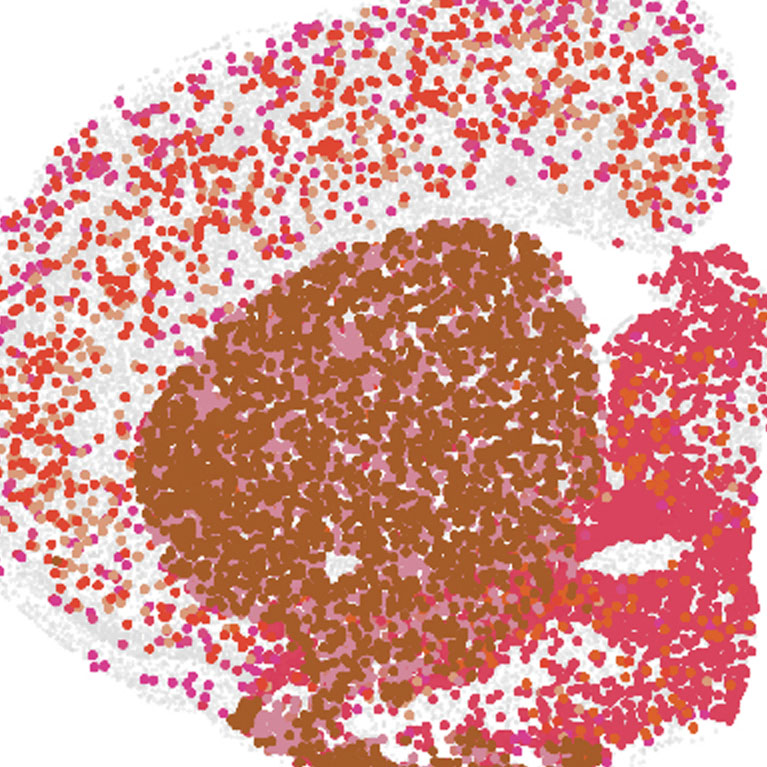
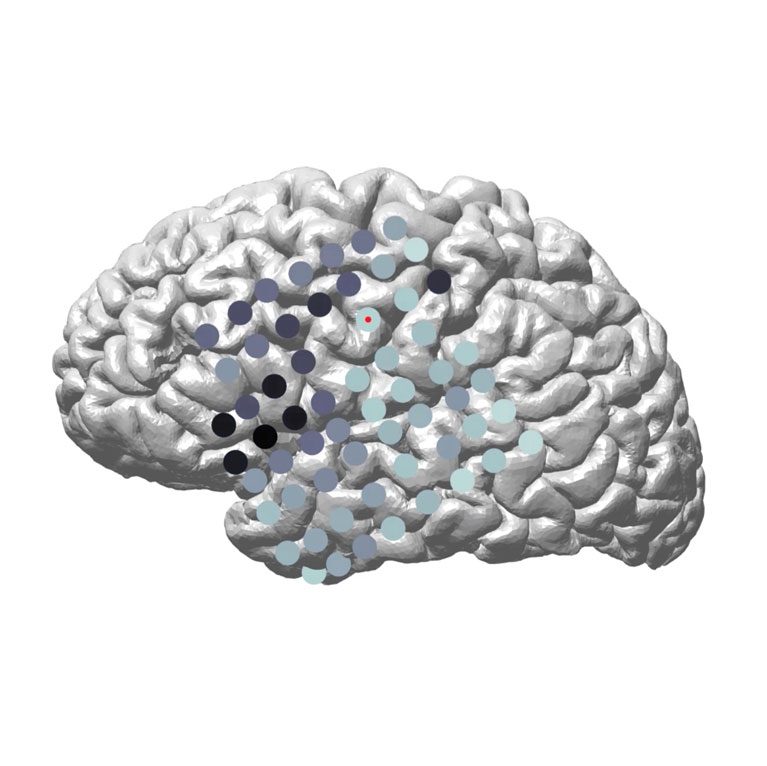
LA JOLLA—Your brain has something surprising in common with the ocean: waves! Electrical activity washes over the brain’s surface, creating what are called traveling brain waves or neural traveling waves. These waves cause real differences in your behavior and attention, and—again, like ocean waves—can have variable causes, from intrinsic to environmental inputs.
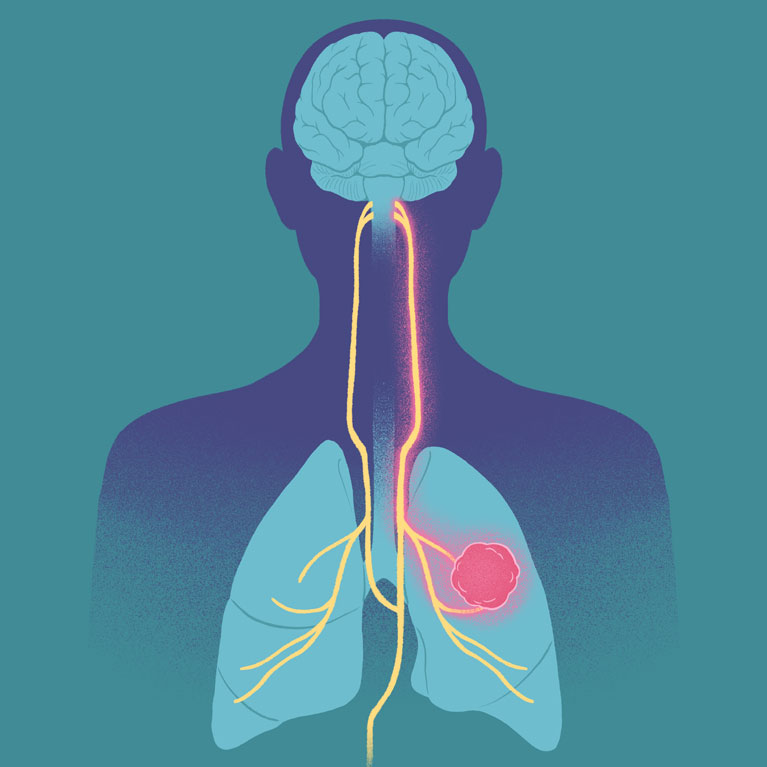
LA JOLLA—According to the Cleveland Clinic, a quarter of cancer deaths can be attributed to one source: cachexia. Cachexia is a syndrome that accompanies underlying chronic illness and causes unwanted muscle and fat loss, reducing quality of life and sometimes even limiting treatment options. A new study led by Thales Papagiannakopoulos, PhD, an incoming Salk professor, points to a potential new target for preventing cachexia.
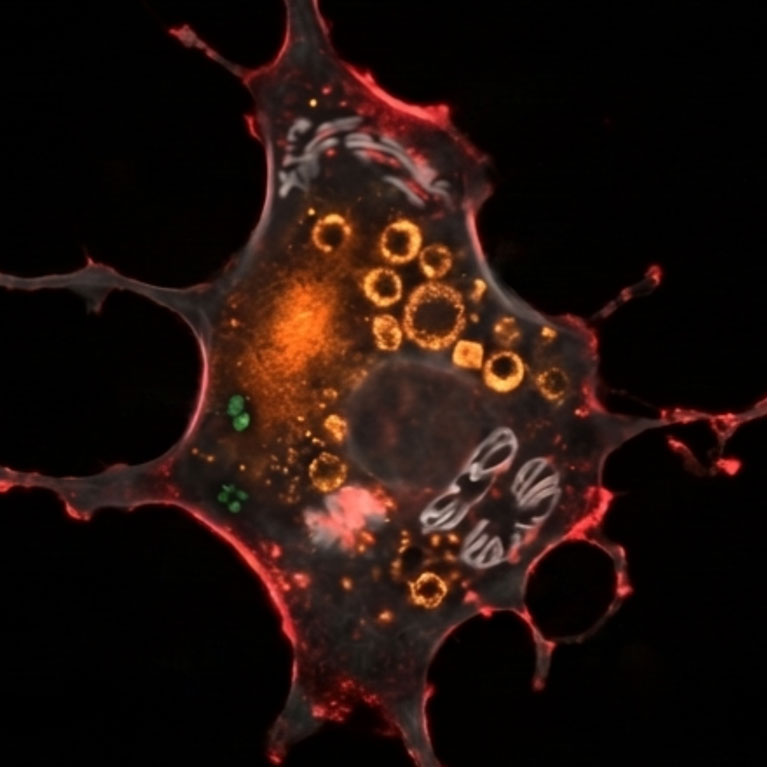
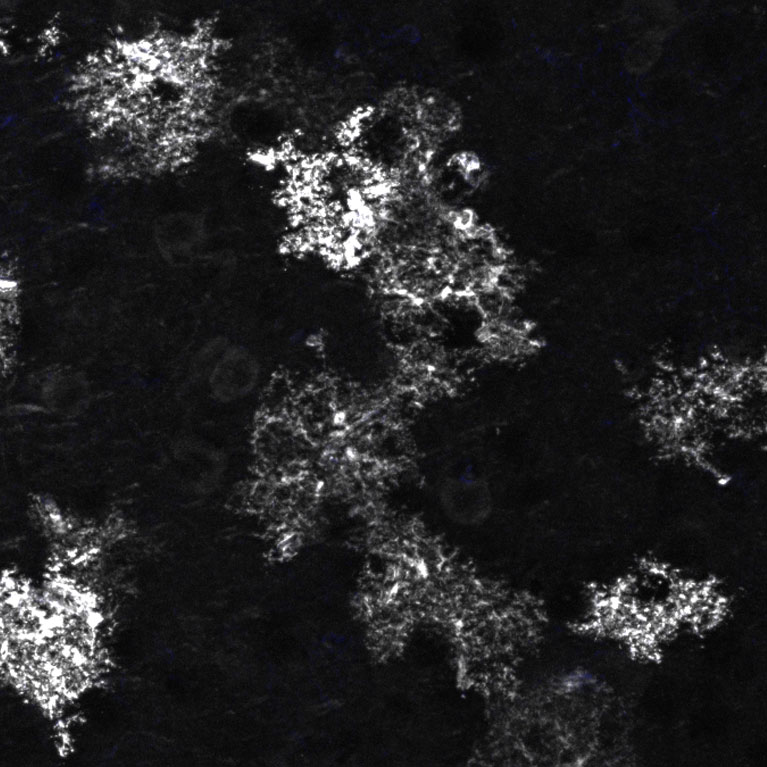
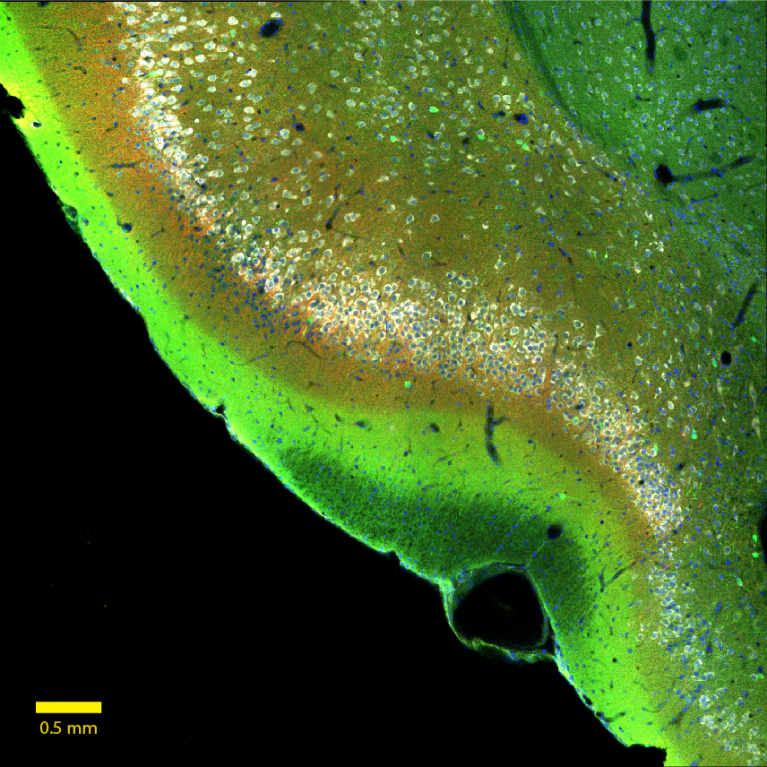
LA JOLLA—Neurodegenerative diseases affect tens of millions of people worldwide. Among these, Alzheimer’s and Parkinson’s diseases are the most common; in the United States alone, the Alzheimer’s Disease Association and Parkinson’s Foundation report roughly 7 million people with Alzheimer’s and another million with Parkinson’s. An intriguing clue lies in the tangled mystery of neurodegeneration that scientists are working to solve: iron accumulation.
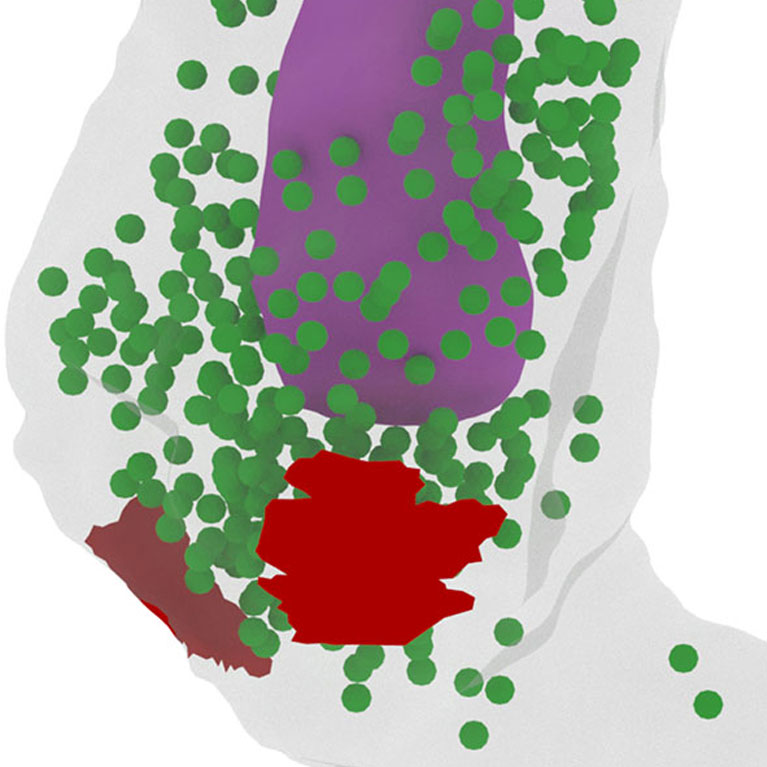
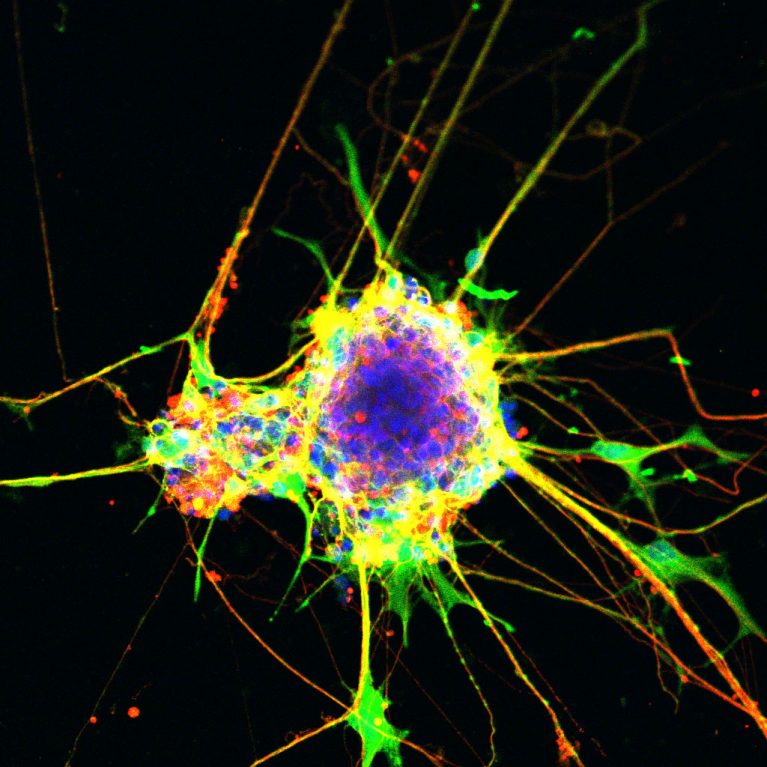
LA JOLLA—Inside the brain is a dense network of neurons that receive, process, and relay information. The synapse, where neurons meet, is the epicenter of this communication. Neurons that send information, called presynaptic neurons, hold tiny packages of neurotransmitters—waiting for a chemical signal from the brain to be released. How this system is regulated by the brain during periods of learning has, until now, been out of reach.
LA JOLLA—Three Salk faculty members, Sung Han 博士, 丹尼尔·霍勒恩,博士, ,和 格雷厄姆-麦克维克博士, have been chosen as Keck Scholars, alongside corresponding graduate students as Keck Fellows, in a special W. M. Keck Foundation Bridge Funding Initiative. The Initiative comes as the Keck Foundation seeks to support early-career scientists amid federal funding uncertainty.
LA JOLLA—Fragile X syndrome (FXS) is an inherited genetic developmental condition that strongly impacts brain development. Despite the syndrome stemming from altered genetic code for the single protein fragile X messenger ribonucleoprotein (FMRP), its symptoms are broad and variable; people with FXS can have a range of behavioral and physical symptoms, and around 40 percent of people with FXS also have autism spectrum disorder. There is currently no cure for FXS; treatments are limited to medications and therapies to help manage symptoms.
LA JOLLA—Salk Institute scientist Terrence Sejnowski, PhD, and Nobel Laureate Geoffrey Hinton, PhD, have received the Scientific Breakthrough Award from the World Digital Technology Academy (WDTA)’s inaugural World Digital and Frontier Technologies (WDFT) Awards. Sejnowski and Hinton are recognized for their pioneering research bridging biological intelligence and computational models, punctuated by their foundational development of Boltzmann machines. Their work provided “the architectural bedrock for deep learning, generative AI, and the large-scale systems now driving digital civilization.”
LA JOLLA—Salk Institute scientist Sreekanth Chalasani 博士, has received an award of up to $41.3 million from the Advanced Research Projects Agency for Health (ARPA-H), an agency within the United States Department of Health and Human Services. The funding will allow Chalasani and his team to transform his lab’s sonogenetics discovery—using ultrasound to precisely control mammalian cells—into a potential new therapy for a number of human conditions, such as peripheral neuropathies.
洛杉矶-索尔克研究所聘请全球知名癌症科学家泰勒斯-帕帕吉安纳克普洛斯(Thales “PapaG” Papagiannakopoulos)博士自2026年9月起担任该研究所教授。Papagiannakopoulos 自 2015 年以来一直在纽约大学格罗斯曼医学院任教,目前是纽约大学格罗斯曼医学院病理学系和 Perlmutter 癌症中心的终身副教授。他将为索尔克带来癌症代谢、癌症免疫学和肿瘤-宿主沟通方面的更多专业知识,为索尔克国家癌症研究所(NCI)指定癌症中心内部以及整个研究所的合作开辟新的机遇。.
拉霍亚—索尔克分子生物学家 杰拉尔德-沙德尔博士, 神经科学家 塔季扬娜-沙佩(Tatyana Sharpee),博士、, 已被选为美国科学促进会(AAAS)2025年度会士。这项荣誉旨在表彰在科学和社会方面取得杰出成就的科学家,AAAS会士将终身担任国家和全球科学的代言人。.
洛杉矶-神经退行性疾病影响着全球 5700 多万人。从阿尔茨海默氏症到帕金森氏症,再到渐冻症等,这些疾病的发病率预计将达到 双 每20年。尽管科学家们知道衰老是神经退行性疾病的主要风险因素,但衰老影响的确切机制仍不清楚。.
洛杉矶-我们的 DNA 是如何储存造就人类所需的大量信息的?如果储存错误会发生什么? 杰西·迪克森,医学博士,哲学博士, 多年来,他一直在研究这个基因组在三维空间中的折叠方式——他知道,如果折叠不正常,可能导致癌症和发育障碍,包括与自闭症相关的障碍。他实验室的最新研究表明,人们越来越认识到基因组的三维组织是不断变化的。通过使用不同类型的人类细胞,他的实验室表明,这种动态的基因组展开和重新折叠过程在基因组的不同部分以不同的速率发生,这反过来又影响基因的调控和表达。.
拉霍亚——年幼的心灵很容易塑造。每一次新的经历都会重塑孩子的大脑回路,在神经元之间添加和移除突触连接。这些连接模式会随着年龄增长而变得更加稳定,但生物学留出了一些灵活性,以确保成年人的大脑仍然能够根据需要进行调整和完善其回路。这种灵活性被称为 神经可塑性, ,我们学习、形成新记忆以及从伤病中恢复的能力都依赖于它。.
拉霍亚—索尔克学会教员 约瑟夫·埃克尔,博士, 罗纳德·埃文斯, 博士,, 鲁斯蒂·盖奇,博士, 克里斯蒂安·梅塔洛, 博士,, 萨奇达南达·潘达, 博士,, 鲁本-肖, 博士,以及 凯泰, ,博士,以及研究助理约瑟夫·内里,都被提名为今年的 科睿唯安高被引研究员名单. 2025年榜单共有来自60个国家的6,868名研究人员,他们在各自的研究领域表现出“显著而广泛的影响力”。”
拉霍亚—美国国立卫生研究院(NIH)已选择索尔克研究所神经科学家 特伦斯·塞津诺维奇, 博士,将于2025年获得 美国国立卫生研究院院长先驱奖. 这项享有盛誉的奖项授予提出极具创造性的、高风险高回报研究的科学家。.
LA JOLLA—After nine months in the womb, humans enter a world filled with texture and shape. We must then quickly learn to recognize and respond to textures and objects in the outside world, beginning with sensations like the soft feel of a t-shirt or the doughy squish of a sandwich. By learning what touch sensations are innocuous, the brain can better recognize painful insults that might cause damage—think skinning a knee or stubbing a toe. But 7 to 10 percent of the global population develops mechanical allodynia, a form of chronic pain where innocuous light touch is perceived as painful.
LA JOLLA—Pain isn’t just a physical sensation—it also carries emotional weight. That distress, anguish, and anxiety can turn a fleeting injury into long-term suffering.
LA JOLLA—Our cells rely on microscopic highways and specialized protein vehicles to move everything—from positioning organelles to carting protein instructions to disposing of cellular garbage. These highways (called microtubules) and vehicles (called motor proteins) are indispensable to cellular function and survival.
拉霍亚—三位萨克研究所的教职员工因其对科学的杰出、创新贡献而获得晋升。副教授 尼古拉·艾伦 和 戴安娜·哈格里夫斯 晋升为正教授,以及助理教授 杰西·迪克森 晋升为副教授。此次晋升基于索尔克学院教职员工和非居民研究员的推荐,并于2025年4月4日获得索尔克学院院长和董事会批准。.
拉霍亚Deep breath in, slow breath out… Isn’t it odd that we can self-soothe by slowing down our breathing? Humans have long used slow breathing to regulate their emotions, and practices like yoga and mindfulness have even popularized formal techniques like box breathing. Still, there has been little scientific understanding of how the brain consciously controls our breathing and whether this actually has a direct effect on our anxiety and emotional state.
LA JOLLA—A new study has provided an unprecedented look at how gene regulation evolves during human brain development, showing how the 3D structure of chromatin—DNA and proteins—plays a critical role. This work offers new insights into how early brain development shapes lifelong mental health.
LA JOLLA—The National Institutes of Health (NIH) has selected Salk Associate Professor 尼古拉·艾伦 to receive a 2024 NIH Director’s Pioneer Award. The award recognizes exceptionally creative scientists pursuing highly innovative research and groundbreaking approaches to major challenges in biomedical, behavioral, or social sciences.
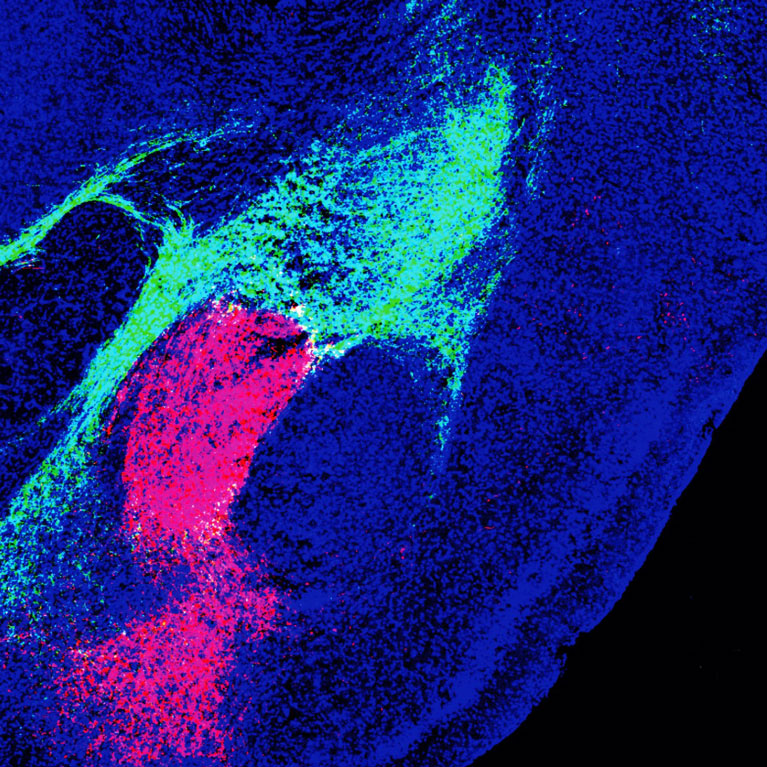
LA JOLLA—Scientists at the Salk Institute are unveiling a new brain-mapping neurotechnology called Single Transcriptome Assisted Rabies Tracing (START). The cutting-edge tool combines two advanced technologies—monosynaptic rabies virus tracing and single-cell transcriptomics—to map the brain’s intricate neuronal connections with unparalleled precision.
LA JOLLA—In 2014, the International Olympic Committee named a syndrome affecting many of its athletes: relative energy deficiency in sport, or REDs. It’s now estimated that more than 40% of professional athletes have REDs, and the rate could be even higher in recreational athletes and exercisers.
LA JOLLA—The Salk Institute was awarded $3.6 million by the California Institute for Regenerative Medicine (CIRM), one of the world’s largest institutions dedicated to regenerative medicine. Salk Professor 鲁斯蒂·盖奇 will lead the new CIRM-funded Shared Resources Laboratory focused on stem cell-based models of aging and neurodegeneration.
LA JOLLA—In the split second as you accidentally touch the hot handle of a cast iron skillet, pain and a sense of danger rush in. Sensory signals travel from the pain receptors in your finger, up through your spinal cord, and into your brainstem. Once there, a special group of neurons relays those pain signals to a higher brain area called the amygdala, where they trigger your emotional fear response and help you remember to avoid hot skillets in the future.
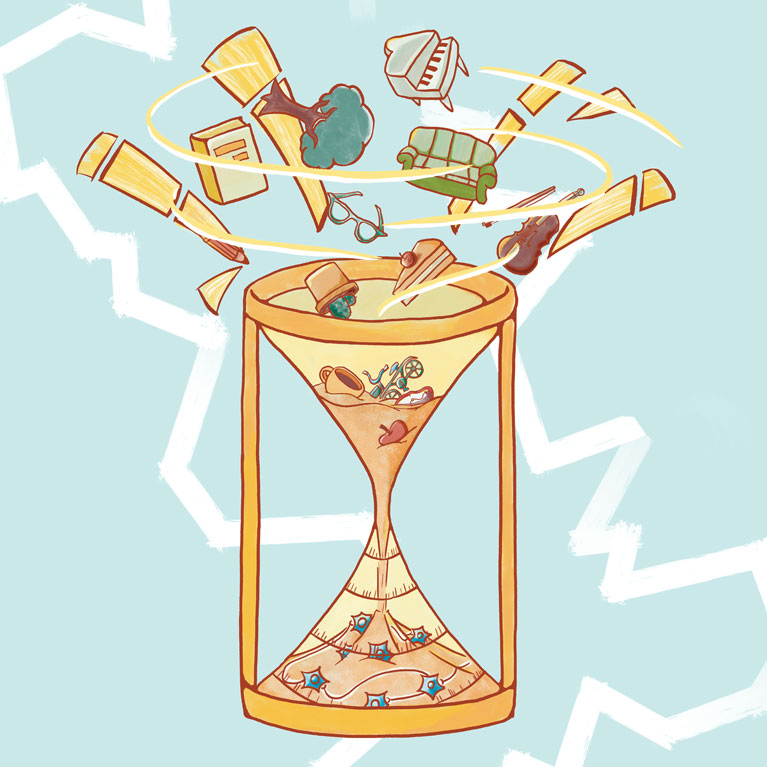
LA JOLLA—With each flip you make through a deck of vocabulary word flashcards, their definitions come more quickly, more easily. This process of learning and remembering new information strengthens important connections in your brain. Recalling those new words and definitions more easily with practice is evidence that those neural connections, called synapses, can grow stronger or weaker over time—a feature known as synaptic plasticity.
LA JOLLA—In recognition of his notable and innovative contributions to science, the Salk Institute’s 阿克塞尔·尼默雅恩 has been promoted from associate professor to full professor. The promotion is based on Salk faculty and Nonresident Fellow recommendations and was approved by Salk’s president and Board of Trustees on April 19, 2024.
拉霍亚—索尔克研究所的 Martyn Goulding, a professor in the Molecular Neurobiology Laboratory and the Frederick W. and Joanna J. Mitchell Chair, was elected to the American Academy of Arts & Sciences. Goulding is a neuroscientist who studies the sensorimotor circuitry in the spinal cord that controls a range of different motor behaviors, from simple reflexes such as scratching to walking and precise forelimb movements.
LA JOLLA—One in every 10 individuals above the age of 65 develops an age-related neurological disorder like Alzheimer’s or Parkinson’s, yet treatment options remain sparse for this population. Scientists have begun exploring whether cannabinoids—compounds derived from the cannabis plant, like well-known THC (tetrahydrocannabinol) and CBD (cannabidiol)—may offer a solution. A third, lesser-known cannabinoid called CBN (cannabinol) has recently piqued the interest of researchers, who have begun exploring the clinical potential of the milder, less psychoactive substance.
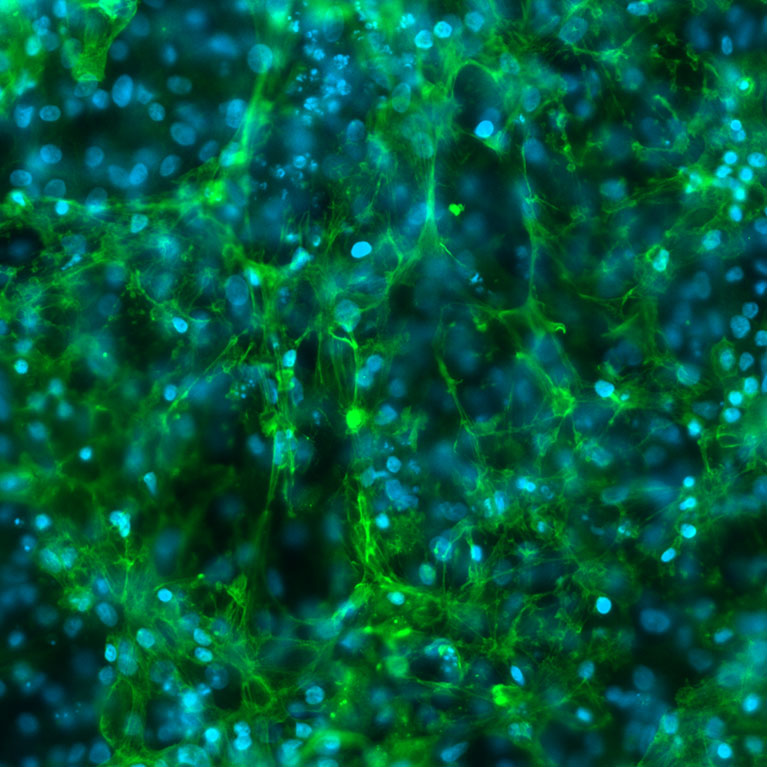
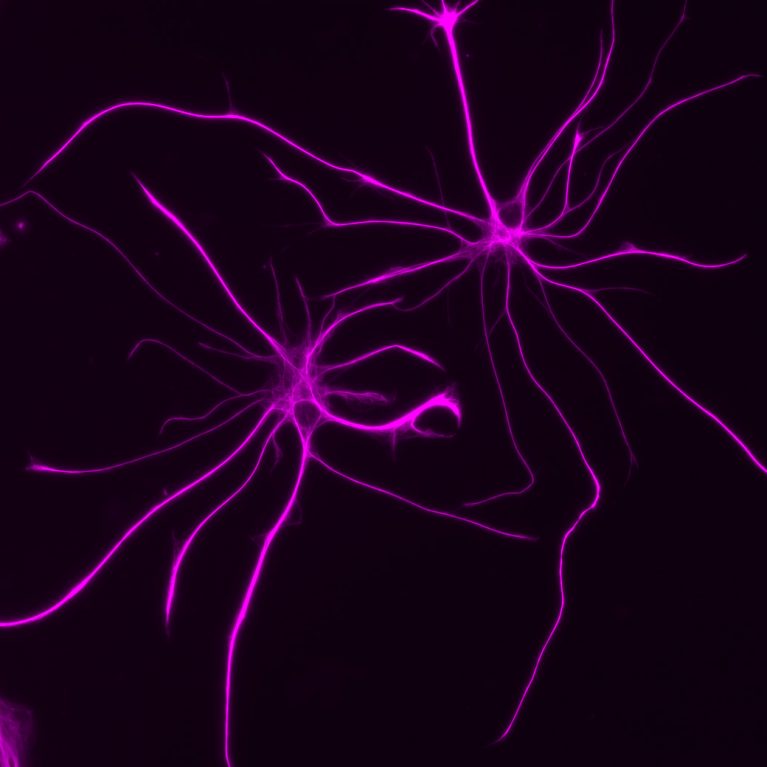
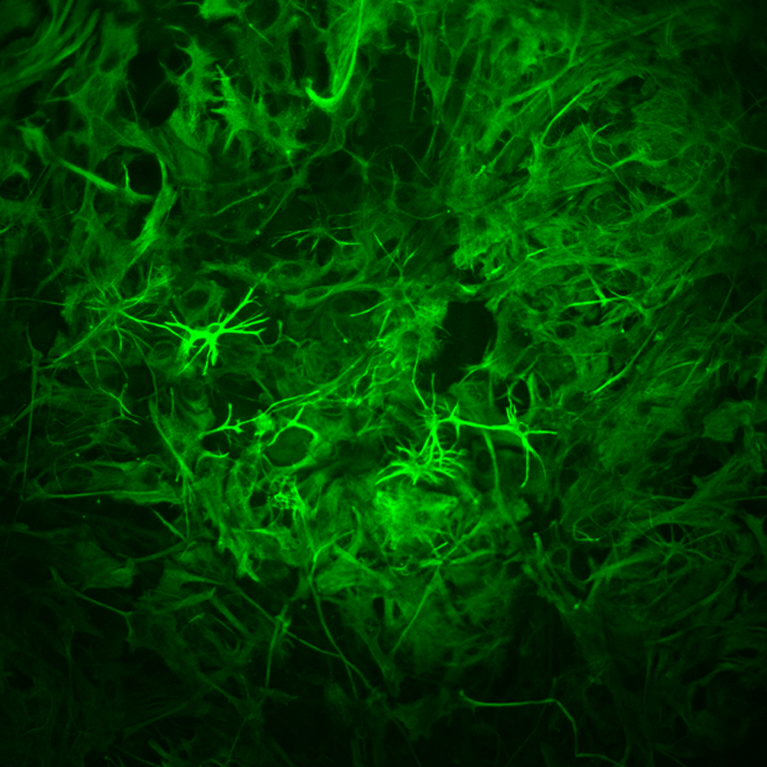
LA JOLLA—The brain is typically depicted as a complex web of neurons sending and receiving messages. But neurons only make up half of the human brain. The other half—roughly 85 billion cells—are non-neuronal cells called glia. The most common type of glial cells are astrocytes, which are important for supporting neuronal health and activity. Despite this, most existing laboratory models of the human brain fail to include astrocytes at sufficient levels or at all, which limits the models’ utility for studying brain health and disease.
拉霍亚—索尔克教授 罗纳德·埃文斯 has been named the 2024 recipient of the Japan Prize in the field of Medical Science and Pharmaceutical Science. The Japan Prize Foundation awards this prestigious international award annually to “express Japan’s gratitude to international society.”
LA JOLLA—Salk Institute Professor 鲁斯蒂·盖奇 助理教授 Pallav Kosuri have been awarded $1.3 million by the W. M. Keck Foundation to fund a novel investigation into the way brain and heart cell functions decline over time due to ribosubstitution events—cellular repair of DNA damage with RNA building blocks rather than DNA building blocks. The award combines the biological discovery of ribosubstitution made by Senior Research Associate Jeff Jones in Gage’s lab with the technological advancements established by Postdoctoral Researcher Yuening Liu in Kosuri’s lab. The W. M. Keck Foundation was established with the goal of generating far-reaching benefits for humanity by supporting outstanding science, engineering, and medical research.
LA JOLLA—Overwhelming fear, sweaty palms, shortness of breath, rapid heart rate—these are the symptoms of a panic attack, which people with panic disorder have frequently and unexpectedly. Creating a map of the regions, neurons, and connections in the brain that mediate these panic attacks can provide guidance for developing more effective panic disorder therapeutics.
LA JOLLA—Salk Institute researchers, as part of a worldwide initiative to revolutionize scientists’ understanding of the brain, analyzed more than 2 million brain cells from mice to assemble the most complete atlas ever of the mouse brain. Their work, published December 13, 2023 in a special issue of 自然, not only details the thousands of cell types present in the brain but also how those cells connect and the genes and regulatory programs that are active in each cell.
LA JOLLA—The Salk Institute has appointed Adam Bowman to the 萨尔克研究员计划, where he will join current Salk Fellow 塔尔莫·佩雷拉. Joining in March 2024, Bowman is an applied physicist who develops new technologies for optical microscopy.
LA JOLLA—Each year in the United States there are more than 3 million cases of peripheral neuropathy, wherein nerves outside of the brain and spinal cord are damaged and cause pain and loss of feeling in the affected areas. Peripheral neuropathy can occur from diabetes, injury, genetically inherited disease, infection, and more. Salk scientists have now uncovered in mice a mechanism for repairing damaged nerves during peripheral neuropathy. They discovered that the protein Mitf helps turn on the repair function of specialized nervous system Schwann cells.
LA JOLLA—Salk Institute researchers, as part of a larger collaboration with research teams around the world, analyzed more than half a million brain cells from three human brains to assemble an atlas of hundreds of cell types that make up a human brain in unprecedented detail.
LA JOLLA—The Salk Institute welcomes Assistant Professor Agnieszka Kendrick, a structural biologist who studies how cells recognize and transport cargo within the cell.
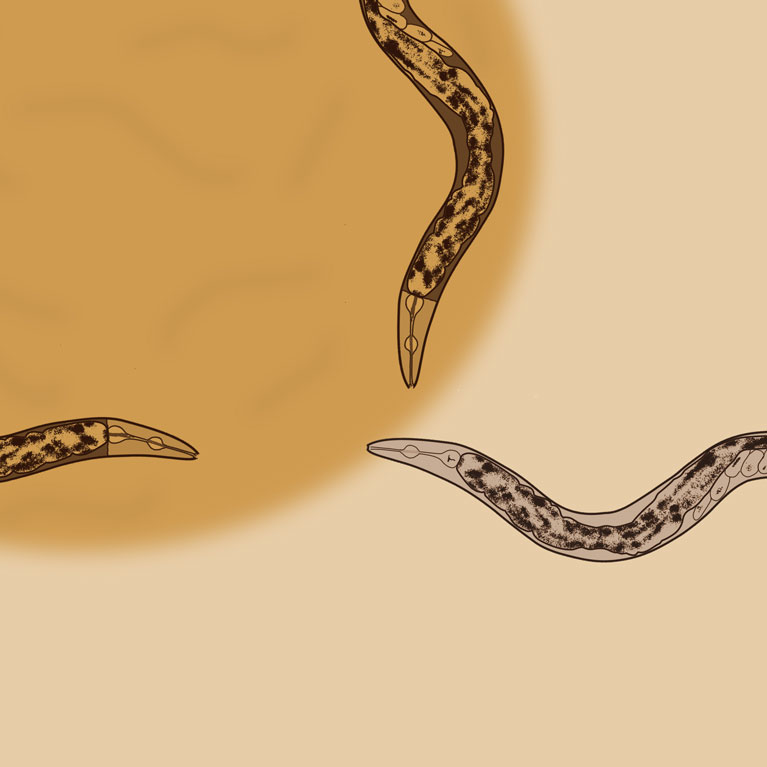
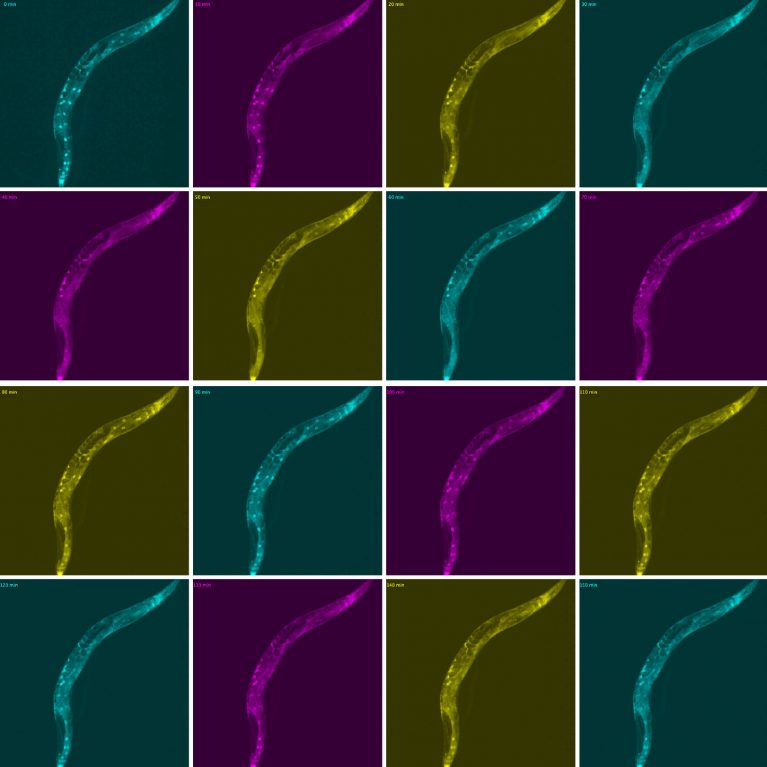
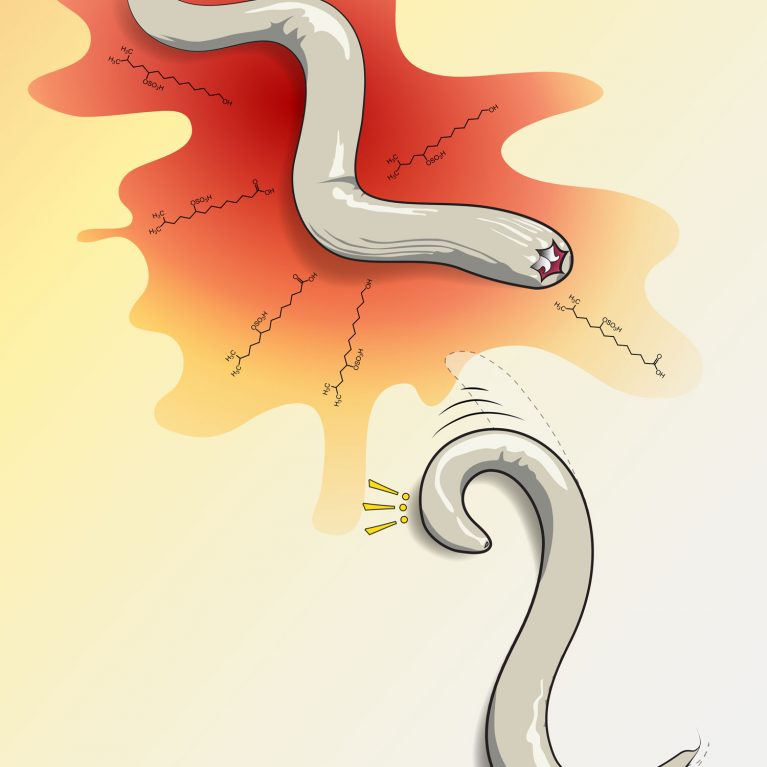
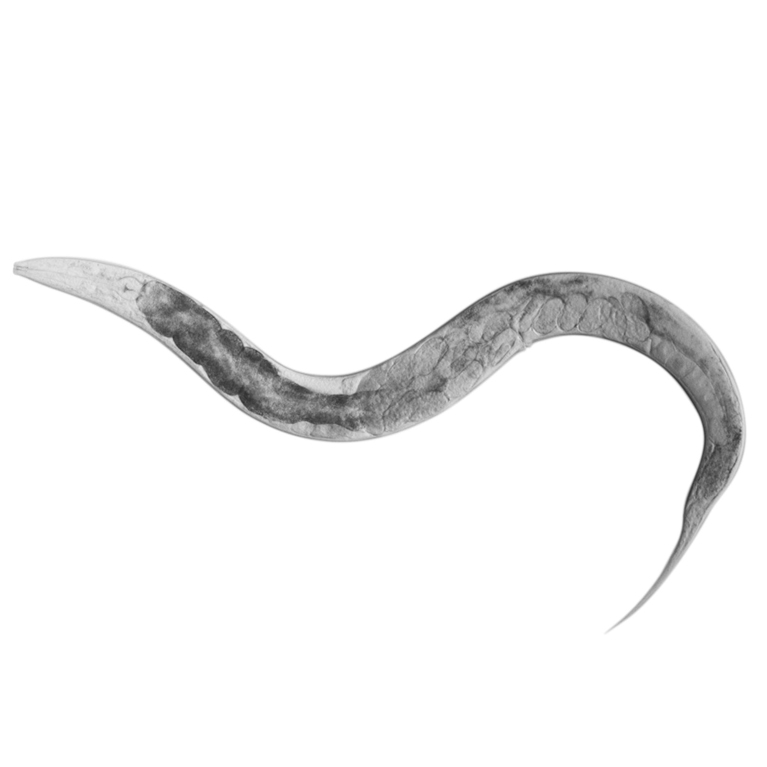
LA JOLLA—The life of the tiny worm called Caenorhabditis elegans consists mostly of looking for food, eating food, and laying eggs. So, when any of these behaviors are disrupted, there’s cause for concern. In a new study, Salk Institute scientists discovered that the “feel good” brain chemical dopamine regulates anxious worm behavior in the presence of nipping predators.
LA JOLLA—The Salk Institute welcomes Assistant Professor Daniel Bayless, a neurobiologist who studies the influence of sex hormones on social interaction and behavior in mice. Bayless joins Salk’s world-renowned neuroscience faculty—a collaborative team working to uncover how our brains work so we can build resilience in the face of stress, aging, and disease.
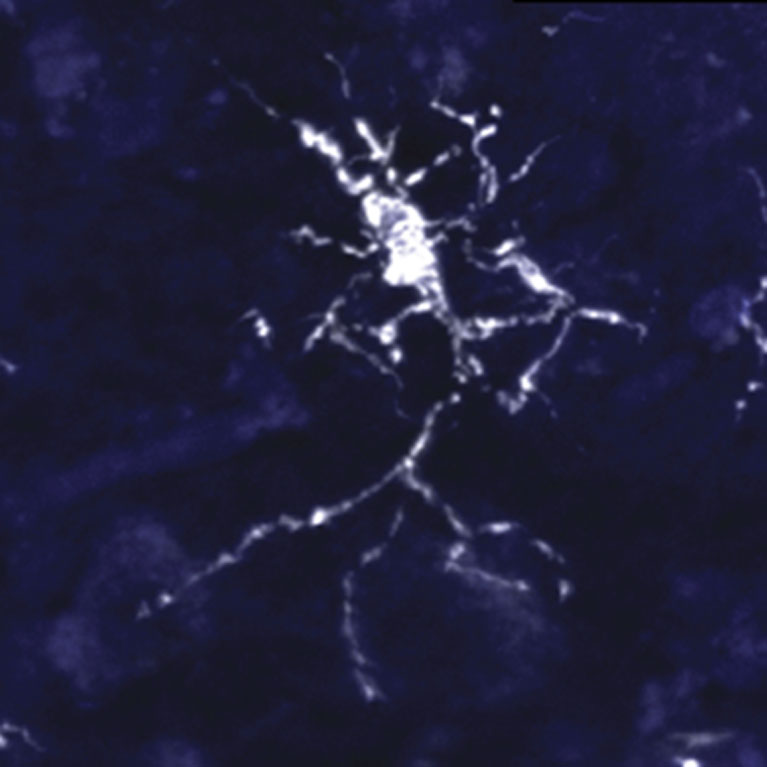
LA JOLLA—Situated at the intersection of the human immune system and the brain are microglia, specialized brain immune cells that play a crucial role in development and disease. Although the importance of microglia is undisputed, modeling and studying them has remained a difficult task.
拉霍亚—除了用神经递质交流外,大脑还使用一种称为神经肽的小蛋白质。神经肽可在神经元之间发送信号,其功能与神经递质相似,但存在一些关键差异,例如体积较大,并且能够远离产生它们的神经元传播。尽管它们的至关重要性已被广泛认识,但神经肽在大脑中移动和影响神经元的方式一直知之甚少——直到现在。.
LA JOLLA—The Salk Institute and Autobahn Labs, an early-stage drug discovery incubator, will work together to identify and advance promising initial scientific discoveries through the preliminary steps of drug discovery and development. Autobahn Labs will invest up to $5 million per project for Salk discoveries that require access to drug development expertise and state-of-the art capabilities.
LA JOLLA—Five Salk Institute faculty members have been promoted for their notable, innovative contributions to science. These faculty members have demonstrated leadership in their disciplines, pushing the boundaries of basic scientific research. Assistant Professors 孙汉, Dmitry Lyumkis, ,和 Graham McVicker were promoted to associate professors, and Associate Professors 斯里坎特·查拉萨尼 和 叶正 were promoted to professors. The promotions were based on Salk faculty and nonresident fellow recommendations and approved by Salk’s president and Board of Trustees on April 21, 2023.
LA JOLLA—Scientists often act as detectives, piecing together clues that alone may seem meaningless but together crack the case. Professor 鲁本-肖 has spent nearly two decades piecing together such clues to understand the cellular response to metabolic stress, which occurs when cellular energy levels dip. Whether energy levels fall because the cell’s powerhouses (mitochondria) are failing or due to a lack of necessary energy-making supplies, the response is the same: get rid of the damaged mitochondria and create new ones.
LA JOLLA—Brains are like puzzles, requiring many nested and codependent pieces to function well. The brain is divided into areas, each containing many millions of neurons connected across thousands of synapses. These synapses, which enable communication between neurons, depend on even smaller structures: message-sending boutons (swollen bulbs at the branch-like tips of neurons), message-receiving dendrites (complementary branch-like structures for receiving bouton messages), and power-generating mitochondria. To create a cohesive brain, all these pieces must be accounted for.
LA JOLLA—Itch is a protective signal that animals use to prevent parasites from introducing potentially hazardous pathogens into the body. If a mosquito lands on a person’s arm, they sense its presence on their skin and quickly scratch the spot to remove it. Itchiness due to something like a crawling insect is known as “mechanical” and is distinct from “chemical” itchiness generated by an irritant such as the mosquito’s saliva if it were to bite the person’s arm. While both scenarios cause the same response (scratching), recent research by Salk Institute scientists has revealed that, in mice, a dedicated brain pathway drives the mechanical sensation and is distinct from the neural pathway that encodes the chemical sensation.
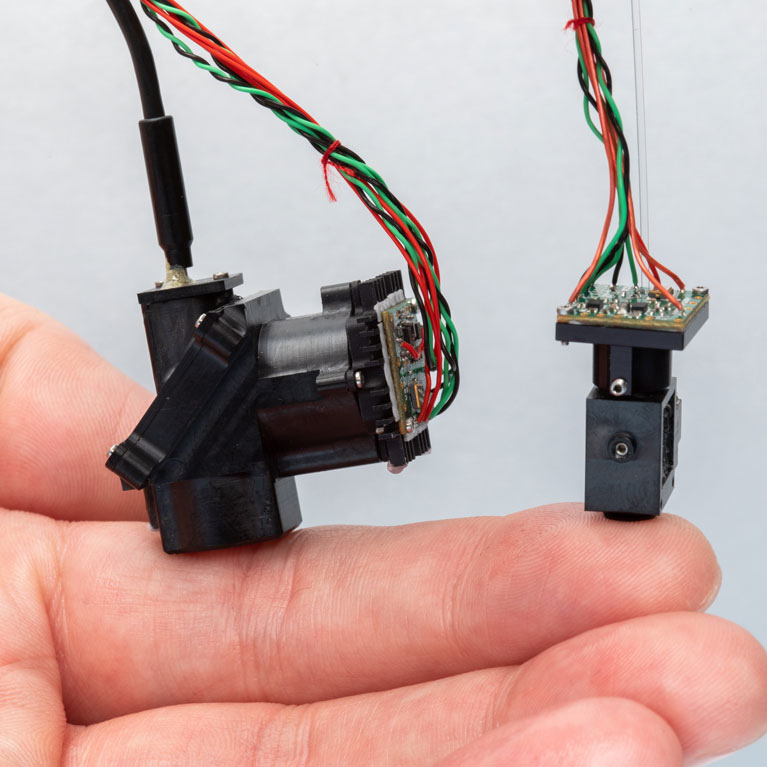
LA JOLLA—The spinal cord acts as a messenger, carrying signals between the brain and body to regulate everything from breathing to movement. While the spinal cord is known to play an essential role in relaying pain signals, technology has limited scientists’ understanding of how this process occurs on a cellular level. Now, Salk scientists have created wearable microscopes to enable unprecedented insight into the signaling patterns that occur within the spinal cords of mice.
LA JOLLA—The artificial intelligence (AI) language model ChatGPT has captured the world’s attention in recent months. This trained computer chatbot can generate text, answer questions, provide translations, and learn based on the user’s feedback. Large language models like ChatGPT may have many applications in science and business, but how much do these tools understand what we say to them and how do they decide what to say back?
LA JOLLA (January 31, 2023)— Salk Institute Professor 约翰·雷诺兹 has been named a 2022 Fellow of the American Association for the Advancement of Science (AAAS), the world’s largest general scientific society and publisher of the journal 科学. Reynolds is among 506 new AAAS Fellows spanning 24 scientific disciplines who were nominated by their peers for their distinguished efforts to advance science.
LA JOLLA—Approximately half of people with type 1 or type 2 diabetes experience peripheral neuropathy—weakness, numbness, and pain, primarily in the hands and feet. The condition occurs when high levels of sugar circulating in the blood damage peripheral nerves. Now, working with mice, Salk Institute researchers have identified another factor contributing to diabetes-associated peripheral neuropathy: altered amino acid metabolism.
拉霍亚—索尔克教授 罗纳德·埃文斯 and an interdisciplinary group of Institute researchers have been awarded a two-year, $1.5 million grant from the Sol Goldman Charitable Trust at the direction of cardiologist and Salk Trustee Benjamin Lewis. The award will fund a research project to explore connections between the gut, brain, and immune system in search of new therapies for patients with multiple sclerosis (MS).
LA JOLLA—Young children sometimes believe that the moon is following them, or that they can reach out and touch it. It appears to be much closer than is proportional to its true distance. As we move about our daily lives, we tend to think that we navigate space in a linear way. But Salk scientists have discovered that time spent exploring an environment causes neural representations to grow in surprising ways.
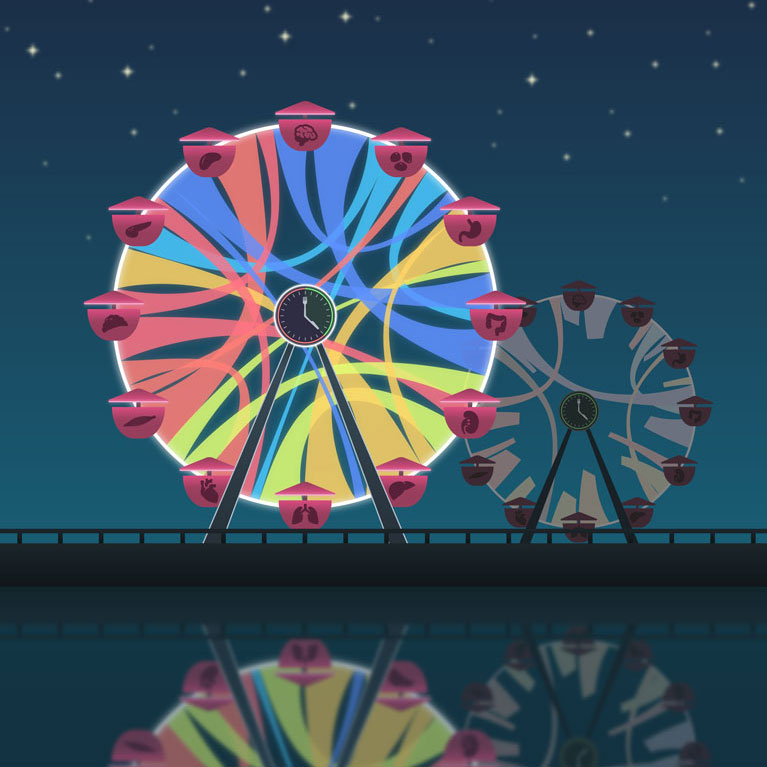
拉霍亚——许多研究表明,限时进食具有健康益处,包括在实验室研究中延长寿命,这使得间歇性禁食等做法成为健康产业的热门话题。然而,它对身体在分子层面的影响以及这些变化如何在多个器官系统中相互作用,这一点尚未得到充分理解。现在,索尔克科学家们在小鼠身上展示了限时进食如何影响身体和大脑 22 个以上区域的基因表达。基因表达是基因被激活并通过产生蛋白质来响应其环境的过程。.
LA JOLLA—Despite decades of research, Alzheimer’s disease remains a debilitating and eventually fatal dementia with no effective treatment options. More than 95 percent of Alzheimer’s disease cases have no known origin. Now, scientists from the Salk Institute have found that neurons from people with Alzheimer’s disease show deterioration and undergo a late-life stress process called senescence. These neurons have a loss of functional activity, impaired metabolism, and increased brain inflammation.
LA JOLLA—When neurons involved in movement—called motor neurons—form, they must build connections that reach from the brain, brainstem, or spinal cord all the way to the head, arms, or the tips of the toes. How neurons navigate these systems and “decide” where and how to grow has largely been a mystery.
LA JOLLA—Aging involves complicated plot twists and a large cast of characters: inflammation, stress, metabolism changes, and many others. Now, a team of Salk Institute and UC San Diego scientists reveal another factor implicated in the aging process—a class of lipids called SGDGs (3-sulfogalactosyl diacylglycerols) that decline in the brain with age and may have anti-inflammatory effects.
拉霍亚Charles F. “Chuck” Stevens, distinguished professor emeritus in Salk’s Molecular Neurobiology Laboratory, died peacefully on October 21, 2022, at his home in San Diego. He was 88.
LA JOLLA—Clay vessels of innumerable shapes and sizes come to life as they illuminate a rich history of symbolic meanings and identity. Some museum visitors may lean in to get a better view, while others converse with their friends over the rich hues. Exhibition designers have long wondered how the human brain senses, perceives, and learns in the rich environment of a museum gallery.
拉荷亚——在国家卫生研究院 (NIH) 提供的为期五年、$1.26 亿美元的资助下,由萨克研究所科学家领导的一个团队启动了一个新的多组学人类大脑细胞图谱中心。作为 NIH 的一部分 脑科学通过先进的创新神经技术研究® (脑科学) 计划, 该项目旨在以前所未有的分子细节来描述组成人脑的细胞,将脑细胞划分为更精确的亚型,并确定每种细胞在人脑中的位置。此外,该团队还将追踪这些特征从生命早期到晚期的变化。.
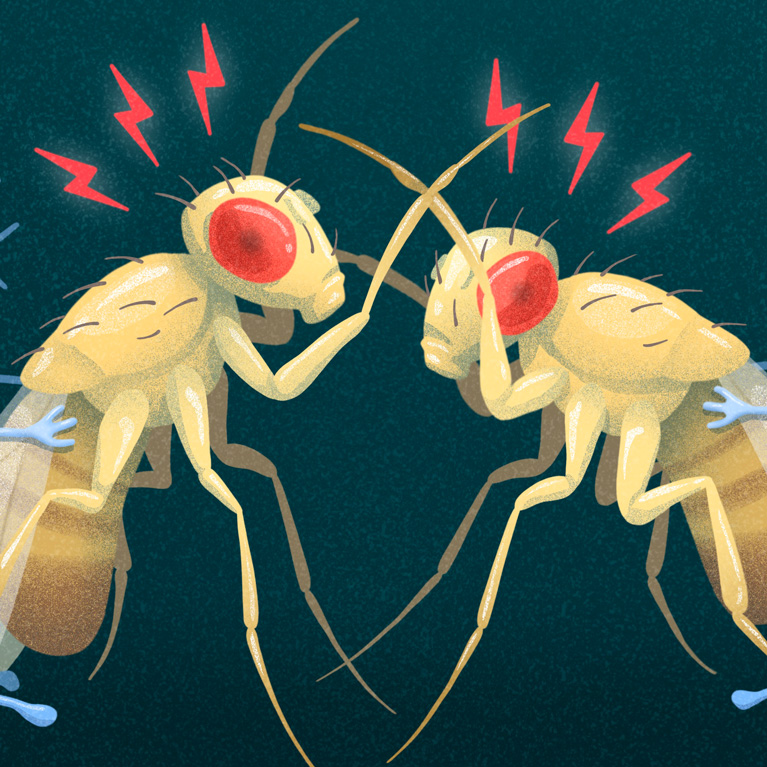
LA JOLLA—The brain mechanisms that cause aggressive behavior have been well studied. Far less understood are the processes that tell the body when it’s time to stop fighting. Now, a new study by Salk scientists identifies a gene and a group of cells in the brain that play a critical role in suppressing aggression in fruit flies.
LA JOLLA—Neurons often get most of the credit for keeping our brains sharp and functioning—as well as most of the blame when it comes to brain diseases. But star-shaped cells called astrocytes, another abundant cell in the human brain, may bear the brunt of the responsibility for exacerbating the symptoms of some neurodevelopmental disorders. Salk Institute scientists have now identified a molecule produced by astrocytes that interferes with normal neuron development in Rett, fragile X and Down syndromes.
LA JOLLA—Salk scientists have uncovered a molecular pathway that distills threatening sights, sounds and smells into a single message: Be afraid. A molecule called CGRP enables neurons in two separate areas of the brain to bundle threatening sensory cues into a unified signal, tag it as negative and convey it to the amygdala, which translates the signal into fear.
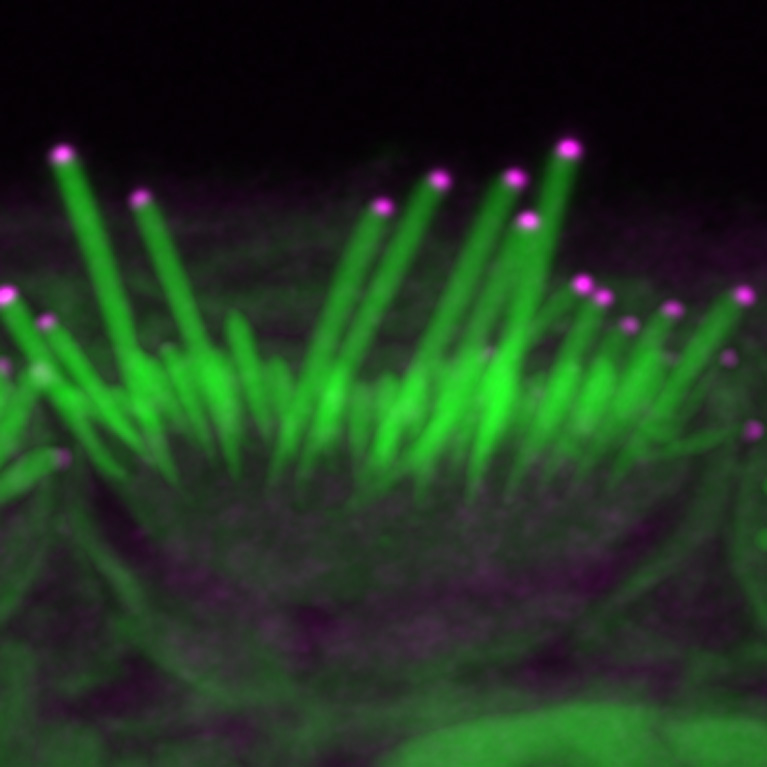
LA JOLLA—Scientists from the Salk Institute and the University of Sheffield co-led a study that shows promise for the development of gene therapies to repair hearing loss. In developed countries, roughly 80 percent of deafness cases that occur before a child learns to speak are due to genetic factors. One of these genetic components leads to the absence of the protein EPS8, which coincides with improper development of sensory hair cells in the inner ear. These cells normally have long hair-like structures, called stereocilia, that transduce sound into electrical signals that can be perceived by the brain. In the absence of EPS8, the stereocilia are too short to function, leading to deafness.
LA JOLLA—Researchers at the Salk Institute and colleagues have discovered the molecule in the brain responsible for associating good or bad feelings with a memory. Their discovery, published in 自然 on July 20, 2022, paves the way for a better understanding of why some people are more likely to retain negative emotions than positive ones—as can occur with anxiety, depression or post-traumatic stress disorder (PTSD).
LA JOLLA—Three Salk Institute faculty members have been promoted based on their outstanding scientific contributions. They are leaders who have made original, innovative and notable contributions to neuroscience. Assistant Professors 朝日奈 健太 和 艾曼·阿齐姆 were promoted to associate professor, and Associate Research Professor 玛格丽塔·贝伦斯 was promoted to research professor.
LA JOLLA—Salk Institute Professor 特伦斯·塞津诺维奇 has been awarded the 2022 Gruber Neuroscience Prize by the Gruber Foundation for his “pioneering contributions to computational and theoretical neuroscience.” He shares the $500,000 award with Larry Abbott of Columbia University, Emery Neal Brown of the Massachusetts Institute of Technology and Massachusetts General Hospital, and Haim Sompolinsky of the Hebrew University of Jerusalem and Harvard University.
LA JOLLA–Whether it’s making rash decisions or feeling grumpy, hunger can make us think and act differently—“hangry,” even. But little is known about how hunger signals in the gut communicate with the brain to change behavior. Now, Salk scientists are using worms as a model to examine the molecular underpinnings and help explain how hunger makes an organism sacrifice comfort and make risky decisions to get a meal.
LA JOLLA—For years, the brain has been thought of as a biological computer that processes information through traditional circuits, whereby data zips straight from one cell to another. While that model is still accurate, a new study led by Salk Professor Thomas Albright and Staff Scientist 谢尔盖·格普什泰因 shows that there’s also a second, very different way that the brain parses information: through the interactions of waves of neural activity. The findings, published in 科学进展 on April 22, 2022, help researchers better understand how the brain processes information.
拉霍亚Ursula Bellugi, Distinguished Professor Emerita and Founder’s Chair at the Salk Institute, 2008 inductee to the National Academy of Sciences and winner of the Jacob Javits Neuroscience Investigator Award, died peacefully on April 17, 2022, in La Jolla, CA, at the age of 91.
LA JOLLA—If you’re reaching for the last piece of pizza at a party and see another hand going for it at the same time, your next move probably depends both on how you feel and whom the hand belongs to. Your little sister—you might go ahead and grab the pizza. Your boss—you’re probably more likely to step back and give up the slice. But if you’re hungry and feeling particularly confident, you might go for it.
拉霍亚—索尔克研究所的研究人员开发了一种新的基因组学技术,可以同时分析来自单个细胞的 DNA、RNA 和染色质(DNA 和蛋白质的组合)。该方法耗时五年开发,是大型合作项目的重要一步,在这些项目中,多个团队同时努力对数千种新型细胞进行分类。这项新技术发表在 细胞基因组学 将于2022年3月9日,将有助于简化分析。.
LA JOLLA—How does an animal make decisions? Scientists have spent decades trying to answer this question by focusing on the cells and connections of the brain that might be involved. Salk scientists are taking a different approach—analyzing behavior, not neurons. They were surprised to find that worms can take multiple factors into account and choose between two different actions, despite having only 302 neurons compared to approximately 86 billion in humans.
LA JOLLA—Salk Institute Professor Martyn Goulding will receive the 2022 Brain Prize for pioneering research on the neuronal circuits that control movement, the Lundbeck Foundation announced today.
LA JOLLA—Salk scientists have engineered mammalian cells to be activated using ultrasound. The method, which the team used to activate human cells in a dish and brain cells inside living mice, paves the way toward non-invasive versions of deep brain stimulation, pacemakers and insulin pumps. The findings were published in Nature Communications on February 9, 2022.
LA JOLLA—Decades of research on medical cannabis has focused on the compounds THC and CBD in clinical applications. But less is known about the therapeutic properties of cannabinol (CBN). Now, a new study by Salk scientists shows how CBN can protect nerve cells from oxidative damage, a major pathway to cell death. The findings, published online January 6, 2022, in the journal Free Radical Biology and Medicine, suggest CBN has the potential for treating age-related neurodegenerative diseases, like Alzheimer’s.
LA JOLLA—You’re startled by a threatening sound, and your breath quickens; you smash your elbow and pant in pain. Why a person’s breathing rate increases dramatically when they’re hurting or anxious was not previously understood. Now, a team of Salk scientists has uncovered a neural network in the brain that coordinates breathing rhythm with feelings of pain and fear. Along with contributions to the fields of pain management, psychological theories of anxiety, and philosophical investigations into the nature of pain, their findings could lead to development of an analgesic that would prevent opioid-induced respiratory depression (OIRD), the disrupted breathing that causes overdose deaths.
LA JOLLA—In the classic “Rubin’s vase” optical illusion, you can see either an elaborate, curvy vase or two faces, noses nearly touching. At any given moment, which scene you perceive depends on whether your brain is viewing the central vase shape to be the foreground or background of the picture.
LA JOLLA—It sounds like a party trick: scientists can now look at the brain activity of a tiny worm and tell you which chemical the animal smelled a few seconds before. But the findings of a new study, led by Salk Associate Professor 斯里坎特·查拉萨尼, are more than just a novelty; they help the scientists better understand how the brain functions and integrates information.
LA JOLLA—Salk Professors 乔安·乔里, 约瑟夫·埃克尔, 鲁斯蒂·盖奇, 萨奇达南达·潘达, 鲁本-肖 和 凯泰 have been named to the Highly Cited Researchers list by Clarivate. The list identifies researchers who demonstrate “significant influence in their chosen field or fields through the publication of multiple highly cited papers.” Chory, Ecker and Gage have been named to this list every year since 2014, when the regular annual rankings began. This is Tye’s fifth, Shaw’s third and Panda’s first time receiving the designation. Additionally, Ecker appeared in two separate categories: “plant and animal science” and “molecular biology and genetics” and is one of 3.4 percent of researchers selected in two fields. Joseph Nery, a research assistant II in the Ecker lab, was also included on the list.
拉霍亚—索尔克教授 塔季扬娜·沙尔佩 has won the American Society for Biochemistry and Molecular Biology’s (ASBMB) 2022 DeLano Award for Computational Biosciences. The award is given to a scientist with an innovative development or application of a computer technology that can enhance research in the life sciences at the molecular level.
LA JOLLA—Brain cells called astrocytes play a key role in helping neurons develop and function properly, but there’s still a lot scientists don’t understand about how astrocytes perform these important jobs. Now, a team of scientists led by Associate Professor 尼古拉·艾伦 has found one way that neurons and astrocytes work together to form healthy connections called synapses. This insight into normal astrocyte function could help scientists better understand disorders linked to problems with neuronal development, including autism spectrum disorders. The study was published September 8, 2021, in the journal eLife.
LA JOLLA—The Salk Institute has appointed neuroscientist 帕梅拉·马赫 to the position of Research Professor, a non-tenure faculty position, to reflect her achievements conducting groundbreaking research on Alzheimer’s disease. Maher, who has been a senior staff scientist at Salk since 2004, will continue her work screening for compounds that could slow or stop the progression of neurodegenerative diseases. Two of her compounds are currently undergoing clinical trials for the treatment of Alzheimer’s.
LA JOLLA—As you read this article, touch receptors in your skin are sensing your environment. Your clothes and jewelry, the chair you’re sitting on, the computer keyboard or mobile device you’re using, even your fingers as they brush one another unintentionally—each touch activates collections of nerve cells. But, unless a stimulus is particularly unexpected or required to help you orient your own movements, your brain ignores many of these inputs.
LA JOLLA—The investigational Alzheimer’s drug CMS121, developed and studied at Salk over the last fifteen years, has now moved into a phase 1 clinical trial to evaluate its safety in humans. Salk Research Professor 帕梅拉·马赫 and Bill Raschke of Virogenics, Inc., will receive $4.5 million over two years from the National Institute of Aging to support the trial, and they expect the first doses to be administered to healthy volunteers in early 2022. In mice, CMS121 reverses signs of aging in the brain and prevents the memory loss associated with Alzheimer’s disease.
LA JOLLA—It takes billions of cells to make a human brain, and scientists have long struggled to map this complex network of neurons. Now, dozens of research teams around the country, led in part by Salk scientists, have made inroads into creating an atlas of the mouse brain as a first step toward a human brain atlas.
拉霍亚—索尔克教授 凯泰 has been selected as a Howard Hughes Medical Institute (HHMI) investigator, joining a prestigious group of more than 250 HHMI investigators across the United States who are tackling important scientific questions.
拉霍亚—索尔克副教授 阿克塞尔·尼默雅恩 正带领一支研究团队,获得了$1120 万的 大脑研究通过推进创新神经技术(BRAIN)计划, ,这项研究旨在探讨大脑回路功能的总体原则,包括感觉、感知、决策和运动控制。尼默詹将领导一个为期五年的跨学科项目,研究大脑中星形胶质细胞如何处理和调节神经元信号,以更好地理解大脑的整体功能。.
LA JOLLA—It’s long been known that opioid overdose deaths are caused by disrupted breathing, but the actual mechanism by which these drugs suppress respiration was not understood. Now, a new study by Salk scientists has identified a group of neurons in the brainstem that plays a key role in this process.
拉霍亚—索尔克教授 凯泰 has been named one of three winners of the prestigious Blavatnik National Awards for Young Scientists, one of the world’s largest unrestricted prizes for early-career researchers. Tye, the laureate in the Life Sciences category, will receive $250,000 for her trailblazing work in studying the neural circuits and behaviors related to anxiety and social interaction.
LA JOLLA—When looking at a complex landscape, the eye needs to focus in on important details without losing the big picture—a charging lion in a jungle, for example. Now, a new study by Salk scientists shows how inhibitory neurons play a critical role in this process.
LA JOLLA—The Salk Institute has appointed neuroscientist Talmo Pereira to the 萨尔克研究员计划, renewing the program’s commitment to supporting future intellectual leaders in the biological sciences.
LA JOLLA—Scientists have known for a while that SARS-CoV-2’s distinctive “spike” proteins help the virus infect its host by latching on to healthy cells. Now, a major new study shows that the virus spike proteins (which behave very differently than those safely encoded by vaccines) also play a key role in the disease itself.
LA JOLLA—Despite the prevalence of Alzheimer’s, there are still no treatments, in part because it has been challenging to study how the disease develops. Now, scientists at the Salk Institute have uncovered new insights into what goes awry during Alzheimer’s by growing neurons that resemble—more accurately than ever before—brain cells in older patients. And like patients themselves, the afflicted neurons appear to lose their cellular identity.
LA JOLLA—Spinal cord nerve cells branching through the body resemble trees with limbs fanning out in every direction. But this image can also be used to tell the story of how these neurons, their jobs becoming more specialized over time, arose through developmental and evolutionary history. Salk researchers have, for the first time, traced the development of spinal cord neurons using genetic signatures and revealed how different subtypes of the cells may have evolved and ultimately function to regulate our body movements.
拉霍亚—索尔克副教授 斯里坎特·查拉萨尼 荣获2021年美国国家博士后协会 (NPA) Gallagher导师奖。. 公告已发布 在2021年NPA年度会议上,会议于4月15日至16日举行。查拉萨尼是获得该享有盛誉的奖项的八名决赛选手之一。.
LA JOLLA—One of the characteristic hallmarks of Alzheimer’s disease (AD) is the buildup of amyloid-beta plaques in the brain. Most therapies designed to treat AD target these plaques, but they’ve largely failed in clinical trials. New research by Salk scientists upends conventional views of the origin of one prevalent type of plaque, indicating a reason why treatments have been unsuccessful.
LA JOLLA—Neurons lack the ability to replicate their DNA, so they’re constantly working to repair damage to their genome. Now, a new study by Salk scientists finds that these repairs are not random, but instead focus on protecting certain genetic “hot spots” that appear to play a critical role in neural identity and function.
LA JOLLA—The Salk Institute has appointed 尤里·马诺尔 to the position of assistant research professor, a non-tenure faculty position, as part of its ongoing commitment to attract and retain top talent. Manor has been a Salk staff scientist and director of the Waitt Advanced Biophotonics Core Facility since 2016. He will lead an independent research group and continue his work developing cutting-edge imaging techniques to illuminate biologically relevant targets.
拉霍亚—索尔克教授 Thomas Albright has been awarded $1 million and Assistant Professor Edward Stites awarded $500,000 by The Conrad Prebys Foundation as part of its inaugural round of grants. The funding will support Albright’s project looking at how our visual sense changes as we age or gain experience at new visual tasks, and Stites’ project investigating how specific FDA-approved drugs function against three types of melanoma mutations, which drive approximately 80 percent of melanomas.
LA JOLLA—Professors 萨钦·潘达 和 塔季扬娜·沙尔佩 have both been recognized for their contributions and dedication to advancing science through research by being named to endowed chairs at the Salk Institute.
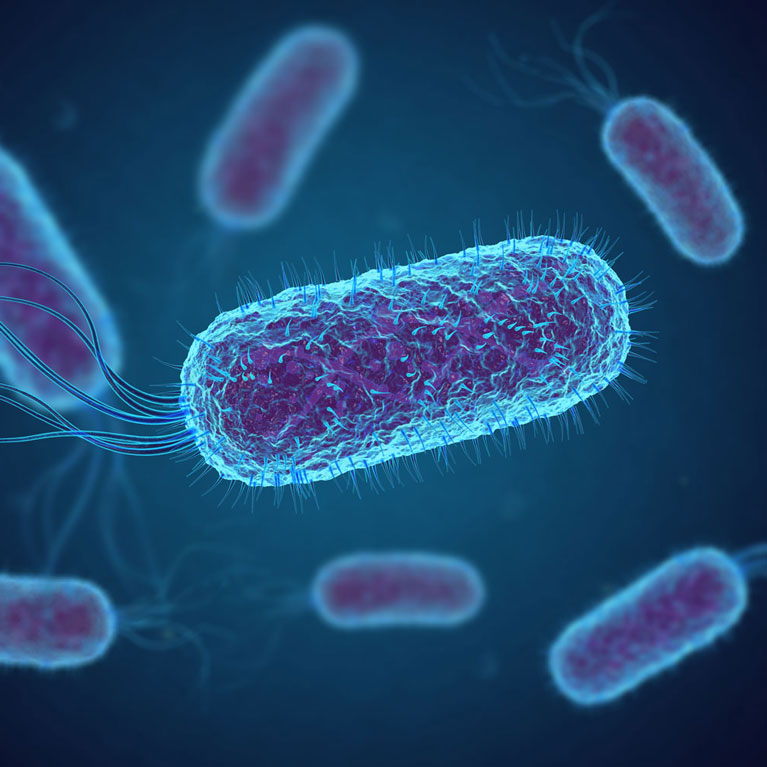
LA JOLLA—As scientists learn more about the microorganisms that colonize the body—collectively called the microbiota—one area of intense interest is the effect that these microbes can have on the brain. A new study led by Salk Institute scientists has identified a strain of 大肠杆菌 bacteria that, when living in the guts of female mice, causes them to neglect their offspring.
LA JOLLA—A collaborative team of Salk scientists led by Professor 约翰·雷诺兹 will receive $1.2 million over four years as part of a Network Grant from the Larry L. Hillblom Foundation to examine aging across the life span, including age-related neurodegenerative diseases such as Alzheimer’s disease. The research will advance our understanding of aging mechanisms at the cognitive, genomic and cellular levels with potentially direct translatability to humans. Other members of the team include Salk President and Professor 鲁斯蒂·盖奇, Staff Scientist 尤里·马诺尔, Senior Staff Researcher Courtney Glavis-Bloom, and Carol Marchetto, an assistant professor at the University of California San Diego.
LA JOLLA—Lithium is considered the gold standard for treating bipolar disorder (BD), but nearly 70 percent of people with BD don’t respond to it. This leaves them at risk for debilitating, potentially life-threatening mood swings. Researchers at the Salk Institute have found that the culprit may lie in gene activity—or lack of it.
LA JOLLA—If you’ve ever forgotten something mere seconds after it was at the forefront of your mind—the name of a dish you were about to order at a restaurant, for instance—then you know how important working memory is. This type of short-term recall is how people retain information for a matter of seconds or minutes to solve a problem or carry out a task, like the next step in a series of instructions. But, although it’s critical in our day-to-day lives, exactly how the brain manages working memory has been a mystery.
LA JOLLA—Getting computers to “think” like humans is the holy grail of artificial intelligence, but human brains turn out to be tough acts to follow. The human brain is a master of applying previously learned knowledge to new situations and constantly refining what’s been learned. This ability to be adaptive has been hard to replicate in machines.
LA JOLLA—When you touch a hot stove, your hand reflexively pulls away; if you miss a rung on a ladder, you instinctively catch yourself. Both motions take a fraction of a second and require no forethought. Now, researchers at the Salk Institute have mapped the physical organization of cells in the spinal cord that help mediate these and similar critical “sensorimotor reflexes.”
LA JOLLA—Salk Institute neuroscientists 爱德华·卡拉威, 斯里坎特·查拉萨尼, and Nancy Padilla Coreano have been named recipients in the 2020 round of grants from the National Institutes of Health (NIH) to gain new insights into brain function.
拉霍亚—想象一下,你上班迟到了,拼命地寻找车钥匙。你已经在家里的每个角落都找遍了,但似乎在哪里都找不到。突然,你意识到你的钥匙一直就摆在你面前。你为什么直到现在才看到它们呢?
LA JOLLA—While your skeleton helps your body to move, fine skeleton-like filaments within your cells likewise help cellular structures to move. Now, Salk researchers have developed a new imaging method that lets them monitor a small subset of these filaments, called actin.
LA JOLLA—A drug candidate developed by Salk researchers, and previously shown to slow aging in brain cells, successfully reversed memory loss in a mouse model of inherited Alzheimer’s disease. The new research, published online in July 2020 in the journal Redox Biology, also revealed that the drug, CMS121, works by changing how brain cells metabolize fatty molecules known as lipids.
LA JOLLA—People wrongfully accused of a crime often wait years—if ever—to be exonerated. Many of these wrongfully accused cases stem from unreliable eyewitness testimony. Now, Salk scientists have identified a new way of presenting a lineup to an eyewitness that could improve the likelihood that the correct suspect is identified and reduce the number of innocent people sentenced to jail. Their report is published in Nature Communications on July 14, 2020.
LA JOLLA—Fruit flies, like many animals, engage in a variety of courtship and fighting behaviors. Now, Salk scientists have uncovered the molecular mechanisms by which two sex-determining genes affect fruit fly behavior. The male flies’ courtship and aggression behaviors, they showed, are mediated by two distinct genetic programs. The findings, both published in eLife on April 21, 2020, demonstrate the complexity of the link between sex and behavior.
LA JOLLA—People with bipolar disorder experience dramatic shifts in mood, oscillating between often debilitating periods of mania and depression. While a third of people with bipolar disorder can be successfully treated with the drug lithium, the majority of patients struggle to find treatment options that work.
LA JOLLA—Researchers at the Salk Institute have discovered a unique pattern of DNA damage that arises in brain cells derived from individuals with a macrocephalic form of autism spectrum disorder (ASD). The observation, published in the journal Cell Stem Cell, helps explain what might go awry in the brain during cell division and development to cause the disorder.
LA JOLLA—Bright light at night interrupts the body’s normal day-night cycles, called circadian rhythms, and can trigger insomnia. In fact, circadian rhythms play a major role in health. Disrupted day-night cycles have even been linked to increased incidence of diseases like cancer, heart disease, obesity, depressive disorders and type 2 diabetes in people who work night shifts. Therefore, understanding how human eyes sense light could lead to “smart” lights that can prevent depression, foster sleep at night, and maintain healthy circadian rhythms.
LA JOLLA—Although alcohol use is ubiquitous in modern society, only a portion of individuals develop alcohol use disorders or addiction. Yet, scientists have not understood why some individuals are prone to develop drinking problems, while others are not. Now, Salk Institute researchers have discovered a brain circuit that controls alcohol drinking behavior in mice, and can be used as a biomarker for predicting the development of compulsive drinking later on. The findings were published in 科学 on November 21, 2019, and could potentially have implications for understanding human binge drinking and addiction in the future.
LA JOLLA, CA—A team of Salk scientists led by Professor Martyn Goulding has been awarded $14.3 million over five years by the National Institutes of Health (NIH) to create a high-resolution atlas of how the mouse brain generates and controls skilled forelimb movements, such as reaching and grasping. Knowledge generated by the grant will provide a better understanding of not only how the brain controls movement, but also how it is affected by neurological diseases and spinal cord injuries that compromise arm, wrist and hand function.
LA JOLLA—During high stress situations such as making a goal in soccer, some athletes experience a rapid decline in performance under pressure, known as “choking.” Now, Salk Institute researchers have uncovered what might be behind the phenomenon: one-way signals from the brain’s emotion circuit to the movement circuit. The study, which was published online on September 6, 2019, in eLife, could lead to new strategies for treating disorders with disrupted movement, such as obsessive-compulsive disorder, anxiety and depression, along with aiding in recovery from spinal cord injuries or physical performance under pressure.
拉霍亚—大脑的前额叶皮层,它赋予我们解决问题和提前规划的能力,包含数十亿个细胞。但要理解这个关键区域中细胞类型的巨大多样性,每种细胞类型都具有独特的遗传和分子特性,一直是一个挑战。.
LA JOLLA—Star-shaped cells called astrocytes help the brain establish long-lasting memories, Salk researchers have discovered. The new work adds to a growing body of evidence that astrocytes, long considered to be merely supportive cells in the brain, may have more of a leading role. The study, published in the journal GLIA on July 26, 2019, could inform therapies for disorders in which long-term memory is impaired, such as traumatic brain injury or dementia.
LA JOLLA—Light touch plays a critical role in everyday tasks, such as picking up a glass or playing a musical instrument. The sensation is also an essential part of the body’s protective defense system, alerting us to objects in our environment that could cause us to fall or injure ourselves. In addition, it is part of the detection system that has evolved to protect us from biting insects, such as those that cause malaria and Lyme disease, by eliciting a feeling of an itch when an insect lands on your skin.
LA JOLLA–约瑟夫·埃克尔, professor and director of Salk’s Genomic Analysis Laboratory and 玛格丽塔·贝伦斯, a research professor in Salk’s Computational Neurobiology Laboratory, will receive over $1.6 million over three years as part of a Seed Network Grant from the Chan Zuckerberg Initiative (CZI).
LA JOLLA—Neurodevelopmental disorders arising from rare genetic mutations can cause atypical cognitive function, intellectual disability, and developmental delays, yet it is unclear why and how this happens. Scientists suspected a mutation in a complex of proteins could be the culprit for a group of rare genetic disorders and, now, Salk Institute researchers have identified the molecular mechanism linking this mutation with abnormal nervous system development. The team’s findings, published in Molecular Cell on July 30, 2019, bring researchers one step closer to understanding neurodevelopmental disorders, such as Nicolaides-Baraitser syndrome and others.
LA JOLLA—The world is filled with millions upon millions of distinct smells, but how mammals’ brains evolved to tell them apart is something of a mystery.
拉霍亚—人眼可见的颜色和形状有数十万种之多,但大脑是如何处理所有这些信息的呢?科学家们此前认为,视觉系统最初是用不同的神经元组来编码形状和颜色,然后在后期才将它们结合起来。但索尔克研究人员的一项新研究(发表在 科学 2019年6月27日的研究表明,存在仅对特定颜色和形状组合做出反应的神经元。.
LA JOLLA—The National Academy of Sciences (NAS) recently announced that Salk Institute Professor 爱德华·卡拉威 is one of 100 new members and 25 foreign associates to be elected to the NAS in recognition of their distinguished and continuing achievements in original research. The election is considered one of the highest honors accorded to a U.S. scientist. Callaway’s recognition brings the number of Salk faculty elected to the NAS to 16.
LA JOLLA—Three Salk Institute faculty members have been promoted after the latest round of faculty reviews determined they are scientific leaders who have made original, innovative and notable contributions to biological research.
LA JOLLA—Selective serotonin reuptake inhibitors (SSRIs) are the most commonly prescribed medication for major depressive disorder (MDD), yet scientists still do not understand why the treatment does not work in nearly thirty percent of patients with MDD. Now, Salk Institute researchers have discovered differences in growth patterns of neurons of SSRI-resistant patients. The work, published in 分子精神病学 on March 22, 2019, has implications for depression as well as other psychiatric conditions such as bipolar disorder and schizophrenia that likely also involve abnormalities of the serotonin system in the brain.
LA JOLLA—(March 22, 2019) Similar to the dozens of Sherpas that guide hikers up treacherous Himalayan mountains to reach a summit, the nervous system relies on elaborate timing and location of guidance cues for neuronal axons—threadlike projections—to successfully reach their destinations in the body. Now, Salk Institute researchers discover how neurons navigate a tricky cellular environment by listening for directions, while simultaneously filtering out inappropriate instructions to avoid getting lost. The findings appeared in 神经元 on March 19, 2019.
LA JOLLA—It’s easy to miss something you’re not looking for. In a famous example, people were asked to closely observe two groups of people—one group clad in black, the other in white—pass a ball among themselves. Viewers were asked to count the number of times the ball passed from black to white. Remarkably, most observers did not notice a man in a gorilla suit, walking among the players. This ability of the brain to ignore extraneous visual information is critical to how we work and function, but the processes governing perception and attention are not fully understood. Scientists have long theorized that attention to a particular object can alter perception by amplifying certain neuronal activity and suppressing the activity of other neurons (brain “noise”).
LA JOLLA—Salk researchers have found, for the first time, that a blood-clotting protein can, unexpectedly, degrade nerves—and how nerve-supporting glial cells, including Schwann cells, provide protection. The findings, published March 14, 2019, in the journal PLOS Genetics, show that Schwann cells protect nerves by blocking this blood-clotting protein as well as other potentially destructive enzymes released by muscle cells. The work could have implications for diseases as diverse as amyotrophic lateral sclerosis (ALS), multiple sclerosis, Alzheimer’s disease or schizophrenia.
LA JOLLA—The medicinal powers of aspirin, digitalis, and the anti-malarial artemisinin all come from plants. A Salk Institute discovery of a potent neuroprotective and anti-inflammatory chemical in a native California shrub may lead to a treatment for Alzheimer’s disease based on a compound found in nature. The research appears in the February 2019 issue of the journal Redox Biology.
LA JOLLA—What makes us human, and where does this mysterious property of “humanness” come from? Humans are genetically similar to chimpanzees and bonobos, yet there exist obvious behavioral and cognitive differences. Now, researchers from the Salk Institute, in collaboration with researchers from the anthropology department at UC San Diego, have developed a strategy to more easily study the early development of human neurons compared with the neurons of nonhuman primates. The study, which appeared in eLife on February 7, 2019, offers scientists a novel tool for fundamental brain research.
LA JOLLA—The most commonly prescribed antidepressants, selective serotonin reuptake inhibitors (SSRIs), lift the fog of depression for many people. But for around a third of people with major depressive disorder, SSRIs don’t make much of a difference. Now, researchers from the Salk Institute have pinned down a possible reason why—the neurons in at least some of these patients’ brains may become hyperactive in the presence of the drugs. The study appeared in 分子精神病学 on January 30, 2019.
LA JOLLA—The incidence of some neurological diseases—especially those related to aging, such as Alzheimer’s and Parkinson’s diseases—is increasing. To better understand these conditions and evaluate potential new treatments, researchers need accurate models that they can study in the lab.
LA JOLLA—Salk scientist 萨凯特·纳夫拉克哈 has received a CAREER award from the National Science Foundation (NSF) totaling more than $1 million over the next five years. The CAREER award supports faculty who exemplify the role of teacher/scholars through outstanding research, excellent education and the integration of education and research within the context of the mission of their organizations.
拉霍亚—自闭症谱系障碍(ASD)是一种相对常见的发育障碍,影响沟通和行为,在美国约有五十九分之一的儿童患有此病,, 根据美国疾病控制与预防中心. 尽管它很普遍,但其病因以及最佳治疗方法仍不清楚。.
LA JOLLA—When we perceive the world around us, certain objects appear to be more noticeable than others, depending on what we do. For example, when we view a forest-covered mountain from a distance, the forest looks like a large green carpet. But as we get closer, we start noticing the individual trees, and the forest fades to the background. What happens in the brain as our experience changes so drastically?
拉霍亚辛金, an associate professor in Salk’s Molecular Neurobiology Laboratory, has been selected as one of four scientists to receive the McKnight Memory and Cognitive Disorders award from the McKnight Endowment Fund for Neuroscience to study how the brain learns, remembers and executes actions. The award, which comprises $300,000 over three years, includes participation in the annual McKnight Conference on Neuroscience.
拉霍亚尼古拉·艾伦, an assistant professor in Salk’s Molecular Neurobiology Laboratory, has received a five-year, $2.5 million Ben Barres Early Career Acceleration Award from the Chan Zuckerberg Initiative (CZI), as part of a $51.95 million effort launching the CZI Neurodegeneration Challenge Network. This new network brings together experimental scientists from diverse research fields—neuroscience, cell biology, biochemistry, immunology and genomics—along with computational biologists and physicians, to understand the underlying causes of disorders such as Alzheimer’s, Parkinson’s, Huntington’s disease and ALS.
LA JOLLA—It might seem like fruit flies would have nothing in common with computers, but new research from the Salk Institute reveals that the two identify novel information in similar ways. The work, which appeared in Proceedings of the National Academy of Sciences (PNAS) on December 3, 2018, not only sheds light on an important neurobiological problem—how organisms detect new odors—but could also improve algorithms for novelty detection in computer science.
LA JOLLA—For most, the time spent staring at screens—on computers, phones, iPads—constitutes many hours and can often disrupt sleep. Now, Salk Institute researchers have pinpointed how certain cells in the eye process ambient light and reset our internal clocks, the daily cycles of physiological processes known as the circadian rhythm. When these cells are exposed to artificial light late into the night, our internal clocks can get confused, resulting in a host of health issues.
LA JOLLA—Old age is the greatest risk factor for many diseases, including Alzheimer’s disease (AD) and cancer. Geroprotectors are a recently identified class of anti-aging compounds. New Salk research has now identified a unique subclass of these compounds, dubbed geroneuroprotectors (GNPs), which are AD drug candidates and slow the aging process in mice.
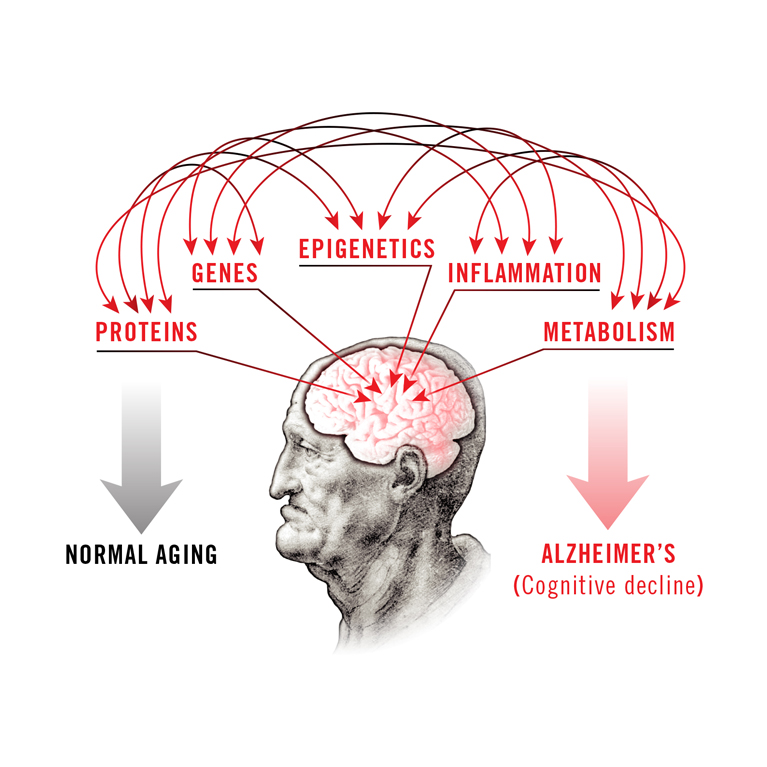
LA JOLLA—A team of Salk Institute researchers led by President 鲁斯蒂·盖奇 has been awarded $19.2 million over eight years by the American Heart Association-Allen Initiative in Brain Health and Cognitive Impairment to investigate mechanisms underlying Alzheimer’s disease and aging-related cognitive decline and uncover new therapies. This bold venture will comprehensively analyze interactions between five areas key to brain health: proteins, genes, metabolism, inflammation and epigenetics.
LA JOLLA—The emerging technology of sonogenetics—a technique where cells are controlled by sound—offers the potential to one day replace pharmaceutical drugs or invasive surgical treatments for neurological conditions like epilepsy, Parkinson’s disease or posttraumatic stress disorder.
LA JOLLA—When we’re born, our brains have a great deal of flexibility. Having this flexibility to grow and change gives the immature brain the ability to adapt to new experiences and organize its interconnecting web of neural circuits. As we age, this quality, called "plasticity," lessens.
LA JOLLA—The words “fly like an eagle” are famously part of a song, but they may also be words that make some scientists scratch their heads. Especially when it comes to soaring birds like eagles, falcons and hawks, who seem to ascend to great heights over hills, canyons and mountain tops with ease. Scientists realize that upward currents of warm air assist the birds in their flight, but they don’t know how the birds find and navigate these thermal plumes.
加拉乔拉——研究生物学的基本方面有时会带来与人类疾病直接相关的意外发现。在最新的科学奇遇例子中,索尔克研究所的研究人员发现,面包酵母中的一个重要质量控制机制与儿童的一种使人衰弱的疾病——髓鞘生成低下白质营养不良症——密切相关。.
LA JOLLA—Every smell, from a rose to a smoky fire to a pungent fish, is composed of a mixture of odorant molecules that bind to protein receptors inside your nose. But scientists have struggled to understand exactly what makes each combination of odorant molecules smell the way it does or predict from its structure whether a molecule is pleasant, noxious or has no smell at all.
LA JOLLA—The Salk Institute announced that distinguished neuroscientist Kay Tye will join the Salk faculty in January 2019 as a full professor. She is currently an associate professor in the Department of Brain and Cognitive Sciences, Picower Institute for Learning and Memory, at the Massachusetts Institute of Technology (MIT).
LA JOLLA—Can you tell the smell of a rose from the scent of a lilac? If so, you have your brain’s piriform cortex to thank. Compared to many parts of the brain, the piriform cortex—which lets animals and humans process information about smells—looks like a messy jumble of connections between cells called neurons. Now, Salk Institute researchers have illuminated how the randomness of the piriform cortex is actually critical to how the brain distinguishes between similar odors.
LA JOLLA—Driving to work, typing an email or playing a round of golf—people perform actions such as these throughout the day. But neuroscientists are still unsure how the brain orchestrates complex actions or switches to a new action—behaviors that are impaired in disorders such as Parkinson’s disease or obsessive-compulsive disorder (OCD).
拉霍亚艾曼·阿齐姆, an assistant professor in Salk’s Molecular Neurobiology Laboratory, has received a McKnight Scholar Award from the McKnight Foundation. The award, which totals $225,000 over three years, encourages neuroscientists at early stages of their careers to focus on disorders of learning and memory. Each year it is awarded to no more than six neuroscientists.
LA JOLLA—Defective energy production in old neurons might explain why our brains are so prone to age-related diseases. Salk researchers used a new method to discover that cells from older individuals had impaired mitochondria—the power stations of cells—and reduced energy production. A better understanding of the effects of aging on mitochondria could reveal more about the link between mitochondrial dysfunction and age-related brain diseases, such as Alzheimer's and Parkinson's.
LA JOLLA—The Salk Institute has received $1.5 million for research into the cellular underpinnings of Alzheimer’s disease from NANOS Co. Ltd. (“NANOS”), a company based in the Republic of Korea. The funds will establish a dedicated laboratory space called the NANOS Alzheimer’s Disease Stem Cell Suite, which will serve as a cell bank focused on Alzheimer’s. This cell bank will house both stem cells and somatic (body) cells from human donors, critical for analysis and testing of therapeutic drugs.
LA JOLLA—As part of its efforts to continuously attract and retain top talent, the Salk Institute has appointed neuroscientist 玛格丽塔·贝伦斯 to the newly created position of Research Professor, which carries non-tenure faculty status. Behrens, who has been a staff scientist in Salk’s Computational Neurobiology Laboratory (CNL) since 2009, will lead her own research group within the CNL, where she will carry out independent research projects and continue to collaborate on studies with the Institute’s other world-renowned neuroscience faculty.
LA JOLLA—By creating multiple types of neurons from stem cells and observing how they interact, Salk scientists have developed a new way to study the connections between brain cells in the lab. Using the technique, which generates a partial model of the brain, the team showed how communication between neurons is altered in people with schizophrenia. The work appeared in Cell Stem Cell on May 3, 2018.
LA JOLLA—If 95 percent of your neighbors are chatty and outgoing, you probably know more about them than the 5 percent who are reclusive and shy. It’s similar for neuroscientists who study the striatum, a brain region associated with action control and learning: they know a lot more about the 95 percent of neurons that communicate with outside regions than the 5 percent that communicate only within the striatum.
LA JOLLA—Many neurological disorders—Alzheimer’s, schizophrenia, autism, even depression—have lagged behind in new therapies. Because the brain is so complex, it can be difficult to discover new drugs and even when a drug is promising in animal models, it often doesn’t work for humans.
LA JOLLA—With forensic science facing mounting scrutiny as it plays an increasingly prominent role in the administration of justice, six scientists who recently served on the National Commission on Forensic Science are calling on the scientific community at large to advocate for increased research and financial support of forensic science as well as the introduction of empirical testing requirements to ensure the validity of outcomes. Their call to action appeared in the 美国国家科学院院刊 (PNAS) the week of April 9, 2018.
LA JOLLA—In the perennial question of nature versus nurture, a new study suggests an intriguing connection between the two. Salk Institute scientists report in the journal 科学 that the type of mothering a female mouse provides her pups actually changes their DNA. The work lends support to studies about how childhood environments affect brain development in humans and could provide insights into neuropsychiatric disorders such as depression and schizophrenia.
LA JOLLA—Ask a dozen people about their greatest fears, and you’ll likely get a dozen different responses. That, along with the complexity of the human brain, makes fear—and its close cousin, anxiety—difficult to study. For this reason, clinical anti-anxiety medicines have mixed results, even though they are broadly prescribed. In fact, one in six Americans takes a psychiatric drug.
LA JOLLA—Those of us who can’t resist tourist tchotchkes are big fans of suitcases with an expandable compartment. Now, it turns out the brain’s capacity for storing new memories is expandable, too, with limitations.
LA JOLLA—Legs and arms perform very different functions. Our legs are responsible primarily for repetitive locomotion, like walking and running. Our arms and hands, by contrast, must be able to execute many highly specialized jobs—picking up a pen and writing, holding a fork, or playing the violin, just to name three.
LA JOLLA—A team of investigators led by Salk Professor 英德·维尔马 has received a $1.2 million grant from the W. M. Keck Foundation to generate transparent tissues in mammals using optically unique proteins called reflectins. This work will allow researchers to make better observations and extend the capabilities of live microscopy, such as observing the brain activity of mice while they are awake.
LA JOLLA—Potentially explaining why even healthy brains don’t function well with age, Salk researchers have discovered that genes that are switched on early in brain development to sever connections between neurons as the brain fine-tunes, are again activated in aging neuronal support cells called astrocytes. The work, which appeared in 细胞报告 on January 2, 2018, suggests that astrocytes may be good therapeutic targets to prevent or reverse the effects of normal aging.
LA JOLLA—The experimental drug J147 is something of a modern elixir of life; it’s been shown to treat Alzheimer’s disease and reverse aging in mice and is almost ready for clinical trials in humans. Now, Salk scientists have solved the puzzle of what, exactly, J147 does. In a paper published January 7, 2018, in the journal Aging Cell, they report that the drug binds to a protein found in mitochondria, the energy-generating powerhouses of cells. In turn, they showed, it makes aging cells, mice and flies appear more youthful.
LA JOLLA—Salk Institute Professors 乔安·乔里 和 特伦斯·塞津诺维奇 have been elected Fellows of the National Academy of Inventors (NAI). Chory is director of the Salk Institute’s Plant Molecular and Cellular Biology Laboratory, a Howard Hughes Medical Institute (HHMI) Investigator and holder of the Howard H. and Maryam R. Newman Chair in Plant Biology. Sejnowski is head of the Institute’s Computational Neurobiology Laboratory, an HHMI Investigator and holder of the Francis Crick Chair.
LA JOLLA—We think of our brain as masterminding all of our actions, but a surprising amount of information related to movement gets processed by our spinal cord.
LA JOLLA—Every day, websites you visit and smartphone apps that you use are crunching huge sets of data to find things that resemble each other: products that are similar to your past purchases; songs that are similar to tunes you’ve liked; faces that are similar to people you’ve identified in photos. All these tasks are known as similarity searches, and the ability to perform these massive matching games well—and fast—has been an ongoing challenge for computer scientists.
LA JOLLA—Sensory neurons regulate how we recognize pain, touch, and the movement and position of our own bodies, but the field of neuroscience is just beginning to unravel this circuitry. Now, new research from the Salk Institute shows how a protein called p75 is critical for pain signaling, which could one day have implications for treating neurological disorders as well as trauma such as spinal cord injury.
LA JOLLA—To have a good phone conversation, you need a good cellular connection. What's true for mobile phones also turns out to be true for neurons.
LA JOLLA—Salk Institute Assistant Professor 艾曼·阿齐姆 has been named an NIH Director’s New Innovator for 2017 as part of the National Institutes of Health’s High-Risk, High-Reward Research Program. The award provides $1.5 million for a 5-year project during which Azim will explore how the nervous system controls dexterous movements.
LA JOLLA—Salk Institute scientists have discovered that an interaction between two key proteins helps regulate and maintain the cells that produce neurons. The work, published in Cell Stem Cell on September 14, 2017, offers insight into why an imbalance between these precursor cells and neurons might contribute to mental illness or age-related brain disease.
拉霍亚—索尔克副教授 塔季扬娜·沙尔佩 has been awarded a grant of approximately $950,000 over 4 years by the National Science Foundation to study how the brain processes complex sounds. This grant is part of a multi-national project together with groups in France and Israel.
LA JOLLA—Under a microscope, it can be hard to tell the difference between any two neurons, the brain cells that store and process information. So scientists have turned to molecular methods to try to identify groups of neurons with different functions.
LA JOLLA—As part of the National Science Foundation’s funding for new multidisciplinary approaches to neuroscience, Salk Professor 特伦斯·塞津诺维奇 together with the California Institute of Technology will receive over $1 million over 3 years to pursue advanced modeling of the brain.
拉霍亚—索尔克神经科学的两家实验室是美国国家科学基金会(NSF)一项致力于更好地理解大脑的计划的一部分。索尔克教授 特伦斯·塞津诺维奇 和 埃德·卡拉威 在多机构项目中,每位合作者是否获得超过 900 万美元.$.
LA JOLLA—Salk scientists have found further evidence that a natural compound in strawberries reduces cognitive deficits and inflammation associated with aging in mice. The work, which appeared in the Journals of Gerontology Series A in June 2017, builds on the team’s previous research into the antioxidant fisetin, finding it could help treat age-related mental decline and conditions like Alzheimer’s or stroke.
LA JOLLA—If you think self-driving cars can’t get here soon enough, you’re not alone. But programming computers to recognize objects is very technically challenging, especially since scientists don’t fully understand how our own brains do it.
LA JOLLA—Neurons have long enjoyed the spotlight in neuroscience—and for good reason: they are incredibly important cellular actors. But, increasingly, star-shaped support cells called astrocytes are being seen as more than bit players in the brain’s rich pageant.
LA JOLLA—Scientists have, for the first time, characterized the molecular markers that make the brain’s front lines of immune defense—cells called microglia—unique. In the process, they discovered further evidence that microglia may play roles in a variety of neurodegenerative and psychiatric illnesses, including Alzheimer’s, Parkinson’s and Huntington’s diseases as well as schizophrenia, autism and depression.
LA JOLLA—For roughly one-third of people diagnosed with bipolar disorder, lithium is a miracle drug, effectively treating both their mania and depression. But once someone is diagnosed, it can take up to a year to learn whether that person will be among the 30 percent who respond to lithium or the 70 percent who do not.
LA JOLLA—Say you’re reaching for the fruit cup at a buffet, but at the last second you switch gears and grab a cupcake instead. Emotionally, your decision is a complex stew of guilt and mouth-watering anticipation. But physically it’s a simple shift: instead of moving left, your hand went right. Such split-second changes interest neuroscientists because they play a major role in diseases that involve problems with selecting an action, like Parkinson’s and drug addiction.
LA JOLLA—Not everyone is Fred Astaire or Michael Jackson, but even those of us who seem to have two left feet have got rhythm—in our brains. From breathing to walking to chewing, our days are filled with repetitive actions that depend on the rhythmic firing of neurons. Yet the neural circuitry underpinning such seemingly ordinary behaviors is not fully understood, even though better insights could lead to new therapies for disorders such as Parkinson's disease, ALS and autism.
加利福尼亚州拉霍亚—尽管我们现在大部分时间都在网上度过——流媒体音乐和视频,查看电子邮件和社交媒体,或者过度阅读新闻——但很少有人知道管理内容如何交付的数学算法。然而,在没有中央权威的分布式系统中,公平有效地路由信息是互联网创始人优先考虑的问题。现在,萨克研究所的一项发现表明,互联网所使用的算法也作用于人脑,这一见解增进了我们对工程网络和神经网络的理解,甚至可能有助于我们理解学习障碍。.
LA JOLLA—Normally when we think of viruses, from the common cold to HIV, we want to boost people’s immunity to fight them. But for scientists who develop therapeutic viruses (to, for example, target cancer cells or correct gene deficiencies) a more important question is: How do we keep people’s natural immune responses at bay? In these cases, an overenthusiastic immune response actually undermines the therapy.
LA JOLLA—Anyone who has allowed a child to “help” with a project quickly learns that kids, no matter how intelligent or eager, are less competent than adults. Teenagers are more capable—but, as every parent knows, teens can be erratic and unreliable. And it’s not just in humans; obvious differences in behavior and ability between juveniles and adults are seen across the animal kingdom.
LA JOLLA—When you build models, whether ships or cars, you want them to be as much like the real deal as possible. This quality is even more crucial for building model organs, because disease treatments developed from these models have to be safe and effective for humans. Now, scientists at the Salk Institute have studied a 3D “mini-brain” grown from human stem cells and found it to be structurally and functionally more similar to real brains than the 2D models in widespread use. The discovery, appearing in the December 20, 2016, issue of 细胞报告, indicates that the new model could better help scientists understand brain development as well as neurological diseases like Alzheimer’s or schizophrenia.
LA JOLLA—Salk Institute researchers have discovered a holy grail of gene editing—the ability to, for the first time, insert DNA at a target location into the non-dividing cells that make up the majority of adult organs and tissues. The technique, which the team showed was able to partially restore visual responses in blind rodents, will open new avenues for basic research and a variety of treatments, such as for retinal, heart and neurological diseases.
LA JOLLA—Every night while you sleep, electrical waves of brain activity circle around each side of your brain, tracing a pattern that, were it on the surface of your head, might look like the twin hair buns of Star Wars’ Princess Leia. The Salk Institute scientists who discovered these circular “Princess Leia” oscillations, which are described in the journal eLife, think the waves are responsible each night for forming associations between different aspects of a day’s memories.
LA JOLLA—If two clinicians observe the same patient with blepharospasm—uncontrollable muscle contractions around the eye—they’ll often come away with two different conclusions on the severity of the patient’s symptoms. That’s because the rating scales for blepharospasm are notoriously subjective and unreliable.
拉霍亚—索尔克副教授 斯里坎特·查拉萨尼 has been awarded a grant from the National Institutes of Health’s (NIH) Brain Research through Advancing Innovative Neurotechnologies (BRAIN) Initiative for developing a way to selectively activate brain, heart, muscle and other cells using ultrasonic waves, which could be a boon to neuroscience research as well as medicine.
LA JOLLA—Our brains contain a surprising diversity of DNA. Even though we are taught that every cell in our body has the same DNA, in fact most cells in the brain have changes to their DNA that make each neuron a little different.
拉霍亚The Johns Hopkins University School of Medicine and the Salk Institute for Biological Studies will co-lead a $15.4 million effort to develop new systems for quickly screening libraries of drugs for potential effectiveness against 精神分裂症 and bipolar disorder, the 美国国家精神卫生研究所 (NIMH) has announced. The consortium, which includes four academic or nonprofit institutions and two industry partners, will be led by Hongjun Song, PhD, of Johns Hopkins and 拉斯蒂-盖奇,博士, of Salk.
LA JOLLA—Boosting levels of a specific protein in the brain alleviates hallmark features of Alzheimer’s disease in a mouse model of the disorder, according to new research published online August 25, 2016 in Scientific Reports.
LA JOLLA—For decades, scientists have known that people with two copies of a gene called apolipoprotein E4 (ApoE4) are much more likely to have 阿尔茨海默病 at age 65 than the rest of the population. Now, researchers at the Salk Institute have identified a new connection between ApoE4 and protein build-up associated with Alzheimer’s that provides a possible biochemical explanation for how extra ApoE4 causes the disease.
LA JOLLA—In a study spanning molecular genetics, stem cells and the sciences of both brain and behavior, researchers at 加州大学圣地亚哥分校 and the Salk Institute have created a neurodevelopmental model of a rare genetic disorder that may provide new insights into the underlying neurobiology of the human social brain.
LA JOLLA—Visual prosthetics, or bionic eyes, are soon becoming a reality, as researchers make strides in strategies to reactivate parts of the brain that process visual information in people affected by blindness.
LA JOLLA—Our brains can survive only for a few minutes without oxygen. Salk Institute researchers have now identified the timing of a dramatic metabolic shift in developing neurons, which makes them become dependent on oxygen as a source of energy.
拉霍亚—一些人的大脑 自闭症谱系障碍 通常在生命早期,甚至在确诊之前,就会比平时长得更快。一项由索尔克研究所科学家联合领导的新研究采用了一项尖端干细胞技术,以解开导致大脑过度生长这一神秘现象的机制,该现象影响了多达 30% 的自闭症患者。.
LA JOLLA–Salk Institute scientists have found preliminary evidence that tetrahydrocannabinol (THC) and other compounds found in marijuana can promote the cellular removal of amyloid beta, a toxic protein associated with 阿尔茨海默病.
LA JOLLA—When tweaking its architecture, the adult brain works like a sculptor—starting with more than it needs so it can carve away the excess to achieve the perfect design. That’s the conclusion of a new study that tracked developing cells in an adult mouse brain in real time.
LA JOLLA—A microscope about the size of a penny is giving scientists a new window into the everyday activity of cells within the spinal cord. The innovative technology revealed that astrocytes—cells in the nervous system that do not conduct electrical signals and were traditionally viewed as merely supportive—unexpectedly react to intense sensation.
LA JOLLA—Salk Institute scientists showed how an FDA-approved drug boosts the health of brain cells by limiting their energy use. Like removing unnecessary lighting from a financially strapped household to save on electricity bills, the drug—called rapamycin—prolongs the survival of diseased neurons by forcing them to reduce protein production to conserve cellular energy.
LA JOLLA—Salk Institute scientists have developed a new reagent to map the brain’s complex network of connections that is 20 times more efficient than their previous version. This tool improves upon a technique called rabies virus tracing, which was originally developed in the Callaway lab at Salk and is commonly used to map neural connections.
LA JOLLA—By adolescence, your brain already contains most of the neurons that you’ll have for the rest of your life. But a few regions continue to grow new nerve cells—and require the services of cellular sentinels, specialized immune cells that keep the brain safe by getting rid of dead or dysfunctional cells.
LA JOLLA—Distinguished Salk Institute Professor 鲁斯蒂·盖奇 is one of four new members to be elected to the National Academy of Sciences (NAS) Governing Council. Gage is a professor in Salk’s Laboratory of Genetics and holds the Vi and John Adler Chair for Research on Age-Related Neurodegenerative Disease.
LA JOLLA—When you stare in puzzlement at an optical illusion, two distinct parts of the neocortex in your brain are hard at work: the primary visual cortex is receiving information on what your eyes see, and the surrounding higher order visual areas are trying to interpret that tricky amalgam of information. These two areas, though, are linked in more ways than just function—the same gene controls the size of each area, Salk researchers led by Dennis O’Leary have now discovered.
LA JOLLA—Salk researchers and collaborators have achieved critical insight into the size of neural connections, putting the memory capacity of the brain far higher than common estimates. The new work also answers a longstanding question as to how the brain is so energy efficient and could help engineers build computers that are incredibly powerful but also conserve energy.
LA JOLLA—Mitochondria, the power generators in our cells, are essential for life. When they are under attack—from poisons, environmental stress or genetic mutations—cells wrench these power stations apart, strip out the damaged pieces and reassemble them into usable mitochondria.
LA JOLLA—A gene linked to mental disorders helps lays the foundation for a crucial brain structure during prenatal development, according to Salk Institute research published January 14, 2016 in 细胞报告.
LA JOLLA—A tiny sliver of a person’s DNA—several thousand times smaller than a typical gene—produces a molecule that has crucial influence over whether a person has any control over their muscles, according to a paper published December 18, 2015 in the journal 科学.
LA JOLLA—How the brain functions is still a black box: scientists aren’t even sure how many kinds of nerve cells exist in the brain. To know how the brain works, they need to know not only what types of nerve cells exist, but also how they work together. Researchers at the Salk Institute have gotten one step closer to unlocking this black box.
LA JOLLA—Scientists at the Salk Institute have taken human skin cells and turned them into neurons that signal to one another using serotonin, a brain chemical that is crucial to our mental well-being.
LA JOLLA–An insect lands on your arm, moving the tiny hairs on your skin just enough to make you want to scratch. Salk Institute researchers have uncovered evidence of a dedicated neural pathway that transmits the itchy feeling triggered by such a light touch.
LA JOLLA–The brain cells of patients with bipolar disorder, characterized by severe swings between depression and elation, are more sensitive to stimuli than other people’s brain cells, researchers have discovered.
LA JOLLA–The Society for Neuroscience (SfN), an organization of nearly 40,000 scientists and clinicians, will award the Swartz Prize for Theoretical and Computational Neuroscience to 特伦斯·塞津诺维奇, Salk professor and head of the 计算神经生物学实验室.
LA JOLLA–For the first time, scientists can use skin samples from older patients to create brain cells without rolling back the youthfulness clock in the cells first. The new technique, which yields cells resembling those found in older people’s brains, will be a boon to scientists studying age-related diseases like 阿尔茨海默病 and Parkinson’s.
LA JOLLA–The loss of a critical receptor in a special class of inhibitory neurons in the
brain may be responsible for neurodevelopmental disorders including autism and schizophrenia, according to new research by Salk scientists.
LA JOLLA–When it comes to developing efficient, robust networks, the brain may often know best.
Researchers from the Salk Institute for Biological Studies and Carnegie Mellon University have, for the first time, determined the rate at which the developing brain eliminates unneeded connections between neurons during early childhood.
LA JOLLA–The Salk Institute today announced that 鲁斯蒂·盖奇, Salk professor in the 遗传实验室, has been selected as one of five recipients of the Paul G. Allen Family Foundation’s Allen Distinguished Investigator (ADI) program and will be awarded $1.5 million to conduct his research. These researchers have projects aimed at uncovering the elusive biological foundations of 阿尔茨海默病. The projects are funded at a total of $7 million over three years.
LA JOLLA–The Pew Charitable Trusts announced today that Salk Institute scientist 尼古拉·艾伦, an assistant professor in the 分子神经生物学实验室, is one of 22 researchers to be named a Pew Scholar in the Biomedical Sciences. Allen joins the ranks of more than 600 outstanding scientists who have been selected as Pew scholars in the 30 years since the program’s inception.
LA JOLLA–Bread, cereal and other sugary processed foods cause rapid spikes and subsequent crashes in blood sugar. In contrast, diets made up of vegetables, fruits and whole grains are healthier, in part because they take longer to digest and keep us more even-keeled.
LA JOLLA–Scientists at the Salk Institute have discovered that the role of neurons–which are responsible for specific tasks in the brain–is much more flexible than previously believed.
LA JOLLA–A study tying the aging process to the deterioration of tightly packaged bundles of cellular DNA could lead to methods of preventing and treating age-related diseases such as cancer, diabetes and Alzheimer’s disease, as detailed April 30, 2015, in 科学.
LA JOLLA–Salk Institute Professors 约瑟夫·埃克尔 和 Dennis O’Leary have received the prestigious honor of being elected to the American Academy of Arts and Sciences (AAAS) class of 2015. One of the nation’s most prominent honorary societies, AAAS are among the 197 accomplished leaders from academia, business, public affairs, the humanities and the arts accepted to this year’s class. Its members include winners of the Nobel Prize and Pulitzer Prize; MacArthur and Guggenheim Fellowships; and Grammy, Emmy, Oscar and Tony Awards.
LA JOLLA–If you had 10 chances to roll a die, would you rather be guaranteed to receive $5 for every roll ($50 total) or take the risk of winning $100 if you only roll a six?
LA JOLLA–Walking across an icy parking lot in winter–and remaining upright–takes intense concentration. But a new discovery suggests that much of the balancing act that our bodies perform when faced with such a task happens unconsciously, thanks to a cluster of neurons in our spinal cord that function as a “mini-brain” to integrate sensory information and make the necessary adjustments to our muscles so that we don’t slip and fall.
拉霍亚——你把手机弄丢了。你开始扫描你记得放下它的地方:在你的梳妆台上。你在梳妆台上反复检查,然后在梳妆台周围和下方扩大搜索范围。最后,你从这个局部区域切换到更广阔的区域,将搜索范围扩大到你房间的其余部分以及更远的地方。.
LA JOLLA–Pain typically has a clear cause–but not always. When a person touches something hot or bumps into a sharp object, it’s no surprise that it hurts. But for people with certain chronic pain disorders, including fibromyalgia and phantom limb pain, a gentle caress can result in agony.
拉霍亚约瑟夫·埃克尔, a Salk professor and Howard Hughes Medical Institute investigator, and 玛格丽塔·贝伦斯, Salk staff scientist, have been named recipients in the 2014 round of grants from the National Institutes of Health (NIH) through the BRAIN (Brain Research through Advancing Innovative Neurotechnologies) Initiative for leading-edge work in neuroscience. The grant, announced September 30, provides more than $3 million in funding to the Salk scientists over three years.
LA JOLLA–Charles Stevens, a professor in the Salk Institute’s 分子神经生物学实验室, will receive one of 36 Early Concept Grants for Exploratory Research (EAGER) from the 国家科学基金会 to further research on how complex behaviors emerge from the activity of the brain.
Stephen F. Heinemann, whose pioneering research on neurotransmitter receptors in the brain helped lay the groundwork for understanding diseases of the brain, died August 6 of complications of kidney failure at Vibra Hospital in San Diego, California. He was 75.
LA JOLLA—Frogs, dogs, whales, snails can all do it, but humans and primates can’t. Regrow nerves after an injury, that is—while many animals have this ability, humans don’t. But new research from the Salk Institute suggests that a small molecule may be able to convince damaged nerves to grow and effectively rewire circuits. Such a feat could eventually lead to therapies for the thousands of Americans with severe spinal cord injuries and paralysis.
LA JOLLA—For hundreds of years, healers in São Tomé e Príncipe—an island off the western coast of Africa—have prescribed cata-manginga leaves and bark to their patients. These pickings from the Voacanga africana tree are said to decrease inflammation and ease the symptoms of mental disorders.
LA JOLLA—When you’re expecting something—like the meal you’ve ordered at a restaurant—or when or when something captures your interest, unique electrical rhythms sweep through your brain.
LA JOLLA—The Salk Institute is pleased to welcome a new full professor and three new assistant professors, all exceptional leaders in their respective fields. The new faculty will facilitate innovative and collaborative breakthroughs in understanding human health and disease.
LA JOLLA—The Salk Institute has received a $3 million gift from the 格伦医学研究基金会 to allow the Institute to continue conducting research to understand the biology of normal human aging and age-related diseases.
LA JOLLA—Using new stem cell technology, scientists at the Salk Institute have shown that neurons generated from the skin cells of people with schizophrenia behave strangely in early developmental stages, providing a hint as to ways to detect and potentially treat the disease early.
LA JOLLA—Scientists at the Salk Institute have discovered the developmental source for a key type of neuron that allows animals to walk, a finding that could help pave the way for new therapies for spinal cord injuries or other motor impairments related to disease.
LA JOLLA—By discovering a new mechanism that allows blood to enter the brain immediately after stroke, researchers from the Salk Institute and University of California (UC) Irvine reveal a possible means to create new therapies that may reduce or prevent stroke-induced damage in the brain.
LA JOLLA—Scientists at the Salk Institute have created a new model of memory that explains how neurons retain select memories a few hours after an event.
LA JOLLA—Scientists at the Salk Institute have uncovered details into a surprising—and crucial—link between brain development and a gene whose mutation is tied to breast and ovarian cancer. Aside from better understanding neurological damage associated in a small percentage of people susceptible to breast cancers, the new work also helps to better understand the evolution of the brain.
LA JOLLA—A chemical that’s found in fruits and vegetables from strawberries to cucumbers appears to stop memory loss that accompanies Alzheimer’s disease in mice, scientists at the 索尔克生物研究所 have discovered. In experiments on mice that normally develop Alzheimer’s symptoms less than a year after birth, a daily dose of the compound—a flavonol called fisetin—prevented the progressive memory and learning impairments. The drug, however, did not alter the formation of amyloid plaques in the brain, accumulations of proteins which are commonly blamed for Alzheimer’s disease. The new finding suggests a way to treat Alzheimer’s symptoms independently of targeting amyloid plaques.
拉霍亚弗雷德·H·盖奇, professor in the Salk Institute’s Laboratory of Genetics and holder of the Vi and John Adler Chair for Research on Age-Related Neurodegenerative Disease, has been elected a Fellow of the National Academy of Inventors (NAI).
LA JOLLA, CA—Establishing links between genes, the brain and human behavior is a central issue in cognitive neuroscience research, but studying how genes influence cognitive abilities and behavior as the brain develops from childhood to adulthood has proven difficult.
LA JOLLA, CA—It was once thought that each cell in a person’s body possesses the same DNA code and that the particular way the genome is read imparts cell function and defines the individual. For many cell types in our bodies, however, that is an oversimplification. Studies of neuronal genomes published in the past decade have turned up extra or missing chromosomes, or pieces of DNA that can copy and paste themselves throughout the genomes.
LA JOLLA, CA—With the flick of a light switch, researchers at the Salk Institute for Biological Studies can change the shape of a protein in the brain of a mouse, turning on the protein at the precise moment they want. This allows the scientists to observe the exact effect of the protein’s activation. The new method, described in the Oct. 16, 2013, issue of the journal 神经元, relies on specially engineered amino acids—the molecules that make up proteins—and light from an LED. Now that it has been shown to work, the technique can be adapted to give researchers control of a wide variety of other proteins in the brain to study their functions.
LA JOLLA, CA—The National Institutes of Health (NIH) has selected 阿克塞尔·尼默雅恩 for a highly competitive EUREKA (Exceptional Unconventional Research Enabling Knowledge Acceleration) grant. Nimmerjahn is an Assistant Professor in the 韦特先进生物光子学中心 and holds the Richard Allan Barry Developmental Chair. The award, in the amount of $1.38M over four years, will support Nimmerjahn’s goal of better understanding the relationship between spinal cord physiology and brain activity and behavior. Data from this research should foster development of new treatment and rehabilitation strategies for spinal cord injury, tumors, infections, and neurodegenerative diseases such as amyotrophic lateral sclerosis (ALS) and spinal muscular dystrophy.
LA JOLLA,CA—In the past few years, as imaging tools and techniques have improved, scientists have been working tirelessly to build a detailed map of neural connections in the human brain—with the ultimate hope of understanding how the mind works.
LA JOLLA, CA—Salk scientist 塔季扬娜·沙尔佩 has received a CAREER award from the National Science Foundation (NSF) to fund upcoming research in her lab. The CAREER award supports faculty who exemplify the role of teacher-scholars through outstanding research, excellent education and the integration of education and research within the context of the mission of their organizations.
拉霍亚,加利福尼亚州—Alzheimer’s disease affects more than 26 million people worldwide. It is predicted to skyrocket as boomers age—nearly 106 million people are projected to have the disease by 2050. Fortunately, scientists are making progress towards therapies. A collaboration among several research entities, including the Salk Institute and the Sanford-Burnham Medical Research Institute, has defined a key mechanism behind the disease’s progress, giving hope that a newly modified Alzheimer’s drug will be effective.
LA JOLLA, CA—Schizophrenia is one of the most devastating neurological conditions, with only 30 percent of sufferers ever experiencing full recovery. While current medications can control most psychotic symptoms, their side effects can leave individuals so severely impaired that the disease ranks among the top ten causes of disability in developed countries.
LA JOLLA, CA—For many migraine sufferers, bright lights are a surefire way to exacerbate their headaches. And for some night-shift workers, just a stroll through a brightly lit parking lot during the morning commute home can be enough to throw off their body’s daily rhythms and make daytime sleep nearly impossible. But a new molecule that selectively blocks specialized light-sensitive receptors in the eyes could help both these groups of people, without affecting normal vision according to a study published August 25, 2013 in Nature Chemical Biology.
拉霍亚,加利福尼亚州——每年有超过 11,000 名美国人遭受脊髓损伤,其中超过四分之一的损伤是由于跌倒造成的,随着人口老龄化,这一数字可能会上升。脊髓损伤之所以如此多且永久致残,是因为人体缺乏再生神经纤维的能力。我们身体所能做的最好的就是将幸存的组织绕过损伤部位。.
LA JOLLA,CA—丹尼斯·奥利里 of the Salk Institute was the first scientist to show that the basic functional architecture of the cortex, the largest part of the human brain, was genetically determined during development. But as it so often does in science, answering one question opened up many others. O’Leary wondered what if the layout of the cortex wasn’t fixed? What would happen if it were changed?
加拉霍亚,加利福尼亚州——表观基因组的变化,包括 DNA 的化学修饰,可以作为基因组中的额外信息层,并被认为在学习和记忆以及与年龄相关的认知能力下降中起作用。美国索尔克生物学研究所科学家的一项新研究结果表明,DNA 甲基化(一种特殊的表观基因组修饰)的景观在从出生到成年的过渡过程中,在大脑细胞中具有高度动态性,有助于理解大脑细胞基因组中的信息是如何从胎儿发育到成年的。大脑比身体所有其他器官都要复杂得多,这一发现为更深入地了解大脑中复杂的连接模式是如何形成的打开了大门。.
LA JOLLA, CA—How is it possible for a human eye to figure out letters that are twisted and looped in crazy directions, like those in the little security test internet users are often given on websites?
LA JOLLA, CA—The power of the brain lies in its trillions of intercellular connections, called synapses that together form complex neural “networks.” While neuroscientists have long sought to map these individual connections to see how they influence specific brain functions, traditional techniques have been unsuccessful. Now, scientists at the Salk Institute and the Gladstone Institutes, using an innovative brain- tracing technique, have found a way to untangle these networks. These findings offer new insight into how specific brain regions connect to each other, while also revealing clues as to what may happen, neuron by neuron, when these connections are disrupted.
LA JOLLA—Scientists at the Salk Institute for Biological Studies have demonstrated that sensory regions in the brain develop in a fundamentally different way than previously thought, a finding that may yield new insights into visual and neural disorders.
LA JOLLA, CA—Salk scientists Beverly M. Emerson, Christopher R. Kintner, ,和 Paul E. Sawchenko were selected as inaugural holders of new endowed chairs created through the Joan Klein Jacobs and Irwin Mark Jacobs Senior Scientist Endowed Chair Challenge. In 2008, Dr. and Mrs. Jacobs created a challenge grant to establish endowed chairs for senior scientists. For every $2 million that a donor contributes toward an endowed chair at the Institute, the Jacobses will add $1 million to achieve the $3 million funding level required to fully endow a chair for a Salk senior scientist. To date, 17 out of 20 chairs have been established.
LA JOLLA, CA—A drug developed by scientists at the Salk Institute for Biological Studies, known as J147, reverses memory deficits and slows Alzheimer’s disease in aged mice following short-term treatment. The findings, published May 14 in the journal Alzheimer’s Research and Therapy, may pave the way to a new treatment for Alzheimer’s disease in humans.
LA JOLLA, CA—Salk researcher 特伦斯·J·塞吉诺斯基,
professor and head of the Computational Neurobiology Laboratory, has been elected a Fellow of the American Academy of Arts and Sciences, a distinction awarded annually to global leaders in business, government, public affairs, the arts and popular culture as well as biomedical research.
LA JOLLA, CA—The Salk Institute is pleased to announce the promotions of faculty members, John Reynolds to the rank of full professor and Clodagh O’Shea and Tatyana Sharpee to associate professors based on recommendations by the Salk faculty and nonresident fellows, and approved by President William R. Brody and the Institute’s Board of Trustees.
LA JOLLA, CA—The irony of getting away to a remote place is you usually have to fight traffic to get there. After hours of dodging dangerous drivers, you finally arrive at that quiet mountain retreat, stare at the gentle waters of a pristine lake, and congratulate your tired self on having “turned off your brain.”
LA JOLLA, CA—Salk neuroscientist 特伦斯·J·塞吉诺斯基 joined President Barack Obama in Washington, D.C., on April 2, 2013, at the launch of the Brain Research through Advancing Innovative Neurotechnologies (BRAIN) Initiative—a major Administration neuroscience effort that advances and builds upon collaborative scientific work by leading brain researchers such as Salk’s own Sejnowski.
圣地亚哥,拉霍亚—美国癌症研究协会(AACR)是世界上历史最悠久、规模最大的致力于加速科学进步以预防和治愈癌症的专业组织,该协会已选出四名索尔克科学家和两名研究所的客座研究员,将他们纳入首届AACR学院院士。.
LA JOLLA, CA—Ever find yourself racking your brain on a Monday morning to remember where you put your car keys?
Ian Trowbridge, an esteemed researcher who had been a member of the Salk faculty for almost three decades, passed away on Wednesday, February 6.
LA JOLLA, CA—The Salk Institute for Biological Studies has received a $42 million gift-the largest in the Institute’s history-to establish the Helmsley Center for Genomic Medicine (HCGM), a research center dedicated to decoding the common genetic factors underlying many complex chronic human diseases.
LA JOLLA,CA—The Salk Institute announced today that professors Edward M. Callaway 和 Joseph Noel have been appointed to endowed chairs in acknowledgment of their outstanding contributions and dedication to scientific research.
加州拉霍亚—第一个建筑评论家可能是金发姑娘。她抱怨有些东西太大,有些太小,而有些则“恰到好处”。那么,建筑师是如何确定什么是恰到好处的呢?为什么我们会瞬间感觉在某些空间里宾至如归,而在另一些空间里却从未感觉舒适合适呢?
LA JOLLA, CA—Growing evidence suggests that there may be a link between 糖尿病 和 Alzheimer’s disease, but the physiological mechanisms by which diabetes impacts brain function and cognition are not fully understood. In a new study published in Aging Cell, researchers at the Salk Institute for Biological Studies show, for the first time, that diabetes enhances the development of aging features that may underlie early pathological events in Alzheimer’s.
LA JOLLA, CA—Scientists have long believed that glioblastoma multiforme (GBM), the most aggressive type of primary brain tumor, begins in glial cells that make up supportive tissue in the brain or in neural stem cells. In a paper published October 18 in 科学, however, researchers at the Salk Institute for Biological Studies have found that the tumors can originate from other types of differentiated cells in the nervous system, including cortical neurons.
加利福尼亚州拉霍亚—通过对患有已知基因突变的帕金森病患者的皮肤细胞进行重新编程,索尔克生物研究所的研究人员发现,神经干细胞的损伤在该疾病中扮演着重要角色。这项研究结果于 2013 年 10 月 17 日在线发布于 自然, 可能带来诊断和治疗该疾病的新方法。.
LA JOLLA, CA—The Salk Institute announced today that researchers Björn Lillemeier, and Axel Nimmerjahn, have been named recipients of the prestigious 2012 National Institutes of Health (NIH) Director’s New Innovator Award.
LA JOLLA, CA—The Salk Institute is pleased to announce that professors E.J. Chichilnisky, 扬·卡尔塞德, ,和 李郭芬 have each been selected as the recipient of an endowed chair to honor their consistent scientific excellence and support their biological research.
LA JOLLA, CA—Scientists have known for some time that throwing off the body's circadian rhythm can negatively affect body chemistry. In fact, workers whose sleep-wake cycles are disrupted by night shifts are more susceptible to chronic inflammatory diseases such as diabetes, obesity and cancer.
LA JOLLA, CA—The Institute of Electrical and Electronics Engineers (IEEE), the world’s largest professional association dedicated to advancing technological innovation and excellence for the benefit of humanity, has awarded 特伦斯·塞津诺维奇, professor and head of the Salk Institute’s Computational Neurobiology Laboratory, the 2013 IEEE Frank Rosenblatt Award.
LA JOLLA, CA—For more than 20 years, doctors have been using cells from blood that remains in the placenta and umbilical cord after childbirth to treat a variety of illnesses, from cancer and immune disorders to blood and metabolic diseases.
LA JOLLA, CA—The hormone oxytocin—often referred to as the “trust” hormone or “love hormone” for its role in stimulating emotional responses—plays an important role in Williams syndrome (WS), according to a study published June 12, 2012, in PLoS ONE.
LA JOLLA, CA—With their potential to treat a wide range of diseases and uncover fundamental processes that lead to those diseases, embryonic stem (ES) cells hold great promise for biomedical science. A number of hurdles, both scientific and non-scientific, however, have precluded scientists from reaching the holy grail of using these special cells to treat heart disease, diabetes, Alzheimer’s and other diseases.
Saint Prex, Switzerland—Ferring Pharmaceuticals, a global, specialty biopharmaceuticals company, has donated $10 million to support research at the Salk Institute for Biological Studies in La Jolla, California. In addition to funding the highest scientific priorities at the Salk, the Ferring gift will enable the creation of the Françoise Gilot-Salk endowed Chair, which will be used to support research on the role that TAM receptors play in immune regulation. These receptors, which were discovered in Professor Greg Lemke‘s Molecular Neurobiology Laboratory at the Salk Institute, are central inhibitors of the innate immune response to bacteria, viruses and other pathogens. The Ferring gift will also continue the endowment of the Frederik Paulsen Chair in Neurosciences, named after Ferring’s founder and first established in 2000.
LA JOLLA, CA—A new method for rapidly solving the three-dimensional structures of a special group of proteins, known as integral membrane proteins, may speed drug discovery by providing scientists with precise targets for new therapies, according to a paper published May 20 in 自然方法.
LA JOLLA, CA—Salk researcher Edward M. Callaway, a professor in the Systems Neurobiology Laboratories has been elected a Fellow of the American Academy of Arts and Sciences. Dr. Callaway shares the honor with some of the world’s most accomplished leaders from academia, business, public affairs, the humanities, and the arts.
LA JOLLA, CA—The discovery of a major gear in the biological clock that tells the body when to sleep and metabolize food may lead to new drugs to treat sleep problems and metabolic disorders, including diabetes.
The Salk Institute is pleased to announce that faculty members Geoffrey M. Wahl and Martyn Goulding were celebrated as the recipients of endowed chairs in recognition of their significant scientific accomplishments at a special reception on March 29. Joseph Ecker, professor in Salk’s Plant Molecular and Cellular Biology Laboratory, who was named holder of the International Council Chair in Genetics in September 2011, was also honored at the ceremony.
LA JOLLA, CA—A single injection of cocaine or methamphetamine in mice caused their brains to put the brakes on neurons that generate sensations of pleasure, and these cellular changes lasted for at least a week, according to research by scientists at the Salk Institute for Biological Studies.
LA JOLLA, CA—Researchers at the Salk Institute have discovered a startling feature of early brain development that helps to explain how complex neuron wiring patterns are programmed using just a handful of critical genes. The findings, published in 细胞, may help scientists develop new therapies for neurological disorders, such as amyotrophic lateral sclerosis (ALS), and provide insight into certain cancers.
LA JOLLA, CA—One of the big mysteries in biology is why cells age. Now scientists at the Salk Institute for Biological Studies report that they have discovered a weakness in a component of brain cells that may explain how the aging process occurs in the brain.
LA JOLLA, CA—Lora B. Sweeney, a postdoctoral researcher at the Salk Institute for Biological Studies has been named a Damon Runyon Fellow.
LA JOLLA, CA—Dr. Wylie Vale, a Salk Institute professor and world-renowned expert on brain hormones, died January 3 while on vacation in Hana, Hawaii. He was 70 years old.
LA JOLLA, CA—There’s a 3-D world in our brains. It’s a landscape that mimics the outside world, where the objects we see exist as collections of neural circuits and electrical impulses.
拉霍亚,加州——科学家们发现了一条连接人体生物钟与糖代谢系统的“缺失环节”,这一发现可能有助于避免用于治疗哮喘、过敏和关节炎的药物产生的严重副作用。.
LA JOLLA, CA—A new drug candidate may be the first capable of halting the devastating mental decline of Alzheimer's disease, based on the findings of a study published in PLoS ONE.
LA JOLLA, CA—The Salk Institute is pleased to announce the appointment of five faculty members to be recipients of endowed chairs established by philanthropic leaders in support of scientific research.
LA JOLLA, CA—The Salk Institute for Biological Studies announced that Dr. 阿克塞尔·尼默雅恩, Assistant Professor in the Waitt Advanced Biophotonics Center and holder of the Richard Allan Barry Developmental Chair, has been named a 2011 Rita Allen Scholar. Nimmerjahn is one of seven scientists out of 28 candidates to be selected this year and only the third Salk faculty member to receive this award.
LA JOLLA, CA—The moment we open our eyes, we perceive the world with apparent ease. But the question of how neurons in the retina encode what we “see” has been a tricky one. A key obstacle to understanding how our brain functions is that its components—neurons—respond in highly nonlinear ways to complex stimuli, making stimulus-response relationships extremely difficult to discern.
LA JOLLA, CA—A synthetic derivative of the curry spice turmeric, made by scientists at the Salk Institute for Biological Studies, dramatically improves the behavioral and molecular deficits seen in animal models of ischemic stroke and traumatic brain injury (TBI). Two new studies suggest that the novel compound may have clinical promise for these conditions, which currently lack good therapies.
LA JOLLA, CA–Fisetin, a naturally occurring compound found in strawberries and other fruits and vegetables, slows the onset of motor problems and delays death in three models of Huntington’s disease, according to researchers at the Salk Institute for Biological Studies. The study, published in the online edition of Human Molecular Genetics, sets the stage for further investigations into fisetin’s neuroprotective properties in Huntington’s and other neurodegenerative conditions.
LA JOLLA, CA—The brain never sits idle. Whether we are awake or asleep, watch TV or close our eyes, waves of spontaneous nerve signals wash through our brains. Researchers at the Salk Institute for Biological Studies studying visual attention have discovered a novel mechanism that explains how incoming sensory signals make themselves heard amidst the constant background rumblings so they can be reliably processed and passed on.
LA JOLLA, CA—Just like a conductor cueing musicians in an orchestra, Fgf10, a member of the fibroblast growth factor (Ffg) family of morphogens, lets brain stem cells know that the moment to get to work has arrived, ensuring that they hit their first developmental milestone on time, report scientists at the Salk Institute for Biological Studies in the July 16, 2009, edition of the journal 神经元.
La Jolla, CA—The visual system has limited capacity and cannot process everything that falls onto the retina. Instead, the brain relies on attention to bring salient details into focus and filter out background clutter. Two recent studies by researchers at the Salk Institute for Biological Studies, one study employing computational modeling techniques and the other experimental techniques, have helped to unravel the mechanisms underlying attention.
La Jolla, CA—A newly identified molecular pathway that directs stem cells to produce glial cells yields insights into the neurobiology of Down's syndrome and a number of central nervous system disorders characterized by too many glial cells, according to a recent study by researchers at the Salk Institute for Biological Studies.
LA Jolla, CA—Fruit flies and humans share most of their genes, including 70 percent of all known human disease genes. Taking advantage of this remarkable evolutionary conservation, researchers at the Salk Institute for Biological Studies transformed the fruit fly into a laboratory model for an innovative study of gliomas, the most common malignant brain tumors.
La Jolla, CA — Long thought of as mere bystanders, astrocytes are crucial for the survival and well-being of motor neurons, which control voluntary muscle movements. In fact, defective astrocytes can lay waste to motor neurons and are the main suspects in the muscle-wasting disease amyotrophic lateral sclerosis (ALS).
La Jolla, CA – The bird enthusiast who chronicled the adventures of a flock of red-headed conures in his book "The Wild Parrots of Telegraph Hill" knows most of the parrots by name, yet most of us would be hard pressed to tell one bird from another. While it has been known for a long time that we can become acutely attuned to our day-to-day environment, the underlying neural mechanism has been less clear.
La Jolla, CA – Salk Institute professor Thomas Albright, who studies the neuronal basis of visual perception, has been elected a member of the National Academy of Sciences. The Academy made the announcement today during its 145th annual meeting in Washington, DC. Election to the Academy recognizes distinguished and continuing achievements in original research, and is considered one of the highest honors accorded U.S. scientists.
La Jolla, CA – Form does follow function, as far as visual cortex neurons tasked with perceiving action are concerned. Far from being the static nerve cells researchers believed them to be, capable of performing only a single function, scientists at the Salk Institute for Biological Studies found these neurons rapidly shift back and forth between two ways of collecting information about moving objects.
La Jolla, CA – Researchers have long said they won't be able to understand the brain until they can put together a "wiring diagram" – a map of how billions of neurons are interconnected. Now, researchers at the Salk Institute for Biological Studies have jumped what many believe to be a major hurdle to preparing that chart: identifying all of the connections to a single neuron.
La Jolla, CA – A few glimpses are enough to perceive a seamless and richly detailed visual world. But instead of "photographic snapshots," information about the color, shape and motion of an object is pulled apart and sent through individual nerve cells, or neurons, to the visual center in the brain. How the brain puts the scene back to together has been hotly debated ever since neurons were discovered over a century ago.
La Jolla, CA – Using molecules involved in insect molting, researchers at the Salk Institute for Biological Studies have created a laboratory method that can quickly turn off neurons in the brain and spinal cord of live animals - and can just as rapidly switch them back on.
La Jolla, CA – Researchers at the Salk Institute for Biological Studies have discovered a neural circuit that is likely to play an important role in the visual perception of moving objects. Their finding, published in the April issue of the journal 神经元, forces neurobiologists to rethink the neural pathways that our brain relies on to detect motion.
La Jolla, CA – Mice are not usually noted for their stalwart natures, but a new Salk Institute study shows that the loss of a single gene can render them especially anxious. The resulting "neurotic" mice approach new situations tentatively and appear to experience stress more acutely than normal mice.