索尔克研究员
Cells communicate across both space and time. This communication is mediated by a complex array of messengers including ions, small molecules, and membrane potentials. Measuring these signals at a microscopic scale is critically important to understanding their role in brain function and characterizing their disruption in disease. However, accurate measurements are difficult to gather in biological environments because most techniques disturb the cells or tissues being studied and do not capture spatial context.
Bowman develops microscopy techniques to study signaling in live cells and tissues. While most microscopes operate on the timescales of life (milliseconds to hours), they miss the faster dynamics of fluorescent probe molecules, such as the nanosecond excited state lifetime (the short amount of time that a molecule can exist in a higher energy excited state).
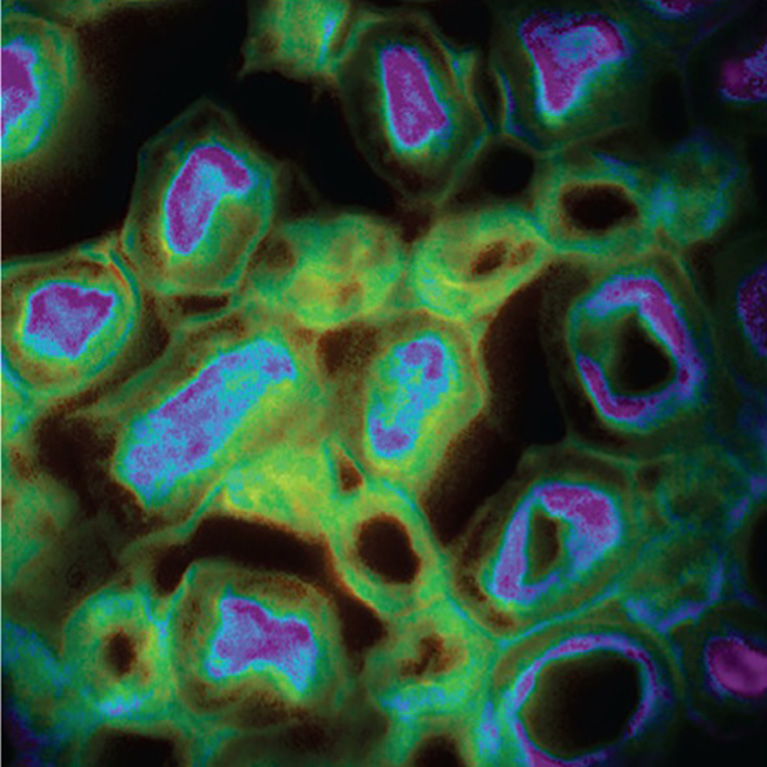
Bowman uses fluorescence lifetime and nanosecond optical techniques to improve scientists’ ability to visualize live cell communication. Fluorescence lifetime provides a promising path for achieving accurate biological measurements, while nanosecond optical techniques can be used to capture lifetime more efficiently for functional measurements in live cells and tissues. In addition to function, nanosecond time provides a new dimension of information in microscopy that can be used to better unravel the structure and molecular makeup of biological samples.
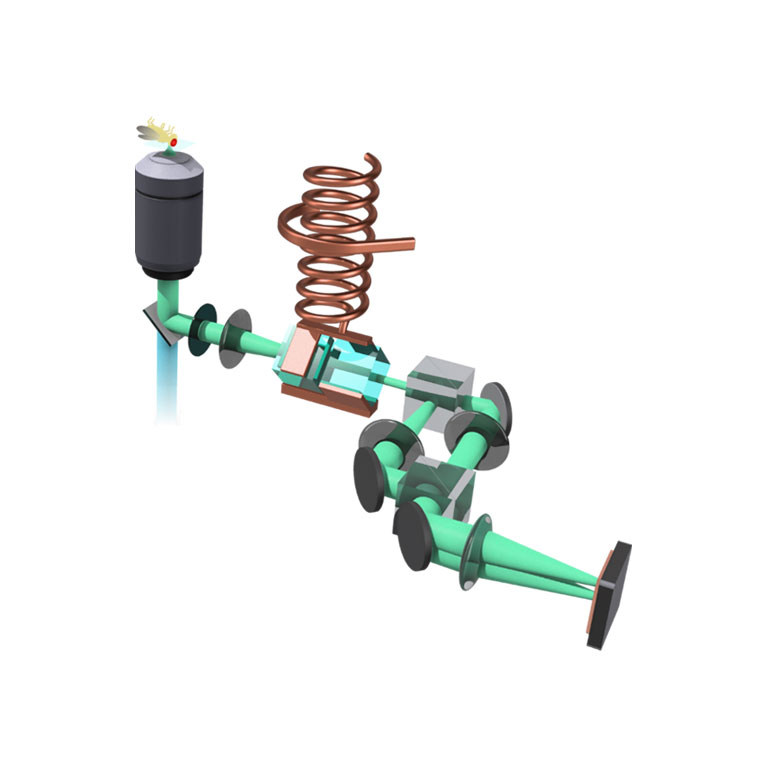
Bowman developed new technologies for fast gating of wide-field images, which allow a standard camera sensor—like one in a cell phone—to capture nanosecond time information, bridging six orders of magnitude in temporal scale.
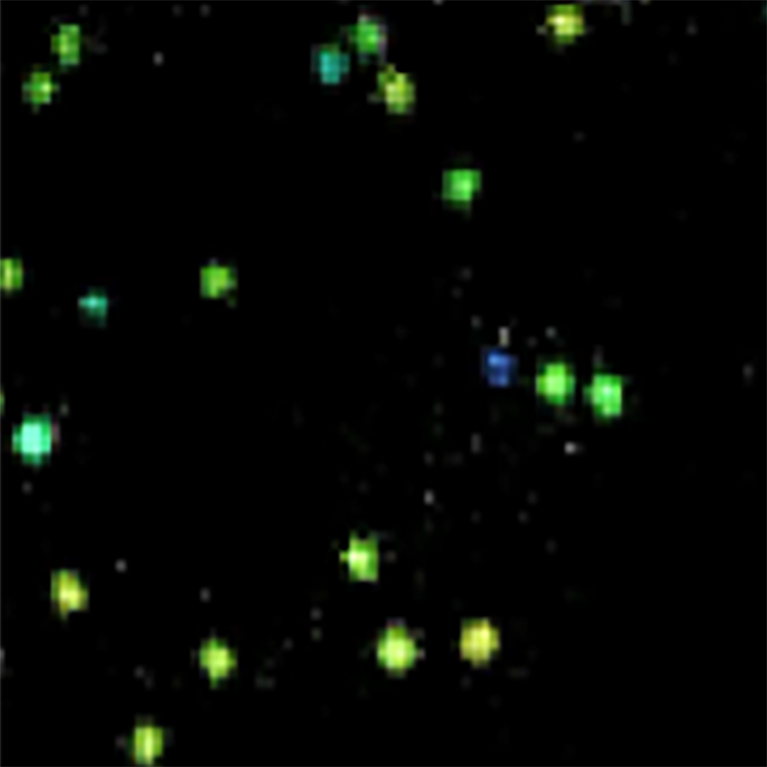
Bowman deployed this technology to enable electro-optic fluorescence lifetime microscopy (EO-FLIM), which has allowed wide-field measurements of fluorescence lifetime with single-molecule sensitivity.
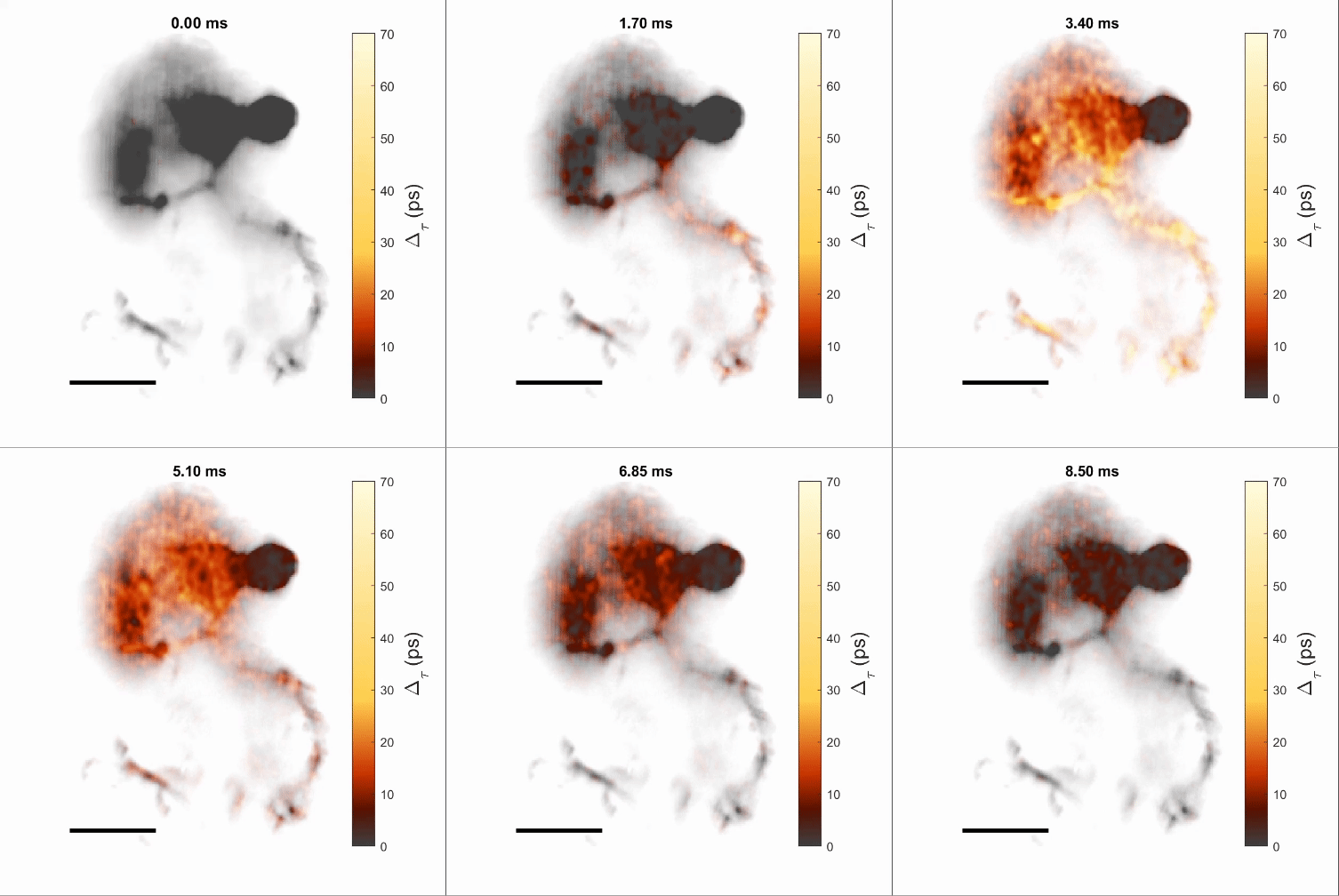
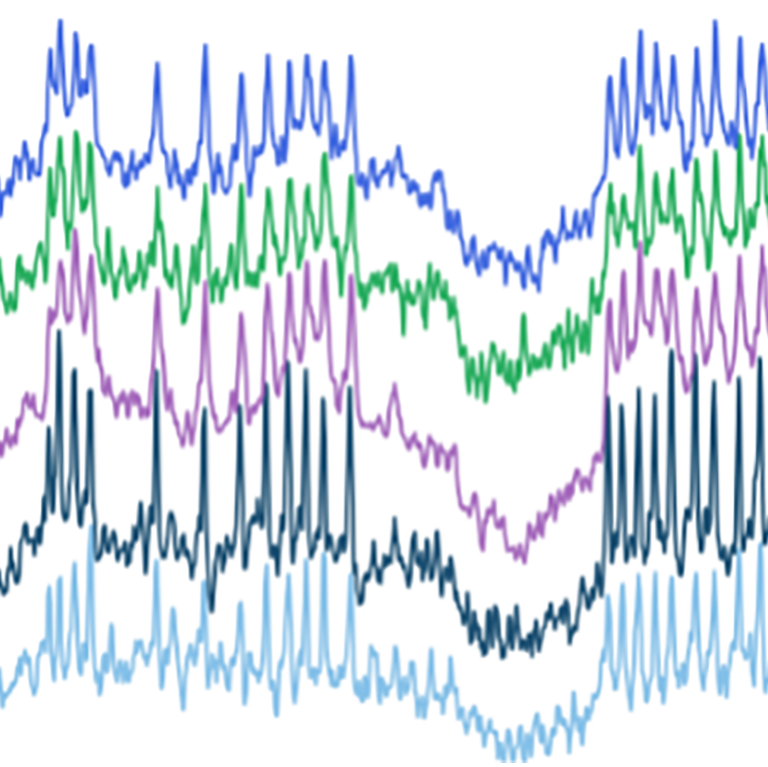
Bowman demonstrated that EO-FLIM can be used to record action potentials and neuron membrane potential in live cells and tissues at kilohertz frame rates using a genetically encoded voltage indicator.
AB, 物理学, 普林斯顿大学
斯坦福大学 应用物理学 博士




