Archive
治愈的起点 Salk 的播客,聚焦尖端科学及其背后的研究人员。在播客中,主持人 Allie Akmal 和 Brittany Fair 采访 Salk 国际知名且获奖的科学家,探索生命的根源,并了解神经科学、遗传学、免疫学、植物生物学等领域的最新发现。. 治愈的起点 is a production of the Salk Office of Communications, and can be heard on Apple and Google podcasts, Stitcher, or click and listen on the episode webpages below.
在 Apple Podcasts 中预览
Step into the world of 实验室围墙之外, an exciting podcast that brings you up close with the brilliant minds at the Salk Institute. Join us as we unravel the mysteries of life, delving deep into neuroscience, genetics, immunology, plant biology, and so much more. We invite you to listen to the stories of the people behind the science as we uncover the personal narratives that shape the world of discovery.
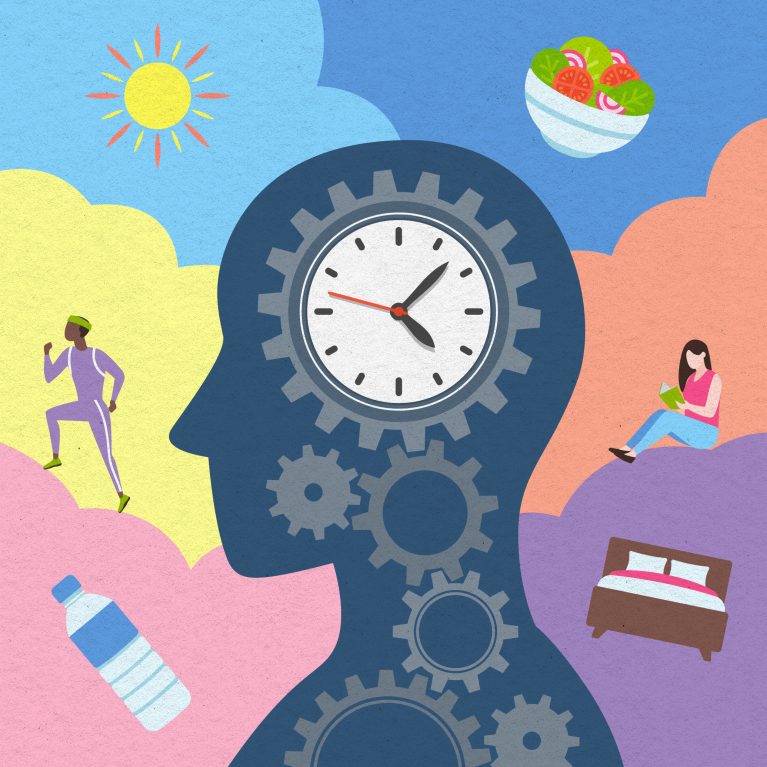
听着萨钦·潘达 is a professor in Salk’s Regulatory Biology Laboratory. He explores the genes, molecules and cells that keep the whole body on the same biological clock, also known as a circadian rhythm. On this episode of 治愈的起点, Panda talks about what a biological clock is, how living in sync with your clock can improve your health, and how growing up in India informed his research.
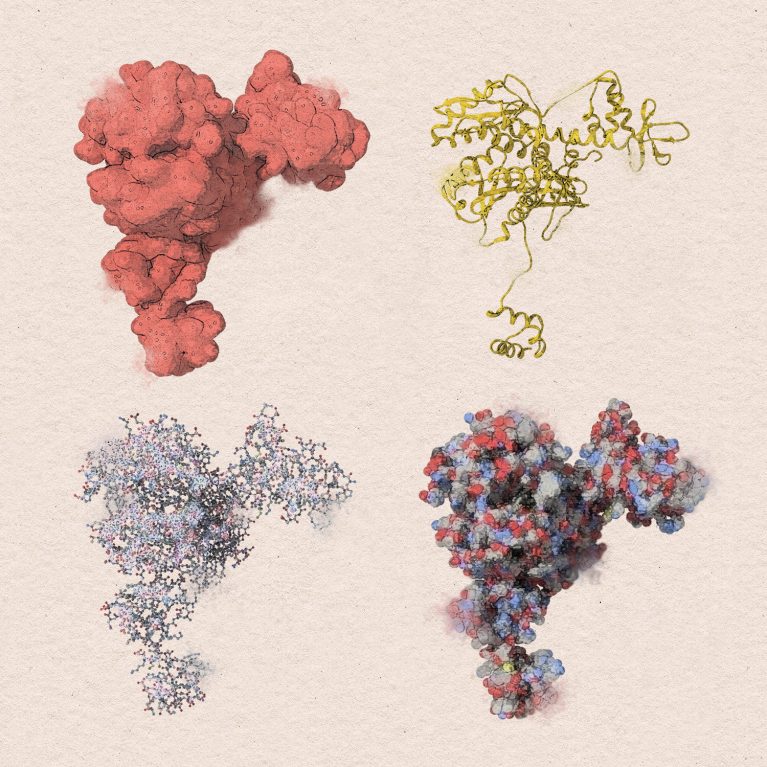
听着Dmitry Lyumkis is an assistant professor in Salk’s Laboratory of Genetics. He using an imaging technique called cryo-electron microscopy (cryo-EM) to better understand the structure and function of proteins. On this episode of 治愈的起点, Lyumkis talks about his transition from the Soviet Union to the USA, what three-dimensional images can reveal about protein assemblies, and why Salk is such an inspirational place to pursue science.
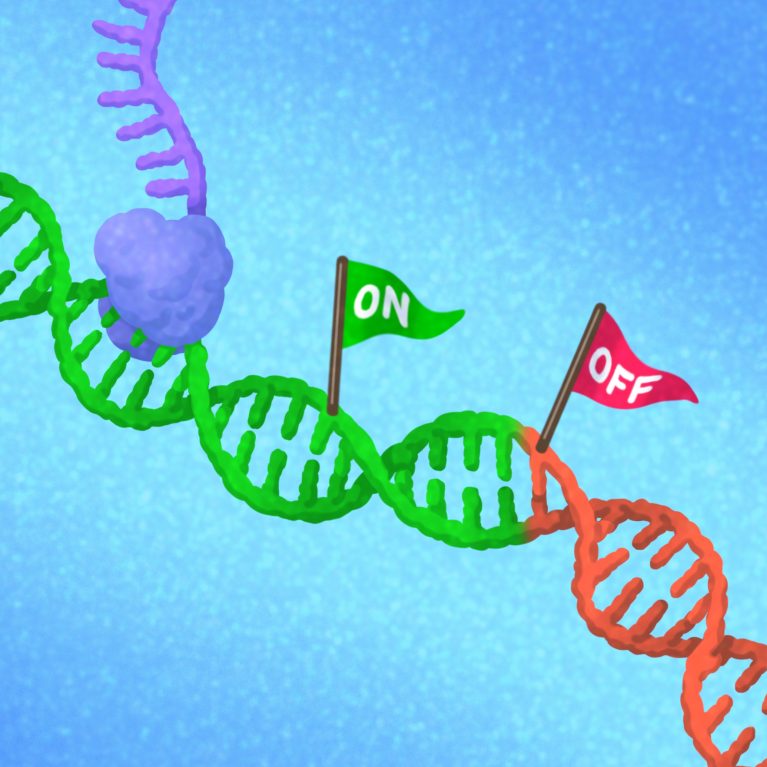
听着朱莉·劳 is an associate professor in Salk’s Plant Cellular and Molecular Biology Laboratory. She studies chemical modifications to DNA that control genes. On this episode of 治愈的起点, she describes why gene control matters, how her research may help address global warming, and what she enjoys doing outside of the lab.
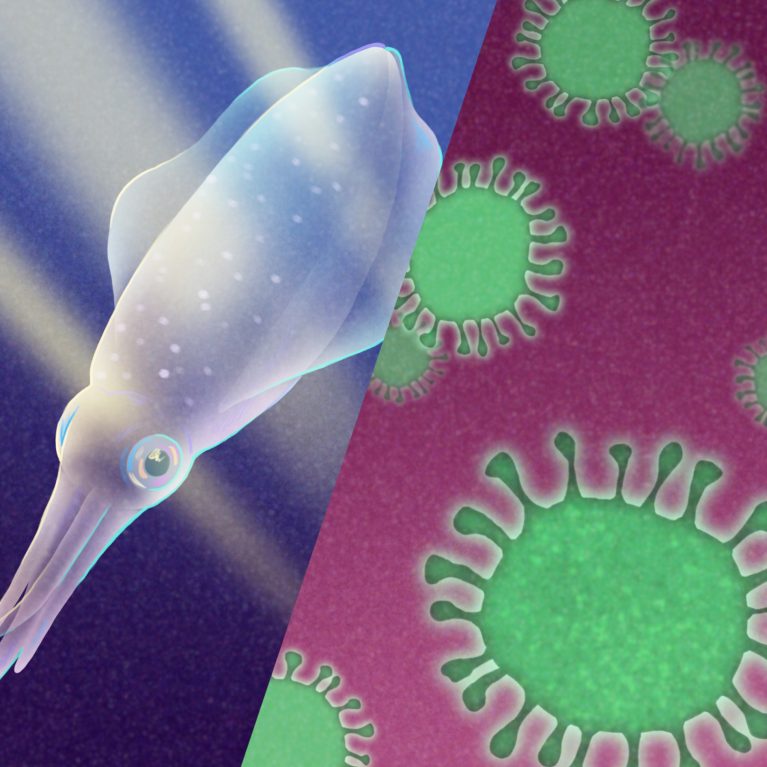
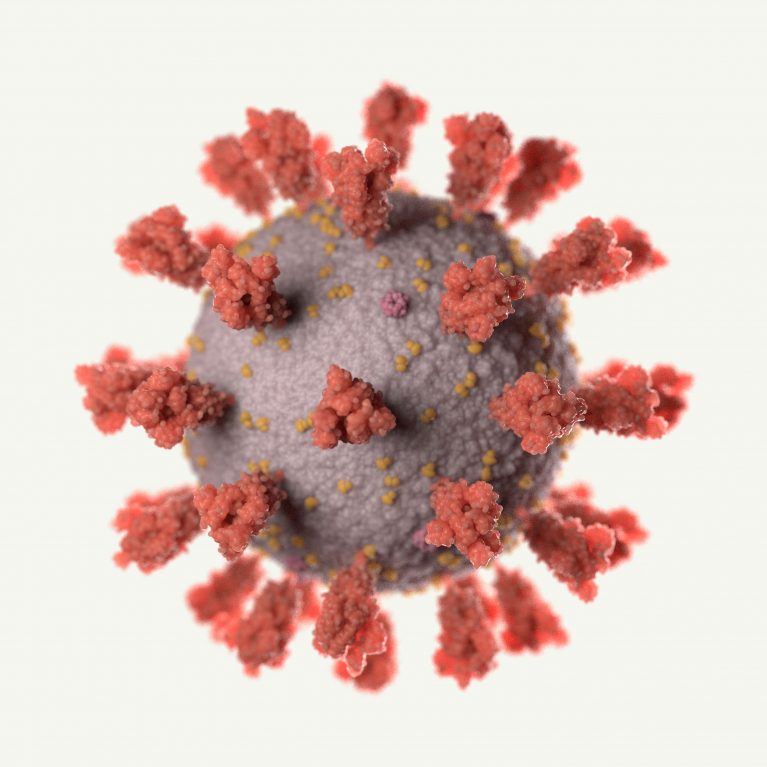
听着Gerald Pao is a staff scientist in the lab of Professor 托尼·亨特. Trained in molecular biology, he has diverse research interests. On this episode of 治愈的起点, Pao discusses his international upbringing, his coronavirus research, and trying to make animals transparent.
听着Nikki Lytle is a postdoctoral fellow in the lab of Professor 杰弗里·沃尔. She studies protein interactions involved in cancer. On this episode of 治愈的起点, Lytle discusses growing up in rural Oregon, what she loves about science, and why she said she’d never work on cancer (but does now).
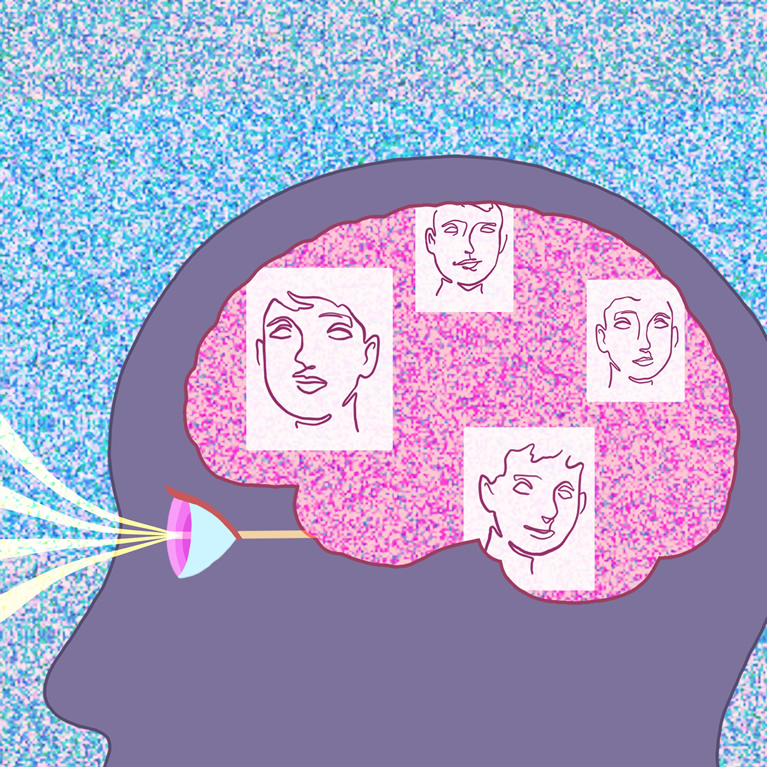
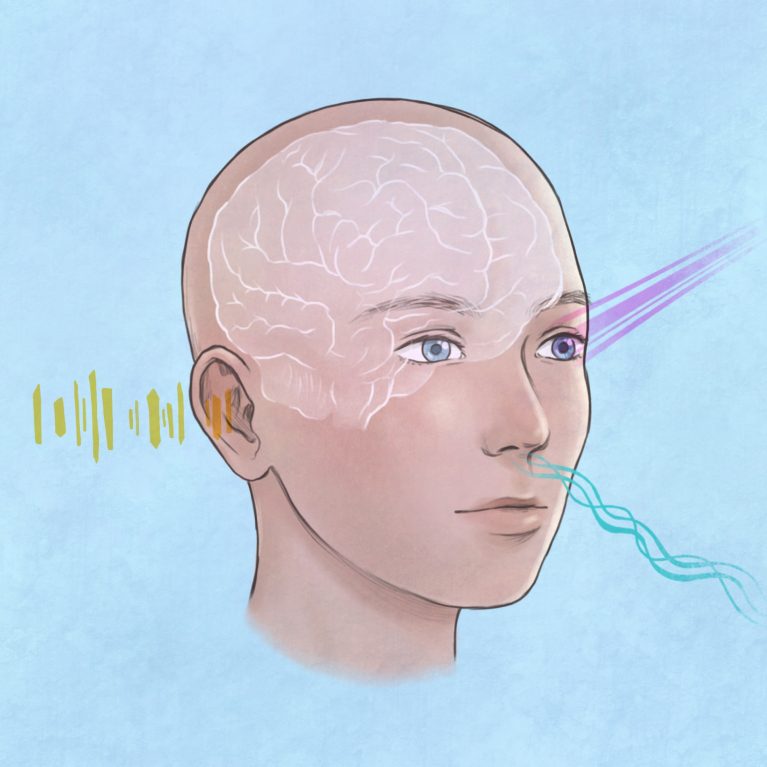
听着Tom Albright is a professor and director of Salk’s Vision Center Laboratory. He combines physiological, neurological and computational studies, to reveal how the brain enables humans to perceive and respond to varying sensory demands. On this episode of 治愈的起点, Albright talks about eyewitness recognition, the neuroscience of architecture, and why he’s not a fan of sweet potatoes.
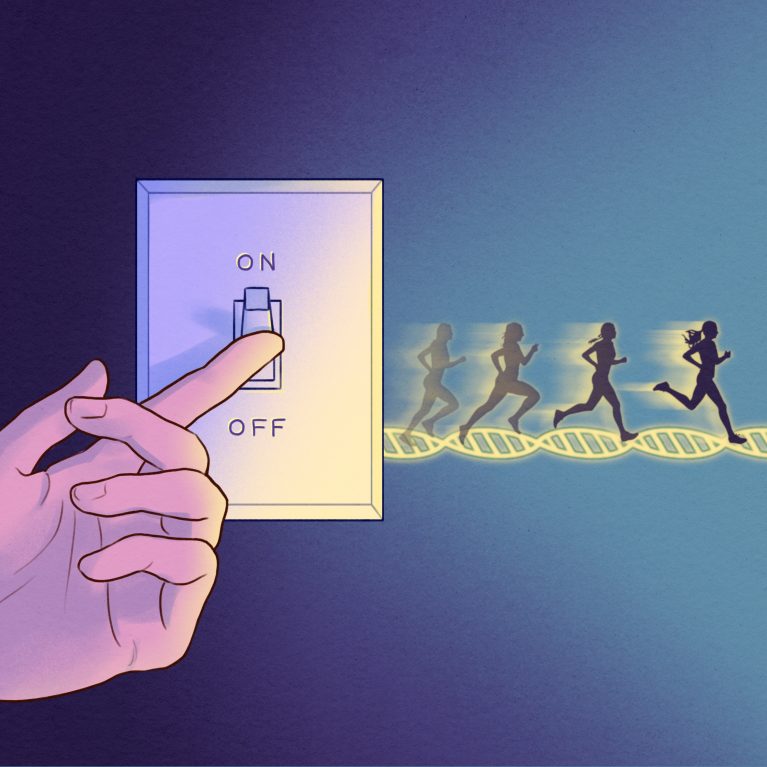
听着罗恩·埃文斯 is a professor and director of Salk’s Gene Expression Laboratory. He is an authority on hormones, both their normal activities and their roles in disease. On this episode of 治愈的起点, Evans talks about discovering the first hormone receptors, “exercise-in-a-pill,” and how heart surgery changed his attitude about playing the guitar.
听着In this bonus episode of 治愈的起点, we hear about the parallels between polio and COVID-19, and how Salk is responding to the pandemic, from faculty in Salk’s NOMIS Center for Immunobiology and Microbial Pathogenesis.
教授 苏珊·凯奇 aims to understand how memory T cells are produced during infection and vaccination, how they function and why they can fail to induce long-term immunity, particularly during chronic disease or cancer.
教授 Greg Lemke discovered a family of proteins called TAM receptors, which play a crucial role in regulating the response of the immune system to infection from bacteria, viruses and other pathogens.
教授 马丁·赫策尔 is Salk’s VP/CSO, responsible for providing leadership in developing and implementing Salk’s overall scientific strategy, as well as overseeing research operations in support of that strategy. Additionally, his lab uses a variety of techniques to pose questions about how the human genome is organized inside a cell’s nucleus.
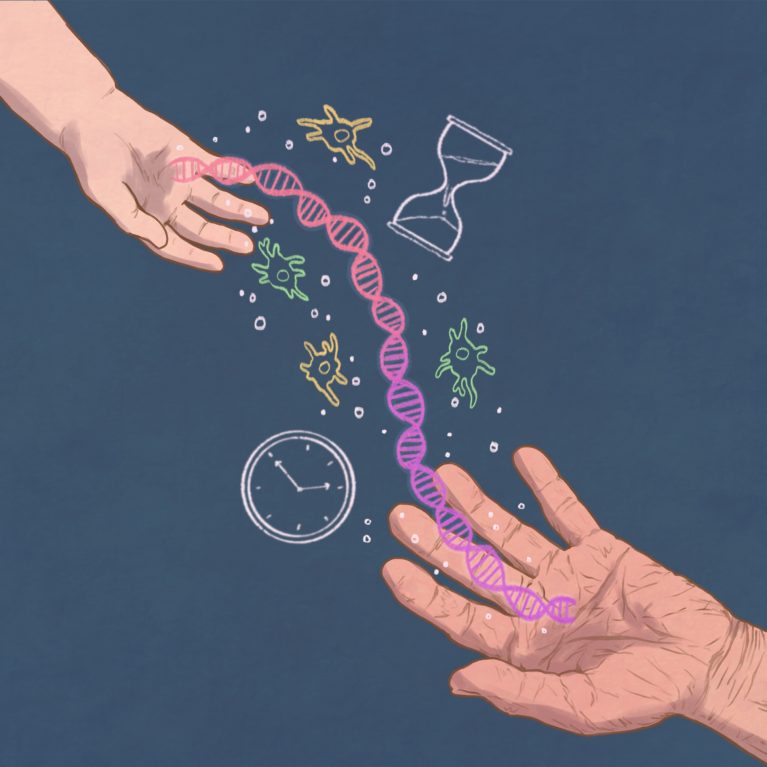
听着马丁·赫策尔 is a Salk’s vice president, chief science officer, and a professor. He uses a variety of techniques to pose questions about how adult tissues are maintained and repaired and why long-lived cells fail to work properly as a cell ages. On this episode of 治愈的起点, Hetzer talks about why chronological age is different than biological age; what it means to be Salk’s Chief Science Officer; and what he learned from his grandfather the veterinarian.
听着塔季扬娜·沙尔佩 is a professor in Salk’s Computational Neurobiology Laboratory. She seeks to understand how the brain and other biological systems work while their components are constantly changing. On this episode of 治愈的起点, Sharpee talks about how she studies vision and our other senses; growing up in a family of scientists; and her takeaways from the movie A Beautiful Mind.
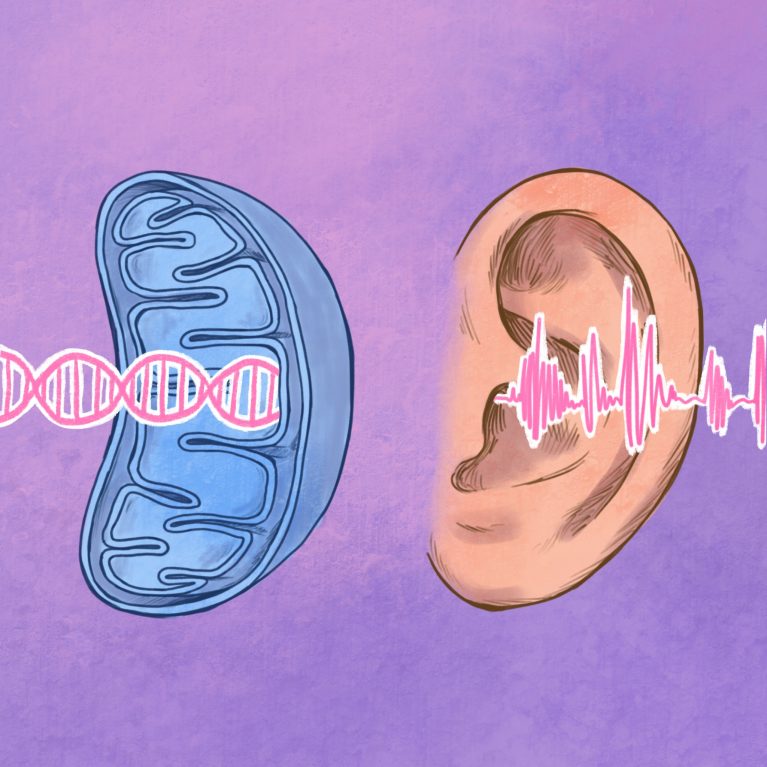
听着尤里·马诺尔 is a staff scientist and the director of the Waitt Advanced Biophotonics Core Facility. He primarily focuses on integrating and applying imaging technologies to study problems of critical biological significance. On this episode of 治愈的起点, Manor talks about the importance of high-end microscopy; what mitochondria are doing in our cells; and how childhood hearing loss has affected his life.
听着鲁本-肖 is a professor and the director of the 索尔克癌症中心. Fifteen years ago, he discovered that a gene frequently mutated in cancer (LKB1) regulates an enzyme named AMPK. Ever since, he has been studying the AMPK pathway to see if drugs originally designed to treat metabolic diseases could also work against cancer. On this episode of 治愈的起点, Shaw talks about his initial discovery; what it’s like running the Salk Cancer Center; and his continual drive to study the hardest-to-treat cancers.
听着Joseph Noel is a professor and director of Salk’s Jack H. Skirball Center for Chemical Biology and Proteomics. He studies the structure and chemistry of compounds produced by plants. On this episode of 治愈的起点, Noel talks about his love of nature; coming from a family of coal miners; and whether elephant poop is good for tomatoes.
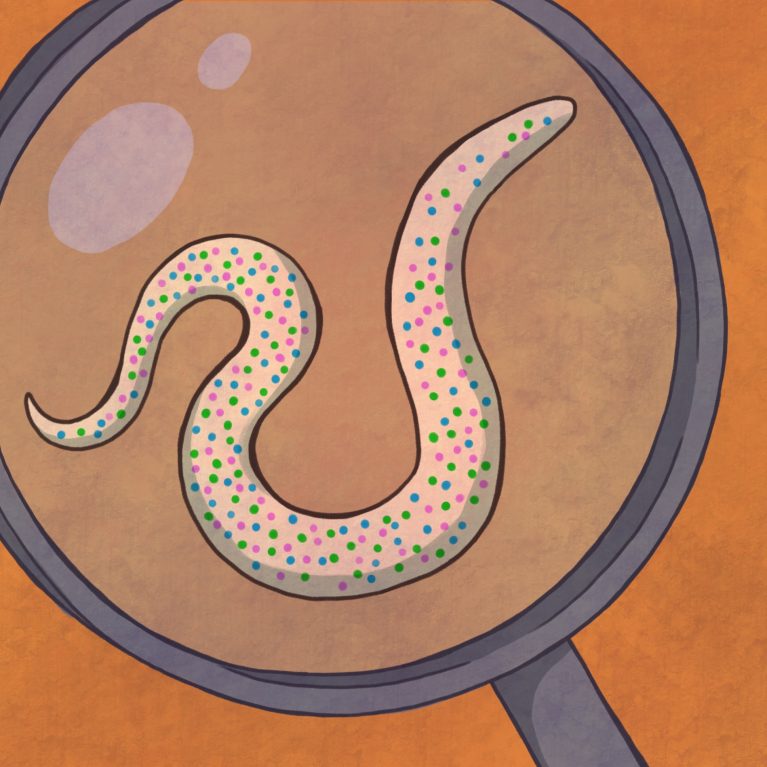
听着Molly Matty is a postdoctoral fellow in the lab of Associate Professor 斯里坎特·查拉萨尼. She is interested in how environmental microbes can elicit changes in behavior and neuronal signaling in microscopic worms called 秀丽隐杆线虫. On this episode of 治愈的起点, Matty talks about gaining insights into human behavior from these tiny worms; pun competitions; and sharing her love of science through Salk’s Education Outreach.
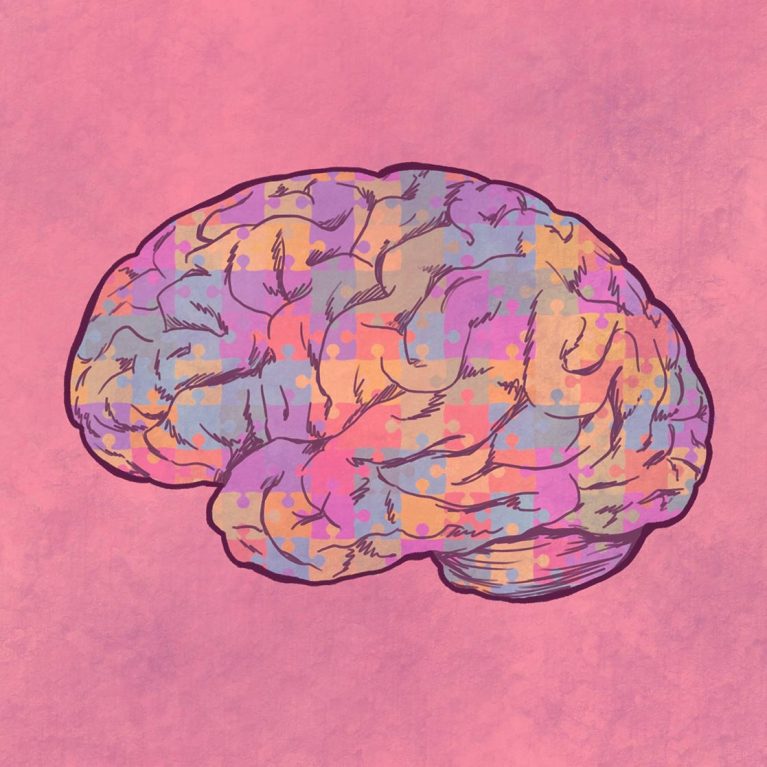
听着Salk research professor Marga Behrens is a member of Salk’s Computational Neurobiology Laboratory. She examines genes, environmental influences and the interplay between the two to determine why some individuals develop a neurodevelopmental disorder while others do not. On this episode of 治愈的起点, Behrens talks about the brain’s slow maturation; how she uses molecular tools to study mental disorders; and why science is one of her two great loves.
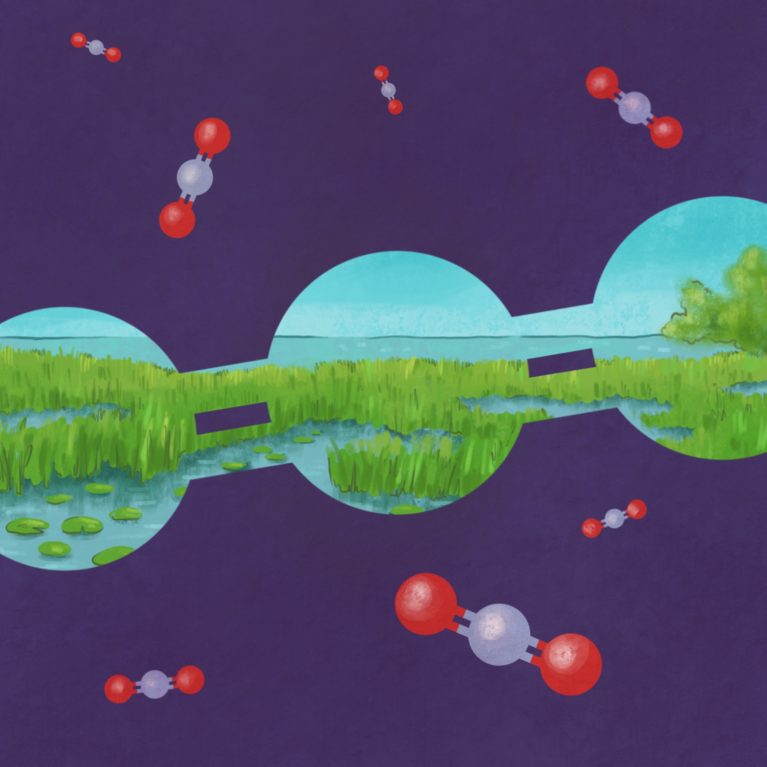
听着沃尔夫冈·布施 is a professor and the co-director of Salk’s 植物利用计划. He is a renowned plant biologist who focuses on understanding plant roots, which are critical for obtaining water and nutrients from the soil and play a major role in the global carbon cycle. On this episode of Where Cures Begin, he talks about why he left microbiology for plant biology; how plants can help address climate change; and possibly having the biggest collection of root movies in the world.
听着治愈的起点 is the podcast of the Salk Institute, highlighting the iconic institution’s cutting-edge science and the researchers making it all possible. On the podcast, hosts Allie Akmal and Brittany Fair continue to interview Salk’s internationally renowned and award-winning scientists, who explore the very foundations of life, and learn about new understandings in neuroscience, genetics, immunology, plant biology and more.
听着鲁斯蒂·盖奇 is a professor and Salk’s president as well as one of the world’s most renowned authorities in neuroscience. Aside from discovering neurogenesis, Gage has made many critical discoveries in the fields of genetics, mental disorders and aging-related dementia, like Alzheimer’s. In this episode, he talks about what it’s like to lead both a research lab and one of the top scientific research institutes in the world.
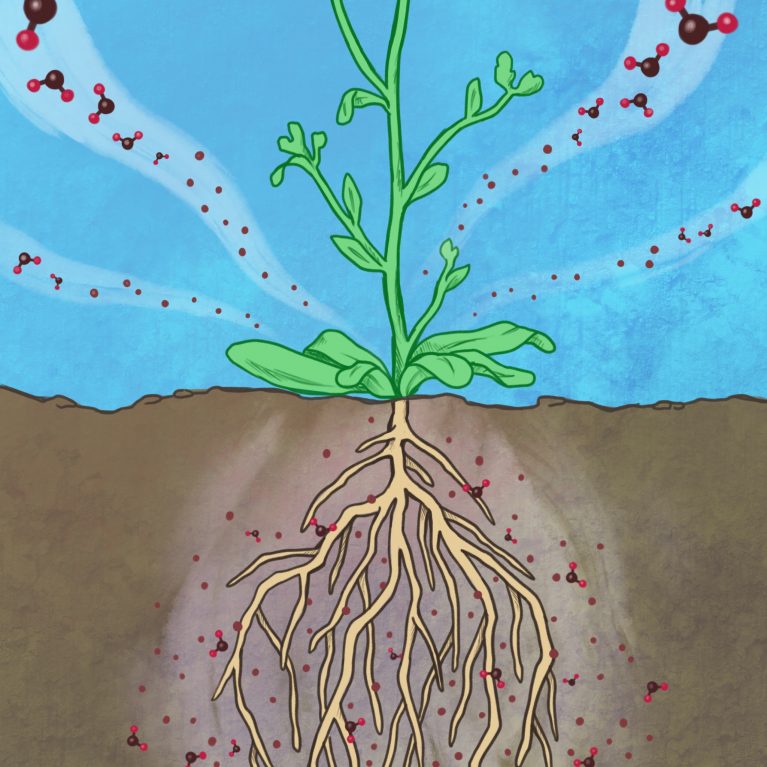
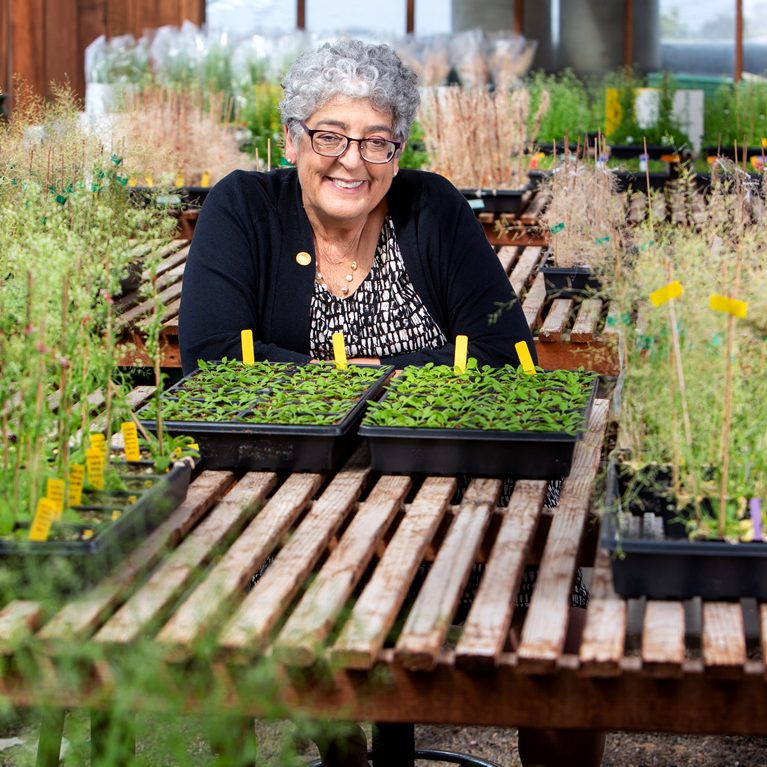
听着乔安·乔里 is a Howard Hughes Medical Institute investigator, professor and director of Salk’s Harnessing Plants Initiative. On this episode of 治愈的起点, the globally renowned researcher describes how plants can help mitigate climate change. Specifically, by understanding and improving several genetic pathways in plants, the Salk team aims to develop plants that grow bigger, more robust root systems containing an increased amount of suberin (cork) to absorb larger amounts of carbon from the atmosphere, and bury the carbon-rich suberin deep in the soil. Read more: www.salk.edu/hpi
听着肯·迪芬德弗 索尔克助理主任 干细胞核心 设施。在本期节目中 治愈的起点, 他解释了什么是干细胞,它们对研究为什么如此有价值,以及它们最喜欢的培养基是什么(遗憾的是,它不是音频)。.
听着尼古拉·艾伦 is an associate professor at Salk. On this episode of 治愈的起点, Allen discusses her research investigating star-shaped brain cells called astrocytes. Once thought to be merely supportive cells in the brain, astrocytes have a much more important role in health and disease than previously thought. We also take an audio tour of her lab to learn about the process of scientific discovery.
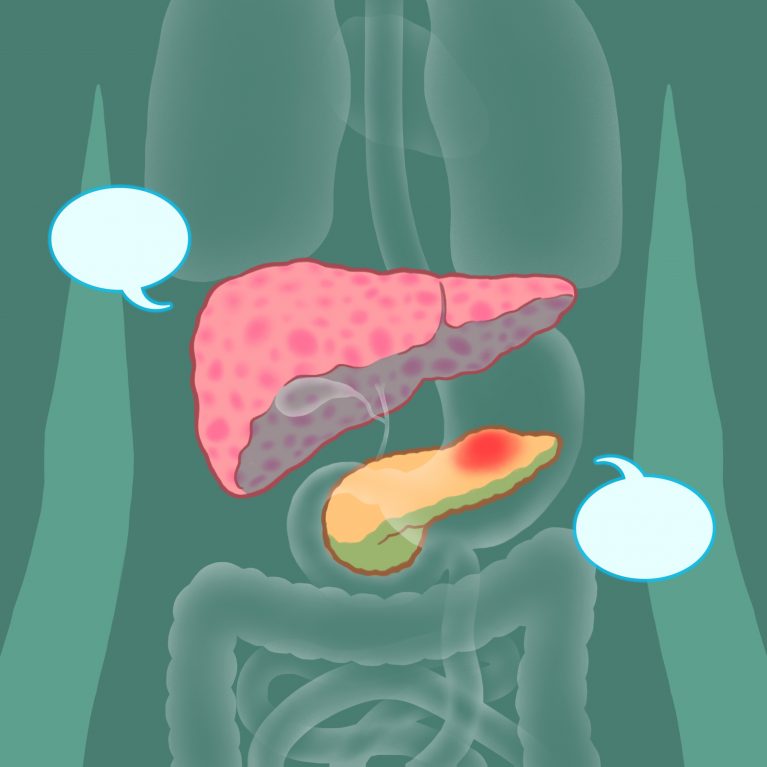
听着丹妮尔·恩格尔 is an assistant professor at Salk, with a personal and professional connection to pancreatic cancer. On this episode of 治愈的起点, Engle tells us why pancreatic cancer is both hard to detect and hard to treat, as well as innovative approaches her lab is taking to tackle these deadly tumors.
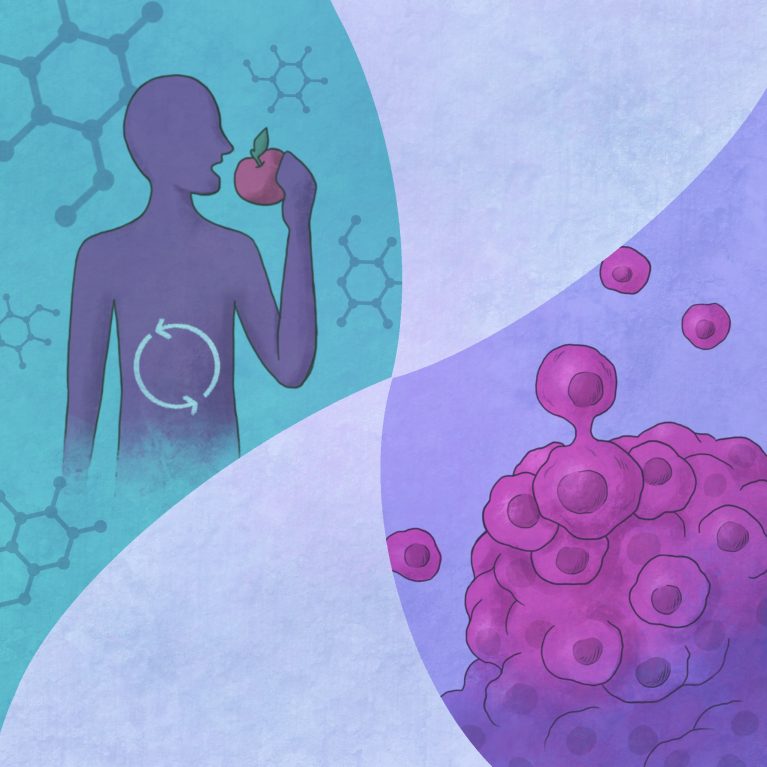
听着艾米丽·马诺吉安 is a postdoctoral fellow at Salk, where she studies the biological clock that affects every cell in our body. The lab she works in has made several discoveries showing that eating within a certain number of hours (dubbed the time-restricted diet) can have a host of health benefits. On this episode of 治愈的起点, Manoogian shares insight about when is best to eat and workout among other tidbits to maintain a healthy body and mind.
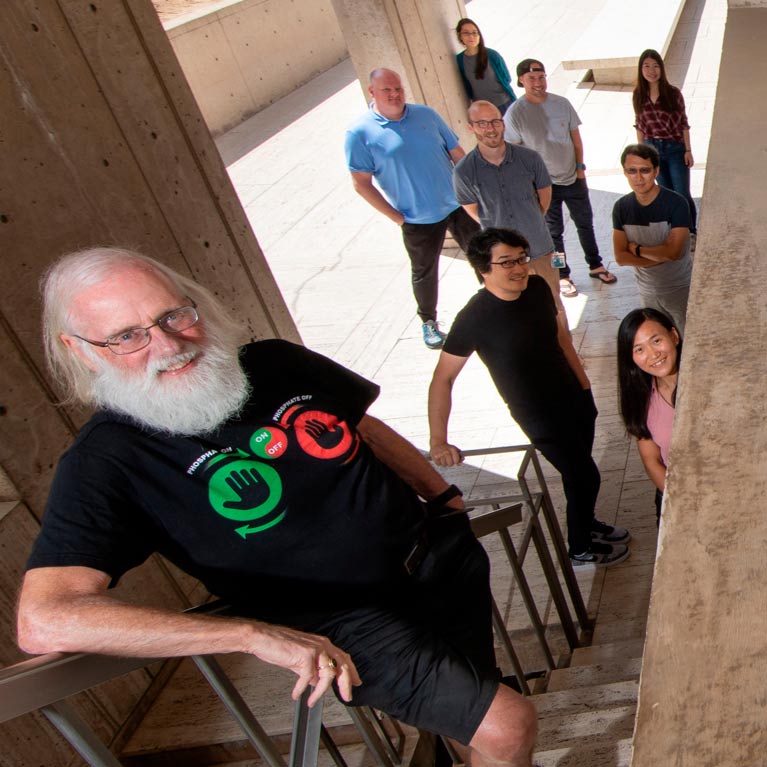
听着托尼·亨特 is an American Cancer Society Professor at Salk who has garnered many prestigious international awards for his work. On this episode of 治愈的起点, Hunter shares highlights from his 50-year journey as a scientist, including how he made the critical discovery that launched an entirely new class of anti-cancer drugs.
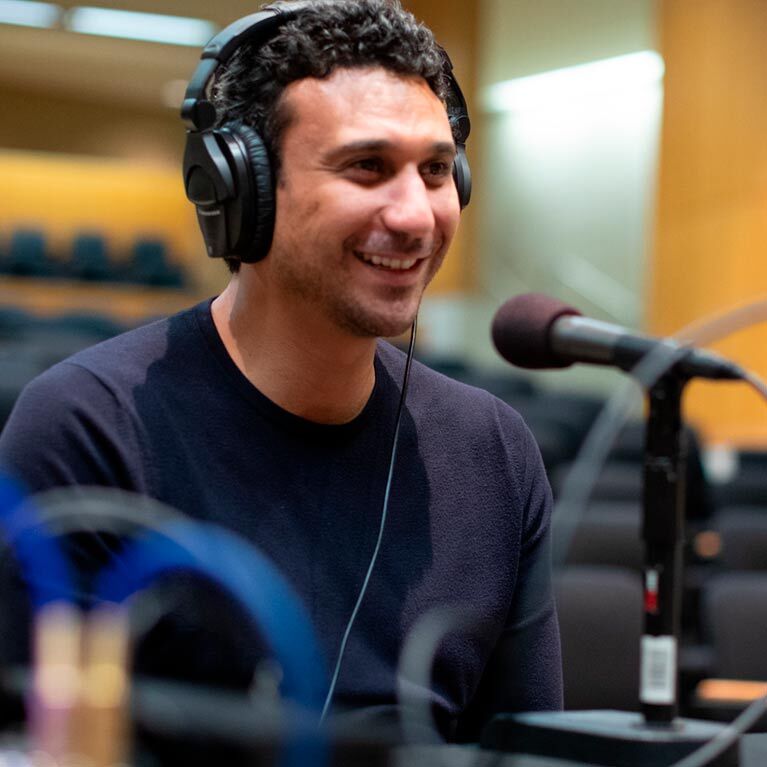
听着艾曼·阿齐姆 is an assistant professor at Salk. On this episode of 治愈的起点, he speaks about how the brain controls skilled movements such as throwing a dart. Azim uses cutting-edge technologies to lay the groundwork for better treatment and recovery of motor function after injury and disease. Azim also shares about his life as a husband and dad, and the importance of training the next generation of scientists.
听着治愈的起点 Salk 的播客,聚焦尖端科学及其背后的研究人员。在播客中,主持人 Allie Akmal 和 Brittany Fair 采访 Salk 国际知名且获奖的科学家,探索生命的根源,并了解神经科学、遗传学、免疫学、植物生物学等领域的最新发现。.
听着