February 20, 2019
Salk scientists identify possible healing compound in Yerba santa
Salk scientists identify possible healing compound in Yerba santa
LA JOLLA—The medicinal powers of aspirin, digitalis, and the anti-malarial artemisinin all come from plants. A Salk Institute discovery of a potent neuroprotective and anti-inflammatory chemical in a native California shrub may lead to a treatment for Alzheimer’s disease based on a compound found in nature. The research appears in the February 2019 issue of the journal Redox Biology.
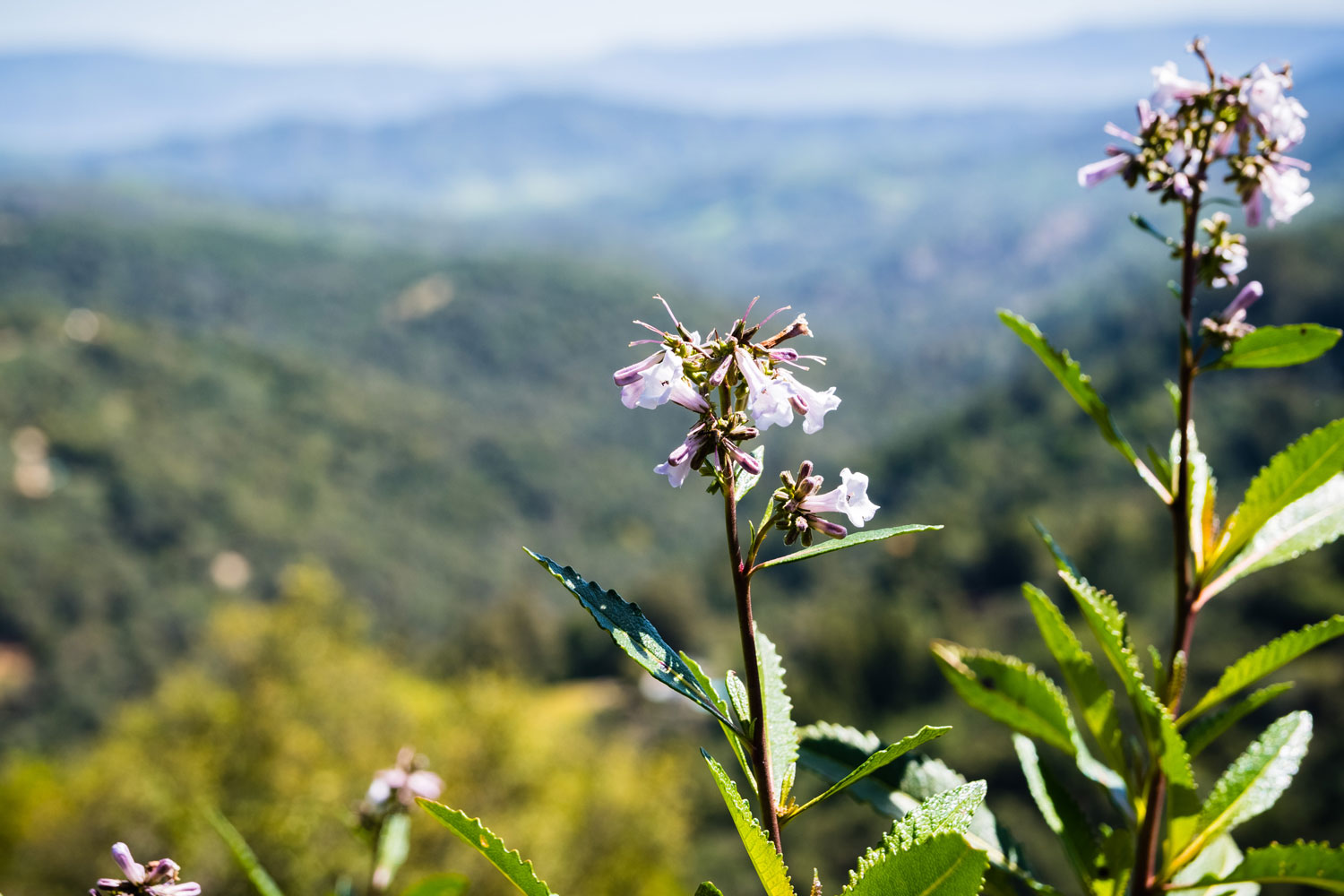
点击此处 用于高分辨率图像。.
Credit: Sundry Photography/Shutterstock
“Alzheimer’s disease is a leading cause of death in the United States,” says Senior Staff Scientist Pamela Maher, a member of Salk’s Cellular Neurobiology Laboratory, run by Professor 大卫·舒伯特. “And because age is a major risk factor, researchers are looking at ways to counter aging’s effects on the brain. Our identification of sterubin as a potent neuroprotective component of a native California plant called Yerba santa (Eriodictyon californicum) is a promising step in that direction.”
Native California tribes, which dubbed the plant “holy herb” in Spanish, have long used Yerba santa for its medicinal properties. Devotees brew its leaves to treat respiratory ailments, fever and headaches; and mash it into a poultice for wounds, sore muscles and rheumatism.
To identify natural compounds that might reverse neurological disease symptoms, Maher applied a screening technique used in drug discovery to a commercial library of 400 plant extracts with known pharmacological properties. The lab had previously used this approach to identify other chemicals (called flavonoids) from plants that have anti-inflammatory and neuroprotective properties.
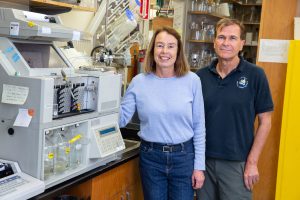
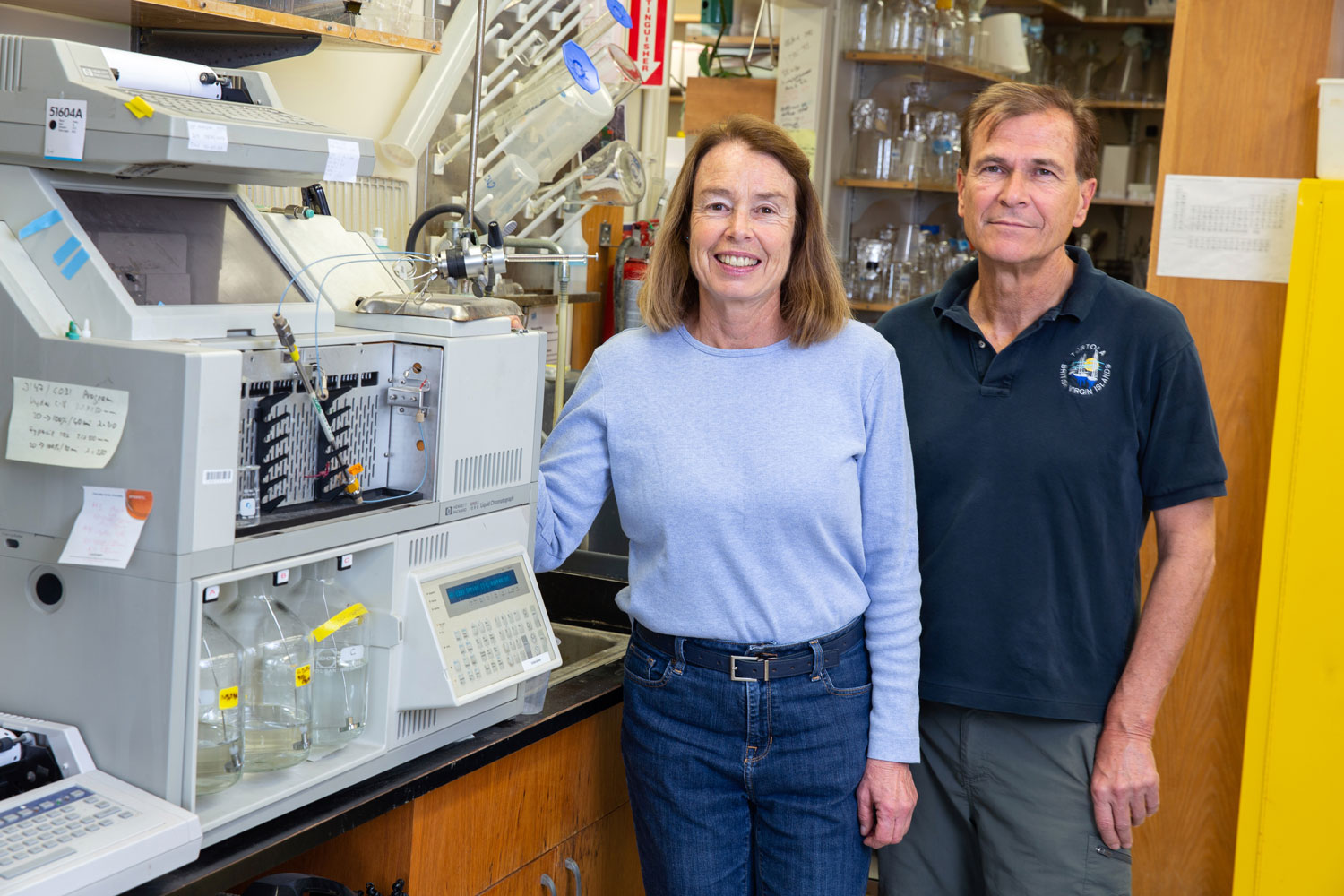
点击此处 用于高分辨率图像。.
版权:萨克研究所
Through the screen, the lab identified a molecule called sterubin as Yerba santa’s most active component. The researchers tested sterubin and other plant extracts for their impact on energy depletion in mouse nerve cells, as well as other age-associated neurotoxicity and survival pathways directly related to the reduced energy metabolism, accumulation of misfolded, aggregated proteins and inflammation seen in Alzheimer’s. Sterubin had a potent anti-inflammatory impact on brain cells known as microglia. It was also an effective iron remover—potentially beneficial because iron can contribute to nerve cell damage in aging and neurodegenerative diseases. Overall, the compound was effective against multiple inducers of cell death in the nerve cells, according to Maher.
“This is a compound that was known but ignored,” Maher says. “Not only did sterubin turn out to be much more active than the other flavonoids in Yerba santa in our assays, it appears as good as, if not better than, other flavonoids we have studied.”
Next, the lab plans to test sterubin in an animal model of Alzheimer’s, then determine its drug-like characteristics and toxicity levels in animals. With that data, Maher says, it might be possible to test the compound in humans, although it would be critical to use sterubin derived from plants grown under standardized, controlled conditions. She says the team will likely generate synthetic derivatives of sterubin.
Other authors on the study are senior staff scientist Wolfgang Fischer, staff scientist Antonio Currais and postdoctoral fellows Zhibin Liang and Antonio Pinto.
This work was supported by the National Institutes of Health, the Edward N. & Della Thome Memorial Foundation and the Paul F. Glenn Center for Aging Research at the Salk Institute.
DOI: 10.1016/j.redox.2018.101089
日记
Redox Biology
作者
Wolfgang Fischer, Antonio Currais, Zhibin Liang, Antonio Pinto and Pamela Maher
宣传办公室
电话:(858) 453-4100
press@salk.edu
萨尔克研究所是一个独立的非营利性研究机构,由首个安全有效的脊髓灰质炎疫苗的研发者乔纳斯·索尔克于1960年创立。该研究所的使命是推动以合作、敢于冒险为特点的基础性研究,以应对癌症、阿尔茨海默病和农业脆弱性等社会最紧迫的挑战。这项基础科学支撑着所有的转化研究,产生有助于全球新药和创新的见解。.