Faculty
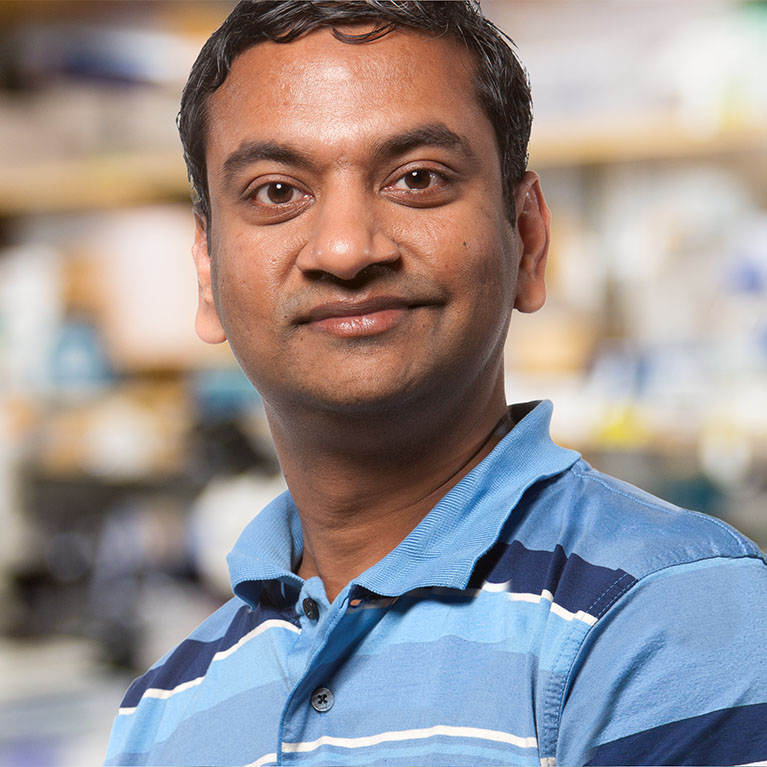
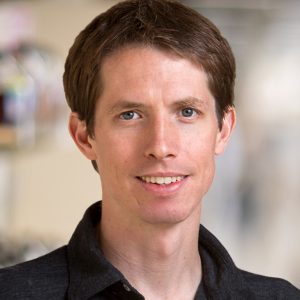
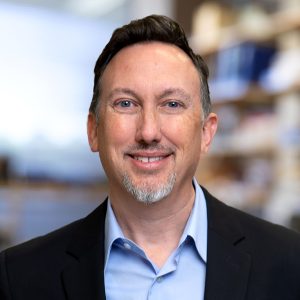
Paul A. Slesinger
Associate Professor
Clayton Foundation Laboratories for Peptide Biology

Nerve cells communicate by sending electrical impulses along their axons, long, hair-like extensions that reach out to neighboring nerve cells. These impulses involve the opening and closing of ion channels and allow ions – electrically charged atoms – or small molecules to enter or leave the cell. The flow of these ions creates an electrical current that produces tiny voltage changes across the membrane. In his quest to understand how brain cells communicate, Dr. Paul A. Slesinger, Associate professor in the Clayton Foundation Laboratories for Peptide Biology, focuses on one particular type of channel that allows potassium ions to cross the cell membrane.
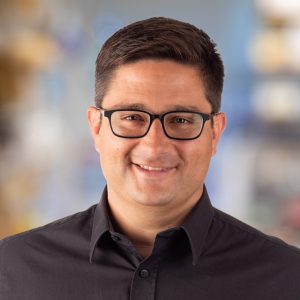
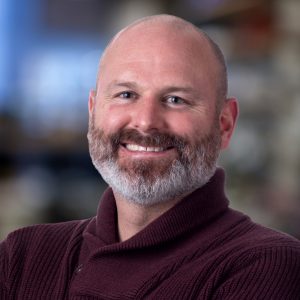
Slesinger's research ranges from studies on the molecular details of how potassium ion channels open and close to a cellular level on the role potassium channels have in nerve cell signaling. Recent studies in the lab have also turned to investigating the role of potassium channels in drug addictions and mental disorders. Drugs can significantly alter the actions of nerve cell receptors and channels. Slesinger and his team are now looking at how to selectively manipulate the receptors and/or channels and at the cell signaling pathways that lead to addictions. They are also studying other parts of the brain, where these receptors and potassium channels may play a role in memory and other mental functions.
Education
- B.A., Biology, Reed College, Portland, Oregon
- Ph.D., Neuroscience, University of California, San Francisco
- Postdoctoral fellow, University of California, San Francisco
Awards and Honors
- Alfred P. Sloan Research Fellow 1998-2000
- McKnight Scholars Award in Neuroscience 1999-2002
- Basic Sciences Faculty Teaching Award, Neurosciences at UCSD 2000-2001
- Human Frontiers Science Program Young Investigator Grant 2001-2004
- McKnight Technological Innovations in Neuroscience Award 2003-2005
- National Alliance for Research on Schizophrenia and Depression Independent Investigator Award 2006-2008
Links
Salk News Releases
- Salk scientists crack molecular code regulating neuronal excitability, March 21, 2011
- Site for alcohol's action in the brain discovered, June 28, 2009
- A drug-sensitive "traffic cop" tells potassium channels to get lost, September 4, 2007
- Doing nature one better: Expanding the genetic code in living mammalian cells, July 2, 2007
- Elastic Gateway in Ion Channel Discovered, March 24, 2005
- It's the Dosage: Salk Study Shows How Drugs of Abuse Work, February 25, 2004