Professor

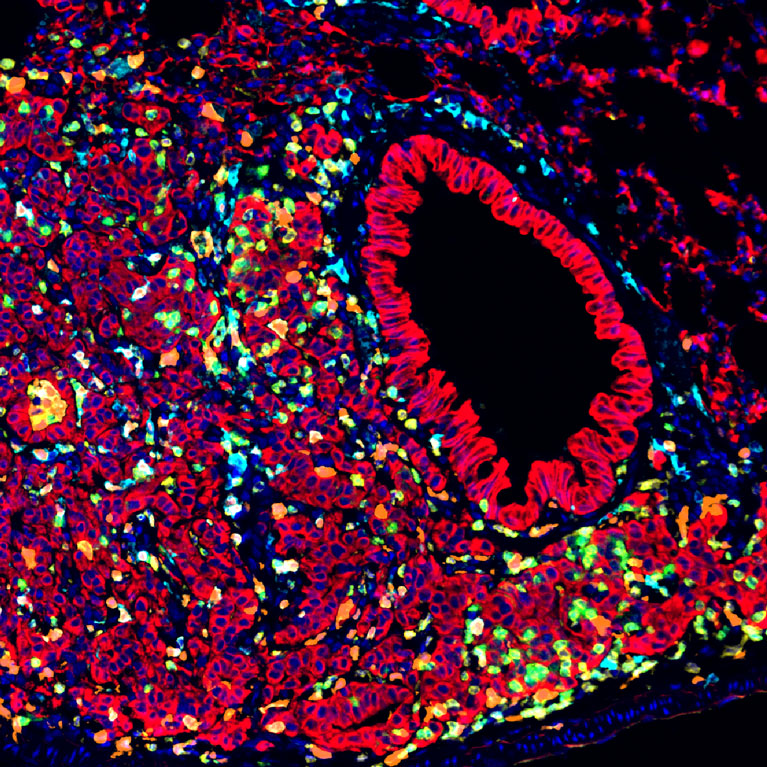
Cancer is not just a disease of uncontrolled cell growth; it is a disease that rewires the entire body. Aggressive cancers, like lung and pancreatic, can alter metabolism, evade immune attack, resist therapy, and even lead to multi-organ dysfunction by disrupting how the brain and body communicate. This disruption contributes to symptoms such as weight loss, loss of appetite, and depression. Yet we still do not fully understand how the genetic mutations that promote cancer also enable tumors to manipulate their surrounding environment and the host’s physiology. Papagiannakopoulos (PapaG) studies these unanswered questions to uncover how cancers become so aggressive and how their vulnerabilities can be targeted for better treatment.
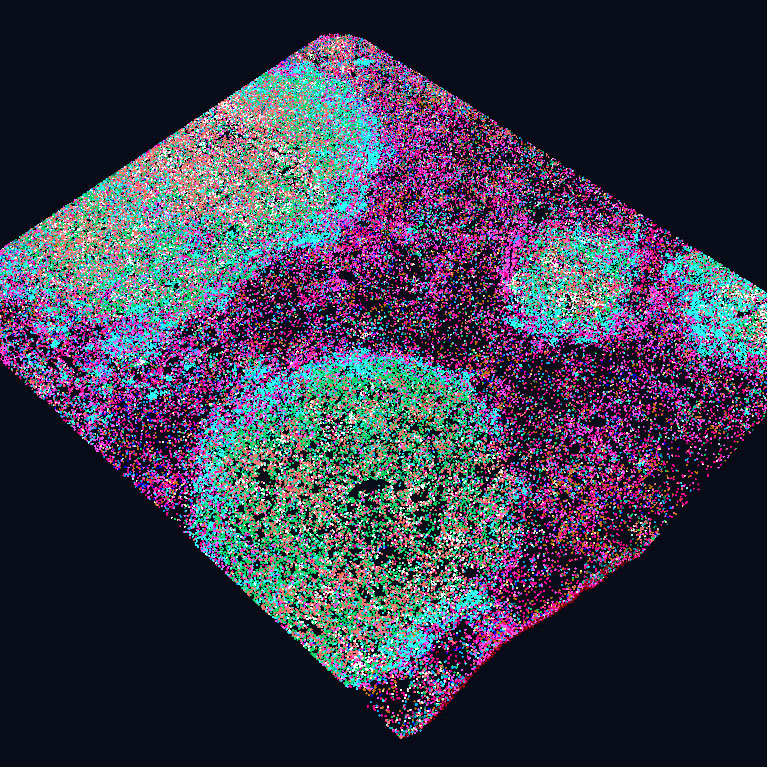
PapaG’s group takes an integrative approach that combines cancer genetics, metabolism, immunology, and systems physiology to understand how tumors grow and interact with the body. His lab uses advanced mouse models and CRISPR genome engineering to study how cancer-causing mutations interact with diets and systemic physiology to reshape tumor behavior and therapeutic response.
More recently, the lab has expanded into the emerging field of cancer neuroscience, investigating how tumors communicate with the nervous system and the rest of the body. This broad and interdisciplinary strategy allows the lab to uncover not only what drives tumor progression, but also how cancer affects whole-body physiology in ways that could reveal entirely new therapeutic opportunities.
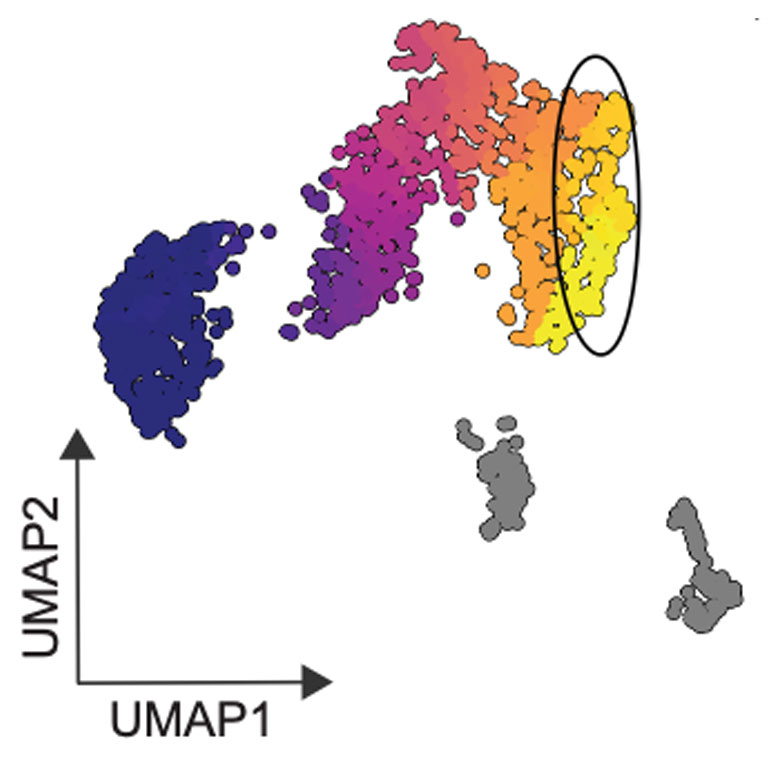
PapaG’s lab pioneered powerful mouse and CRISPR-based models to study how combinations of cancer mutations drive lung tumor initiation, progression, and immune evasion and therapeutic resistance.
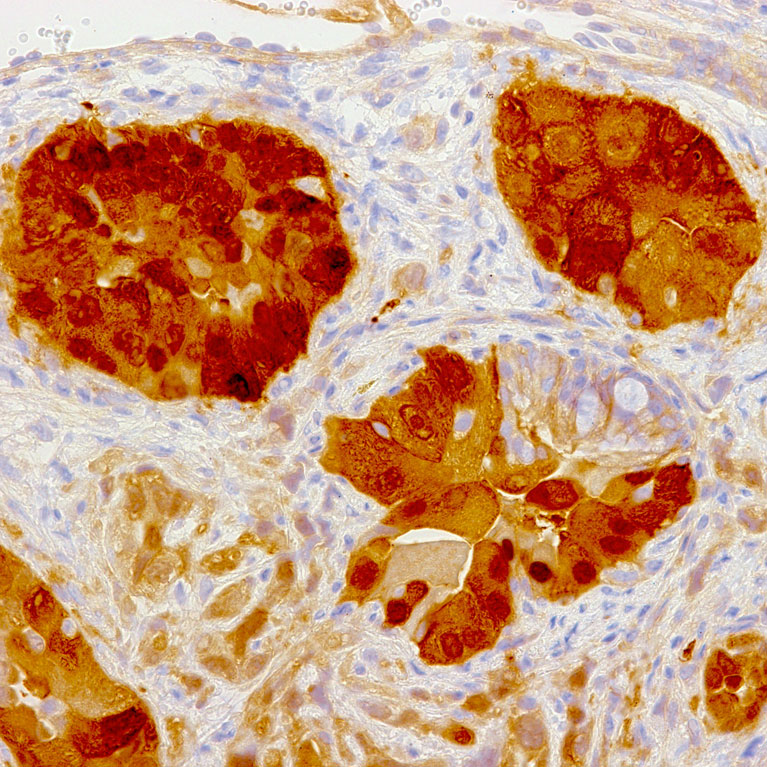
PapaG’s lab uncovered how stress response pathways hijacked by cancer cells can promote critical metabolic rewiring and immune evasion to evade death and promote tumor progression.
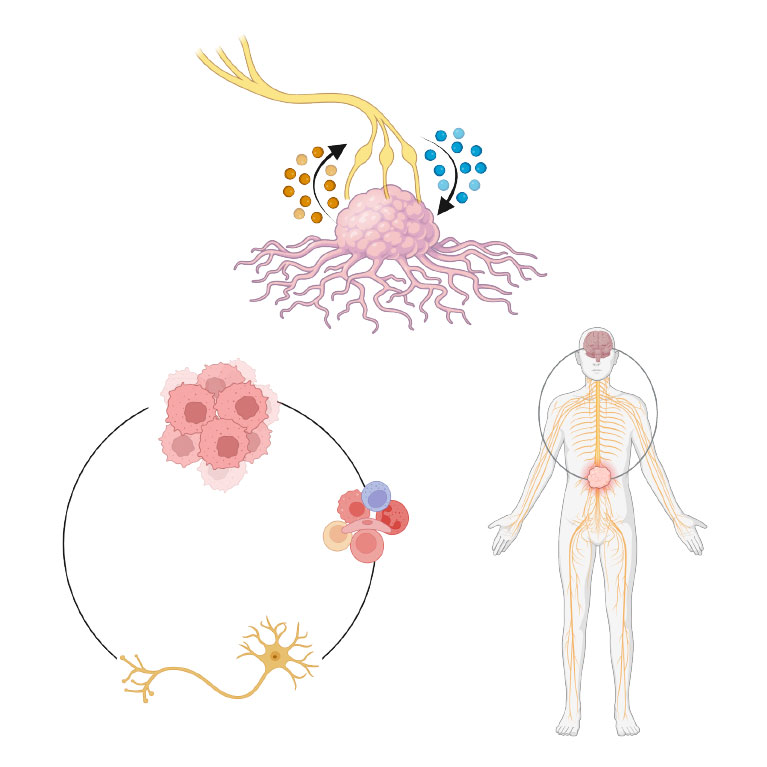
PapaG’s lab is now uncovering how cancer engages brain-body communication pathways to influence systemic physiology, immune responses, and cancer-associated sickness states, opening a new frontier at the intersection of cancer and neuroscience.
BS, Molecular Genetics, University of Sussex
PhD, Molecular and Cellular Biology, UC Santa Barbara
Postdoctoral Fellow, MIT
