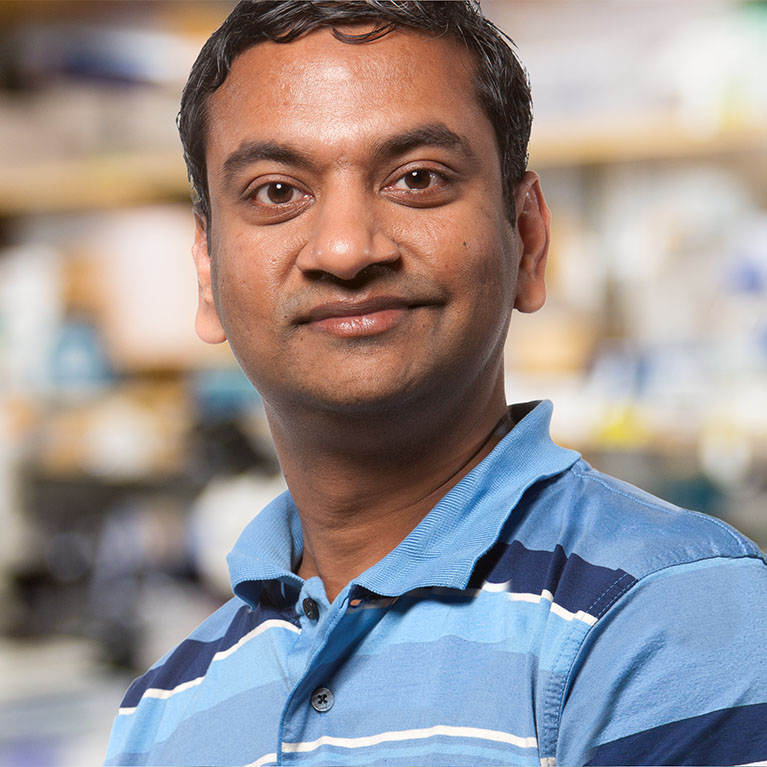
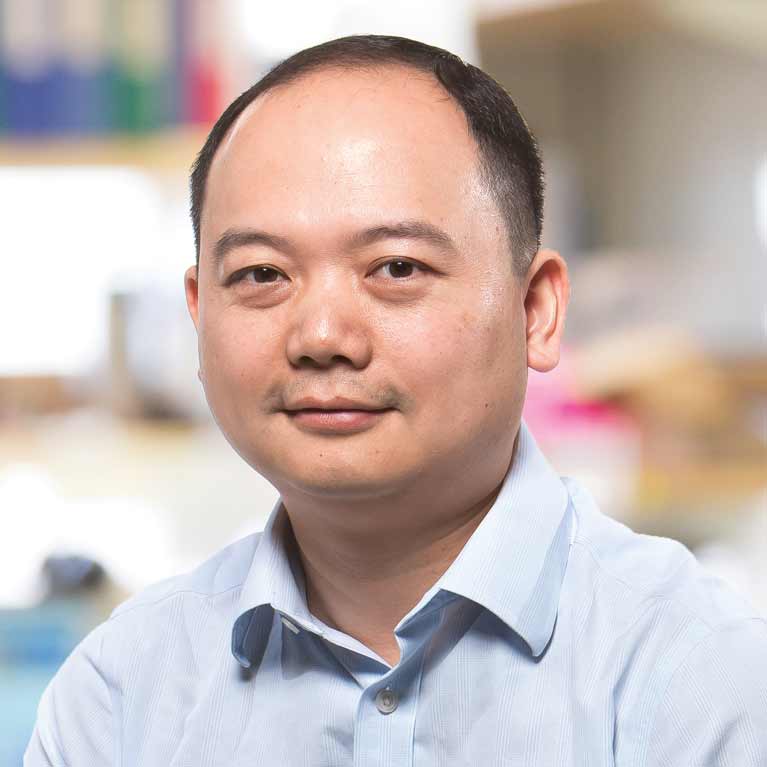
Lei Wang
Associate Professor
Chemical Biology and Proteomics Laboratory
Frederick B. Rentschler Developmental Chair
Research
Cells use a limited number of molecular building blocks to achieve an amazing variety of functions for life needs. Understanding, utilizing, and enhancing such capabilities depend on how at will we are able to manipulate molecules inside cells. Our laboratory is interested in developing new strategies for molecular evolution and molecular imaging. These new methods will be applied to study cellular functions and to generate new biological activities. We combine chemistry, biochemistry, molecular biology and fluorescence techniques to achieve these goals.
"We are trying to expand the genetic code and insert artificial amino acids into proteins in mammalian cells and multicellular organisms, which provides novel tools to address questions that are insurmountable with conventional means. We may also use these amino acids to build new proteins as novel therapeutics."
Cells provide a dazzling variety of functions that cover all of our body's needs, yet they make do with a very limited number of molecular building blocks. With few exceptions, all known forms of life use the same common 20 amino acids—and only those 20—to make all the proteins necessary to keep organisms as diverse as humans, earthworms, tiny daisies and giant sequoias alive. During protein synthesis, amino acids are brought out one by one by molecules known as transfer RNAs (tRNAs) and added to the growing protein chain according to the instructions spelled out in the body's genes. This continues until a stop codon—for which no corresponding tRNA exists—lets everybody know that this particular job is done.
By generating a new tRNA to recognize the stop signal, novel amino acids can be attached to this tRNA and inserted into any protein, potentially generating new functions for the protein. However, stop codons also are naturally recognized by proteins called release factors to terminate protein translation, which results in competition between the new tRNA and the release factor. The efficiency for inserting novel amino acids is often less than 10 percent, and it is extremely difficult to put them at multiple places in a protein. These problems have prevented people from creating new protein properties by harnessing the power of the novel amino acids.
Release factors have been thought to be essential for the life of bacteria since the 1980s, but Wang and his team recently discovered that one release factor could be removed from Escherichia coli, a workhorse bacterium for protein expression. They created multiple new E. coli strains, which are able to insert new amino acids at the stop signal with an efficiency of 99 percent, close to that of natural amino acids. In addition, without the competition of the release factor, these new bacteria now allow the novel amino acid to be simultaneously inserted at multiple places, which was not feasible before with any other organisms. This work introduces the possibility of exploiting novel amino acids to generate new biological functions for therapeutic or industrial applications.
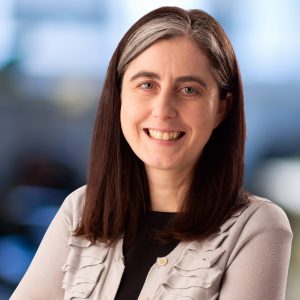
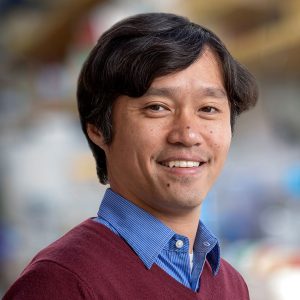
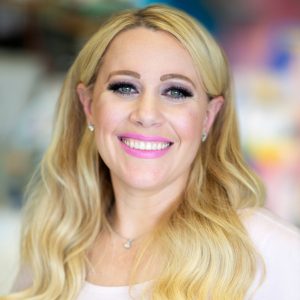
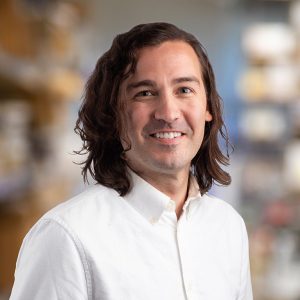
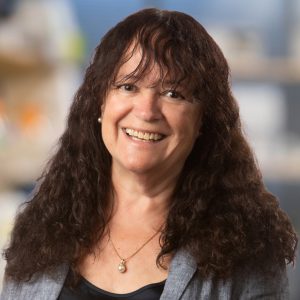
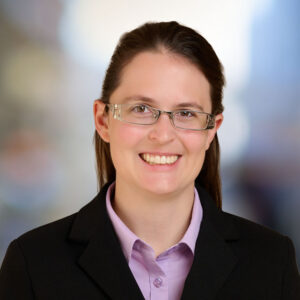
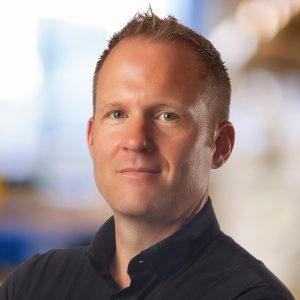
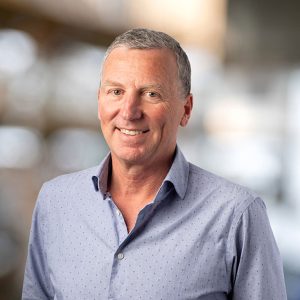
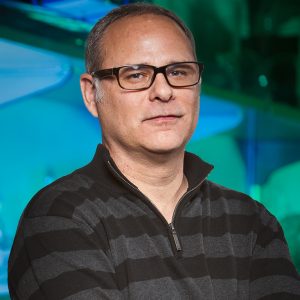
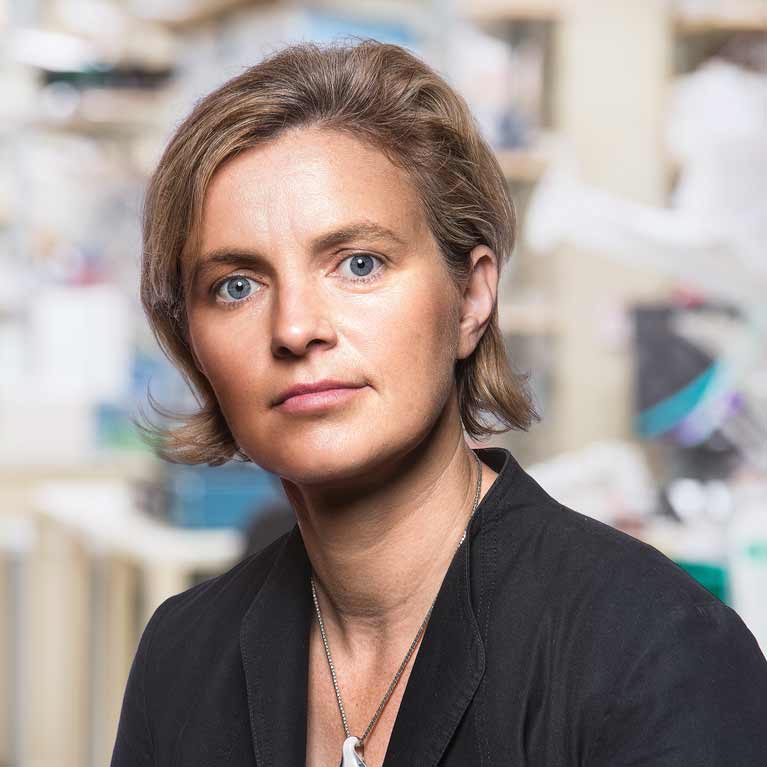
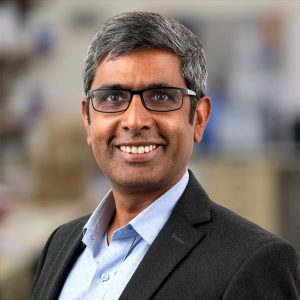
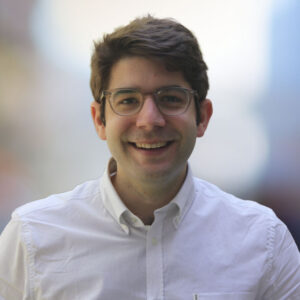
Left to right:
Hanjun Kim, Xiaohua Chen, Tingting Sun, Irene Coin, Bin Shen, Lei Wang,
Xingyu She, Zheng Xiang, Vanessa Lacey, Haiyan Ren, June Brennan
Selected Publications
Johnson, D. B., Xu, J., Shen, Z., Takimoto, J. K., Schultz, M. D., Schmitz, R. J., Xiang, Z., Ecker, J. R., Briggs, S. P. and Wang, L.* RF1 knockout allows ribosomal incorporation of unnatural amino acids at multiple sites. Nat. Chem. Biol. 7, 779-786 (2011). PubMed
Lacey, V. K., Parrish, A. R., Han, S., Shen, Z., Briggs, S. P., Ma, Y. and Wang, L.* A fluorescent reporter of the phosphorylation status of the substrate protein STAT3. Angew. Chem. Int. Ed. Engl. 50, 8692-8696 (2011). (Selected as a HOT paper by Editors). PubMed
Coin, I., Perrin, M. H., Vale, W. W. and Wang, L.* Photo-cross-linkers incorporated into G-protein-coupled receptors in mammalian cells: a ligand comparison. Angew. Chem. Int. Ed. Engl. 50, 8077-8081 (2011). (Selected as a VIP - Very Important Paper by referees). PubMed
Shen, B., Xiang, Z., Miller, B., Louie, G., Wang, W., Noel, J. P., Gage, F. H. and Wang, L.* Genetically encoding unnatural amino acids in neural stem cells and optically reporting voltage-sensitive domain changes in differentiated neurons. Stem Cells 29, 1231-1240 (2011). PubMed
Takimoto, J. K., Dellas, N., Noel, J. P. and Wang, L.* Stereochemical basis for engineered pyrrolysyl-tRNA synthetase and the efficient in vivo incorporation of structurally divergent non-native amino acids. ACS Chem. Biol. 6, 733-743 (2011). PubMed
Johnson, D. B. and Wang, L.* Imprints of the genetic code in the ribosome. Proc. Natl. Acad. Sci. U. S. A. 107, 8298-8303 (2010). (Selected as Editors’ Choice of Science, 328, 407, 2010). PubMed
Wang, Q., Parrish, A. R. and Wang, L.* Expanding the genetic code for biological studies. Chem. Biol. 16, 323-336 (2009). PubMed
Wang, Q. and Wang, L.* New methods enabling efficient incorporation of unnatural amino acids in yeast. J. Am. Chem. Soc. 130, 6066-6067 (2008). PubMed
Wang, W., Takimoto, J. K., Louie, G. V., Baiga, T. J., Noel, J. P., Lee, K. F., Slesinger, P. A. and Wang, L.* Genetically encoding unnatural amino acids for cellular and neuronal studies. Nat. Neurosci. 10, 1063-1072 (2007). PubMed
Wang, L.* and Tsien, R. Y. Evolving proteins in mammalian cells using somatic hypermutation. Nat. Protoc. 1, 1346-1350 (2006). PubMed
Wang, L. and Schultz, P. G. Expanding the Genetic Code. Angewandte Chemie International Edition, Invited Review, 2005, 44, 34-66. Download this article.
Wang, L., Jackson, W.C., Steinbach, P.A. and Tsien, R.Y. Evolution of New Nonantibody Proteins via Iterative Somatic Hypermutation. Proceedings of the National Academy of Sciences U.S.A. 2004, 101, 16745-16749. (Selected as News of the Week of Science, 2004, 306, 1457 and Research Highlights of Nature Methods, 2005, 2, 87). Download this article.
Wang, L. Amersham Biosciences and Science Prize for Young Scientists Essay "Expanding the Genetic Code" Science, 2003, 302, 584-585. Download this article.
Wang, L., Xie, J., Deniz, A. and Schultz, P. G. Unnatural Amino Acid Mutagenesis of Green Fluorescent Protein. Journal of Organic Chemistry 2003, 68, 174-176. Download this article.
Wang, L., Zhang, Z., Brock, A. and Schultz, P. G. Addition of the Keto Functional Group to the Genetic Code of Escherichia coli. Proceedings of the National Academy of Sciences U.S.A. 2003, 100, 56-61. (Selected as Editors' Choice of Science, 2003, 299, 1283). Download this article.
Wang, L., Brock, A. and Schultz, P. G. Adding L-3-(2-Naphthyl)alanine to the Genetic Code of E. coli. Journal of the American Chemical Society 2002, 124, 1836-1837. Download this article.
Wang, L. and Schultz, P. G. Expanding the Genetic Code. Chemical Communications Feature Article, 2002, 1-11. Download this article.
Wang, L., Brock, A., Herberich, B. and Schultz, P. G. Expanding the Genetic Code of Escherichia coli. Science 2001, 292, 498-500. Download this article.
Wang, L. and Schultz, P.G. A General Approach for the Generation of Orthogonal tRNAs. Chemistry and Biology, 2001, 8, 883-90. Download this article.
Wang, L., Magliery, T. J., Liu, D. R. and Schultz, P. G. A New Functional Suppressor tRNA/Aminoacyl-tRNA Synthetase Pair for the in vivo Incorporation of Unnatural Amino Acids into Proteins. Journal of the American Chemical Society 2000, 122, 5010-1. Download this article.
Salk News Releases
-
Salk Institute announces faculty promotions
April 2, 2012 -
Bionic bacteria may help fight disease and global warming
September 22, 2011 -
Salk researchers develop method to map cell receptor that regulates stress
July 19, 2011 -
Unnatural" chemical allows Salk researchers to watch protein action in brain cells
July 5, 2011 -
The Pre-History of Life: elegantly simple organizing principles seen in ribosomes
April 12, 2010 -
Salk Investigator Lei Wang Receives NIH New Innovator Award
September 22, 2008 -
Salk stem cell researchers receive New Faculty Awards
December 12, 2007 -
Doing nature one better: Expanding the genetic code in living mammalian cells
July 2, 2007
Awards and Honors
- NIH Director's New Innovator Award, 2008
- Basil O'Connor Starter Scholar, 2008
- New Faculty Award, California Institute for Regenerative Medicine, 2008
- Career Development Award, Ray Thomas Edwards Foundation, 2007
- Searle Scholar, 2006
- Beckman Young Investigator, 2006
- Top Young Innovator, MIT Technology Review TR100, 2004
- San Diego BioPharma Award, Sino-American Biotechnology & Pharmaceutical Professional Association and American Chemical Society, San Diego Chapter, 2004
- Young Scientist Award (Grand Prize) by Amersham Biosciences and the Journal Science, American Association for the Advancement of Science, 2003
- Merck Fellow of the Damon Runyon Cancer Research Foundation, 2003-2005
- Collegiate Inventor (Grand Prize), National Inventors Hall of Fame, 2002
Links
We welcome students and postdocs from chemistry, biology, biomedical science and bioengineering departments to join our lab.