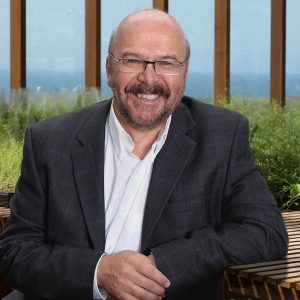
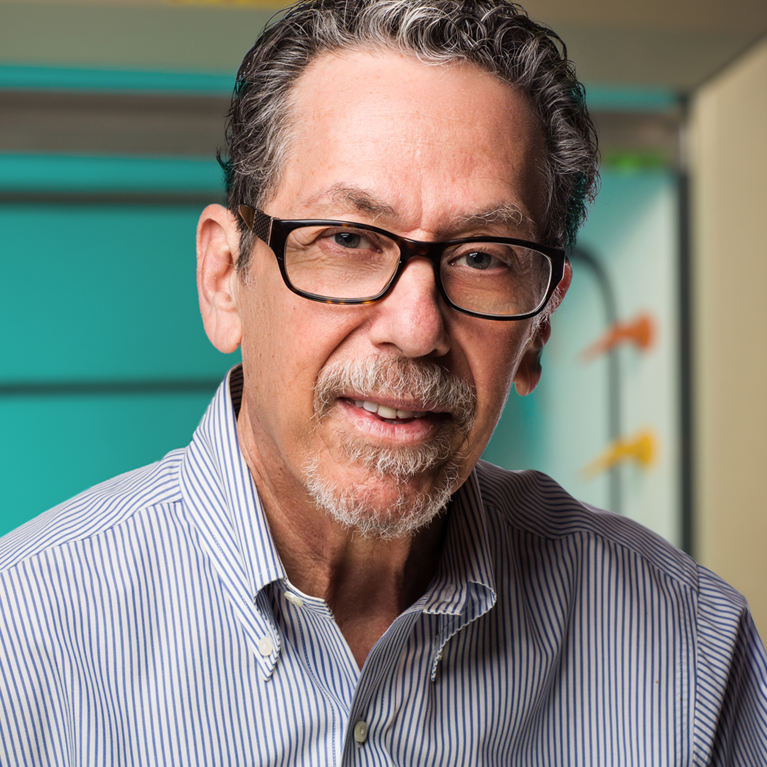
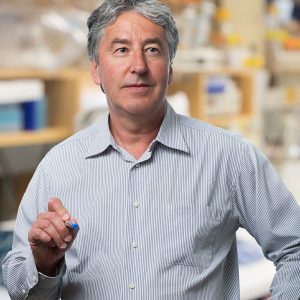
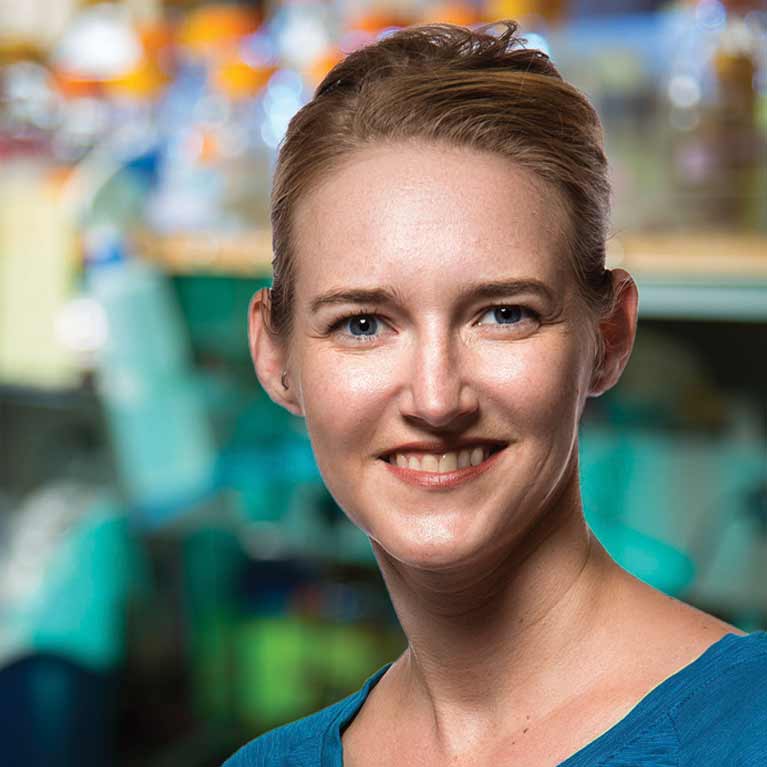
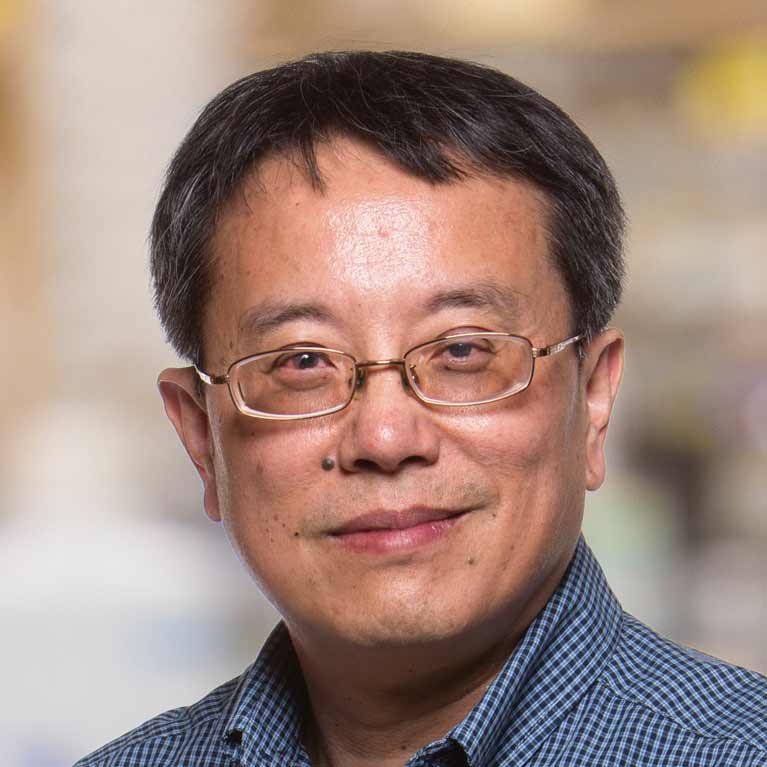
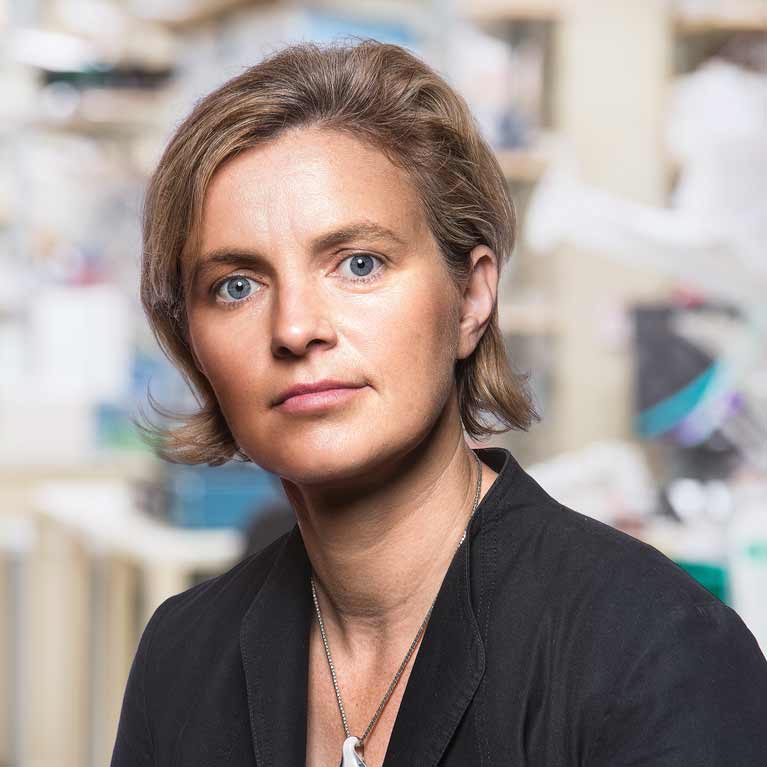
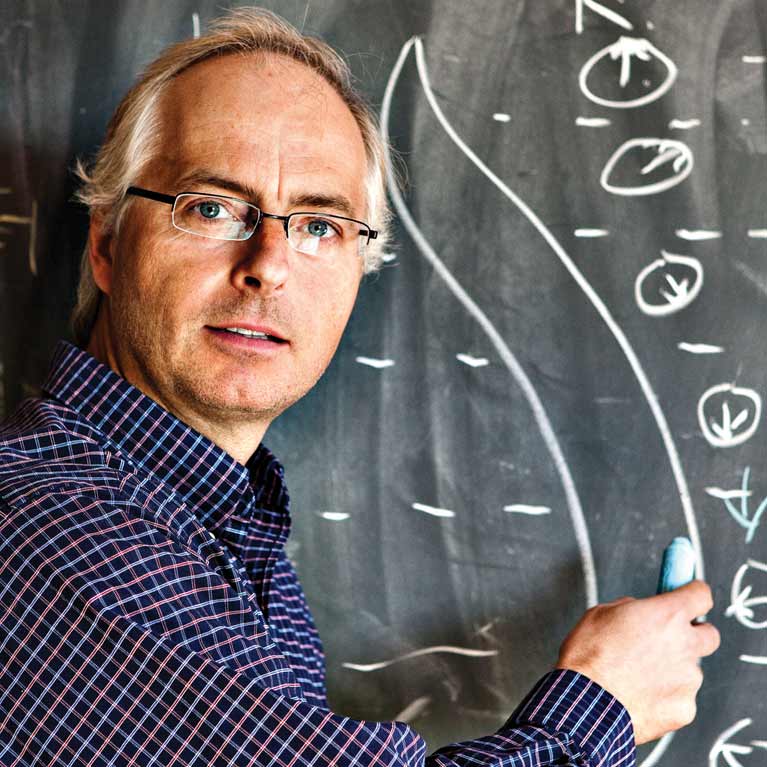
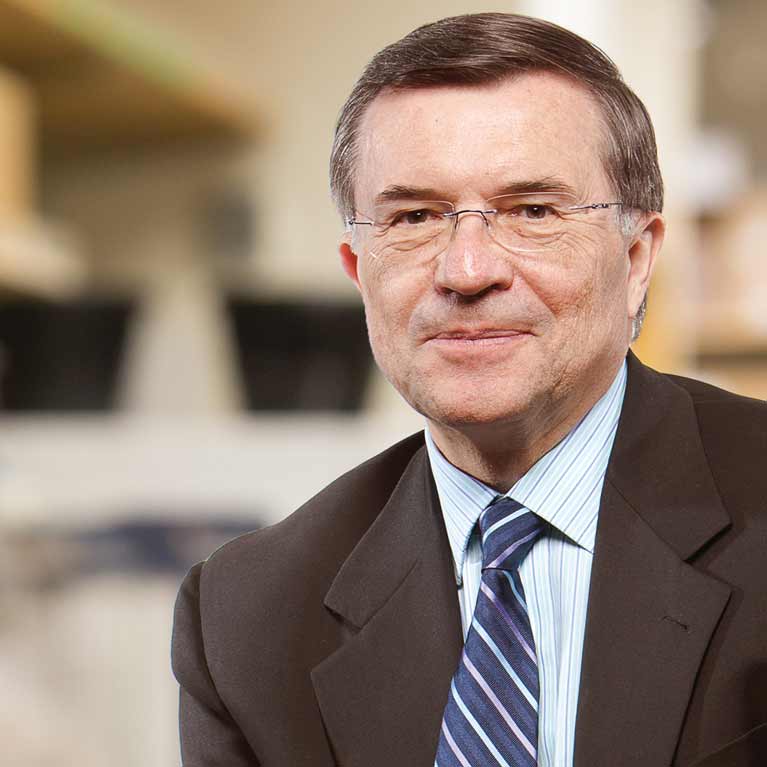
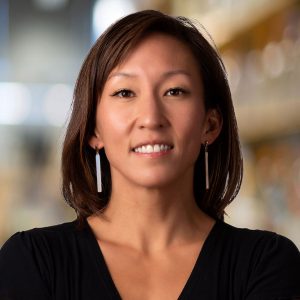
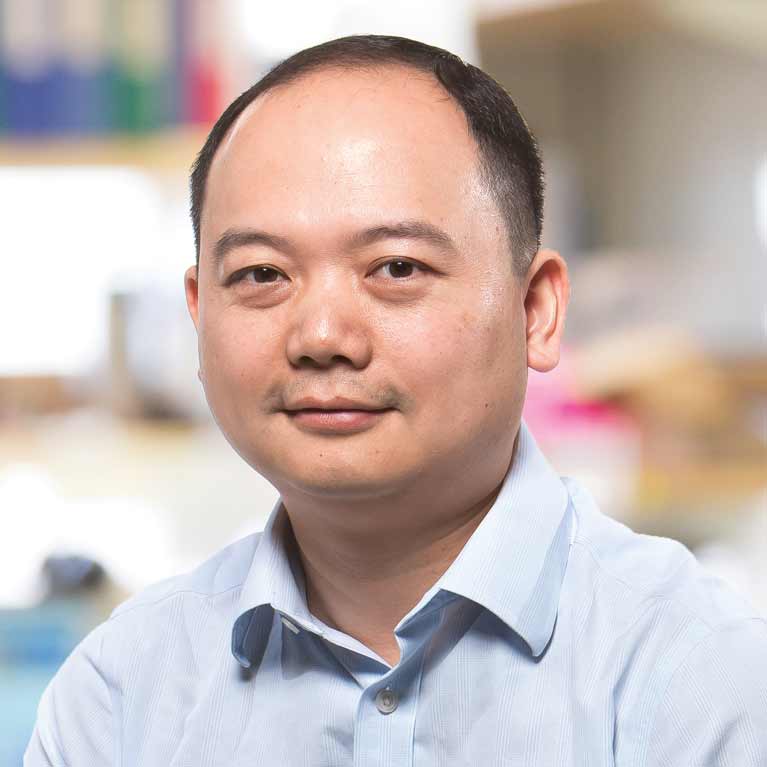
Juan Carlos Izpisua Belmonte
Professor
Gene Expression Laboratory
Roger Guillemin Chair
Research
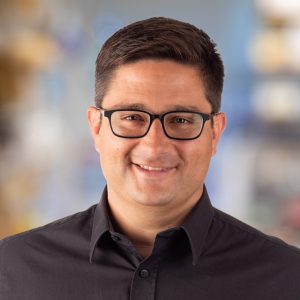
Juan Carlos Izpisua Belmonte, a professor in the Gene Expression Laboratory, studies how genes and molecules orchestrate the development of an embryo. The questions addressed by the laboratory include: How does one cell give rise to millions of cells, and how do they come to be organized into complete structures such as limbs, a heart or brain? How stems cells differentiate and give rise to over 200 cell types that constitute the human body? How certain animals are able to regenerate their tissues and organs, i.e., what are the genetic pathways responsible for epimorphic regeneration, a complex biological process by which animals can regenerate tissues and even entire organs throughout their lifetime after injury or amputation?
The Izpisua Belmonte laboratory utilizes different in vivo (mouse, chick, frog, and axolotl) and in vitro (human and mouse stem cells) model systems, as well as in silico modeling approaches, with particular emphasis on the genetic pathways involved in heart and bone development and regeneration. Their research has helped to discover some of the molecules that instruct embryonic stem cells to give rise to specific cell types during embryo development, and how these cells interact with one another to form tissues and organs with proper morphology and function. This ensures that our body's organs develop and function correctly and, at the same time, are placed in their correct positions.
In addition to improving our knowledge on early human development, the research activities of Dr. Izpisua Belmonte's laboratory are relevant to understanding the causes that underlie human birth defects, as well as to the future development of regenerative medicine.
For more information about Dr. Izpisua Belmonte's lab, click here.
"Our ultimate goal is to try to understand the molecular and cellular basis of organ and tissue regeneration."
Ever since the first adult cells were converted into induced pluripotent stem cells (iPSCs), they have generated excitement as an alternative to embryonic stem cells and a potential source for patient-specific stem cells. Unfortunately, reprogramming adult cells into iPSCs is a slow, inefficient and costly process and carries the risk of cancer, limiting the cells' therapeutic value. Two recent studies in Izpisua Belmonte's lab, however, offer the prospect of safer, faster and more efficient approaches to coaxing cells back in time.
The most widely used technology involves the forced expression of four transcription factors in fully committed adult cells: Oct4, Sox2, Klf4 and c-Myc. Because only a tiny fraction of cells transmogrify into iPSCs that look and act like embryonic stem cells, Izpisua Belmonte wondered whether the process used to reprogram the cells was inducing a response that stopped them from growing. Izpisua Belmonte and his team showed that adding Klf4 and c-Myc, which are oncogenes, activated the pathway for the tumor suppressor p53. In cells genetically engineered to lack p53, reprogramming efficiency increased at least tenfold, clearly demonstrating the important role that p53 played in reining in cells trying to revert back into a stem-like state. Because iPSCs generated with the full complement of reprogramming factors can turn malignant, Belmonte and his team also tried reprogramming mouse cells lacking p53 using only Oct4 and Sox2. The cells readily converted into iPSCs and gave rise to healthy, full-term mice that were able to reproduce, passing the ultimate test for pluripotent embryonic stem cells.
In related work, Izpisua Belmonte's group set out to transform immunologically immature hematopoietic stem cells isolated from umbilical cord blood into iPSCs. They not only successfully converted them using only Oct4 and Sox2, but did so in less time than any previously published methodology. The resulting iPSCs were indistinguishable from human embryonic stem cells and passed all standard tests for pluripotency, establishing the possibility of a comprehensive bank of tissue-matched, cord blood–derived stem cells.
Top row, left to right: Daiji Okamura, Tomoaki Hishida, Leo Kurian, Sungtae Kim, Shigeo Masuda
Middle row, left to right: Aitor Aguirre, Emmanuel Nivet, Ilir Dubova, Keiichiro Suzuki, Hsin-Kai Liao, Hideaki Saeki, Peter Schwarz, May Schwarz, Ignacio Sancho-Martinez
Front row, left to right: Guanghui Liu, Yun Xia, Fei Yi, Sheng-Lian Yang, Jing Qu, Ying Gu, Juan Carlos Izpisua Belmonte, Concepcion Rodriguez Esteban, Keijing Zhang, Jessica Kim, Krystal Sousley, April Goebl, Rupa Soligalla, Mo Li, Na Young Kim, Yuriko Hishida
Not pictured: Athanasia Panopoulos, Sergio Ruiz, Emi Suzuki, Yuta Takahashi, Jun Wu, Michael Wu, Jae Yun, Thomas Gallegos
Selected Publications
Salk News Releases
-
Salk scientists develop faster, safer method for producing stem cells
December 3, 2012 -
Neurons derived from cord blood cells may represent new therapeutic option
July 16, 2012 -
Salk researchers develop safe way to repair sickle cell disease genes
December 7, 2011 -
Editing scrambled genes in human stem cells may help realize the promise of combined stem cell-gene therapy
May 19, 2011 -
Aging, interrupted
February 23, 2011 -
Zebrafish study with human heart implications: Cellular grown-ups outperform stem cells in cardiac repair
March 24, 2010 -
Unraveling the mechanisms behind organ regeneration in zebrafish
November 2, 2009 -
Umbilical cord blood as a readily available source for off-the-shelf, patient-specific stem cells
September 30, 2009 -
Tumor suppressor pulls double shift as reprogramming watchdog
August 9, 2009 -
Genetic Re-disposition: Combined stem cell-gene therapy approach cures human genetic disease in vitro
May 31, 2009 -
Salk Receives $6.6 Million Grant to Develop Stem Cell-Based Treatments for Incurable Diseases
April 30, 2009 -
Salk researchers successfully reprogram keratinocytes attached to a single hair
October 20, 2008 -

In early embryos, cilia get the message across
October 23, 2006 -
Starting over: Wnt reactivates dormant limb regeneration program
November 20, 2006 -
Finding a cellular Neverland: How stem cells stay childlike
June 27, 2006 -
The ultimate spa: embryonic body wash controls left-right development
May 19, 2005 -
Vitamin A's paradoxical role in influencing symmetry during embryonic development revealed by Salk Institute scientists
May 11, 2005 -
Novel Genetic Pathway Tells Developing Body Organs to Get In Line
January 19, 2005 -
Salk Study Uncovers New Information About Organ Placement
January 8, 2004 -
Salk Scientists Find Genes That Control Limb Formation In Vertebrates
March 22, 2001 -
Vitamin A Shown To Be Critical For Heart Location In Vertebrate Animals
September 28, 1999 -
Gene Switches Wing To Leg, Salk Scientists Find
April 28, 1999 -
Gene That Determines Left From Right In Vertebrate Embryos Found By Salk-Led Team
July 6, 1998
Aging, interrupted
February 23, 2011
The current pace of population aging is without parallel in human history but surprisingly little is known about the human aging process, because lifespans of eight decades or more make it difficult to study. Now, researchers at the Salk Institute for Biological Studies replicated premature aging in the lab, allowing them to study ageing-related disease in a dish. Read more>>