Recent Discoveries
LA JOLLA—Our population is aging. The United Nations reports that by 2050, the number of people over the age of 85 on our planet is set to triple. But a longer life span isn’t the same as a longer healthspan (the number of years we spend healthy). Salk Institute scientists are working to change that through foundational research that explores the cellular mechanisms driving age-related dysfunction.
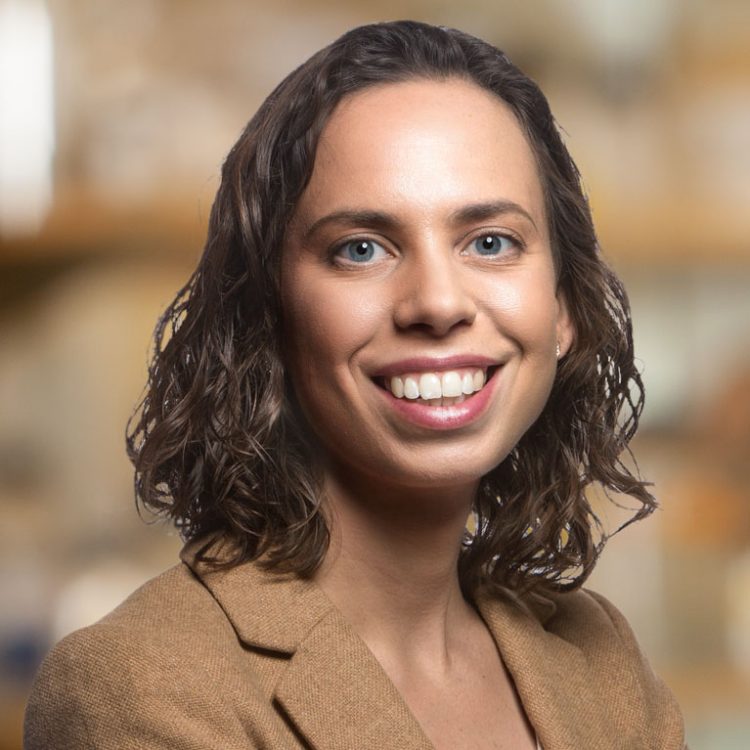
LA JOLLA—According to the Cleveland Clinic, a quarter of cancer deaths can be attributed to one source: cachexia. Cachexia is a syndrome that accompanies underlying chronic illness and causes unwanted muscle and fat loss, reducing quality of life and sometimes even limiting treatment options. A new study led by Thales Papagiannakopoulos, PhD, an incoming Salk professor, points to a potential new target for preventing cachexia.
LA JOLLA—Around three million people worldwide struggle with chronic pancreatitis, a condition wherein the pancreas becomes inflamed, scarred, and painful. There is no cure for chronic pancreatitis, and it is difficult to alter the disease trajectory after onset.
LA JOLLA—Pancreatic cancer is one of the deadliest cancers and is the third leading cause of cancer-related death in the United States. While scientists continue searching for new therapies, important advances can also come from understanding how existing drugs work. By uncovering the underlying biology, researchers can identify new ways to use existing drugs, improve their effectiveness, and overcome barriers that have limited their clinical impact.
LA JOLLA—Three Salk faculty members, Sung Han 博士, 丹尼尔·霍勒恩,博士, ,和 格雷厄姆-麦克维克博士, have been chosen as Keck Scholars, alongside corresponding graduate students as Keck Fellows, in a special W. M. Keck Foundation Bridge Funding Initiative. The Initiative comes as the Keck Foundation seeks to support early-career scientists amid federal funding uncertainty.
LA JOLLA—A small clinical trial led by Dana-Farber Cancer Institute researchers put a Salk Institute idea to the test in patients: that activating the vitamin D receptor can help reshape the protective environment surrounding pancreatic tumors in ways that could make the notoriously difficult-to-treat cancer more vulnerable to therapeutic treatments.
洛杉矶-索尔克研究所聘请全球知名癌症科学家泰勒斯-帕帕吉安纳克普洛斯(Thales “PapaG” Papagiannakopoulos)博士自2026年9月起担任该研究所教授。Papagiannakopoulos 自 2015 年以来一直在纽约大学格罗斯曼医学院任教,目前是纽约大学格罗斯曼医学院病理学系和 Perlmutter 癌症中心的终身副教授。他将为索尔克带来癌症代谢、癌症免疫学和肿瘤-宿主沟通方面的更多专业知识,为索尔克国家癌症研究所(NCI)指定癌症中心内部以及整个研究所的合作开辟新的机遇。.
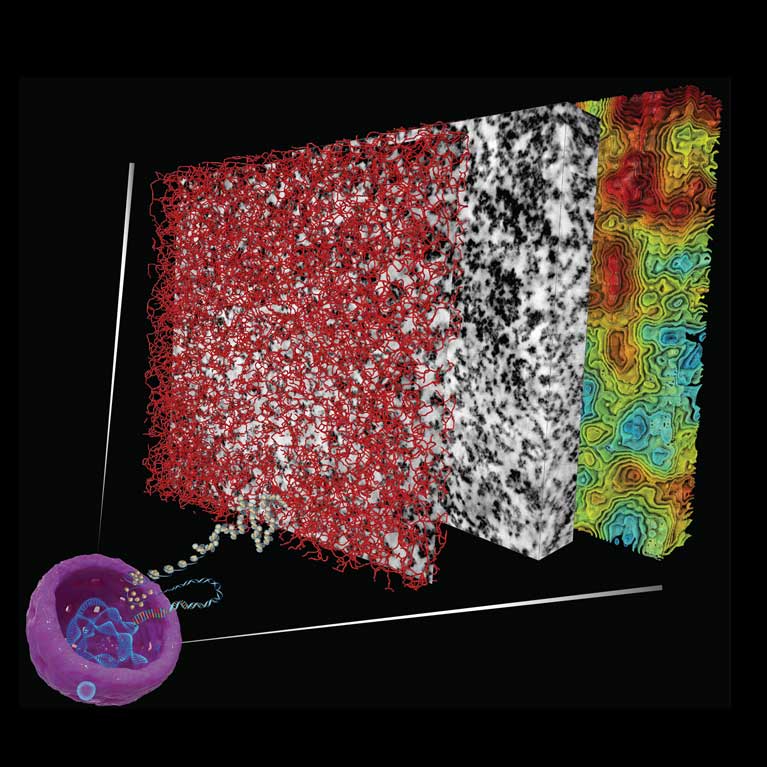
洛杉矶-我们的 DNA 是如何储存造就人类所需的大量信息的?如果储存错误会发生什么? 杰西·迪克森,医学博士,哲学博士, 多年来,他一直在研究这个基因组在三维空间中的折叠方式——他知道,如果折叠不正常,可能导致癌症和发育障碍,包括与自闭症相关的障碍。他实验室的最新研究表明,人们越来越认识到基因组的三维组织是不断变化的。通过使用不同类型的人类细胞,他的实验室表明,这种动态的基因组展开和重新折叠过程在基因组的不同部分以不同的速率发生,这反过来又影响基因的调控和表达。.
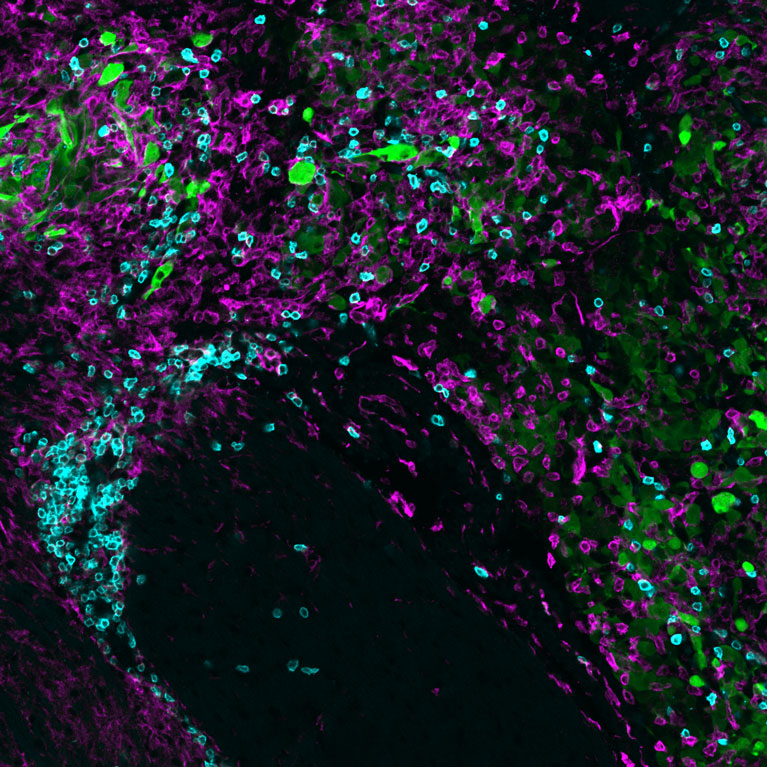
拉霍亚—由萨克生物研究所、北卡罗来纳大学林伯格综合癌症中心和加州大学圣地亚哥分校的研究人员牵头的一项多机构研究,揭示了决定免疫细胞,即CD8“杀伤性”T细胞,如何在成为持久的保护性防御者或陷入疲惫、功能失调状态之间做出选择的新遗传规则。关闭其中仅两个基因就使疲惫的T细胞恢复了其杀死肿瘤的能力。.
拉霍亚—索尔克学会教员 约瑟夫·埃克尔,博士, 罗纳德·埃文斯, 博士,, 鲁斯蒂·盖奇,博士, 克里斯蒂安·梅塔洛, 博士,, 萨奇达南达·潘达, 博士,, 鲁本-肖, 博士,以及 凯泰, ,博士,以及研究助理约瑟夫·内里,都被提名为今年的 科睿唯安高被引研究员名单. 2025年榜单共有来自60个国家的6,868名研究人员,他们在各自的研究领域表现出“显著而广泛的影响力”。”
LA JOLLA—Pancreatic cancer has the highest mortality rate of all major cancers, and its incidence is climbing. Because it is typically asymptomatic at early stages, pancreatic cancer is especially difficult to catch and treat in time. This allows the cancer to spread or metastasize throughout the body—the ultimate cause of death for nearly all patients.
LA JOLLA—Salk Institute Professor 戴安娜·哈格里夫斯 was named a 2025 All-Star Translational Award Program grantee by the V Foundation for Cancer Research. The award comes as a recognition of Hargreaves’ exceptional success with her previous V Foundation grant in 2016, which aimed to identify better drug targets for cancers with mutations in a multi-protein complex called SWI/SNF that regulates DNA structure and stability. She and her collaborator, Gregory Botta, an associate professor at UC San Diego Moores Cancer Center, will receive $1 million to advance her new project to improve immunotherapy—a treatment that utilizes the body’s own immune cells to fight cancer—in patients with pancreatic cancer.
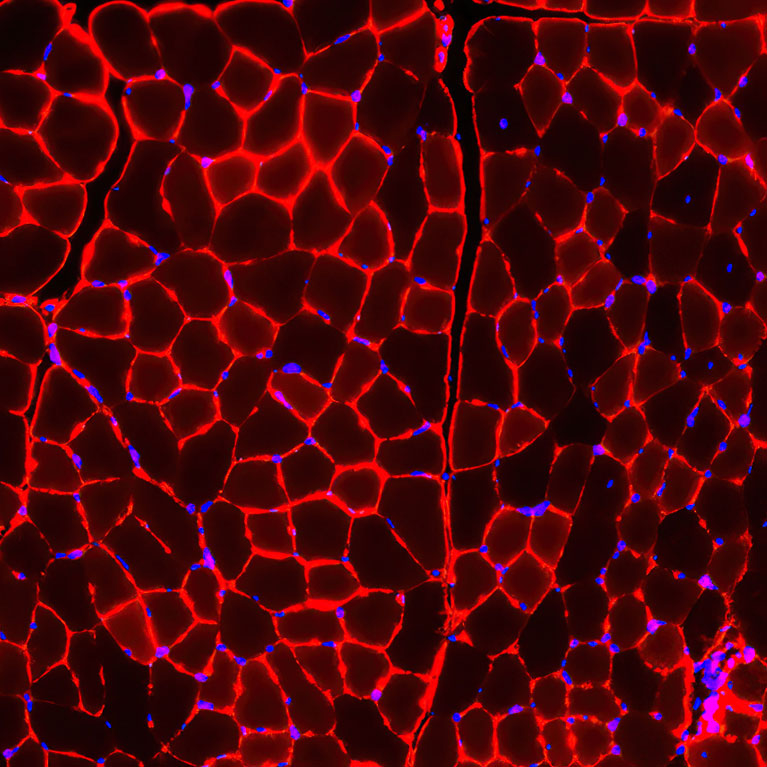
LA JOLLA—About one in eight adults in the United States has tried or currently uses a GLP-1 medication, and a quarter of those users cite weight loss as their main goal. But weight loss doesn’t discriminate between fat and muscle. Patients using GLP-1 drugs can experience rapid and substantial muscle loss, accounting for as much as 40% of their total weight loss. So how can we lose weight without also losing critical muscle?
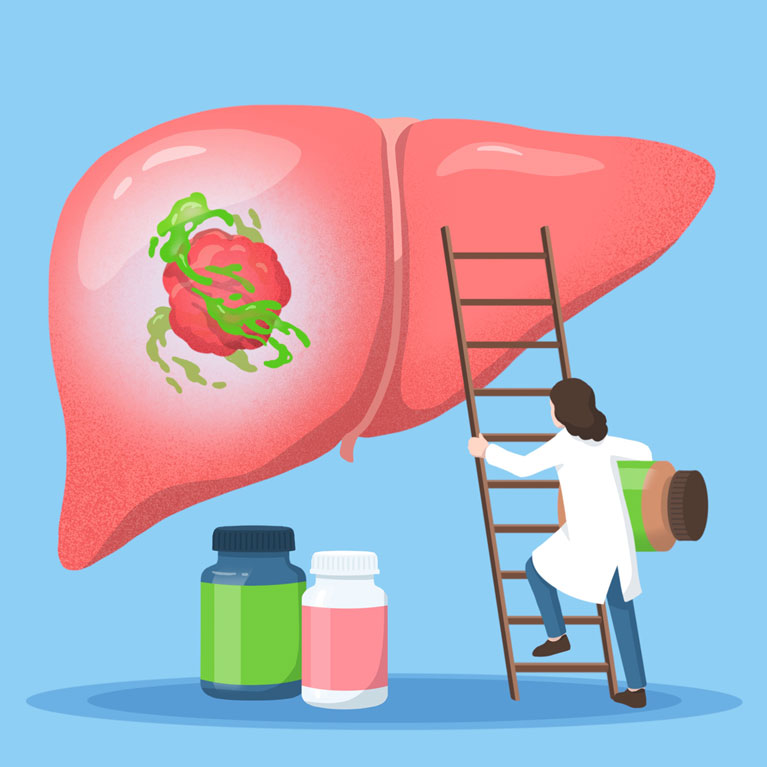
LA JOLLA—Immunotherapy is a modern approach to cancer treatment that uses a patient’s own immune system to help fight tumors. It has made an incredible impact on treating cancers in many different organ systems, including the lung, kidney, and bladder—but for other cancers, such as liver cancer, the therapy has been much less effective. This discrepancy is especially concerning as liver cancer rates have nearly tripled in the last 40 years.
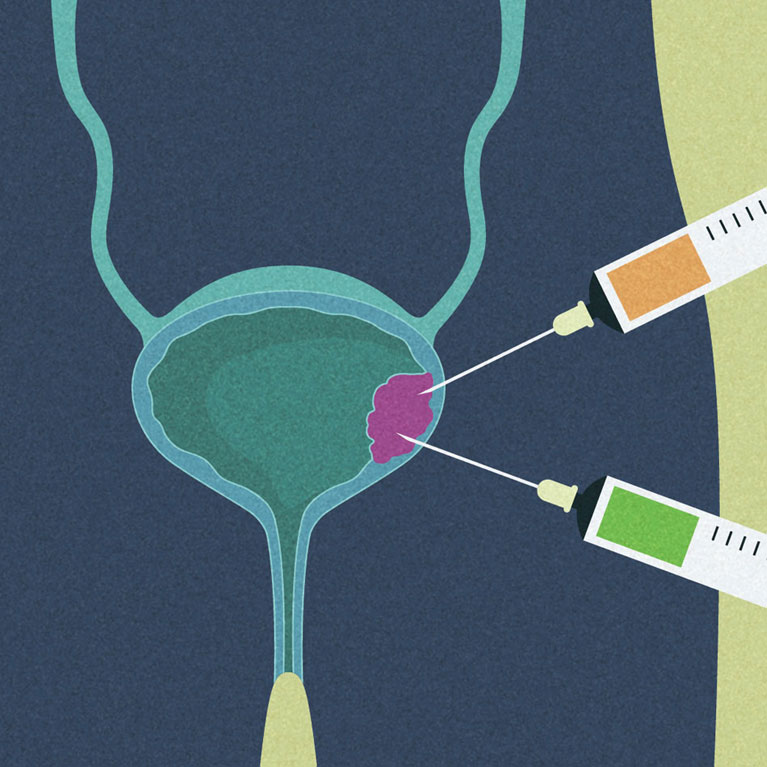
LA JOLLA—Like all cancers, bladder cancer develops when abnormal cells start to multiply out of control. But what if we could put a lid on their growth?
LA JOLLA—The decision between scrambled eggs or an apple for breakfast probably won’t make or break your day. However, for your cells, a decision between similar microscopic nutrients could determine their entire identity. If and how nutrient preference impacts cell identity has been a longstanding mystery for scientists—until a team of Salk Institute immunologists revealed a novel framework for the complicated relationship between nutrition and cell identity.
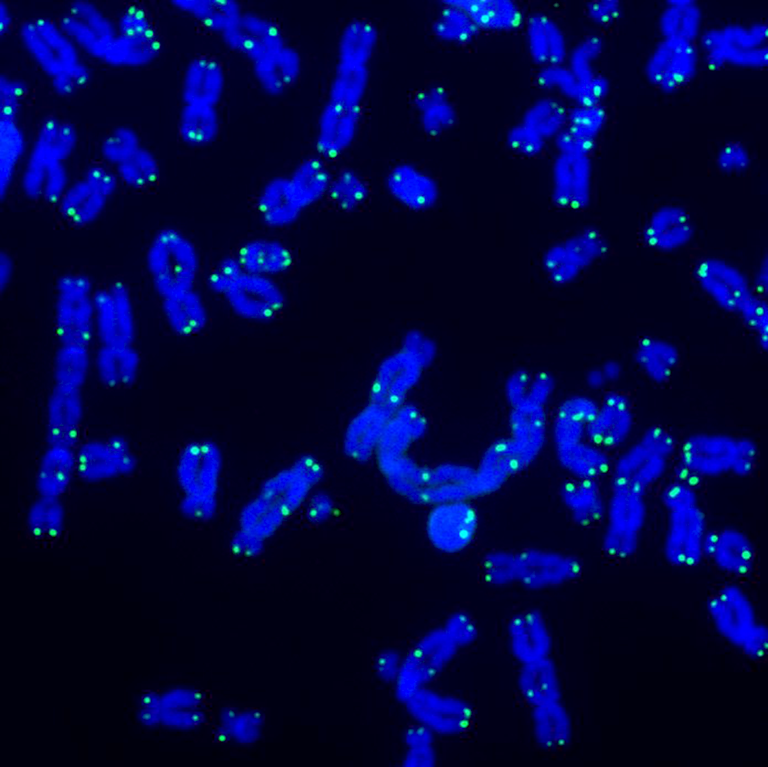
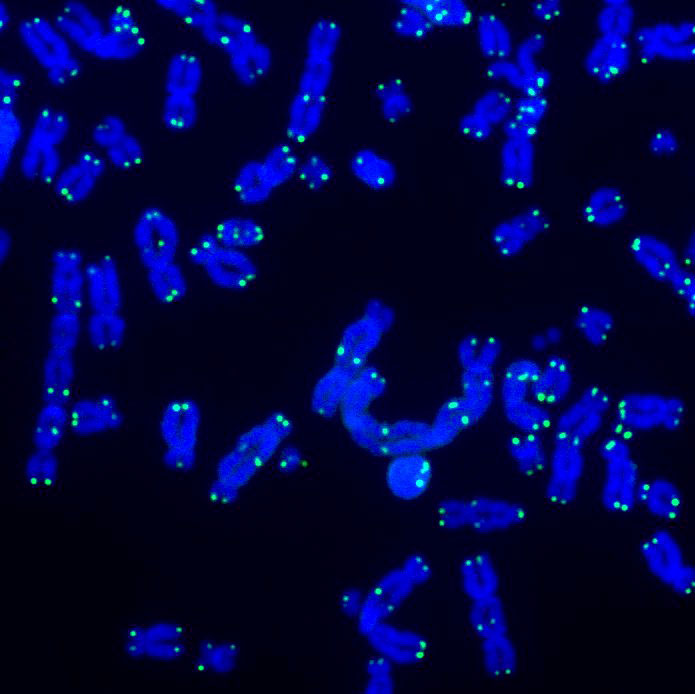
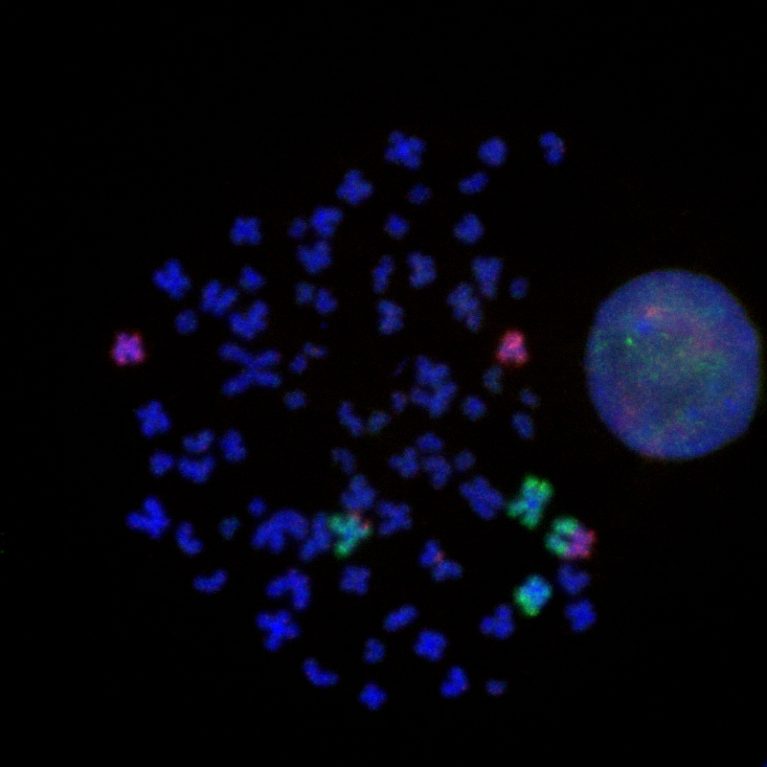
LA JOLLA—Within each of our cells, long strands of DNA are folded into chromosomes and capped with protective structures called telomeres. But telomeres shorten as we age, eventually getting so whittled down that our chromosomes become exposed, and our cells die. However, the specifics of when and how this shortening occurs and whether certain chromosomes are more affected than others have been unclear—until now.
LA JOLLA—Salk Institute Assistant Professor 杰西·迪克森 has been named a 2024 Pew Biomedical Scholar by The Pew Charitable Trusts. This honor provides funding to early-career investigators who demonstrate outstanding promise in science toward advancing human health. Dixon and the other 21 awardees will each receive $300,000 over four years to support their research.
LA JOLLA—Immunotherapy has revolutionized the way we treat cancer in recent years. Instead of targeting the tumor itself, immunotherapies work by directing patients’ immune systems to attack their tumors more effectively. This has been especially impactful in improving outcomes for certain difficult-to-treat cancers. Still, fewer than half of all cancer patients respond to current immunotherapies, creating an urgent need to identify biomarkers that can predict which patients are most likely to benefit.
LA JOLLA—The Salk Institute will receive a four-year, $5 million gift from the Paul M. Angell Family Foundation to support pancreatic cancer research. The project’s leaders, Salk Assistant Professor 丹妮尔·恩格尔, Professor 罗纳德·埃文斯, and Professor 鲁本-肖, will establish a novel pipeline from patients to the laboratory and back to the clinic. The approach will provide a unique opportunity to uncover new diagnostics and therapies for pancreatic cancer.
LA JOLLA—Salk Institute Professor 苏珊·凯奇 has been elected to the U.S. National Academy of Sciences. Kaech is one of 120 new members and 24 international members to be elected to the academy in recognition of their distinguished and continuing achievements in original research. The election is considered one of the highest honors accorded to a scientist in the United States. Kaech’s work has transformed the fields of immunology and cancer biology and inspires new approaches to cancer immunotherapy. Her recognition brings the number of Salk faculty elected to the National Academy of Sciences to 13.
LA JOLLA—Pancreatic cancer has the highest mortality rate of all major cancers and is projected to become the second-leading cause of cancer-related deaths in the United States by 2030. It is especially difficult to treat because pancreatic tumors grow so quickly and are constantly evolving, making them prone to developing drug resistance.
LA JOLLA—Lung adenocarcinoma is the most common lung cancer and the cause of most cancer-related deaths in the United States. There are several ways lung adenocarcinoma can arise, one of which is a mutation in a protein called EGFR (epidermal growth factor receptor). Non-mutated EGFR helps cells grow in response to injury, but mutated EGFR promotes out-of-control growth that can turn into cancer. Modern immunotherapies don’t work against EGFR-driven lung adenocarcinoma, and while some drugs exist to treat the cancer, patients typically develop a resistance to them within just a few years. This gap in the treatment toolchest inspired Salk Institute researchers to probe for weak spots in the cancer’s growth pathway.
拉霍亚—索尔克教授 罗纳德·埃文斯 has been named the 2024 recipient of the Japan Prize in the field of Medical Science and Pharmaceutical Science. The Japan Prize Foundation awards this prestigious international award annually to “express Japan’s gratitude to international society.”
LA JOLLA—The Salk Institute marks 50 years as a National Cancer Institute (NCI)-Designated Cancer Center with good news: NCI has renewed the designation and grant support for another five years.
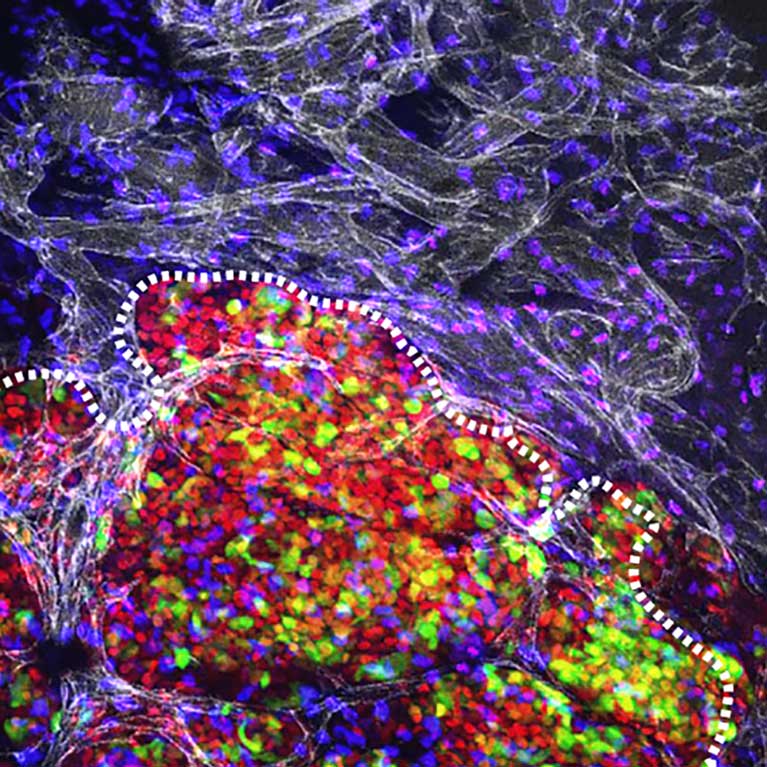
LA JOLLA—Pancreatic cancer is one of the deadliest cancers—only about one in eight patients survives five years after diagnosis. Those dismal statistics are in part due to the thick, nearly impenetrable wall of fibrosis, or scar tissue, that surrounds most pancreatic tumors and makes it hard for drugs to access and destroy the cancer cells.
LA JOLLA—Regulatory T cells are specialized immune cells that suppress the immune response and prevent the body from attacking its own cells. Understanding how these cells work is key to determining how they might be manipulated to encourage the destruction of cancer cells or prevent autoimmunity. Cell behavior is influenced by chromatin architecture (the 3D shape of chromosomes) and which genes are accessible to proteins—like Foxp3, which promotes regulatory T cell development.
LA JOLLA—Salk Institute Assistant Professor Christina Towers received a five-year, $2.85 million National Institutes of Health (NIH) Director’s New Innovator Award from the NIH Common Fund’s High-Risk, High-Reward Research program. Towers received one of 58 New Innovator Awards this year.
LA JOLLA (September 25, 2023)—Salk Institute Assistant Professors Christina Towers 和 迪普希卡·拉马南 were named V Scholars by the V Foundation for Cancer Research. They will each receive $600,000 over three years to fund their unique cancer research goals.
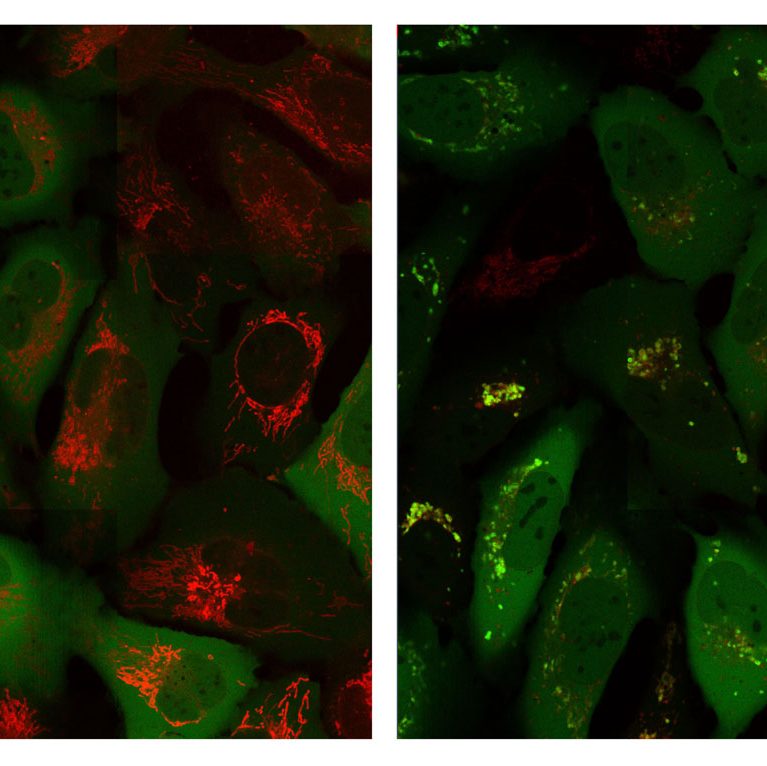
LA JOLLA—Immunotherapy, which uses the body’s own immune system to fight cancer, is an effective treatment option, yet many patients do not respond to it. Thus, cancer researchers are seeking new ways to optimize immunotherapy so that it is more effective for more people. Now, Salk Institute scientists have found that manipulating an early step in energy production in mitochondria—the cell’s powerhouses—reduces melanoma tumor growth and enhances the immune response in mice.
LA JOLLA—Even for killer T cells—specialized immune cells—seeking and destroying cancer cells around the clock can be exhausting. If scientists can understand why killer T cells become exhausted, then they can create more resilient cancer-killing cells.
LA JOLLA—Pancreatic cancers are among the most aggressive, deadly tumor types and, for years, researchers have struggled to develop effective drugs against the tumors. Now, Salk researchers have identified a new set of molecules that fuel the growth of tumors in pancreatic ductal adenocarcinoma (PDAC), the most common type of pancreatic cancer.
LA JOLLA—Salk Institute physician-scientist 杰西·迪克森 has been named a Rita Allen Foundation Award Scholar, a distinction given to biomedical scientists whose research holds exceptional promise for revealing new pathways to advance human health.
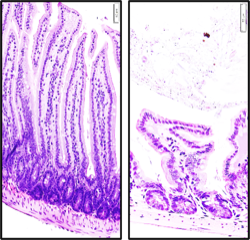
拉霍亚—近年来,50岁以下人群的结直肠癌发病率有所上升。一个可能的解释是肥胖率和高脂肪饮食的增加。现在,索尔克研究所和加州大学圣迭戈分校的研究人员发现,高脂肪饮食如何改变肠道细菌,并改变由这些细菌修饰的称为胆汁酸的消化分子,从而使小鼠易患结直肠癌。.
LA JOLLA—Glioblastoma, the most common and deadly form of brain cancer, grows rapidly to invade and destroy healthy brain tissue. The tumor sends out cancerous tendrils into the brain that make surgical tumor removal extremely difficult or impossible.
LA JOLLA—The Salk Institute welcomes Assistant Professor Agnieszka Kendrick, a structural biologist who studies how cells recognize and transport cargo within the cell.
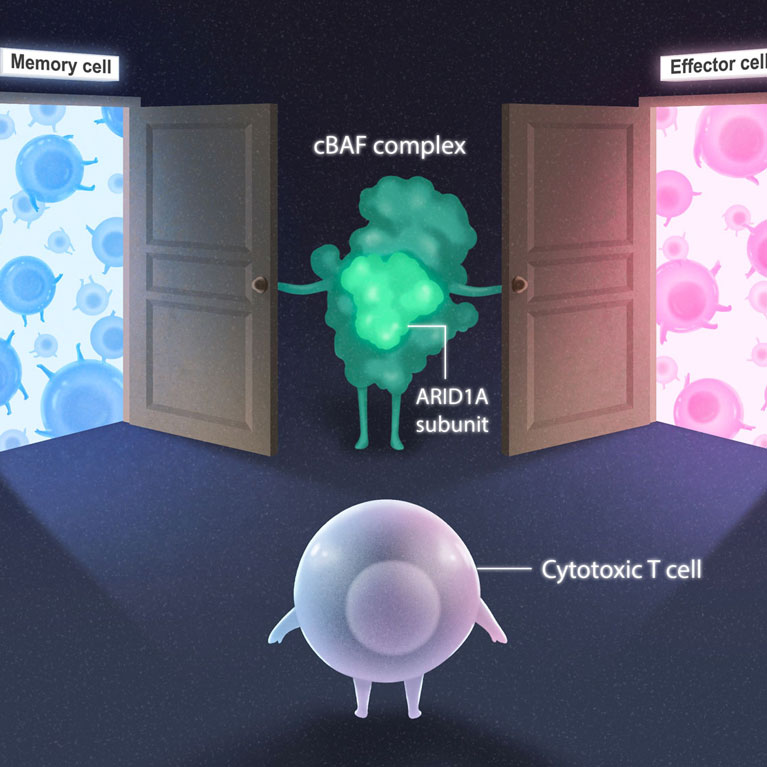
LA JOLLA—The immune system protects the body from invaders, such as bacteria, viruses, or tumors, with its intricate network of proteins, cells, and organs. Specialized immune cells, called cytotoxic T cells, can develop into short-lived effector cells that kill infected or cancerous cells within our bodies. A small portion of those effector cells remain after an infection and become longer-lived memory cells, which “remember” infections and respond when infections reappear. But little was known about what influences cytotoxic T cells to transform into these effector and memory T cell subtypes.
LA JOLLA—The Salk Institute and Autobahn Labs, an early-stage drug discovery incubator, will work together to identify and advance promising initial scientific discoveries through the preliminary steps of drug discovery and development. Autobahn Labs will invest up to $5 million per project for Salk discoveries that require access to drug development expertise and state-of-the art capabilities.
LA JOLLA—Five Salk Institute faculty members have been promoted for their notable, innovative contributions to science. These faculty members have demonstrated leadership in their disciplines, pushing the boundaries of basic scientific research. Assistant Professors 孙汉, Dmitry Lyumkis, ,和 Graham McVicker were promoted to associate professors, and Associate Professors 斯里坎特·查拉萨尼 和 叶正 were promoted to professors. The promotions were based on Salk faculty and nonresident fellow recommendations and approved by Salk’s president and Board of Trustees on April 21, 2023.
LA JOLLA—Salk Institute Professor 苏珊·凯奇, director of the NOMIS Center for Immunobiology and Microbial Pathogenesis, has been elected to the American Academy of Arts and Sciences. She shares the honor with some of the world’s most accomplished leaders from science and technology, business, public affairs, education, the humanities, and the arts. Kaech and the new class of nearly 270 members will be inducted at a formal ceremony on September 30, 2023, at the Academy’s headquarters in Cambridge, Massachusetts.
LA JOLLA—Scientists often act as detectives, piecing together clues that alone may seem meaningless but together crack the case. Professor 鲁本-肖 has spent nearly two decades piecing together such clues to understand the cellular response to metabolic stress, which occurs when cellular energy levels dip. Whether energy levels fall because the cell’s powerhouses (mitochondria) are failing or due to a lack of necessary energy-making supplies, the response is the same: get rid of the damaged mitochondria and create new ones.
拉霍亚—癌症治疗长期以来一直朝着个性化方向发展——根据患者独特的遗传和分子模式,找到适合患者的靶向药物。许多此类靶向疗法都非常有效,但并非适用于所有癌症,包括那些携带 LKB1 基因突变的非小细胞肺癌 (NSCLC)。由萨克研究所教授领导的一项新研究 鲁本-肖 前博士后研究员莉莲·艾希纳(Lillian Eichner)现任西北大学助理教授,她发现FDA批准的曲美替尼和依替司他(后者目前处于临床试验阶段)联合使用,可以使患有LKB1突变的非小细胞肺癌(NSCLC)的小鼠产生更少、更小的肿瘤。.
拉霍亚—索尔克教授 克里斯蒂安·梅塔洛 has been recognized for his outstanding contributions to advancing science by being named the next holder of the Daniel and Martina Lewis Chair, effective January 1, 2023. Professor 杰弗里·沃尔 previously held this chair position.
LA JOLLA—As we age, the end caps of our chromosomes, called telomeres, gradually shorten. Now, Salk scientists have discovered that when telomeres become very short, they communicate with mitochondria, the cell’s powerhouses. This communication triggers a complex set of signaling pathways and initiates an inflammatory response that destroys cells that could otherwise become cancerous.
拉荷亚——斯克尔研究所研究人员开发的一种药物,能够像肠道的总开关一样起作用。这种名为 FexD 的化合物,之前已被发现能够降低小鼠的胆固醇、燃烧脂肪并抵御结直肠癌。现在,该团队在 美国国家科学院院刊 2022年12月12日,在炎症性肠病小鼠模型中,FexD也能预防和逆转肠道炎症。.
加乔拉——癌症是由细胞异常过度生长引起的,是世界第二大死因。索尔克研究所的研究人员已经聚焦于激活癌基因的具体机制。癌基因是发生改变的基因,可以使正常细胞变成癌细胞。.
LA JOLLA—Salk Institute Assistant Professor Christina Towers has received a $1.15 million Science Diversity Leadership Award from the Chan Zuckerberg Initiative, in partnership with the National Academies of Sciences, Engineering, and Medicine. The award recognizes outstanding early- to mid-career researchers who have made significant research contributions to the biomedical sciences, show promise for continuing scientific achievement, and promote diversity, equity, and inclusion in their scientific fields.
LA JOLLA—The Salk Institute’s American Cancer Society Professor Tony Hunter, Professor Reuben Shaw, and Assistant Professor Graham McVicker are among 12 inaugural 2022 Discovery Grant winners. The awards, which total $3 million, were launched this year by Curebound, a philanthropic organization dedicated to funding collaborative cancer research that has the potential to reach the clinic.
LA JOLLA—Salk Institute Professor 杰弗里·沃尔 has received the 2022 Brinker Award for Scientific Distinction in Basic Science from Susan G. Komen®, the world’s leading breast cancer organization. According to the foundation, the award recognizes leading scientists who have made the most significant advances in breast cancer research and medicine. Wahl was honored for his significant contributions to the field of cancer genetics, including the mechanisms of drug resistance and genome stability. He will present a keynote lecture at the 45th annual San Antonio Breast Cancer Symposium in early December 2022.
拉霍亚—消防员是我们社会的英雄,全天候保护着我们。但这些 24 小时的轮班工作对身体非常不利,并且会增加患心脏代谢疾病(如心脏病和糖尿病)以及癌症的风险。圣地亚哥消防局与索尔克研究所和加州大学圣地亚哥分校健康中心的科学家合作进行的一项临床试验发现,限时进食可以改善消防员的健康和福祉指标。这种生活方式干预措施仅要求消防员在 10 小时的时间窗口内进食,并且不涉及跳餐。.
LA JOLLA—Professor Emeritus Walter Eckhart, who served as director of the Salk Institute’s National Cancer Institute-designated Cancer Center and head of the Molecular and Cell Biology Laboratory for more than 30 years, died suddenly on June 21, 2022, at his home in La Jolla, California. He was 84.
LA JOLLA—An international team of researchers, including Salk Institute Professor 贾内尔·艾尔斯, has been selected to receive a $25 million Cancer Grand Challenges award to tackle the challenge of cancer cachexia, a debilitating wasting condition that often leads to a poor quality of life for people in the later stages of their cancer. Cachexia is responsible for up to 30 percent of cancer-related deaths.
LA JOLLA—Assistant Professor Christina Towers has been named a 2022 Pew-Stewart Scholar for Cancer Research as part of a partnership between The Pew Charitable Trusts and the Alexander and Margaret Stewart Trust. Towers is among this year’s six early-career scientists who will each receive $300,000 over the next four years to support research focused on a better understanding of the causes, diagnosis and treatment of cancer.
LA JOLLA—Mammals can’t typically regenerate organs as efficiently as other vertebrates, such as fish and lizards. Now, Salk scientists have found a way to partially reset liver cells to more youthful states—allowing them to heal damaged tissue at a faster rate than previously observed. The results, published in Cell Reports on April 26, 2022, reveal that the use of reprogramming molecules can improve cell growth, leading to better liver tissue regeneration in mice.
LA JOLLA—Every day, your pancreas produces about one cup of digestive juices, a mixture of molecules that can break down the food you eat. But if these powerful molecules become activated before they make their way to the gut, they can damage the pancreas itself—digesting the very cells that created them, leading to the painful inflammation known as pancreatitis, and predisposing a person to pancreatic cancer.
LA JOLLA—Salk Institute Professor 托尼·亨特 will receive the 2022 American Association for Cancer Research (AACR) Award for Lifetime Achievement in Cancer Research at the April annual meeting of AACR, the largest cancer research organization in the world dedicated to preventing and curing all cancers. This major award is a significant recognition of Hunter’s contributions to cancer research, which have led to the development of the highly effective leukemia drug GleevecTM.
LA JOLLA—Professors 鲁本-肖, 苏珊·凯奇, 克里斯蒂安·梅塔洛 和 艾伦·萨加特利安 have received a 2022 Mark Foundation for Cancer Research Endeavor Award to support their research exploring the metabolic changes that help lung cancers develop. The $3 million Endeavor Award promotes collaborative science to tackle some of the toughest challenges in cancer research. The Salk team—one of four teams chosen out of nearly 200 applications submitted by institutions around the world—hopes their work will lead to the development of more effective lung cancer treatments.
LA JOLLA/NEW YORK—The Lustgarten Foundation and Salk Institute today announced a new strategic partnership supported by a $5 million grant and focused on identifying and validating potential targets for new pancreatic cancer drugs. The effort will be led by four co-principal investigators, all prominent cancer researchers in the Salk Dedicated Program in Pancreatic Cancer: Professors 鲁本-肖, 罗纳德·埃文斯, 托尼·亨特 助理教授 丹妮尔·恩格尔. The partnership is part of the Lustgarten Advancing Breakthrough Science (LABS) Program.
拉霍亚—教授 罗纳德·埃文斯 助理教授 丹妮尔·恩格尔 已获得2021年ASPIRE(加速科学平台与创新研究)奖,用于研究胰腺癌的细胞和分子驱动因素。胰腺癌是最致命的癌症之一,治疗选择很少。$250,000美元的奖金由Mark癌症研究所基金会资助,该基金会支持旨在解决癌症研究中影响深远问题的创新方法。入选2021年ASPIRE项目的23位科学家代表了世界顶尖学术机构癌症研究领域的各个学科。.
LA JOLLA—Patients with colorectal cancer were among the first to receive targeted therapies. These drugs aim to block the cancer-causing proteins that trigger out-of-control cell growth while sparing healthy tissues. But some patients are not eligible for these treatments because they have cancer-promoting mutations that are believed to cause resistance to these drugs.
LA JOLLA—Salk Professors 乔安·乔里, 约瑟夫·埃克尔, 鲁斯蒂·盖奇, 萨奇达南达·潘达, 鲁本-肖 和 凯泰 have been named to the Highly Cited Researchers list by Clarivate. The list identifies researchers who demonstrate “significant influence in their chosen field or fields through the publication of multiple highly cited papers.” Chory, Ecker and Gage have been named to this list every year since 2014, when the regular annual rankings began. This is Tye’s fifth, Shaw’s third and Panda’s first time receiving the designation. Additionally, Ecker appeared in two separate categories: “plant and animal science” and “molecular biology and genetics” and is one of 3.4 percent of researchers selected in two fields. Joseph Nery, a research assistant II in the Ecker lab, was also included on the list.
LA JOLLA—Scientists at the Salk Institute and Vanderbilt University School of Medicine Basic Sciences have found that cells in the pancreas form new cell types to mitigate injury, but are then susceptible to cancerous mutations. The research, led by Salk Professor Geoffrey Wahl and Vanderbilt Assistant Professor Kathy DelGiorno, former staff scientist in the Wahl lab, was published in the journal Gastroenterology on October 22, 2021.
LA JOLLA—For the past fifteen years, cancer researchers have been using DNA sequencing technology to identify the gene mutations that cause different forms of cancer. Now, Salk Assistant Professor Edward Stites and his team of computational scientists have combined gene mutation information with cancer prevalence data to reveal the genetic basis of cancer in the entire population of cancer patients in the United States.
LA JOLLA—Sanford Burnham Prebys Professor Peter D. Adams, who directs the Aging, Cancer and Immuno-oncology Program, and Salk Institute Professor 杰拉尔德·沙德尔, who directs the San Diego Nathan Shock Center of Excellence in the Basic Biology of Aging, have been awarded a grant from the NIH’s National Institute on Aging for $13 million, funding a five-year project to explore the connection between aging and liver cancer.
LA JOLLA—The Salk Institute, along with Sanford Burnham Prebys, have signed an exclusive licensing agreement with California-based Endeavor BioMedicines for an intellectual property portfolio relating to cancer therapeutics and diagnostics that target ULK1/2, a protein involved in cellular recycling, jointly developed by researchers at Salk and Sanford Burnham Prebys. The negotiations were led by the Salk Office of Technology Development and the Sanford Burnham Prebys Business Development Office.
圣地亚哥—萨尔克生物研究所已晋升 戴安娜·哈格里夫斯 to the rank of associate professor for her notable contributions in epigenetic regulation, which make specific regions of our DNA accessible to the machinery of cells. The promotion was based on recommendations by Salk faculty and nonresident fellows, and approved by President 鲁斯蒂·盖奇 以及学院董事会。.
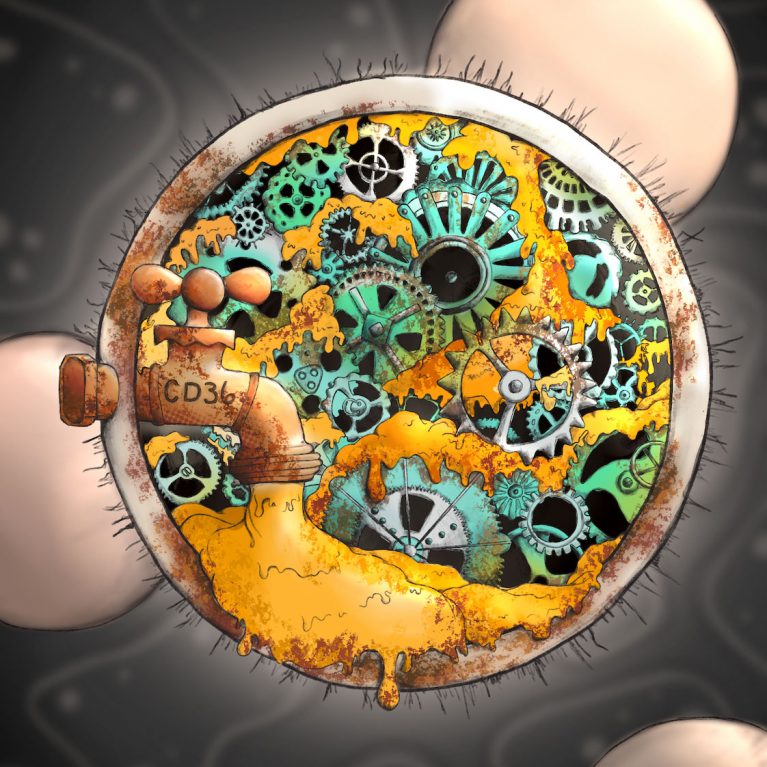
拉霍亚—为了使癌细胞生长和扩散,它必须逃避免疫细胞的检测,特别是特化的“杀手”T细胞。由教授领导的萨尔克研究人员 苏珊·凯奇 已发现肿瘤内部的环境(肿瘤微环境)含有大量的氧化脂肪分子,这些分子当被杀伤性 T 细胞摄入时,会抑制它们杀死癌细胞的能力。形成恶性循环的是,这些 T 细胞需要能量,从而增加了细胞脂肪转运蛋白 CD36 的水平,但不幸的是,CD36 会让它们饱和更多氧化脂肪,并进一步限制其抗肿瘤功能。.
LA JOLLA—Despite only accounting for about 1 percent of skin cancers, melanoma causes the majority of skin cancer-related deaths. While treatments for this serious disease do exist, these drugs can vary in effectiveness depending on the individual.
LA JOLLA—The Salk Institute welcomes bioengineer 克里斯蒂安·梅塔洛, who will join the Salk faculty as a full professor in July 2021. He is currently an associate professor of bioengineering at the University of California San Diego.
拉霍亚—索尔克助理教授 丹妮尔·恩格尔 获得卢斯特加滕基金会-美国癌症研究协会(AACR)胰腺癌研究事业发展奖,以表彰已故最高法院大法官、女性权利先驱鲁斯·巴德·金斯伯格。.
LA JOLLA—When cells are stressed, chemical alarms go off, setting in motion a flurry of activity that protects the cell’s most important players. During the rush, a protein called Parkin hurries to protect the mitochondria, the power stations that generate energy for the cell. Now Salk researchers have discovered a direct link between a master sensor of cell stress and Parkin itself. The same pathway is also tied to type 2 diabetes and cancer, which could open a new avenue for treating all three diseases.
拉霍亚—索尔克教授 Thomas Albright has been awarded $1 million and Assistant Professor Edward Stites awarded $500,000 by The Conrad Prebys Foundation as part of its inaugural round of grants. The funding will support Albright’s project looking at how our visual sense changes as we age or gain experience at new visual tasks, and Stites’ project investigating how specific FDA-approved drugs function against three types of melanoma mutations, which drive approximately 80 percent of melanomas.
LA JOLLA—The Salk Institute received a matching $1 million gift from the BioMed Realty Management Team, which was used to fund the recruitment of award-winning cancer researcher Christina Towers and to support her research and that of the 索尔克癌症中心. The challenge match—where BioMed Realty matches, dollar for dollar, up to $1 million—will also support Salk’s bold 攻克癌症倡议, which is harnessing cutting-edge approaches to fight some of the deadliest cancers, including pancreatic, ovarian, lung, colon, brain (glioblastoma) and triple-negative breast cancer.
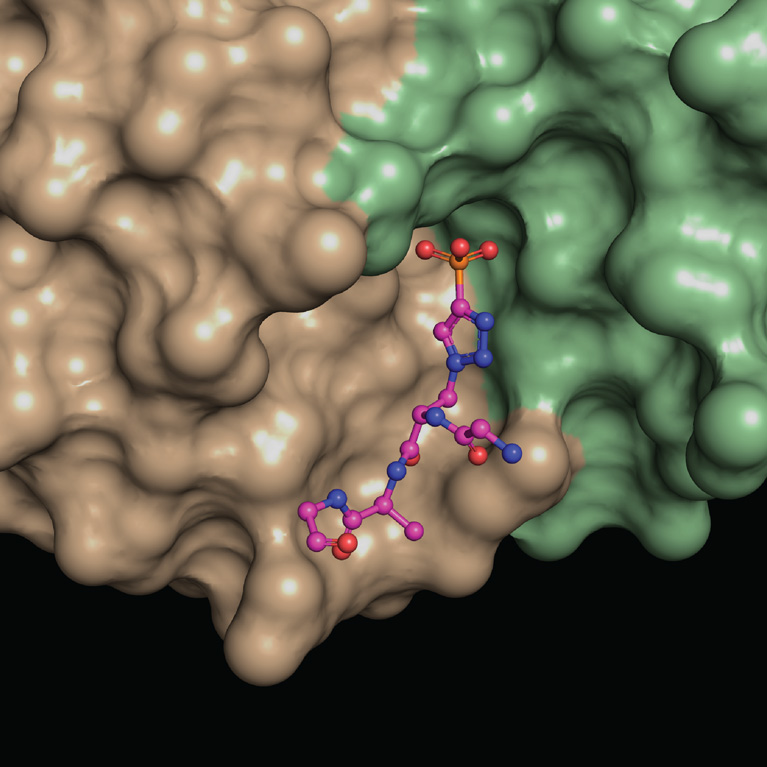
LA JOLLA—In structural biology, some molecules are so unusual they can only be captured with a unique set of tools. That’s precisely how a multi-institutional research team led by Salk scientists defined how antibodies can recognize a compound called phosphohistidine—a highly unstable molecule that has been found to play a central role in some forms of cancer, such as liver and breast cancer and neuroblastoma.
LA JOLLA—The Salk Institute is excited to welcome Assistant Professor Christina Towers, a top researcher in the field of cancer biology. Towers will join Salk’s renowned NCI-designated Cancer Center to examine how cancer cells recycle both their own nutrients and the power-generating structures called mitochondria in order to survive. Her long-term goal is to improve the treatment options for cancer patients.
LA JOLLA—Salk Institute Assistant Professor 丹妮尔·恩格尔 has been awarded a New Investigator Award from the Tobacco-Related Disease Research Program (TRDRP) to examine how tobacco use promotes cellular changes that lead to pancreatic cancer. The TRDRP funds research that “enhances understanding of tobacco use, prevention and cessation, the social, economic and policy-related aspects of tobacco use, and tobacco-related diseases in California,” according to their website. Engle will receive over $1 million over three years to develop new models for examining how tobacco carcinogens (cancer-causing substances) lead to tumor development and metastasis.
LA JOLLA and PALO ALTO, Calif.—The Salk Institute and BridgeBio Pharma, Inc. (Nasdaq: BBIO) today announced a three-year collaboration agreement formed to advance cutting-edge academic discoveries in genetically driven diseases toward therapeutic applications. Under the partnership, BridgeBio will help fund research programs from Salk’s world-renowned innovative cancer research, with the eventual goal of developing new therapeutics for patients in need.
LA JOLLA—Salk Institute Assistant Professor Edward Stites has been named an NIH Director’s New Innovator for 2020 as part of the National Institutes of Health’s High-Risk, High-Reward Research Program. The award “supports unusually innovative research from early career investigators,” according to the NIH and provides $1.5 million for a 5-year project. For his project, Stites will use mathematical and biological approaches to identify strategies to convert failed therapeutics into effective agents.
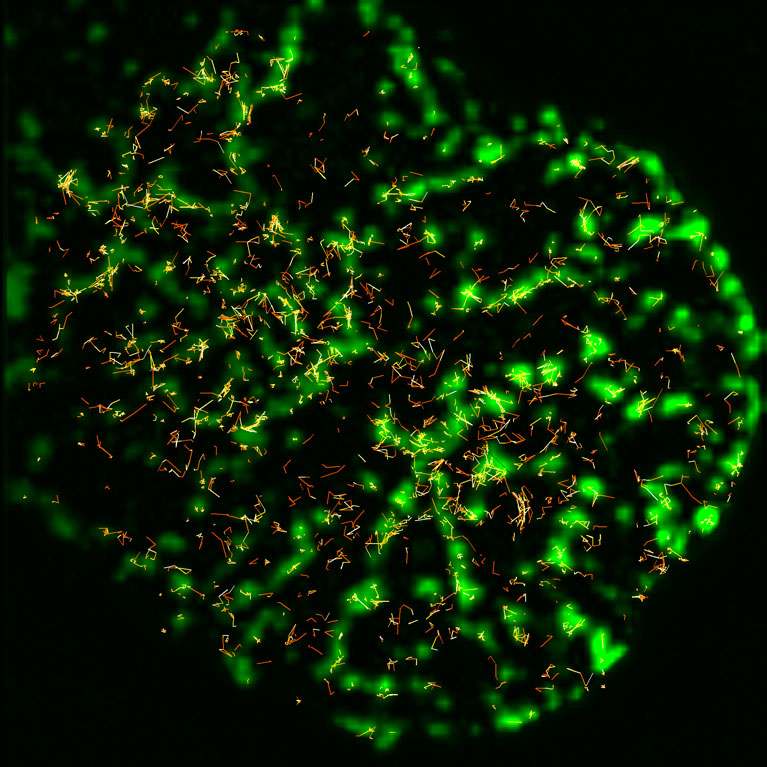
LA JOLLA—While your skeleton helps your body to move, fine skeleton-like filaments within your cells likewise help cellular structures to move. Now, Salk researchers have developed a new imaging method that lets them monitor a small subset of these filaments, called actin.
LA JOLLA—The Salk Institute is pleased to welcome two new assistant professors in the fields of cancer biology and biophysics, respectively. Daniel Hollern and Pallav Kosuri will bring fresh perspectives to advance an understanding of, and find new treatments for, breast cancer and heart disease.
LA JOLLA—Cancer is often the result of DNA mutations or problems with how cells divide, which can lead to cells “forgetting” what type of cell they are or how to function properly. Now, Professor 马丁·赫策尔 and a team of scientists have provided clarity into how new cells remember their identity after cell division. These memory mechanisms, published in Genes & Development on June 4, 2020, could explicate problems that occur when cell identity is not maintained, such as cancer.
LA JOLLA—Many cancer medications fail to effectively target the most commonly mutated cancer genes in humans, called RAS. Now, Salk Professor 杰弗里·沃尔 and a team of scientists have uncovered details of how normal RAS interacts with mutated RAS and other proteins in living cells for the first time. The findings, published in The Proceedings of the National Academy of Sciences on May 18, 2020, could aid in the development of better RAS-targeted cancer therapeutics.
LA JOLLA—Persistent inflammation of the pancreas (chronic pancreatitis) is a known risk factor for developing pancreatic cancer, the third-deadliest cancer in the United States. Tuft cells—cells sensitive to chemical (chemosensory) changes typically found in the intestines and respiratory tract—had previously been discovered in the pancreas, but their function has largely remained a mystery. Now, a team of Salk scientists led by Professor 杰弗里·沃尔 and Staff Scientist Kathleen DelGiorno has uncovered the formation of tuft cells during pancreatitis and the surprising role of tuft cells in immunity, using mouse models of pancreatitis. The findings, published in Frontiers in Physiology on February 14, 2020, could lead to the development of new biomarkers to test for pancreatitis and pancreatic cancer.
LA JOLLA—The Salk Institute announced the hiring of Leona Flores, PhD, as executive director of the 索尔克癌症中心, to help oversee administrative and scientific management functions as a member of its leadership team and to provide decision strategy support to the Cancer Center’s director.
LA JOLLA—As the tools to study biology improve, researchers are beginning to uncover details into microproteins, small components that appear to be key to some cellular processes, including those involved with cancer. Proteins are made up of chains of linked amino acids and the average human protein contains around 300 amino acids. Meanwhile, microproteins have fewer than 100 amino acids.
LA JOLLA, CA—Salk scientist 托尼·亨特 has received a National Cancer Institute (NCI) Outstanding Investigator Award (OIA), which supports accomplished leaders in cancer research. Hunter, who is an American Cancer Society Professor, will receive more than $7,500,000 over the next seven years to further his work. According to the NCI, the award supports investigators who are providing significant contributions toward understanding cancer and developing applications that may lead to a breakthrough in cancer research.
LA JOLLA—Breast cancer is one of the most prevalent cancers, and some forms rank among the most difficult to treat. Its various types and involvement of many different cells makes targeting such tumors difficult. Now, Salk Institute researchers have used a state-of-the-art technology to profile each cell during normal breast development in order to understand what goes wrong in cancer.
LA JOLLA—Colorectal cancer is a common lethal disease, and treatment decisions are increasingly influenced by which genes are mutated within each patient. Some patients with a certain gene mutation benefit from a chemotherapy drug called cetuximab, although the mechanism of how this drug worked was unknown.
LA JOLLA—The vast majority of deadly lung cancer cases (85 percent) are termed non-small-cell lung carcinomas (NSCLCs), which often contain a mutated gene called LKB1. Salk Institute researchers have now discovered precisely why inactive LKB1 results in cancer development. The surprising results, published in the online version of Cancer Discovery on July 26, 2019, highlight how LBK1 communicates with two enzymes that suppress inflammation in addition to cell growth, to block tumor growth. The findings could lead to new therapies for NSCLC, and you can see news coverage of the story here.
LA JOLLA—Around 85 percent of lung cancers are classified as non-small-cell lung cancers, or NSCLCs. Some patients with these cancers can be treated with targeted genetic therapies, and some benefit from immunotherapies—but the vast majority of NSCLC patients have no treatment options except for chemotherapy.
LA JOLLA – (June 14, 2019) 戴安娜·哈格里夫斯, an assistant professor in Salk’s Molecular and Cell Biology Laboratory, has been named a 2019 Pew-Stewart Scholar for Cancer Research as part of a partnership between the Pew Charitable Trusts and the Alexander and Margaret Stewart Trust. The scholars each receive $300,000 over four years to support their work focused on a better understanding of the causes, diagnosis and treatment of cancer.
LA JOLLA—Advanced pancreatic cancer is often symptomless, leading to late diagnosis only after metastases have spread throughout the body. Additionally, tumor cells are encased in a “protective shield,” a microenvironment conferring resistance to many cancer treatment drugs. Now, Salk Institute researchers, along with an international team of collaborators, have uncovered the role of a signaling protein that may be the Achilles’ heel of pancreatic cancer.
LA JOLLA—Metastatic ovarian, prostate and breast cancers are notoriously difficult to treat and often deadly. Now, Salk Institute researchers have revealed a new role for the CDK12 protein. The findings were published in the print version of Genes & Development on April 1, 2019.
LA JOLLA—As cancer death rates drop overall, doctors have noted a frightening anomaly: deaths from colorectal cancer in people under 55 appear to be creeping up. According to the American Cancer Society, deaths in this younger group increased by 1 percent between 2007 and 2016.
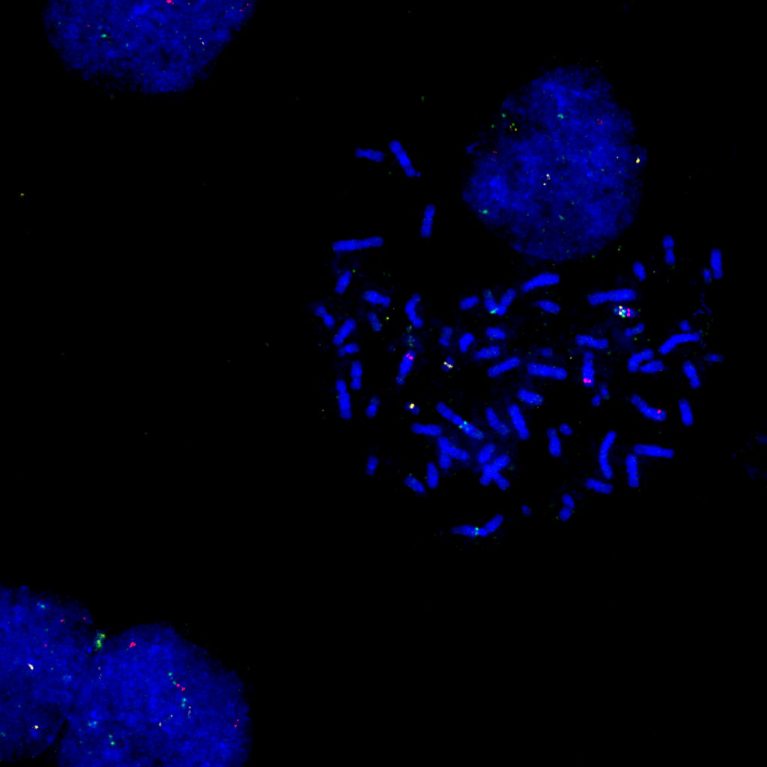
LA JOLLA—Just as plastic tips protect the ends of shoelaces and keep them from fraying when we tie them, molecular tips called telomeres protect the ends of chromosomes and keep them from fusing when cells continually divide and duplicate their DNA. But while losing the plastic tips may lead to messy laces, telomere loss may lead to cancer.
LA JOLLA—Embryonic stem cells (ESCs) are the very definition of being full of potential, given that they can become any type of cell in the body. Once they start down any particular path toward a type of tissue, they lose their unlimited potential. Scientists have been trying to understand why and how this happens in order to create regenerative therapies that can, for example, coax a person’s own cells to replace damaged or diseased organs.
LA JOLLA—Long thought to suppress cancer by slowing cellular metabolism, the protein complex AMPK also seemed to help some tumors grow, confounding researchers. Now, Salk Institute researchers have solved the long-standing mystery around why AMPK can both hinder and help cancer.
拉荷亚—索尔克研究所很荣幸地欢迎丹妮尔·恩格尔重返索尔克,担任索尔克癌症中心的助理教授。她目前是纽约冷泉港实验室的一名高级研究员,专注于胰腺癌的早期检测和治疗。恩格尔曾在索尔克教授的实验室从事研究。 杰弗里·沃尔 在她加州大学圣迭戈分校的博士项目期间,共六年。.
LA JOLLA—If the cell nucleus is like a bank for DNA, nuclear pores are the security doors around its perimeter. Yet more security doors aren’t necessarily better: some cancer cells contain a dramatic excess of nuclear pores.
LA JOLLA—Cancer cells often have mutations in their DNA that can give scientists clues about how the cancer started or which treatment may be most effective. Finding these mutations can be difficult, but a new method may offer more complete, comprehensive results.
LA JOLLA—A team at the Salk Institute has identified a master switch that appears to control the dynamic behavior of tumor cells that makes some aggressive cancers so difficult to treat. The gene Sox10 directly controls the growth and invasion of a significant fraction of hard-to-treat triple-negative breast cancers.
LA JOLLA—The Salk Institute announced today that it received more than $48 million from 1,100 individual donors and private grant makers in fiscal year 2018 to support the Institute’s groundbreaking science. In addition, government partners (e.g., the National Institutes of Health) provided 47 federal grants totaling more than $55 million to Salk researchers working in the areas of cancer, plant science, neuroscience, metabolism and others.
LA JOLLA—The Salk Institute announced a $2 million gift in support of its new 攻克癌症倡议 from its current Board of Trustees Chair, Dan Lewis, and his wife, Martina Lewis. The funds will be used to advance the Salk Cancer Center’s highest research priorities, including new investigations into five of the deadliest cancers: lung, pancreatic, brain (glioblastoma), ovarian and triple-negative breast.
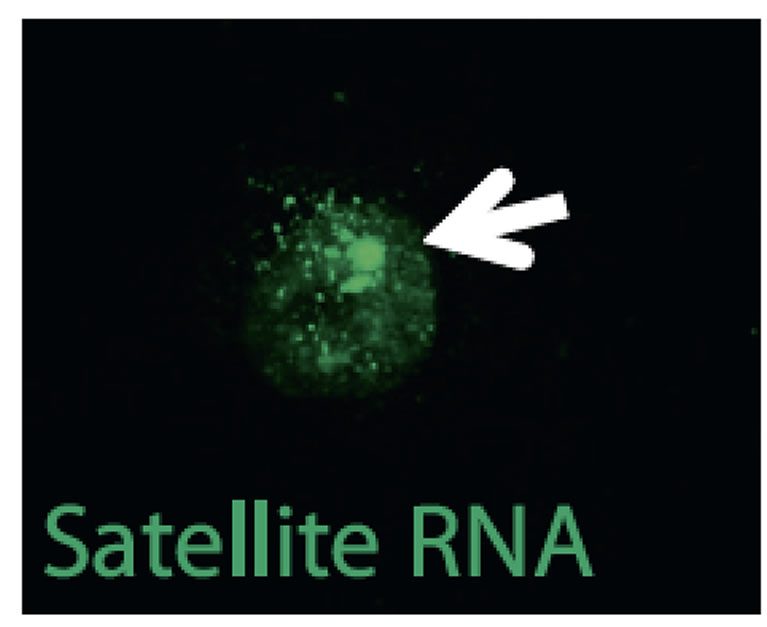
LA JOLLA—Only some of us have satellite TV in our homes, but all of us have satellite DNA in cells in our bodies. Working copies of satellite DNA (called satellite RNAs) are high in certain types of cancer, such as breast and ovarian. But whether they cause 癌症 or merely coincide with it has been unclear.
拉霍亚—索尔克研究所的科学家 罗纳德·埃文斯, 戴安娜·哈格里夫斯, 托尼·亨特, Graham McVicker 和 杰弗里·沃尔 are among the first wave of researchers to receive funding from Padres Pedal the Cause, one of one of the largest stand-alone cancer fundraising events in San Diego. The nonprofit raised $2.4 million for cancer research in November 2017, thanks to the efforts of more than 3,000 bicycle riders, sponsors, volunteers and donors.
LA JOLLA—Salk American Cancer Society Professor 托尼·亨特 has been awarded the 2018 Tang Prize in Biopharmaceutical Science.
LA JOLLA—Glioblastoma multiforme (GBM) is an incredibly deadly brain cancer and presents a serious black box challenge. It’s virtually impossible to observe how these tumors operate in their natural environment and animal models don’t always provide good answers.
LA JOLLA—On Friday, April 20, 2018, the Salk Institute launched a new initiative called Conquering Cancer, to harness specific and emerging scientific strategies to tackle the five deadliest cancers: pancreatic, ovarian, lung, brain (glioblastoma) and triple-negative breast.
LA JOLLA—Salk Institute scientists, together with researchers from Switzerland’s University of Basel and University Hospital Basel, discovered a protein called LHPP that acts as a molecular switch to turn off the uncontrolled growth of cells in liver cancer. The tumor suppressor, which could be useful as a biomarker to help diagnose and monitor treatment for liver cancer, could also be relevant for other cancer types. The work appeared in print in the journal 自然 on March 29, 2018, and adds to the growing body of knowledge about cellular processes that either promote or prevent cancer.
拉霍亚—教授 托尼·亨特, who holds an American Cancer Society Professorship at the Salk Institute, has received the 2018 Pezcoller–AACR International Award for Extraordinary Achievement in Cancer Research, one of the most prestigious honors in the field of cancer research. The prize recognizes a scientist of international renown who has made a major scientific discovery in basic cancer research or who has made significant contributions to translational cancer research.
LA JOLLA—The Salk Institute, which hosts a National Cancer Institute (NCI)–designated cancer center and Indivumed GmbH, a world leading cancer research company today announce a multi-year strategic alliance to secure, preserve and analyze human cancer tissue and annotated clinical data from consenting patients around the world, enabling the most cutting-edge basic and translational research in cancer.
LA JOLLA—Salk researchers have discovered how to curb the growth of cancer cells by blocking the cells’ access to certain nutrients. The approach, detailed in a new paper published today in 自然, took advantage of knowledge on how healthy cells use a 24-hour cycle to regulate the production of nutrients and was tested on glioblastoma brain tumors in mice.
LA JOLLA—Salk Professor and HHMI Investigator 罗纳德·埃文斯 has been awarded $2.5 million by Stand Up To Cancer (SU2C) as part of a multi-institution team to conduct clinical studies to open up a new avenue for immunotherapy in the treatment of pancreatic 癌症. While the cancer normally excludes immune T-cells, the Evans lab discovered that modified vitamin D reprograms the cancer environment in a way that may allow the Merck drug Keytruda® to invade and destroy the tumor.
LA JOLLA—Is it better to do a task quickly and make mistakes, or to do it slowly but perfectly? When it comes to deciding how to fix breaks in DNA, cells face the same choice between two major repair pathways. The decision matters, because the wrong choice could cause even more DNA damage and lead to cancer.
LA JOLLA—The immune system automatically destroys dysfunctional cells such as cancer cells, but cancerous tumors often survive nonetheless. A new study by Salk scientists shows one method by which fast-growing tumors evade anti-tumor immunity.
拉霍亚—索尔克教授 鲁本-肖 has received the National Cancer Institute (NCI) Outstanding Investigator Award (OIA), which encourages cancer research with breakthrough potential. Shaw, a member of Salk’s Molecular and Cell Biology Laboratory and holder of the William R. Brody Chair, will receive $4.2 million in direct funding over the next seven years to further his work. The award is granted, according to the NCI website, to innovative cancer researchers with outstanding records of productivity to allow them to take greater risks and be more adventurous in their research.
LA JOLLA—Stretched out, the DNA from all the cells in our body would reach Pluto. So how does each tiny cell pack a two-meter length of DNA into its nucleus, which is just one-thousandth of a millimeter across?
拉霍亚—索尔克教授 托尼·亨特, who holds an American Cancer Society Professorship, has been awarded $500,000 as part of the $1 million Royal Swedish Academy of Sciences' inaugural Sjöberg Prize for Cancer Research for "groundbreaking studies of cellular processes that have led to the development of new and effective cancer drugs." The prize ceremony, which is modeled after the Nobel Prize ceremony, will be held in Stockholm during the Academy's annual meeting on March 31, 2017, in the presence of His Majesty the King and Her Majesty the Queen of Sweden.
LA JOLLA—Just as an invasive weed might need nutrient-rich soil and water to grow, many cancers rely on the right surroundings in the body to thrive. A tumor’s microenvironment—the nearby tissues, immune cells, blood vessels and extracellular matrix—has long been known to play a role in the tumor’s growth.
LA JOLLA—When a receptor on the surface of a T cell—a sentry of the human immune system—senses a single particle from a harmful intruder, it immediately kicks the cell into action, launching a larger immune response. But exactly how the signal from a single receptor, among thousands on each T cell, can be amplified to affect a whole cell has puzzled immunologists for decades.
拉霍亚Clodagh O’Shea, an associate professor in the Salk Institute’s Molecular and Cell Biology Laboratory, is among the first recipients of a grant from the Faculty Scholars Program, a new partnership of 霍华德·休斯医学研究所 (HHMI), the Bill & Melinda Gates Foundation 和 Simons Foundation for early career researchers whose work shows the potential for groundbreaking contributions in their fields. O’Shea is one of 84 Faculty Scholars who will receive $100,000–$400,000 per year over five years to support their pursuit of innovative research.
LA JOLLA—Fat isn’t just something we eat: it may also lie at the heart of a new approach to treating cancer.
Helmsley-Salk Fellow Dmitry Lyumkis has been awarded the 2016 George Palade Award by the Microscopy Society of America. The award is given for distinguished contributions to the field of microscopy and microanalysis in the life sciences of an early career scientist.
LA JOLLA—(April 25, 2016) Salk scientists have revealed how a cellular “fuel gauge” responsible for monitoring and managing cells’ energy processes also has an unexpected role in development. This critical link could help researchers better understand cancer and diabetes pathways.
LA JOLLA—Glioblastoma multiforme is a particularly deadly 癌症. A person diagnosed with this type of brain tumor typically survives 15 months, if given the best care. The late Senator Ted Kennedy succumbed to this disease in just over a year.
LA JOLLA—The Salk Institute has named Professor 鲁本-肖 as the new director of Salk’s National Cancer Institute-designated Cancer Center. Shaw is a member of Salk’s Molecular and Cell Biology Laboratory and the holder of the William R. Brody Chair.
拉霍亚—索尔克教授 Beverly Emerson has been named a 2015 Fellow of the American Association for the Advancement of Science (AAAS), the world’s largest general scientific society. She earned the recognition for her distinguished contributions to the understanding of the mechanisms by which genes are transcriptionally regulated and how these processes can malfunction to cause disease.
LA JOLLA, CA—The Salk Institute will co-lead a new transatlantic ‘Dream Team’ of researchers that will launch a fresh attack on pancreatic cancer, one of the deadliest forms of cancer on both sides of the Atlantic. Stand Up To Cancer (SU2C), Cancer Research UK, and The Lustgarten Foundation selected the team and will provide $12 million in funding over three years.
LA JOLLA–Scientists at the Salk Institute have uncovered a molecule whose mutation leads to the aggressive growth of a common and deadly type of lung 癌症 in humans.
LA JOLLA–Every organism–from a seedling to a president–must protect its DNA at all costs, but precisely how a cell distinguishes between damage to its own DNA and the foreign DNA of an invading virus has remained a mystery.
拉霍亚—索尔克教授 杰弗里·沃尔 will receive the National Cancer Institute (NCI) Outstanding Investigator Award (OIA), which encourages cancer research with breakthrough potential. Wahl, a professor in Salk’s 基因表达实验室, will receive $7.9 million over a seven-year period to further his cancer research.
LA JOLLA–As a tumor grows, its cancerous cells ramp up an energy-harvesting process to support its hasty development. This process, called autophagy, is normally used by a cell to recycle damaged organelles and proteins, but is also co-opted by cancer cells to meet their increased energy and metabolic demands.
LA JOLLA–Telomeres, specialized ends of our chromosomes that dictate how long cells can continue to duplicate themselves, have long been studied for their links to the aging process and 癌症. Now, a discovery at the Salk Institute shows that telomeres may be more central than previously thought to a self-destruct program in cells that prevents tumors, a function that could potentially be exploited to improve cancer therapies.
LA JOLLA–托尼·亨特, professor and director of the Salk Institute Cancer Center, in La Jolla, California, has received the BBVA Foundation Frontiers of Knowledge Award in the Biomedicine category for “carving out the path that led to the development of a new class of successful cancer drugs.”
LA JOLLA–For decades, researchers have struggled to translate basic scientific discoveries about 癌症 into therapeutics that effectively–and with minimal side effects–shrink a tumor.
LA JOLLA–Scientists at the Salk Institute have discovered a powerful one-two punch for countering a common genetic mutation that often leads to drug-resistant cancers. The dual-drug therapy–with analogs already in use for other diseases–doubled the survival rate of mice with lung cancer and halted cancer in pancreatic cells.
LA JOLLA–Like a colony of bacteria or species of animals, 癌症 cells within a tumor must evolve to survive. A dose of chemotherapy may kill hundreds of thousands of cancer cells, for example, but a single cell with a unique mutation can survive and quickly generate a new batch of drug-resistant cells, making cancer hard to combat.
LA JOLLA–A synthetic derivative of vitamin D was found by Salk Institute researchers to collapse the barrier of cells shielding pancreatic tumors, making this seemingly impenetrable cancer much more susceptible to therapeutic drugs.
LA JOLLA—For the first time, scientists have turned human skin cells into transplantable white blood cells, soldiers of the immune system that fight infections and invaders. The work, done at the Salk Institute, could let researchers create therapies that introduce into the body new white blood cells capable of attacking diseased or cancerous cells or augmenting immune responses against other disorders.
LA JOLLA–When faced with pathogens, the immune system summons a swarm of cells made up of soldiers and peacekeepers. The peacekeeping cells tell the soldier cells to halt fighting when invaders are cleared. Without this cease-fire signal, the soldiers, known as killer T cells, continue their frenzied attack and turn on the body, causing inflammation and autoimmune disorders such as allergies, asthma, rheumatoid arthritis, multiple sclerosis and type 1 糖尿病.
LA JOLLA–Salk Institute professor 托尼·亨特 has been awarded the 2014 Royal Medal for biological sciences by the Royal Society, a fellowship of some of the world’s most eminent scientists based in the United Kingdom.
LA JOLLA—Scientists at the Salk Institute have identified a gene responsible for stopping the movement of 癌症 from the lungs to other parts of the body, indicating a new way to fight one of the world’s deadliest cancers.
LA JOLLA—The ability to switch out one gene for another in a line of living stem cells has only crossed from science fiction to reality within this decade. As with any new technology, it brings with it both promise—the hope of fixing disease-causing genes in humans, for example—as well as questions and safety concerns. Now, Salk scientists have put one of those concerns to rest: using gene-editing techniques on stem cells doesn’t increase the overall occurrence of mutations in the cells. The new results were published July 3, 2014 in the journal Cell Stem Cell.
LA JOLLA—The Salk Institute is pleased to welcome a new full professor and three new assistant professors, all exceptional leaders in their respective fields. The new faculty will facilitate innovative and collaborative breakthroughs in understanding human health and disease.
LA JOLLA—Pedal the Cause, the region’s only multiday cycling fundraiser where 100 percent of the net proceeds goes to support cancer research in San Diego, today announced five research projects funded by the inaugural 2013 event. The Pedal the Cause grants offer enough support for initial experiments, which will ideally lead to grants from federal sources and to large-scale studies.
LA JOLLA—The Salk Institute has received a $3 million gift from the 格伦医学研究基金会 to allow the Institute to continue conducting research to understand the biology of normal human aging and age-related diseases.
LA JOLLA—By carefully controlling the levels of two proteins, researchers at the Salk Institute have discovered how to keep mammary stem cells—those that can form breast tissue—alive and functioning in the lab. The new ability to propagate mammary stem cells is allowing them to study both breast development and the formation of breast cancers.
LA JOLLA—Scientists at the Salk Institute for Biological Studies have identified a key genetic switch linked to the development, progression and outcome of 癌症, a finding that may lead to new targets for cancer therapies.
LA JOLLA—The American Academy of Arts and Sciences (AAAS) elected Salk Professor 杰弗里·M·瓦尔 to its society, whose ranks include Nobel laureates, Pulitzer Prize recipients and Oscar winners, as well intellectual luminaries such as George Washington, Benjamin Franklin and Albert Einstein. Wahl joins 13 other Salk professors as members into the prestigious AAAS.
拉霍亚鲁本-肖, a member of the Salk Institute’s 分子与细胞生物学实验室 and a Howard Hughes Medical Institute early career scientist, has been promoted from associate professor to full professor.
After a rigorous evaluation process by Salk senior faculty, nonresident fellows and scientific peers, the promotion was announced Friday.
LA JOLLA—Scientists at the Salk Institute have uncovered details into a surprising—and crucial—link between brain development and a gene whose mutation is tied to breast and ovarian cancer. Aside from better understanding neurological damage associated in a small percentage of people susceptible to breast cancers, the new work also helps to better understand the evolution of the brain.
拉霍亚维姬·伦德布拉德, professor of the Salk Institute’s Molecular and Cell Biology Laboratory, has been awarded the Becky and Ralph S. O’Connor Chair and elected a Fellow of the American Academy of Microbiology.
LA JOLLA, CA—Highly diverse cancers share one trait: the capacity for endless cell division. Unregulated growth is due in large part to the fact that tumor cells can rebuild protective ends of their chromosomes, which are made of repeated DNA sequences and proteins. Normally, cell division halts once these structures, called telomeres, wear down. But cancer cells keep on going by deploying one of two strategies to reconstruct telomeres.
LA JOLLA, CA—Stem cells are key to the promise of regenerative medicine: the repair or replacement of injured tissues with custom grown substitutes. Essential to this process are induced pluripotent stem cells (iPSCs), which can be created from a patient’s own tissues, thus eliminating the risk of immune rejection. However, Shinya Yamanaka’s formula for iPSCs, for which he was awarded last year’s Nobel Prize, uses a strict recipe that allows for limited variations in human cells, restricting their full potential for clinical application.
LA JOLLA,CA—A team of scientists at the Salk Institute for Biological Studies has identified why disruption of a vital pathway in cell cycle control leads to the proliferation of cancer cells. Their findings on telomeres, the stretches of DNA at the ends of chromosomes that protect our genetic code and make it possible for cells to divide, suggest a potential target for preventive measures against cancer, aging and other diseases. The findings were published July 11, 2013 in Molecular Cell.
LA JOLLA,CA—Scientists studying cancer development have known about micronuclei
for some time. These erratic, small extra nuclei, which contain fragments, or whole
chromosomes that were not incorporated into daughter cells after cell division,
are associated with specific forms of cancer and are predictive of poorer prognosis.
LA JOLLA, CA—Salk scientists Beverly M. Emerson, Christopher R. Kintner, ,和 Paul E. Sawchenko were selected as inaugural holders of new endowed chairs created through the Joan Klein Jacobs and Irwin Mark Jacobs Senior Scientist Endowed Chair Challenge. In 2008, Dr. and Mrs. Jacobs created a challenge grant to establish endowed chairs for senior scientists. For every $2 million that a donor contributes toward an endowed chair at the Institute, the Jacobses will add $1 million to achieve the $3 million funding level required to fully endow a chair for a Salk senior scientist. To date, 17 out of 20 chairs have been established.
LA JOLLA, CA—Scientists have uncovered a survival mechanism that occurs in breast cells that have just turned premalignant-cells on the cusp between normalcy and cancers-which may lead to new methods of stopping tumors.
LA JOLLA, CA—Discovering that mouse hair has a circadian clock – a 24-hour cycle of growth followed by restorative repair – researchers suspect that hair loss in humans from toxic cancer radiotherapy and chemotherapy might be minimized if these treatments are given late in the day.
LA JOLLA, CA—The Salk Institute is pleased to announce the promotions of faculty members, John Reynolds to the rank of full professor and Clodagh O’Shea and Tatyana Sharpee to associate professors based on recommendations by the Salk faculty and nonresident fellows, and approved by President William R. Brody and the Institute’s Board of Trustees.
圣地亚哥,拉霍亚—美国癌症研究协会(AACR)是世界上历史最悠久、规模最大的致力于加速科学进步以预防和治愈癌症的专业组织,该协会已选出四名索尔克科学家和两名研究所的客座研究员,将他们纳入首届AACR学院院士。.
LA JOLLA, CA—Ever since discovering a decade ago that a gene altered in lung cancer regulated an enzyme used in therapies against diabetes, 鲁本-肖 has wondered if drugs originally designed to treat metabolic diseases could also work against cancer.
LA JOLLA, CA—The Salk Institute for Biological Studies has received a $42 million gift-the largest in the Institute’s history-to establish the Helmsley Center for Genomic Medicine (HCGM), a research center dedicated to decoding the common genetic factors underlying many complex chronic human diseases.
LA JOLLA, CA—Scientists have long believed that glioblastoma multiforme (GBM), the most aggressive type of primary brain tumor, begins in glial cells that make up supportive tissue in the brain or in neural stem cells. In a paper published October 18 in 科学, however, researchers at the Salk Institute for Biological Studies have found that the tumors can originate from other types of differentiated cells in the nervous system, including cortical neurons.
LA JOLLA, CA—Cold viruses generally get a bad rap—which they’ve certainly earned—but new findings by a team of scientists at the Salk Institute for Biological Studies suggest that these viruses might also be a valuable ally in the fight against cancer.
LA JOLLA, CA—The Salk Institute is pleased to announce that professors E.J. Chichilnisky, 扬·卡尔塞德, ,和 李郭芬 have each been selected as the recipient of an endowed chair to honor their consistent scientific excellence and support their biological research.
LA JOLLA, CA—Scientists have known for some time that throwing off the body's circadian rhythm can negatively affect body chemistry. In fact, workers whose sleep-wake cycles are disrupted by night shifts are more susceptible to chronic inflammatory diseases such as diabetes, obesity and cancer.
LA JOLLA, CA—A new method for rapidly solving the three-dimensional structures of a special group of proteins, known as integral membrane proteins, may speed drug discovery by providing scientists with precise targets for new therapies, according to a paper published May 20 in 自然方法.
LA JOLLA, CA—Faculty members Reuben Shaw and Lei Wang, have been promoted to the position of Associate Professor at the Salk Institute after a rigorous evaluation process by Salk senior faculty, Non-Resident Fellows, and scientific peers. The career milestone distinguishes these two investigators as leading authorities in their respective disciplines who have made original, innovative and notable contributions to biological research.
The Salk Institute is pleased to announce that faculty members Geoffrey M. Wahl and Martyn Goulding were celebrated as the recipients of endowed chairs in recognition of their significant scientific accomplishments at a special reception on March 29. Joseph Ecker, professor in Salk’s Plant Molecular and Cellular Biology Laboratory, who was named holder of the International Council Chair in Genetics in September 2011, was also honored at the ceremony.
LA JOLLA, CA—Rapidly dividing cancer cells are skilled at patching up damage that would stop normal cells in their tracks, including wear and tear of telomeres, the protective caps at the end of each chromosome.
拉霍亚,加利福尼亚州——诺贝尔奖获得者、癌症研究领域的全球领袖雷纳托·杜尔贝科(Renato Dulbecco)医生于2月19日在家中去世,享年97岁(他将于2月22日迎来98岁生日)。.
LA JOLLA,CA—Drugs targeting an enzyme involved in inflammation might offer a new avenue for treating certain lung cancers, according to a new study by scientists at the Salk Institute for Biological Studies.
LA JOLLA, CA—Researchers at the Salk Institute have discovered a startling feature of early brain development that helps to explain how complex neuron wiring patterns are programmed using just a handful of critical genes. The findings, published in 细胞, may help scientists develop new therapies for neurological disorders, such as amyotrophic lateral sclerosis (ALS), and provide insight into certain cancers.
LA JOLLA, CA—Reviving a theory first proposed in the late 1800s that the development of organs in the normal embryo and the development of cancers are related, scientists at the Salk Institute for Biological Studies have studied organ development in mice to unravel how breast cancers, and perhaps other cancers, develop in people. Their findings provide new ways to predict and personalize the diagnosis and treatment of cancer.
LA JOLLA, CA—Salk Institute scientist 罗纳德·埃文斯 has been selected as the recipient of the prestigious 2012 Wolf Prize in Medicine, Israel’s highest award for achievements benefiting mankind. According to the Wolf Prize jury, Evans was selected for his discovery of the gene super-family encoding nuclear receptors and elucidating the mechanism of action of this class of receptors.
WASHINGTON, DC—The National Academy of Sciences (NAS) announces the appointment of Inder M. Verma, Ph.D., as editor-in-chief of the Proceedings of the National Academy of Sciences (PNAS), the official NAS journal. He will formally assume the editorship on November 1, and the transition to the new position will occur over several weeks.
LA JOLLA, CA-People who suffer from Peutz-Jeghers syndrome, a rare inherited cancer syndrome, develop gastrointestinal polyps and are predisposed to colon cancer and other tumor types. Carefully tracing the cellular chain-of-command that links nutrient intake to cell growth (and which is interrupted in Peutz-Jeghers syndrome), allowed researchers at the Salk Institute for Biological Studies to exploit the tumors' weak spot.
La Jolla, CA – Mutations in a protein, called APC, that normally functions to suppress the development of tumors, cause 85 percent of all colon cancers, the number two cancer killer in the US. For years, scientists thought they knew how: The normal APC protein destroys a protein called Β-catenin, which turns on genes responsible for cell growth. The mutant APC proteins that are commonly found in colon cancer and melanoma, are not able to destroy Β-catenin, leading to unchecked cell growth.
La Jolla, CA – Although it's now common wisdom that dietary fat is related to some cancers, medical researchers have not understood the underlying mechanisms. In research reported in the September 1 issue of 自然医学, scientists at The Salk Institute for Biological Studies identify a molecular link between fat metabolism and colon cancer. The results may also be relevant to breast and prostate cancer, common cancers that are also associated with dietary fat.