October 13, 2021
Finding shows some of the mutations most targeted by medicine are not as common as previously thought
Finding shows some of the mutations most targeted by medicine are not as common as previously thought
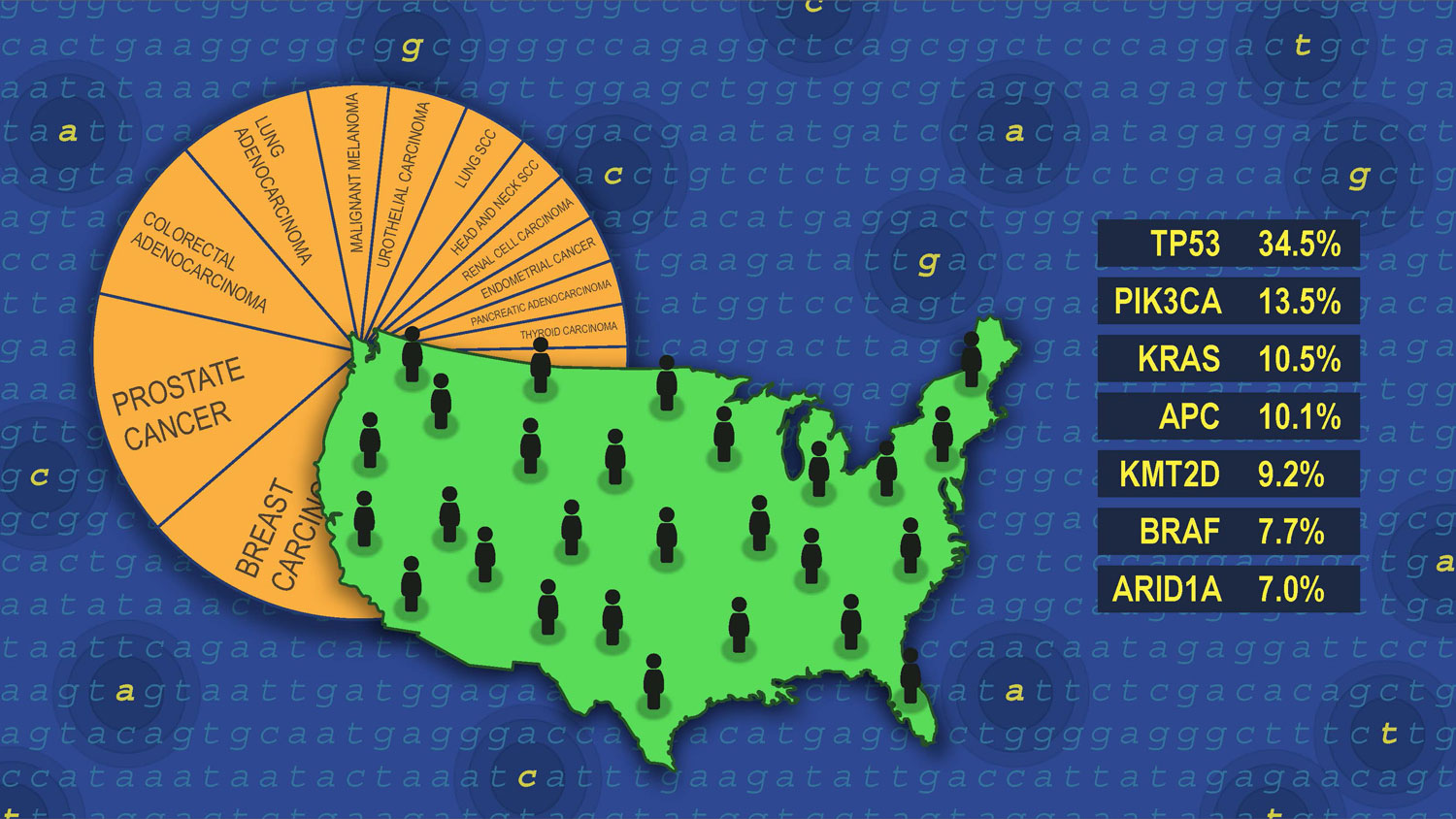
LA JOLLA—For the past fifteen years, cancer researchers have been using DNA sequencing technology to identify the gene mutations that cause different forms of cancer. Now, Salk Assistant Professor Edward Stites and his team of computational scientists have combined gene mutation information with cancer prevalence data to reveal the genetic basis of cancer in the entire population of cancer patients in the United States.
该研究发表在 Nature Communications on October 13, 2021, reveals how commonly each gene in the genome is mutated within the cancer patient population. The findings could help guide genetic research to develop more effective treatments than presently available.
“The paper answers a very basic question: what are the most commonly mutated genes in human cancer?” says Stites, who is also a physician as well as holder of the Hearst Foundation Developmental Chair. “Surprisingly, this question had not been answered.”
Genetic mutations play a fundamental role in the development and growth of cancers. They can also be targeted for effective treatment. However, while many studies have identified the mutations involved in certain cancers, like breast cancer or lymphoma, no one had ever managed to combine the data in a way that could reveal which mutations are most common in the entire cancer patient population. Every cancer is different, and this makes it challenging to determine which cancer-causing genes and which drug targets should be prioritized for further study.
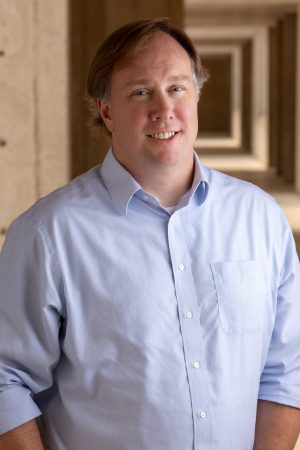
In the new study, Stites’ team combined data sets from genomic and epidemiological cancer studies to determine what percentage of all cancer patients will have any gene mutated. Although this task initially seemed straightforward, they soon discovered why the question had not been answered before: genomic and epidemiological studies do not use a common naming system for the various cancers. For example, some researchers classified cancers by location on the body while others grouped them by tumor type, and many used a combination of the two. This made it difficult to align the data sets, which was critical for determining how common the different mutations were.
To overcome the challenge, the scientists carefully analyzed more than 200 studies and individually reviewed and reclassified each cancer according to a consistent naming system. They then compared the data sets, taking into account the fact that some cancers are more common than others. When they analyzed the data, they found that some widespread beliefs were incorrect. For example, KRAS is an important cancer-promoting gene that was believed to be mutated in 25% of all cancers; rather, it was found to be involved in only about 11% of all cancers. This was part of a trend where individual genetic mutations were found to be less common than previously thought.
“These findings speak to a need to reevaluate where people have been focusing their time, attention and resources,” says Stites. “We should be balancing research efforts more evenly across the different genetic causes of cancer, and we should be balancing the development of new cancer treatments more evenly across the different major treatment strategies, because the concept of targeting specific mutations will be less impactful than has been assumed.”
Other authors on the study include Gaurav Mendiratta, Meraj Aziz, David Liarakos and Melinda Tong of Salk and Eugene Ke of the University of Virginia.
The research was supported by the Pioneer Fund, the National Institutes of Health and the Melanoma Research Alliance.
DOI: 10.1038/s41467-021-26213-y
日记
Nature Communications
作者
Gaurav Mendiratta, Eugene Ke, Meraj Aziz, David Liarakos, Melinda Tong and Edward C. Stites
宣传办公室
电话:(858) 453-4100
press@salk.edu
萨尔克研究所是一个独立的非营利性研究机构,由首个安全有效的脊髓灰质炎疫苗的研发者乔纳斯·索尔克于1960年创立。该研究所的使命是推动以合作、敢于冒险为特点的基础性研究,以应对癌症、阿尔茨海默病和农业脆弱性等社会最紧迫的挑战。这项基础科学支撑着所有的转化研究,产生有助于全球新药和创新的见解。.