2024 年 5 月 9 日
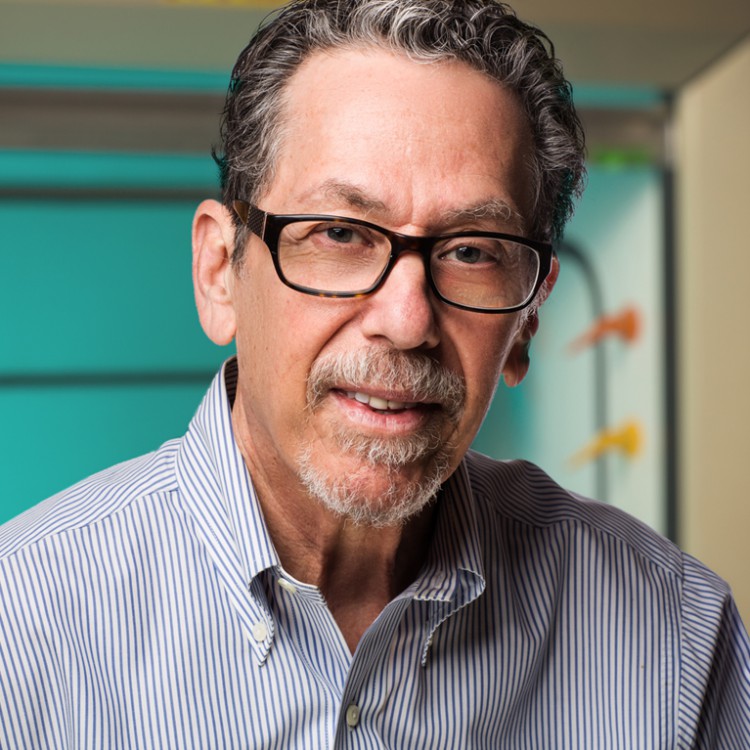
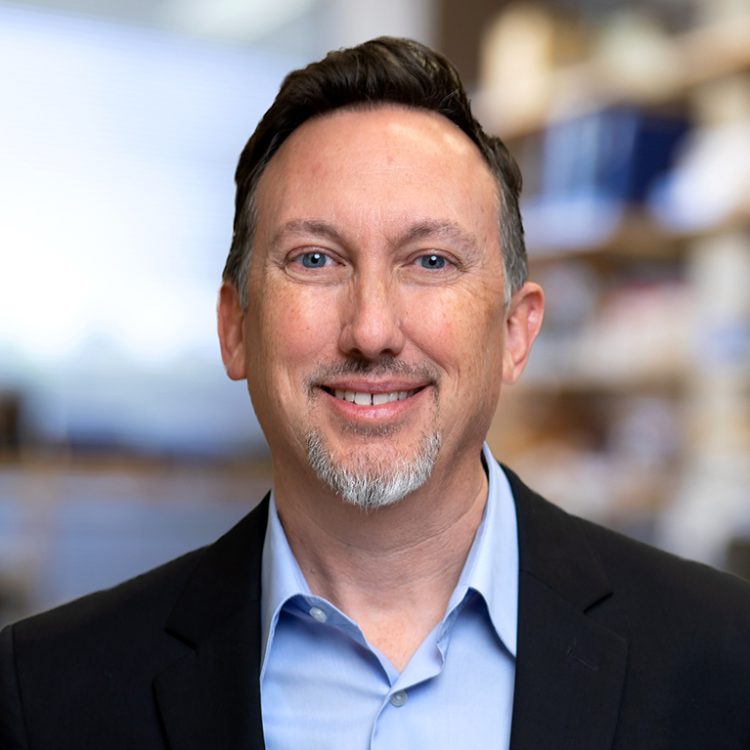
LA JOLLA—The Salk Institute will receive a four-year, $5 million gift from the Paul M. Angell Family Foundation to support pancreatic cancer research. The project’s leaders, Salk Assistant Professor 丹妮尔·恩格尔, Professor 罗纳德·埃文斯, and Professor 鲁本-肖, will establish a novel pipeline from patients to the laboratory and back to the clinic. The approach will provide a unique opportunity to uncover new diagnostics and therapies for pancreatic cancer.
Pancreatic cancer is one of the most devastating cancers, in part because it is so difficult to diagnose. The condition is generally asymptomatic until the later stages of the disease, and by then, for most patients, it is too late to intervene. Pancreatic cancer is also notoriously resistant to therapy, partly because the tumors grow encased in a thick layer of protective tissue.
The generous gift from the Paul M. Angell Family Foundation will enable Salk scientists to analyze patient tumor samples in the laboratory, construct corresponding pancreatic tumor organoids, and screen compounds—potential drug precursors—to find those that block tumor growth and progression.
Pancreatic organoids are patient-specific miniature pancreases that provide a realistic representation of functioning human pancreases. They allow scientists to analyze a patient’s tumor as well as its microenvironment of cells and surrounding tissues. One example compound that will be tested on these organoids is an activator of the vitamin D receptor, which has been shown to prevent the formation of fibrotic tissue shells around pancreatic tumors. These findings will be shared back to the clinic, where the researchers aim to provide personalized medicine and targeted therapeutics.
“We are honored by the tremendous support the Angell Foundation has shown Salk,” says Salk President 杰拉尔德·乔伊斯. “This level of philanthropic investment will enable us to substantially accelerate this expert team’s high-risk, high-reward approach, expand our role as a leader in this area, and most importantly, potentially improve outcomes for patients diagnosed with pancreatic cancer.”
About the researchers:

丹妮尔·恩格尔 is an assistant professor in the Regulatory Biology Laboratory and the Helen McLoraine Developmental Chair. She discovered that the glycoprotein CA19-9 causes pancreatitis and accelerates pancreatic tumor progression in mouse models. Her laboratory uses pancreatic organoids to study both inflammation and cancer of the pancreas. Her team is now evaluating the therapeutic potential of CA19-9-targeted therapies for the treatment of pancreatitis and pancreatic cancer.
罗纳德·埃文斯 is a professor, director of the Gene Expression Laboratory, and March of Dimes Chair in Molecular and Developmental Biology. He is a world-renowned expert on the role of nuclear hormone receptors in cell growth and metabolism. He identified novel pathways involved in cancer and metabolic diseases that are targetable by drugs that modulate these receptors. His laboratory showed that a modified form of vitamin D renders pancreatic tumors more vulnerable to chemotherapy. This compound is currently being evaluated in four clinical trials for pancreatic cancer.
鲁本-肖 is a professor in the Molecular and Cell Biology Laboratory, director of Salk’s National Cancer Institute-designated Cancer Center, and the William R. Brody Chair. He discovered direct connections between cancer and metabolism. He continues to investigate how nutrient deprivation and cellular energy levels impact cancer, including pancreatic tumors.
宣传办公室
电话:(858) 453-4100
press@salk.edu
萨尔克研究所是一个独立的非营利性研究机构,由首个安全有效的脊髓灰质炎疫苗的研发者乔纳斯·索尔克于1960年创立。该研究所的使命是推动以合作、敢于冒险为特点的基础性研究,以应对癌症、阿尔茨海默病和农业脆弱性等社会最紧迫的挑战。这项基础科学支撑着所有的转化研究,产生有助于全球新药和创新的见解。.