Recent Discoveries
LA JOLLA—Our population is aging. The United Nations reports that by 2050, the number of people over the age of 85 on our planet is set to triple. But a longer life span isn’t the same as a longer healthspan (the number of years we spend healthy). Salk Institute scientists are working to change that through foundational research that explores the cellular mechanisms driving age-related dysfunction.
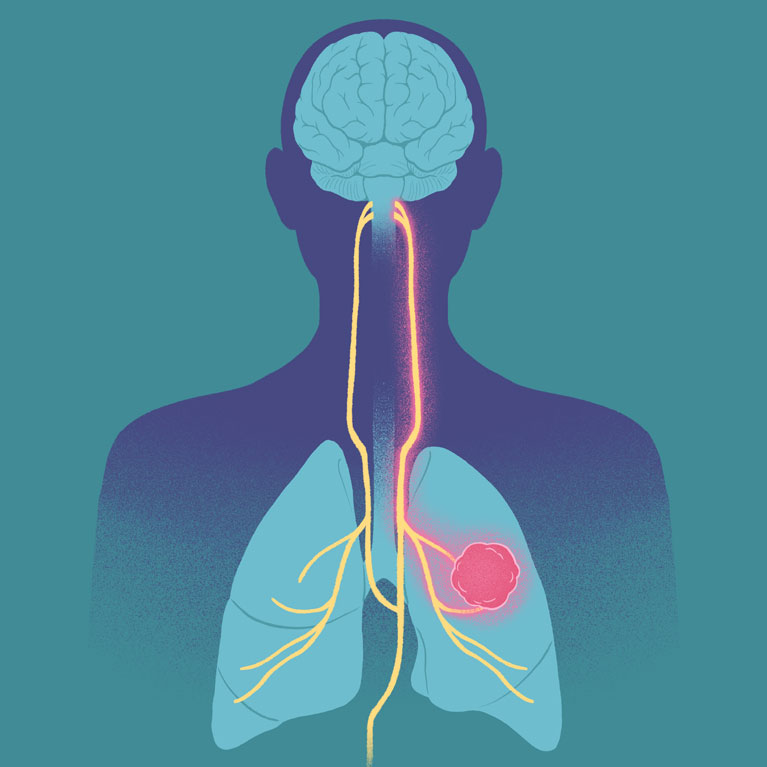
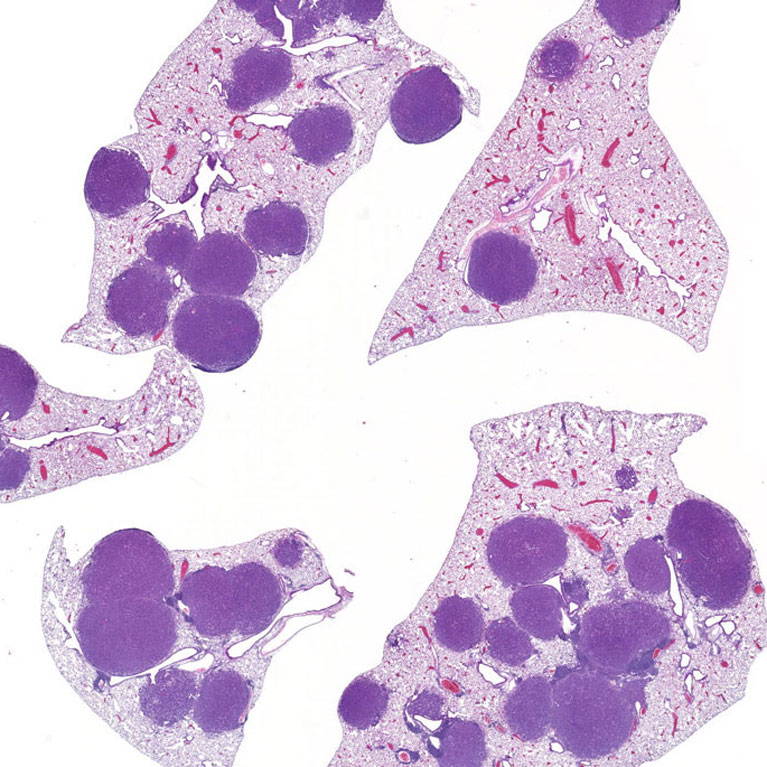
LA JOLLA—According to the Cleveland Clinic, a quarter of cancer deaths can be attributed to one source: cachexia. Cachexia is a syndrome that accompanies underlying chronic illness and causes unwanted muscle and fat loss, reducing quality of life and sometimes even limiting treatment options. A new study led by Thales Papagiannakopoulos, PhD, an incoming Salk professor, points to a potential new target for preventing cachexia.
LA JOLLA—Around three million people worldwide struggle with chronic pancreatitis, a condition wherein the pancreas becomes inflamed, scarred, and painful. There is no cure for chronic pancreatitis, and it is difficult to alter the disease trajectory after onset.
LA JOLLA—Pancreatic cancer is one of the deadliest cancers and is the third leading cause of cancer-related death in the United States. While scientists continue searching for new therapies, important advances can also come from understanding how existing drugs work. By uncovering the underlying biology, researchers can identify new ways to use existing drugs, improve their effectiveness, and overcome barriers that have limited their clinical impact.
LA JOLLA—Three Salk faculty members, Sung Han, Doctor en Filosofía, Daniel Hollern, Doctor en Filosofía, and Graham McVicker, Doctor en Filosofía, have been chosen as Keck Scholars, alongside corresponding graduate students as Keck Fellows, in a special W. M. Keck Foundation Bridge Funding Initiative. The Initiative comes as the Keck Foundation seeks to support early-career scientists amid federal funding uncertainty.
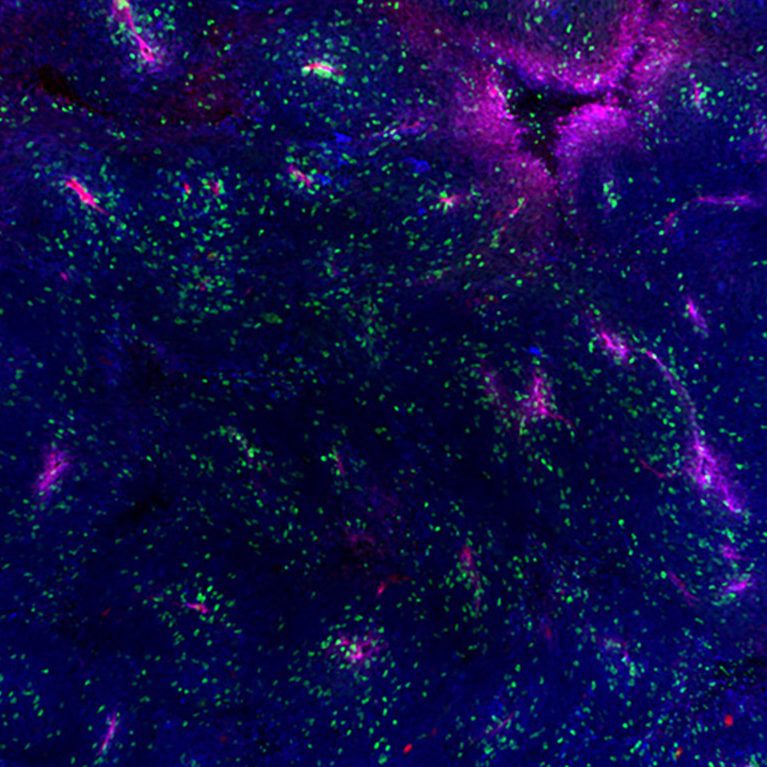
LA JOLLA—A small clinical trial led by Dana-Farber Cancer Institute researchers put a Salk Institute idea to the test in patients: that activating the vitamin D receptor can help reshape the protective environment surrounding pancreatic tumors in ways that could make the notoriously difficult-to-treat cancer more vulnerable to therapeutic treatments.
LA JOLLA—El Instituto Salk ha incorporado al científico oncológico de renombre mundial Thales “PapaG” Papagiannakopoulos, PhD, a su cuerpo docente como profesor a partir de septiembre de 2026. Papagiannakopoulos ha sido miembro del claustro de la Escuela de Medicina Grossman de la Universidad de Nueva York (NYU) desde 2015, donde actualmente es profesor asociado con plaza fija en el Departamento de Patología de la Escuela de Medicina Grossman de la NYU y en el Perlmutter Cancer Center. Aportará al Salk experiencia adicional en metabolismo del cáncer, inmunología del cáncer y comunicaciones entre tumores y huésped, abriendo nuevas oportunidades de colaboración dentro del Centro Oncológico Designado por el Instituto Nacional del Cáncer (NCI) del Salk y en todo el Instituto.
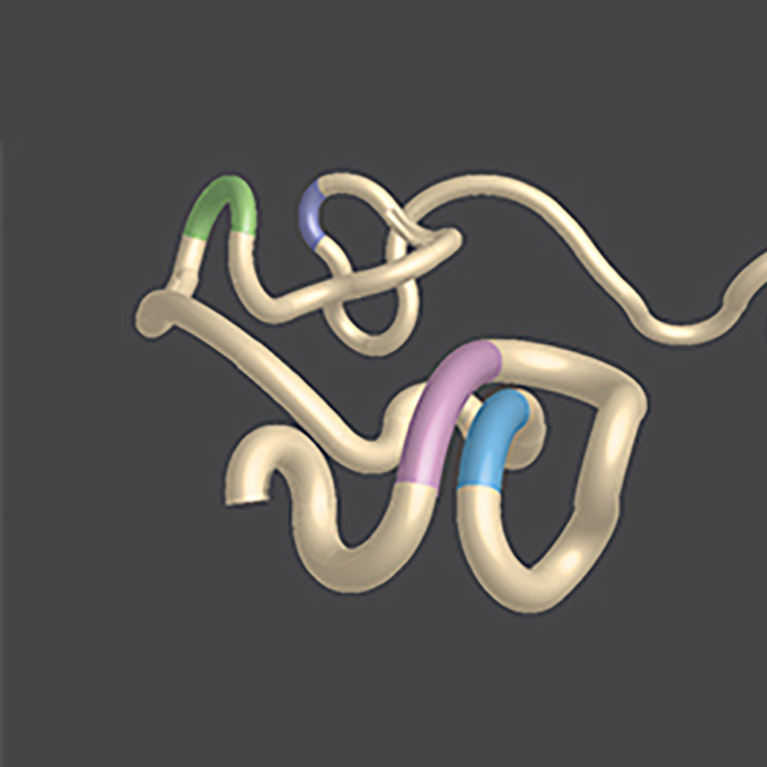
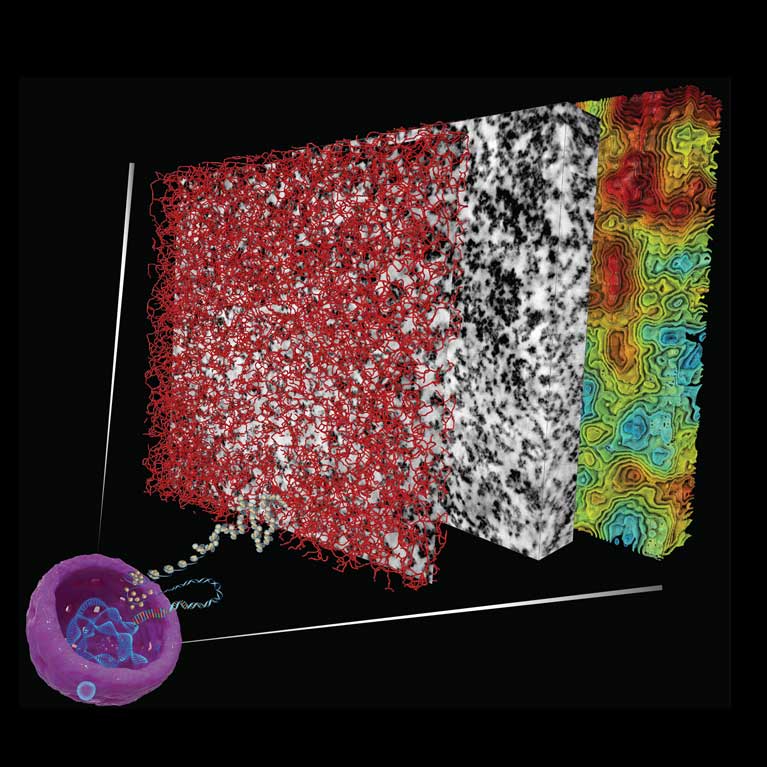
LA JOLLA—How does our DNA store the massive amount of information needed to build a human being? And what happens when it’s stored incorrectly? Jesse Dixon, MD, PhD, has spent years studying the way this genome is folded in 3D space—knowing that dysfunctional folding can cause cancers and developmental disorders, including autism-related disorders. The latest research from his lab adds to a growing understanding that the genome’s 3D organization is constantly in flux. Using different types of human cells, his lab showed that this dynamic genome unfolding and refolding process occurs at different rates in different parts of the genome, which, in turn, influences gene regulation and expression.
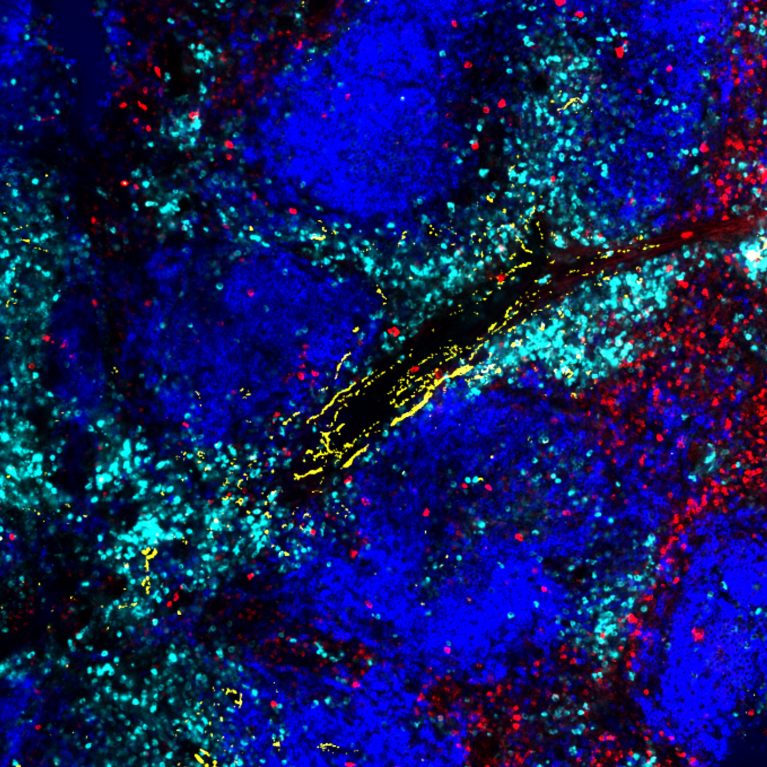
LA JOLLA—A multi-institutional study led by researchers at the Salk Institute for Biological Studies, UNC Lineberger Comprehensive Cancer Center, and UC San Diego has uncovered new genetic rules that determine how immune cells, known as CD8 “killer” T cells, choose between becoming long-lasting, protective defenders or slipping into exhausted, dysfunctional states. Turning off just two of these genes allowed exhausted T cells to regain their tumor-killing capacity.
LA JOLLA—Salk faculty members Joseph Ecker, PhD, Ronald Evans, PhD, Rusty Gage, PhD, Christian Metallo, PhD, Satchidananda Panda, PhD, Reuben Shaw, PhD, and Kay Tye, PhD, as well as research assistant Joseph Nery have all been named in this year’s Highly Cited Researchers list by Clarivate. The 2025 list includes 6,868 researchers from 60 countries who have demonstrated “significant and broad influence in their fields of research.”
LA JOLLA—Pancreatic cancer has the highest mortality rate of all major cancers, and its incidence is climbing. Because it is typically asymptomatic at early stages, pancreatic cancer is especially difficult to catch and treat in time. This allows the cancer to spread or metastasize throughout the body—the ultimate cause of death for nearly all patients.
LA JOLLA—Salk Institute Professor Diana Hargreaves was named a 2025 All-Star Translational Award Program grantee by the V Foundation for Cancer Research. The award comes as a recognition of Hargreaves’ exceptional success with her previous V Foundation grant in 2016, which aimed to identify better drug targets for cancers with mutations in a multi-protein complex called SWI/SNF that regulates DNA structure and stability. She and her collaborator, Gregory Botta, an associate professor at UC San Diego Moores Cancer Center, will receive $1 million to advance her new project to improve immunotherapy—a treatment that utilizes the body’s own immune cells to fight cancer—in patients with pancreatic cancer.
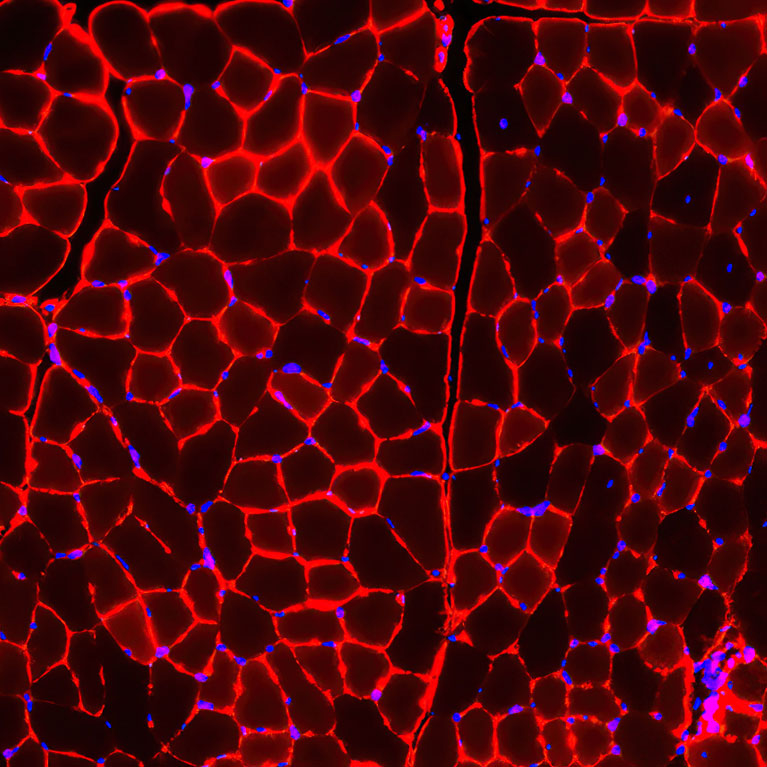
LA JOLLA—About one in eight adults in the United States has tried or currently uses a GLP-1 medication, and a quarter of those users cite weight loss as their main goal. But weight loss doesn’t discriminate between fat and muscle. Patients using GLP-1 drugs can experience rapid and substantial muscle loss, accounting for as much as 40% of their total weight loss. So how can we lose weight without also losing critical muscle?
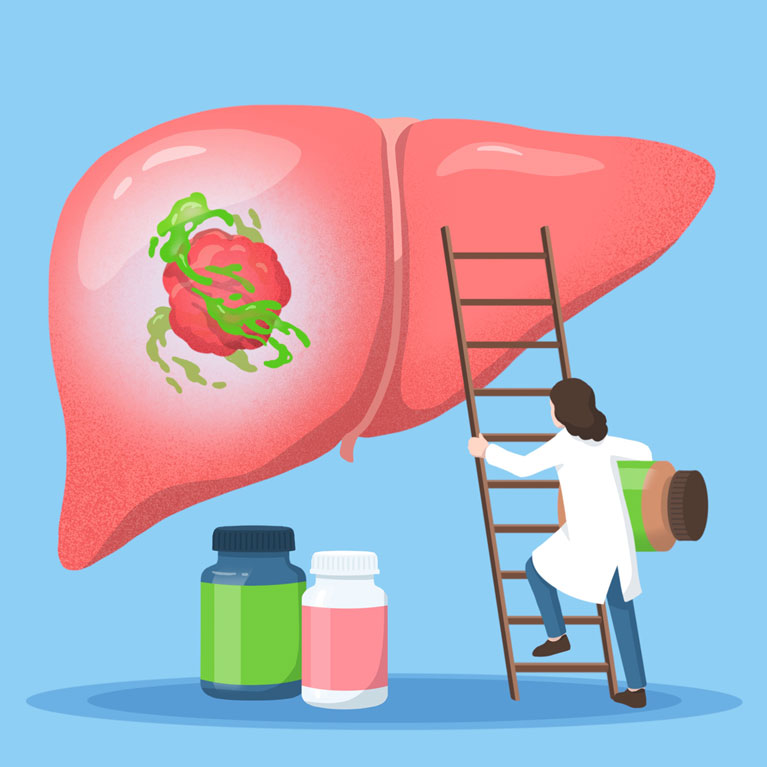
LA JOLLA—Immunotherapy is a modern approach to cancer treatment that uses a patient’s own immune system to help fight tumors. It has made an incredible impact on treating cancers in many different organ systems, including the lung, kidney, and bladder—but for other cancers, such as liver cancer, the therapy has been much less effective. This discrepancy is especially concerning as liver cancer rates have nearly tripled in the last 40 years.
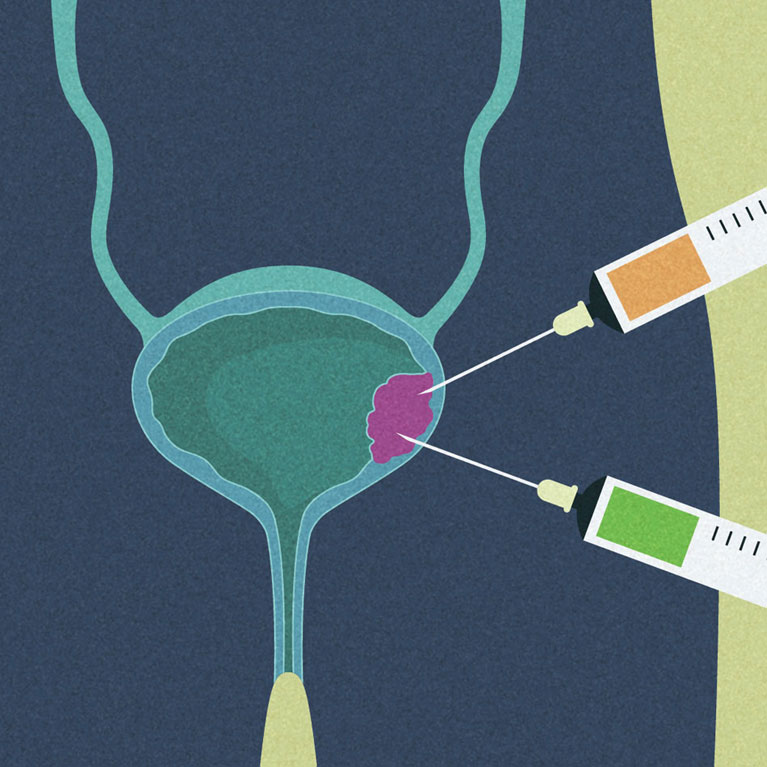
LA JOLLA—Like all cancers, bladder cancer develops when abnormal cells start to multiply out of control. But what if we could put a lid on their growth?
LA JOLLA—The decision between scrambled eggs or an apple for breakfast probably won’t make or break your day. However, for your cells, a decision between similar microscopic nutrients could determine their entire identity. If and how nutrient preference impacts cell identity has been a longstanding mystery for scientists—until a team of Salk Institute immunologists revealed a novel framework for the complicated relationship between nutrition and cell identity.
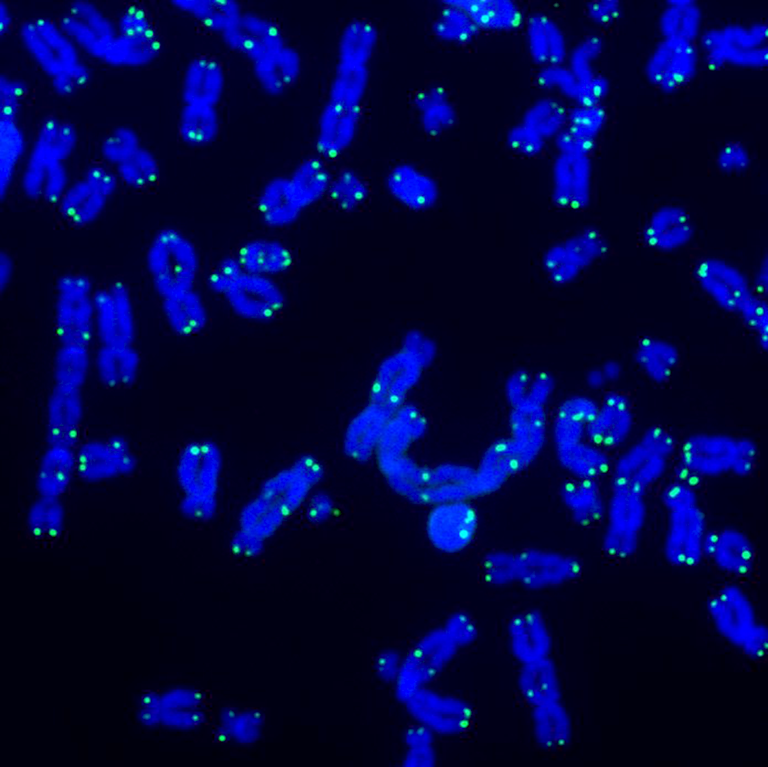
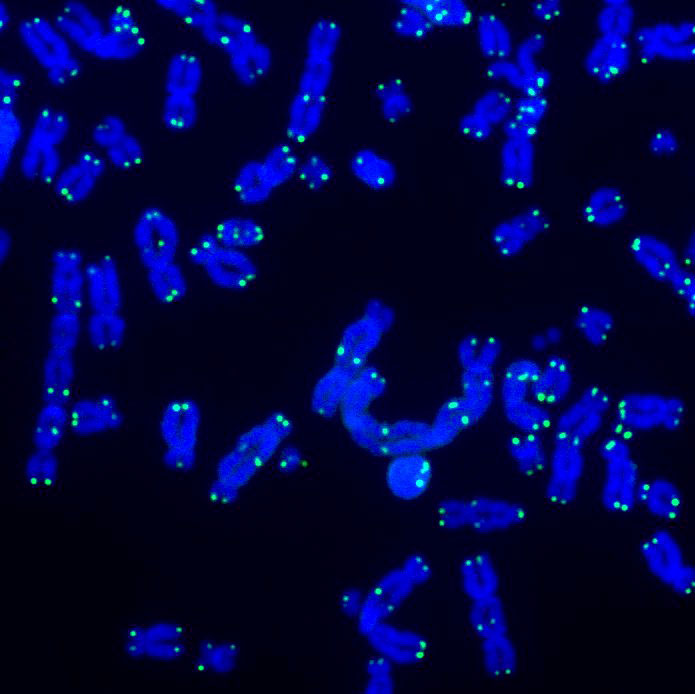
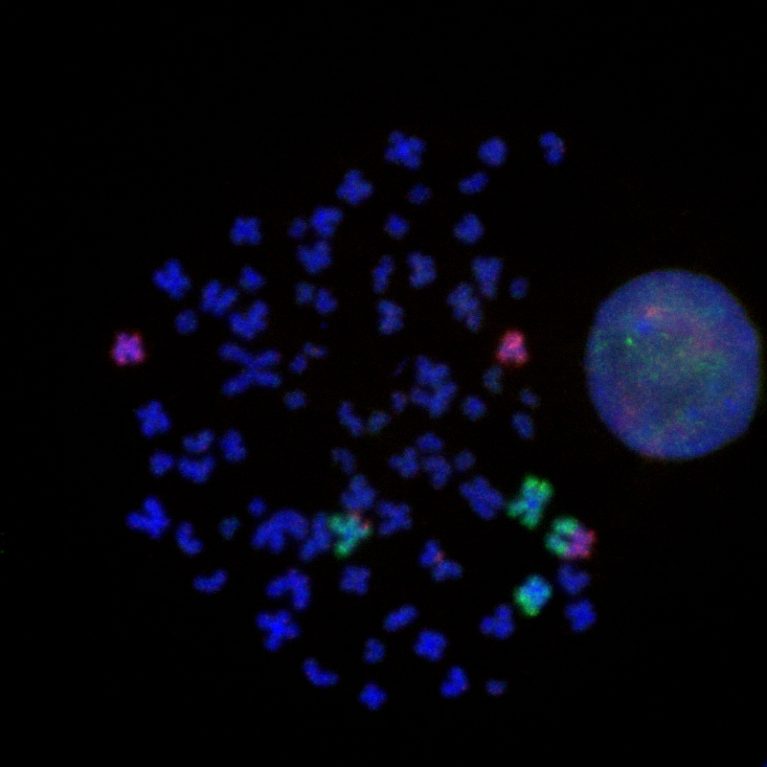
LA JOLLA—Within each of our cells, long strands of DNA are folded into chromosomes and capped with protective structures called telomeres. But telomeres shorten as we age, eventually getting so whittled down that our chromosomes become exposed, and our cells die. However, the specifics of when and how this shortening occurs and whether certain chromosomes are more affected than others have been unclear—until now.
LA JOLLA—Profesor Asistente del Instituto Salk Jesse Dixon has been named a 2024 Pew Biomedical Scholar by The Pew Charitable Trusts. This honor provides funding to early-career investigators who demonstrate outstanding promise in science toward advancing human health. Dixon and the other 21 awardees will each receive $300,000 over four years to support their research.
LA JOLLA—Immunotherapy has revolutionized the way we treat cancer in recent years. Instead of targeting the tumor itself, immunotherapies work by directing patients’ immune systems to attack their tumors more effectively. This has been especially impactful in improving outcomes for certain difficult-to-treat cancers. Still, fewer than half of all cancer patients respond to current immunotherapies, creating an urgent need to identify biomarkers that can predict which patients are most likely to benefit.
LA JOLLA—The Salk Institute will receive a four-year, $5 million gift from the Paul M. Angell Family Foundation to support pancreatic cancer research. The project’s leaders, Salk Assistant Professor Dannielle Engle, Professor Ronald Evans, and Professor Reuben Shaw, will establish a novel pipeline from patients to the laboratory and back to the clinic. The approach will provide a unique opportunity to uncover new diagnostics and therapies for pancreatic cancer.
LA JOLLA—Salk Institute Professor Susan Kaech has been elected to the U.S. National Academy of Sciences. Kaech is one of 120 new members and 24 international members to be elected to the academy in recognition of their distinguished and continuing achievements in original research. The election is considered one of the highest honors accorded to a scientist in the United States. Kaech’s work has transformed the fields of immunology and cancer biology and inspires new approaches to cancer immunotherapy. Her recognition brings the number of Salk faculty elected to the National Academy of Sciences to 13.
LA JOLLA—Pancreatic cancer has the highest mortality rate of all major cancers and is projected to become the second-leading cause of cancer-related deaths in the United States by 2030. It is especially difficult to treat because pancreatic tumors grow so quickly and are constantly evolving, making them prone to developing drug resistance.
LA JOLLA—Lung adenocarcinoma is the most common lung cancer and the cause of most cancer-related deaths in the United States. There are several ways lung adenocarcinoma can arise, one of which is a mutation in a protein called EGFR (epidermal growth factor receptor). Non-mutated EGFR helps cells grow in response to injury, but mutated EGFR promotes out-of-control growth that can turn into cancer. Modern immunotherapies don’t work against EGFR-driven lung adenocarcinoma, and while some drugs exist to treat the cancer, patients typically develop a resistance to them within just a few years. This gap in the treatment toolchest inspired Salk Institute researchers to probe for weak spots in the cancer’s growth pathway.
LA JOLLA—Profesor del Salk Ronald Evans has been named the 2024 recipient of the Japan Prize in the field of Medical Science and Pharmaceutical Science. The Japan Prize Foundation awards this prestigious international award annually to “express Japan’s gratitude to international society.”
LA JOLLA—The Salk Institute marks 50 years as a National Cancer Institute (NCI)-Designated Cancer Center with good news: NCI has renewed the designation and grant support for another five years.
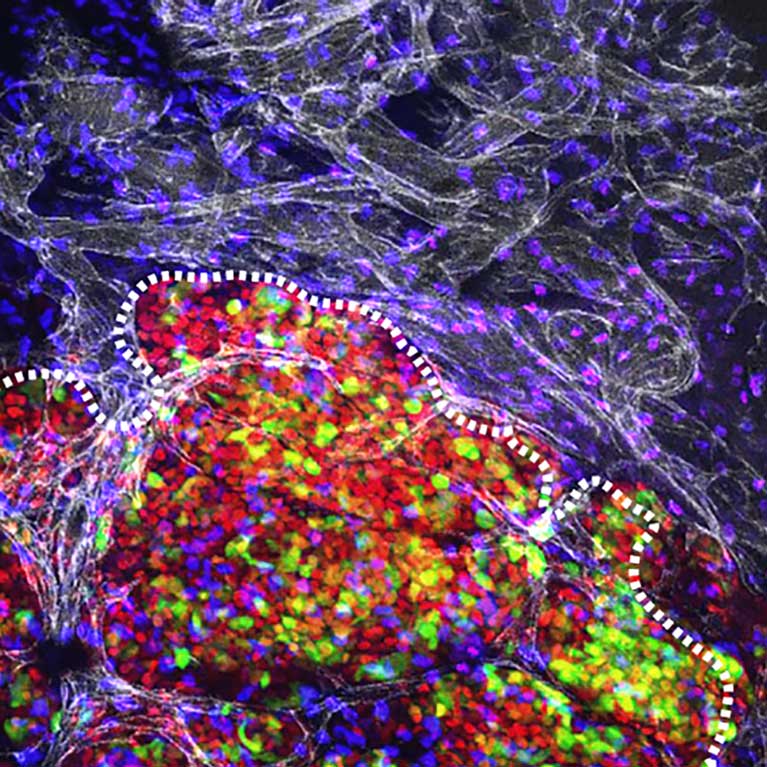
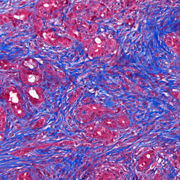
LA JOLLA—Pancreatic cancer is one of the deadliest cancers—only about one in eight patients survives five years after diagnosis. Those dismal statistics are in part due to the thick, nearly impenetrable wall of fibrosis, or scar tissue, that surrounds most pancreatic tumors and makes it hard for drugs to access and destroy the cancer cells.
LA JOLLA—Regulatory T cells are specialized immune cells that suppress the immune response and prevent the body from attacking its own cells. Understanding how these cells work is key to determining how they might be manipulated to encourage the destruction of cancer cells or prevent autoimmunity. Cell behavior is influenced by chromatin architecture (the 3D shape of chromosomes) and which genes are accessible to proteins—like Foxp3, which promotes regulatory T cell development.
LA JOLLA—Profesor Asistente del Instituto Salk Christina Towers received a five-year, $2.85 million National Institutes of Health (NIH) Director’s New Innovator Award from the NIH Common Fund’s High-Risk, High-Reward Research program. Towers received one of 58 New Innovator Awards this year.
LA JOLLA (25 de septiembre de 2023)—Profesores asistentes del Instituto Salk Christina Towers y Deepshika Ramanan fueron nombrados V Scholars por la V Foundation for Cancer Research. Cada uno recibirá $600,000 durante tres años para financiar sus objetivos únicos de investigación sobre el cáncer.
LA JOLLA—La inmunoterapia, que utiliza el propio sistema inmunitario del cuerpo para combatir el cáncer, es una opción de tratamiento eficaz, pero muchos pacientes no responden a ella. Por lo tanto, los investigadores del cáncer buscan nuevas formas de optimizar la inmunoterapia para que sea más efectiva para más personas. Ahora, científicos del Salk Institute han descubierto que manipular un paso temprano en la producción de energía en las mitocondrias, las "centrales eléctricas" de la célula, reduce el crecimiento de tumores de melanoma y mejora la respuesta inmunitaria en ratones.
LA JOLLA—Incluso para las células T "asesinas", células inmunitarias especializadas, la búsqueda y destrucción de células cancerosas durante todo el día puede ser agotadora. Si los científicos logran comprender por qué las células T "asesinas" se agotan, podrán crear células más resistentes para combatir el cáncer.
LA JOLLA—Los cánceres de páncreas se encuentran entre los tipos de tumores más agresivos y mortales, y durante años, los investigadores han luchado por desarrollar medicamentos eficaces contra estos tumores. Ahora, investigadores del Salk han identificado un nuevo conjunto de moléculas que impulsan el crecimiento de los tumores en el adenocarcinoma ductal pancreático (PDAC), el tipo más común de cáncer de páncreas.
LA JOLLA—Científico médico del Instituto Salk Jesse Dixon ha sido nombrado Becario del Premio de la Fundación Rita Allen, una distinción otorgada a científicos biomédicos cuya investigación promete extraordinariamente revelar nuevas vías para avanzar en la salud humana.
LA JOLLA—La prevalencia del cáncer colorrectal en personas menores de 50 años ha aumentado en las últimas décadas. Una razón sospechada: la creciente tasa de obesidad y las dietas altas en grasas. Ahora, investigadores del Instituto Salk y de la UC San Diego han descubierto cómo las dietas altas en grasas pueden cambiar las bacterias intestinales y alterar las moléculas digestivas llamadas ácidos biliares que son modificadas por esas bacterias, predisponiendo a los ratones al cáncer colorrectal.
LA JOLLA—El glioblastoma, la forma más común y mortal de cáncer cerebral, crece rápidamente para invadir y destruir el tejido cerebral sano. El tumor envía zarcillos cancerosos al cerebro que hacen que la extirpación quirúrgica del tumor sea extremadamente difícil o imposible.
LA JOLLA—El Instituto Salk da la bienvenida al profesor asistente Agnieszka Kendrick, un biólogo estructural que estudia cómo las células reconocen y transportan sustancias dentro de la célula.
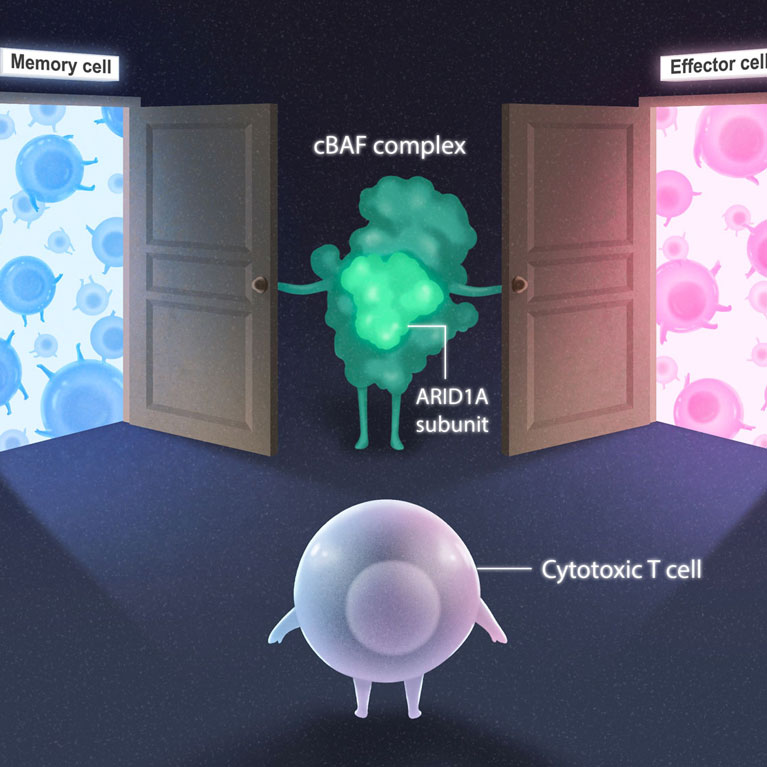
LA JOLLA—El sistema inmunitario protege al organismo de invasores, como bacterias, virus o tumores, gracias a su compleja red de proteínas, células y órganos. Las células inmunitarias especializadas, llamadas células T citotóxicas, pueden convertirse en células efectoras de vida corta que destruyen las células infectadas o cancerosas dentro de nuestro cuerpo. Una pequeña parte de esas células efectoras permanece después de una infección y se convierte en células de memoria de vida más larga, que “recuerdan” las infecciones y responden cuando estas reaparecen. Pero se sabía poco sobre qué influye en que las células T citotóxicas se transformen en estos subtipos de células T efectoras y de memoria.
LA JOLLA—The Salk Institute and Autobahn Labs, an early-stage drug discovery incubator, will work together to identify and advance promising initial scientific discoveries through the preliminary steps of drug discovery and development. Autobahn Labs will invest up to $5 million per project for Salk discoveries that require access to drug development expertise and state-of-the art capabilities.
LA JOLLA—Five Salk Institute faculty members have been promoted for their notable, innovative contributions to science. These faculty members have demonstrated leadership in their disciplines, pushing the boundaries of basic scientific research. Assistant Professors Sung Han, Dmitry Lyumkis, and Graham McVicker were promoted to associate professors, and Associate Professors Sreekanth Chalasani y Ye Zheng were promoted to professors. The promotions were based on Salk faculty and nonresident fellow recommendations and approved by Salk’s president and Board of Trustees on April 21, 2023.
LA JOLLA—Salk Institute Professor Susan Kaech, director of the NOMIS Center for Immunobiology and Microbial Pathogenesis, has been elected to the American Academy of Arts and Sciences. She shares the honor with some of the world’s most accomplished leaders from science and technology, business, public affairs, education, the humanities, and the arts. Kaech and the new class of nearly 270 members will be inducted at a formal ceremony on September 30, 2023, at the Academy’s headquarters in Cambridge, Massachusetts.
LA JOLLA—Scientists often act as detectives, piecing together clues that alone may seem meaningless but together crack the case. Professor Reuben Shaw has spent nearly two decades piecing together such clues to understand the cellular response to metabolic stress, which occurs when cellular energy levels dip. Whether energy levels fall because the cell’s powerhouses (mitochondria) are failing or due to a lack of necessary energy-making supplies, the response is the same: get rid of the damaged mitochondria and create new ones.
LA JOLLA—Cancer treatments have long been moving toward personalization—finding the right drugs that work for a patient’s unique tumor, based on specific genetic and molecular patterns. Many of these targeted therapies are highly effective, but aren’t available for all cancers, including non-small cell lung cancers (NSCLCs) that have an LKB1 genetic mutation. A new study led by Salk Institute Professor Reuben Shaw and former postdoctoral fellow Lillian Eichner, now an assistant professor at Northwestern University, revealed FDA-approved trametinib and entinostat (which is currently in clinical trials) can be given in tandem to produce fewer and smaller tumors in mice with LKB1-mutated NSCLC.
LA JOLLA—Profesor del Salk Christian Metallo has been recognized for his outstanding contributions to advancing science by being named the next holder of the Daniel and Martina Lewis Chair, effective January 1, 2023. Professor Geoffrey Wahl previously held this chair position.
LA JOLLA—As we age, the end caps of our chromosomes, called telomeres, gradually shorten. Now, Salk scientists have discovered that when telomeres become very short, they communicate with mitochondria, the cell’s powerhouses. This communication triggers a complex set of signaling pathways and initiates an inflammatory response that destroys cells that could otherwise become cancerous.
LA JOLLA—A drug developed by Salk Institute researchers acts like a master reset switch in the intestines. The compound, called FexD, has previously been found to lower cholesterol, burn fat, and ward off colorectal cancer in mice. Now, the team reports in Actas de la Academia Nacional de Ciencias on December 12, 2022, that FexD can also prevent and reverse intestinal inflammation in mouse models of inflammatory bowel disease.
LA JOLLA—Cancer, caused by abnormal overgrowth of cells, is the second-leading cause of death in the world. Researchers from the Salk Institute have zeroed in on specific mechanisms that activate oncogenes, which are altered genes that can cause normal cells to become cancer cells.
LA JOLLA—Profesor Asistente del Instituto Salk Christina Towers has received a $1.15 million Science Diversity Leadership Award from the Chan Zuckerberg Initiative, in partnership with the National Academies of Sciences, Engineering, and Medicine. The award recognizes outstanding early- to mid-career researchers who have made significant research contributions to the biomedical sciences, show promise for continuing scientific achievement, and promote diversity, equity, and inclusion in their scientific fields.
LA JOLLA—The Salk Institute’s American Cancer Society Professor Tony Hunter, Professor Reuben Shaw, and Assistant Professor Graham McVicker are among 12 inaugural 2022 Discovery Grant winners. The awards, which total $3 million, were launched this year by Curebound, a philanthropic organization dedicated to funding collaborative cancer research that has the potential to reach the clinic.
LA JOLLA—Salk Institute Professor Geoffrey Wahl has received the 2022 Brinker Award for Scientific Distinction in Basic Science from Susan G. Komen®, the world’s leading breast cancer organization. According to the foundation, the award recognizes leading scientists who have made the most significant advances in breast cancer research and medicine. Wahl was honored for his significant contributions to the field of cancer genetics, including the mechanisms of drug resistance and genome stability. He will present a keynote lecture at the 45th annual San Antonio Breast Cancer Symposium in early December 2022.
LA JOLLA—Firefighters are the heroes of our society, protecting us around the clock. But those 24-hour shifts are hard on the body and increase the risk of cardiometabolic diseases, such as heart disease and diabetes, as well as cancer. In collaboration with the San Diego Fire-Rescue Department, scientists from the Salk Institute and UC San Diego Health conducted a clinical trial and found that time-restricted eating improved measures of health and wellbeing in firefighters. The lifestyle intervention only required the firefighters to eat during a 10-hour window and did not involve skipping meals.
LA JOLLA—El Profesor Emérito Walter Eckhart, quien se desempeñó como director del Centro de Cáncer designado por el Instituto Nacional del Cáncer del Instituto Salk y jefe del Laboratorio de Biología Molecular y Celular durante más de 30 años, falleció repentinamente el 21 de junio de 2022, en su hogar en La Jolla, California. Tenía 84 años.
LA JOLLA—An international team of researchers, including Salk Institute Professor Janelle Ayres, has been selected to receive a $25 million Cancer Grand Challenges award to tackle the challenge of cancer cachexia, a debilitating wasting condition that often leads to a poor quality of life for people in the later stages of their cancer. Cachexia is responsible for up to 30 percent of cancer-related deaths.
LA JOLLA—Profesor Asistente Christina Towers ha sido nombrado 2022 Becario Pew-Stewart para la Investigación del Cáncer como parte de una asociación entre The Pew Charitable Trusts y la Alexander and Margaret Stewart Trust. Towers se encuentra entre los seis científicos de principios de carrera de este año que recibirán cada uno $300.000 durante los próximos cuatro años para apoyar la investigación centrada en una mejor comprensión de las causas, el diagnóstico y el tratamiento del cáncer.
LA JOLLA—Mammals can’t typically regenerate organs as efficiently as other vertebrates, such as fish and lizards. Now, Salk scientists have found a way to partially reset liver cells to more youthful states—allowing them to heal damaged tissue at a faster rate than previously observed. The results, published in Cell Reports on April 26, 2022, reveal that the use of reprogramming molecules can improve cell growth, leading to better liver tissue regeneration in mice.
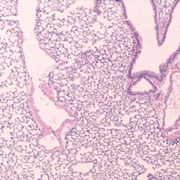
LA JOLLA—Every day, your pancreas produces about one cup of digestive juices, a mixture of molecules that can break down the food you eat. But if these powerful molecules become activated before they make their way to the gut, they can damage the pancreas itself—digesting the very cells that created them, leading to the painful inflammation known as pancreatitis, and predisposing a person to pancreatic cancer.
LA JOLLA—Salk Institute Professor Tony Hunter will receive the 2022 American Association for Cancer Research (AACR) Award for Lifetime Achievement in Cancer Research at the April annual meeting of AACR, the largest cancer research organization in the world dedicated to preventing and curing all cancers. This major award is a significant recognition of Hunter’s contributions to cancer research, which have led to the development of the highly effective leukemia drug GleevecTM.
LA JOLLA—Professors Reuben Shaw, Susan Kaech, Christian Metallo y Alan Saghatelian have received a 2022 Mark Foundation for Cancer Research Endeavor Award to support their research exploring the metabolic changes that help lung cancers develop. The $3 million Endeavor Award promotes collaborative science to tackle some of the toughest challenges in cancer research. The Salk team—one of four teams chosen out of nearly 200 applications submitted by institutions around the world—hopes their work will lead to the development of more effective lung cancer treatments.
LA JOLLA/NEW YORK—The Lustgarten Foundation and Salk Institute today announced a new strategic partnership supported by a $5 million grant and focused on identifying and validating potential targets for new pancreatic cancer drugs. The effort will be led by four co-principal investigators, all prominent cancer researchers in the Salk Dedicated Program in Pancreatic Cancer: Professors Reuben Shaw, Ronald Evans, Tony Hunter and Assistant Professor Dannielle Engle. The partnership is part of the Lustgarten Advancing Breakthrough Science (LABS) Program.
LA JOLLA—Profesor Ronald Evans and Assistant Professor Dannielle Engle have been granted a 2021 ASPIRE (Accelerating Scientific Platforms and Innovative Research) award to study the cellular and molecular drivers of pancreatic cancer, one of the deadliest cancers with few effective treatment options. The $250,000 award, supported by the Mark Foundation for Cancer Research, enables innovative approaches to solving impactful problems in cancer research. The 23 scientists chosen to lead 2021 ASPIRE projects represent disciplines across the spectrum of cancer research at top academic institutions worldwide.
LA JOLLA—Patients with colorectal cancer were among the first to receive targeted therapies. These drugs aim to block the cancer-causing proteins that trigger out-of-control cell growth while sparing healthy tissues. But some patients are not eligible for these treatments because they have cancer-promoting mutations that are believed to cause resistance to these drugs.
LA JOLLA—Salk Professors Joanne Chory, Joseph Ecker, Rusty Gage, Satchidananda Panda, Reuben Shaw y Kay Tye have been named to the Highly Cited Researchers list by Clarivate. The list identifies researchers who demonstrate “significant influence in their chosen field or fields through the publication of multiple highly cited papers.” Chory, Ecker and Gage have been named to this list every year since 2014, when the regular annual rankings began. This is Tye’s fifth, Shaw’s third and Panda’s first time receiving the designation. Additionally, Ecker appeared in two separate categories: “plant and animal science” and “molecular biology and genetics” and is one of 3.4 percent of researchers selected in two fields. Joseph Nery, a research assistant II in the Ecker lab, was also included on the list.
LA JOLLA—Científicos del Salk Institute y de la Escuela de Medicina de las Ciencias Básicas de Vanderbilt University han descubierto que las células del páncreas forman nuevos tipos de células para mitigar lesiones, pero luego son susceptibles a mutaciones cancerosas. La investigación, dirigida por el profesor del Salk Geoffrey Wahl y la profesora asistente de Vanderbilt Kathy DelGiorno, ex científica del laboratorio Wahl, fue publicada en la revista Gastroenterology el 22 de octubre de 2021.
LA JOLLA—Durante los últimos quince años, los investigadores del cáncer han estado utilizando la tecnología de secuenciación del ADN para identificar las mutaciones genéticas que causan diferentes formas de cáncer. Ahora, la Profesora Asistente del Salk Edward Stites y su equipo de científicos computacionales han combinado información de mutaciones genéticas con datos de prevalencia de cáncer para revelar la base genética del cáncer en toda la población de pacientes con cáncer en Estados Unidos.
LA JOLLA—Profesor de Sanford Burnham Prebys Peter D. Adams, quien dirige la Programa de envejecimiento, cáncer e inmuno-oncología, y Profesor del Instituto Salk Gerald Shadel, quien dirige la Centro Nathan Shock de Excelencia en Biología Básica del Envejecimiento de San Diego, recibieron una subvención de $13 millones del Instituto Nacional sobre el Envejecimiento de los NIH, para financiar un proyecto de cinco años que explorará la conexión entre el envejecimiento y el cáncer de hígado.
LA JOLLA—El Instituto Salk, junto con Sanford Burnham Prebys, han firmado un acuerdo de licencia exclusiva con Endeavor BioMedicines, con sede en California, para una cartera de propiedad intelectual relacionada con terapias y diagnósticos de cáncer dirigidos a ULK1/2, una proteína involucrada en el reciclaje celular, desarrollada conjuntamente por investigadores de Salk y Sanford Burnham Prebys. Las negociaciones fueron dirigidas por la Oficina de Desarrollo Tecnológico de Salk y la Oficina de Desarrollo de Negocios de Sanford Burnham Prebys.
LA JOLLA—El Instituto Salk ha ascendido a Diana Hargreaves to the rank of associate professor for her notable contributions in epigenetic regulation, which make specific regions of our DNA accessible to the machinery of cells. The promotion was based on recommendations by Salk faculty and nonresident fellows, and approved by President Rusty Gage y la Junta Directiva del Instituto.
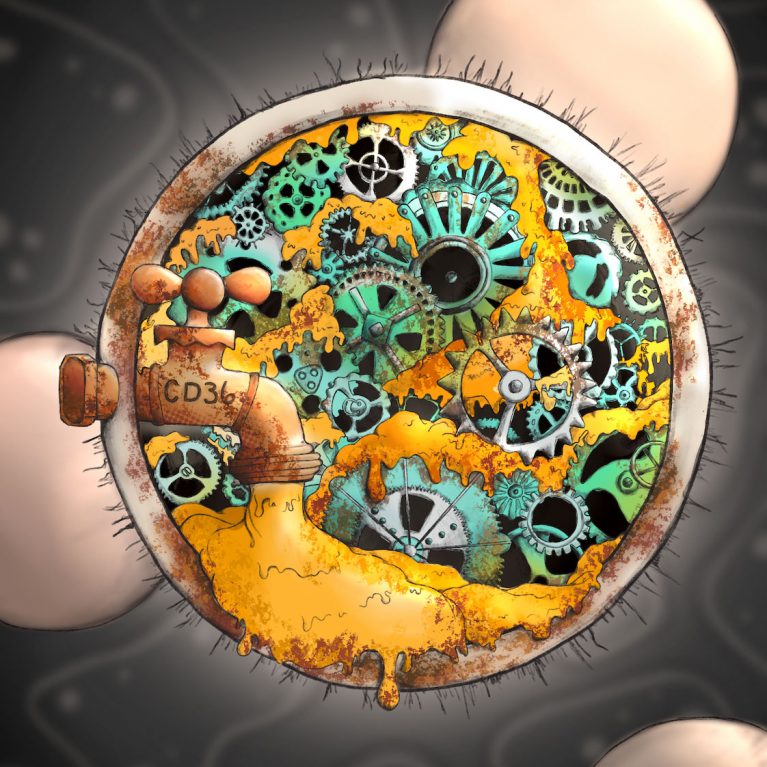
LA JOLLA—In order for cancer to grow and spread, it has to evade detection by our immune cells, particularly specialized “killer” T cells. Salk researchers led by Professor Susan Kaech have found that the environment inside tumors (the tumor microenvironment) contains an abundance of oxidized fat molecules, which, when ingested by the killer T cells, suppresses their ability to kill cancer cells. In a vicious cycle, those T cells, in need of energy, increase the level of a cellular fat transporter, CD36, that unfortunately saturates them with even more oxidized fat and further curtails their anti-tumor functions.
LA JOLLA—Despite only accounting for about 1 percent of skin cancers, melanoma causes the majority of skin cancer-related deaths. While treatments for this serious disease do exist, these drugs can vary in effectiveness depending on the individual.
LA JOLLA—The Salk Institute welcomes bioengineer Christian Metallo, who will join the Salk faculty as a full professor in July 2021. He is currently an associate professor of bioengineering at the University of California San Diego.
LA JOLLA—Salk Assistant Professor Dannielle Engle was selected as the first recipient of the Lustgarten Foundation-AACR Career Development Award for Pancreatic Cancer Research in Honor of Ruth Bader Ginsburg, the late Supreme Court Justice and women’s rights pioneer.
LA JOLLA—When cells are stressed, chemical alarms go off, setting in motion a flurry of activity that protects the cell’s most important players. During the rush, a protein called Parkin hurries to protect the mitochondria, the power stations that generate energy for the cell. Now Salk researchers have discovered a direct link between a master sensor of cell stress and Parkin itself. The same pathway is also tied to type 2 diabetes and cancer, which could open a new avenue for treating all three diseases.
LA JOLLA—Profesor del Salk Thomas Albright has been awarded $1 million and Assistant Professor Edward Stites awarded $500,000 by The Conrad Prebys Foundation as part of its inaugural round of grants. The funding will support Albright’s project looking at how our visual sense changes as we age or gain experience at new visual tasks, and Stites’ project investigating how specific FDA-approved drugs function against three types of melanoma mutations, which drive approximately 80 percent of melanomas.
LA JOLLA—The Salk Institute received a matching $1 million gift from the BioMed Realty Management Team, which was used to fund the recruitment of award-winning cancer researcher Christina Towers and to support her research and that of the Salk Cancer Center. The challenge match—where BioMed Realty matches, dollar for dollar, up to $1 million—will also support Salk’s bold Iniciativa «Vencer al cáncer», which is harnessing cutting-edge approaches to fight some of the deadliest cancers, including pancreatic, ovarian, lung, colon, brain (glioblastoma) and triple-negative breast cancer.
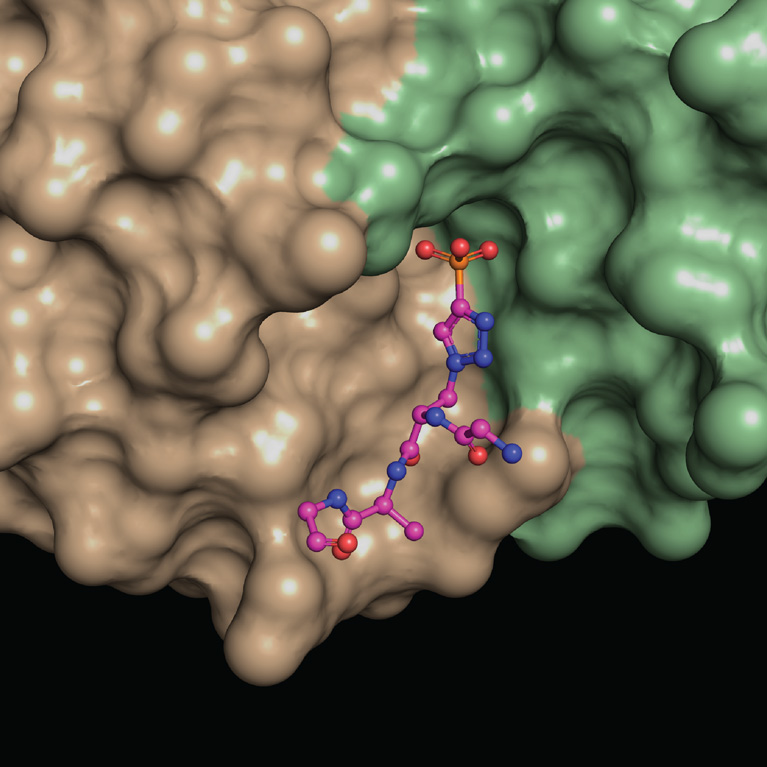
LA JOLLA—In structural biology, some molecules are so unusual they can only be captured with a unique set of tools. That’s precisely how a multi-institutional research team led by Salk scientists defined how antibodies can recognize a compound called phosphohistidine—a highly unstable molecule that has been found to play a central role in some forms of cancer, such as liver and breast cancer and neuroblastoma.
LA JOLLA—The Salk Institute is excited to welcome Assistant Professor Christina Towers, a top researcher in the field of cancer biology. Towers will join Salk’s renowned NCI-designated Centro Oncológico to examine how cancer cells recycle both their own nutrients and the power-generating structures called mitochondria in order to survive. Her long-term goal is to improve the treatment options for cancer patients.
LA JOLLA—Profesor Asistente del Instituto Salk Dannielle Engle has been awarded a New Investigator Award from the Tobacco-Related Disease Research Program (TRDRP) to examine how tobacco use promotes cellular changes that lead to pancreatic cancer. The TRDRP funds research that “enhances understanding of tobacco use, prevention and cessation, the social, economic and policy-related aspects of tobacco use, and tobacco-related diseases in California,” according to their website. Engle will receive over $1 million over three years to develop new models for examining how tobacco carcinogens (cancer-causing substances) lead to tumor development and metastasis.
LA JOLLA and PALO ALTO, Calif.—The Salk Institute and BridgeBio Pharma, Inc. (Nasdaq: BBIO) today announced a three-year collaboration agreement formed to advance cutting-edge academic discoveries in genetically driven diseases toward therapeutic applications. Under the partnership, BridgeBio will help fund research programs from Salk’s world-renowned innovative cancer research, with the eventual goal of developing new therapeutics for patients in need.
LA JOLLA—Profesor Asistente del Instituto Salk Edward Stites ha sido nombrado/a NIH Director’s New Innovator for 2020 as part of the National Institutes of Health’s High-Risk, High-Reward Research Program. The award “supports unusually innovative research from early career investigators,” according to the NIH and provides $1.5 million for a 5-year project. For his project, Stites will use mathematical and biological approaches to identify strategies to convert failed therapeutics into effective agents.
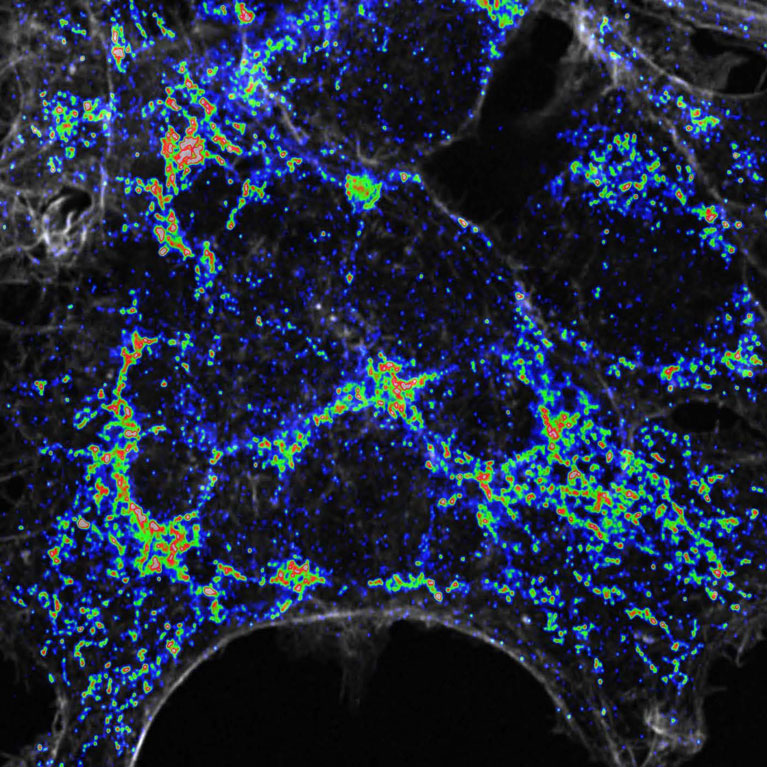
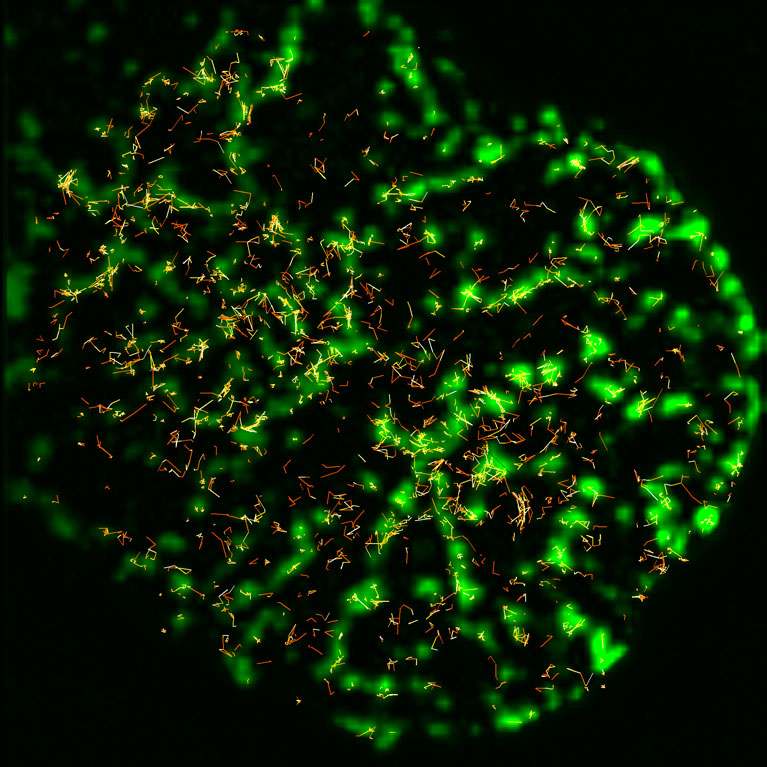
LA JOLLA—While your skeleton helps your body to move, fine skeleton-like filaments within your cells likewise help cellular structures to move. Now, Salk researchers have developed a new imaging method that lets them monitor a small subset of these filaments, called actin.
LA JOLLA—The Salk Institute is pleased to welcome two new assistant professors in the fields of cancer biology and biophysics, respectively. Daniel Hollern and Pallav Kosuri will bring fresh perspectives to advance an understanding of, and find new treatments for, breast cancer and heart disease.
LA JOLLA—Cancer is often the result of DNA mutations or problems with how cells divide, which can lead to cells “forgetting” what type of cell they are or how to function properly. Now, Professor Martín Hetzer and a team of scientists have provided clarity into how new cells remember their identity after cell division. These memory mechanisms, published in Genes & Development on June 4, 2020, could explicate problems that occur when cell identity is not maintained, such as cancer.
LA JOLLA—Many cancer medications fail to effectively target the most commonly mutated cancer genes in humans, called RAS. Now, Salk Professor Geoffrey Wahl and a team of scientists have uncovered details of how normal RAS interacts with mutated RAS and other proteins in living cells for the first time. The findings, published in The Proceedings of the National Academy of Sciences on May 18, 2020, could aid in the development of better RAS-targeted cancer therapeutics.
LA JOLLA—Persistent inflammation of the pancreas (chronic pancreatitis) is a known risk factor for developing pancreatic cancer, the third-deadliest cancer in the United States. Tuft cells—cells sensitive to chemical (chemosensory) changes typically found in the intestines and respiratory tract—had previously been discovered in the pancreas, but their function has largely remained a mystery. Now, a team of Salk scientists led by Professor Geoffrey Wahl and Staff Scientist Kathleen DelGiorno has uncovered the formation of tuft cells during pancreatitis and the surprising role of tuft cells in immunity, using mouse models of pancreatitis. The findings, published in Frontiers in Physiology on February 14, 2020, could lead to the development of new biomarkers to test for pancreatitis and pancreatic cancer.
LA JOLLA—The Salk Institute announced the hiring of Leona Flores, PhD, as executive director of the Salk Cancer Center, to help oversee administrative and scientific management functions as a member of its leadership team and to provide decision strategy support to the Cancer Center’s director.
LA JOLLA—A medida que mejoran las herramientas para estudiar biología, los investigadores están empezando a descubrir detalles sobre las microproteínas, pequeños componentes que parecen ser clave en algunos procesos celulares, incluidos los relacionados con el cáncer. Las proteínas están compuestas por cadenas de aminoácidos unidos y la proteína humana promedio contiene alrededor de 300 aminoácidos. Mientras tanto, las microproteínas tienen menos de 100 aminoácidos.
LA JOLLA, CA—Salk scientist Tony Hunter has received a National Cancer Institute (NCI) Outstanding Investigator Award (OIA), which supports accomplished leaders in cancer research. Hunter, who is an American Cancer Society Professor, will receive more than $7,500,000 over the next seven years to further his work. According to the NCI, the award supports investigators who are providing significant contributions toward understanding cancer and developing applications that may lead to a breakthrough in cancer research.
LA JOLLA—Breast cancer is one of the most prevalent cancers, and some forms rank among the most difficult to treat. Its various types and involvement of many different cells makes targeting such tumors difficult. Now, Salk Institute researchers have used a state-of-the-art technology to profile each cell during normal breast development in order to understand what goes wrong in cancer.
LA JOLLA—Colorectal cancer is a common lethal disease, and treatment decisions are increasingly influenced by which genes are mutated within each patient. Some patients with a certain gene mutation benefit from a chemotherapy drug called cetuximab, although the mechanism of how this drug worked was unknown.
LA JOLLA—The vast majority of deadly lung cancer cases (85 percent) are termed non-small-cell lung carcinomas (NSCLCs), which often contain a mutated gene called LKB1. Salk Institute researchers have now discovered precisely why inactive LKB1 results in cancer development. The surprising results, published in the online version of Cancer Discovery on July 26, 2019, highlight how LBK1 communicates with two enzymes that suppress inflammation in addition to cell growth, to block tumor growth. The findings could lead to new therapies for NSCLC, and you can see news coverage of the story here.
LA JOLLA—Around 85 percent of lung cancers are classified as non-small-cell lung cancers, or NSCLCs. Some patients with these cancers can be treated with targeted genetic therapies, and some benefit from immunotherapies—but the vast majority of NSCLC patients have no treatment options except for chemotherapy.
LA JOLLA—Pancreatitis is an inflammation of the pancreas that accounts for 275,000 hospitalizations in the United States annually. Patients who suffer from hereditary pancreatitis have a 40 to 50 percent lifetime risk of developing pancreatic cancer.
LA JOLLA – (June 14, 2019) Diana Hargreaves, an assistant professor in Salk’s Molecular and Cell Biology Laboratory, has been named a 2019 Becario Pew-Stewart para la Investigación del Cáncer as part of a partnership between the Pew Charitable Trusts and the Alexander and Margaret Stewart Trust. The scholars each receive $300,000 over four years to support their work focused on a better understanding of the causes, diagnosis and treatment of cancer.
LA JOLLA—Advanced pancreatic cancer is often symptomless, leading to late diagnosis only after metastases have spread throughout the body. Additionally, tumor cells are encased in a “protective shield,” a microenvironment conferring resistance to many cancer treatment drugs. Now, Salk Institute researchers, along with an international team of collaborators, have uncovered the role of a signaling protein that may be the Achilles’ heel of pancreatic cancer.
LA JOLLA—Metastatic ovarian, prostate and breast cancers are notoriously difficult to treat and often deadly. Now, Salk Institute researchers have revealed a new role for the CDK12 protein. The findings were published in the print version of Genes & Development on April 1, 2019.
LA JOLLA—As cancer death rates drop overall, doctors have noted a frightening anomaly: deaths from colorectal cancer in people under 55 appear to be creeping up. According to the American Cancer Society, deaths in this younger group increased by 1 percent between 2007 and 2016.
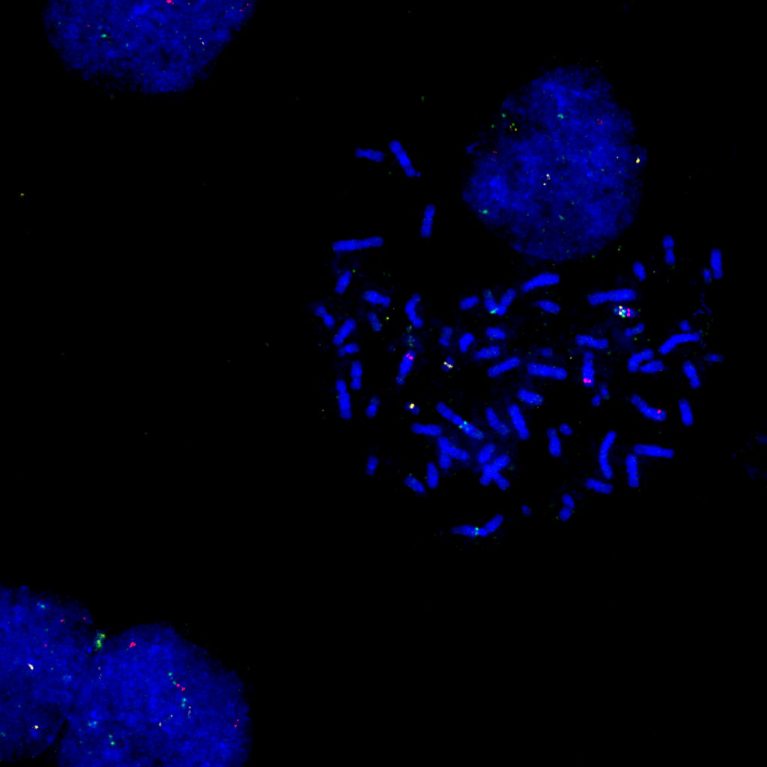
LA JOLLA—Just as plastic tips protect the ends of shoelaces and keep them from fraying when we tie them, molecular tips called telomeres protect the ends of chromosomes and keep them from fusing when cells continually divide and duplicate their DNA. But while losing the plastic tips may lead to messy laces, telomere loss may lead to cancer.
LA JOLLA—Embryonic stem cells (ESCs) are the very definition of being full of potential, given that they can become any type of cell in the body. Once they start down any particular path toward a type of tissue, they lose their unlimited potential. Scientists have been trying to understand why and how this happens in order to create regenerative therapies that can, for example, coax a person’s own cells to replace damaged or diseased organs.
LA JOLLA—Long thought to suppress cancer by slowing cellular metabolism, the protein complex AMPK also seemed to help some tumors grow, confounding researchers. Now, Salk Institute researchers have solved the long-standing mystery around why AMPK can both hinder and help cancer.
LA JOLLA—El Instituto Salk tiene el honor de dar la bienvenida de regreso a Dannielle Engle al Salk como profesora asistente en el Centro de Cáncer Salk. Actualmente es investigadora principal en el Laboratorio Cold Spring Harbor en Nueva York, donde se enfoca en la detección temprana y el tratamiento del cáncer de páncreas. Engle realizó investigaciones en el laboratorio del Profesor del Salk Geoffrey Wahl durante seis años como parte de su programa doctoral en UC San Diego.
LA JOLLA: Si el núcleo celular es como un banco de ADN, los poros nucleares son las puertas de seguridad alrededor de su perímetro. Sin embargo, más puertas de seguridad no son necesariamente mejores: algunas células cancerosas contienen un exceso drástico de poros nucleares.
LA JOLLA—Las células cancerosas a menudo tienen mutaciones en su ADN que pueden dar a los científicos pistas sobre cómo comenzó el cáncer o qué tratamiento puede ser más efectivo. Encontrar estas mutaciones puede ser difícil, pero un nuevo método puede ofrecer resultados más completos e integrales.
LA JOLLA—Un equipo del Instituto Salk ha identificado un interruptor principal que parece controlar el comportamiento dinámico de las células tumorales, lo que hace que algunos cánceres agresivos sean tan difíciles de tratar. El gen Sox10 controla directamente el crecimiento y la invasión de una fracción significativa de cánceres de mama triple negativos difíciles de tratar.
LA JOLLA—El Instituto Salk anunció hoy que recibió más de $48 millones de 1,100 donantes individuales y otorgantes privados en el año fiscal de 2018 para apoyar la ciencia innovadora del Instituto. Además, socios gubernamentales (por ejemplo, los Institutos Nacionales de Salud) proporcionaron 47 subvenciones federales por un total de más de $55 millones a investigadores de Salk que trabajan en las áreas de cáncer, ciencia de plantas, neurociencia, metabolismo y otras.
LA JOLLA—The Salk Institute announced a $2 million gift in support of its new Iniciativa «Vencer al cáncer» de su actual presidente de la Junta Directiva, Dan Lewis, y su esposa, Martina Lewis. Los fondos se utilizarán para avanzar en las máximas prioridades de investigación del Salk Cancer Center, incluidas nuevas investigaciones sobre cinco de los cánceres más mortales: pulmón, páncreas, cerebro (glioblastoma), ovario y mama triple negativo.
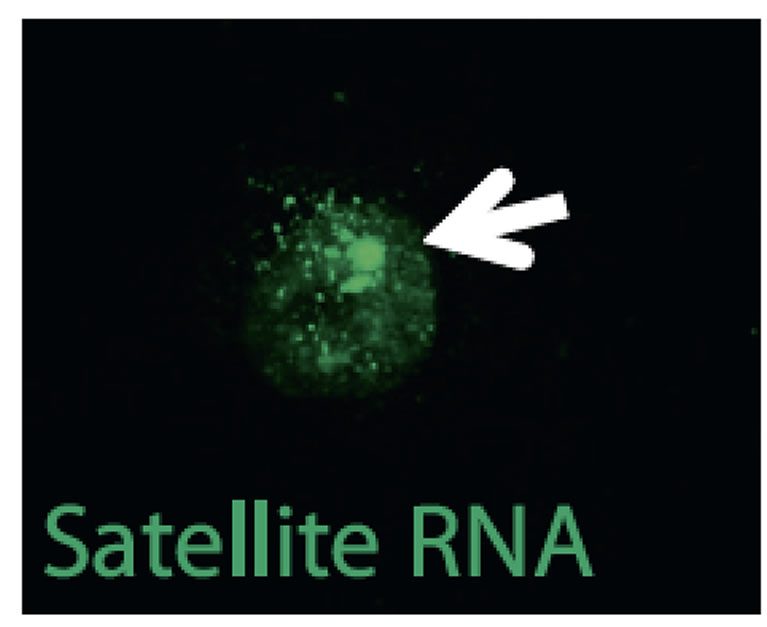
LA JOLLA—Only some of us have satellite TV in our homes, but all of us have satellite DNA in cells in our bodies. Working copies of satellite DNA (called satellite RNAs) are high in certain types of cancer, such as breast and ovarian. But whether they cause cáncer or merely coincide with it has been unclear.
LA JOLLA—Salk Institute scientists Ronald Evans, Diana Hargreaves, Tony Hunter, Graham McVicker y Geoffrey Wahl are among the first wave of researchers to receive funding from Padres Pedal the Cause, one of one of the largest stand-alone cancer fundraising events in San Diego. The nonprofit raised $2.4 million for cancer research in November 2017, thanks to the efforts of more than 3,000 bicycle riders, sponsors, volunteers and donors.
LA JOLLA—Profesor de la American Cancer Society en el Salk Tony Hunter ha sido galardonado con el Premio Tang 2018 en Ciencias Biofarmacéuticas.
LA JOLLA—El glioblastoma multiforme (GBM) es un cáncer cerebral increíblemente mortal y presenta un serio desafío de "caja negra". Es prácticamente imposible observar cómo operan estos tumores en su entorno natural y los modelos animales no siempre brindan respuestas adecuadas.
LA JOLLA—El viernes 20 de abril de 2018, el Salk Institute lanzó una nueva iniciativa llamada Conquistando el Cáncer, para aprovechar estrategias científicas específicas y emergentes para abordar los cinco cánceres más mortales: páncreas, ovario, pulmón, cerebro (glioblastoma) y mama triple negativo.
LA JOLLA—Científicos del Instituto Salk, junto con investigadores de la Universidad de Basilea y el Hospital Universitario de Basilea en Suiza, descubrieron una proteína llamada LHPP que actúa como un interruptor molecular para desactivar el crecimiento descontrolado de células en el cáncer de hígado. El supresor de tumores, que podría ser útil como biomarcador para ayudar a diagnosticar y monitorear el tratamiento del cáncer de hígado, también podría ser relevante para otros tipos de cáncer. El trabajo apareció impreso en la revista Naturaleza el 29 de marzo de 2018, y se suma al creciente cuerpo de conocimiento sobre procesos celulares que promueven o previenen el cáncer.
LA JOLLA—Profesor Tony Hunter, quien ostenta una Cátedra de la Sociedad Estadounidense del Cáncer en el Instituto Salk, ha recibido el Premio Internacional Pezcoller–AACR 2018 a Logros Extraordinarios en Investigación del Cáncer, una de las distinciones más prestigiosas en el campo de la investigación oncológica. El galardón reconoce a un científico de renombre internacional que haya realizado un descubrimiento científico importante en investigación oncológica básica o que haya hecho contribuciones significativas a la investigación oncológica traslacional.
LA JOLLA—The Salk Institute, which hosts a National Cancer Institute (NCI)–designated cancer center and Indivumed GmbH, a world leading cancer research company today announce a multi-year strategic alliance to secure, preserve and analyze human cancer tissue and annotated clinical data from consenting patients around the world, enabling the most cutting-edge basic and translational research in cancer.
LA JOLLA—Salk researchers have discovered how to curb the growth of cancer cells by blocking the cells’ access to certain nutrients. The approach, detailed in a new paper published today in Naturaleza, took advantage of knowledge on how healthy cells use a 24-hour cycle to regulate the production of nutrients and was tested on glioblastoma brain tumors in mice.
LA JOLLA—Profesor del Salk e Investigador del HHMI Ronald Evans ha sido galardonado con $2.5 millones por Ponte de Pie Contra el Cáncer (SU2C) como parte de un equipo multinstitucional para llevar a cabo estudios clínicos que abran una nueva vía para la inmunoterapia en el tratamiento del páncreas cáncer. Mientras que el cáncer normalmente excluye a las células T inmunitarias, el laboratorio Evans descubrió que la vitamina D modificada reprograma el entorno del cáncer de una manera que podría permitir que el fármaco Keytruda de Merck® invadir y destruir el tumor.
LA JOLLA—Is it better to do a task quickly and make mistakes, or to do it slowly but perfectly? When it comes to deciding how to fix breaks in DNA, cells face the same choice between two major repair pathways. The decision matters, because the wrong choice could cause even more DNA damage and lead to cancer.
LA JOLLA—The immune system automatically destroys dysfunctional cells such as cancer cells, but cancerous tumors often survive nonetheless. A new study by Salk scientists shows one method by which fast-growing tumors evade anti-tumor immunity.
LA JOLLA—Profesor del Salk Reuben Shaw has received the National Cancer Institute (NCI) Outstanding Investigator Award (OIA), which encourages cancer research with breakthrough potential. Shaw, a member of Salk’s Molecular and Cell Biology Laboratory and holder of the William R. Brody Chair, will receive $4.2 million in direct funding over the next seven years to further his work. The award is granted, according to the NCI website, to innovative cancer researchers with outstanding records of productivity to allow them to take greater risks and be more adventurous in their research.
LA JOLLA—Stretched out, the DNA from all the cells in our body would reach Pluto. So how does each tiny cell pack a two-meter length of DNA into its nucleus, which is just one-thousandth of a millimeter across?
LA JOLLA—Profesor del Salk Tony Hunter, who holds an American Cancer Society Professorship, has been awarded $500,000 as part of the $1 million Royal Swedish Academy of Sciences' inaugural Sjöberg Prize for Cancer Research for "groundbreaking studies of cellular processes that have led to the development of new and effective cancer drugs." The prize ceremony, which is modeled after the Nobel Prize ceremony, will be held in Stockholm during the Academy's annual meeting on March 31, 2017, in the presence of His Majesty the King and Her Majesty the Queen of Sweden.
LA JOLLA—Just as an invasive weed might need nutrient-rich soil and water to grow, many cancers rely on the right surroundings in the body to thrive. A tumor’s microenvironment—the nearby tissues, immune cells, blood vessels and extracellular matrix—has long been known to play a role in the tumor’s growth.
LA JOLLA—When a receptor on the surface of a T cell—a sentry of the human immune system—senses a single particle from a harmful intruder, it immediately kicks the cell into action, launching a larger immune response. But exactly how the signal from a single receptor, among thousands on each T cell, can be amplified to affect a whole cell has puzzled immunologists for decades.
LA JOLLA—Clodagh O’Shea, an associate professor in the Salk Institute’s Molecular and Cell Biology Laboratory, is among the first recipients of a grant from the Faculty Scholars Program, a new partnership of Instituto Médico Howard Hughes (HHMI), the Bill & Melinda Gates Foundation y el Fundación Simons for early career researchers whose work shows the potential for groundbreaking contributions in their fields. O’Shea is one of 84 Faculty Scholars who will receive $100,000–$400,000 per year over five years to support their pursuit of innovative research.
LA JOLLA—Fat isn’t just something we eat: it may also lie at the heart of a new approach to treating cancer.
Helmsley-Salk Fellow Dmitry Lyumkis has been awarded the 2016 George Palade Award by the Microscopy Society of America. The award is given for distinguished contributions to the field of microscopy and microanalysis in the life sciences of an early career scientist.
LA JOLLA—(April 25, 2016) Salk scientists have revealed how a cellular “fuel gauge” responsible for monitoring and managing cells’ energy processes also has an unexpected role in development. This critical link could help researchers better understand cancer and diabetes pathways.
LA JOLLA—Glioblastoma multiforme is a particularly deadly cáncer. A person diagnosed with this type of brain tumor typically survives 15 months, if given the best care. The late Senator Ted Kennedy succumbed to this disease in just over a year.
LA JOLLA—The Salk Institute has named Professor Reuben Shaw as the new director of Salk’s National Cancer Institute-designated Cancer Center. Shaw is a member of Salk’s Molecular and Cell Biology Laboratory and the holder of the William R. Brody Chair.
LA JOLLA—Profesor del Salk Beverly Emerson has been named a 2015 Fellow of the American Association for the Advancement of Science (AAAS), the world’s largest general scientific society. She earned the recognition for her distinguished contributions to the understanding of the mechanisms by which genes are transcriptionally regulated and how these processes can malfunction to cause disease.
LA JOLLA, CA—The Salk Institute will co-lead a new transatlantic ‘Dream Team’ of researchers that will launch a fresh attack on pancreatic cancer, one of the deadliest forms of cancer on both sides of the Atlantic. Stand Up To Cancer (SU2C), Cancer Research UK, and The Lustgarten Foundation selected the team and will provide $12 million in funding over three years.
LA JOLLA–Científicos del Instituto Salk descubrieron una molécula cuya mutación conduce al crecimiento agresivo de un tipo común y mortal de cáncer de pulmón. cáncer en humanos.
LA JOLLA–Every organism–from a seedling to a president–must protect its DNA at all costs, but precisely how a cell distinguishes between damage to its own DNA and the foreign DNA of an invading virus has remained a mystery.
LA JOLLA—Profesor del Salk Geoffrey Wahl will receive the National Cancer Institute (NCI) Outstanding Investigator Award (OIA), which encourages cancer research with breakthrough potential. Wahl, a professor in Salk’s Laboratorio de Expresión Génica, will receive $7.9 million over a seven-year period to further his cancer research.
LA JOLLA–As a tumor grows, its cancerous cells ramp up an energy-harvesting process to support its hasty development. This process, called autophagy, is normally used by a cell to recycle damaged organelles and proteins, but is also co-opted by cancer cells to meet their increased energy and metabolic demands.
LA JOLLA–Telomeres, specialized ends of our chromosomes that dictate how long cells can continue to duplicate themselves, have long been studied for their links to the aging process and cáncer. Now, a discovery at the Salk Institute shows that telomeres may be more central than previously thought to a self-destruct program in cells that prevents tumors, a function that could potentially be exploited to improve cancer therapies.
LA JOLLA–Tony Hunter, professor and director of the Salk Institute Cancer Center, in La Jolla, California, has received the BBVA Foundation Frontiers of Knowledge Award in the Biomedicine category for “carving out the path that led to the development of a new class of successful cancer drugs.”
LA JOLLA–For decades, researchers have struggled to translate basic scientific discoveries about cáncer into therapeutics that effectively–and with minimal side effects–shrink a tumor.
LA JOLLA–Scientists at the Salk Institute have discovered a powerful one-two punch for countering a common genetic mutation that often leads to drug-resistant cancers. The dual-drug therapy–with analogs already in use for other diseases–doubled the survival rate of mice with lung cancer and halted cancer in pancreatic cells.
LA JOLLA–Like a colony of bacteria or species of animals, cáncer cells within a tumor must evolve to survive. A dose of chemotherapy may kill hundreds of thousands of cancer cells, for example, but a single cell with a unique mutation can survive and quickly generate a new batch of drug-resistant cells, making cancer hard to combat.
LA JOLLA–A synthetic derivative of vitamin D was found by Salk Institute researchers to collapse the barrier of cells shielding pancreatic tumors, making this seemingly impenetrable cancer much more susceptible to therapeutic drugs.
LA JOLLA—For the first time, scientists have turned human skin cells into transplantable white blood cells, soldiers of the immune system that fight infections and invaders. The work, done at the Salk Institute, could let researchers create therapies that introduce into the body new white blood cells capable of attacking diseased or cancerous cells or augmenting immune responses against other disorders.
LA JOLLA–When faced with pathogens, the immune system summons a swarm of cells made up of soldiers and peacekeepers. The peacekeeping cells tell the soldier cells to halt fighting when invaders are cleared. Without this cease-fire signal, the soldiers, known as killer T cells, continue their frenzied attack and turn on the body, causing inflammation and autoimmune disorders such as allergies, asthma, rheumatoid arthritis, multiple sclerosis and type 1 diabetes.
LA JOLLA–Salk Institute professor Tony Hunter has been awarded the 2014 Royal Medal for biological sciences by the Royal Society, a fellowship of some of the world’s most eminent scientists based in the United Kingdom.
LA JOLLA—Scientists at the Salk Institute have identified a gene responsible for stopping the movement of cáncer from the lungs to other parts of the body, indicating a new way to fight one of the world’s deadliest cancers.
LA JOLLA—The ability to switch out one gene for another in a line of living stem cells has only crossed from science fiction to reality within this decade. As with any new technology, it brings with it both promise—the hope of fixing disease-causing genes in humans, for example—as well as questions and safety concerns. Now, Salk scientists have put one of those concerns to rest: using gene-editing techniques on stem cells doesn’t increase the overall occurrence of mutations in the cells. The new results were published July 3, 2014 in the journal Células Madre.
LA JOLLA—The Salk Institute is pleased to welcome a new full professor and three new assistant professors, all exceptional leaders in their respective fields. The new faculty will facilitate innovative and collaborative breakthroughs in understanding human health and disease.
LA JOLLA—Pedal the Cause, the region’s only multiday cycling fundraiser where 100 percent of the net proceeds goes to support cancer research in San Diego, today announced five research projects funded by the inaugural 2013 event. The Pedal the Cause grants offer enough support for initial experiments, which will ideally lead to grants from federal sources and to large-scale studies.
LA JOLLA—Ronald M. Evans, director of the Laboratorio de Expresión Génica at Salk and Howard Hughes Medical Institute investigator, is one of three scientists chosen to receive $5 million in research funding as part of The Lustgarten Foundation’s new “Distinguished Scholars” program, which recognizes individuals who have made outstanding achievements in research to focus their efforts on finding a cure for pancreatic cáncer.
LA JOLLA—El Salk Institute ha recibido una donación de $3 millones de$ Fundación Glenn para la Investigación Médica permitir que el Instituto continúe realizando investigaciones para comprender la biología del envejecimiento humano normal y las enfermedades relacionadas con la edad.
LA JOLLA—By carefully controlling the levels of two proteins, researchers at the Salk Institute have discovered how to keep mammary stem cells—those that can form breast tissue—alive and functioning in the lab. The new ability to propagate mammary stem cells is allowing them to study both breast development and the formation of breast cancers.
LA JOLLA—Scientists at the Salk Institute for Biological Studies have identified a key genetic switch linked to the development, progression and outcome of cáncer, a finding that may lead to new targets for cancer therapies.
LA JOLLA—The Academia Estadounidense de Artes y Ciencias (AAAS) elected Salk Professor Geoffrey M. Wahl to its society, whose ranks include Nobel laureates, Pulitzer Prize recipients and Oscar winners, as well intellectual luminaries such as George Washington, Benjamin Franklin and Albert Einstein. Wahl joins 13 other Salk professors as members into the prestigious AAAS.
LA JOLLA—Reuben Shaw, a member of the Salk Institute’s Laboratorio de Biología Molecular y Celular and a Howard Hughes Medical Institute early career scientist, has been promoted from associate professor to full professor.
After a rigorous evaluation process by Salk senior faculty, nonresident fellows and scientific peers, the promotion was announced Friday.
LA JOLLA—Scientists at the Salk Institute have uncovered details into a surprising—and crucial—link between brain development and a gene whose mutation is tied to breast and ovarian cancer. Aside from better understanding neurological damage associated in a small percentage of people susceptible to breast cancers, the new work also helps to better understand the evolution of the brain.
LA JOLLA—Vicki Lundblad, professor of the Salk Institute’s Molecular and Cell Biology Laboratory, has been awarded the Becky and Ralph S. O’Connor Chair and elected a Fellow of the American Academy of Microbiology.
LA JOLLA, CA—Highly diverse cancers share one trait: the capacity for endless cell division. Unregulated growth is due in large part to the fact that tumor cells can rebuild protective ends of their chromosomes, which are made of repeated DNA sequences and proteins. Normally, cell division halts once these structures, called telomeres, wear down. But cancer cells keep on going by deploying one of two strategies to reconstruct telomeres.
LA JOLLA, CA—Stem cells are key to the promise of regenerative medicine: the repair or replacement of injured tissues with custom grown substitutes. Essential to this process are induced pluripotent stem cells (iPSCs), which can be created from a patient’s own tissues, thus eliminating the risk of immune rejection. However, Shinya Yamanaka’s formula for iPSCs, for which he was awarded last year’s Nobel Prize, uses a strict recipe that allows for limited variations in human cells, restricting their full potential for clinical application.
LA JOLLA,CA—A team of scientists at the Salk Institute for Biological Studies has identified why disruption of a vital pathway in cell cycle control leads to the proliferation of cancer cells. Their findings on telomeres, the stretches of DNA at the ends of chromosomes that protect our genetic code and make it possible for cells to divide, suggest a potential target for preventive measures against cancer, aging and other diseases. The findings were published July 11, 2013 in Molecular Cell.
LA JOLLA,CA—Scientists studying cancer development have known about micronuclei
for some time. These erratic, small extra nuclei, which contain fragments, or whole
chromosomes that were not incorporated into daughter cells after cell division,
are associated with specific forms of cancer and are predictive of poorer prognosis.
LA JOLLA, CA—Salk scientists Beverly M. Emerson, Christopher R. Kintner, and Paul E. Sawchenko were selected as inaugural holders of new endowed chairs created through the Joan Klein Jacobs and Irwin Mark Jacobs Senior Scientist Endowed Chair Challenge. In 2008, Dr. and Mrs. Jacobs created a challenge grant to establish endowed chairs for senior scientists. For every $2 million that a donor contributes toward an endowed chair at the Institute, the Jacobses will add $1 million to achieve the $3 million funding level required to fully endow a chair for a Salk senior scientist. To date, 17 out of 20 chairs have been established.
LA JOLLA, CA—Scientists have uncovered a survival mechanism that occurs in breast cells that have just turned premalignant-cells on the cusp between normalcy and cancers-which may lead to new methods of stopping tumors.
LA JOLLA, CA—Discovering that mouse hair has a circadian clock – a 24-hour cycle of growth followed by restorative repair – researchers suspect that hair loss in humans from toxic cancer radiotherapy and chemotherapy might be minimized if these treatments are given late in the day.
LA JOLLA, CA—The Salk Institute is pleased to announce the promotions of faculty members, John Reynolds to the rank of full professor and Clodagh O’Shea and Tatyana Sharpee to associate professors based on recommendations by the Salk faculty and nonresident fellows, and approved by President William R. Brody and the Institute’s Board of Trustees.
LA JOLLA, CA—The American Association for Cancer Research (AACR), the world’s oldest and largest professional organization dedicated to accelerating scientific progress to prevent and cure cancer, has selected four Salk scientists and two of the Institute’s nonresident fellows to be inducted in its first class of the fellows of the AACR Academy.
LA JOLLA, CA—Ever since discovering a decade ago that a gene altered in lung cancer regulated an enzyme used in therapies against diabetes, Reuben Shaw has wondered if drugs originally designed to treat metabolic diseases could also work against cancer.
LA JOLLA, CA—The Salk Institute for Biological Studies has received a $42 million gift-the largest in the Institute’s history-to establish the Helmsley Center for Genomic Medicine (HCGM), a research center dedicated to decoding the common genetic factors underlying many complex chronic human diseases.
LA JOLLA, CA—Scientists have long believed that glioblastoma multiforme (GBM), the most aggressive type of primary brain tumor, begins in glial cells that make up supportive tissue in the brain or in neural stem cells. In a paper published October 18 in Ciencia, however, researchers at the Salk Institute for Biological Studies have found that the tumors can originate from other types of differentiated cells in the nervous system, including cortical neurons.
LA JOLLA, CA—Cold viruses generally get a bad rap—which they’ve certainly earned—but new findings by a team of scientists at the Salk Institute for Biological Studies suggest that these viruses might also be a valuable ally in the fight against cancer.
LA JOLLA, CA—The Salk Institute is pleased to announce that professors E.J. Chichilnisky, Jan Karlseder, and Kuo-Fen Lee have each been selected as the recipient of an endowed chair to honor their consistent scientific excellence and support their biological research.
LA JOLLA, CA—Scientists have known for some time that throwing off the body's circadian rhythm can negatively affect body chemistry. In fact, workers whose sleep-wake cycles are disrupted by night shifts are more susceptible to chronic inflammatory diseases such as diabetes, obesity and cancer.
LA JOLLA, CA—A new method for rapidly solving the three-dimensional structures of a special group of proteins, known as integral membrane proteins, may speed drug discovery by providing scientists with precise targets for new therapies, according to a paper published May 20 in Naturaleza Métodos.
LA JOLLA, CA—Faculty members Reuben Shaw and Lei Wang, have been promoted to the position of Associate Professor at the Salk Institute after a rigorous evaluation process by Salk senior faculty, Non-Resident Fellows, and scientific peers. The career milestone distinguishes these two investigators as leading authorities in their respective disciplines who have made original, innovative and notable contributions to biological research.
The Salk Institute is pleased to announce that faculty members Geoffrey M. Wahl and Martyn Goulding were celebrated as the recipients of endowed chairs in recognition of their significant scientific accomplishments at a special reception on March 29. Joseph Ecker, professor in Salk’s Plant Molecular and Cellular Biology Laboratory, who was named holder of the International Council Chair in Genetics in September 2011, was also honored at the ceremony.
LA JOLLA, CA—Rapidly dividing cancer cells are skilled at patching up damage that would stop normal cells in their tracks, including wear and tear of telomeres, the protective caps at the end of each chromosome.
LA JOLLA, CA—Renato Dulbecco, M.D., Nobel Prize winner and a global leader in cancer research passed away February 19 at his home in La Jolla. Born on February 22, 1914, he was just shy of his 98th birthday.
LA JOLLA,CA—Drugs targeting an enzyme involved in inflammation might offer a new avenue for treating certain lung cancers, according to a new study by scientists at the Salk Institute for Biological Studies.
LA JOLLA, CA—Researchers at the Salk Institute have discovered a startling feature of early brain development that helps to explain how complex neuron wiring patterns are programmed using just a handful of critical genes. The findings, published in Célula, may help scientists develop new therapies for neurological disorders, such as amyotrophic lateral sclerosis (ALS), and provide insight into certain cancers.
LA JOLLA, CA—Reviving a theory first proposed in the late 1800s that the development of organs in the normal embryo and the development of cancers are related, scientists at the Salk Institute for Biological Studies have studied organ development in mice to unravel how breast cancers, and perhaps other cancers, develop in people. Their findings provide new ways to predict and personalize the diagnosis and treatment of cancer.
LA JOLLA, CA—Salk Institute scientist Ronald Evans has been selected as the recipient of the prestigious 2012 Wolf Prize in Medicine, Israel’s highest award for achievements benefiting mankind. According to the Wolf Prize jury, Evans was selected for his discovery of the gene super-family encoding nuclear receptors and elucidating the mechanism of action of this class of receptors.
WASHINGTON, D.C.—La Academia Nacional de Ciencias (NAS) anuncia el nombramiento de Inder M. Verma, Ph.D., como editor en jefe de la Actas de la Academia Nacional de Ciencias (PNAS), la revista oficial de la NAS. Asumirá formalmente la dirección el 1 de noviembre, y la transición al nuevo puesto se llevará a cabo durante varias semanas.
LA JOLLA, CA-People who suffer from Peutz-Jeghers syndrome, a rare inherited cancer syndrome, develop gastrointestinal polyps and are predisposed to colon cancer and other tumor types. Carefully tracing the cellular chain-of-command that links nutrient intake to cell growth (and which is interrupted in Peutz-Jeghers syndrome), allowed researchers at the Salk Institute for Biological Studies to exploit the tumors' weak spot.
La Jolla, CA – Mutations in a protein, called APC, that normally functions to suppress the development of tumors, cause 85 percent of all colon cancers, the number two cancer killer in the US. For years, scientists thought they knew how: The normal APC protein destroys a protein called Β-catenin, which turns on genes responsible for cell growth. The mutant APC proteins that are commonly found in colon cancer and melanoma, are not able to destroy Β-catenin, leading to unchecked cell growth.
La Jolla, CA – Although it's now common wisdom that dietary fat is related to some cancers, medical researchers have not understood the underlying mechanisms. In research reported in the September 1 issue of Nature Medicine, scientists at The Salk Institute for Biological Studies identify a molecular link between fat metabolism and colon cancer. The results may also be relevant to breast and prostate cancer, common cancers that are also associated with dietary fat.