June 30, 2026
Salk Institute scientists develop platform to generate patient-derived organoids that can be used to study pathogenesis and identify treatment strategies in chronic pancreatitis
Salk Institute scientists develop platform to generate patient-derived organoids that can be used to study pathogenesis and identify treatment strategies in chronic pancreatitis
LA JOLLA—Around three million people worldwide struggle with chronic pancreatitis, a condition wherein the pancreas becomes inflamed, scarred, and painful. There is no cure for chronic pancreatitis, and it is difficult to alter the disease trajectory after onset.
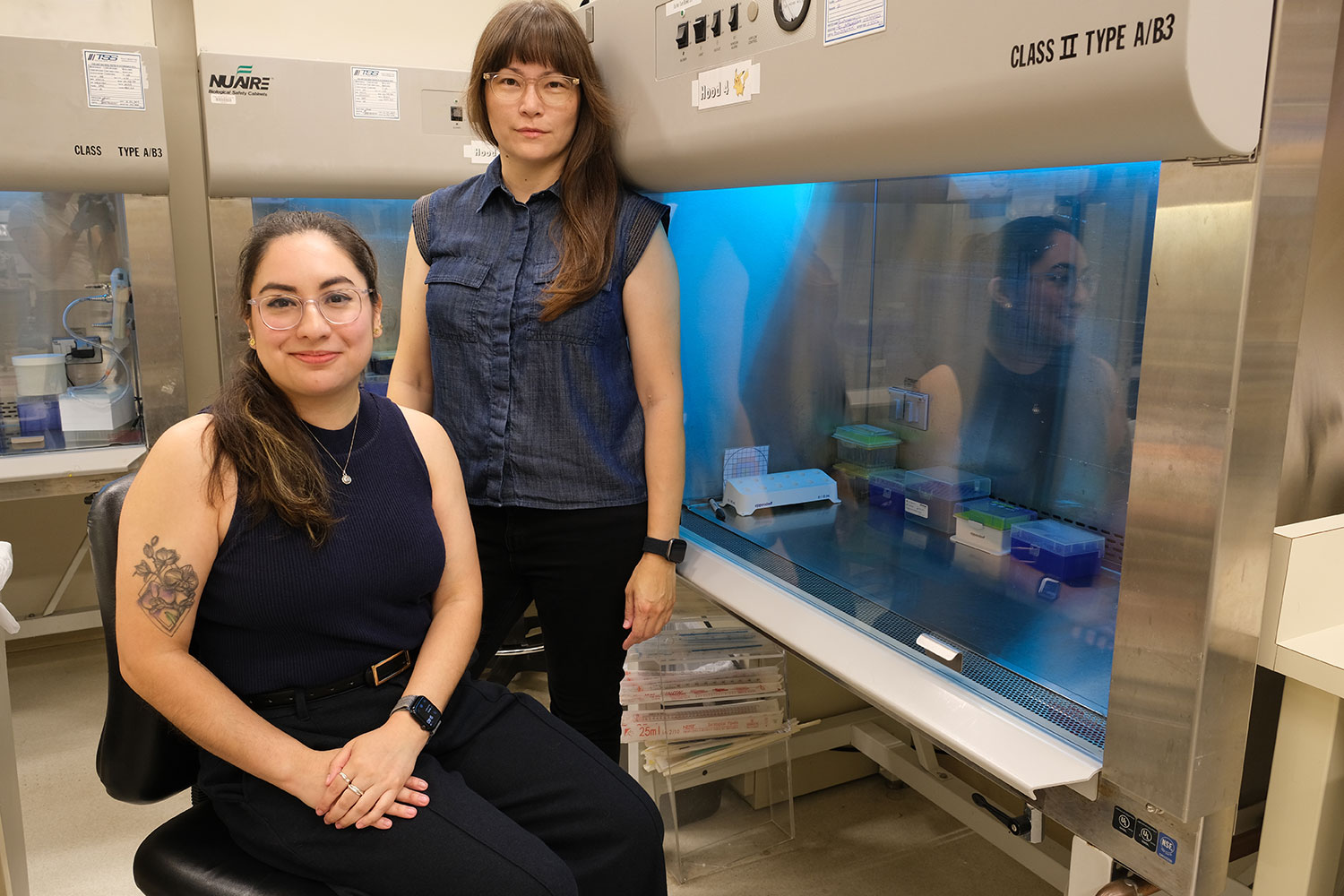
Salk scientists are hoping to change that. In a new study published in Cell Stem Cell on June 30, 2026, the researchers developed a patient-derived organoid platform to uncover how chronic pancreatitis develops at the molecular level and identify possible therapeutic strategies. The platform hinges on organoid technology: miniature organs—in this case, from the pancreas—grown from patient-derived cells that mimic their real-life counterparts.
Using their new platform, the Salk team generated 37 organoids from patients who developed chronic pancreatitis spontaneously, from genetic factors, or other causes. The organoids revealed consistent dysfunction in the protein cystic fibrosis transmembrane conductance regulator (CFTR), which may be a future effective therapeutic target.
“Though patients can have the same clinical diagnosis of chronic pancreatitis, they can have very different underlying molecular drivers of that disease, which makes treatment especially difficult,” says senior author 丹妮尔-恩格尔,博士, assistant professor and Helen McLoraine Developmental Chair at Salk. “Our work breaks down a major barrier in the field by establishing an experimental model that preserves patient-specific disease biology and can be used to develop tailored therapies.”
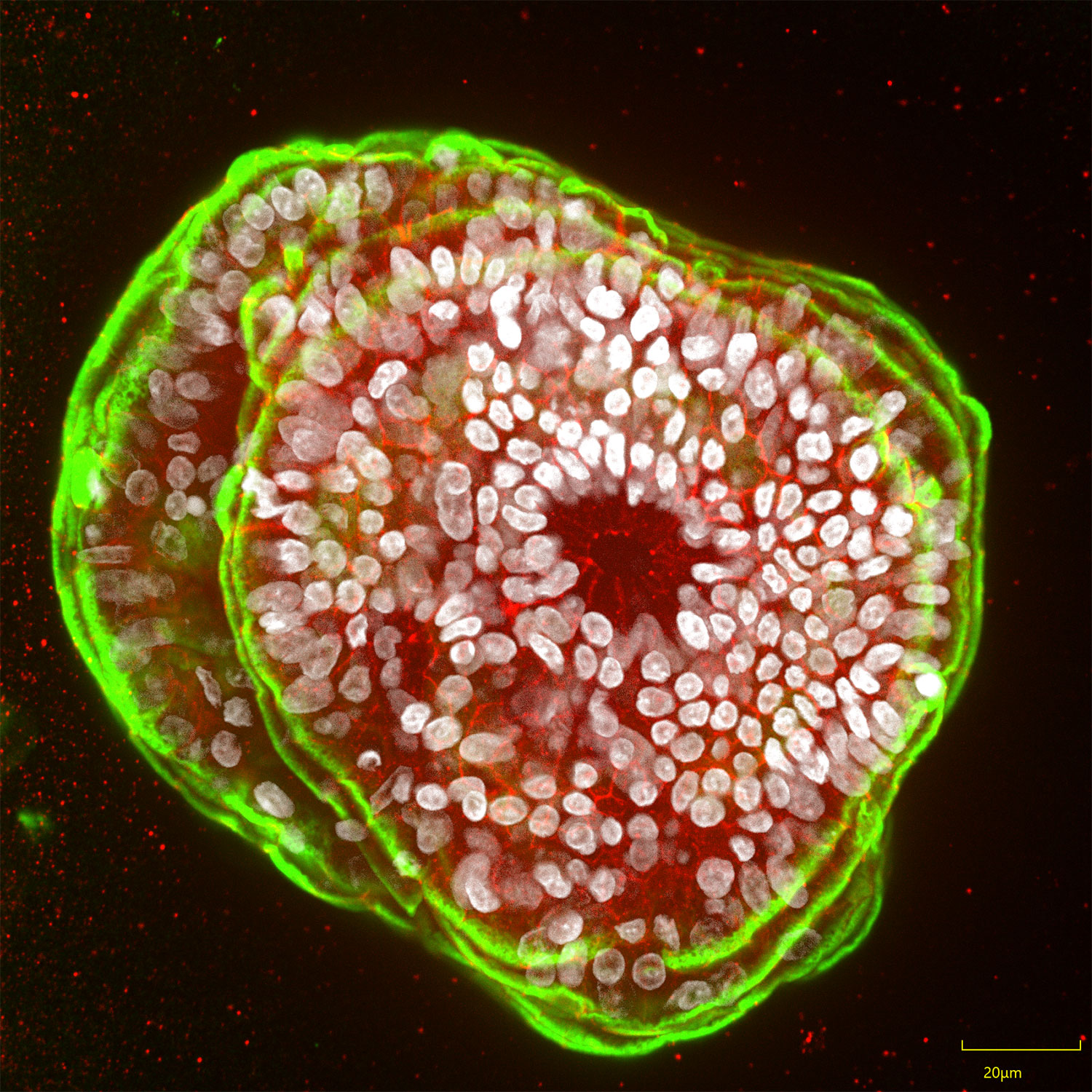
Over the last decade, organoids have become a prevalent tool to bridge the gap between cell and human studies. Organoids can mimic human development and organ generation better than other laboratory systems, allowing researchers to study how drugs or diseases affect human cells in a more realistic setting.
Each organoid starts with cells—typically stem or progenitor cells from patients. In other labs at Salk, skin cells have been used to create miniature replicas of the brain. In Engle’s lab, donor pancreas tissues were used to create miniature replicas of the pancreas. Once established, these 3D organoids can be studied to gain more precise insight into the biology of the tissue they mimic.
Organoids are especially important tools in studying conditions like chronic pancreatitis, where there are many possible causes and, therefore, many possible treatment avenues for patients. Personalized findings based on a patient’s unique organoid mean more effective interventions.
“By growing organoids directly from patients, we preserve key features of ductal cells and ask which disease mechanisms are active in each individual patient,” says first author Victoria Osorio-Vasquez, PhD, a postdoctoral researcher in Engle’s lab.
Thanks to patient donors, the researchers were able to generate 37 patient-derived organoid lines, spanning causes from spontaneous to alcohol-related to hereditary. Each organoid was validated to match the original patient tissue, with key molecules, proteins, and inflammatory factors present.
They surveyed the molecular signatures in each organoid and found three subtypes of chronic pancreatitis. This biology-based stratification of patients may be a better way to classify patients and determine optimal treatment, as opposed to current strategies that base care on the cause of onset.
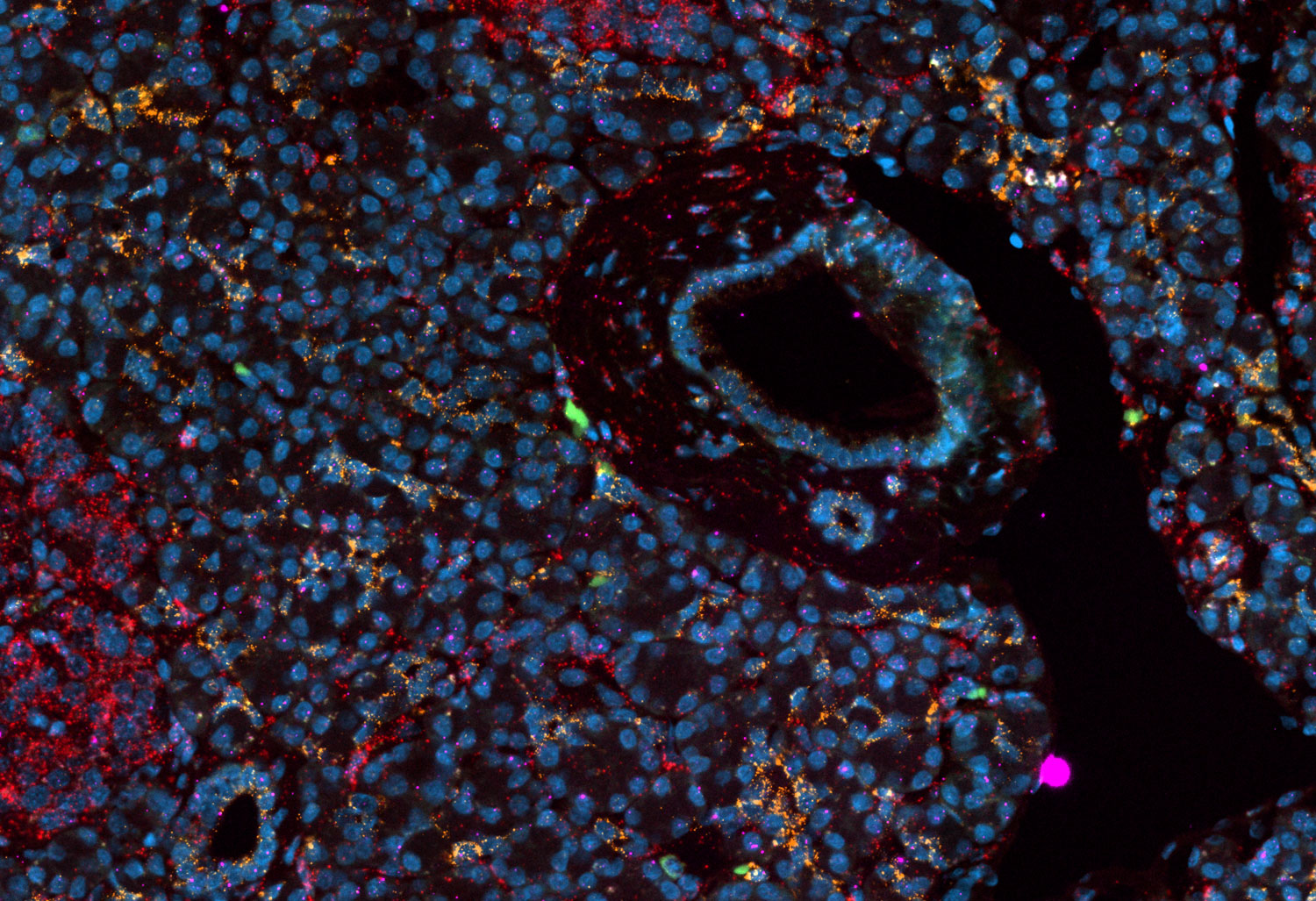
Additionally, the team was surprised to find that approximately half of the organoids had dysfunctional CFTR.
“And CFTR dysfunction was not limited to patients with inherited CFTR mutations, suggesting that functional testing may identify therapeutic opportunities that would be missed by genetic testing alone,” Osorio-Vasquez says.
There already exists a range of CFTR modulator therapies, which were developed for patients with cystic fibrosis. But the Salk team’s findings suggest that these same therapies may offer pancreatic benefits. The researchers tested clinically available CFTR modulators and found they could, in fact, stabilize or restore CFTR function and reduce inflammatory signaling in responsive pancreas organoids. This small success paves the way for follow-up clinical trials.
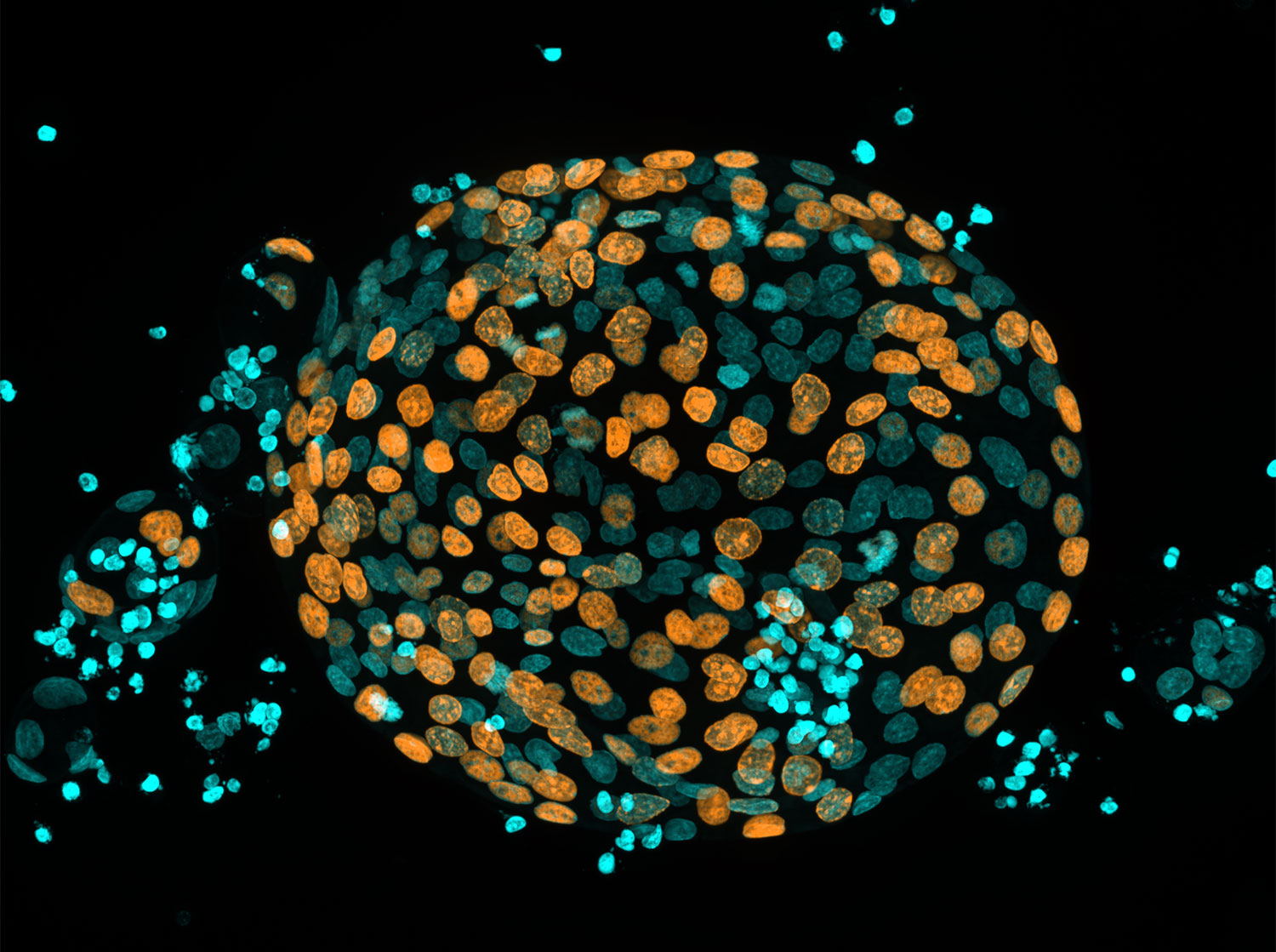
The new organoid platform accelerates chronic pancreatitis research. The Salk team’s findings illustrate this impact, with CFTR therapies offering a promising new avenue for continued study.The platform also revealed rare alterations to genes coding for the proteins KRAS and TP53 in some chronic pancreatitis organoids, supporting future use of the system to study disease evolution, pancreatic cancer risk, and biomarker discovery at the interface of chronic inflammation and pancreatic cancer.
“These organoids gave us a way to study chronic pancreatitis pathogenesis in human cells for the first time,” says Engle. “Our platform enables a more personalized way of studying and eventually treating chronic pancreatitis, while also blazing the trail for other organoid-based platforms in other inflammatory disease contexts.”
Other authors include Jonathan Zhu, Jan Lumibao, Kristina Peck, McKenna Stamp, Shira Okhovat, Satoshi Ogawa, Casie Kubota, Vasiliki Pantazopoulou, Kassidy Curtis, Kahing Kuo, Yang Dai, Angelica Rock, Chelsea Bottomley, Ethan Thomas, Araceli Herrera Morales, Alexandra Fowler, T’Onj McGriff, Garrett Evensen, April Williams, Michael Downes, and Ronald Evans of Salk; Kathryn Lande of Salk and Sanford Burnham Prebys; Hyemin Song and Jasper Hsu of Salk and UC San Diego; Siri Larsen, Muhamad Abdulla, and Melena Bellin of University of Minnesota; Phil Greer and Jessica Gibson of Ariel Precision Medicine; Andrew Lowy, Jingjing Zou, Alfredo Molinolo, Rebekah White, and Herve Tiriac of UC San Diego; David Whitcomb of Ariel Precision Medicine and University of Pittsburgh; and Tae Gyu Oh of University of Oklahoma.
The work was supported by the National Institutes of Health (T32CA009370, T32CA0093790, NCI CCSG: P30CA01495, NlA P30 AG068635, CCSG P30CA23100, NCI P01 CA265762), Howard and Maryam Newman Family Foundation, Helmsley Charitable Trust, Waitt Foundation, Chapman Foundation, Mission Cure Capital, LLC, Lustgarten Foundation, Conrad Prebys Foundation, Paul M. Angell Family Foundation, and Curebound (20DG11).
This press release was written by Isabella Davis
Conact: press@salk.edu
DOI: 10.1016/j.stem.2026.06.002
日记
Cell Stem Cell
作者
Victoria Osorio-Vasquez, Jonathan Zhu, Jan C. Lumibao, Kathryn Lande, Kristina L. Peck, McKenna K. Stamp, Shira R. Okhovat, Hyemin Song, Satoshi Ogawa, Casie S. Kubota, Vasiliki Pantazopoulou, Kassidy Curtis, Kahing Kuo, Yang Dai, Angelica Rock, Chelsea R. Bottomley, Ethan Thomas, Jasper Hsu, Araceli Herrera Morales, Alexandra Fowler, T’Onj McGriff, K. Garrett Evensen, April E. Williams, Siri Larsen, Muhamad Abdulla, Phil Greer, Jessica Gibson, Michael Downes, Ronald Evans, Andrew M. Lowy, David C. Whitcomb, Jingjing Zou, Alfredo Molinolo, Tae Gyu Oh, Rebekah White, Melena Bellin, Herve Tiriac, Dannielle D. Engle
宣传办公室
电话:(858) 453-4100
press@salk.edu
萨尔克研究所是一个独立的非营利性研究机构,由首个安全有效的脊髓灰质炎疫苗的研发者乔纳斯·索尔克于1960年创立。该研究所的使命是推动以合作、敢于冒险为特点的基础性研究,以应对癌症、阿尔茨海默病和农业脆弱性等社会最紧迫的挑战。这项基础科学支撑着所有的转化研究,产生有助于全球新药和创新的见解。.