Home > Scientists & Research > Research Areas > Alzheimer's and Aging


The Salk Institute has a powerful cadre of world-class researchers who focus on understanding the brain and the aging process. They are committed to discovering the fundamental causes of neurodegenerative diseases, ranging from Alzheimer's disease to Parkinson's disease.
In 1513, the Spanish explorer Ponce De Leon explored Florida in search of a mythic spring reputed to turn back the clock for anyone who drank its waters. He never found the Fountain of Youth he sought, but the legend, which dates back to antiquity, has retained its grip on the popular imagination.
Today the explorers are scientists, and the uncharted territory they're searching is confined to the laboratory, but their goal is similar in spirit to that of their predecessors: to uncover the mechanisms that cause us to age, with an eye toward counteracting a host of debilitating conditions that rob humans of their health, productivity, and quality of life.
While the outward manifestations of growing older—gray hair, wrinkles, stiffening joints, slower response times, "senior moments"—are as well-known as the many products advertised to address them, scientists actually know little about how we age. Yet the incentive to uncover the secrets of aging is powerful: Advancing age is the single greatest risk factor for most human diseases, from arthritis and cancer to diabetes and neurodegenerative disorders.
At the Salk Institute, faculty are particularly focused on the causes and possible treatments for age-related neurodegenerative disorders such as Alzheimer's, Parkinson's, and Huntington's diseases, as well as on genetic and metabolic changes that take place as organisms grow old. Working individually and collaboratively across labs and disciplines, they are continuing to uncover novel insights that expand knowledge and promise to enhance quality of life for an aging population.
Salk scientists develop drug that slows Alzheimer's in mice
May 14, 2013
The neuroscience of finding your lost keys
March 21, 2013
Chromosome "anchors" organize DNA during cell division
December 20, 2012
Salk study finds diabetes raises levels of proteins linked to Alzheimer's features
October 26, 2012
Salk scientists pinpoint key player in Parkinson's disease neuron loss
October 19, 2012
Discovery of extremely long-lived proteins may provide insight into cell aging and neurodegenerative diseases
February 3, 2012
Alzheimer's drug candidate may be first to prevent disease progression
December 14, 2011
Fruit fly intestine may hold secret to the fountain of youth
November 2, 2011
Hungering for longevity—Salk scientists identify the confluence of aging signals
February 17, 2011
How cells running on empty trigger fuel recycling
December 23, 2010
Work-life balance: Brain stem cells need their rest, too
July 1, 2010
Nicotinic Receptor May Help Trigger Alzheimer's Disease
August 13, 2009
Repairing a 'bad' reputation?
April 21, 2009
Alzheimer's drug candidate may be first to prevent disease progression
December 14, 2011
Discovery of extremely long-lived proteins may provide insight into cell aging and neurodegenerative diseases
February 3, 2012
May 14, 2013
A drug developed by scientists at the Salk Institute for Biological Studies, known as J147, reverses memory deficits and slows Alzheimer's disease in aged mice following short-term treatment. The findings, published May 14 in the journal Alzheimer's Research and Therapy, may pave the way to a new treatment for Alzheimer's disease in humans. Read more>>
December 14, 2011
A new drug candidate may be the first capable of halting the devastating mental decline of Alzheimer's disease, based on the findings of a study published in PLoS ONE.
When given to mice with Alzheimer's, the drug, known as J147, improved memory and prevented brain damage caused by the disease. The new compound, developed by scientists at the Salk Institute for Biological Studies, could be tested for treatment of the disease in humans in the near future. Read more>>
One of the big mysteries in biology is why cells age. Now scientists at the Salk Institute for Biological Studies report that they have discovered a weakness in a component of brain cells that may explain how the aging process occurs in the brain.
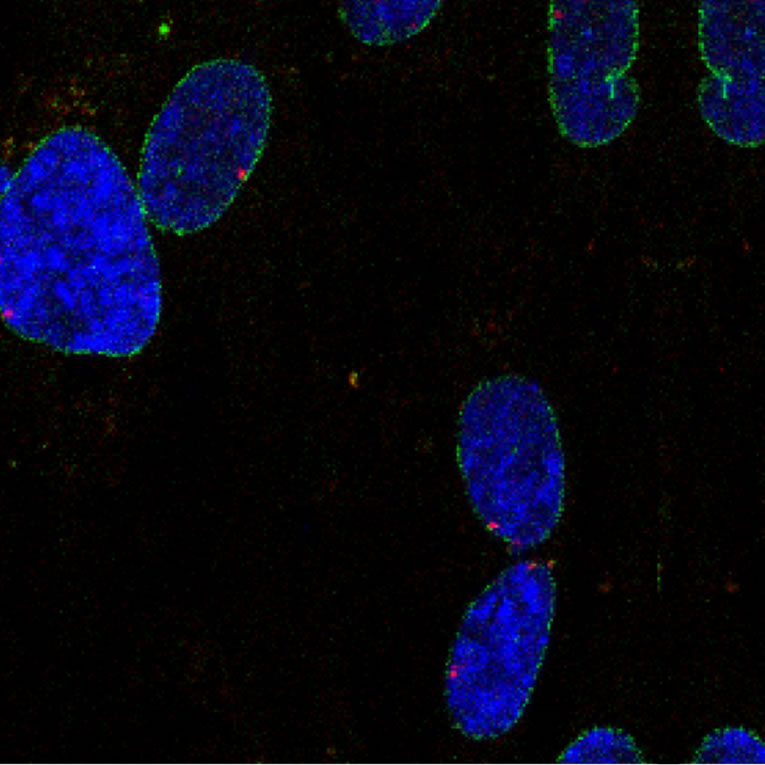
The scientists discovered that certain proteins, called extremely long-lived proteins (ELLPs), which are found on the surface of the nucleus of neurons, have a remarkably long lifespan. Read more>>