Recent Discoveries
LA JOLLA—Our population is aging. The United Nations reports that by 2050, the number of people over the age of 85 on our planet is set to triple. But a longer life span isn’t the same as a longer healthspan (the number of years we spend healthy). Salk Institute scientists are working to change that through foundational research that explores the cellular mechanisms driving age-related dysfunction.
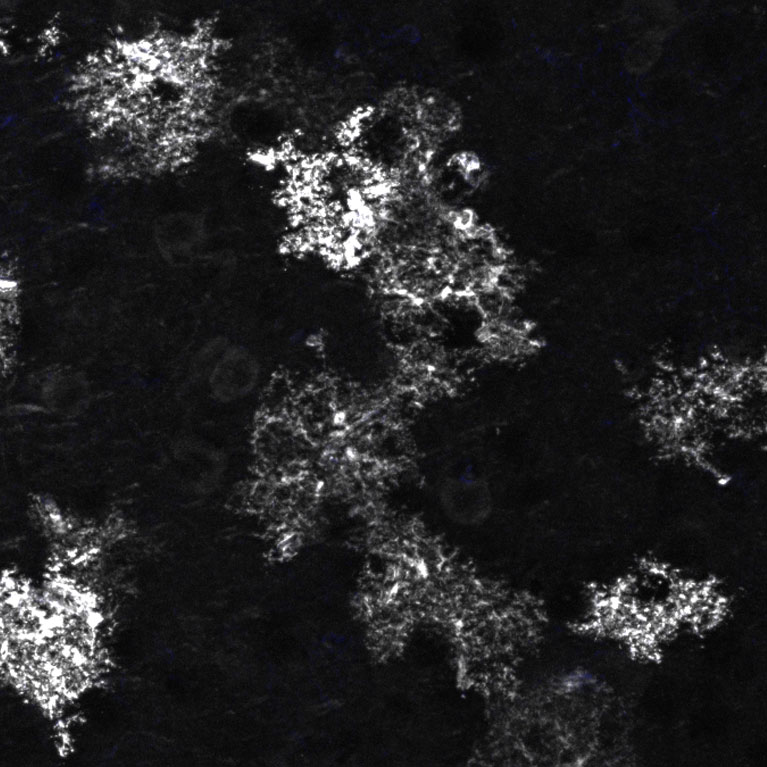
LA JOLLA—Neurodegenerative diseases affect tens of millions of people worldwide. Among these, Alzheimer’s and Parkinson’s diseases are the most common; in the United States alone, the Alzheimer’s Disease Association and Parkinson’s Foundation report roughly 7 million people with Alzheimer’s and another million with Parkinson’s. An intriguing clue lies in the tangled mystery of neurodegeneration that scientists are working to solve: iron accumulation.
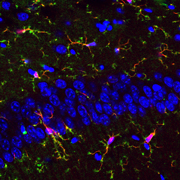
LA JOLLA—Neurodegenerative diseases affect more than 57 million people globally. The incidence of these diseases, from Alzheimer’s to Parkinson’s to ALS and beyond, is expected to double every 20 years. Though scientists know aging is a major risk factor for neurodegenerative diseases, the full mechanisms behind aging’s impact remain unclear.
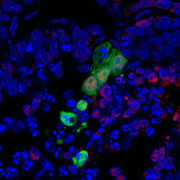
LA JOLLA—Dealing with an infection isn’t as straightforward as simply killing the pathogen. The body also needs to carefully steer and monitor its immune response to prevent collateral damage. This regulation, called disease tolerance, is crucial to protecting our tissues while the immune system tackles the infection head-on.
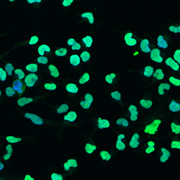
LA JOLLA—Young minds are easily molded. Each new experience rewires a child’s brain circuitry, adding and removing synaptic connections between neurons. These wiring patterns become more stable with age, but biology has left some wiggle room to ensure that adult brains can still adapt and refine their circuitry as needed. This flexibility is called neuroplasticity, and our ability to learn, make new memories, and recover from injury all depend on it.
LA JOLLA—Salk faculty members Joseph Ecker, PhD, Ronald Evans, PhD, Rusty Gage, PhD, Christian Metallo, PhD, Satchidananda Panda, PhD, Reuben Shaw, PhD, and Kay Tye, PhD, as well as research assistant Joseph Nery have all been named in this year’s Highly Cited Researchers list by Clarivate. The 2025 list includes 6,868 researchers from 60 countries who have demonstrated “significant and broad influence in their fields of research.”
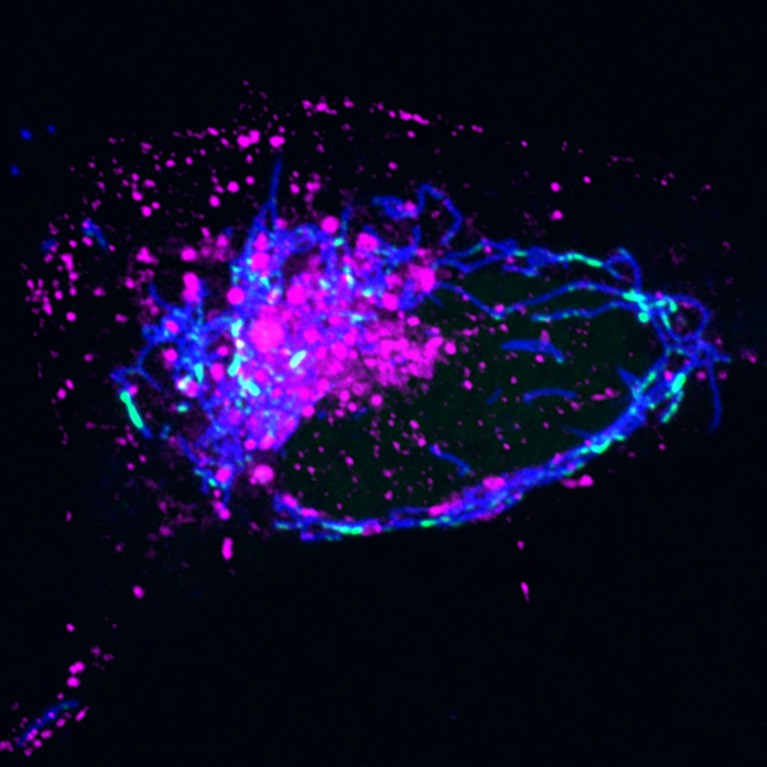
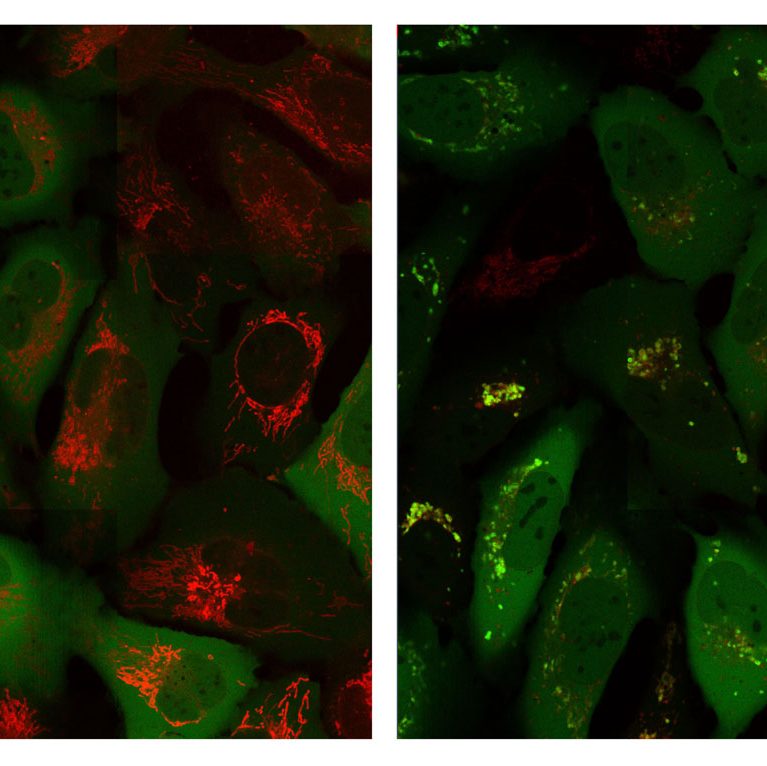
LA JOLLA—Like bees breathing life into gardens, providing pollen and making flowers blossom, little cellular machines called mitochondria breathe life into our bodies, buzzing with energy as they produce the fuel that powers each of our cells. Maintaining mitochondrial metabolism requires input from many molecules and proteins—some of which have yet to be discovered.
LA JOLLA—Salk Institute Professor Satchidananda Panda has been named a semifinalist in the XPRIZE Healthspan competition. Panda’s team is known for its expertise in circadian rhythms, the body’s internal timetable that determines the timing of our behaviors, such as sleep and wakefulness, and almost every bodily function.
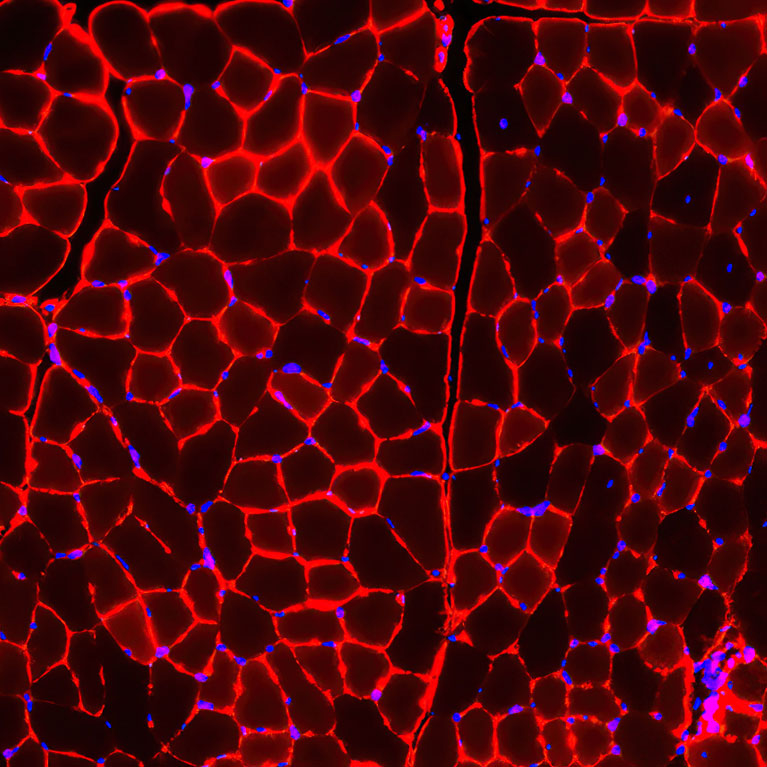
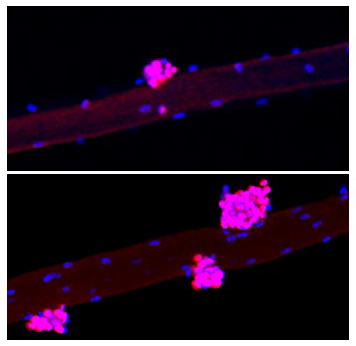
LA JOLLA—About one in eight adults in the United States has tried or currently uses a GLP-1 medication, and a quarter of those users cite weight loss as their main goal. But weight loss doesn’t discriminate between fat and muscle. Patients using GLP-1 drugs can experience rapid and substantial muscle loss, accounting for as much as 40% of their total weight loss. So how can we lose weight without also losing critical muscle?
LA JOLLA—Excess cholesterol is known to form artery-clogging plaques that can lead to stroke, arterial disease, heart attack, and more, making it the focus of many heart health campaigns. Fortunately, this attention to cholesterol has prompted the development of cholesterol-lowering drugs called statins and lifestyle interventions like dietary and exercise regimens. But what if there’s more to the picture than just cholesterol?
LA JOLLA—The National Institutes of Health (NIH) has selected Salk Associate Professor Nicola Allen to receive a 2024 NIH Director’s Pioneer Award. The award recognizes exceptionally creative scientists pursuing highly innovative research and groundbreaking approaches to major challenges in biomedical, behavioral, or social sciences.
LA JOLLA—Scientists at the Salk Institute are unveiling a new brain-mapping neurotechnology called Single Transcriptome Assisted Rabies Tracing (START). The cutting-edge tool combines two advanced technologies—monosynaptic rabies virus tracing and single-cell transcriptomics—to map the brain’s intricate neuronal connections with unparalleled precision.
LA JOLLA—More than one-third of adults in the United States have metabolic syndrome, a cluster of conditions that significantly raise a person’s risk of heart disease, stroke, and type 2 diabetes. These conditions include high blood pressure, elevated blood sugar, excess abdominal fat, and abnormal cholesterol levels.
LA JOLLA—The Salk Institute was awarded $3.6 million by the California Institute for Regenerative Medicine (CIRM), one of the world’s largest institutions dedicated to regenerative medicine. Salk Professor Rusty Gage will lead the new CIRM-funded Shared Resources Laboratory focused on stem cell-based models of aging and neurodegeneration.
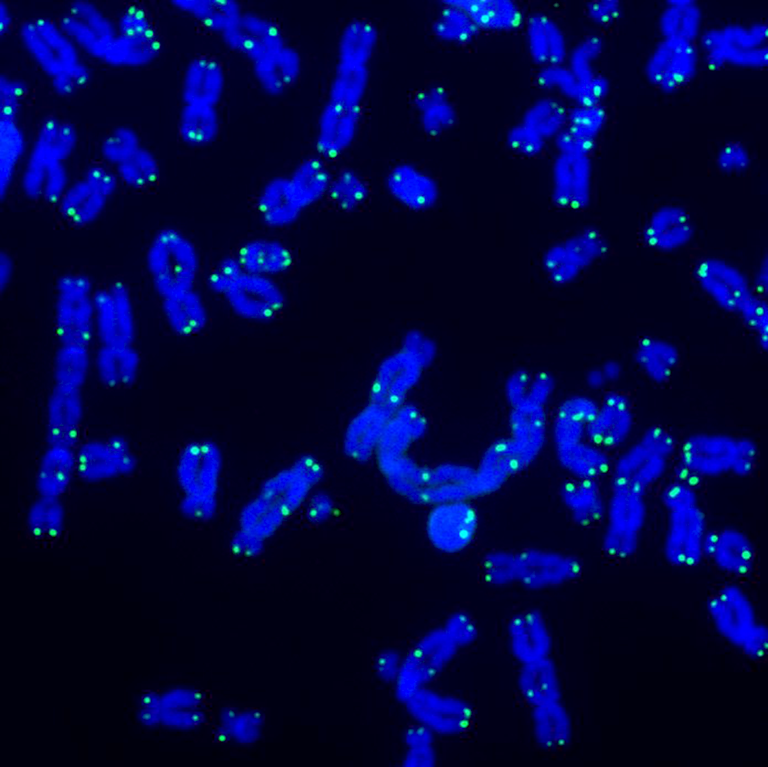
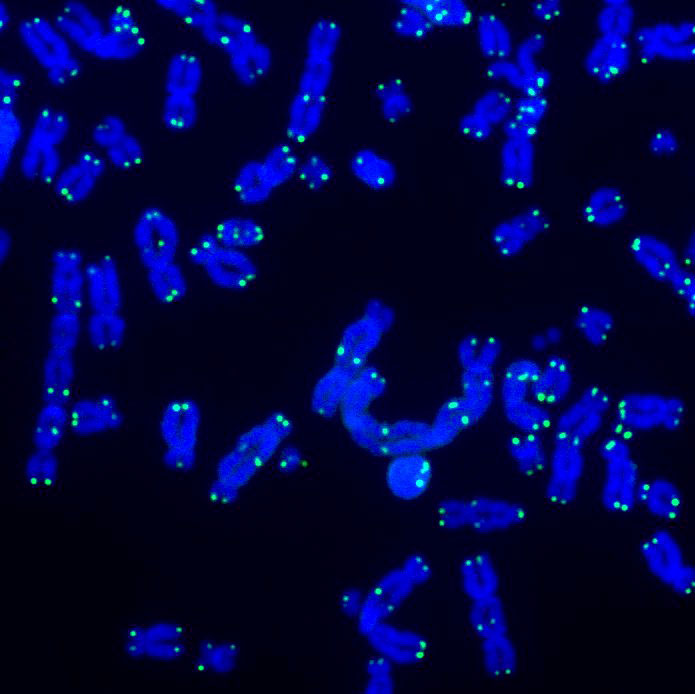
LA JOLLA—Within each of our cells, long strands of DNA are folded into chromosomes and capped with protective structures called telomeres. But telomeres shorten as we age, eventually getting so whittled down that our chromosomes become exposed, and our cells die. However, the specifics of when and how this shortening occurs and whether certain chromosomes are more affected than others have been unclear—until now.
LA JOLLA—Uno de cada 10 individuos mayores de 65 años desarrolla un trastorno neurológico relacionado con la edad, como el Alzheimer o el Parkinson, pero las opciones de tratamiento siguen siendo escasas para esta población. Los científicos han comenzado a explorar si los cannabinoides —compuestos derivados de la planta de cannabis, como el conocido THC (tetrahidrocannabinol) y el CBD (cannabidiol)— podrían ofrecer una solución. Un tercer cannabinoide, menos conocido, llamado CBN (cannabinol), ha despertado recientemente el interés de los investigadores, quienes han empezado a explorar el potencial clínico de esta sustancia más suave y menos psicoactiva.
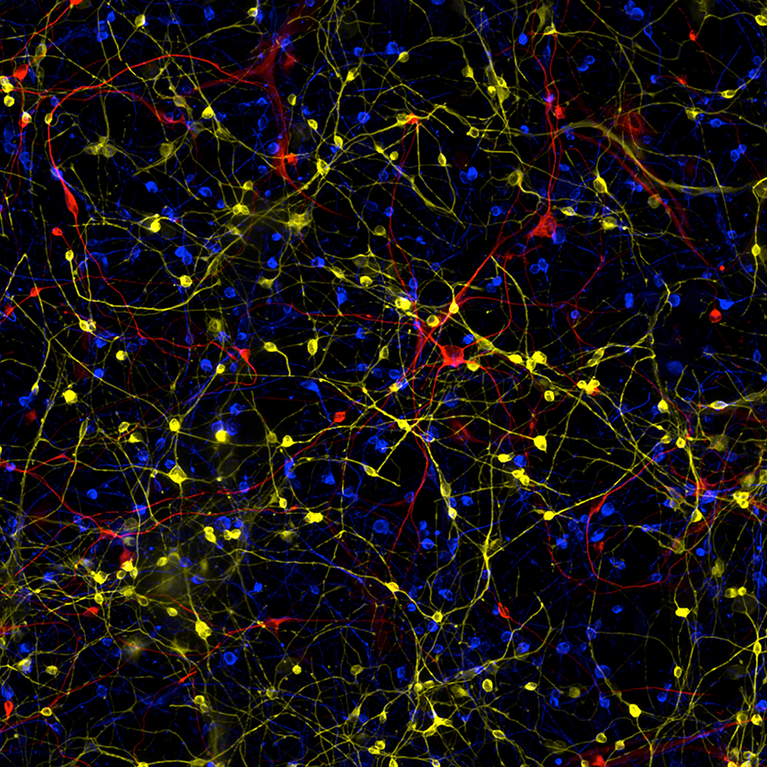
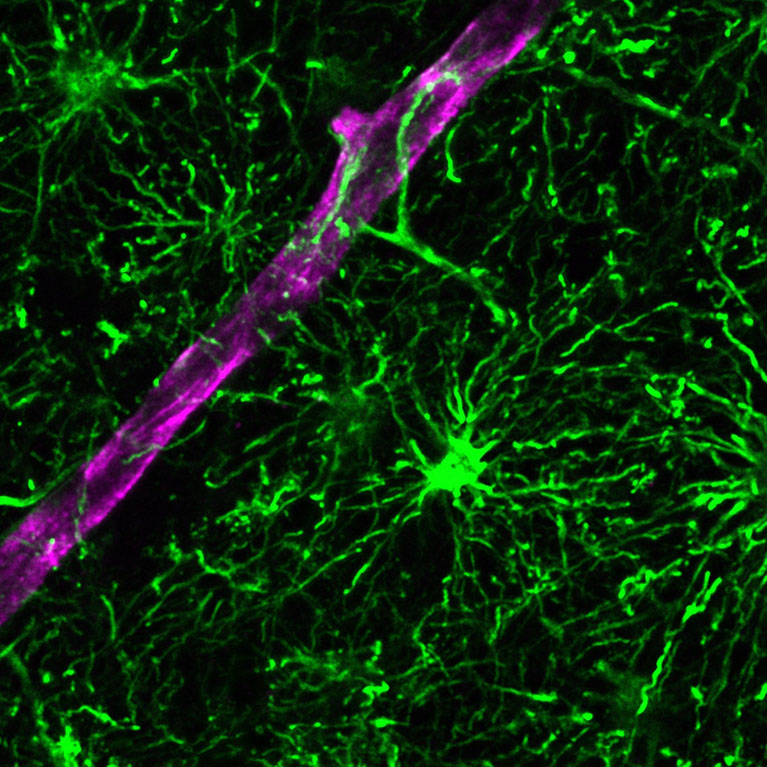
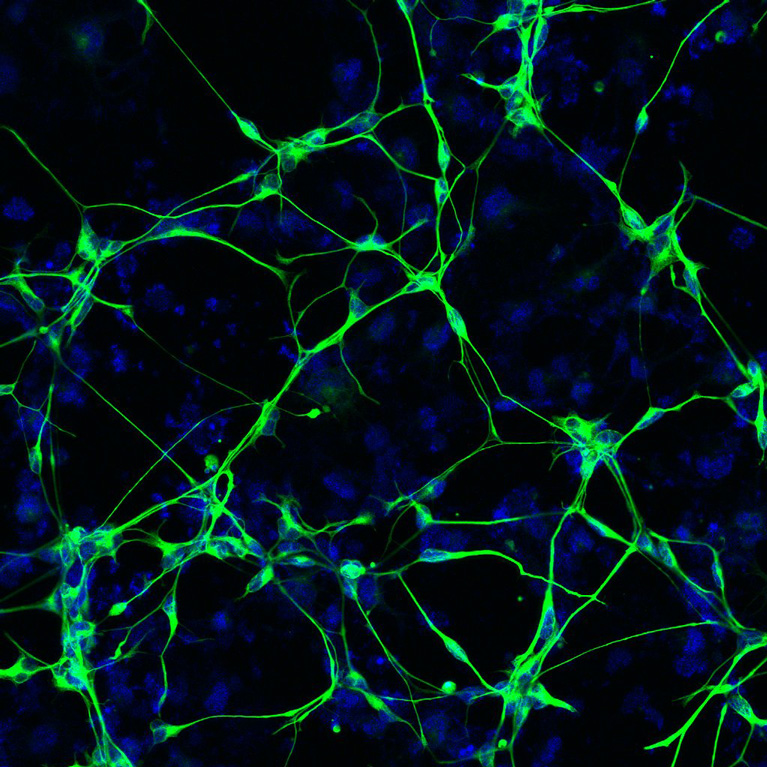
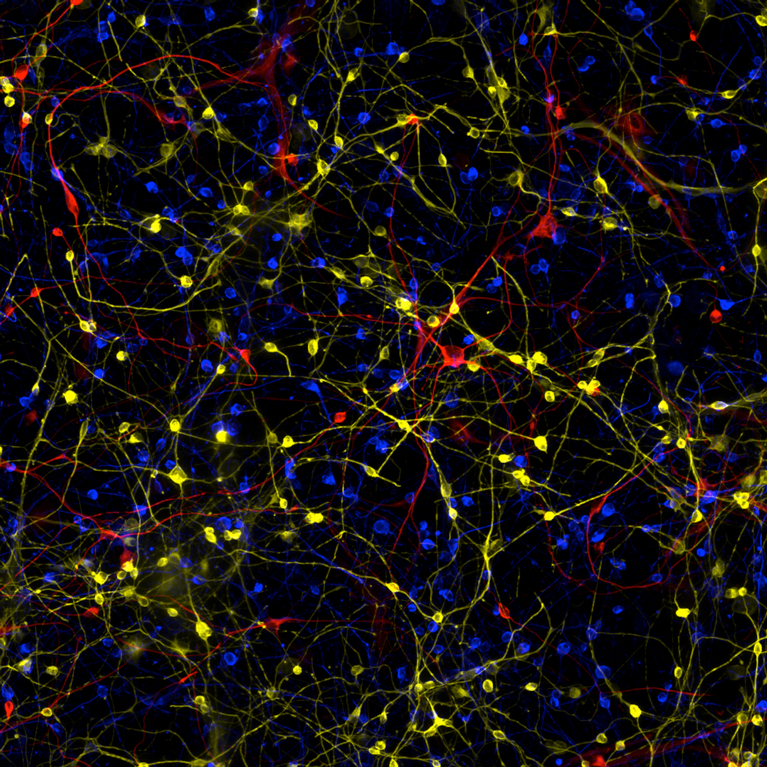
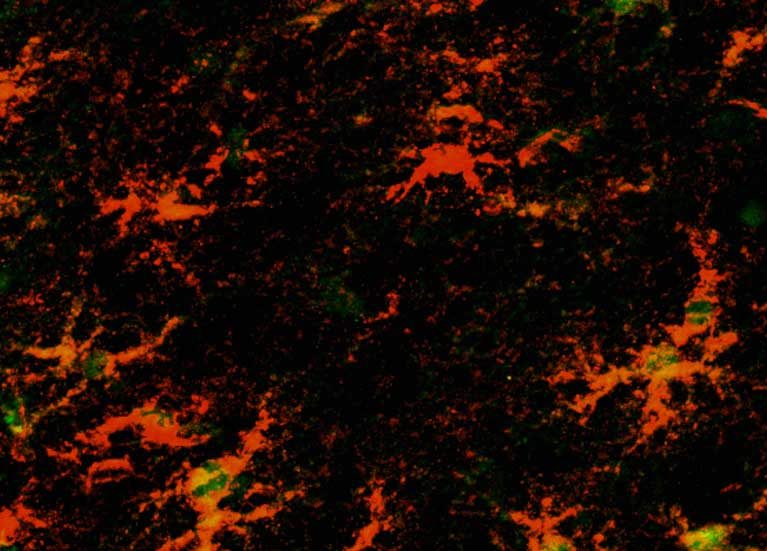
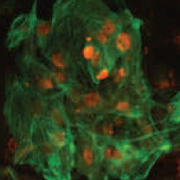
LA JOLLA—The brain is typically depicted as a complex web of neurons sending and receiving messages. But neurons only make up half of the human brain. The other half—roughly 85 billion cells—are non-neuronal cells called glia. The most common type of glial cells are astrocytes, which are important for supporting neuronal health and activity. Despite this, most existing laboratory models of the human brain fail to include astrocytes at sufficient levels or at all, which limits the models’ utility for studying brain health and disease.
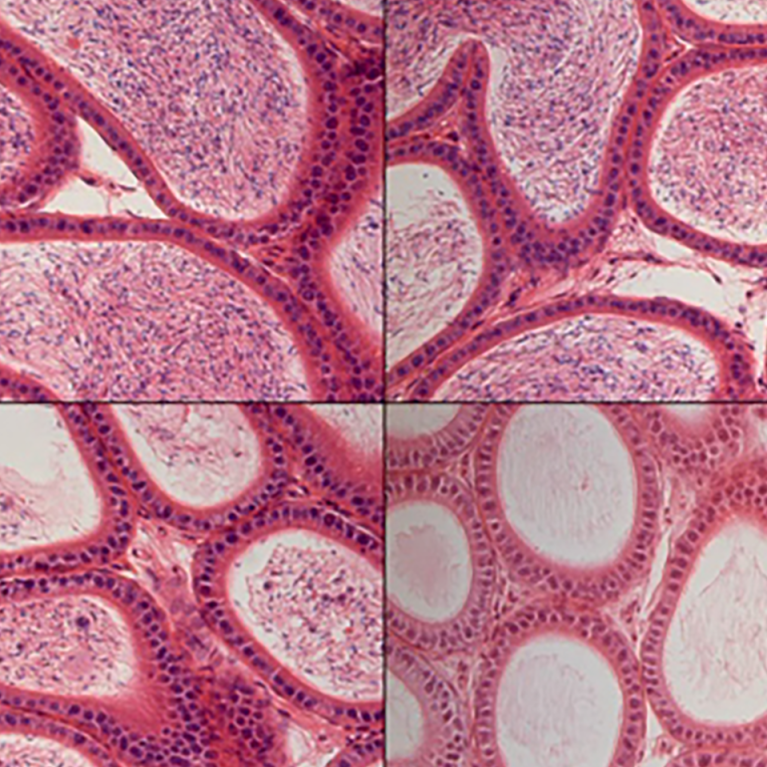
LA JOLLA—Surveys show most men in the United States are interested in using male contraceptives, yet their options remain limited to unreliable condoms or invasive vasectomies. Recent attempts to develop drugs that block sperm production, maturation, or fertilization have had limited success, providing incomplete protection or severe side effects. New approaches to male contraception are needed, but because sperm development is so complex, researchers have struggled to identify parts of the process that can be safely and effectively tinkered with.
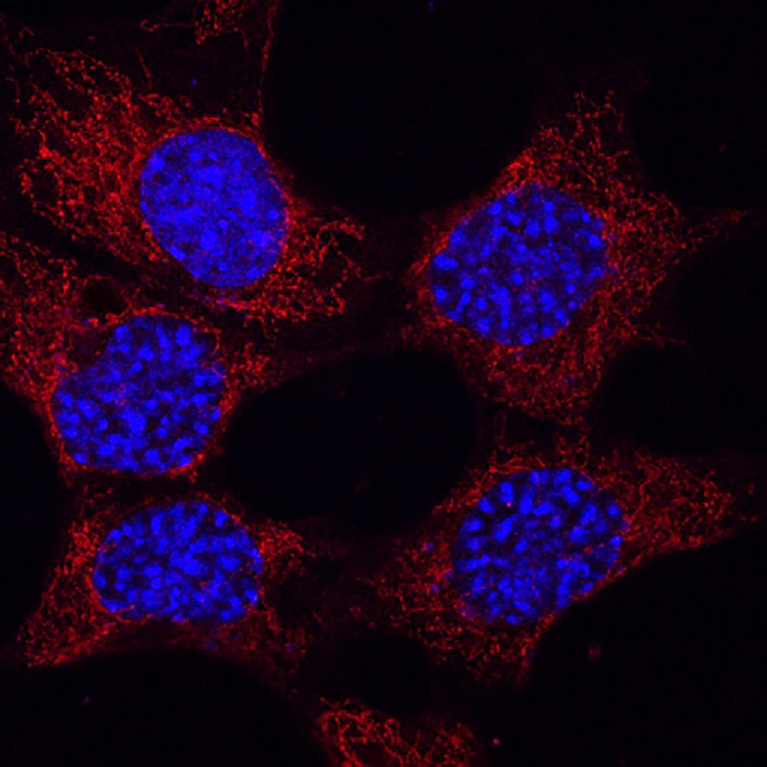
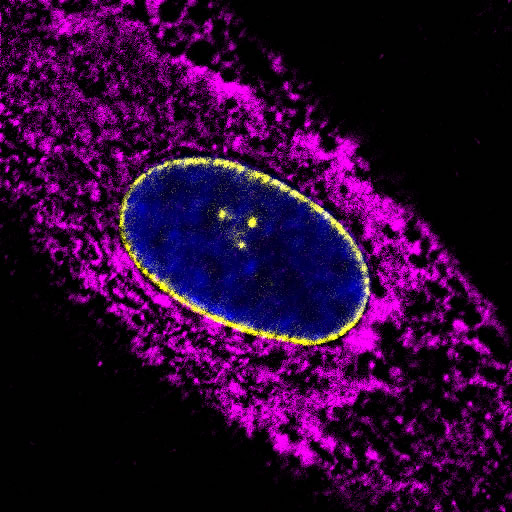
LA JOLLA—Cells in the human body contain power-generating mitochondria, each with their own mtDNA—a unique set of genetic instructions entirely separate from the cell’s nuclear DNA that mitochondria use to create life-giving energy. When mtDNA remains where it belongs (inside of mitochondria), it sustains both mitochondrial and cellular health—but when it goes where it doesn’t belong, it can initiate an immune response that promotes inflammation.
LA JOLLA—Salk Institute Professor Rusty Gage and Assistant Professor Pallav Kosuri have been awarded $1.3 million by the W. M. Keck Foundation to fund a novel investigation into the way brain and heart cell functions decline over time due to ribosubstitution events—cellular repair of DNA damage with RNA building blocks rather than DNA building blocks. The award combines the biological discovery of ribosubstitution made by Senior Research Associate Jeff Jones in Gage’s lab with the technological advancements established by Postdoctoral Researcher Yuening Liu in Kosuri’s lab. The W. M. Keck Foundation was established with the goal of generating far-reaching benefits for humanity by supporting outstanding science, engineering, and medical research.
LA JOLLA—The Salk Institute and Autobahn Labs, an early-stage drug discovery incubator, will work together to identify and advance promising initial scientific discoveries through the preliminary steps of drug discovery and development. Autobahn Labs will invest up to $5 million per project for Salk discoveries that require access to drug development expertise and state-of-the art capabilities.
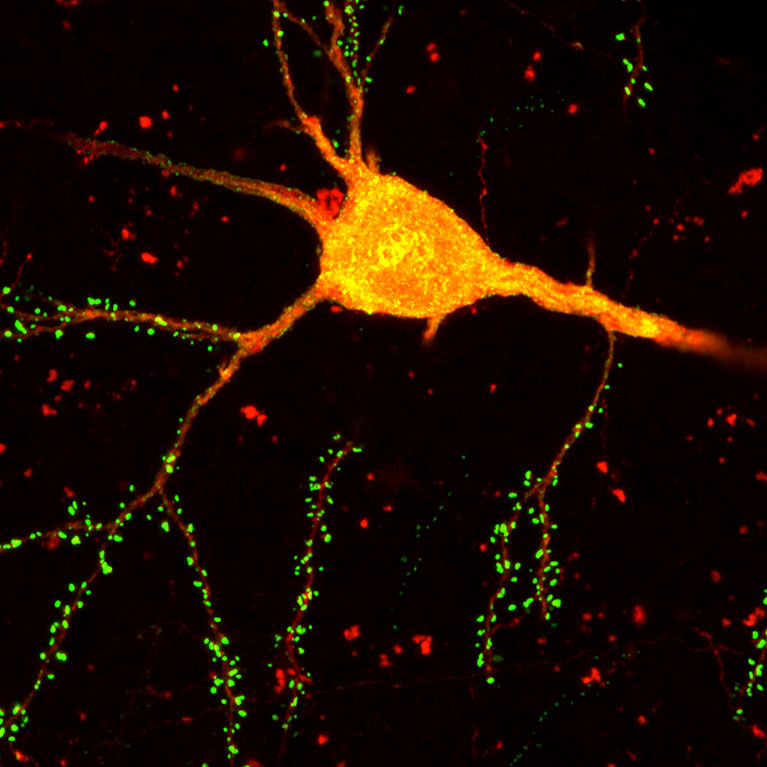
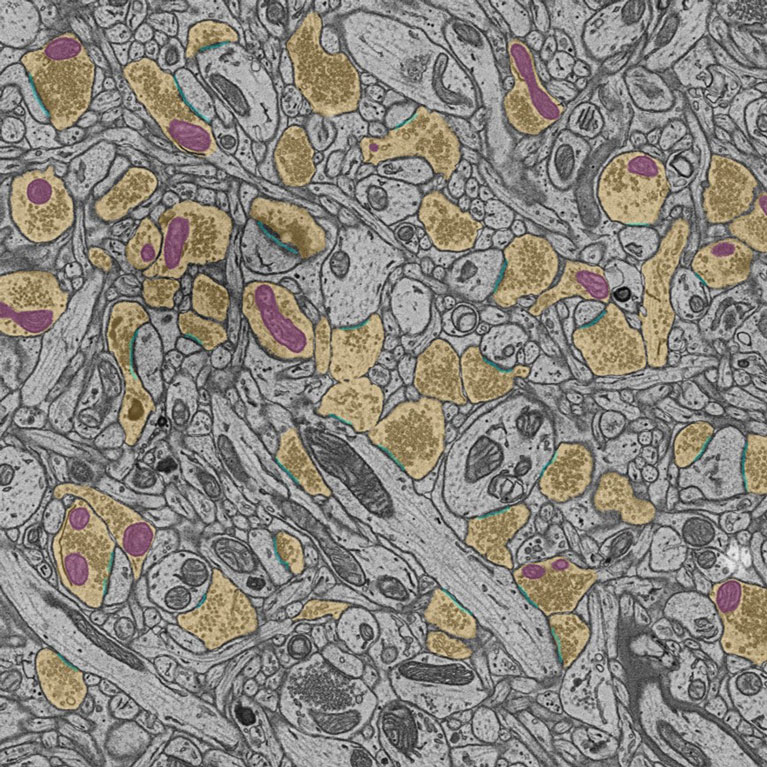
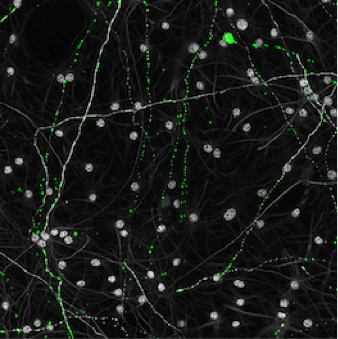
LA JOLLA—Brains are like puzzles, requiring many nested and codependent pieces to function well. The brain is divided into areas, each containing many millions of neurons connected across thousands of synapses. These synapses, which enable communication between neurons, depend on even smaller structures: message-sending boutons (swollen bulbs at the branch-like tips of neurons), message-receiving dendrites (complementary branch-like structures for receiving bouton messages), and power-generating mitochondria. To create a cohesive brain, all these pieces must be accounted for.
LA JOLLA—As we age, the end caps of our chromosomes, called telomeres, gradually shorten. Now, Salk scientists have discovered that when telomeres become very short, they communicate with mitochondria, the cell’s powerhouses. This communication triggers a complex set of signaling pathways and initiates an inflammatory response that destroys cells that could otherwise become cancerous.
LA JOLLA—A pesar de décadas de investigación, la enfermedad de Alzheimer sigue siendo una demencia debilitante y, finalmente, mortal sin opciones de tratamiento efectivas. Más del 95 por ciento de los casos de enfermedad de Alzheimer no tienen un origen conocido. Ahora, científicos del Salk Institute han descubierto que las neuronas de personas con enfermedad de Alzheimer muestran deterioro y sufren un proceso de estrés en la vejez llamado senescencia. Estas neuronas presentan una pérdida de actividad funcional, metabolismo alterado e inflamación cerebral aumentada.
LA JOLLA—Aging involves complicated plot twists and a large cast of characters: inflammation, stress, metabolism changes, and many others. Now, a team of Salk Institute and UC San Diego scientists reveal another factor implicated in the aging process—a class of lipids called SGDGs (3-sulfogalactosyl diacylglycerols) that decline in the brain with age and may have anti-inflammatory effects.
LA JOLLA—El Centro de Excelencia en Biología Básica del Envejecimiento Nathan de San Diego, una colaboración entre el Salk Institute, la UC San Diego y Sanford Burnham Prebys, recibió nueva financiación de los Institutos Nacionales de Salud (NIH) para incorporar a participantes del Estudio de Envejecimiento Saludable de Rancho Bernardo a su propia cohorte clínica para estudiar las diferencias en cómo envejecen los individuos. Iniciado hace 50 años por la Dra. Elizabeth Barrett-Connor, distinguida profesora emérita de la UC San Diego, el Estudio de Rancho Bernardo es uno de los estudios financiados de forma continua por los NIH de mayor duración existente.
LA JOLLA—Firefighters are the heroes of our society, protecting us around the clock. But those 24-hour shifts are hard on the body and increase the risk of cardiometabolic diseases, such as heart disease and diabetes, as well as cancer. In collaboration with the San Diego Fire-Rescue Department, scientists from the Salk Institute and UC San Diego Health conducted a clinical trial and found that time-restricted eating improved measures of health and wellbeing in firefighters. The lifestyle intervention only required the firefighters to eat during a 10-hour window and did not involve skipping meals.
LA JOLLA—A stretch of DNA that hops around the human genome plays a role in premature aging disorders, scientists at the Salk Institute and King Abdullah University of Science and Technology (KAUST) in Saudi Arabia have discovered. In people with early aging, or progeria, RNA encoded by this mobile DNA builds up inside cells. What’s more, the scientists found that blocking this RNA reverses the disease in mice.
LA JOLLA— Mitochondria are known as cells’ powerhouses, but mounting evidence suggests they also play a role in inflammation. Scientists from the Salk Institute and UC San Diego published new findings in Inmunidad on August 2, 2022, where they examined human blood cells and discovered a surprising link between mitochondria, inflammation and DNMT3A and TET2—two genes that normally help regulate blood cell growth but, when mutated, are associated with an increased risk of atherosclerosis.
LA JOLLA—Mammals can’t typically regenerate organs as efficiently as other vertebrates, such as fish and lizards. Now, Salk scientists have found a way to partially reset liver cells to more youthful states—allowing them to heal damaged tissue at a faster rate than previously observed. The results, published in Cell Reports on April 26, 2022, reveal that the use of reprogramming molecules can improve cell growth, leading to better liver tissue regeneration in mice.
LA JOLLA—La edad puede ser solo un número, pero es un número que a menudo conlleva efectos secundarios no deseados, desde huesos frágiles y músculos más débiles hasta un mayor riesgo de enfermedades cardiovasculares y cáncer. Ahora, científicos del Instituto Salk, en colaboración con Genentech, miembro del grupo Roche, han demostrado que pueden revertir de forma segura y eficaz el proceso de envejecimiento en ratones de mediana y avanzada edad, restableciendo parcialmente sus células a estados más juveniles. El estudio se publicó en Envejecimiento Natural el 7 de marzo de 2022.
LA JOLLA—The Salk Institute announced today that Professor Juan Carlos Izpisua Belmonte, a world-renowned researcher who has pioneered innovations in developmental biology, regenerative medicine and aging research at the Salk Institute, will be closing his Salk laboratory to join Altos Labs, a newly created life sciences company centered on human health research. Izpisua Belmonte, who has been at Salk for nearly thirty years, will depart to lead the San Diego division of Altos Institutes of Science to study cellular rejuvenation programming with the goal of improving human health.
LA JOLLA—The San Diego Nathan Shock Center (SD-NSC) of Excellence in the Basic Biology of Aging, a consortium between the Salk Institute for Biological Studies, Sanford Burnham Prebys (SBP) and the University of California San Diego, has announced its second-year class of pilot grant awardees. Recipients from six different institutions will receive up to $15,000 to pursue research that advances our understanding of how humans age, with the ultimate goal of extending health span, the number of years of healthy, disease-free life.
LA JOLLA—Las mitocondrias son conocidas como las centrales eléctricas de la célula, ya que generan la energía necesaria para impulsar las funciones que nuestras células llevan a cabo. Ahora, científicos del Instituto Salk y de la Universidad de California en San Diego (UCSD) han examinado más de cerca cómo se mantienen las mitocondrias en células no divisibles, como las neuronas, con el objetivo final de comprender mejor cómo prevenir o tratar enfermedades relacionadas con la edad. Los investigadores descubrieron que muchas de las proteínas en las mitocondrias duran mucho más de lo esperado y que esta estabilidad probablemente las protege del daño. Los hallazgos se publicaron el 28 de octubre de 2021 en Cellular Development.
LA JOLLA—Profesor de Sanford Burnham Prebys Peter D. Adams, quien dirige la Programa de envejecimiento, cáncer e inmuno-oncología, y Profesor del Instituto Salk Gerald Shadel, quien dirige la Centro Nathan Shock de Excelencia en Biología Básica del Envejecimiento de San Diego, recibieron una subvención de $13 millones del Instituto Nacional sobre el Envejecimiento de los NIH, para financiar un proyecto de cinco años que explorará la conexión entre el envejecimiento y el cáncer de hígado.
LA JOLLA—One of the many effects of aging is loss of muscle mass, which contributes to disability in older people. To counter this loss, scientists at the Salk Institute are studying ways to accelerate the regeneration of muscle tissue, using a combination of molecular compounds that are commonly used in stem-cell research.
LA JOLLA—Despite the prevalence of Alzheimer’s, there are still no treatments, in part because it has been challenging to study how the disease develops. Now, scientists at the Salk Institute have uncovered new insights into what goes awry during Alzheimer’s by growing neurons that resemble—more accurately than ever before—brain cells in older patients. And like patients themselves, the afflicted neurons appear to lose their cellular identity.
LA JOLLA—The San Diego Nathan Shock Center (SD-NSC) of Excellence in the Basic Biology of Aging, a consortium between the Salk Institute for Biological Studies, Sanford Burnham Prebys (SBP) Medical Discovery Institute and the University of California San Diego, has announced the first class of pilot grant awardees at the center’s inaugural training workshop. Six recipients, each from a different institution, will receive up to $15,000 to pursue research that advances our understanding of how humans age, with the ultimate goal of extending the number of years of healthy, disease-free life (i.e., health span).
LA JOLLA—The ability to grow the cells of one species within an organism of a different species offers scientists a powerful tool for research and medicine. It’s an approach that could advance our understanding of early human development, disease onset and progression and aging; provide innovative platforms for drug evaluation; and address the critical need for transplantable organs. Yet developing such capabilities has been a formidable challenge.
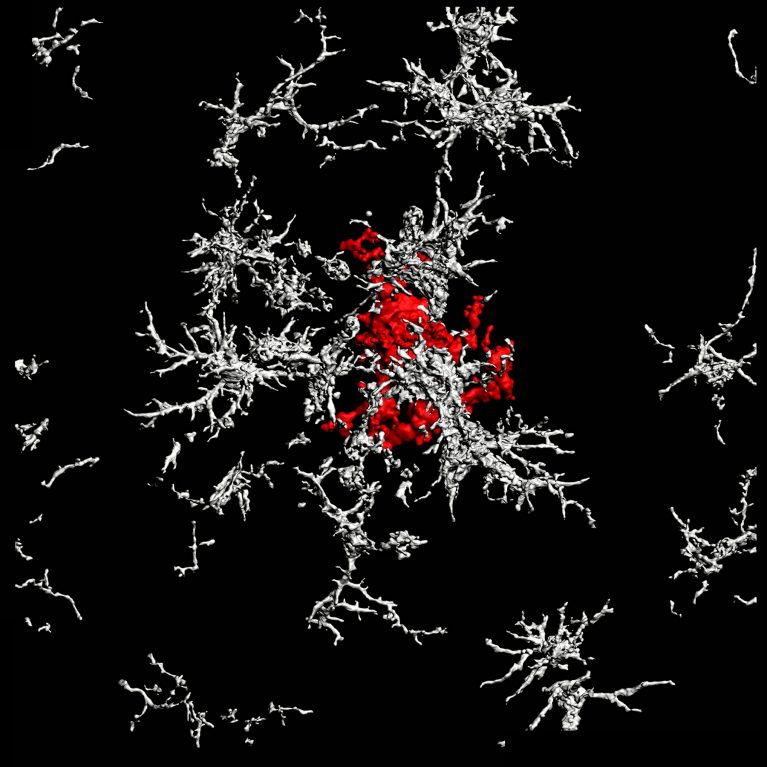
LA JOLLA—One of the characteristic hallmarks of Alzheimer’s disease (AD) is the buildup of amyloid-beta plaques in the brain. Most therapies designed to treat AD target these plaques, but they’ve largely failed in clinical trials. New research by Salk scientists upends conventional views of the origin of one prevalent type of plaque, indicating a reason why treatments have been unsuccessful.
LA JOLLA—When cells are stressed, chemical alarms go off, setting in motion a flurry of activity that protects the cell’s most important players. During the rush, a protein called Parkin hurries to protect the mitochondria, the power stations that generate energy for the cell. Now Salk researchers have discovered a direct link between a master sensor of cell stress and Parkin itself. The same pathway is also tied to type 2 diabetes and cancer, which could open a new avenue for treating all three diseases.
LA JOLLA—A collaborative team of Salk scientists led by Professor Juan Reynolds will receive $1.2 million over four years as part of a Network Grant from the Larry L. Hillblom Foundation to examine aging across the life span, including age-related neurodegenerative diseases such as Alzheimer’s disease. The research will advance our understanding of aging mechanisms at the cognitive, genomic and cellular levels with potentially direct translatability to humans. Other members of the team include Salk President and Professor Rusty Gage, Staff Scientist Uri Manor, Senior Staff Researcher Courtney Glavis-Bloom, and Carol Marchetto, an assistant professor at the University of California San Diego.
LA JOLLA—The Salk Institute will establish a world-class San Diego Nathan Shock Center (SD-NSC), a consortium with Sanford Burnham Prebys Medical Discovery Institute and the University of California San Diego (UC San Diego), to study cellular and tissue aging in humans. The Center will be funded by a grant from the National Institute on Aging (NIA) of the National Institutes of Health expected to total $5 million over the next 5 years (NIA grant number P30AG068635).
LA JOLLA—Salk scientists have used skin cells called fibroblasts from young and old patients to successfully create blood vessels cells that retain their molecular markers of age. The team’s approach, described in the journal eLife on September 8, 2020, revealed clues as to why blood vessels tend to become leaky and hardened with aging, and lets researchers identify new molecular targets to potentially slow aging in vascular cells.
LA JOLLA—Salk Institute scientists have made a major advance in the pursuit of a safe and effective treatment for type 1 diabetes, an illness that impacts an estimated 1.6 million Americans with a cost of $14.4 billion annually.
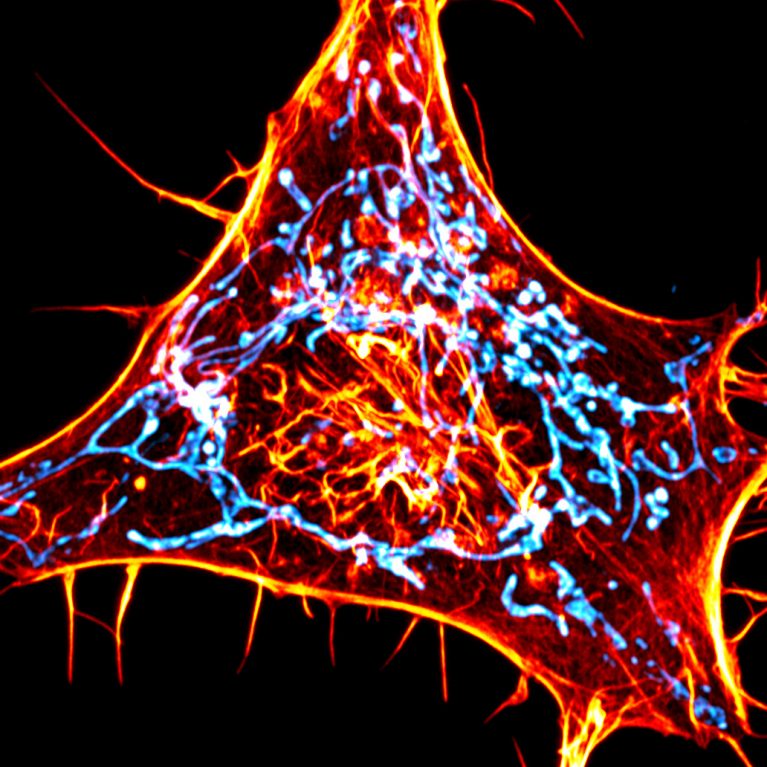
LA JOLLA—While your skeleton helps your body to move, fine skeleton-like filaments within your cells likewise help cellular structures to move. Now, Salk researchers have developed a new imaging method that lets them monitor a small subset of these filaments, called actin.
LA JOLLA—A drug candidate developed by Salk researchers, and previously shown to slow aging in brain cells, successfully reversed memory loss in a mouse model of inherited Alzheimer’s disease. The new research, published online in July 2020 in the journal Biología Redox, also revealed that the drug, CMS121, works by changing how brain cells metabolize fatty molecules known as lipids.
LA JOLLA—Si desea reducir los niveles de inflamación en todo el cuerpo, retrasar la aparición de enfermedades relacionadas con la edad y vivir más tiempo, coma menos. Esa es la conclusión de un nuevo estudio realizado por científicos de Estados Unidos y China que proporciona el informe más detallado hasta la fecha de los efectos celulares de una dieta con restricción calórica en ratas. Si bien los beneficios de la restricción calórica se conocen desde hace mucho tiempo, los nuevos resultados muestran cómo esta restricción puede proteger contra el envejecimiento en las vías celulares, como se detalla en Célula el 27 de febrero de 2020.
LA JOLLA—Due to the modern tendency to postpone childbirth until later in life, a growing number of women are experiencing issues with infertility. Infertility likely stems from age-related decline of the ovaries, but the molecular mechanisms that lead to this decline have been unclear. Now, scientists from the U.S. and China have discovered, in unprecedented detail, how ovaries age in non-human primates. The findings, published in Célula on January 30, 2020, reveal several genes that could be used as biomarkers and point to therapeutic targets for diagnosing and treating female infertility and age-associated ovarian diseases, such as ovarian cancer, in humans.
LA JOLLA—People with osteoarthritis, or “wear and tear” arthritis, have limited treatment options: pain relievers or joint replacement surgery. Now, Salk researchers have discovered that a powerful combination of two experimental drugs reverses the cellular and molecular signs of osteoarthritis in rats as well as in isolated human cartilage cells. Their results were published in the journal Protein & Cell on January 16, 2020.
LA JOLLA—In mouse models of Alzheimer’s disease, the investigational drug candidates known as CMS121 and J147 improve memory and slow the degeneration of brain cells. Now, Salk researchers have shown how these compounds can also slow aging in healthy older mice, blocking the damage to brain cells that normally occurs during aging and restoring the levels of specific molecules to those seen in younger brains.
LA JOLLA—Metabolic syndrome affects nearly 30 percent of the U.S. population, and increases the risk for type 2 diabetes, heart disease and stroke. But lifestyle interventions such as adopting a healthy diet and increasing physical exercise are difficult to maintain and, even when combined with medication, are often insufficient to fully manage the disease.
LA JOLLA—Metformin is the most commonly prescribed type 2 diabetes drug, yet scientists still do not fully know how it works to control blood sugar levels. In a collaborative effort, researchers from the Salk Institute, The Scripps Research Institute and Weill Cornell Medical College have used a novel technology to investigate why it functions so well. The findings, which identified a surprising number of biochemical “switches” for various cellular processes, could also explain why metformin has been shown to extend health span and life span in recent studies. The work was published in Cell Reports on December 3, 2019.
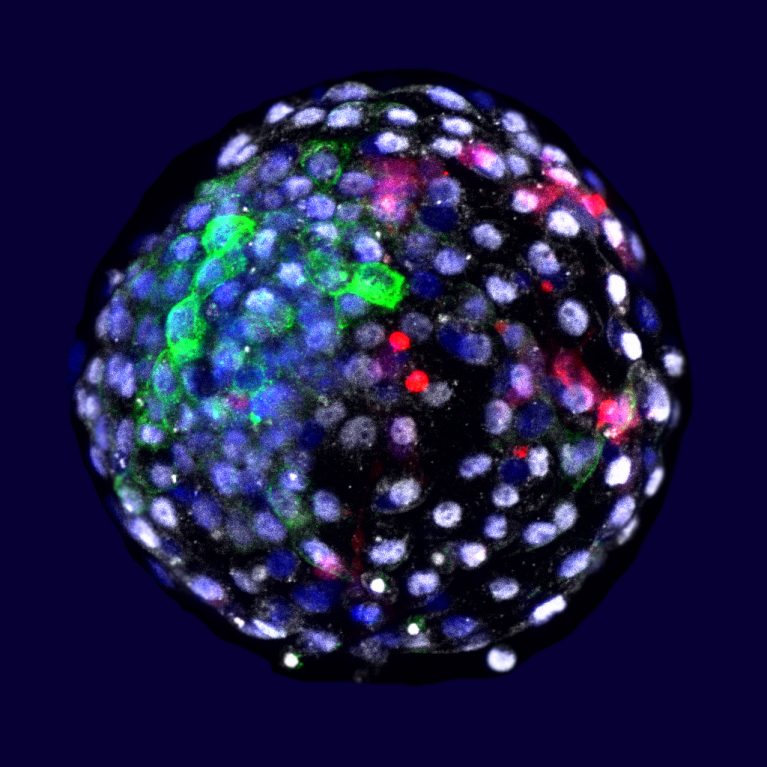
LA JOLLA—Little is known about the molecular and cellular events that occur during early embryonic development in primate species. Now, an internationally renowned team of scientists in China and the United States has created a method to allow primate embryos to grow in the laboratory longer than ever before, enabling the researchers to obtain molecular details of key developmental processes for the first time. This research, while done in nonhuman primate cells, can have direct implications for early human development.
LA JOLLA—Although graduating from school, a first job and marriage can be important events in life, some of the most significant events happen far earlier: in the first few days after a sperm fertilizes an egg and the cell begins to divide.
LA JOLLA—The ability to edit genes in living organisms offers the opportunity to treat a plethora of inherited diseases. However, many types of gene-editing tools are unable to target critical areas of DNA, and creating such a technology has been difficult as living tissue contains diverse types of cells.
LA JOLLA: Los científicos alguna vez pensaron que las neuronas, o posiblemente las células cardíacas, eran las células más antiguas del cuerpo. Ahora, investigadores del Instituto Salk han descubierto que el cerebro, el hígado y el páncreas de los ratones contienen poblaciones de células y proteínas con vidas extremadamente largas, algunas tan antiguas como las neuronas. Los hallazgos, que demuestran “mosaicismo de edad”, se publicaron en Metabolismo celular el 6 de junio de 2019. Los métodos del equipo podrían aplicarse a casi cualquier tejido del cuerpo para proporcionar información valiosa sobre la función vitalicia de las células no divisoras y cómo las células pierden el control sobre la calidad e integridad de las proteínas y las estructuras celulares importantes durante el envejecimiento.
LA JOLLA—Three Salk Institute faculty members have been promoted after the latest round of faculty reviews determined they are scientific leaders who have made original, innovative and notable contributions to biological research.
LA JOLLA—El envejecimiento es un factor de riesgo principal para una serie de afecciones debilitantes, como enfermedades cardíacas, cáncer y enfermedad de Alzheimer, por nombrar algunas. Esto hace que la necesidad de terapias antienvejecimiento sea aún más urgente. Ahora, investigadores del Salk Institute han desarrollado una nueva terapia génica para ayudar a ralentizar el proceso de envejecimiento.
LA JOLLA—Doctors have long observed that biological age and chronological age are not always one and the same. A 55-year-old may exhibit many signs of old age and have numerous age-related diseases, whereas an 80-year-old may be healthy and robust. While diet, physical activity and other factors play a role, there are many contributors as to why and how some people age better than others. Those contributors remain poorly understood.
LA JOLLA—Old age is the greatest risk factor for many diseases, including Alzheimer’s disease (AD) and cancer. Geroprotectors are a recently identified class of anti-aging compounds. New Salk research has now identified a unique subclass of these compounds, dubbed geroneuroprotectors (GNPs), which are AD drug candidates and slow the aging process in mice.
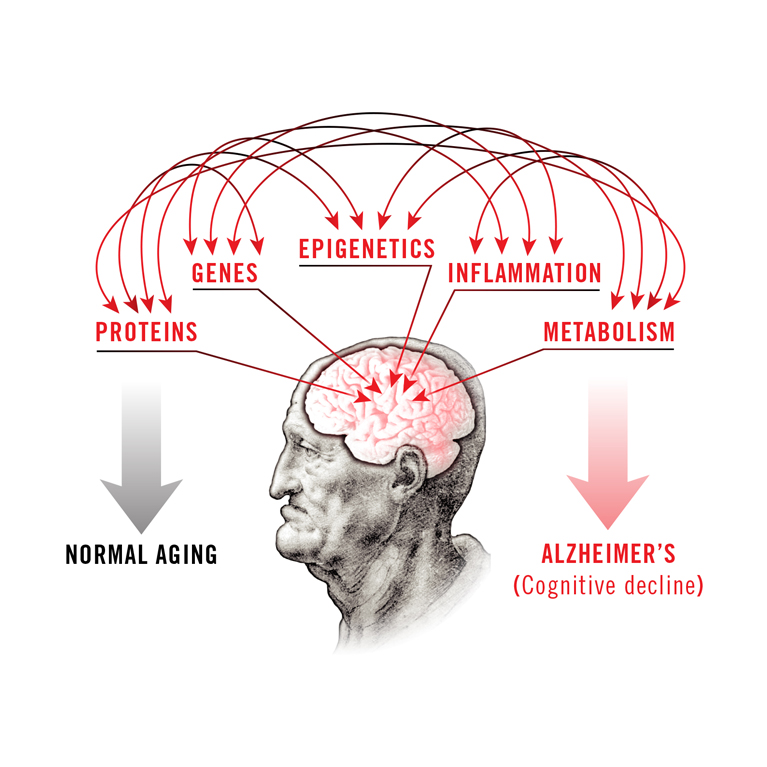
LA JOLLA—A team of Salk Institute researchers led by President Rusty Gage has been awarded $19.2 million over eight years by the American Heart Association-Allen Initiative in Brain Health and Cognitive Impairment to investigate mechanisms underlying Alzheimer’s disease and aging-related cognitive decline and uncover new therapies. This bold venture will comprehensively analyze interactions between five areas key to brain health: proteins, genes, metabolism, inflammation and epigenetics.
LA JOLLA—Juan Carlos Izpisua Belmonte, a professor in Salk’s Gene Expression Laboratory, has been named one of HORA magazine’s 50 most influential people in healthcare for his scientific innovations in addressing the shortage of human organs for transplant. The list, which is curated by HORA’s health reporters and editors, recognizes people who changed the state of healthcare in America this year, and bear watching for what they do next.
LA JOLLA—Cuando nacemos, nuestros cerebros tienen una gran flexibilidad. Tener esta flexibilidad para crecer y cambiar le da al cerebro inmaduro la capacidad de adaptarse a nuevas experiencias y organizar su compleja red de circuitos neuronales. A medida que envejecemos, esta cualidad, llamada "plasticidad", disminuye.
LA JOLLA—La cirugía plástica para tratar úlceras cutáneas extensas, incluidas las que se observan en personas con quemaduras graves, úlceras por presión o enfermedades crónicas como la diabetes, podría ser cosa del pasado. Científicos del Instituto Salk han desarrollado una técnica para convertir directamente las células en una herida abierta en nuevas células de la piel. El enfoque se basa en la reprogramación de las células a un estado similar al de las células madre y podría ser útil para curar daños en la piel, contrarrestar los efectos del envejecimiento y ayudarnos a comprender mejor el cáncer de piel.
LA JOLLA—We’ve all heard the expression: “what doesn’t kill you makes you stronger.” Now, research led by a Salk Institute scientist suggests why, at a cellular level, this might be true. The team reports that brief exposures to stressors can be beneficial by prompting the cell to trigger sustained production of antioxidants, molecules that help get rid of toxic cellular buildup related to normal metabolism.
LA JOLLA—Defective energy production in old neurons might explain why our brains are so prone to age-related diseases. Salk researchers used a new method to discover that cells from older individuals had impaired mitochondria—the power stations of cells—and reduced energy production. A better understanding of the effects of aging on mitochondria could reveal more about the link between mitochondrial dysfunction and age-related brain diseases, such as Alzheimer's and Parkinson's.
LA JOLLA—Para la mayoría de las personas con hemofilia B, cuyos cuerpos no pueden formar coágulos sanguíneos adecuadamente, las inyecciones constantes para reponer sus factores de coagulación son parte de la vida. Pero ahora, investigadores del Salk han demostrado en ratones que la hemofilia B puede tratarse de por vida con una sola inyección que contiene células hepáticas sanas que pueden producir el factor de coagulación que les falta. El hallazgo, publicado en la revista Cell Reports el 1 de mayo de 2018, podría cambiar drásticamente lo que significa ser diagnosticado con hemofilia B, y podría allanar el camino hacia tratamientos similares para otros trastornos genéticos relacionados.
LA JOLLA—We count on firefighters to protect us in life-threatening situations. So it's in everyone's best interest for them to be healthy and fit. Salk Institute and University of California San Diego School of Medicine researchers have been awarded a $1.5 million grant by the Department of Homeland Security for a three-year study to see whether restricting food intake to a 10-hour window can improve firefighters' well-being.
LA JOLLA—Potentially explaining why even healthy brains don’t function well with age, Salk researchers have discovered that genes that are switched on early in brain development to sever connections between neurons as the brain fine-tunes, are again activated in aging neuronal support cells called astrocytes. The work, which appeared in Cell Reports on January 2, 2018, suggests that astrocytes may be good therapeutic targets to prevent or reverse the effects of normal aging.
LA JOLLA—The experimental drug J147 is something of a modern elixir of life; it’s been shown to treat Alzheimer’s disease and reverse aging in mice and is almost ready for clinical trials in humans. Now, Salk scientists have solved the puzzle of what, exactly, J147 does. In a paper published January 7, 2018, in the journal Aging Cell, they report that the drug binds to a protein found in mitochondria, the energy-generating powerhouses of cells. In turn, they showed, it makes aging cells, mice and flies appear more youthful.
LA JOLLA—Al igual que un actor que se destaca tanto en la comedia como en el drama, las proteínas también pueden desempeñar múltiples roles. Descubrir estos diversos talentos puede enseñar a los investigadores más sobre el funcionamiento interno de las células. También puede generar nuevos descubrimientos sobre la evolución y cómo las proteínas se han conservado a través de las especies durante cientos de millones de años.
LA JOLLA—El proceso mediante el cual las células madre embrionarias se desarrollan en células cardíacas es un proceso complejo que implica la activación precisa en el tiempo de varias vías moleculares y al menos 200 genes. Ahora, los científicos del Instituto Salk han encontrado una forma más simple de pasar de células madre a células cardíacas que implica la desactivación de un solo gen.
LA JOLLA—En el bullicioso entorno de la célula, las proteínas se encuentran entre miles. A pesar del ajetreo, cada una logra interactuar selectivamente solo con los compañeros adecuados, gracias a regiones de contacto específicas en su superficie que aún son mucho más misteriosas de lo que cabría esperar, dadas las décadas de investigación sobre la estructura y función de las proteínas.
LA JOLLA. Todos los días, los sitios web que visitas y las aplicaciones de teléfonos inteligentes que usas procesan grandes conjuntos de datos para encontrar cosas que se parezcan entre sí: productos similares a tus compras pasadas; canciones parecidas a melodías que te han gustado; rostros similares a personas que has identificado en fotos. Todas estas tareas se conocen como búsquedas de similitud, y la capacidad de realizar estos juegos masivos de emparejamiento de manera eficiente y rápida ha sido un desafío continuo para los científicos informáticos.
LA JOLLA—It may seem paradoxical, but studying what goes wrong in rare diseases can provide useful insights into normal health. Researchers probing the premature aging disorder Hutchinson-Gilford progeria have uncovered an errant protein process in the disease that could help healthy people as well as progeria sufferers live longer.
LA JOLLA—Scientists have, for the first time, corrected a disease-causing mutation in early stage human embryos with gene editing. The technique, which uses the CRISPR-Cas9 system, corrected the mutation for a heart condition at the earliest stage of embryonic development so that the defect would not be passed on to future generations.
LA JOLLA—(May 4, 2017) Salk Institute scientists have developed a novel technology to correct disease-causing aberrations in the chemical tags on DNA that affect how genes are expressed. These types of chemical modifications, collectively referred to as epigenetics or the epigenome, are increasingly being considered as important as the genomic sequence itself in development and disease.
LA JOLLA—The Salk Institute has received a $3 million award from the Fundación Glenn para la Investigación Médica for the second time in 4 years, enabling the Institute to continue investigating the biology of normal human aging and age-related diseases.
LA JOLLA—When scientists talk about laboratory stem cells being totipotent or pluripotent, they mean that the cells have the potential, like an embryo, to develop into any type of tissue in the body. What totipotent stem cells can do that pluripotent ones can’t do, however, is develop into tissues that support the embryo, like the placenta. These are called extra-embryonic tissues, and are vital in development and healthy growth.
LA JOLLA—Rapid advances in the ability to grow cells, tissues and organs of one species within an organism of a different species offer an unprecedented opportunity for tackling longstanding scientific mysteries and addressing pressing human health problems, particularly the need for transplantable organs and tissues.
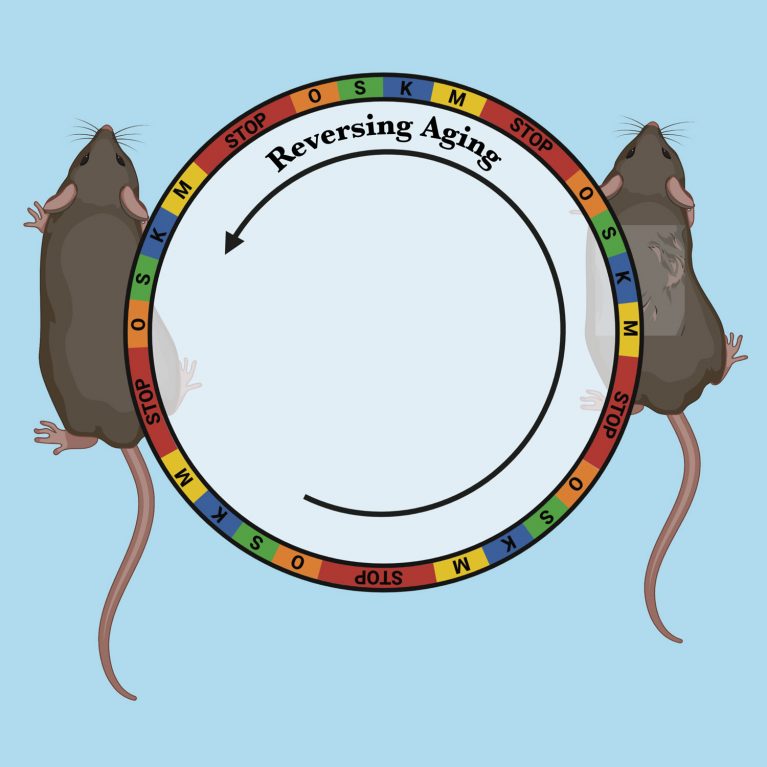
LA JOLLA—Graying hair, crow’s feet, an injury that’s taking longer to heal than when we were 20—faced with the unmistakable signs of aging, most of us have had a least one fantasy of turning back time. Now, scientists at the Salk Institute have found that intermittent expression of genes normally associated with an embryonic state can reverse the hallmarks of old age.
LA JOLLA—Ever since researchers connected the shortening of telomeres—the protective structures on the ends of chromosomes—to aging and disease, the race has been on to understand the factors that govern telomere length. Now, scientists at the Salk Institute have found that a balance of elongation and trimming in stem cells results in telomeres that are, as Goldilocks would say, not too short and not too long, but just right.
LA JOLLA—Salk Institute researchers have discovered a holy grail of gene editing—the ability to, for the first time, insert DNA at a target location into the non-dividing cells that make up the majority of adult organs and tissues. The technique, which the team showed was able to partially restore visual responses in blind rodents, will open new avenues for basic research and a variety of treatments, such as for retinal, heart and neurological diseases.
LA JOLLA—We put things into a container to keep them organized and safe. In cells, the nucleus has a similar role: keeping DNA protected and intact within an enveloping membrane. But a new study by Salk Institute scientists, detailed in the November 2 issue of Genes & Development, reveals that this cellular container acts on its contents to influence gene expression.
LA JOLLA—Boosting levels of a specific protein in the brain alleviates hallmark features of Alzheimer’s disease in a mouse model of the disorder, according to new research published online August 25, 2016 in Scientific Reports.
LA JOLLA—When you reach for that pan of brownies, a ball-shaped brain structure called the striatum is critical for controlling your movement toward the reward. A healthy striatum also helps you stop yourself when you’ve had enough.
LA JOLLA—For decades, scientists have known that people with two copies of a gene called apolipoprotein E4 (ApoE4) are much more likely to have Enfermedad de Alzheimer at age 65 than the rest of the population. Now, researchers at the Salk Institute have identified a new connection between ApoE4 and protein build-up associated with Alzheimer’s that provides a possible biochemical explanation for how extra ApoE4 causes the disease.
LA JOLLA—Salk scientists and colleagues have proposed new molecular criteria for judging just how close any line of laboratory-generated stem cells comes to mimicking embryonic cells seen in the very earliest stages of human development, known as naïve stem cells. The tests found that no current protocols lead to truly naïve stem cells, but the guidelines may help researchers achieve that goal by pointing out where each current method falls short. Generating naïve stem cells would be a boon to both basic research and to medical applications of stem cells, such as growing tissue for organ replacement.
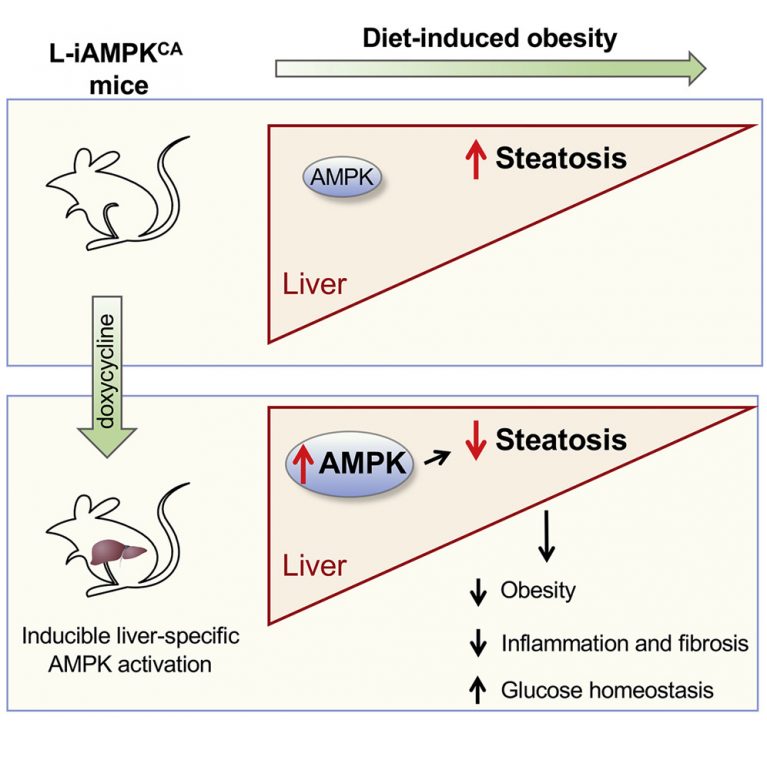
LA JOLLA—Chronic damage to the liver eventually creates a wound that never heals. This condition, called fibrosis, gradually replaces normal liver cells—which detoxify the food and liquid we consume—with more and more scar tissue until the organ no longer works.
LA JOLLA–Salk Institute researchers have found that an experimental drug candidate aimed at combating Alzheimer’s disease has a host of unexpected anti-aging effects in animals.
LA JOLLA–Healthy brain, muscle, eye and heart cells would improve the lives of tens of thousands of people around the world with debilitating mitochondrial diseases. Now, researchers at the Salk Institute have gotten one step closer to making such cures a reality: they’ve turned cells from patients into healthy, mutation-free stem cells that can then become any cell type. The new approach is described July 15, 2015 in Naturaleza.
LA JOLLA–Bread, cereal and other sugary processed foods cause rapid spikes and subsequent crashes in blood sugar. In contrast, diets made up of vegetables, fruits and whole grains are healthier, in part because they take longer to digest and keep us more even-keeled.
LA JOLLA–Scientists at the Salk Institute have discovered a novel type of pluripotent stem cell–cells capable of developing into any type of tissue–whose identity is tied to their location in a developing embryo. This contrasts with stem cells traditionally used in scientific study, which are characterized by their time-related stage of development.
LA JOLLA–Stem cells, which have the potential to turn into any kind of cell, offer the tantalizing possibility of generating new tissues for organ replacements, stroke victims and patients of many other diseases. Now, scientists at the Salk Institute have uncovered details about stem cell growth that could help improve regenerative therapies.
LA JOLLA–A study tying the aging process to the deterioration of tightly packaged bundles of cellular DNA could lead to methods of preventing and treating age-related diseases such as cancer, diabetes and Alzheimer’s disease, as detailed April 30, 2015, in Ciencia.
LA JOLLA–Just as some people seem built to run marathons and have an easier time going for miles without tiring, others are born with a knack for memorizing things, from times tables to trivia facts. These two skills–running and memorizing–are not so different as it turns out.
LA JOLLA–Researchers at the Salk Institute have healed injured hearts of living mice by reactivating long dormant molecular machinery found in the animals’ cells, a finding that could help pave the way to new therapies for heart disorders in humans.
LA JOLLA–Scientists at the Salk Institute have discovered an on-and-off “switch” in cells that may hold the key to healthy aging. This switch points to a way to encourage healthy cells to keep dividing and generating, for example, new lung or liver tissue, even in old age.
LA JOLLA—For the first time, scientists have turned human skin cells into transplantable white blood cells, soldiers of the immune system that fight infections and invaders. The work, done at the Salk Institute, could let researchers create therapies that introduce into the body new white blood cells capable of attacking diseased or cancerous cells or augmenting immune responses against other disorders.
LA JOLLA – Científicos del Salk Institute for Biological Studies han identificado un gen que regula los ritmos de sueño y vigilia.
LA JOLLA—Frogs, dogs, whales, snails can all do it, but humans and primates can’t. Regrow nerves after an injury, that is—while many animals have this ability, humans don’t. But new research from the Salk Institute suggests that a small molecule may be able to convince damaged nerves to grow and effectively rewire circuits. Such a feat could eventually lead to therapies for the thousands of Americans with severe spinal cord injuries and paralysis.
LA JOLLA—For hundreds of years, healers in São Tomé e Príncipe—an island off the western coast of Africa—have prescribed cata-manginga leaves and bark to their patients. These pickings from the Voacanga africana tree are said to decrease inflammation and ease the symptoms of mental disorders.
LA JOLLA—Researchers around the world have turned to stem cells, which have the potential to develop into any cell type in the body, for potential regenerative and disease therapeutics.
LA JOLLA—El Salk Institute ha recibido una donación de $3 millones de$ Fundación Glenn para la Investigación Médica permitir que el Instituto continúe realizando investigaciones para comprender la biología del envejecimiento humano normal y las enfermedades relacionadas con la edad.
LA JOLLA—Using reprogrammed skin cells, researchers have for the first time used stem cell techniques to grow fully functional assemblies of the cells that line airways leading to the lungs. The lab-grown airway tissue can now be used to study the molecular basis for lung diseases—from rare genetic disorders to common afflictions like asthma and emphysema—and test new drugs to treat the diseases.
LA JOLLA—Vicki Lundblad, professor of the Salk Institute’s Molecular and Cell Biology Laboratory, has been awarded the Becky and Ralph S. O’Connor Chair and elected a Fellow of the American Academy of Microbiology.
LA JOLLA, CA—Diseases affecting the kidneys represent a major and unsolved health issue worldwide. The kidneys rarely recover function once they are damaged by disease, highlighting the urgent need for better knowledge of kidney development and physiology.
LA JOLLA, CA—Enfermedad de Alzheimer afecta a más de 26 millones de personas en todo el mundo. Se prevé que se disparará a medida que los "baby boomers" envejezcan: se proyecta que casi 106 millones de personas tendrán la enfermedad para 2050. Afortunadamente, los científicos están logrando progresos en terapias. Una colaboración entre varias entidades de investigación, incluido el Salk Institute y el Sanford-Burnham Medical Research Institute, ha definido un mecanismo clave detrás del progreso de la enfermedad, lo que da esperanzas de que un nuevo fármaco modificado contra el Alzheimer sea efectivo.
LA JOLLA, CA—Proteins are the chief actors in cells, carrying out the duties specified by information encoded in our genes. Most proteins live only two days or less, ensuring that those damaged by inevitable chemical modifications are replaced with new functional copies.
LA JOLLA, CA—Stem cells are key to the promise of regenerative medicine: the repair or replacement of injured tissues with custom grown substitutes. Essential to this process are induced pluripotent stem cells (iPSCs), which can be created from a patient’s own tissues, thus eliminating the risk of immune rejection. However, Shinya Yamanaka’s formula for iPSCs, for which he was awarded last year’s Nobel Prize, uses a strict recipe that allows for limited variations in human cells, restricting their full potential for clinical application.
LA JOLLA,CA—A team of scientists at the Salk Institute for Biological Studies has identified why disruption of a vital pathway in cell cycle control leads to the proliferation of cancer cells. Their findings on telomeres, the stretches of DNA at the ends of chromosomes that protect our genetic code and make it possible for cells to divide, suggest a potential target for preventive measures against cancer, aging and other diseases. The findings were published July 11, 2013 in Molecular Cell.
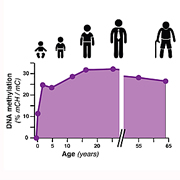
LA JOLLA,CA—Changes in the epigenome, including chemical modifications of DNA, can act as an extra layer of information in the genome, and are thought to play a role in learning and memory, as well as in age-related cognitive decline. The results of a new study by scientists at the Salk Institute for Biological Studies show that the landscape of DNA methylation, a particular type of epigenomic modification, is highly dynamic in brain cells during the transition from birth to adulthood, helping to understand how information in the genomes of cells in the brain is controlled from fetal development to adulthood. The brain is much more complex than all other organs in the body and this discovery opens the door to a deeper understanding of how the intricate patterns of connectivity in the brain are formed.
LA JOLLA, CA—A drug developed by scientists at the Salk Institute for Biological Studies, known as J147, reverses memory deficits and slows Alzheimer’s disease in aged mice following short-term treatment. The findings, published May 14 in the journal Alzheimer’s Research and Therapy, may pave the way to a new treatment for Enfermedad de Alzheimer en humanos.
LA JOLLA, CA—Scientists have long known that control mechanisms known collectively as “epigenetics” play a critical role in human development, but they did not know precisely how alterations in this extra layer of biochemical instructions in DNA contribute to development.
LA JOLLA, CA—For humans to grow and to replace and heal damaged tissues, the body’s cells must continually reproduce, a process known as “cell division,” by which one cell becomes two, two become four, and so on. A key question of biomedical research is how chromosomes, which are duplicated during cell division so that each daughter cell receives an exact copy of a person’s genome, are arranged during this process.
LA JOLLA, CA—A new method for generating stem cells from mature cells promises to boost stem cell production in the laboratory, helping to remove a barrier to regenerative medicine therapies that would replace damaged or unhealthy body tissues.
LA JOLLA, CA—Growing evidence suggests that there may be a link between diabetes y Enfermedad de Alzheimer, but the physiological mechanisms by which diabetes impacts brain function and cognition are not fully understood. In a new study published in Aging Cell, researchers at the Salk Institute for Biological Studies show, for the first time, that diabetes enhances the development of aging features that may underlie early pathological events in Alzheimer’s.
LA JOLLA, CA—By reprogramming skin cells from Parkinson’s disease patients with a known genetic mutation, researchers at the Salk Institute for Biological Studies have identified damage to neural stem cells as a powerful player in the disease. The findings, reported online October 17, 2013 in Naturaleza, may lead to new ways to diagnose and treat the disease.
LA JOLLA, CA—Based on two new studies by researchers at the Salk Institute for Biological Studies, regeneration of a new limb or organ in a human will be much more difficult than the mad scientist and supervillain, Dr. Curt Connors, made it seem in the Amazing Spider-man comics and films.
LA JOLLA, CA—Salk scientists have identified a unique molecular signature in induced pluripotent stem cells (iPSCs), “reprogrammed” cells that show great promise in regenerative medicine thanks to their ability to generate a range of body tissues.
LA JOLLA, CA—The Salk Institute is pleased to announce that professors E.J. Chichilnisky, Jan Karlseder, and Kuo-Fen Lee have each been selected as the recipient of an endowed chair to honor their consistent scientific excellence and support their biological research.
LA JOLLA, CA—With their potential to treat a wide range of diseases and uncover fundamental processes that lead to those diseases, embryonic stem (ES) cells hold great promise for biomedical science. A number of hurdles, both scientific and non-scientific, however, have precluded scientists from reaching the holy grail of using these special cells to treat heart disease, diabetes, Alzheimer’s and other diseases.
LA JOLLA, CA—Stem cells are essential building blocks for all organisms, from plants to humans. They can divide and renew themselves throughout life, differentiating into the specialized tissues needed during development, as well as cells necessary to repair adult tissue.
LA JOLLA, CA—Uno de los grandes misterios de la biología es por qué las células envejecen. Ahora, científicos del Instituto Salk de Estudios Biológicos informan que han descubierto una debilidad en un componente de las células cerebrales que podría explicar cómo ocurre el proceso de envejecimiento en el cerebro.
LA JOLLA, CA—Scientists at the Salk Institute for Biological Studies have identified a gene that tells cells to develop multiple cilia, tiny hair-like structures that move fluids through the lungs and brain. The finding may help scientists generate new therapies that use stem cells to replace damaged tissues in the lung and other organs.
LA JOLLA, CA—Un nuevo candidato a fármaco podría ser el primero capaz de detener el devastador deterioro mental de la enfermedad de Alzheimer, según los hallazgos de un estudio publicado en PLoS ONE.
LA JOLLA, CA—Investigadores del Instituto Salk de Estudios Biológicos han desarrollado una forma de utilizar las propias células de los pacientes para curar potencialmente la anemia falciforme y muchos otros trastornos causados por mutaciones en un gen que ayuda a producir hemoglobina en la sangre.
LA JOLLA, CA—Un equipo internacional de científicos ha creado ratones y gusanos superfuertes y de alta resistencia suprimiendo un inhibidor natural del crecimiento muscular, lo que sugiere que los tratamientos para la degeneración muscular relacionada con la edad o la genética están al alcance.
LA JOLLA, CA—El Instituto Salk se complace en anunciar el nombramiento de cinco miembros del profesorado que recibirán cátedras dotadas establecidas por líderes filantrópicos en apoyo de la investigación científica.
LA JOLLA, CA—Una de las pocas formas fiables de extender la vida de un organismo, ya sea una mosca de la fruta o un ratón, es restringir la ingesta de calorías. Ahora, un nuevo estudio en moscas de la fruta está ayudando a explicar por qué tales dietas mínimas están relacionadas con la longevidad y ofreciendo pistas sobre los efectos del envejecimiento en el comportamiento de las células madre.