People
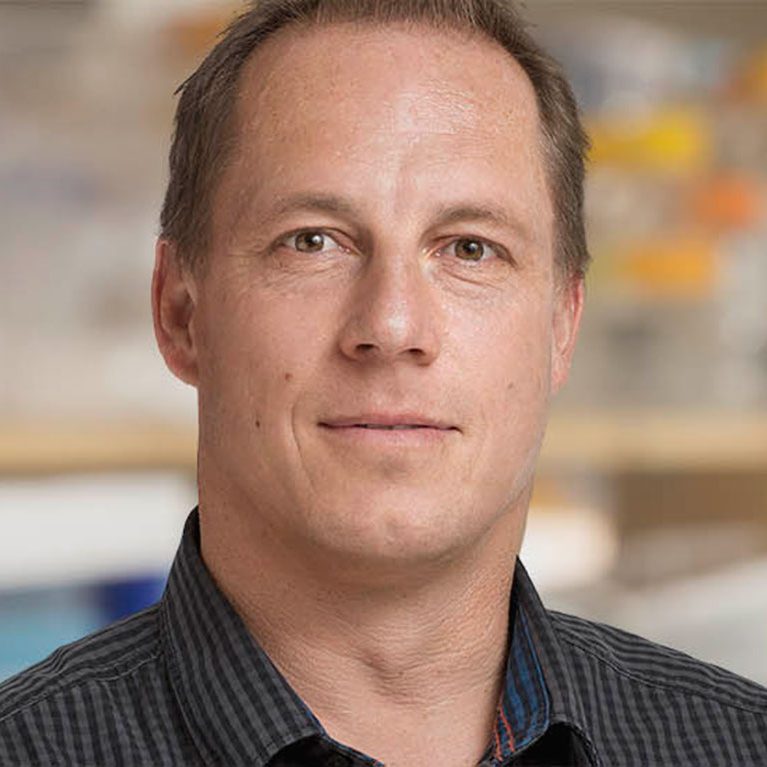
Director
The Paul F. Glenn Center for Biology of Aging Research
Vice President, Chief Science Officer
Professor, Molecular and Cell Biology Laboratory
Donald and Darlene Shiley Chair for Research on Aging
(858) 453-4100 x1867
karlseder@salk.edu
Telomere driven proliferative boundaries and inflammation in age-associated cancer initiation
My laboratory is interested in telomere dynamics during the cell cycle, aging, senescence and cancer formation. We are focusing on telomere maintenance pathways and their regulation during cellular transformation, on telomere structure, telomere replication, the interaction between the checkpoint machinery with telomeres, the impact telomeres have on nuclear structure, telomere localization and telomere-driven epigenetic changes during cellular and organismal aging and transformation. The laboratory’s recent discovery that mitotic inhibition leads to telomere dysfunction promotes the hypothesis that side effects associated with treatment of mitotic inhibitors, such as accelerated aging phenotypes, could be due to telomere deprotection. Furthermore, we are exploring the effects of mitotic inhibition on telomere crisis, genome instability and cancer formation.
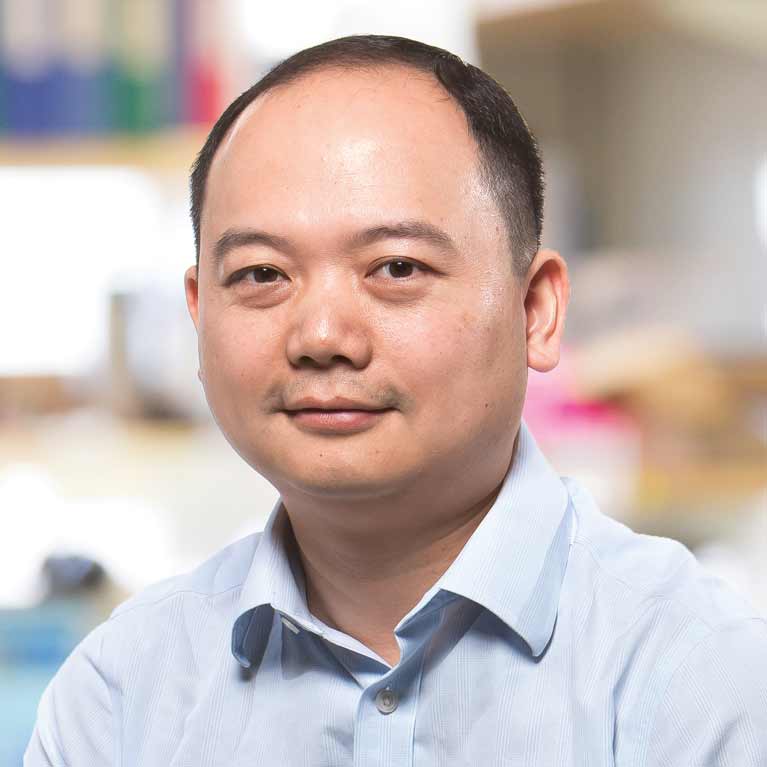
Co-Director
Professor
NOMIS Center for Immunobiology and Microbial Pathogenesis
Becky and Ralph S. O'Connor Chair
yzheng@salk.edu
Role of regulatory T cell in tissue inflammation and repair during aging
The immune system undergoes profound changes with the increase of age. In old adults, a significant decline occurs in the immune system’s ability to respond to vaccination and to protect the host against infection. Regulatory T cell (Treg) is a subset of T lymphocytes that suppress excessive immune response and prevent autoimmune diseases. The number of regulatory T cells increases substantially during the aging process compared to other T cell sub-populations in humans and mice. The expansion of Tregs in old individual can amplify their immunosuppressive function, and lead to compromised immune response against infection and tumor. Currently, the signals that drive Treg expansion during aging are poorly understood. It is also not clear if Tregs from aged individual retain the same immune suppression capacity as Tregs from the young. We are currently studying the dynamics of the Treg population during aging and characterizing the molecular signatures of aged Treg cells. Through our studies, we hope to develop strategies to manipulate Tregs to fine-tune the immune system in aged setting to fight against infections and cancer.

Professor
Molecular Neurobiology Laboratory
Astrocyte-neuron interactions in aging and neurodegeneration
Allen studies how astrocytes regulate the formation, function and stability of neuronal connections called synapses. Astrocytes closely interact with neurons and synapses via thousands of fine processes, putting them in a position to regulate these connections. Synapses are essential points of information transfer within neuronal circuits and change throughout life. In the young brain trillions of synapses form, in the adult brain synapses are stabilized, and in the aging brain synapses become less functional and are eliminated. Further, in most neurological disorders, no matter the stage of life, synaptic dysfunction is a key component. This includes autism during youth, schizophrenia in adulthood and Alzheimer’s disease in aging. Allen is investigating if life stage-specific properties of synapses are being regulated by the astrocytes the neurons interact with, to identify new therapeutic targets for repairing synapses in the disorders where they are dysfunctional.

Professor
Molecular Neurobiology Laboratory
Jesse and Caryl Philips Foundation Chair
Neuronal regulation of animal health and lifespan
Our team is interested in understanding how neural circuits decode environmental changes to drive behavior. We use the nematode, C. elegans and the vertebrate D. rerio as models to study brain functions.
The C. elegans nervous system consists of just 302 neurons that are connected by identified chemical and electrical synapses. Despite its simplicity, this animal displays a number of sophisticated behaviors providing us with an ideal model to study neural circuit properties.
What is a neural circuit? A neural circuit is a defined as a set of interconnected neurons whose activation identifies a pathway for information to flow and often results in a behavioral output. We have recently found that in the chemosensory system, the configuration of the neural circuit is dynamic and changes based on sensory context. We found that sensory neurons come in two flavors: primary sensory neurons that directly detect stimuli and secondary neurons that respond to signals from the primary neurons. This suggests that sensory information is encoded by the combined activity of both primary and secondary neurons. We have also discovered this primary to secondary neuron signaling is degraded during aging and that this loss might underlie the aging-associated decline in olfactory function. We are currently dissecting the mechanisms that regulate aging process at the level of genes, neural circuits, tissues and whole animals.
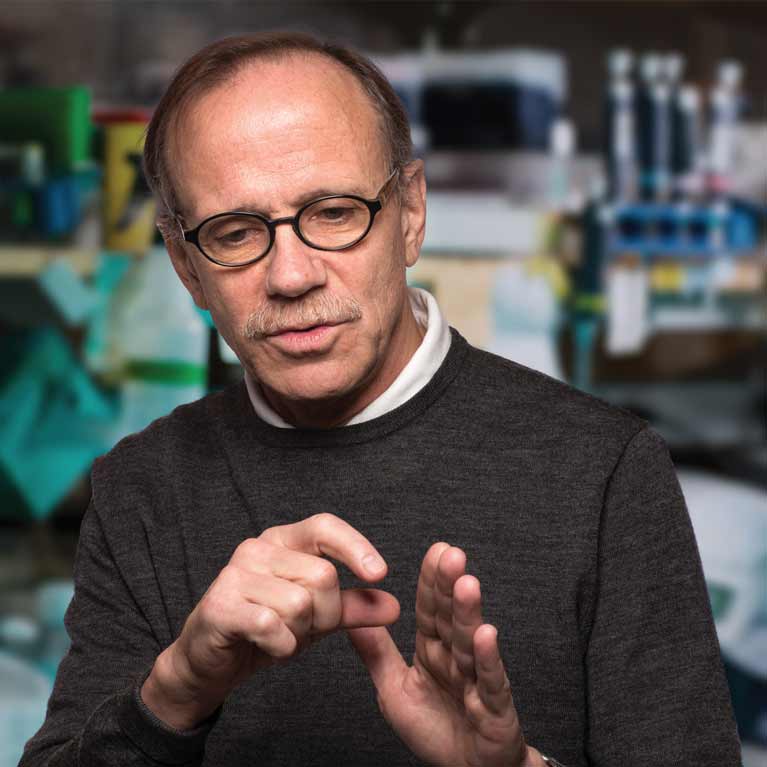
Professor
Laboratory of Genetics
Vi and John Adler Chair for Research on Age-Related Neurodegenerative Disease
Age-related degenerative changes in neurons, glia and vasculature in the brain diseases
Human aging is the main risk factor for several diseases including neurodegenerative disorders such as Alzheimer’s or Parkinson’s disease. To better understand the pathogenesis of these diseases, the in vitro generation of human neurons for disease modeling is an attractive approach. However, preservation of human aging as a major pathogenic risk factor would seem unlikely given that cells must transit the embryo-like induced pluripotent stem cell (iPSC) state. We generated iPSCs from a broad range of aged donors and found that, in contrast to primary skin fibroblasts, iPSCs rejuvenated their transcriptomic memory of donor age. Alternatively, direct conversion into functional induced Neurons (iN) preserved transcriptomic signatures of age. Importantly, iNs from aged donors showed a highly age-dependent decrease in several very interesting and relevant genes including genes encoding proteins important for nuclear transport and importantly these genes and their corresponding protein are also down regulated in old fibroblasts as well as in the aging human prefrontal cortex. Using a reporter system for nucleo-cytoplasmic compartmentalization (NCC), we detected an age-dependent loss of NCC in old fibroblasts and neurons. In addition, we demonstrate that a reduction of key protein was sufficient to impair NCC in young cells. In contrast, iPSC rejuvenation completely restored NCC in old cells. Our data demonstrate that, unlike iPSCs, directly converted iNs retain important molecular and functional signatures of the age of their donors, thus allowing for a new model of aging in vitro. The data also identify impaired protein compartmentalization between nucleus and cytoplasm as an important factor involved in human aging.
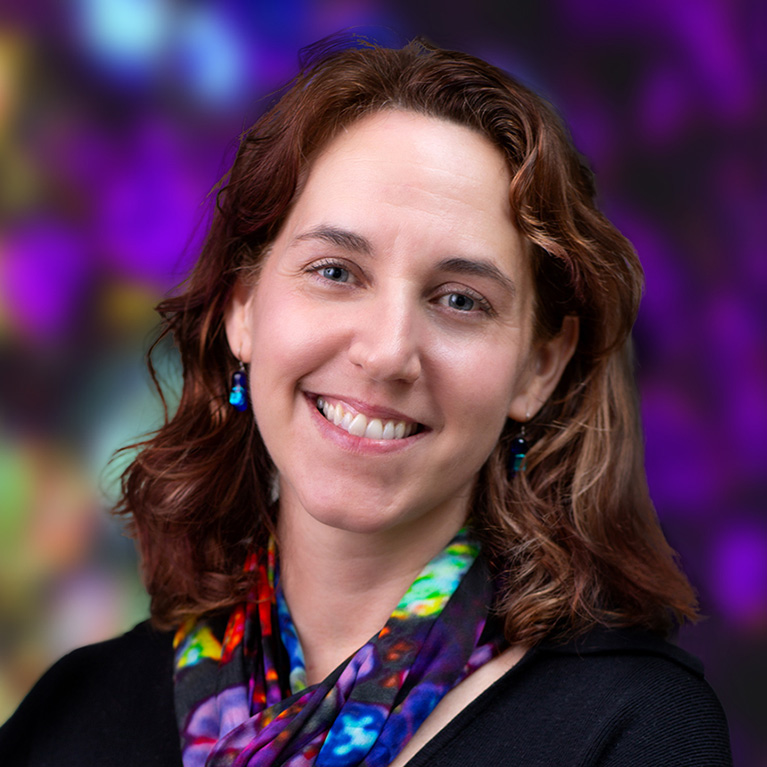
Professor
NOMIS Center for Immunobiology and Microbial Pathogenesis
T cell metabolism and function in aging, tumor immune responses and neuroinflammation
Susan Kaech aims to understand how memory T cells are produced during infection and vaccination, how they function and why they can fail to induce long-term immunity, particularly during chronic disease or cancer. Her lab has been a leader in using genetic and molecular tools to identify the genes and signaling molecules involved in generating two specific types of memory T cells, CD4 and CD8, from precursor cells during both acute and chronic viral infections. She and her team have discovered several gene networks and key molecules called cytokines that shape how memory T cells develop during a viral infection. Kaech is especially interested in how T cells are metabolically regulated, and how their specialization and function can be altered by the types of nutrients available in infected tissues or in tumors. Related to this, she seeks to learn how T cell behavior is suppressed by tumors, in order to create better therapies for cancer using the body’s own immune system—an innovative and rapidly moving field called cancer immunotherapy.
Associate Professor
Plant Biology Laboratory
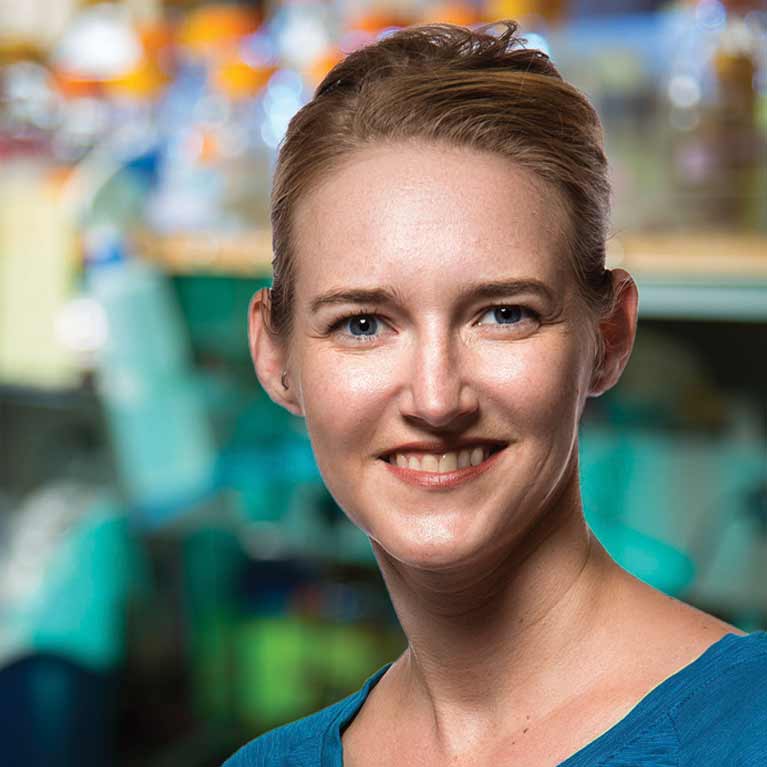
Mechanisms controlling DNA methylation patterns during plant developmental aging
One major aspect controlling gene expression in eukaryotic organisms involves the addition of specific chemical groups, termed epigenetic modifications, to DNA and histones—two major components of chromatin. These modifications influence the expression of the underlying genes and play critical roles in diverse biological processes including imprinting, development and gene silencing. My laboratory studies the mechanisms through which these patterns of chromatin modifications are established and interpreted. In particular, we are interested in repressive modifications, like DNA methylation, that contribute to global genome stability, through the silencing of transposable elements, and to cellular identity, through the silencing of genes in a developmentally programmed manner. Attesting to the importance of proper DNA methylation patterns, aberrant DNA methylation is associated with both acute and chronic effects on development and human health. This includes numerous age-related diseases such as heart disease, cancer and a variety of neurological and autoimmune disorders. To understand how changes in DNA methylation arise and how they contribute to the progression of age-related diseases, a detailed understanding of the proteins and pathways controlling DNA methylation is required. This information will not only be key in understanding how epigenetic processes can contribute to the progression of diseases, but also in determining how specific manipulations of DNA methylation pathways can be employed for gene therapy.
Over the past two years, my laboratory has focused on identifying and characterizing chromatin effectors, including chromatin remodeling complexes and histone binding proteins, that link epigenetic modifications with the machinery required to orchestrate critical processes associated with genome stability using the plant model Arabidopsis thaliana. Using a combination of genetic, biochemical and genomics approaches, we aim to determine the epigenetic marks recognized by these chromatin factors, identify their interacting partners, and investigate their effects on gene expression and higher order chromatin structure, providing a holistic view of the events occurring downstream of epigenetic modifications.
Arabidopsis is an ideal model organism to study epigenetic processes as it is genetically malleable, highly amenable to genomic analyses and tolerant of dramatic changes in its epigenetic landscape, setting it apart from other model organisms. In addition, many of the proteins and pathways involved in epigenetic processes are conserved between plants and mammals. Thus, our work takes advantage of the speed and genetic malleability of a model system while maintaining a high level of relevance to human health and disease that may ultimately aid in the development of tools capable of correcting epigenetic-based defects.
Professor
Molecular and Cell Biology Laboratory
Daniel and Martina Lewis Chair
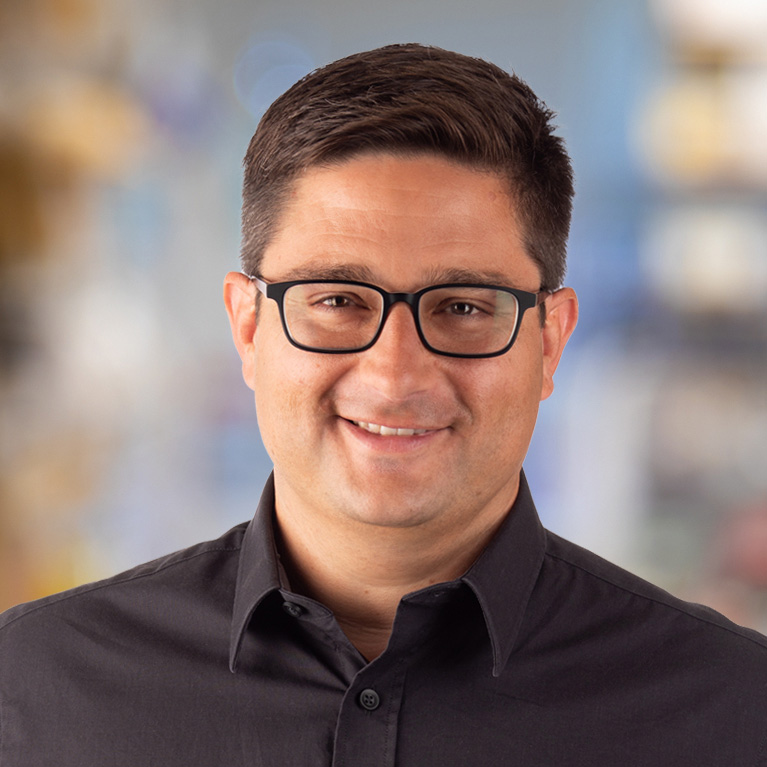
Rewiring metabolism in age-associated pathologies
Metallo’s work focuses on mapping these interconnected metabolic networks to uncover disease-causing pathways. Using tracer molecules and advanced mass spectroscopy techniques, his lab identifies how molecules are broken down and re-built, where metabolites end up in the body, and what regulates these processes. Taking this approach, Metallo has made key discoveries about the metabolic pathways that drive cancer progression and macular disease—pathways, which can then be influenced through dietary manipulations or targeted therapies.
Professor
Systems Neurobiology Laboratory
Fiona and Sanjay Jha Chair in Neuroscience
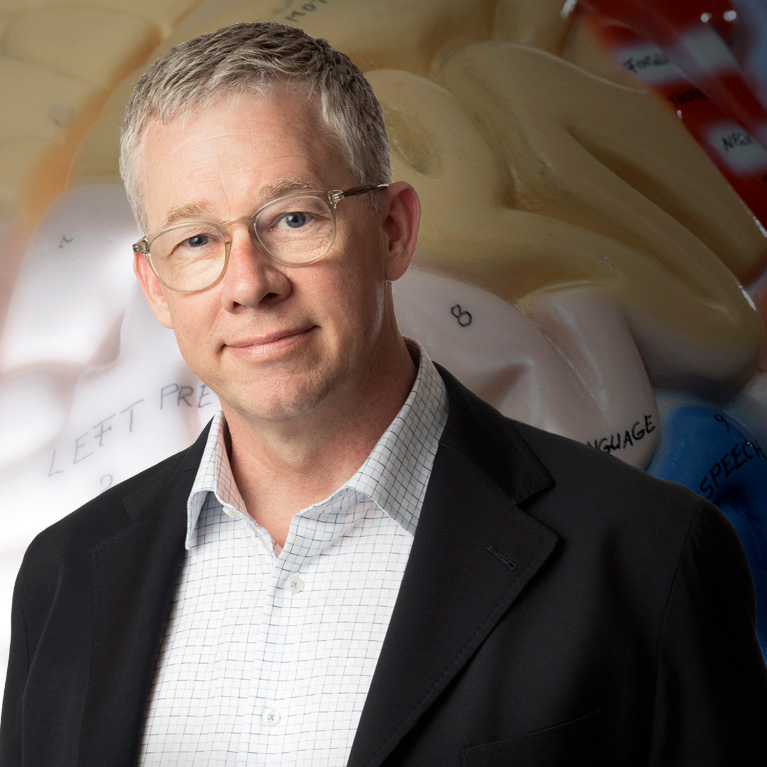
Mechanisms of age-related cognitive decline in the non-human primate brain
John Reynolds’ team is working to decipher the neural mechanisms that enable us to perceive, understand and interact with the world around us, capacities that are impaired in brain disease. The long-range goal of his laboratory is twofold: to understand the fundamental nature of the computations that are carried out by the brain and to relate these to perception and conscious awareness.
Reynolds and his team tackle these questions by studying how the mammalian brain sifts through and makes sense of the immense amount of sensory information that we receive from our environment at any given moment. To study this question, they deploy a range of experimental techniques, including neurophysiology, neuroanatomy, computational modeling, visual psychophysics, two-photon microscopy and cutting-edge optogenetic techniques, which entail the use of viruses to change the DNA of neurons so that they become sensitive to light. Reynolds’ team then uses lasers to control neuronal activity in order to understand brain computations.

Professor
Molecular and Cell Biology Laboratory
William R. Brody Chair
The role of AMPK and its downstream effectors in aging and age-related pathology
The central goal of our research is to elucidate mechanisms by which cells connect nutrient availability to cell growth and metabolism. Our work is focused on a highly conserved signal transduction pathway controlled by the AMP-activated protein kinase (AMPK) that, when deregulated, leads to cancer and metabolic disease. Activation of AMPK by the tumor-suppressor LKB1 under conditions of energy stress serves as a central switch that reprograms glucose and lipid metabolism and halts cell growth. LKB1, which encodes a serine/threonine kinase that is the cause of the inherited cancer disease Peutz-Jeghers syndrome, is also one of the most commonly mutated genes in lung cancer.
Current efforts in our laboratory are aimed at further identifying the key components of the LKB1-AMPK signaling pathway that suppress tumorigenesis and metabolic disease, as well as decoding the circuits linking fundamental cell biological processes to physiology. We employ a variety of biochemical, cell-biological, and genetic mouse models to dissect these biological processes. The discovery of this ancient energy-sensing pathway has already led to fundamental insights into the mechanisms through which all eukaryotic organisms couple their growth to nutrient conditions and metabolism. A deeper understanding of the key components of this pathway connecting metabolism and cell growth will instruct us how to best exploit these endogenous mechanisms to combat specific forms of cancer and type 2 diabetes.
