May 27, 2026
LA JOLLA—The Salk Institute has promoted Julie Law, PhD, from associate professor to full professor, and Salk Fellow Talmo Pereira, PhD, has now joined Salk’s faculty as assistant professor. The recognition reflects both scientists’ excellence and innovation in their respective research areas.
“Talmo and Julie are both creative, bold researchers who embody Salk’s spirit of curiosity,” says Salk President Gerald Joyce, MD, PhD. “Julie’s research has both revealed specific mechanisms of gene regulation in plants and provided broader insights into the principles governing epigenetics. Talmo has pioneered computational tools with wide-ranging interdisciplinary potential, from agricultural resilience to human disease diagnostics. I look forward to seeing where their continued curiosity and pursuit of discovery will take us.”
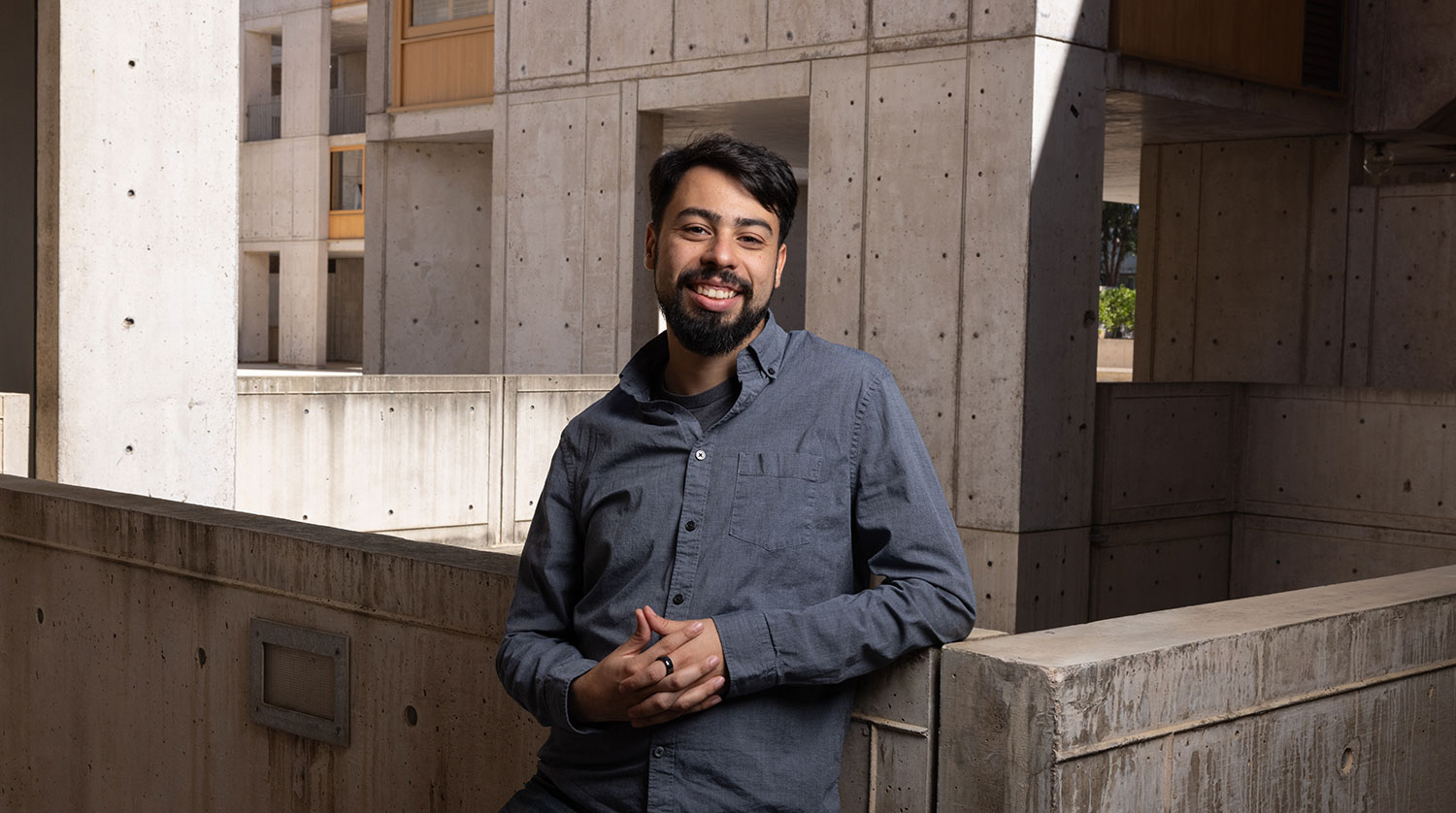
Talmo Pereira is a computational neuroscientist who develops and applies artificial intelligence techniques to study how life moves as a window into how it works. From plants to humans, living beings have adapted to move in their environments as part of their survival strategies. By building detailed virtual simulations of how these movements are produced, scientists can tackle tough questions like how brains process information or how early signs of disease manifest in an individual’s body language.
In his past work at Salk, Pereira’s lab pioneered the application of deep learning to achieve efficient and accessible markerless motion capture of living animals by developing an open-source AI-based software tool called SLEAP. SLEAP has been used by tens of thousands of researchers in more than 90 countries to study everything from subcellular organelles to whale sharks. One of his next projects aims to reverse-engineer the neural codes our brains use to produce movements using “embodied digital twins”—virtual representations of real-life animals that can help scientists trace the links between behavior and brain activity.
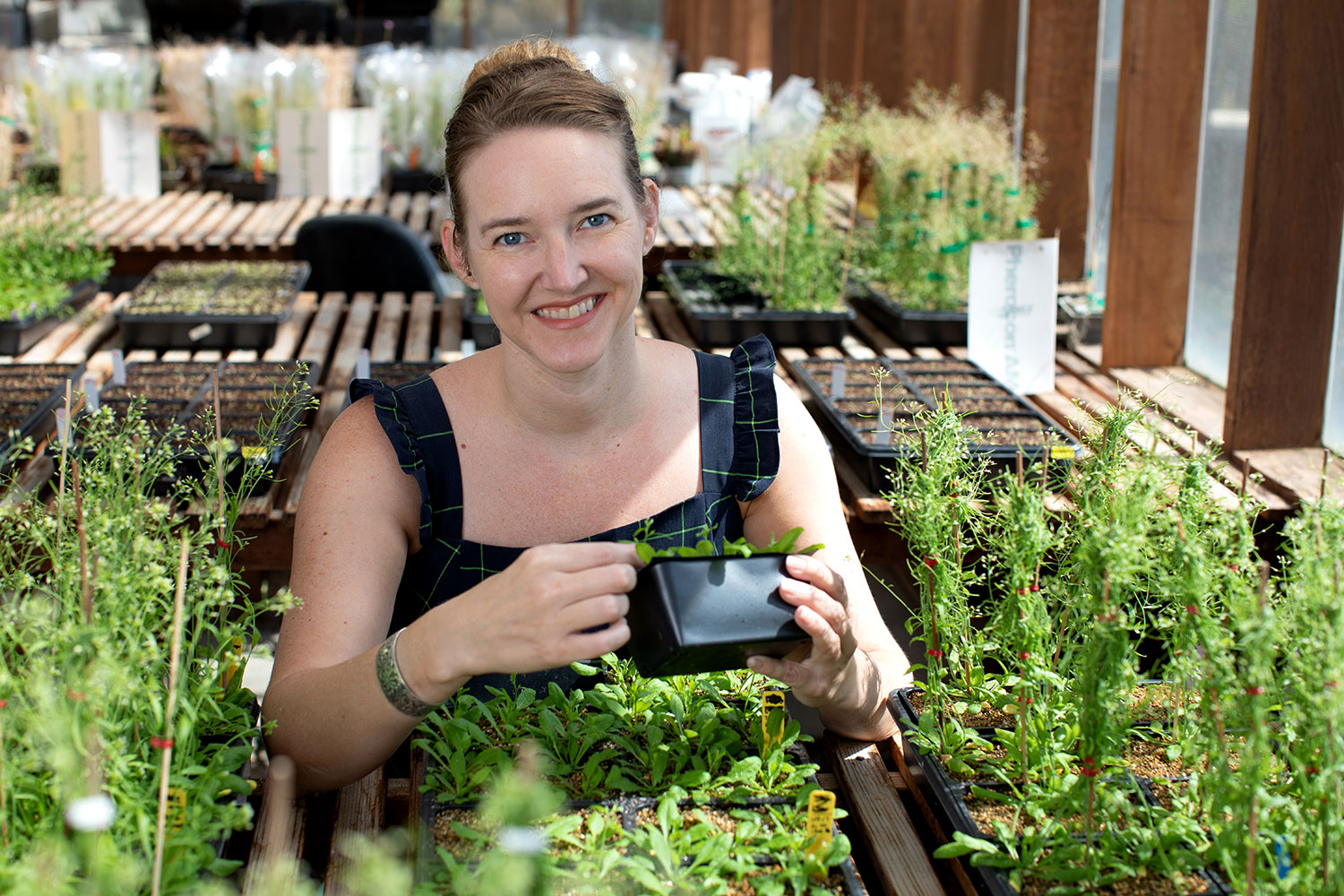
Julie Law is a molecular biologist who studies epigenetics—the chemical modifications that help organize and regulate DNA without changing the genetic code itself. These molecular tags shape how genomes function, influencing gene activity, genome stability, development, and responses to environmental stress. When epigenetic regulation fails, it can lead to developmental defects, disease, and genome instability. By uncovering how epigenetic patterns are established and controlled, Law aims to better understand the fundamental mechanisms that govern genome function.
Because altering epigenetic pathways in animals is often lethal, Law conducts her research in the small flowering plant Arabidopsis thaliana. Her lab has made major discoveries showing how DNA methylation patterns are established and reprogrammed during development. Most recently, her team demonstrated that transcription factors and DNA sequences can direct new epigenetic patterns—a major conceptual advance in the field. Law’s research also explores how chromatin regulates DNA repair and how plants can be engineered to better withstand environmental stress. She is a Rita Allen Foundation Scholar and member of Salk’s Harnessing Plants Initiative, which seeks to develop more resilient crops and increase carbon storage in soil.
Office of Communications
Tel: (858) 453-4100
press@salk.edu
The Salk Institute is an independent, nonprofit research institute founded in 1960 by Jonas Salk, developer of the first safe and effective polio vaccine. The Institute’s mission is to drive foundational, collaborative, risk-taking research that addresses society’s most pressing challenges, including cancer, Alzheimer's disease, and agricultural vulnerability. This foundational science underpins all translational efforts, generating insights that enable new medicines and innovations worldwide.