Memoriam
To fulfill his vision of a multidisciplinary institute that prized collaboration over competition, Jonas Salk cast his net for researchers with an appetite for risk taking. This page is dedicated to the memory of those scientific giants:
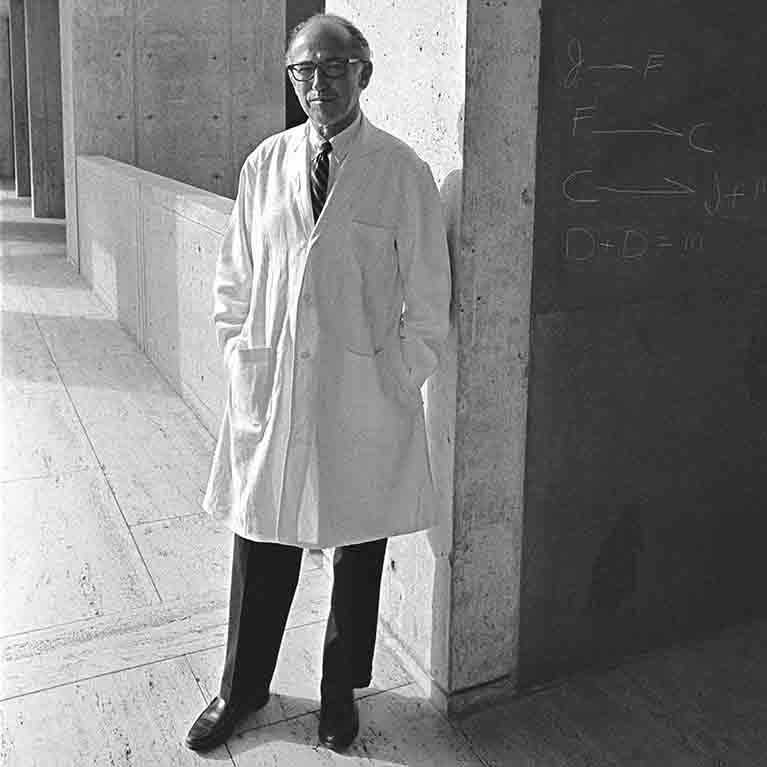
Salk Institute Founder
Hailed as a “miracle worker” in 1955 for developing the first safe and effective polio vaccine, Salk went on to found his eponymous institute in 1960. He became the first Institute president on December 28, 1960 and served until March 7, 1962. Salk died June 23, 1995 at the age of 80.
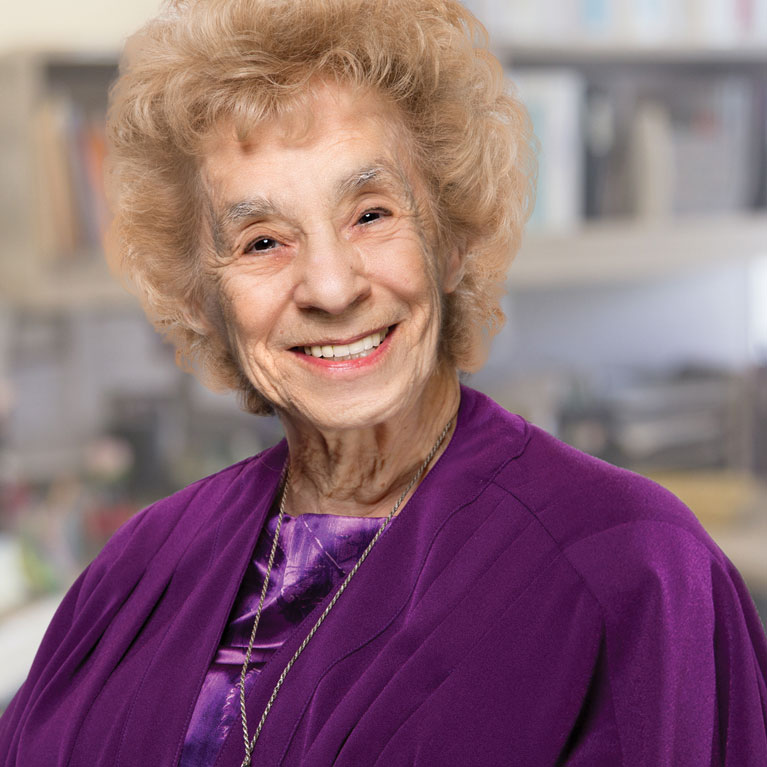
Distinguished Professor Emerita and Founder’s Chair
Bellugi pioneered the neurobiology of American Sign Language (ASL). She was the first to demonstrate that ASL is a true language, leading to the discovery that the same areas of the brain that specialize in spoken language are activated by sign language. Her work also provided a better understanding of Williams syndrome and autism, conditions that affect social behaviors in opposite ways. Bellugi died April 17, 2022, at the age of 91.
Read more »
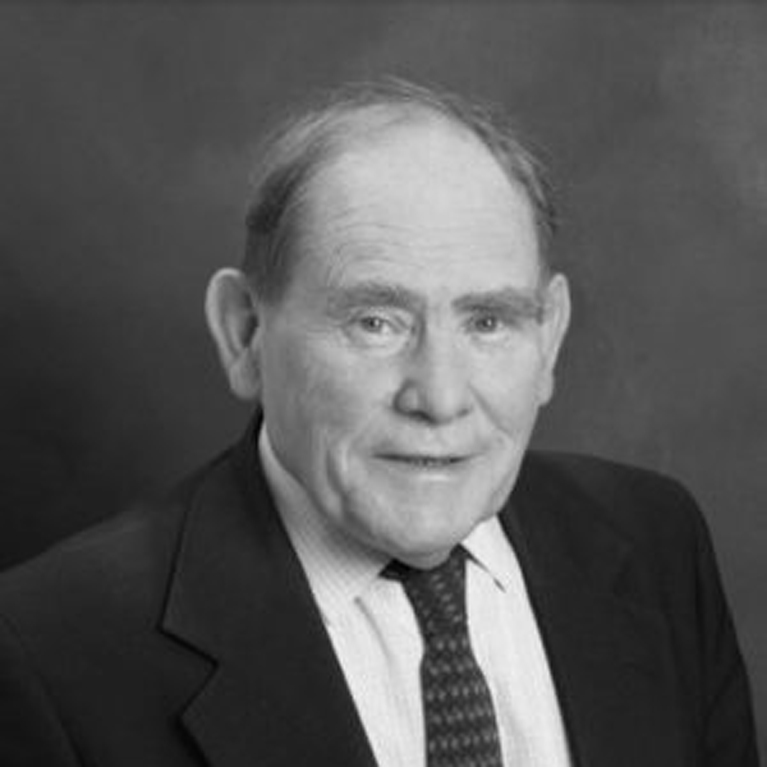
Distinguished Professor Emeritus
The Nobel Prize-winning molecular biologist shaped the modern understanding of the genetic code. Brenner joined the Institute in 2000 and was awarded the Nobel Prize in Physiology or Medicine in 2002, along with H. Robert Horvitz and John Sulston, for their pioneering research using the translucent microscopic worm Caenorhabditis elegans as a model system. Brenner died April 5, 2019 at the age of 92.
Read more»
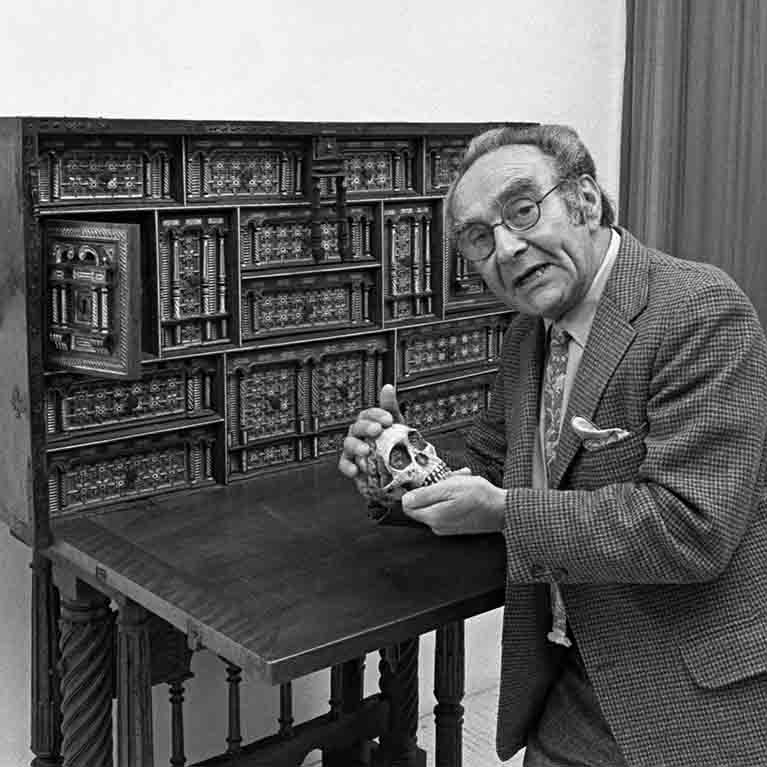
Founding Resident Fellow
A British mathematician who worked for the UK’s Ministry of Home Security during World War II, Bronowski developed mathematical approaches to bombing strategy. Following his experiences documenting the effects of the atomic bombings of Nagasaki and Hiroshima, he turned to biology to better understand the nature of violence. He joined the Salk Institute in 1964. He died August 22, 1974 at the age of 66.
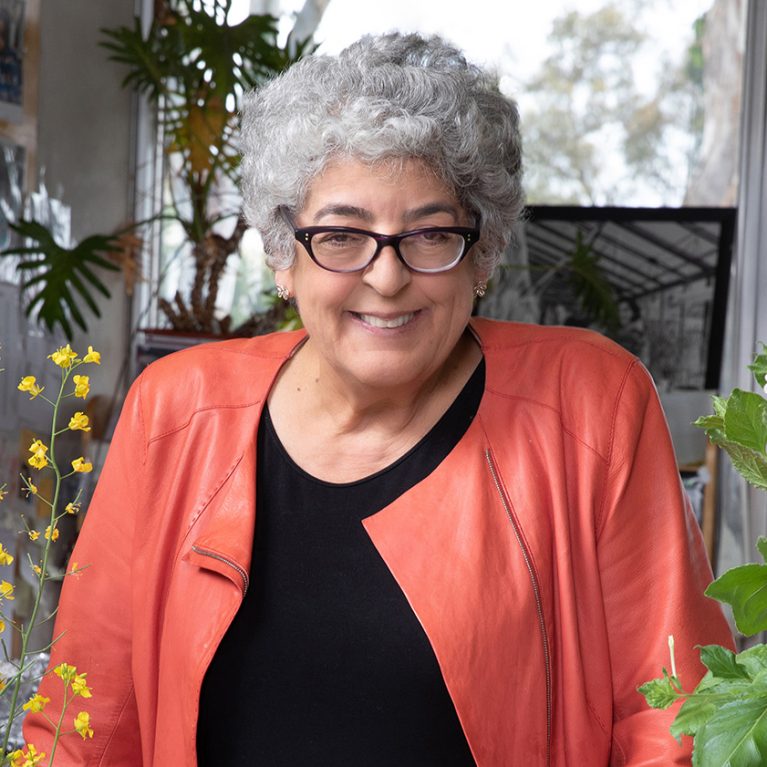
Professor and Director Plant Molecular and Cellular Biology Laboratory
Founding Director of the Harnessing Plants Initiative
Salk Professor Joanne Chory, one of the world’s preeminent plant biologists who led the charge to mitigate climate change with plant-based solutions, died on November 12, 2024, at the age of 69. Chory, who was also a Howard Hughes Medical Institute investigator, spent more than 30 years studying how plants respond to their environments, and she made many important discoveries regarding how plants sense light and make growth hormones.
Read more»
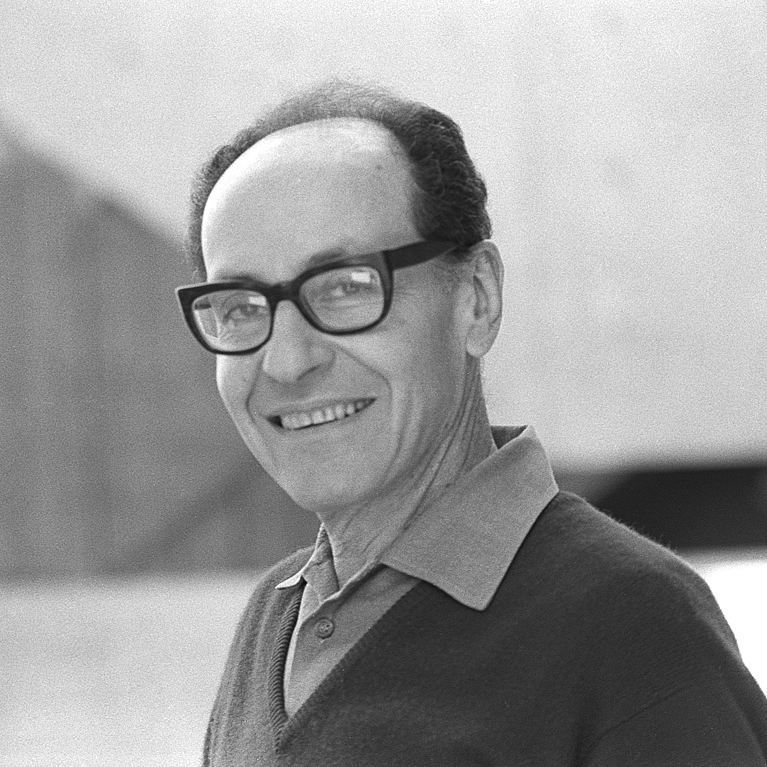
Founding Resident Fellow
A titan of immune system biology and a pioneering researcher in the field of gene regulation Cohn joined Salk in 1961 as a founding and resident fellow. Prior to joining Salk, Cohn was a National Science Foundation fellow at l’Institut Pasteur in Paris and was previously a professor at Stanford University and Washington University in St. Louis. He was named a professor emeritus of Salk in 2011 and maintained an active research group until shortly before his passing. He died October 23, 2018 at the age of 96.
Read more»
Click here to view his publications»
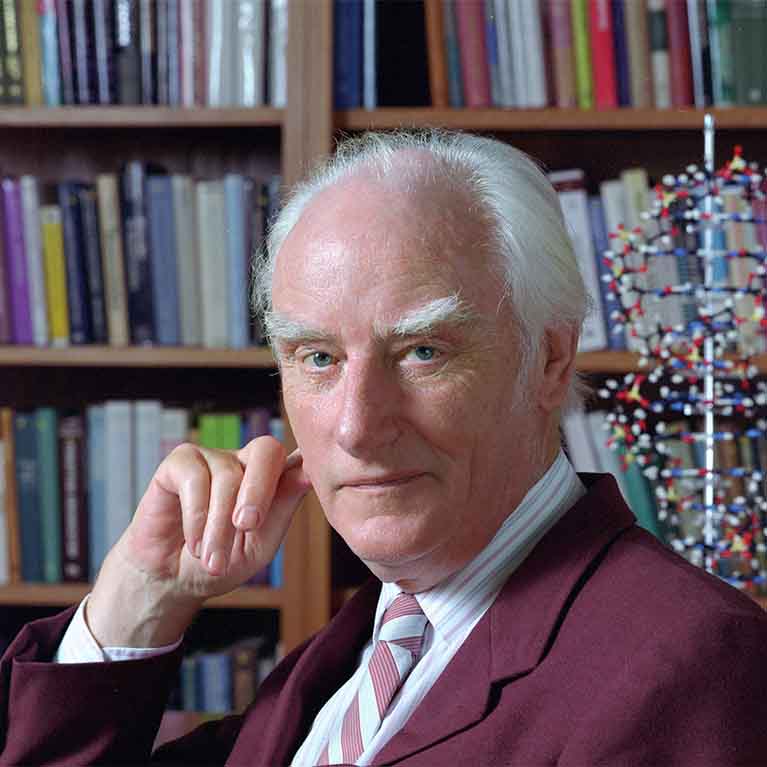
Founding Nonresident Fellow
The British molecular biologist, biophysicist and neuroscientist won the Nobel Prize in Physiology or Medicine in 1962 for co-discovering the structure of the DNA molecule in 1953 with James Watson. In 1976, he joined the Salk Institute, where he focused his research on developmental neurobiology and served as Institute president from 1994-1995. Crick died July 28, 2004 at the age of 88.
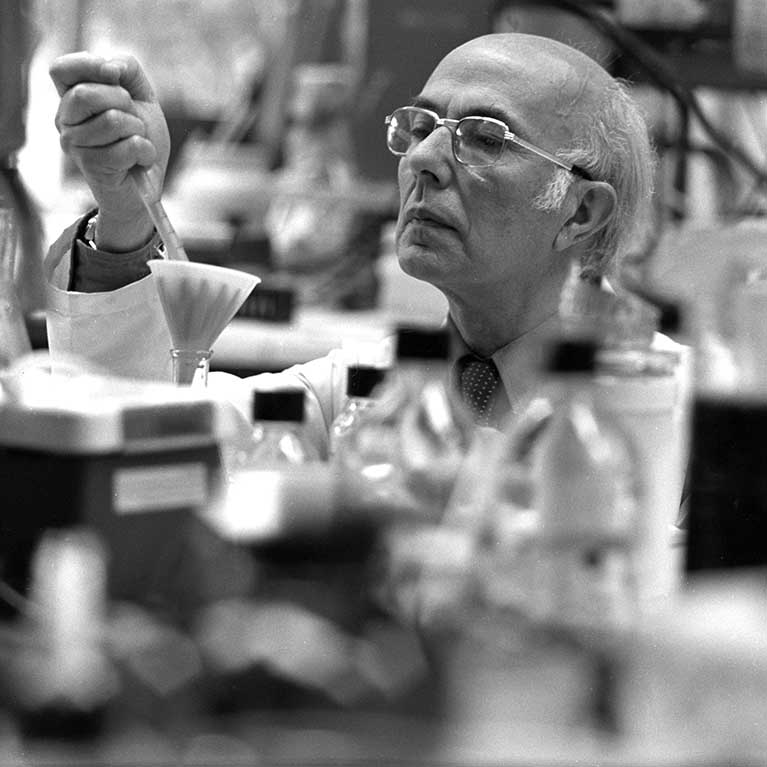
Founding Resident Fellow
A graduate of the University of Turin, virologist Dulbecco joined the Salk Institute in 1962, later serving as president from 1988 to 1992. In 1975, he shared the Nobel Prize in Physiology or Medicine with Howard M. Temin and David Baltimore for their discoveries illuminating how tumor viruses interact with the genetic material within a cell. Dulbecco died February 19, 2012 at the age of 97.
Read more»
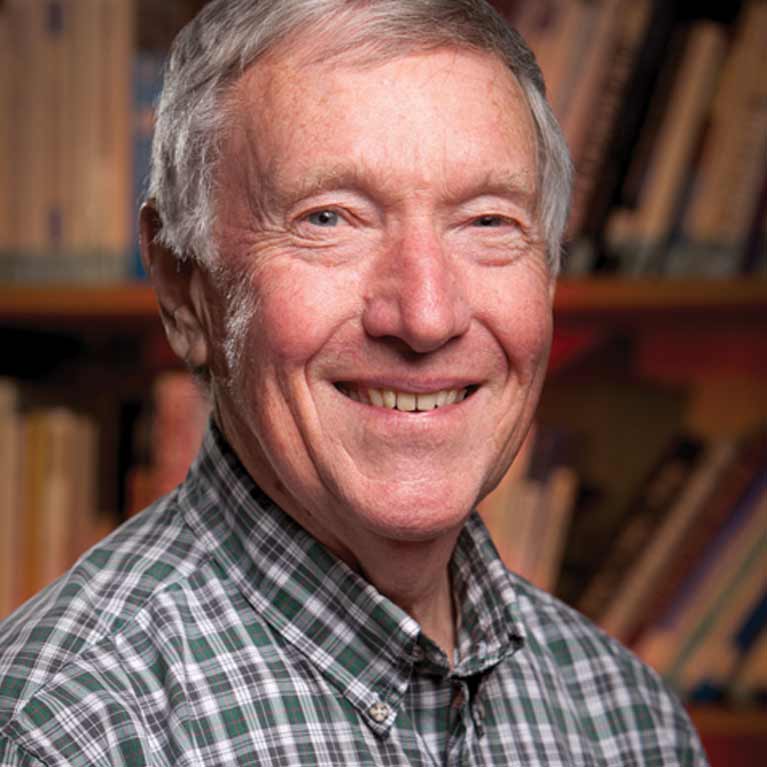
Professor Emeritus
Eckhart served as director of the Salk Institute’s National Cancer Institute-designated Cancer Center and head of the Molecular and Cell Biology Laboratory for more than 30 years. He was a leader in understanding the basic biology underpinning cancer. He studied regulation of cell growth, including the effects of cancer-causing genes (oncogenes), growth factors and communication between adjacent cells (gap junctional intercellular communication). Eckhart died on June 22, 2022, at the age of 84.
Read more »
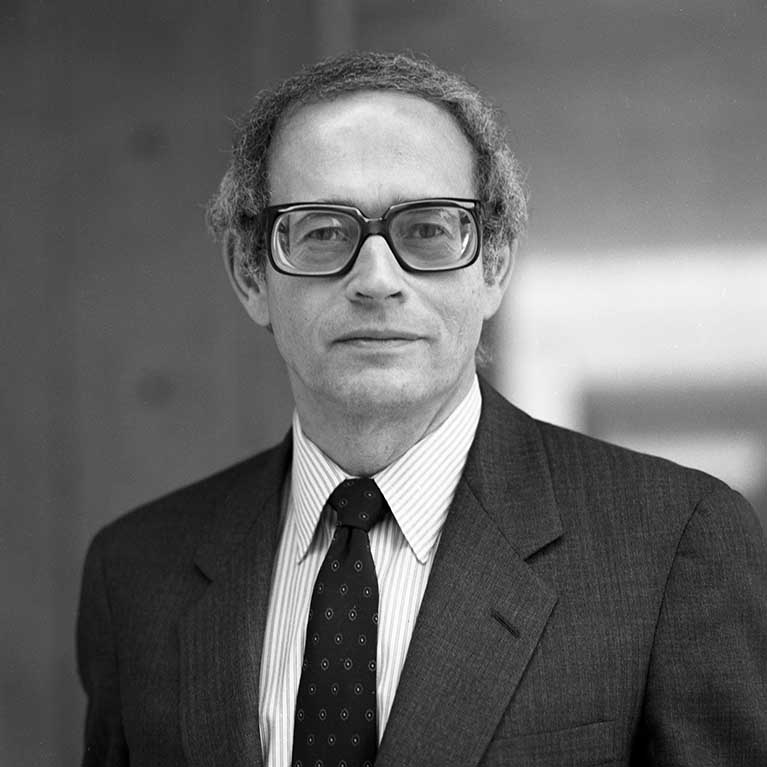
Nonresident Fellow, Trustee
American biologist Edelman shared the 1972 Nobel Prize in Physiology or Medicine with Rodney Porter for their discovery of the structure of antibody molecules. He was a nonresident fellow of Salk from 1973 to 1985 and served on Salk’s board of trustees from 1975 to 1985. Edelman died May 17, 2014 at the age of 84.
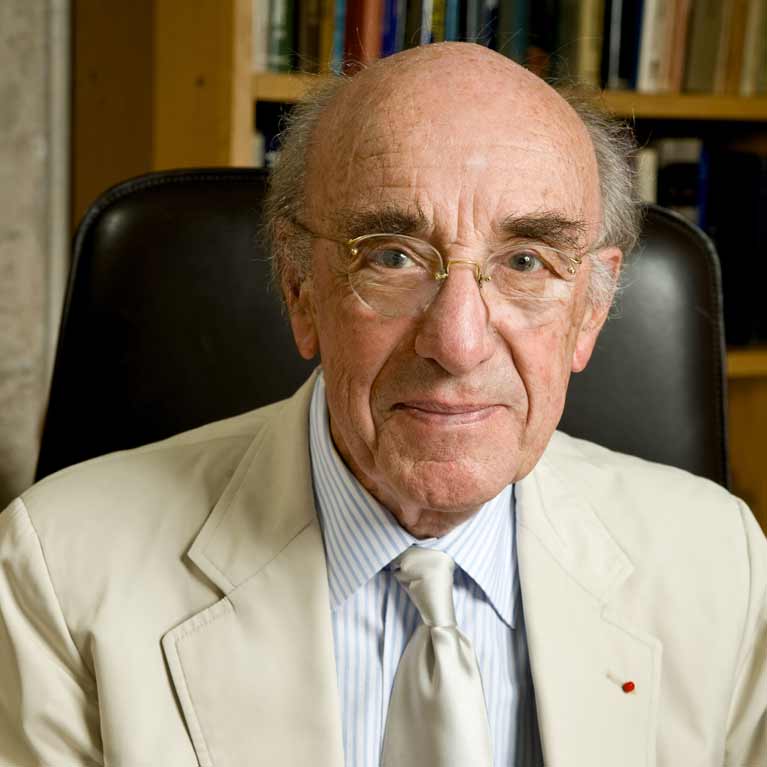
Distinguished Professor Emeritus
Considered the “father of neuroendocrinology,” Guillemin shared the 1977 Nobel Prize in Physiology or Medicine for “discoveries concerning the peptide hormone production of the brain.” His discoveries led to advancements in the medical treatment of infertility and prostate cancer. He served as the Salk Institute’s interim president from October 2007 to February 2009. Guillemin died on February 21, 2024, at the age of 100.
Read more »
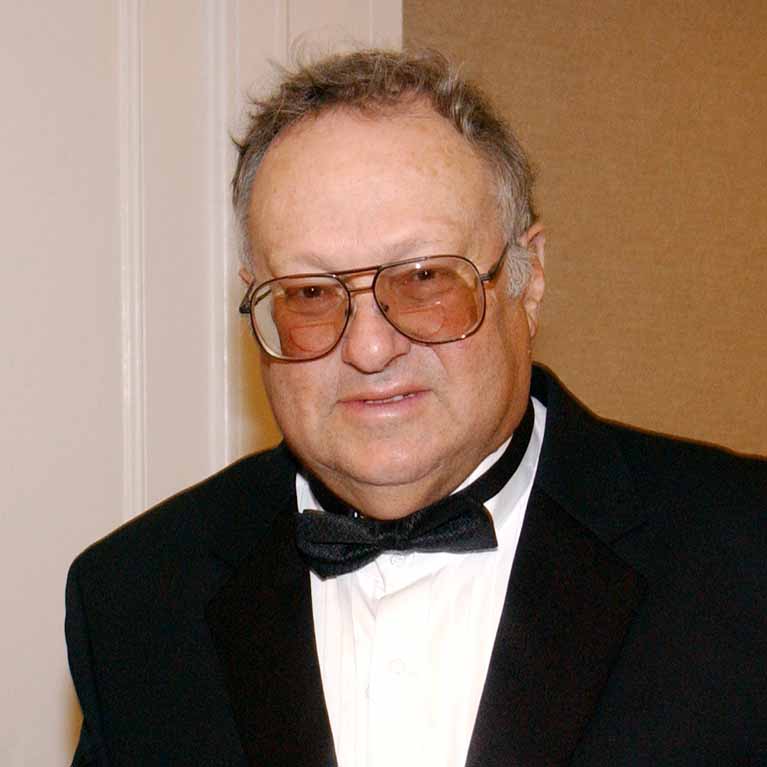
Professor
In 1970, Heinemann was invited to join the core faculty of the Salk Institute, and was among its very first neuroscientists. He established Salk’s Molecular Neurobiology Laboratory, a program that by the late 1980s was ranked number one in the world. He died August 6, 2014 at the age of 75.
Read more»
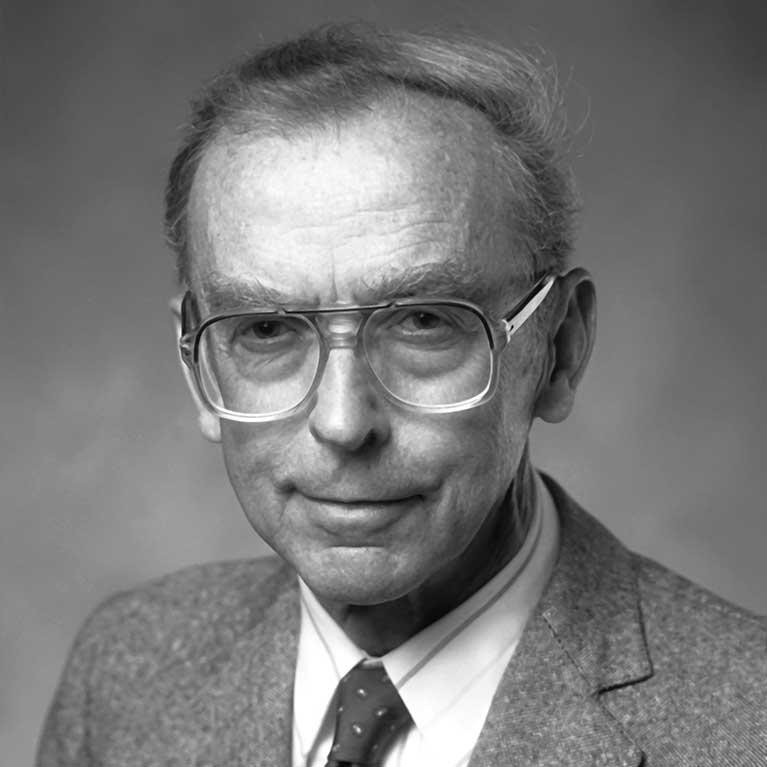
Resident Fellow
In 1968, two years after his arrival at the Salk Institute as a professor and fellow, biochemist Holley received the Nobel Prize in Physiology or Medicine for his work on the structure of transfer-RNA. He remained at the Institute until his death on February 11, 1993 at the age of 71.
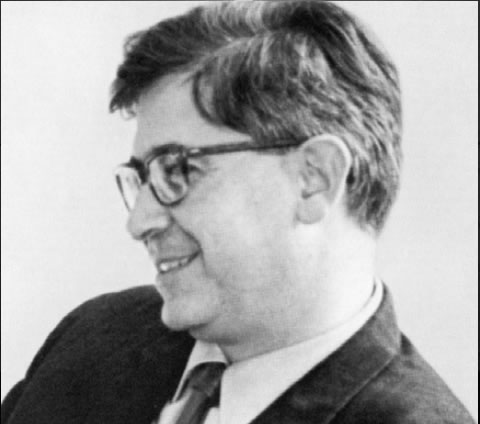
Founding Resident Fellow
Lennox, an expert in physics and cellular and molecular immunology, had a long career in science, spanning several fields of research, with more than 100 research papers to his name. He was among the first four fellows to join the Salk Institute alongside Melvin Cohn, Jacob Bronowski and Renato Dulbecco.
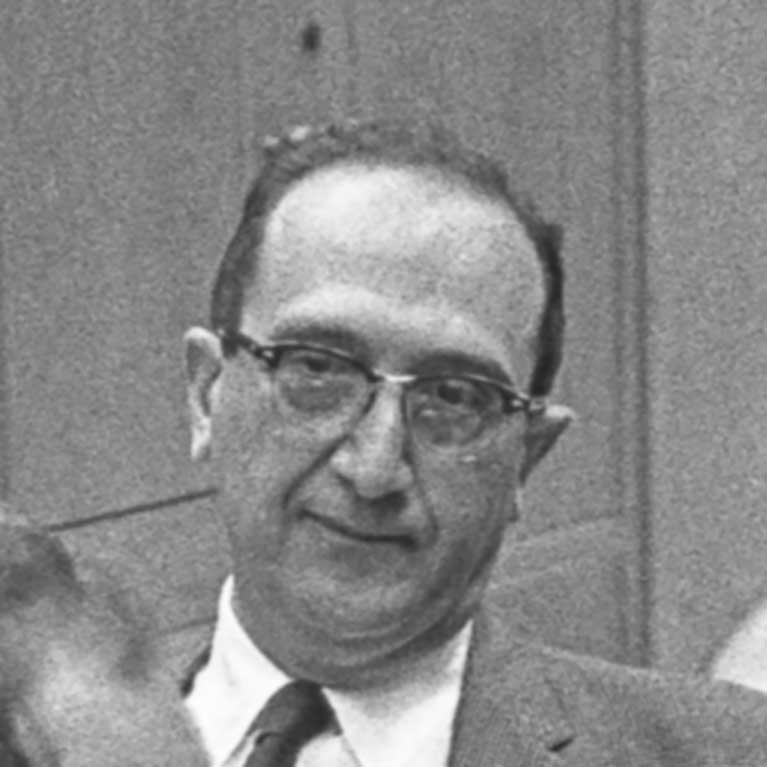
Founding Nonresident Fellow
The Italian microbiologist became one of the first nonresident fellows of Salk in 1965. He won the Nobel Prize in Physiology or Medicine in 1969 with Max Delbrück and Alfred Hershey for their discoveries on the replication mechanism and the genetic structure of viruses. He died February 6, 1991 at the age of 78.
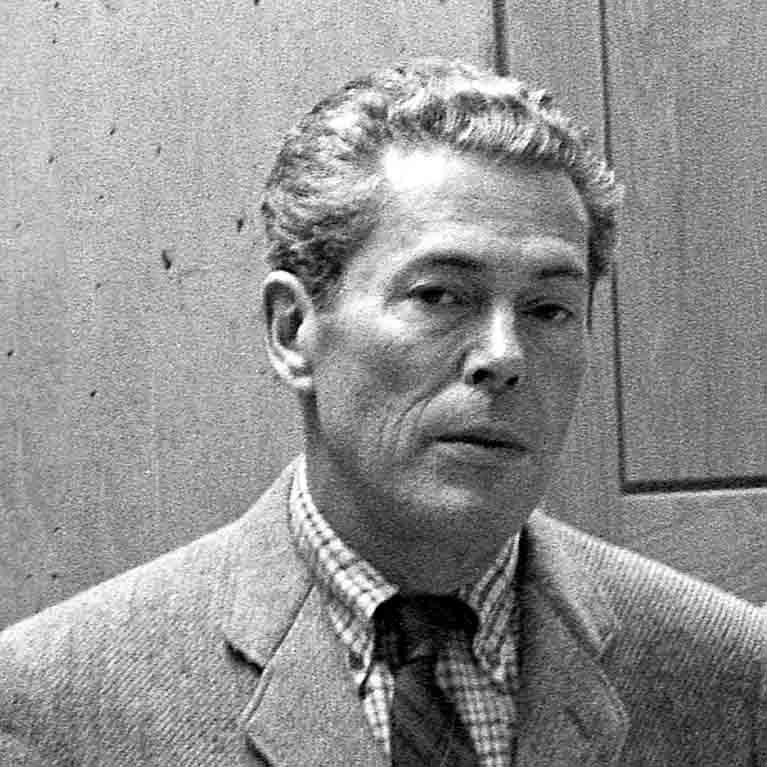
Founding Nonresident Fellow
The French biologist was awarded a Nobel Prize in Physiology or Medicine in 1965, sharing it with François Jacob and Andre Lwoff for their discoveries concerning genetic control of enzyme and virus synthesis. He was named a Salk nonresident fellow in 1968. He died May 31, 1976 at the age of 66.
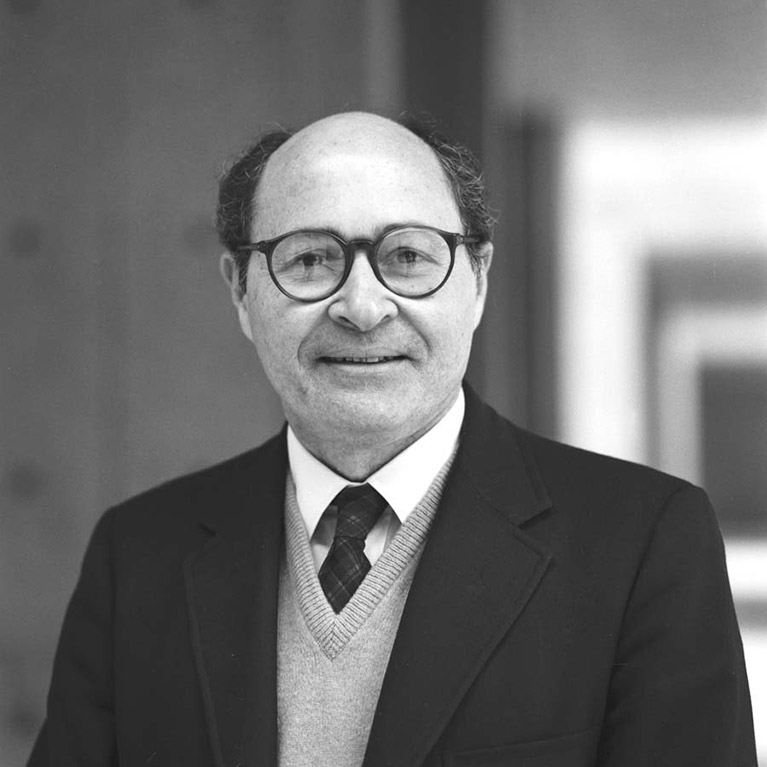
Nonresident Fellow
The Nobel Prize-winning geneticist and long-time Johns Hopkins University professor pioneered the use of scalpels in analyzing DNA, a technique that helped create the biotechnology industry. He joined the Salk Institute as a nonresident fellow in 1988 and served until 1994. Nathans died November 16, 1999 at the age of 71.
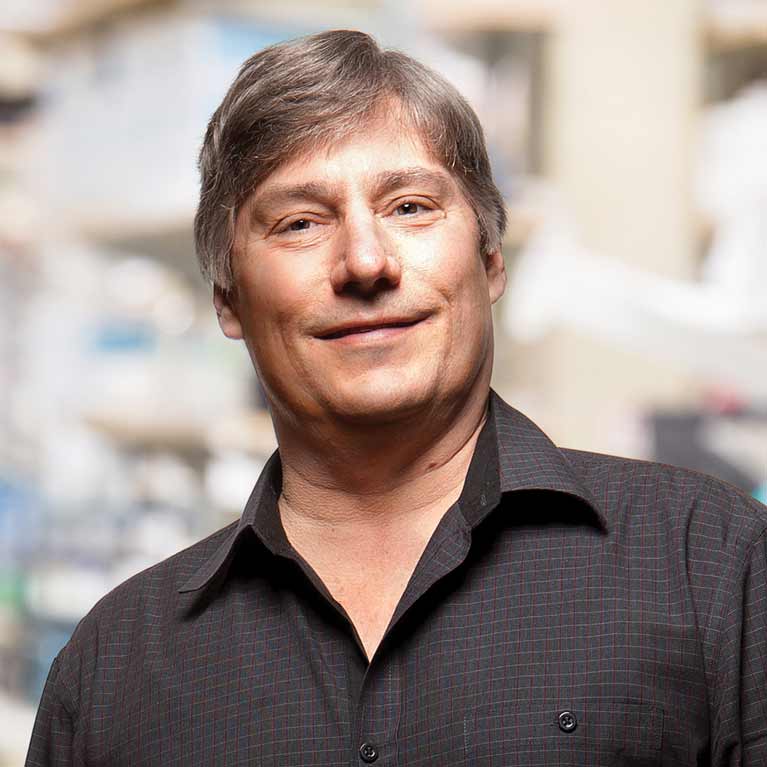
Professor Emeritus
A neuroscientist and a leading figure in the field of developmental neurobiology, O'Leary spent his career addressing questions about brain development to better understand the genes and molecules that not only helped neurons form and find their place in a developing brain but also played key roles in neural function and health throughout life.
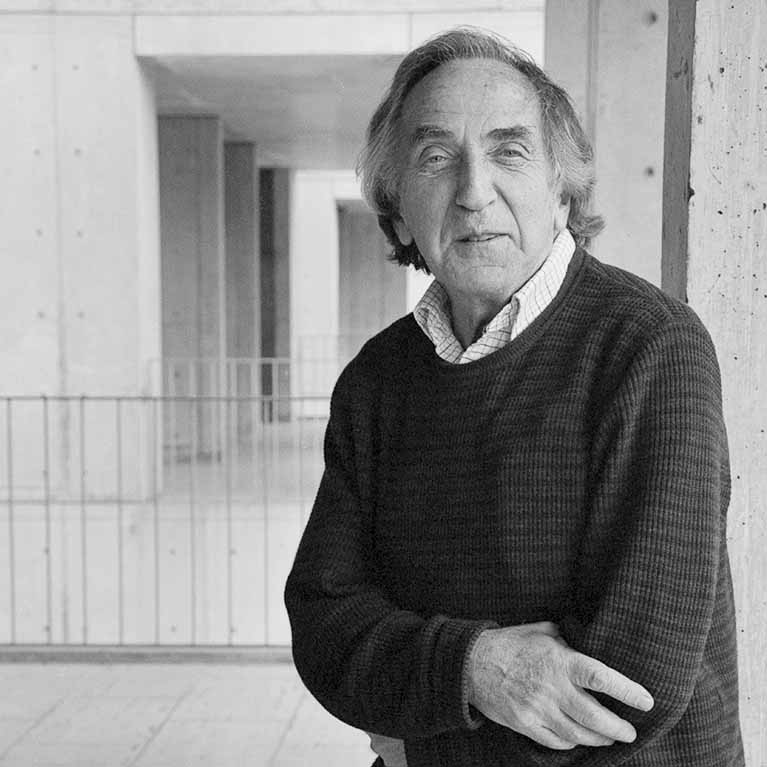
Resident Fellow
With bachelor’s and doctorate degrees in chemistry from Oxford University, Orgel accepted an invitation to join the founding faculty at the Salk Institute in 1964. He built the Institute’s Chemical Evolution Laboratory and remained at its helm for the rest of his career. Orgel died October 27, 2007 at the age of 80.
Read more»
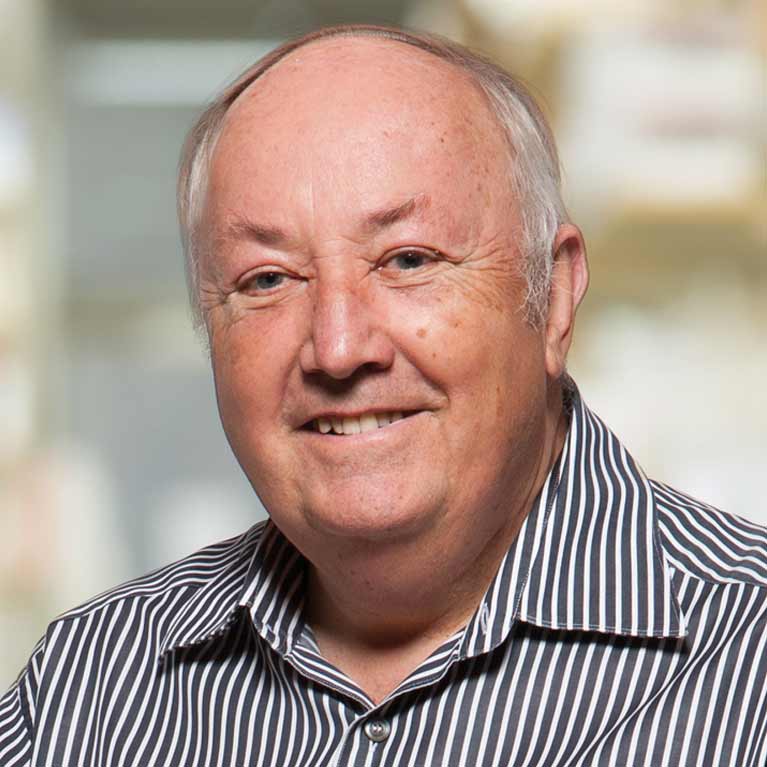
Professor Emeritus
Neuropeptide biologist Rivier pioneered studies on the characterization of the hypothalamic peptides that control the stress response, and developed drugs that target this response. He joined Salk in 1970 and spent his career as professor of the Institute’s Clayton Foundation Laboratories for Peptide Biology where he studied a class of stress hormones called corticotropin-releasing factors (CRFs). Rivier died November 13, 2019 at the age of 78.
Read more»
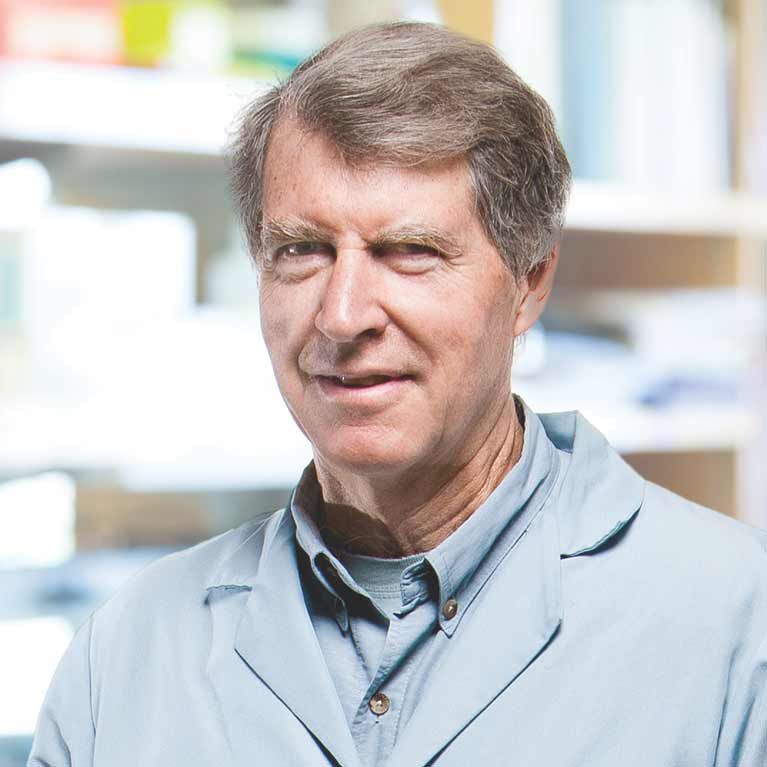
Professor
The renowned cell biologist first came to the Institute in 1965 as a graduate student and then returned to Salk in 1970 as a member of the faculty. Schubert made numerous key discoveries, including developing screening techniques to identify naturally occurring chemicals that can slow or prevent the neurological damage, such as in Alzheimer’s disease. David Schubert died on August 6, 2020, at the age of 77.
Read more»
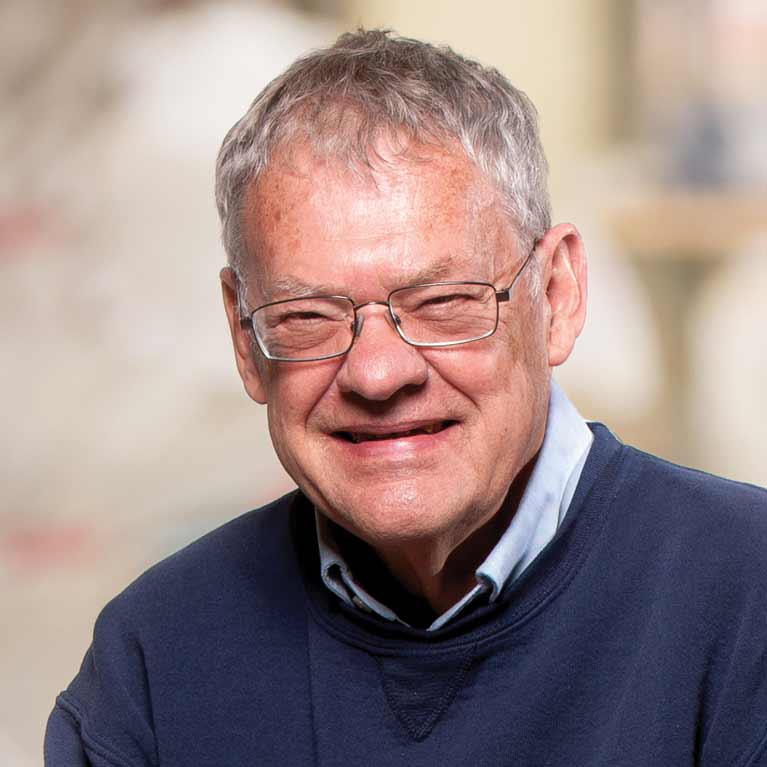
Distinguished Professor Emeritus
A pioneer in neuroscience, Stevens was responsible for confirming via modern experimentation long-held beliefs regarding the consistency of neuron density throughout the brain. He was also a leader in exploring and understanding the scalable architecture of the brain. Stevens died on October 21, 2022, at the age of 88.
Read more»
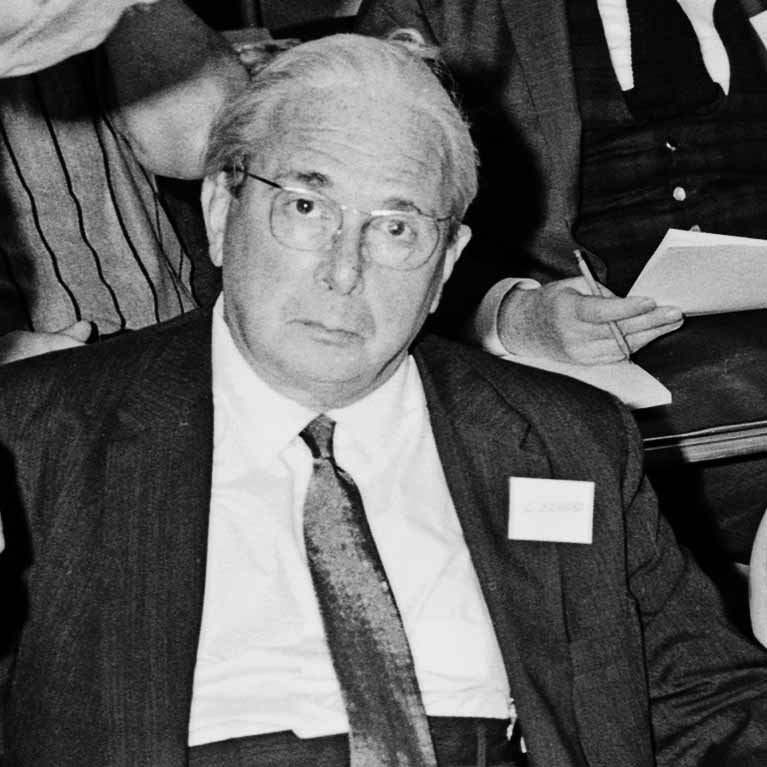
Founding Nonresident Fellow
The Hungarian physicist who patented the idea of a nuclear reactor with Enrico Fermi and wrote the letter that resulted in the Manhattan Project that built the atomic bomb, was appointed a nonresident fellow of Salk in July 1963. He died May 30, 1964 at the age of 66.
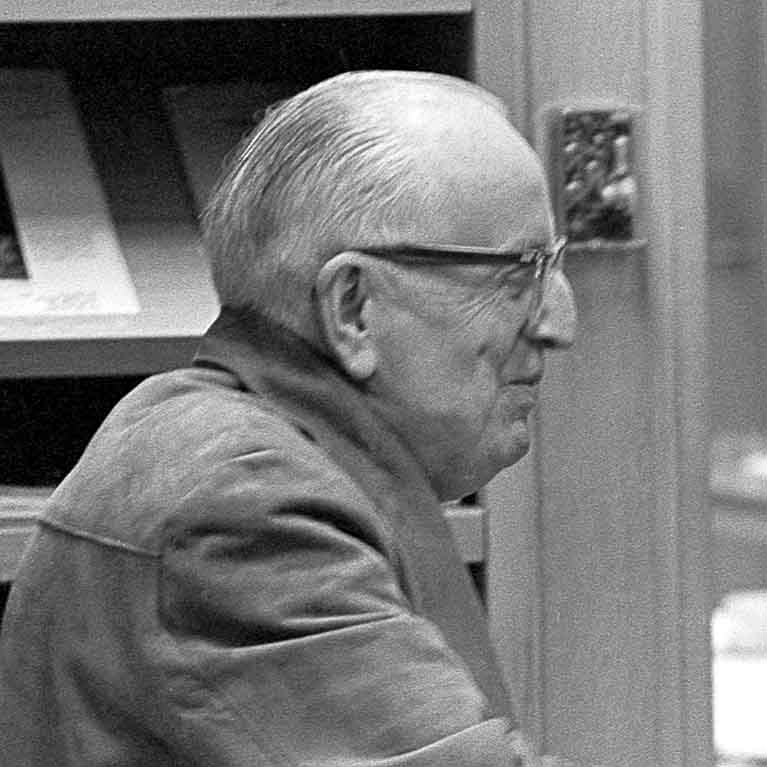
Founding Nonresident Fellow
A scientist and mathematician, Weaver was dubbed the godfather of molecular biology, having coined the phrase in 1938. A former director of the Division of Natural Sciences at the Rockefeller Foundation, he accepted Salk’s invitation to be a nonresident fellow in the early 1960s. He died November 24, 1978 at the age of 84.
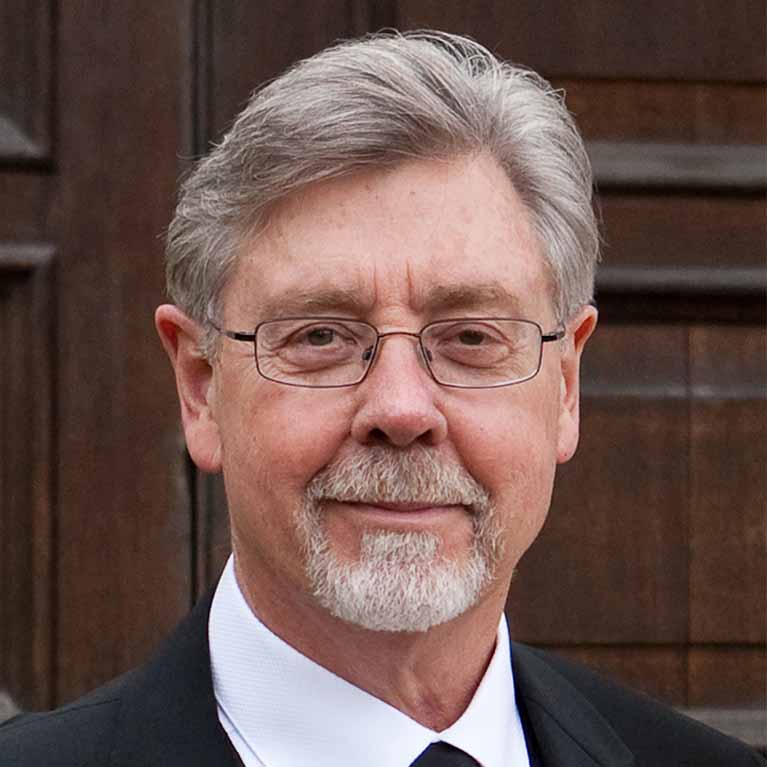
Professor
With a PhD in physiology and biochemistry from the Baylor College of Medicine, Vale was recruited to the Salk Institute in 1970. The endocrinologist helped identify the hormones through which the brain governs basic bodily functions. He was head of both the Clayton Foundation Laboratories for Peptide Biology and the Helen McLoraine Chair in Molecular Neurobiology at Salk. He died January 3, 2012 at the age of 70.
Read more»
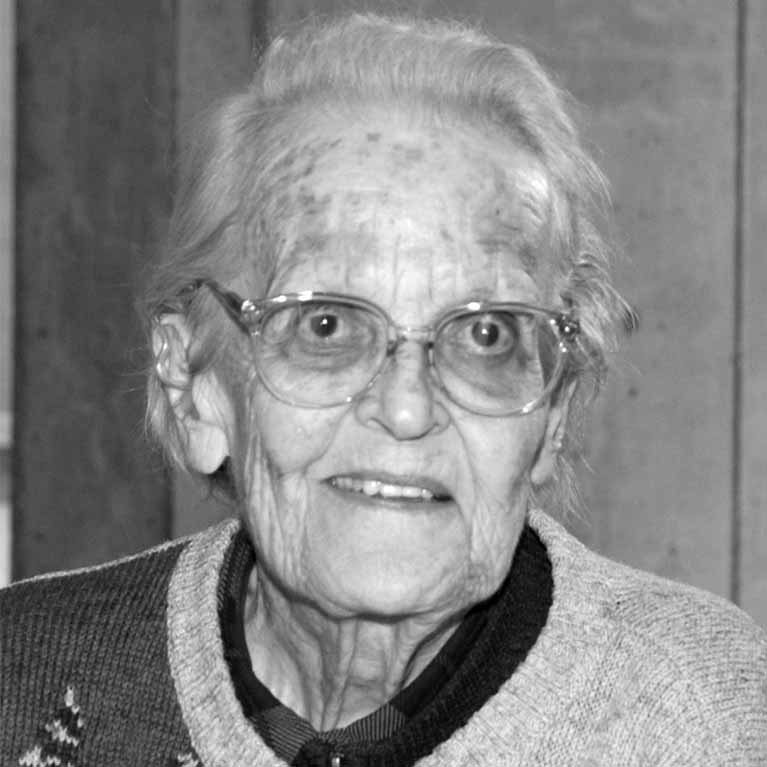
Professor
A cancer biologist and virologist, Vogt was noted for her research on cancer at the Salk Institute. In the early 1950s, she worked with Renato Dulbecco on methods to culture poliovirus at the California Institute of Technology, and followed him to the Salk Institute in 1963. She remained active in her lab until her late 80s, publishing her last paper in 1998. She died July 6, 2007 at the age of 94.
Read more»
