LA JOLLA—Of the 3.6 million babies born in the United States each year, around 80 percent begin breastfeeding in their first month of life. Breastfeeding has known benefits for both mother and child, reducing maternal risk of breast and ovarian cancers, type 2 diabetes, and high blood pressure, while simultaneously supporting the baby’s nutrition and immune system. But because pregnancy and lactation have been historically understudied, we still don’t understand the science behind many of these benefits.
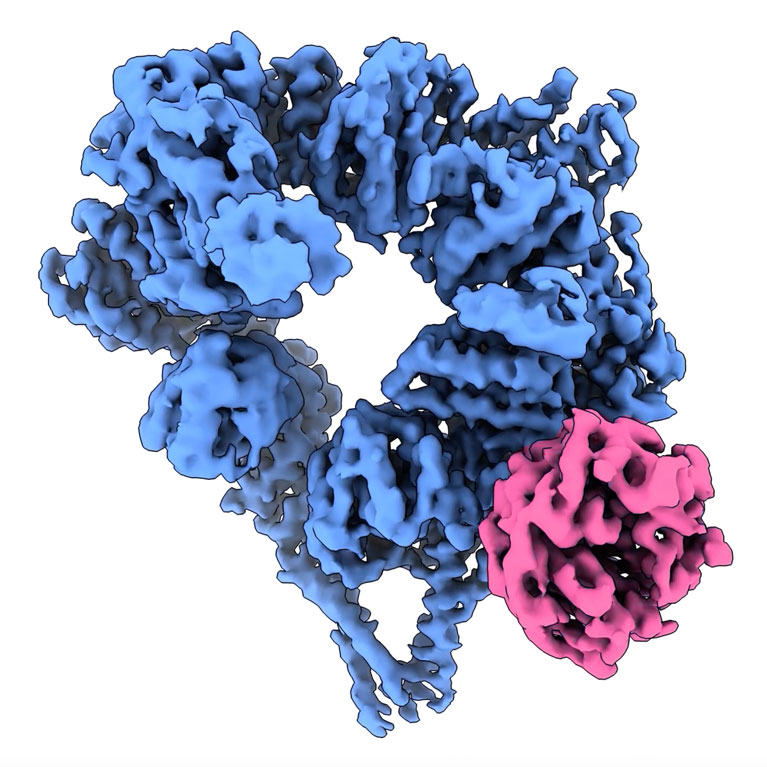
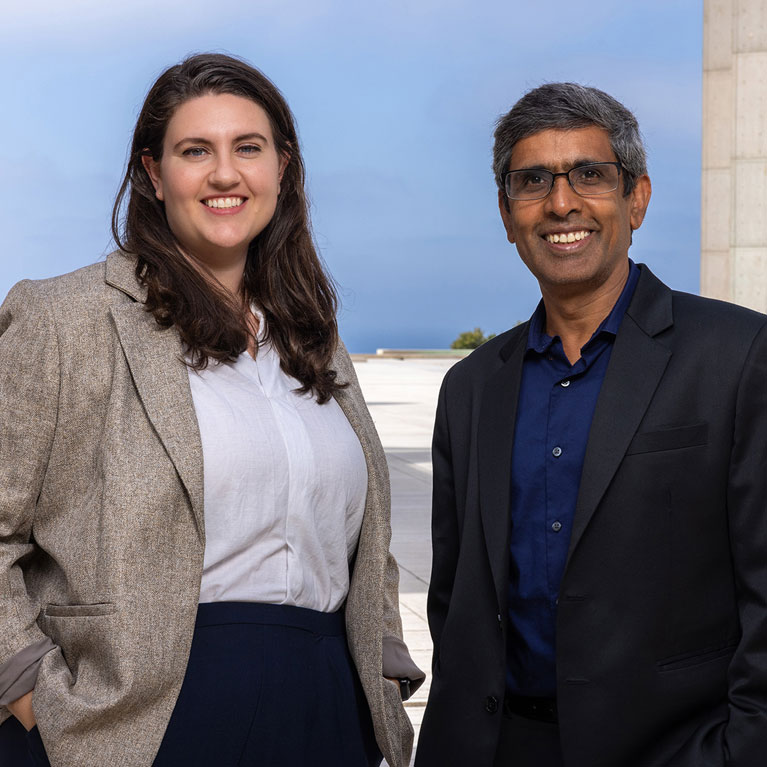
LA JOLLA—Salk Institute Professor 戴安娜·哈格里夫斯 was named a 2025 All-Star Translational Award Program grantee by the V Foundation for Cancer Research. The award comes as a recognition of Hargreaves’ exceptional success with her previous V Foundation grant in 2016, which aimed to identify better drug targets for cancers with mutations in a multi-protein complex called SWI/SNF that regulates DNA structure and stability. She and her collaborator, Gregory Botta, an associate professor at UC San Diego Moores Cancer Center, will receive $1 million to advance her new project to improve immunotherapy—a treatment that utilizes the body’s own immune cells to fight cancer—in patients with pancreatic cancer.
LA JOLLA—The Salk Institute announced today the appointment of Marie Carter-Dubois to serve as Vice President and Chief Financial Officer (CFO), effective September 1, 2025.
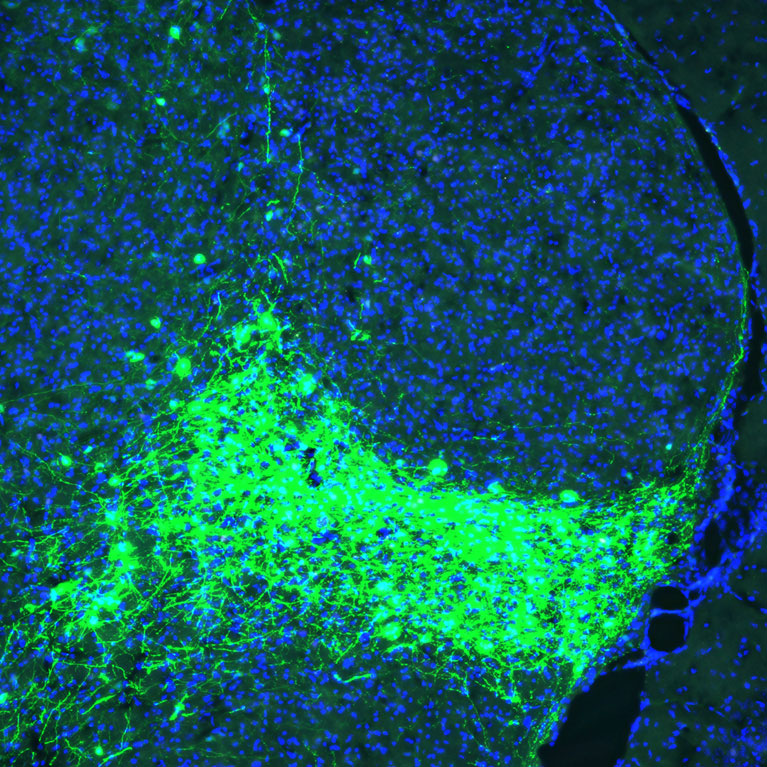
LA JOLLA—Pain isn’t just a physical sensation—it also carries emotional weight. That distress, anguish, and anxiety can turn a fleeting injury into long-term suffering.
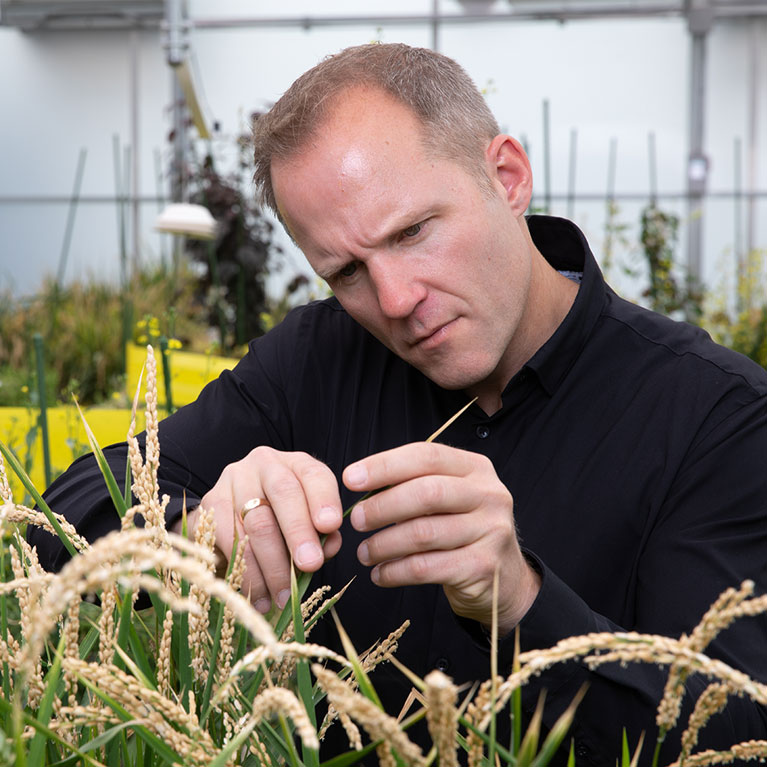
LA JOLLA—Salk Institute Professor 沃尔夫冈·布施, director of the Harnessing Plants Initiative and Hess Chair in Plant Science at Salk, has received a 2025 NOMIS Distinguished Scientist and Scholar Award. The NOMIS Foundation bestows this honor to “exceptional scientists and scholars whose innovative ideas and approaches involve interdisciplinary collaboration and apply a broad range of methods, building bridges across the boundaries of the sciences and humanities.”
拉霍亚—索尔克助理教授 迪普希卡·拉马南 has been named a Rita Allen Foundation Scholar, a distinction given to early-career leaders in the biomedical sciences whose research holds exceptional promise for revealing new pathways to advance human health.
LA JOLLA—Donald Cohn, San Diego real estate developer and community builder, died May 2, 2025, in La Jolla, California, at the age of 93. A generous supporter of the arts, education, and science, he served on the Salk Institute’s Board of Trustees from 2014 to 2022.
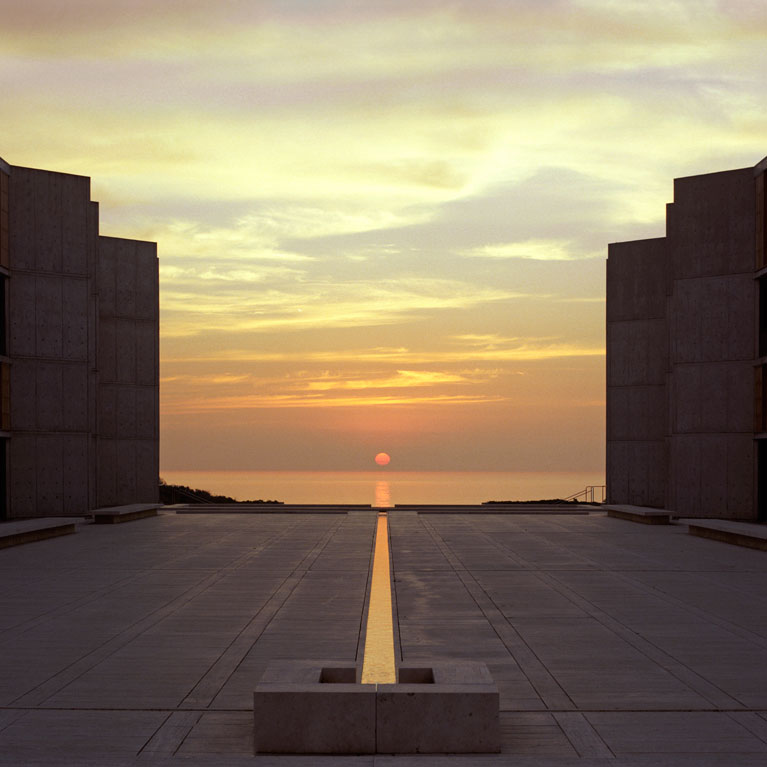
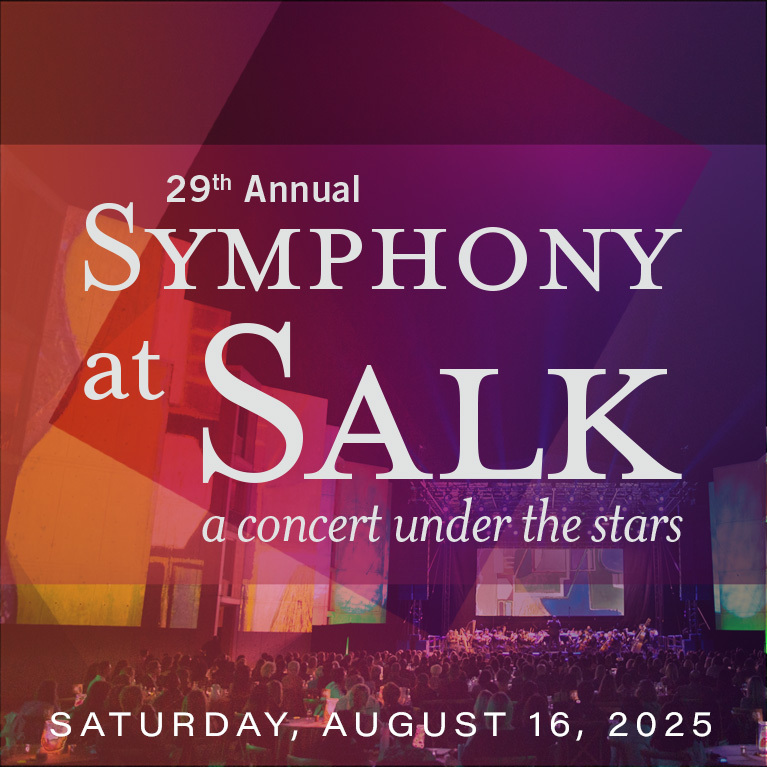
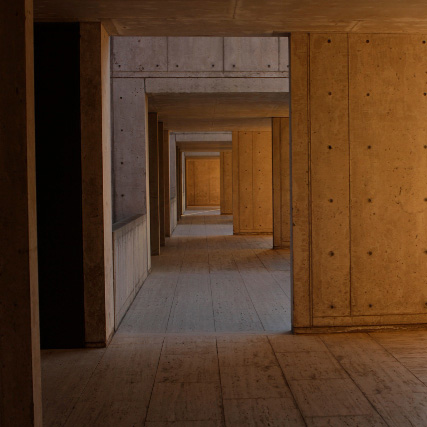
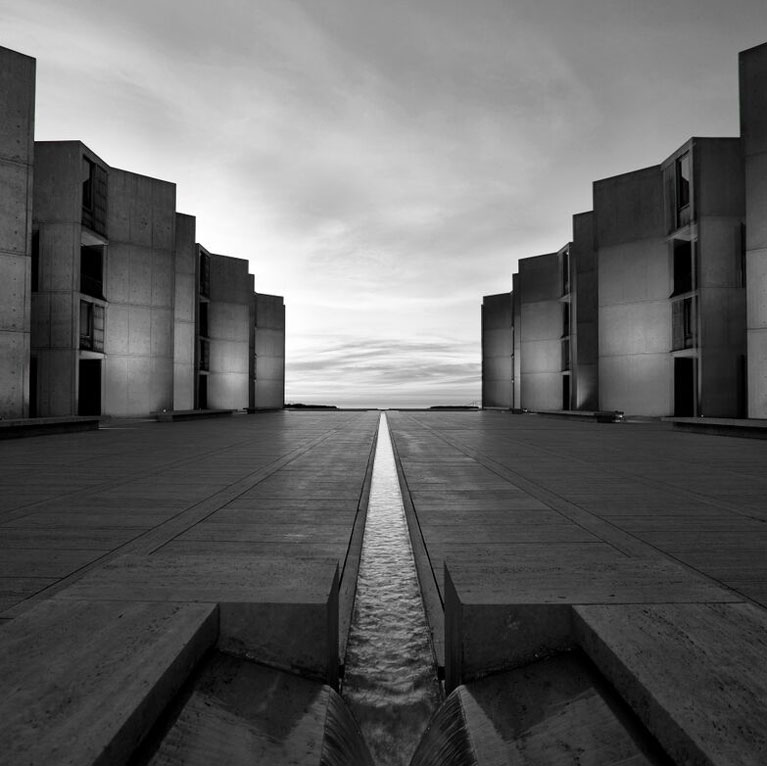
LA JOLLA—Tickets are now available for the 29th annual 索尔克音乐会, an evening where music, science, and philanthropy converge for a spectacular celebration. Set against the backdrop of the Salk Institute’s iconic architecture, this exclusive event will take place on Saturday, August 16, 2025, and feature the San Diego Symphony performing with Emmy and Tony Award-winning performer Kristin Chenoweth.
LA JOLLA—The Salk Institute will receive a generous gift from the Prebys Foundation as part of a rapid-response funding initiative to safeguard San Diego’s biomedical research ecosystem. This funding will support three years of Salk’s five cornerstone education pipeline and training programs: the Heithoff-Brody High School Summer Scholars, Summer Undergraduate Research Fellowship (SURF), Salk Edge Program, Discover Symposium, and Rising Stars Symposium.
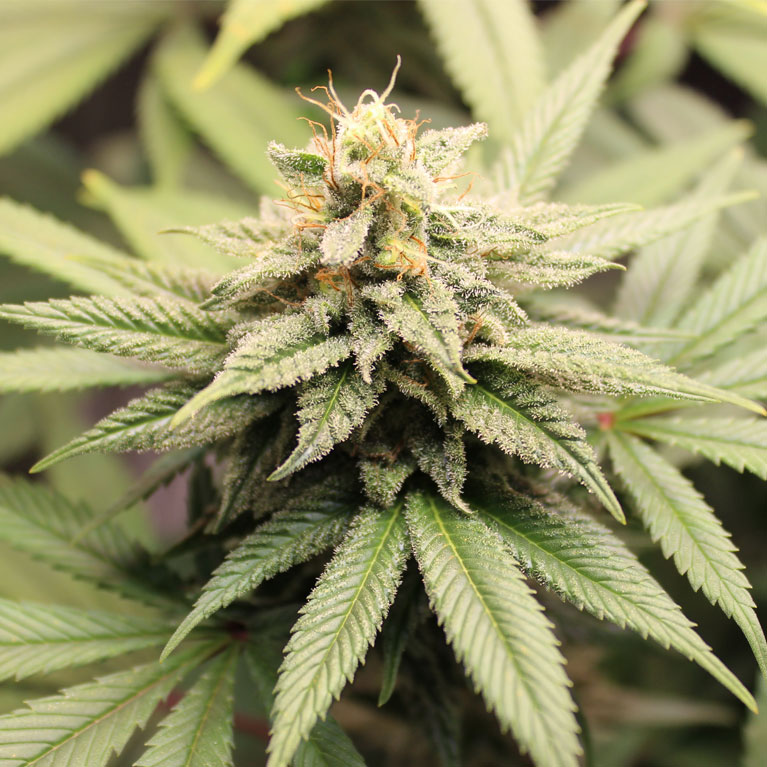
LA JOLLA—Cannabis has been a globally important crop for millennia. While best known today as marijuana for its psychoactive cannabinoid THC (tetrahydrocannabinol), historically, cannabis has been a cornerstone of human civilization, providing seed oil, textiles, and food for more than 10,000 years. Today, cannabis remains an understudied and underutilized resource, but United States legislation passed in 2014 and 2018 have re-energized cannabis crop development for medicinal, grain, and fiber applications.
LA JOLLA—Our cells rely on microscopic highways and specialized protein vehicles to move everything—from positioning organelles to carting protein instructions to disposing of cellular garbage. These highways (called microtubules) and vehicles (called motor proteins) are indispensable to cellular function and survival.
拉霍亚—萨尔克研究所欢迎两名新 非常驻研究员, UC San Francisco Professor David Julius and Stanford Professor Stephen Quake. The two scientists join a group of eminent scientific advisors who guide Salk’s leadership.
拉霍亚—索尔克教授 特伦斯·塞津诺维奇, head of the Computational Neurobiology Laboratory and holder of the Francis Crick Chair, has been elected to the Royal Society and the American Philosophical Society. These prestigious elections recognize his outstanding leadership and extraordinary achievement in computational neuroscience.
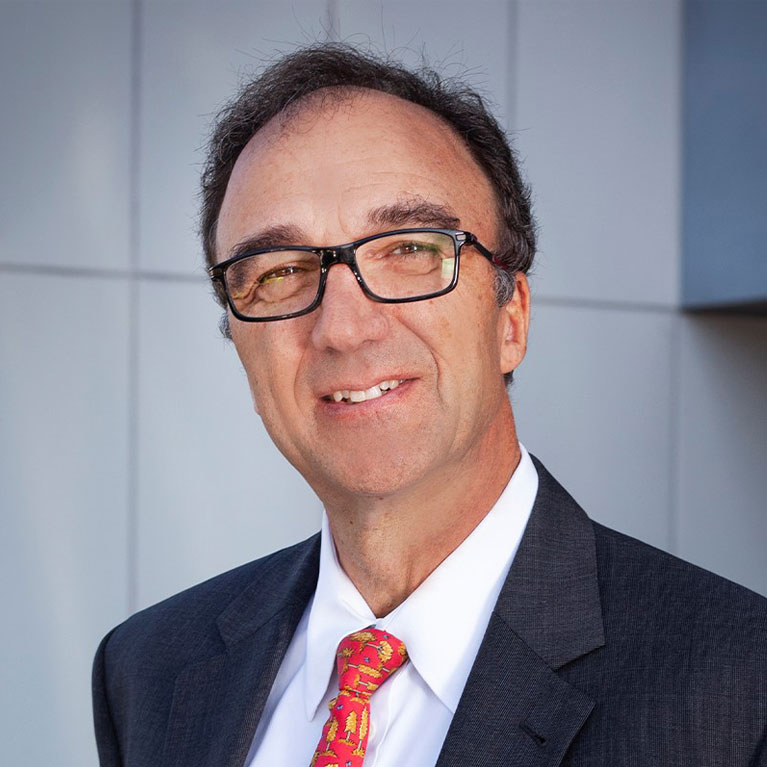
LA JOLLA—Horacio Valeiras, CEO of Frontier Global Partners, has been newly appointed to the Salk Institute’s 理事会. He will work alongside business and nonprofit leaders from around the world, all committed to supporting Salk’s innovative, high-quality scientific research.
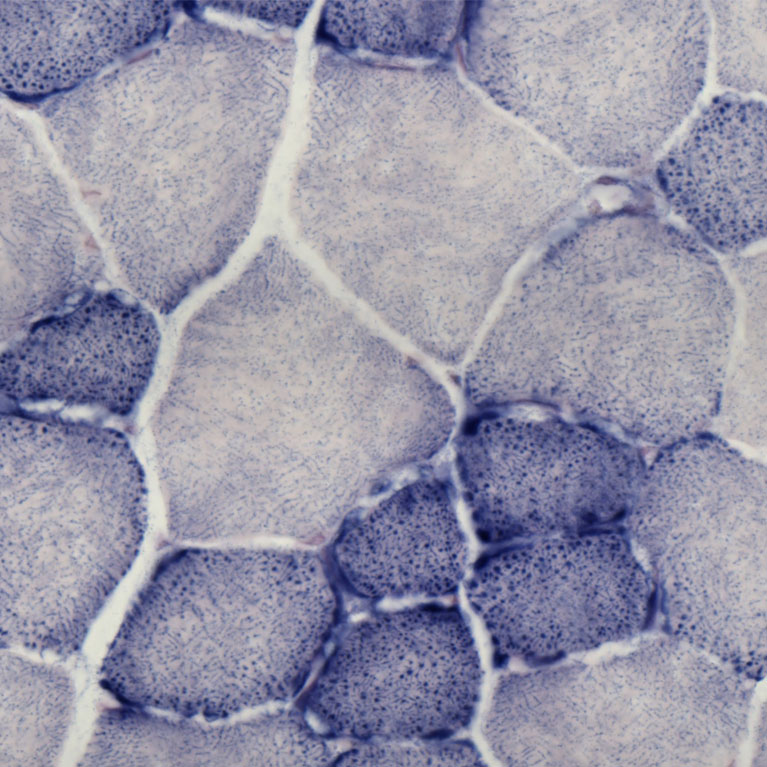
LA JOLLA—A new Salk Institute study suggests estrogen-related receptors could be a key to repairing energy metabolism and muscle fatigue.
LA JOLLA—Salk Institute Professor 萨奇达南达·潘达 has been named a semifinalist in the XPRIZE Healthspan competition. Panda’s team is known for its expertise in circadian rhythms, the body’s internal timetable that determines the timing of our behaviors, such as sleep and wakefulness, and almost every bodily function.
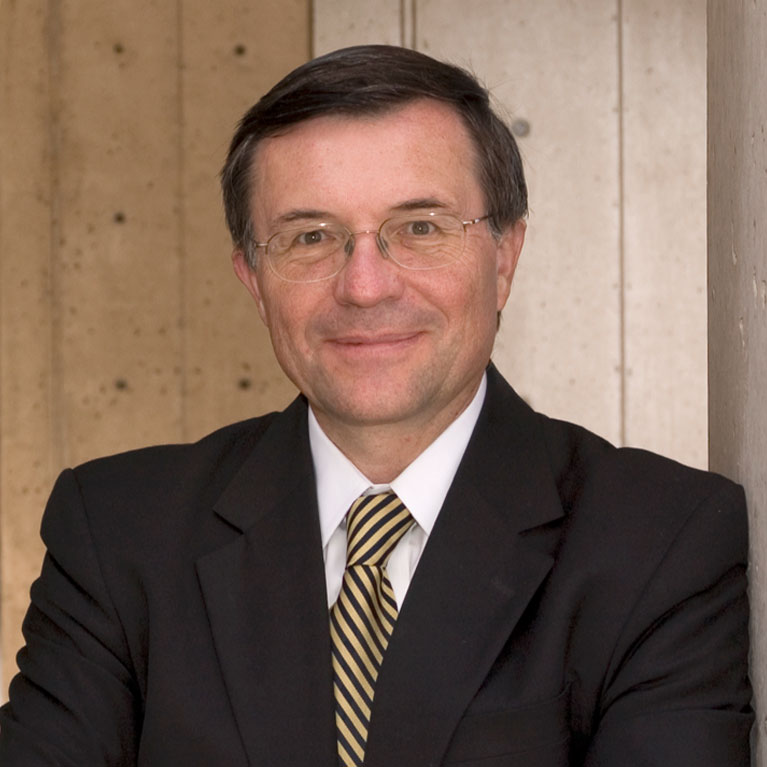
LA JOLLA— The National Academy of Sciences recently announced that Salk Institute Professor Emeritus Greg Lemke is one of 120 new members and 30 foreign associates to be elected to the academy in recognition of their distinguished and continuing achievements in original research. This election is considered one of the highest honors accorded to a scientist in the United States. Lemke, a neuroscientist, is known for discovering the TAM family of cell receptors and their role in brain inflammation. His recognition brings the number of Salk faculty elected to the National Academy of Sciences to 14.
拉霍亚—三位萨克研究所的教职员工因其对科学的杰出、创新贡献而获得晋升。副教授 尼古拉·艾伦 和 戴安娜·哈格里夫斯 晋升为正教授,以及助理教授 杰西·迪克森 晋升为副教授。此次晋升基于索尔克学院教职员工和非居民研究员的推荐,并于2025年4月4日获得索尔克学院院长和董事会批准。.
LA JOLLA—Industrial farming practices often deplete the soil of important nutrients and minerals, leaving farmers to rely on artificial fertilizers to support plant growth. In fact, fertilizer use has more than quadrupled since the 1960s, but this comes with serious consequences. Fertilizer production consumes massive amounts of energy, and its use pollutes the water, air, and land.
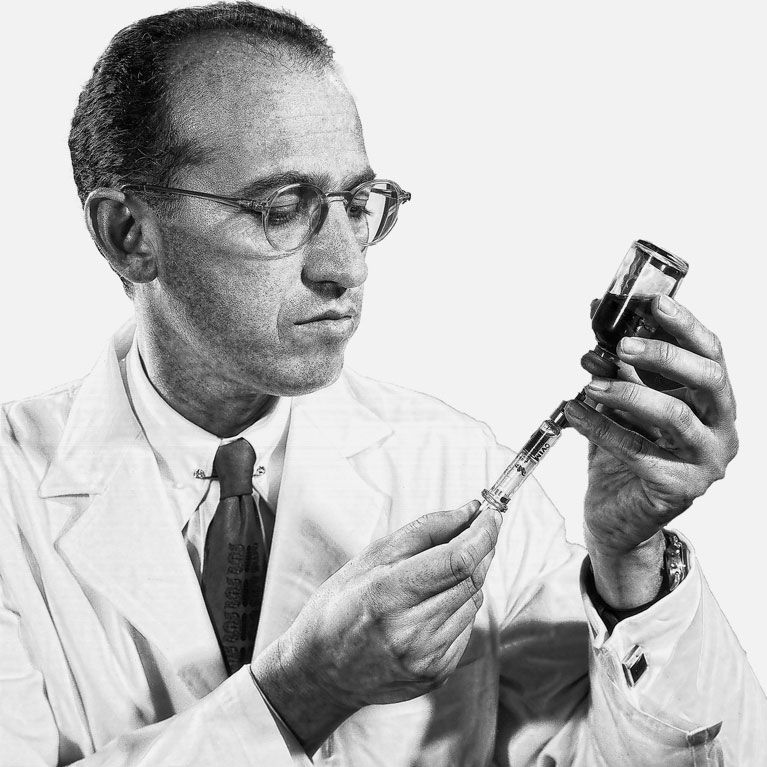
Seventy years ago, on April 12, 1955, a scientific breakthrough changed the course of public health and inspired hope worldwide. The polio vaccine developed by Jonas Salk and colleagues was officially declared “safe, effective, and potent”—a moment heralded as a triumph of medicine over one of the most feared diseases of the 20th century.