LA JOLLA—Profesor Asistente del Instituto Salk Christina Towers received a five-year, $2.85 million National Institutes of Health (NIH) Director’s New Innovator Award from the NIH Common Fund’s High-Risk, High-Reward Research program. Towers received one of 58 New Innovator Awards this year.
LA JOLLA—The Salk Institute will welcome Assistant Professor Lena Mueller to the faculty in January 2024. Mueller is a plant biologist who studies arbuscular mycorrhiza symbiosis—a beneficial interaction between plants and fungi. She joins Salk from the University of Miami, where she is an assistant professor.
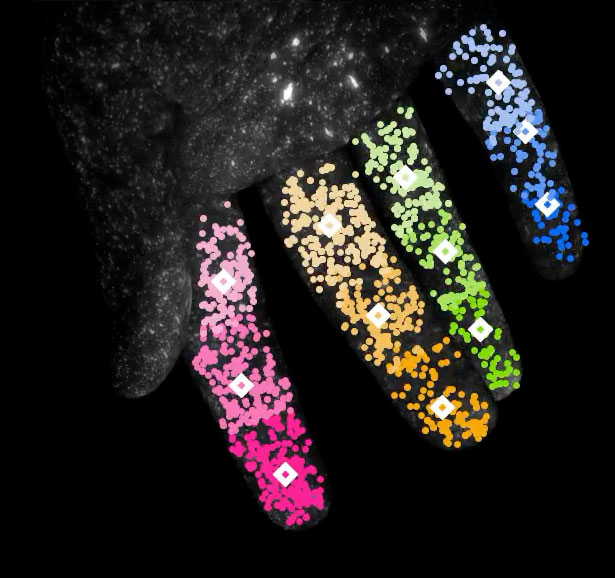
LA JOLLA—El movimiento ofrece una ventana a cómo funciona el cerebro y controla el cuerpo. Desde la observación con portapapeles y bolígrafo hasta las técnicas modernas basadas en inteligencia artificial, el seguimiento del movimiento humano y animal ha avanzado mucho. Los métodos actuales de vanguardia utilizan inteligencia artificial para rastrear automáticamente partes del cuerpo a medida que se mueven. Sin embargo, el entrenamiento de estos modelos sigue consumiendo mucho tiempo y está limitado por la necesidad de que los investigadores marquen manualmente cada parte del cuerpo cientos o miles de veces.
LA JOLLA (25 de septiembre de 2023)—Profesores asistentes del Instituto Salk Christina Towers y Deepshika Ramanan fueron nombrados V Scholars por la V Foundation for Cancer Research. Cada uno recibirá $600,000 durante tres años para financiar sus objetivos únicos de investigación sobre el cáncer.
LA JOLLA—La inmunoterapia, que utiliza el propio sistema inmunitario del cuerpo para combatir el cáncer, es una opción de tratamiento eficaz, pero muchos pacientes no responden a ella. Por lo tanto, los investigadores del cáncer buscan nuevas formas de optimizar la inmunoterapia para que sea más efectiva para más personas. Ahora, científicos del Salk Institute han descubierto que manipular un paso temprano en la producción de energía en las mitocondrias, las "centrales eléctricas" de la célula, reduce el crecimiento de tumores de melanoma y mejora la respuesta inmunitaria en ratones.
LA JOLLA—Incluso para las células T "asesinas", células inmunitarias especializadas, la búsqueda y destrucción de células cancerosas durante todo el día puede ser agotadora. Si los científicos logran comprender por qué las células T "asesinas" se agotan, podrán crear células más resistentes para combatir el cáncer.
LA JOLLA—Los cánceres de páncreas se encuentran entre los tipos de tumores más agresivos y mortales, y durante años, los investigadores han luchado por desarrollar medicamentos eficaces contra estos tumores. Ahora, investigadores del Salk han identificado un nuevo conjunto de moléculas que impulsan el crecimiento de los tumores en el adenocarcinoma ductal pancreático (PDAC), el tipo más común de cáncer de páncreas.
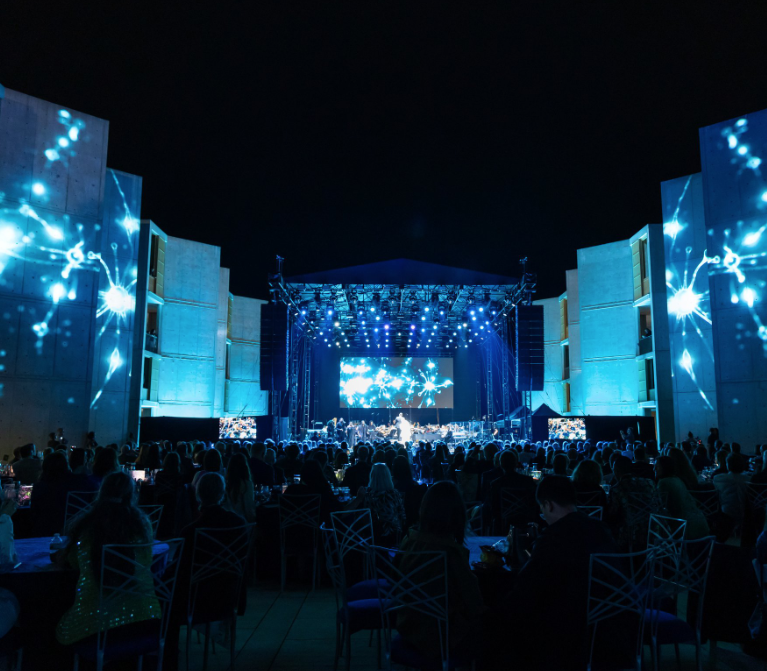
El sábado 19 de agosto, en la 27.ª edición anual de «Symphony at Salk», un público repleto de patrocinadores y miembros de la comunidad disfrutó de la sensacional interpretación de la Sinfónica de San Diego, dirigida por el director Sean O’Loughlin, junto con la invitada especial Jennifer Hudson.
LA JOLLA—Científico médico del Instituto Salk Jesse Dixon ha sido nombrado Becario del Premio de la Fundación Rita Allen, una distinción otorgada a científicos biomédicos cuya investigación promete extraordinariamente revelar nuevas vías para avanzar en la salud humana.
LA JOLLA—La prevalencia del cáncer colorrectal en personas menores de 50 años ha aumentado en las últimas décadas. Una razón sospechada: la creciente tasa de obesidad y las dietas altas en grasas. Ahora, investigadores del Instituto Salk y de la UC San Diego han descubierto cómo las dietas altas en grasas pueden cambiar las bacterias intestinales y alterar las moléculas digestivas llamadas ácidos biliares que son modificadas por esas bacterias, predisponiendo a los ratones al cáncer colorrectal.
LA JOLLA—El glioblastoma, la forma más común y mortal de cáncer cerebral, crece rápidamente para invadir y destruir el tejido cerebral sano. El tumor envía zarcillos cancerosos al cerebro que hacen que la extirpación quirúrgica del tumor sea extremadamente difícil o imposible.
LA JOLLA—El Instituto Salk da la bienvenida al profesor asistente Agnieszka Kendrick, un biólogo estructural que estudia cómo las células reconocen y transportan sustancias dentro de la célula.
LA JOLLA—Aunque las infecciones pueden presentar muchos síntomas diferentes, uno de los más comunes es la pérdida de grasa y masa muscular, un proceso conocido como caquexia. Los científicos del Instituto Salk querían saber si la caquexia resultaba beneficiosa para combatir las infecciones.
LA JOLLA—Investigadores del Instituto Salk, en colaboración con los Institutos Nacionales de Salud, han descubierto los mecanismos moleculares por los cuales el virus de inmunodeficiencia humana (VIH) se vuelve resistente a dolutegravir, uno de los medicamentos antivirales más efectivos y de uso clínico para tratar el VIH.
Margaret Faye Wilson, una líder en las industrias bancaria y minorista, falleció el 10 de julio. Se desempeñó como fideicomisaria en la Junta de Salk de 2010 a 2019 y fue una generosa donante del Instituto a lo largo de los años, incluyendo el apoyo al evento anual principal del Instituto, Symphony at Salk.
LA JOLLA—El sábado 19 de agosto, el Salk Institute celebrará los 27 años de Symphony at Salk, su principal evento anual de recaudación de fondos y concierto bajo las estrellas, con los impresionantes sonidos de la San Diego Symphony y la artista invitada Jennifer Hudson, artista discográfica ganadora de dos premios GRAMMY, actriz ganadora de un premio de la Academia y productora ganadora de premios Tony y Emmy.
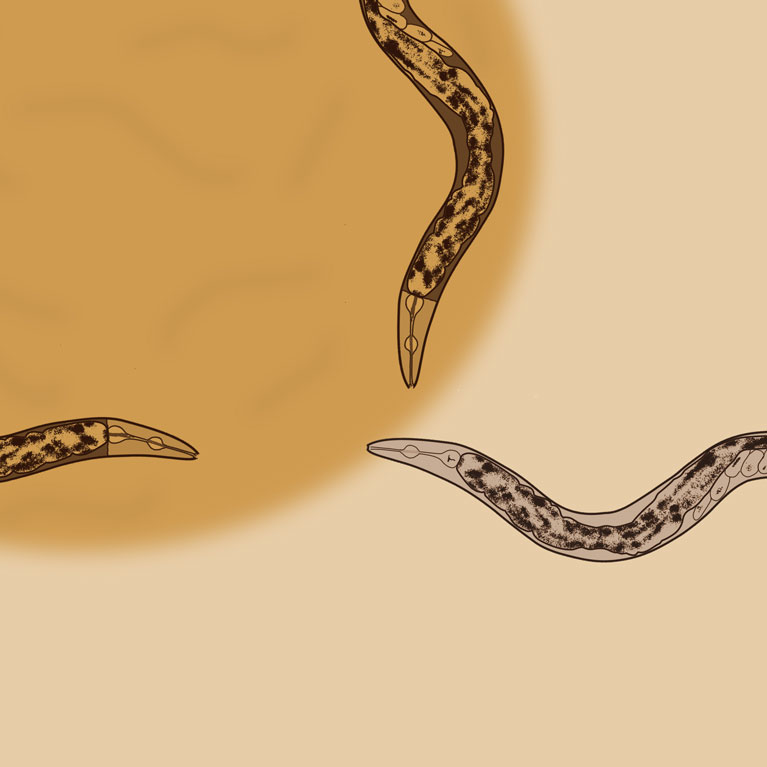
LA JOLLA—La vida del pequeño gusano llamado Caenorhabditis elegans consiste principalmente en buscar comida, comer comida y poner huevos. Por lo tanto, cuando cualquiera de estos comportamientos se interrumpe, hay motivos de preocupación. En un nuevo estudio, científicos del Instituto Salk descubrieron que el químico cerebral de “bienestar” dopamina regula el comportamiento ansioso de los gusanos en presencia de depredadores que mordisquean.
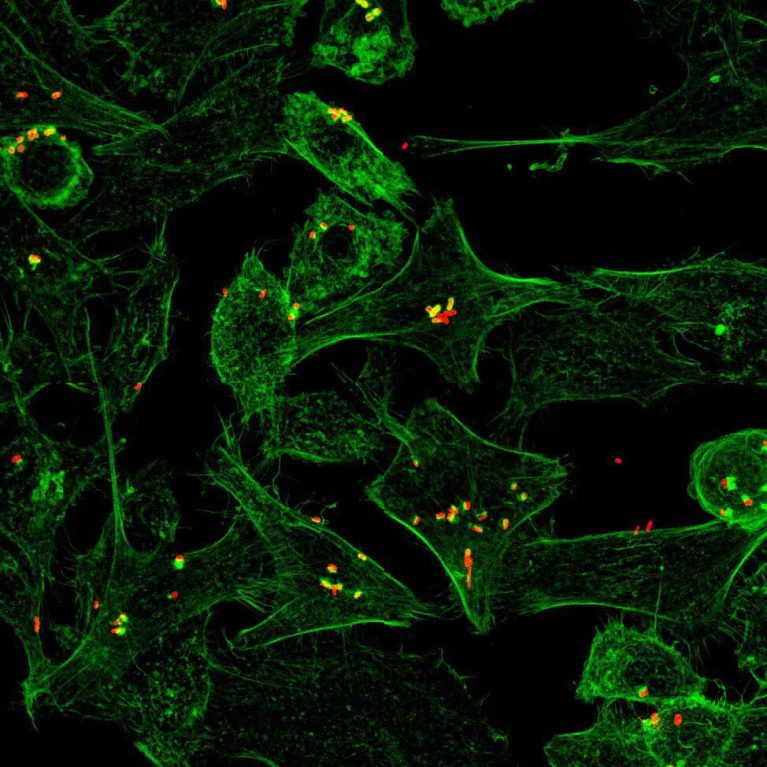
LA JOLLA—A nivel mundial, ocurren más de un millón de muertes al año a causa de enfermedades diarreicas que provocan deshidratación y desnutrición. Sin embargo, no existe vacunas para combatir o prevenir estas enfermedades, que son causadas por bacterias como ciertas cepas de E. coli. En cambio, las personas con infecciones bacterianas deben confiar en que el cuerpo adopte una de dos estrategias de defensa: eliminar a los intrusos o debilitarlos, pero dejarlos en el organismo. Si el cuerpo opta por debilitar a las bacterias, la enfermedad puede manifestarse sin diarrea, pero la infección sigue siendo contagiosa, un proceso conocido como portador asintomático.
LA JOLLA—El Instituto Salk da la bienvenida al profesor asistente Daniel Bayless, una neurobióloga que estudia la influencia de las hormonas sexuales en la interacción social y el comportamiento de los ratones. Bayless se une al cuerpo docente de neurociencia de renombre mundial del Instituto Salk, un equipo colaborativo que trabaja para descubrir cómo funciona nuestro cerebro con el fin de que podamos desarrollar resiliencia frente al estrés, el envejecimiento y las enfermedades.
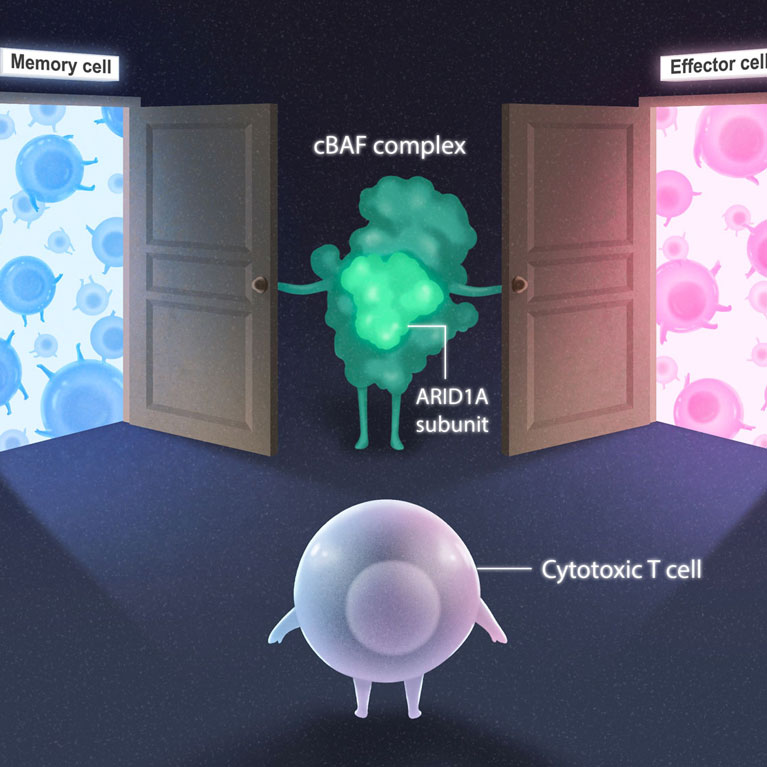
LA JOLLA—El sistema inmunitario protege al organismo de invasores, como bacterias, virus o tumores, gracias a su compleja red de proteínas, células y órganos. Las células inmunitarias especializadas, llamadas células T citotóxicas, pueden convertirse en células efectoras de vida corta que destruyen las células infectadas o cancerosas dentro de nuestro cuerpo. Una pequeña parte de esas células efectoras permanece después de una infección y se convierte en células de memoria de vida más larga, que “recuerdan” las infecciones y responden cuando estas reaparecen. Pero se sabía poco sobre qué influye en que las células T citotóxicas se transformen en estos subtipos de células T efectoras y de memoria.