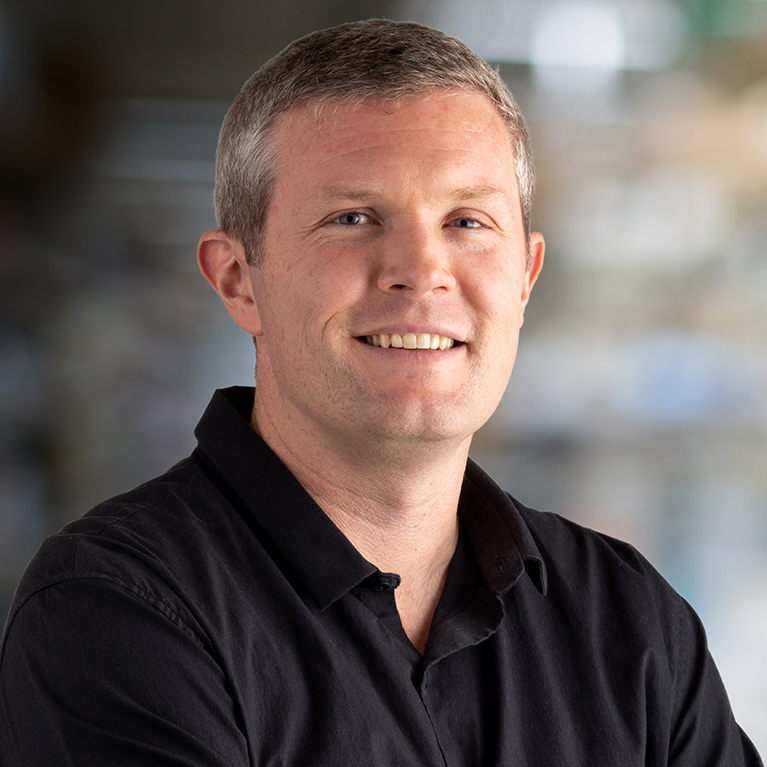
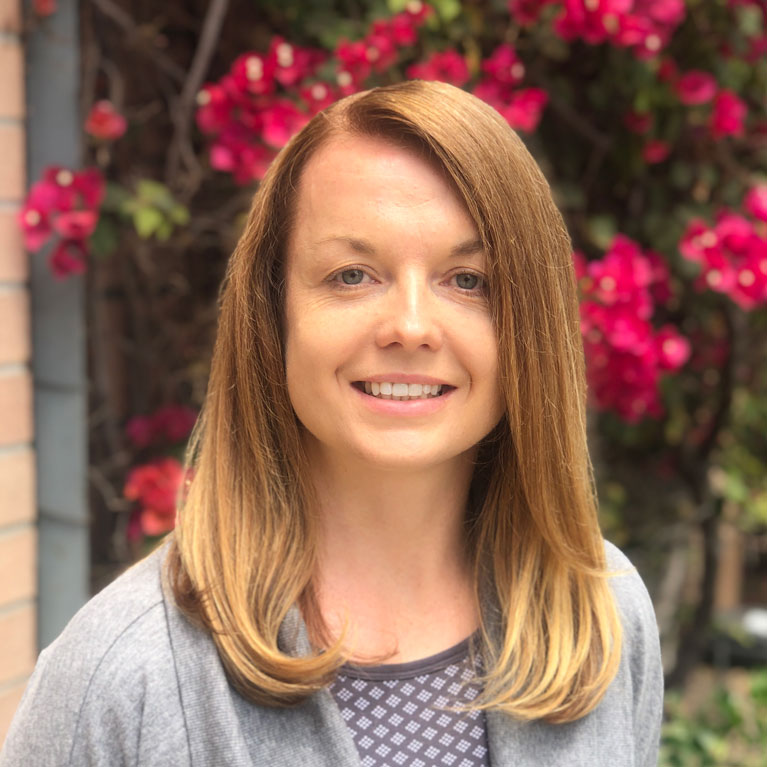
LA JOLLA—Salk Institute Assistant Professor Christina Türme received a five-year, $2.85 million National Institutes of Health (NIH) Director’s New Innovator Award from the NIH Common Fund’s High-Risk, High-Reward Research program. Towers received one of 58 New Innovator Awards this year.
LA JOLLA—The Salk Institute will welcome Assistant Professor Lena Mueller to the faculty in January 2024. Mueller is a plant biologist who studies arbuscular mycorrhiza symbiosis—a beneficial interaction between plants and fungi. She joins Salk from the University of Miami, where she is an assistant professor.
LA JOLLA—Movement offers a window into how the brain operates and controls the body. From clipboard-and-pen observation to modern artificial intelligence-based techniques, tracking human and animal movement has come a long way. Current cutting-edge methods utilize artificial intelligence to automatically track parts of the body as they move. However, training these models is still time-intensive and limited by the need for researchers to manually mark each body part hundreds to thousands of times.
LA JOLLA (September 25, 2023)—Salk Institute Assistant Professors Christina Türme und Deepshika Ramanan were named V Scholars by the V Foundation for Cancer Research. They will each receive $600,000 over three years to fund their unique cancer research goals.
LA JOLLA—Immunotherapy, which uses the body’s own immune system to fight cancer, is an effective treatment option, yet many patients do not respond to it. Thus, cancer researchers are seeking new ways to optimize immunotherapy so that it is more effective for more people. Now, Salk Institute scientists have found that manipulating an early step in energy production in mitochondria—the cell’s powerhouses—reduces melanoma tumor growth and enhances the immune response in mice.
LA JOLLA—Even for killer T cells—specialized immune cells—seeking and destroying cancer cells around the clock can be exhausting. If scientists can understand why killer T cells become exhausted, then they can create more resilient cancer-killing cells.
LA JOLLA—Pancreatic cancers are among the most aggressive, deadly tumor types and, for years, researchers have struggled to develop effective drugs against the tumors. Now, Salk researchers have identified a new set of molecules that fuel the growth of tumors in pancreatic ductal adenocarcinoma (PDAC), the most common type of pancreatic cancer.
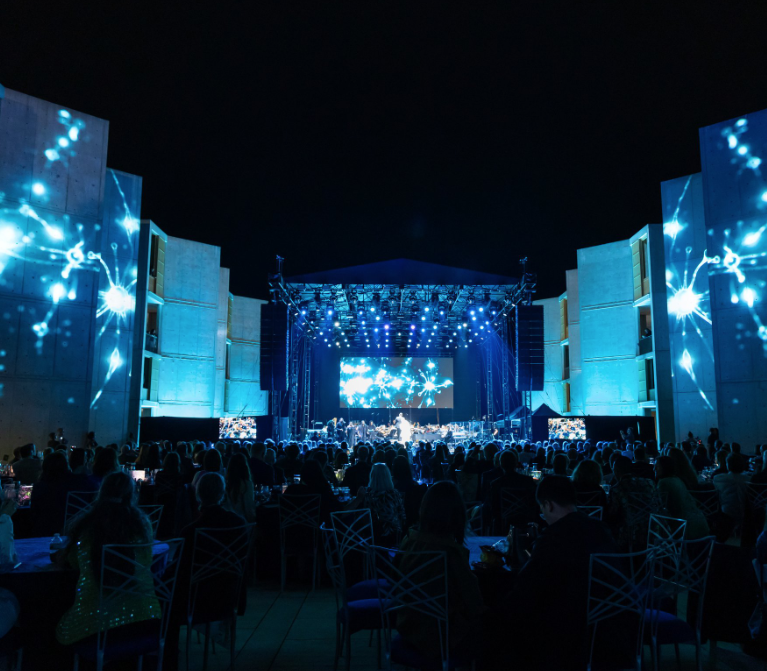
A full audience of sponsors and community members was entertained by the sensational sounds of the San Diego Symphony, led by conductor Sean O’Loughlin, together with special guest Jennifer Hudson on Saturday, August 19, at the 27th annual Symphony at Salk.
LA JOLLA—Salk Institute physician-scientist Jesse Dixon has been named a Rita Allen Foundation Award Scholar, a distinction given to biomedical scientists whose research holds exceptional promise for revealing new pathways to advance human health.
LA JOLLA—The prevalence of colorectal cancer in people under the age of 50 has risen in recent decades. One suspected reason: the increasing rate of obesity and high-fat diets. Now, researchers at the Salk Institute and UC San Diego have discovered how high-fat diets can change gut bacteria and alter digestive molecules called bile acids that are modified by those bacteria, predisposing mice to colorectal cancer.
LA JOLLA—Glioblastoma, the most common and deadly form of brain cancer, grows rapidly to invade and destroy healthy brain tissue. The tumor sends out cancerous tendrils into the brain that make surgical tumor removal extremely difficult or impossible.
LA JOLLA – Das Salk Institute begrüßt Juniorprofessorin Agnieszka Kendrick, eine Strukturbiologin, die erforscht, wie Zellen Fracht im Inneren der Zelle erkennen und transportieren.
LA JOLLA—Although infections can present with many different symptoms, one common symptom is the loss of fat and muscle, a process called wasting. Salk scientists wanted to know whether wasting was beneficial in fighting infections.
LA JOLLA—Salk Institute researchers, in collaboration with the National Institutes of Health, have discovered the molecular mechanisms by which the human immunodeficiency virus (HIV) becomes resistant to Dolutegravir, one of the most effective, clinically used antiviral drugs for treating HIV.
Margaret Faye Wilson, a leader in the banking and retail industries, died on July 10. She served as a Trustee on Salk’s Board from 2010 to 2019 and was a generous donor of the Institute over the years, including supporting the Institute’s premier annual event, Symphony at Salk.
LA JOLLA—On Saturday, August 19, the Salk Institute will celebrate 27 years of Symphony at Salk, its premier annual fundraiser and concert under the stars, with the breathtaking sounds of the San Diego Symphony and guest performer Jennifer Hudson, a two-time GRAMMY Award-winning recording artist, Academy Award-winning actress, and Tony and Emmy Award-winning producer.
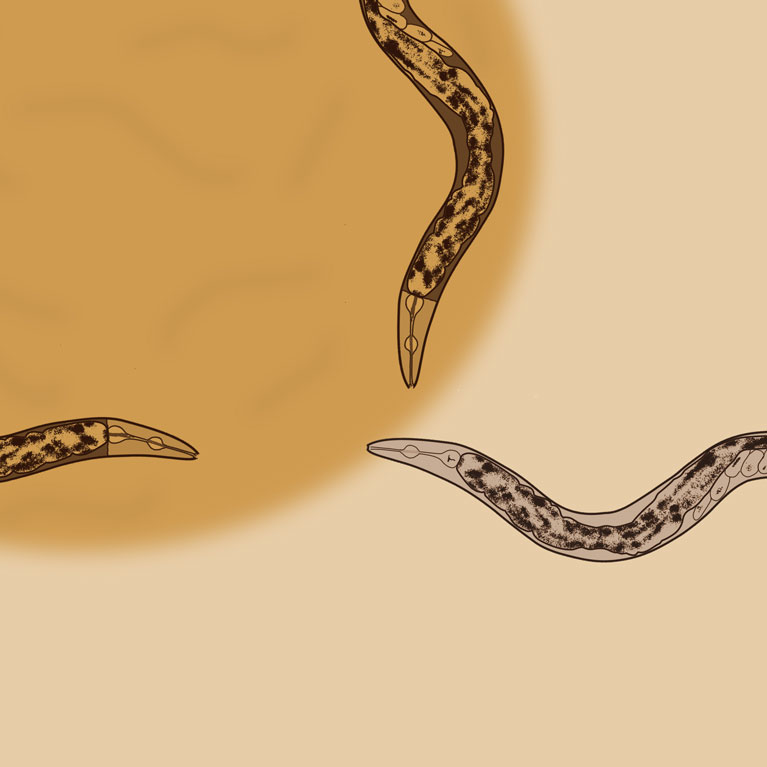
LA JOLLA—The life of the tiny worm called Caenorhabditis elegans consists mostly of looking for food, eating food, and laying eggs. So, when any of these behaviors are disrupted, there’s cause for concern. In a new study, Salk Institute scientists discovered that the “feel good” brain chemical dopamine regulates anxious worm behavior in the presence of nipping predators.
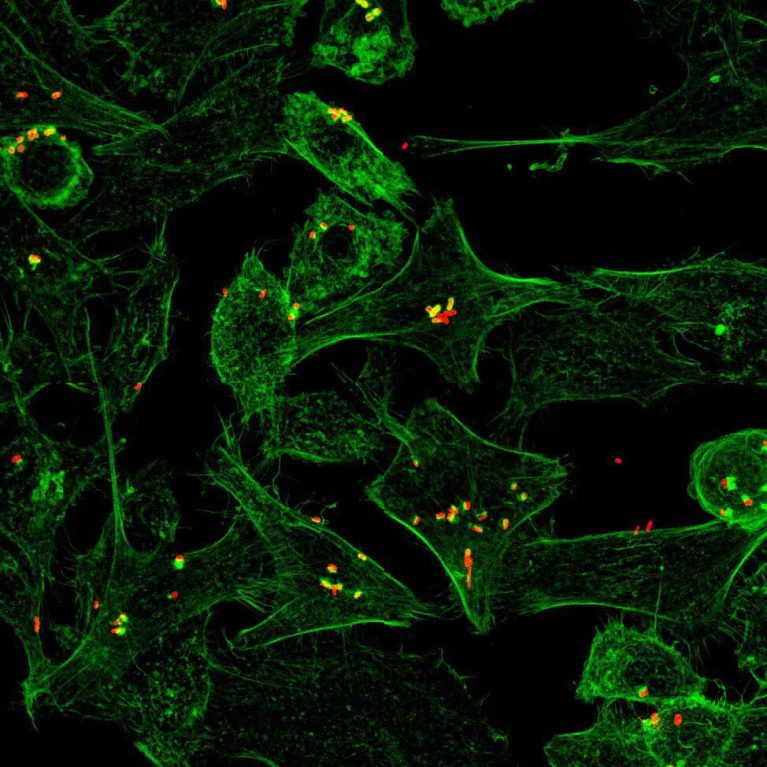
LA JOLLA—Worldwide, more than a million deaths occur each year due to diarrheal diseases that lead to dehydration and malnutrition. Yet, no vaccine exists to fight or prevent these diseases, which are caused by bacteria like certain strains of E. coli. Instead, people with bacterial infections must rely on the body taking one of two defense strategies: kill the intruders or impair the intruders but keep them around. If the body chooses to impair the bacteria, then the disease can occur without the diarrhea, but the infection can still be transmitted—a process called asymptomatic carriage.
LA JOLLA – Das Salk Institute begrüßt Juniorprofessorin Daniel Bayless, a neurobiologist who studies the influence of sex hormones on social interaction and behavior in mice. Bayless joins Salk’s world-renowned neuroscience faculty—a collaborative team working to uncover how our brains work so we can build resilience in the face of stress, aging, and disease.
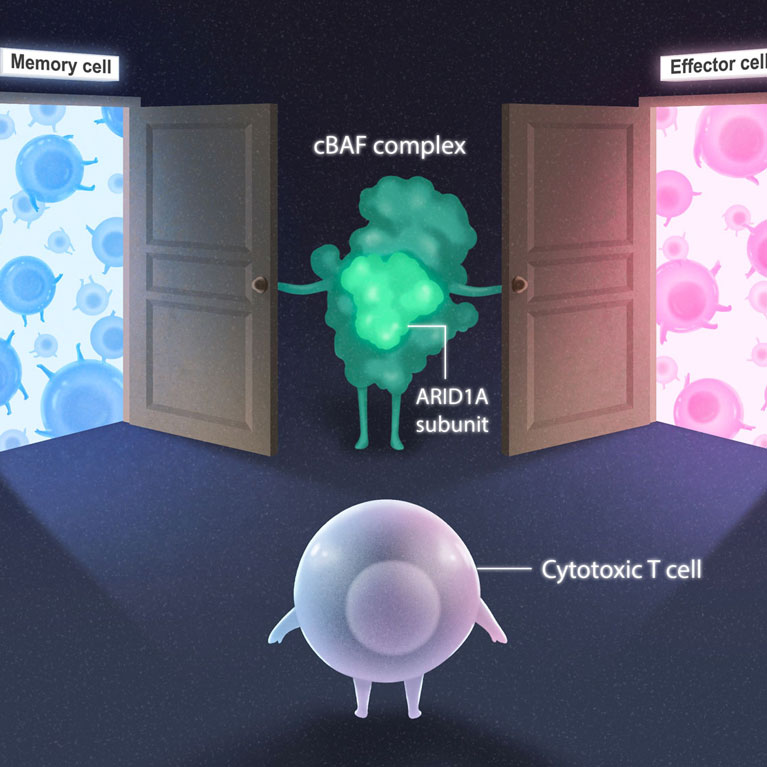
LA JOLLA—The immune system protects the body from invaders, such as bacteria, viruses, or tumors, with its intricate network of proteins, cells, and organs. Specialized immune cells, called cytotoxic T cells, can develop into short-lived effector cells that kill infected or cancerous cells within our bodies. A small portion of those effector cells remain after an infection and become longer-lived memory cells, which “remember” infections and respond when infections reappear. But little was known about what influences cytotoxic T cells to transform into these effector and memory T cell subtypes.