LA JOLLA—Every day, the liver packages fat and releases it into the bloodstream to fuel the body, supplying energy to the heart, muscles, and other organs during the active hours of the day. The liver does not release fat into the bloodstream at random. Like much of human physiology, this daily export of fat follows a precise rhythm, timed to the body’s internal clock. But what molecular signal tells the liver when to act?
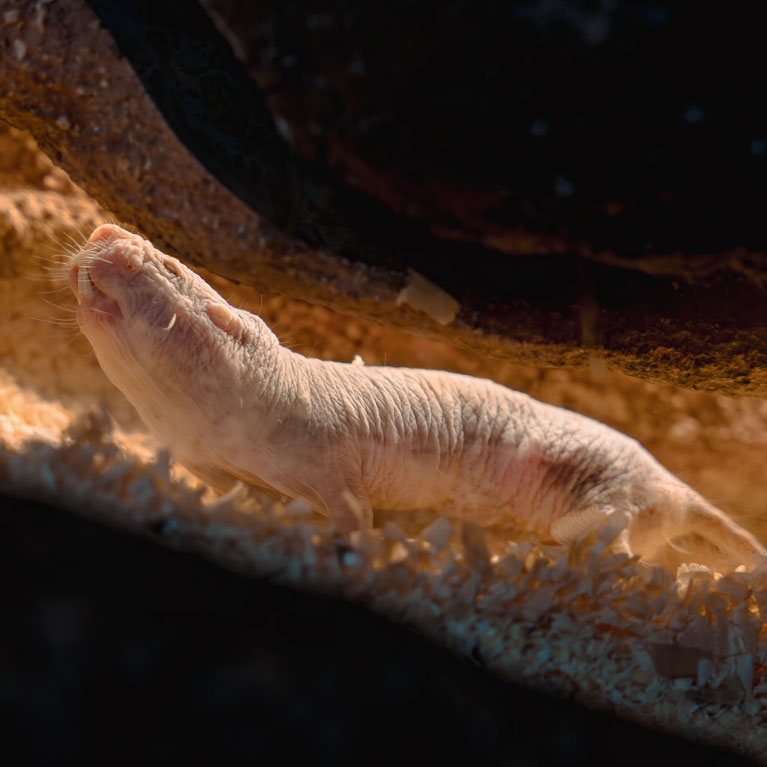
LA JOLLA—Naked mole rats keep kingdoms underground. One queen bears all the children, while others maintain complex subterranean tunnels, forage for food, take care of newborns, and perform other necessary upkeep. This society hinges on the central pillar of a singular queen. What happens when her fertility declines or is impaired?
LA JOLLA—Plants can’t move to escape the heat like humans can—they are forced to adapt. As temperatures fluctuate, one key survival strategy is the ability of roots to keep growing, allowing plants to access water and nutrients further away in the soil. But how do plants sense temperature and translate it into growth?
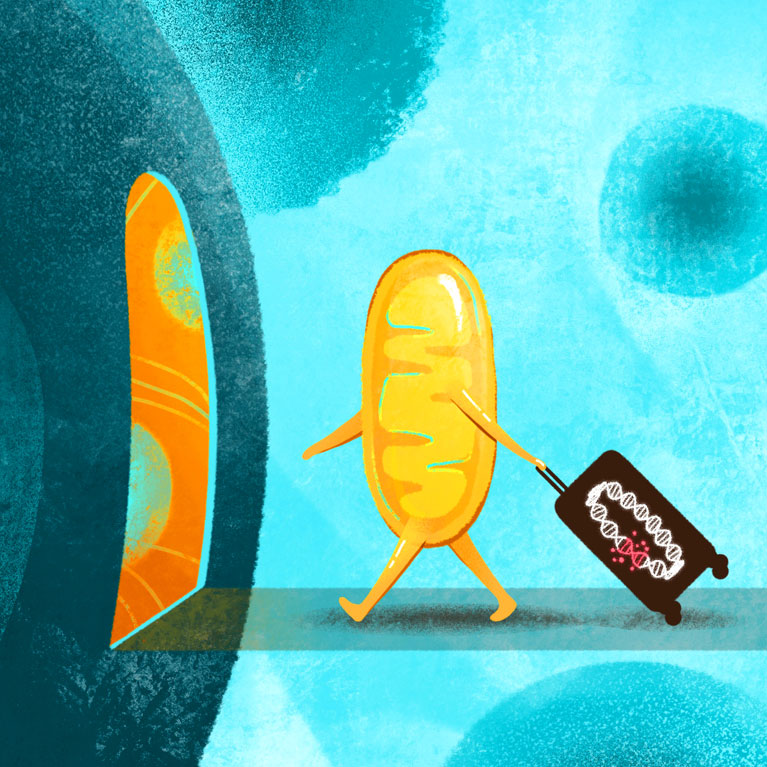
LA JOLLA – Einige Ihrer wichtigsten Lebenspartner sind die Mitochondrien, die all Ihre Zellen mit Energie versorgen. Sie und diese kleinen zellulären Kraftwerke befinden sich in einer 1,5 Milliarden Jahre alten evolutionären Beziehung – aber die Mitochondrien brachten Gepäck mit. Die Mitochondrien brachten ihre eigene DNA mit, als sie sich vor langer Zeit mit den größeren, komplexeren Zellen verbanden, und heute beeinflusst diese mitochondriale DNA die menschliche Gesundheit.
LA JOLLA – Wissenschaftler des Salk Institute Sreekanth Chalasani, PhD, eine Auszeichnung von bis zu $41,3 Millionen Dollar von der Advanced Research Projects Agency for Health (ARPA-H), einer Behörde im Rahmen des US-Gesundheitsministeriums, erhalten. Die Finanzierung wird es Chalasani und seinem Team ermöglichen, die Erkenntnisse seines Labors im Bereich der Sonogenetik – die Verwendung von Ultraschall zur präzisen Steuerung von Säugetierzellen – in eine potenzielle neue Therapie für eine Reihe von menschlichen Erkrankungen, wie beispielsweise periphere Neuropathien, umzuwandeln.
LA JOLLA – Das Salk Institute hat den weltweit renommierten Krebsforscher Thales “PapaG” Papagiannakopoulos, PhD, rekrutiert, der ab September 2026 als Professor zum Lehrkörper stößt. Papagiannakopoulos ist seit 2015 Mitglied der Fakultät an der NYU Grossman School of Medicine, wo er derzeit als befristeter außerordentlicher Professor am Institut für Pathologie der NYU Grossman School of Medicine und am Perlmutter Cancer Center tätig ist. Er wird dem Salk Institute zusätzliche Expertise in den Bereichen Stoffwechsel bei Krebs, Immunologie bei Krebs und Tumor-Wirt-Kommunikation verleihen und neue Kooperationsmöglichkeiten innerhalb des vom National Cancer Institute (NCI) anerkannten Krebszentrums des Salk Institute und im gesamten Institut eröffnen.
LA JOLLA – Molekularbiologe des Salk Gerald Shadel, PhD, und Neurowissenschaftler Tatyana Sharpee, PhD, wurden zu Fellow des Jahres 2025 der American Association for the Advancement of Science (AAAS) gewählt. Die Auszeichnung würdigt Wissenschaftler mit herausragenden wissenschaftlichen und sozialen Leistungen, und AAAS-Fellows werden für den Rest ihres Lebens zu nationalen und globalen wissenschaftlichen Sprechern.
LA JOLLA - Die Vereinigten Staaten und Mexiko befinden sich seit der Jahrhundertwende in einer historischen Megadürre. Seit mehr als 25 Jahren ist der amerikanische Südwesten mit den schwerwiegenden sozialen und wirtschaftlichen Folgen dieser Megadürre konfrontiert - allein in Kalifornien werden im Jahr 2021 landwirtschaftliche Verluste in Höhe von $1,1 Mrd. entstehen. Wie können wir angesichts dieser Bedingungen den Nutzpflanzen helfen, die Dürre zu überstehen und gleichzeitig die Ertragsverluste zu minimieren?
LA JOLLA – Neurodegenerative Erkrankungen betreffen weltweit mehr als 57 Millionen Menschen. Es wird erwartet, dass die Inzidenz dieser Krankheiten, von Alzheimer über Parkinson bis ALS und darüber hinaus zugenommen hat. doppelt alle 20 Jahre. Obwohl Wissenschaftler wissen, dass das Altern ein Hauptrisikofaktor für neurodegenerative Erkrankungen ist, bleiben die genauen Mechanismen, die den Einfluss des Alterns erklären, unklar.
LA JOLLA – In kleinen Momenten wie beim Kaffeetrinken oder beim Lecken eines Eiswaffels scheint es nicht so, als würde dein Körper ein biologisches Wunder vollbringen. Aber das tut er. Dieser Keks ist nicht du—doch wenn man es in den Mund nimmt, kann der Körper es vertragen und verarbeiten, ohne dass die Gesundheit beeinträchtigt wird, ein Prozess namens orale Toleranz. Wie trifft der menschliche Körper die Entscheidung zwischen Toleranz und Abstoßung?
LA JOLLA – GLP-1s bauen sich einen Ruf als “Wundermittel” auf. Nachdem sie zunächst für ihre Fähigkeit zur Verbesserung der Insulinabgabe und zur Behandlung von Diabetes charakterisiert wurden, wurde später festgestellt, dass die Medikamente die Gewichtsabnahme fördern und die Herz-Kreislauf-Gesundheit verbessern. Zu diesen überraschenden Zusatznutzen gehört auch die Fähigkeit von GLP-1-Medikamenten, die Gesundheit der Betazellen der Bauchspeicheldrüse zu verbessern. Aber wie genau tun sie das?
LA JOLLA – Wie speichert unsere DNA die riesige Menge an Informationen, die benötigt wird, um einen Menschen aufzubauen? Und was passiert, wenn sie falsch gespeichert wird? Jesse Dixon, MD, PhD, jahrelang erforscht, wie dieses Genom im 3D-Raum gefaltet ist – im Wissen, dass eine Fehlfaltung Krebs und Entwicklungsstörungen, einschließlich autismusbedingter Störungen, verursachen kann. Die jüngste Forschung aus seinem Labor trägt zu einem wachsenden Verständnis bei, dass die 3D-Organisation des Genoms ständig im Wandel ist. Anhand verschiedener menschlicher Zelltypen zeigte sein Labor, dass dieser dynamische Prozess des Entfaltens und Wiederfaltens des Genoms in verschiedenen Teilen des Genoms in unterschiedlichen Geschwindigkeiten abläuft, was wiederum die Genregulation und -expression beeinflusst.
LA JOLLA – Eine multinationale Studie unter der Leitung von Forschern des Salk Institute for Biological Studies, des UNC Lineberger Comprehensive Cancer Center und der UC San Diego hat neue genetische Regeln aufgedeckt, die bestimmen, wie Immunzellen, sogenannte CD8-“Killer”-T-Zellen, sich zwischen langanhaltenden, schützenden Abwehrzellen und erschöpften, dysfunktionalen Zuständen entscheiden. Das Abschalten von nur zwei dieser Gene ermöglichte es erschöpften T-Zellen, ihre Tumor-abtötende Kapazität wiederzuerlangen.
LA JOLLA – Das Salk Institute heißt zwei neue Nichtansässige Fellows, UC Berkeley Professor Andrew Dillin, PhD, und UC San Diego Professor Christopher Glass, MD, PhD. Die beiden Wissenschaftler schließen sich einer Gruppe von angesehenen wissenschaftlichen Beratern an, die die Führung des Salk Institute leiten.
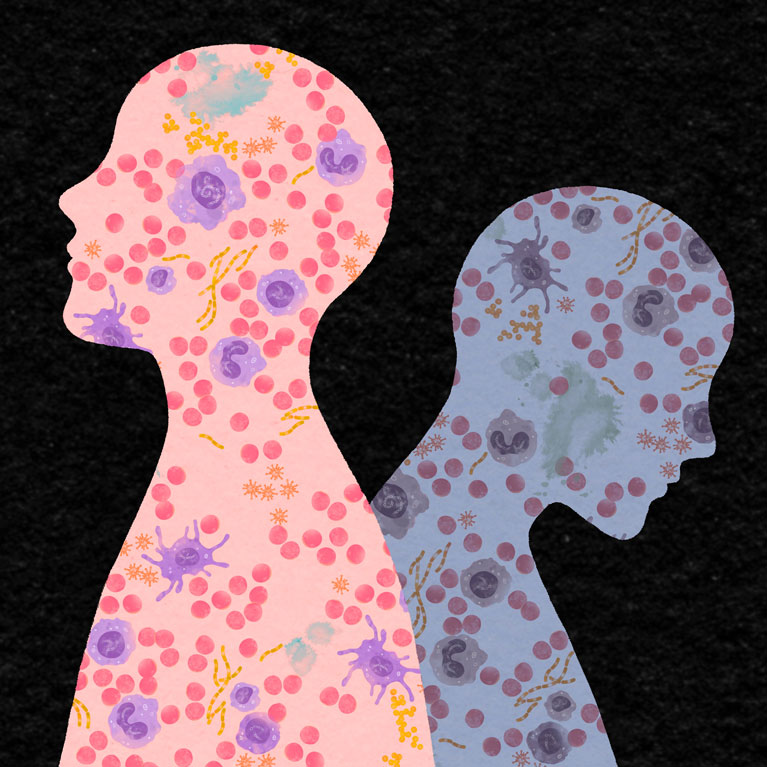
LA JOLLA—Die COVID-19-Pandemie hat uns einen enormen Einblick in die wilden Unterschiede bei Symptomen und Verläufen gegeben, die zwischen Patienten auftreten können, die dieselbe Infektion durchmachen. Wie können zwei Personen, die vom selben Krankheitserreger infiziert wurden, so unterschiedliche Reaktionen zeigen?
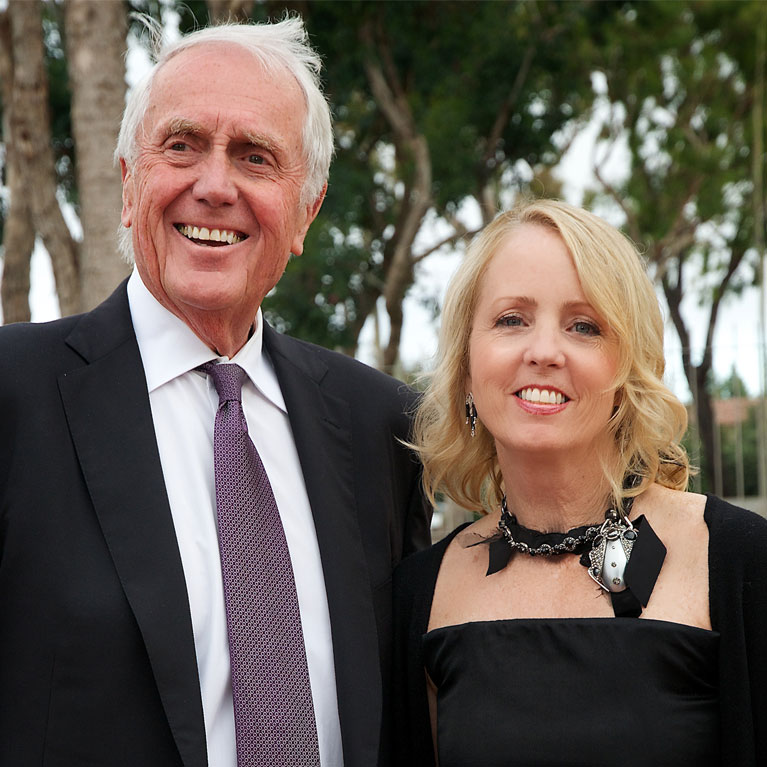
LA JOLLA—Das Salk Institute betrauert den Tod von Harvey P. White (1934–2025), einem angesehenen Führungspersönlichkeit, Philanthropen und engagierten Unterstützer des Instituts. White verstarb am 18. Dezember 2025 im Alter von 91 Jahren.
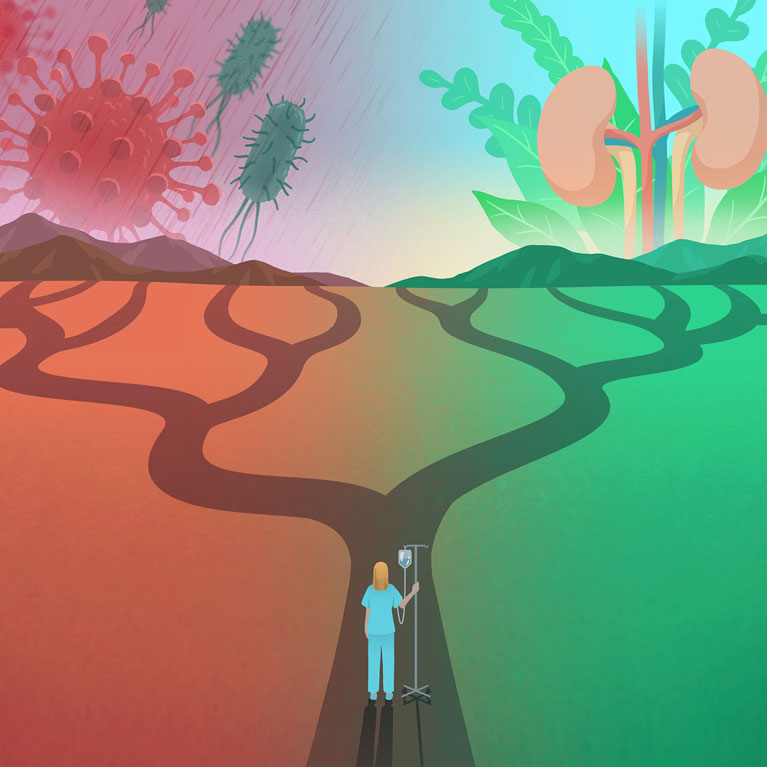
LA JOLLA – Sobald Sie verletzt sind – sei es durch das Greifen nach einer heißen Pfanne oder durch die Grippe –, beginnen Sie eine einzigartige Reise mit wechselnden Symptomen, die entweder zur Genesung oder zum Tod führt. Diese Reise wird als Krankheitsverlauf bezeichnet und unterscheidet sich von Person zu Person aufgrund von Geschichte, Geschlecht, Alter und vielen anderen Faktoren. Salk-Wissenschaftler Janelle Ayres, PhD, hat jahrzehntelang erforscht, wie der Körper diese Reise steuert – warum einige krank werden und sterben, während andere unbeschadet davonkommen, und welche Methoden eingesetzt werden könnten, um Krankheits- und Todesverläufe in solche von Gesundheit und Überleben umzuwandeln.
LA JOLLA – Eine Infektion zu bekämpfen ist nicht so einfach, wie nur den Erreger abzutöten. Der Körper muss auch seine Immunantwort sorgfältig steuern und überwachen, um Kollateralschäden zu vermeiden. Diese Regulierung, Krankheitsverträglichkeit genannt, ist entscheidend für den Schutz unseres Gewebes, während das Immunsystem die Infektion frontal angeht.
LA JOLLA – Junge Gehirne sind formbar. Jede neue Erfahrung verdrahtet die Gehirnschaltkreise eines Kindes neu und fügt synaptische Verbindungen zwischen Neuronen hinzu und entfernt sie. Diese Verdrahtungsmuster werden mit zunehmendem Alter stabiler, aber die Biologie lässt etwas Spielraum, um sicherzustellen, dass sich erwachsene Gehirne immer noch anpassen und ihre Schaltkreise nach Bedarf verfeinern können. Diese Flexibilität wird als Neuroplastizität, und unsere Fähigkeit zu lernen, neue Erinnerungen zu bilden und uns von Verletzungen zu erholen, hängen davon ab.
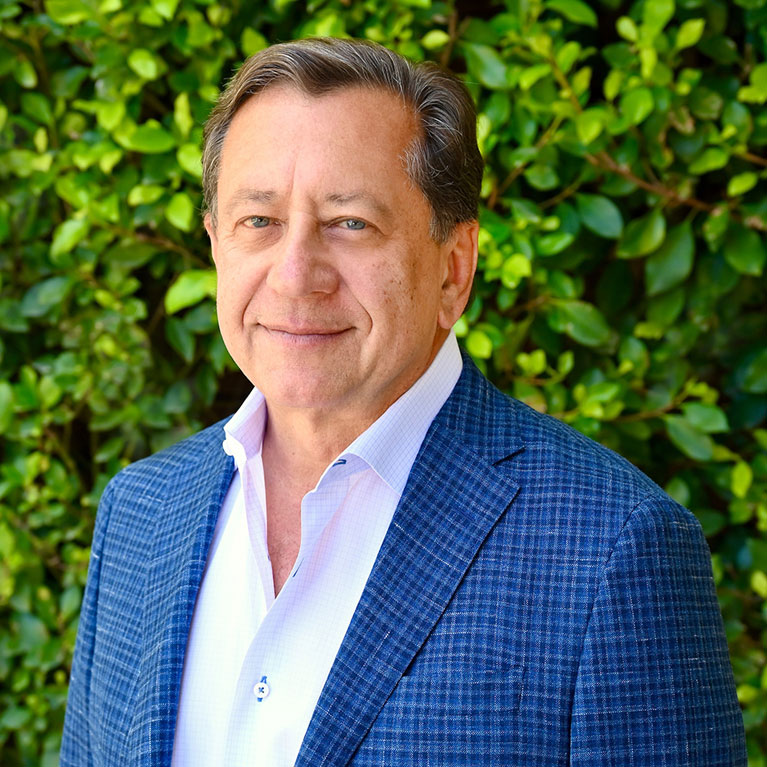
LA JOLLA – Arzt, Erfinder und Risikokapitalgeber Andrew “Drew” Senyei, MD, wurde neu in das Salk Institute berufen Kuratorium. Er wird eng mit Wirtschafts- und Non-Profit-Führungskräften aus aller Welt zusammenarbeiten, um die grundlegende und innovative biologische Forschung des Salk Institute voranzutreiben.