LA JOLLA—Salk Institute Professor Joanne Chory has been selected by the Franklin Institute in Philadelphia to receive a Benjamin Franklin Medal in Life Science for her achievements in plant science. She will receive a 14-karat gold medal and a $10,000 honorarium at the Franklin Institute Awards Ceremony in April 2024. Chory joins other extraordinary scientists and engineers as a Franklin laureate, including Nikola Tesla, Marie and Pierre Curie, Thomas Edison, Albert Einstein, and Jane Goodall, among others.
LA JOLLA—The Salk Institute has named Jan Karlseder as its new senior vice president and chief science officer (CSO). Karlseder, a professor in Salk’s Molecular and Cell Biology Laboratory, director of the Paul F. Glenn Center for Biology of Aging Research, and Donald and Darlene Shiley Chair for Research on Aging, will assume the role on February 1, 2024.
LA JOLLA—Profesor del Salk Ronald Evans has been named the 2024 recipient of the Japan Prize in the field of Medical Science and Pharmaceutical Science. The Japan Prize Foundation awards this prestigious international award annually to “express Japan’s gratitude to international society.”
LA JOLLA—Salk Institute Professor Rusty Gage and Assistant Professor Pallav Kosuri have been awarded $1.3 million by the W. M. Keck Foundation to fund a novel investigation into the way brain and heart cell functions decline over time due to ribosubstitution events—cellular repair of DNA damage with RNA building blocks rather than DNA building blocks. The award combines the biological discovery of ribosubstitution made by Senior Research Associate Jeff Jones in Gage’s lab with the technological advancements established by Postdoctoral Researcher Yuening Liu in Kosuri’s lab. The W. M. Keck Foundation was established with the goal of generating far-reaching benefits for humanity by supporting outstanding science, engineering, and medical research.
Roger Guillemin, Salk Distinguished Professor Emeritus and recipient of the 1977 Nobel Prize in Physiology or Medicine, celebrates turning 100 years old on January 11.
LA JOLLA—Plants and animals alike rely on iron for growth and regulation of microbiomes—collections of bacteria, fungi, and more that co-exist in places like the human gut or the soil around a plant’s roots. Plants face a special challenge when acquiring iron, since the strategies plants use to increase iron availability alter the root microbiome and can inadvertently benefit harmful soil-dwelling bacteria.
LA JOLLA—Salk Institute Professor Terrence Sejnowski has been named 2024 Scientist of the Year by the ARCS Foundation of San Diego. The ARCS (Achievement Rewards for College Students) San Diego chapter is honoring Sejnowski for his pioneering research in neural networks and computational neuroscience.
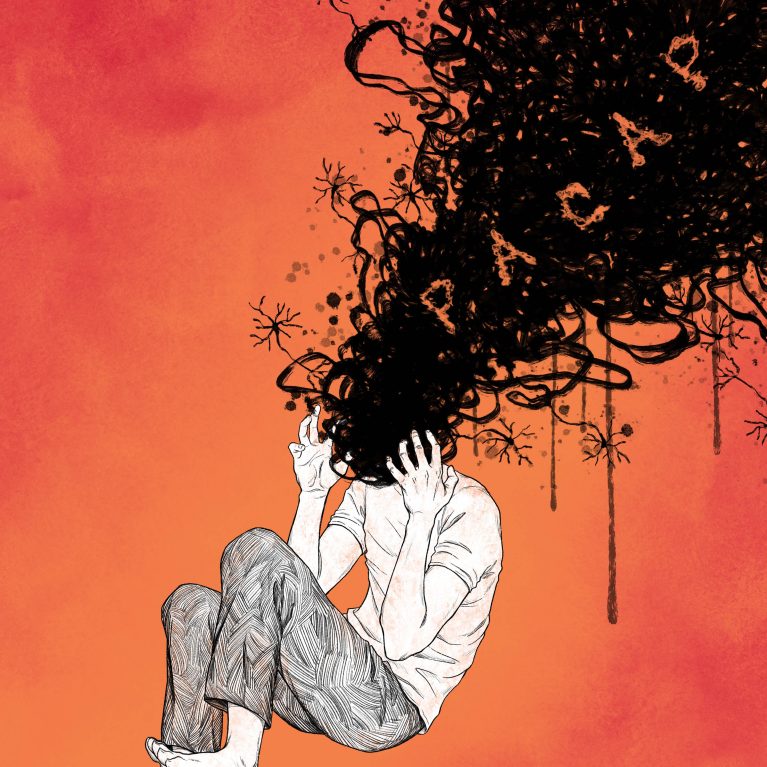
LA JOLLA—Overwhelming fear, sweaty palms, shortness of breath, rapid heart rate—these are the symptoms of a panic attack, which people with panic disorder have frequently and unexpectedly. Creating a map of the regions, neurons, and connections in the brain that mediate these panic attacks can provide guidance for developing more effective panic disorder therapeutics.
LA JOLLA—The Salk Institute Consejo de Administración welcomes its newest trustee, Amy Jacobs. Chaired by Marna C. Whittington, the Salk Board helps drive the direction of the world-renowned biological research facility founded in 1960 by polio vaccine pioneer Jonas Salk.
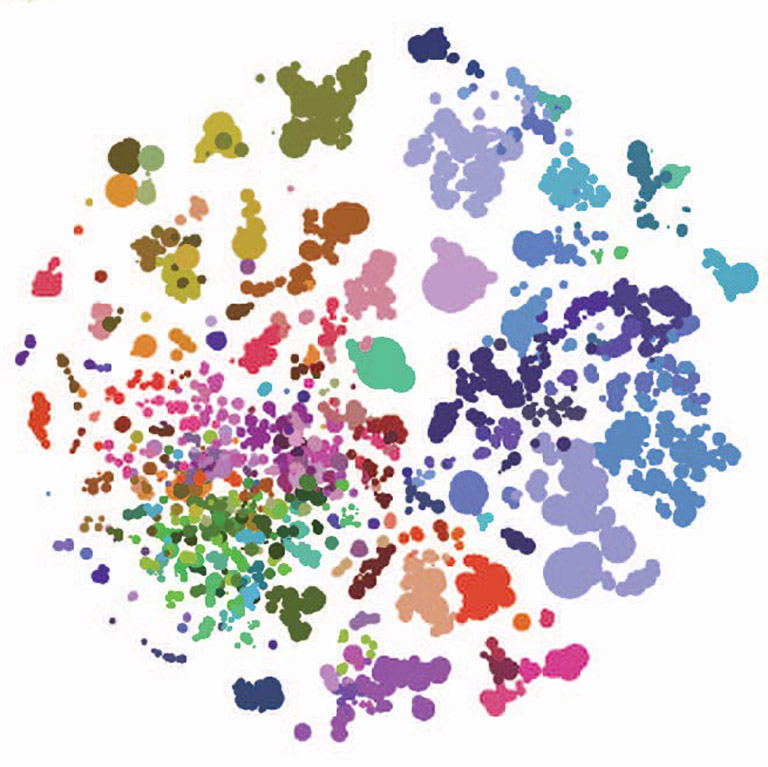
LA JOLLA—Salk Institute researchers, as part of a worldwide initiative to revolutionize scientists’ understanding of the brain, analyzed more than 2 million brain cells from mice to assemble the most complete atlas ever of the mouse brain. Their work, published December 13, 2023 in a special issue of Naturaleza, not only details the thousands of cell types present in the brain but also how those cells connect and the genes and regulatory programs that are active in each cell.
LA JOLLA—The Salk Institute marks 50 years as a National Cancer Institute (NCI)-Designated Cancer Center with good news: NCI has renewed the designation and grant support for another five years.
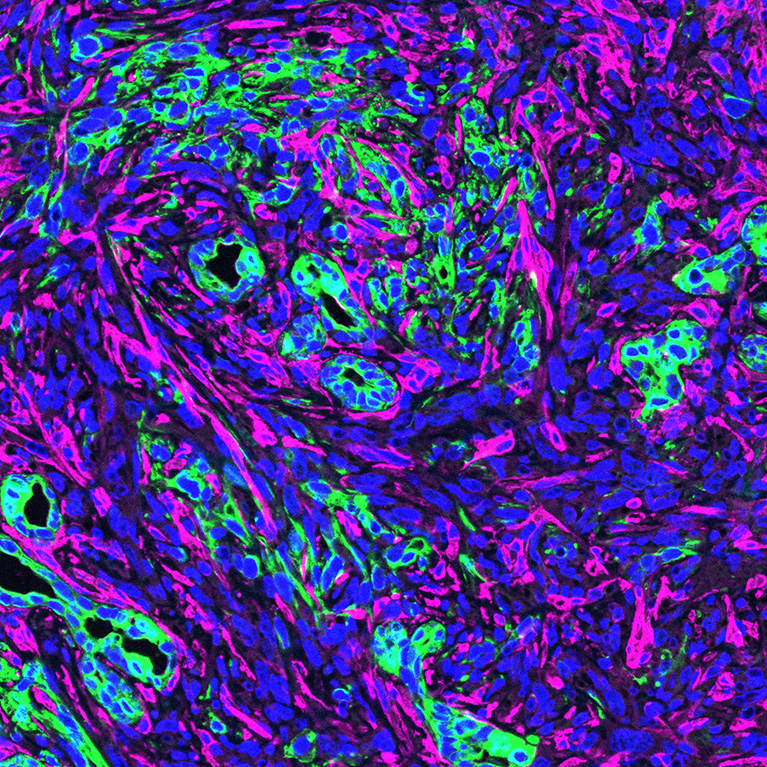
LA JOLLA—Pancreatic cancer is one of the deadliest cancers—only about one in eight patients survives five years after diagnosis. Those dismal statistics are in part due to the thick, nearly impenetrable wall of fibrosis, or scar tissue, that surrounds most pancreatic tumors and makes it hard for drugs to access and destroy the cancer cells.
LA JOLLA—The Salk Institute has appointed Adam Bowman to the Programa de Becarios Salk, where he will join current Salk Fellow Talmo Pereira. Joining in March 2024, Bowman is an applied physicist who develops new technologies for optical microscopy.
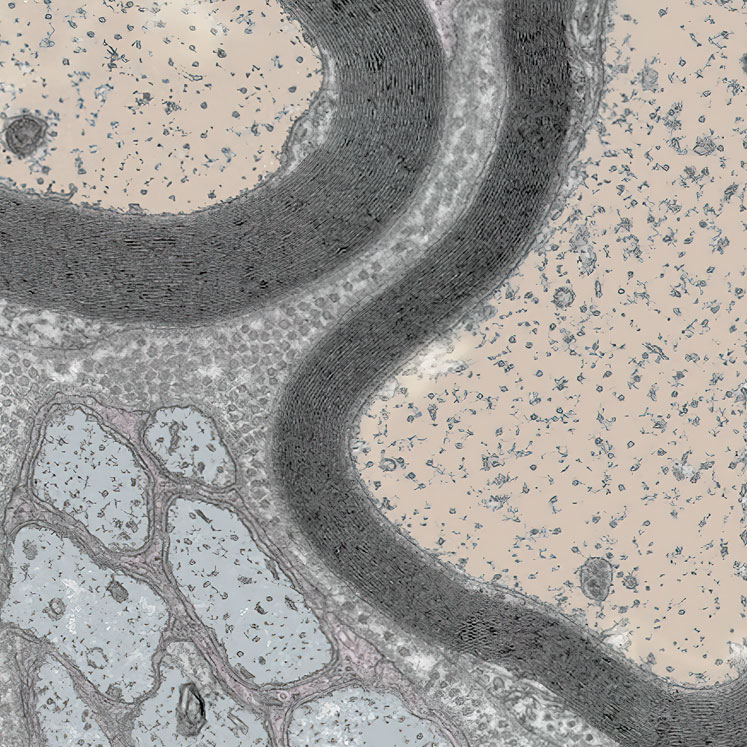
LA JOLLA—Each year in the United States there are more than 3 million cases of peripheral neuropathy, wherein nerves outside of the brain and spinal cord are damaged and cause pain and loss of feeling in the affected areas. Peripheral neuropathy can occur from diabetes, injury, genetically inherited disease, infection, and more. Salk scientists have now uncovered in mice a mechanism for repairing damaged nerves during peripheral neuropathy. They discovered that the protein Mitf helps turn on the repair function of specialized nervous system Schwann cells.
LA JOLLA—Salk Professors Joseph Ecker, Ronald Evans, Satchidananda Panda, Rusty Gage, and Kay Tye, as well as Assistant Professor Jesse Dixon, have been named to the Highly Cited Researchers list by Clarivate. The 2023 list includes 6,849 researchers from 67 countries, all of whom demonstrate “significant and broad influence reflected in their publication of multiple highly cited papers over the last decade.” This is the ninth consecutive year that Ecker and Gage have made the list. Joseph Nery, a research assistant II in the Ecker lab, was also included on the list.
LA JOLLA—Regulatory T cells are specialized immune cells that suppress the immune response and prevent the body from attacking its own cells. Understanding how these cells work is key to determining how they might be manipulated to encourage the destruction of cancer cells or prevent autoimmunity. Cell behavior is influenced by chromatin architecture (the 3D shape of chromosomes) and which genes are accessible to proteins—like Foxp3, which promotes regulatory T cell development.
LA JOLLA—The Salk Institute has appointed Jerry Sheehan as the Institute’s chief information officer (CIO). He will assume the position December 4. Sheehan served most recently as vice president and CIO at San Diego State University, where he led the development and deployment of information technology infrastructure and services for research, instruction, and administration.
LA JOLLA—For the twelfth consecutive time, the Salk Institute has earned the highest ranking—4 out of 4 stars—from Charity Navigator, America’s largest independent charity and nonprofit evaluator. The coveted ranking indicates the Salk Institute has demonstrated strong financial health and commitment to accountability and transparency, outperforming most other charities in the United States with respect to executing best fiscal practices and carrying out its mission in a financially efficient way.
LA JOLLA—Salk Institute researchers, as part of a larger collaboration with research teams around the world, analyzed more than half a million brain cells from three human brains to assemble an atlas of hundreds of cell types that make up a human brain in unprecedented detail.
LA JOLLA—The Salk Institute has named two highly accomplished scientists to join its faculty as Miembros no residentes, a group of eminent scientific advisors who guide the Institute’s leadership.