Recent Discoveries
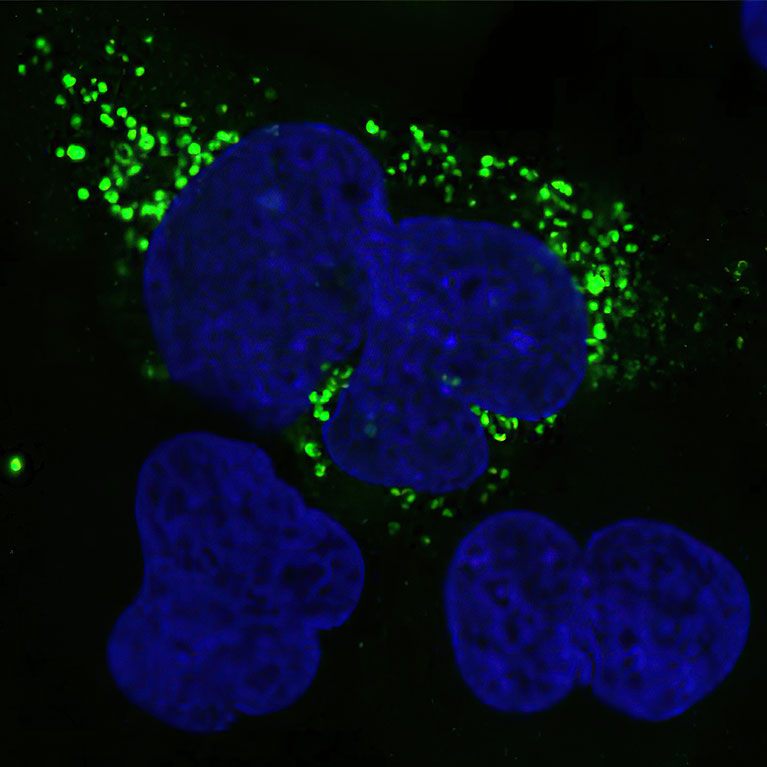
拉霍亚—由萨克生物研究所、北卡罗来纳大学林伯格综合癌症中心和加州大学圣地亚哥分校的研究人员牵头的一项多机构研究,揭示了决定免疫细胞,即CD8“杀伤性”T细胞,如何在成为持久的保护性防御者或陷入疲惫、功能失调状态之间做出选择的新遗传规则。关闭其中仅两个基因就使疲惫的T细胞恢复了其杀死肿瘤的能力。.
LA JOLLA—Proteins sustain life as we know it, serving many important structural and functional roles throughout the body. But these large molecules have cast a long shadow over a smaller subclass of proteins called microproteins. Microproteins have been lost in the 99% of DNA disregarded as “noncoding”—hiding in vast, dark stretches of unexplored genetic code. But despite being small and elusive, their impact may be just as big as larger proteins.
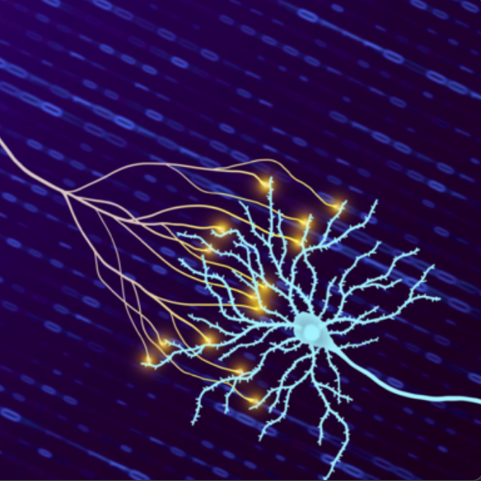
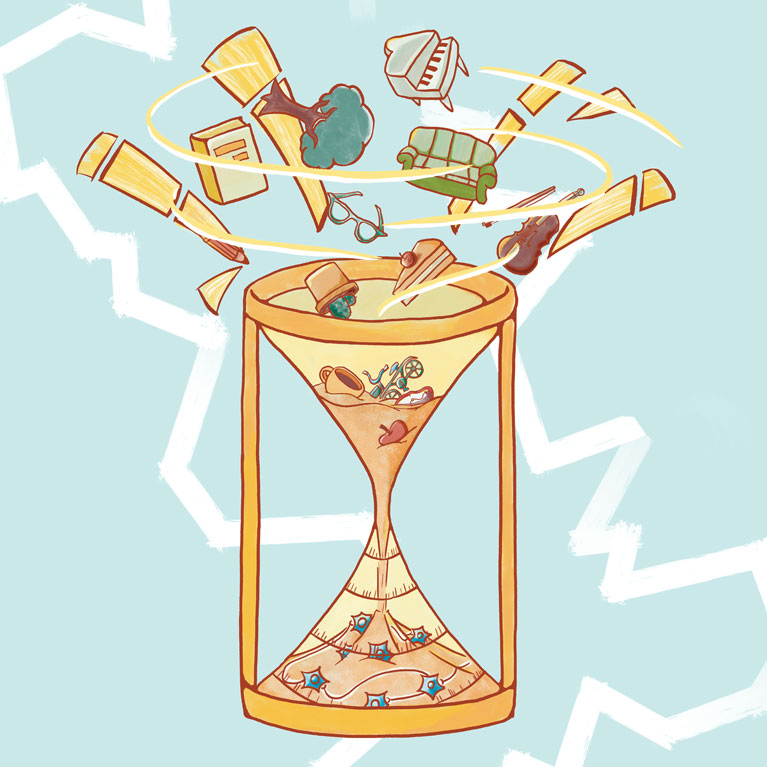
LA JOLLA—With each flip you make through a deck of vocabulary word flashcards, their definitions come more quickly, more easily. This process of learning and remembering new information strengthens important connections in your brain. Recalling those new words and definitions more easily with practice is evidence that those neural connections, called synapses, can grow stronger or weaker over time—a feature known as synaptic plasticity.
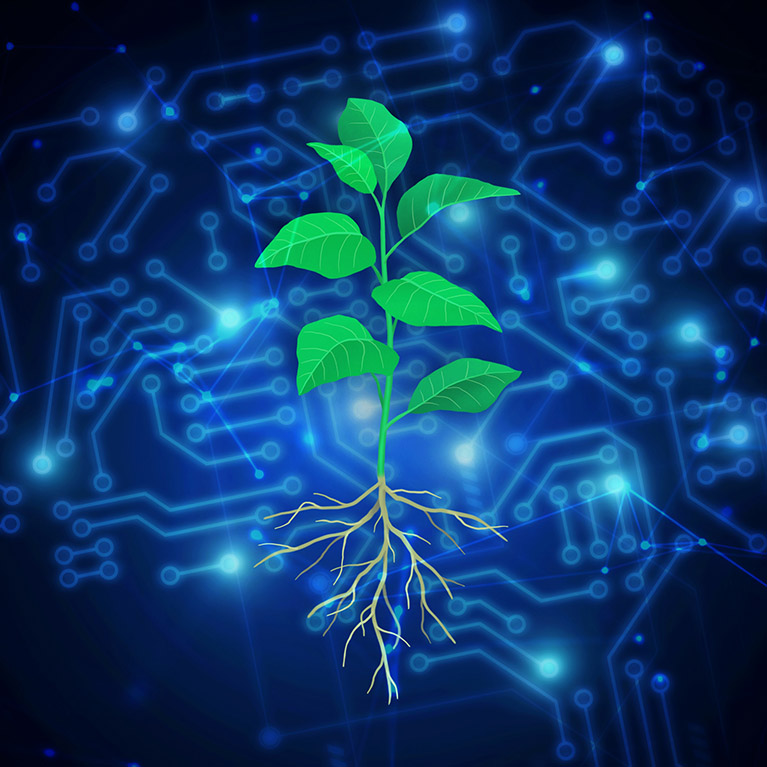
LA JOLLA—The Intergovernmental Panel on Climate Change (IPCC) declared that removing carbon from the atmosphere is now essential to fighting climate change and limiting global temperature rise. To support these efforts, Salk scientists are harnessing plants’ natural ability to draw carbon dioxide out of the air by optimizing their root systems to store more carbon for a longer period of time.
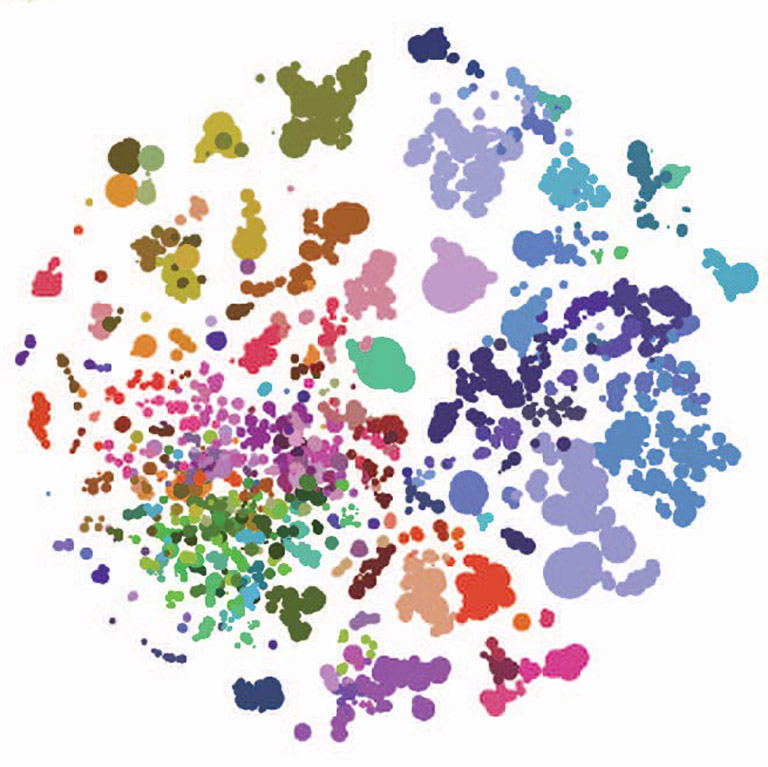
LA JOLLA—Salk Institute researchers, as part of a worldwide initiative to revolutionize scientists’ understanding of the brain, analyzed more than 2 million brain cells from mice to assemble the most complete atlas ever of the mouse brain. Their work, published December 13, 2023 in a special issue of Nature, not only details the thousands of cell types present in the brain but also how those cells connect and the genes and regulatory programs that are active in each cell.
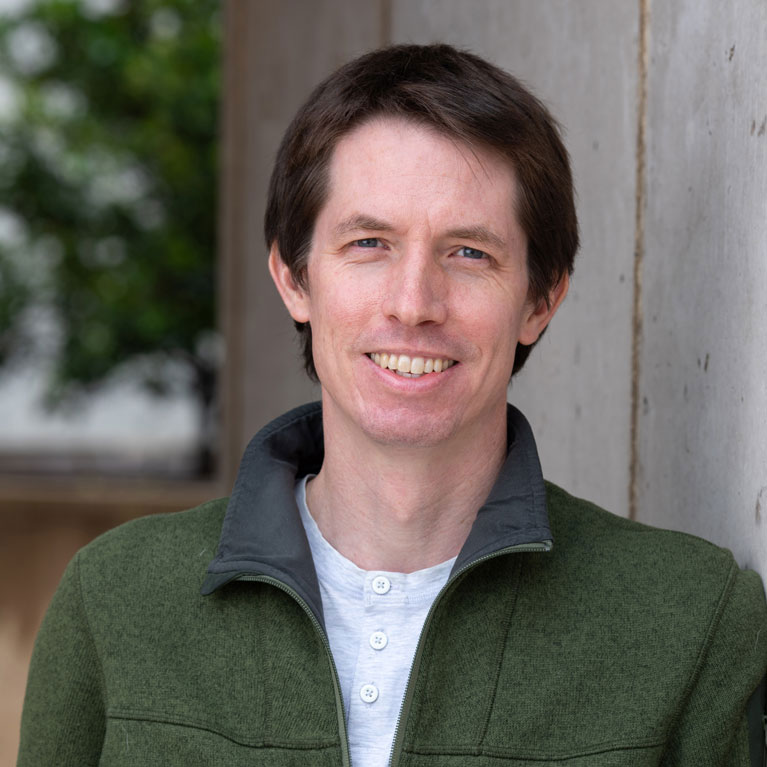
LA JOLLA—The Salk Institute has appointed Adam Bowman to the Salk Fellows Program, where he will join current Salk Fellow Talmo Pereira. Joining in March 2024, Bowman is an applied physicist who develops new technologies for optical microscopy.
LA JOLLA—Salk Institute researchers, as part of a larger collaboration with research teams around the world, analyzed more than half a million brain cells from three human brains to assemble an atlas of hundreds of cell types that make up a human brain in unprecedented detail.
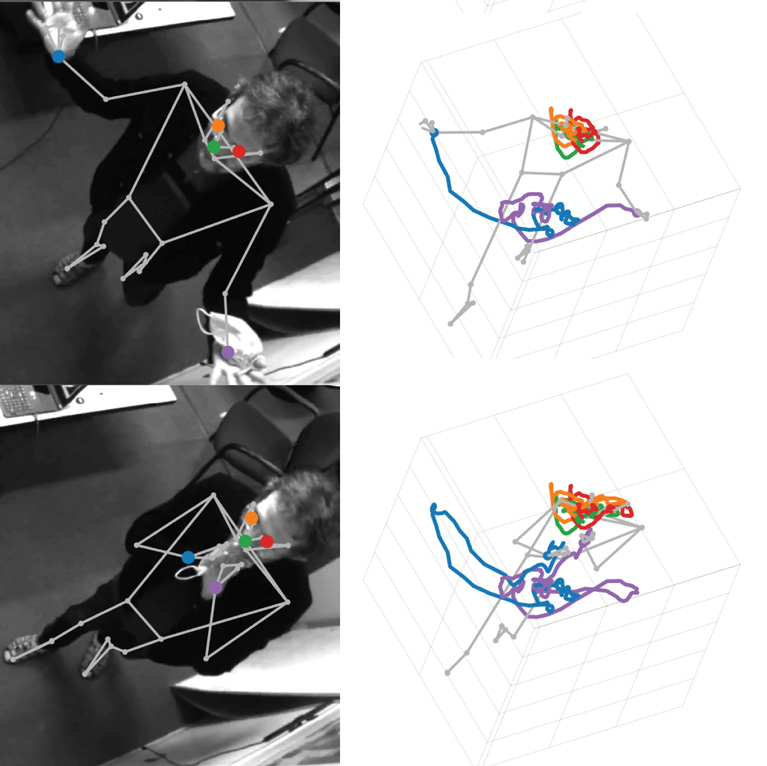
LA JOLLA—Movement offers a window into how the brain operates and controls the body. From clipboard-and-pen observation to modern artificial intelligence-based techniques, tracking human and animal movement has come a long way. Current cutting-edge methods utilize artificial intelligence to automatically track parts of the body as they move. However, training these models is still time-intensive and limited by the need for researchers to manually mark each body part hundreds to thousands of times.
LA JOLLA—The Salk Institute welcomes Assistant Professor Agnieszka Kendrick, a structural biologist who studies how cells recognize and transport cargo within the cell.
LA JOLLA—The Salk Institute and Autobahn Labs, an early-stage drug discovery incubator, will work together to identify and advance promising initial scientific discoveries through the preliminary steps of drug discovery and development. Autobahn Labs will invest up to $5 million per project for Salk discoveries that require access to drug development expertise and state-of-the art capabilities.
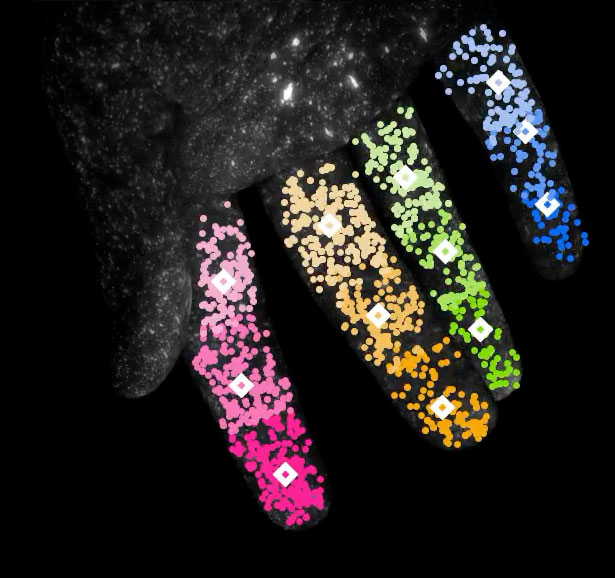
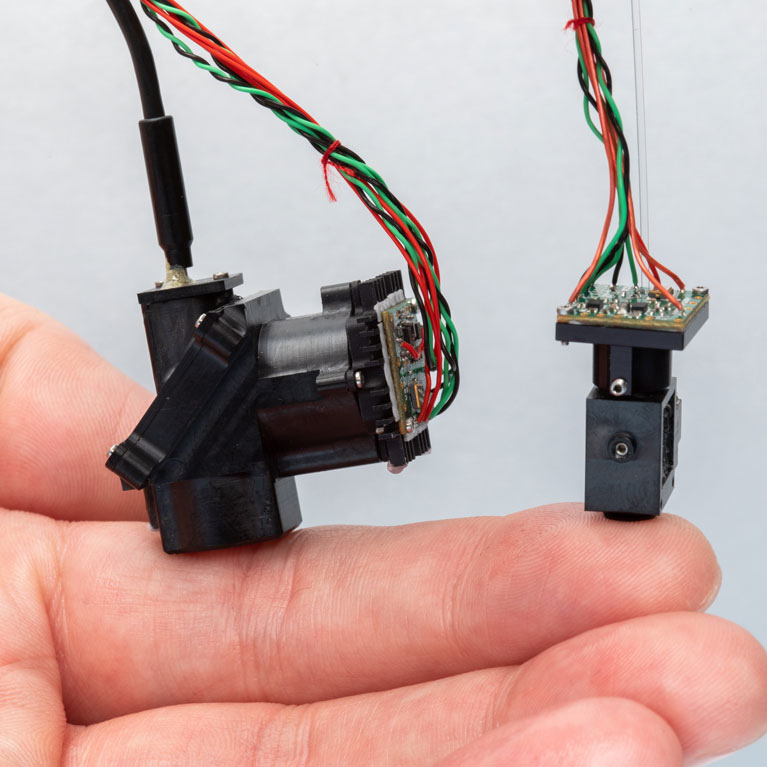
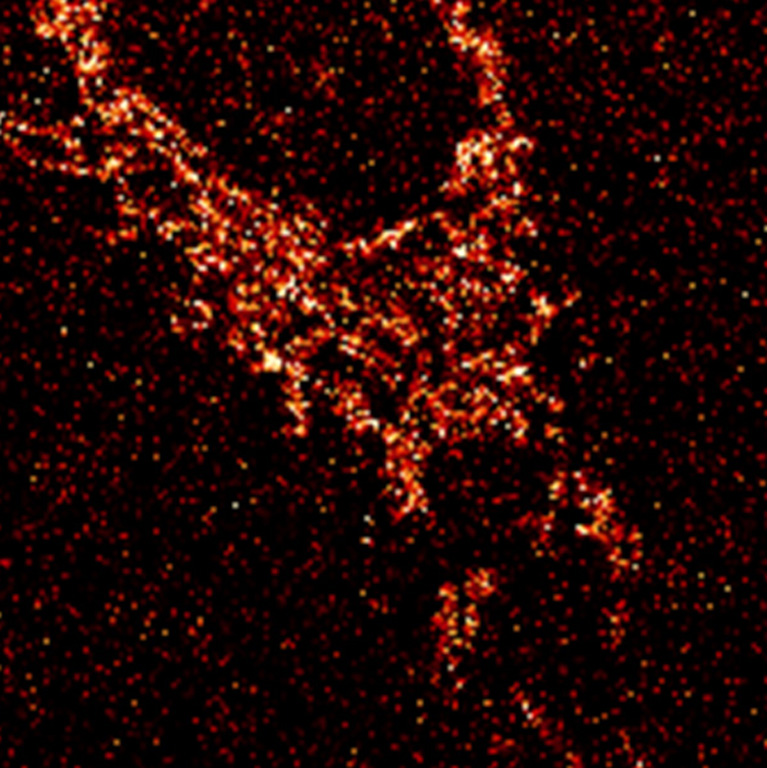
LA JOLLA—The spinal cord acts as a messenger, carrying signals between the brain and body to regulate everything from breathing to movement. While the spinal cord is known to play an essential role in relaying pain signals, technology has limited scientists’ understanding of how this process occurs on a cellular level. Now, Salk scientists have created wearable microscopes to enable unprecedented insight into the signaling patterns that occur within the spinal cords of mice.
LA JOLLA—The artificial intelligence (AI) language model ChatGPT has captured the world’s attention in recent months. This trained computer chatbot can generate text, answer questions, provide translations, and learn based on the user’s feedback. Large language models like ChatGPT may have many applications in science and business, but how much do these tools understand what we say to them and how do they decide what to say back?
LA JOLLA—Young children sometimes believe that the moon is following them, or that they can reach out and touch it. It appears to be much closer than is proportional to its true distance. As we move about our daily lives, we tend to think that we navigate space in a linear way. But Salk scientists have discovered that time spent exploring an environment causes neural representations to grow in surprising ways.
LA JOLLA—Clay vessels of innumerable shapes and sizes come to life as they illuminate a rich history of symbolic meanings and identity. Some museum visitors may lean in to get a better view, while others converse with their friends over the rich hues. Exhibition designers have long wondered how the human brain senses, perceives, and learns in the rich environment of a museum gallery.
LA JOLLA—For years, the brain has been thought of as a biological computer that processes information through traditional circuits, whereby data zips straight from one cell to another. While that model is still accurate, a new study led by Salk Professor Thomas Albright and Staff Scientist Sergei Gepshtein shows that there’s also a second, very different way that the brain parses information: through the interactions of waves of neural activity. The findings, published in Science Advances on April 22, 2022, help researchers better understand how the brain processes information.
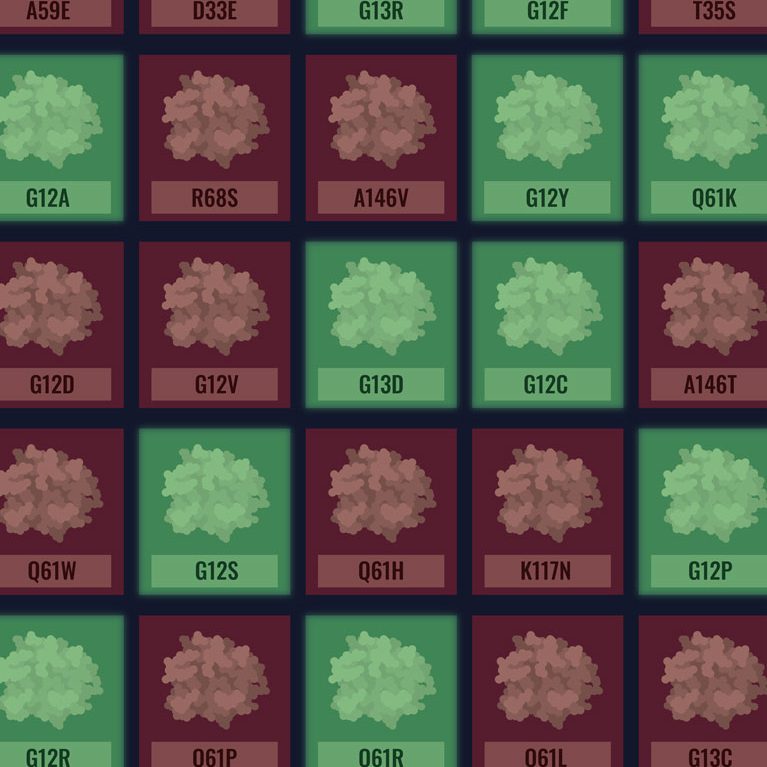
LA JOLLA—Patients with colorectal cancer were among the first to receive targeted therapies. These drugs aim to block the cancer-causing proteins that trigger out-of-control cell growth while sparing healthy tissues. But some patients are not eligible for these treatments because they have cancer-promoting mutations that are believed to cause resistance to these drugs.
LA JOLLA—Salk Professor Tatyana Sharpee has won the American Society for Biochemistry and Molecular Biology’s (ASBMB) 2022 DeLano Award for Computational Biosciences. The award is given to a scientist with an innovative development or application of a computer technology that can enhance research in the life sciences at the molecular level.
LA JOLLA—Salk Assistant Professor Graham McVicker has been awarded a National Human Genome Research Institute (NHGRI) Genomic Innovator Award, which supports early-career scientists who conduct innovative, creative research in genomics. The award, which provides $2.85 million over five years, is in recognition of McVicker’s efforts using computational and experimental approaches to investigate how human genetic diversity leads to metabolic, cardiovascular, autoimmune and other diseases.
LA JOLLA—Deep learning is a potential tool for scientists to glean more detail from low-resolution images in microscopy, but it’s often difficult to gather enough baseline data to train computers in the process. Now, a new method developed by scientists at the Salk Institute could make the technology more accessible—by taking high-resolution images, and artificially degrading them.
LA JOLLA—Professors Satchin Panda 和 Tatyana Sharpee have both been recognized for their contributions and dedication to advancing science through research by being named to endowed chairs at the Salk Institute.
LA JOLLA—Getting computers to “think” like humans is the holy grail of artificial intelligence, but human brains turn out to be tough acts to follow. The human brain is a master of applying previously learned knowledge to new situations and constantly refining what’s been learned. This ability to be adaptive has been hard to replicate in machines.
LA JOLLA—Salk Institute Assistant Professor Edward Stites has been named an NIH Director’s New Innovator for 2020 as part of the National Institutes of Health’s High-Risk, High-Reward Research Program. The award “supports unusually innovative research from early career investigators,” according to the NIH and provides $1.5 million for a 5-year project. For his project, Stites will use mathematical and biological approaches to identify strategies to convert failed therapeutics into effective agents.
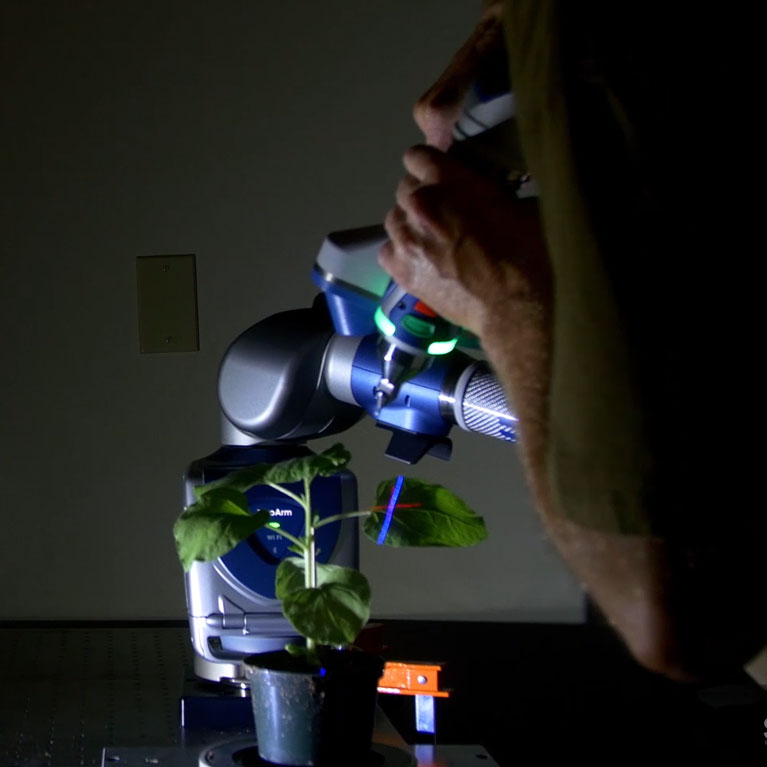
LA JOLLA—Father of genetics Gregor Mendel spent years tediously observing and measuring pea plant traits by hand in the 1800s to uncover the basics of genetic inheritance. Today, botanists can track the traits, or phenotypes, of hundreds or thousands of plants much more quickly, with automated camera systems. Now, Salk researchers have helped speed up plant phenotyping even more, with machine-learning algorithms that teach a computer system to analyze three-dimensional shapes of the branches and leaves of a plant. The study, published in 植物生理学 on October 7, 2019, may help scientists better quantify how plants respond to climate change, genetic mutations or other factors.
LA JOLLA—Salk Associate Professor Tatyana Sharpee, a member of the Computational Neurobiology Laboratory, has been elected a 2018 Fellow of the American Physical Society (APS) for her outstanding contribution to physics. In particular, she is granted this honor for “advancing our understanding of how neurons represent sensory signals and make decisions by pioneering new methods for analyzing neural responses to natural stimuli and uncovered organizing principles for closed loop behaviors,” according to the organization.
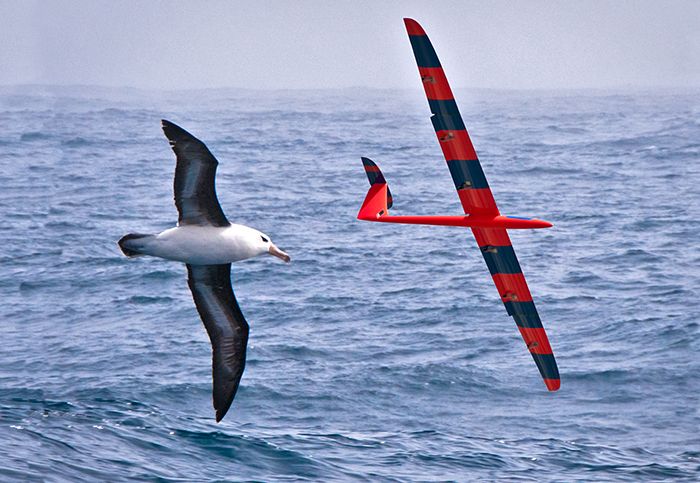
LA JOLLA—The words “fly like an eagle” are famously part of a song, but they may also be words that make some scientists scratch their heads. Especially when it comes to soaring birds like eagles, falcons and hawks, who seem to ascend to great heights over hills, canyons and mountain tops with ease. Scientists realize that upward currents of warm air assist the birds in their flight, but they don’t know how the birds find and navigate these thermal plumes.
LA JOLLA—Every day, websites you visit and smartphone apps that you use are crunching huge sets of data to find things that resemble each other: products that are similar to your past purchases; songs that are similar to tunes you’ve liked; faces that are similar to people you’ve identified in photos. All these tasks are known as similarity searches, and the ability to perform these massive matching games well—and fast—has been an ongoing challenge for computer scientists.
LA JOLLA—Salk Associate Professor Tatyana Sharpee has been awarded a grant of approximately $950,000 over 4 years by the National Science Foundation to study how the brain processes complex sounds. This grant is part of a multi-national project together with groups in France and Israel.
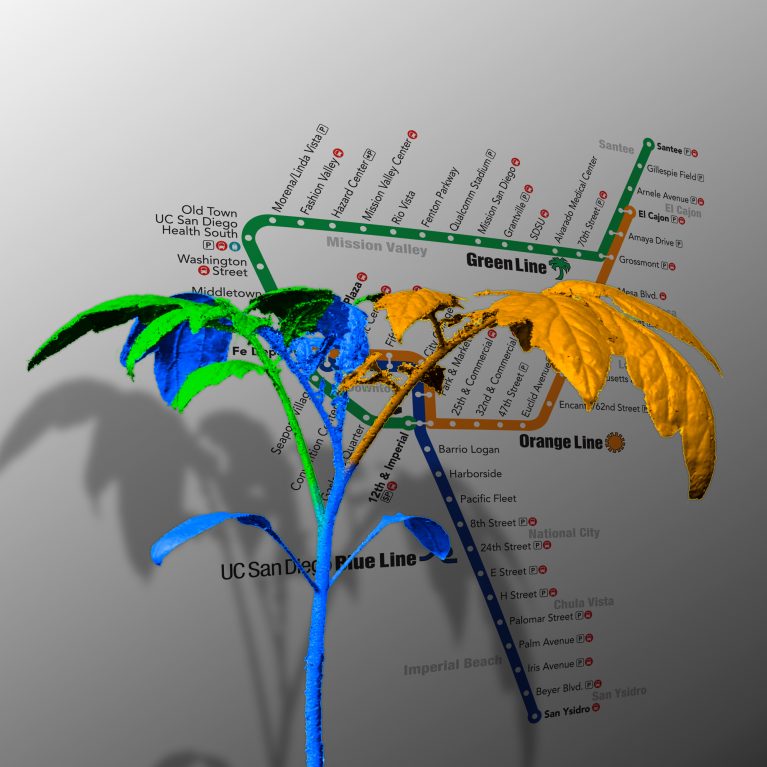
LA JOLLA—It might seem like a tomato plant and a subway system don’t have much in common, but both, it turns out, are networks that strive to make similar tradeoffs between cost and performance.
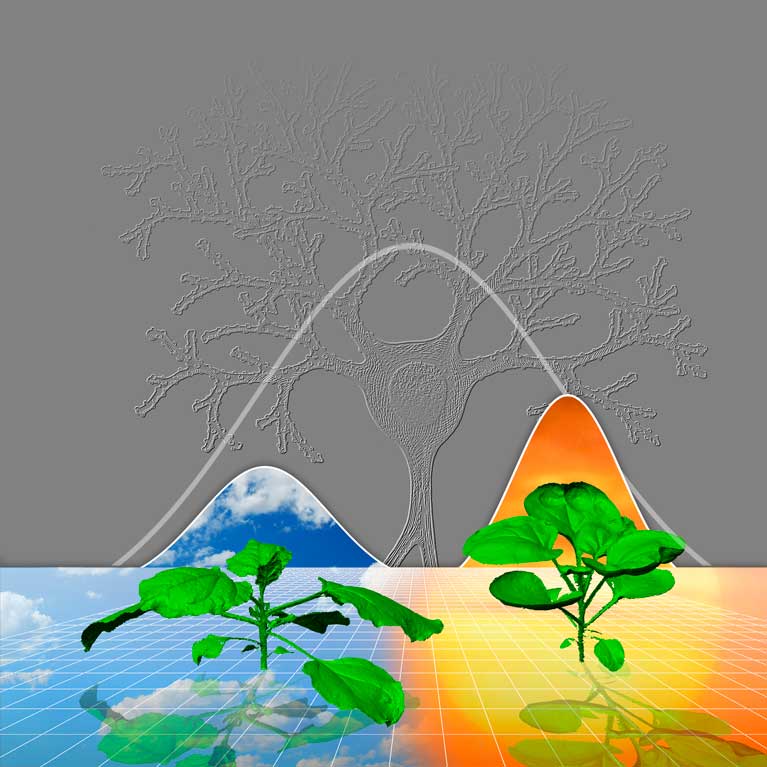
LA JOLLA—Plants and brains are more alike than you might think: Salk scientists discovered that the mathematical rules governing how plants grow are similar to how brain cells sprout connections. The new work, published in Current Biology on July 6, 2017, and based on data from 3D laser scanning of plants, suggests there may be universal rules of logic governing branching growth across many biological systems.
LA JOLLA—If you think self-driving cars can’t get here soon enough, you’re not alone. But programming computers to recognize objects is very technically challenging, especially since scientists don’t fully understand how our own brains do it.
LA JOLLA—Despite advances in neuroscience, the brain is still very much a black box—no one even knows how many different types of neurons exist. Now, a scientist from the Salk Institute has used a mathematical framework to better understand how different cell types divide work among themselves.
LA JOLLA—Although we spend a lot of our time online nowadays—streaming music and video, checking email and social media, or obsessively reading the news—few of us know about the mathematical algorithms that manage how our content is delivered. But deciding how to route information fairly and efficiently through a distributed system with no central authority was a priority for the Internet’s founders. Now, a Salk Institute discovery shows that an algorithm used for the Internet is also at work in the human brain, an insight that improves our understanding of engineered and neural networks and potentially even learning disabilities.
LA JOLLA—If two clinicians observe the same patient with blepharospasm—uncontrollable muscle contractions around the eye—they’ll often come away with two different conclusions on the severity of the patient’s symptoms. That’s because the rating scales for blepharospasm are notoriously subjective and unreliable.
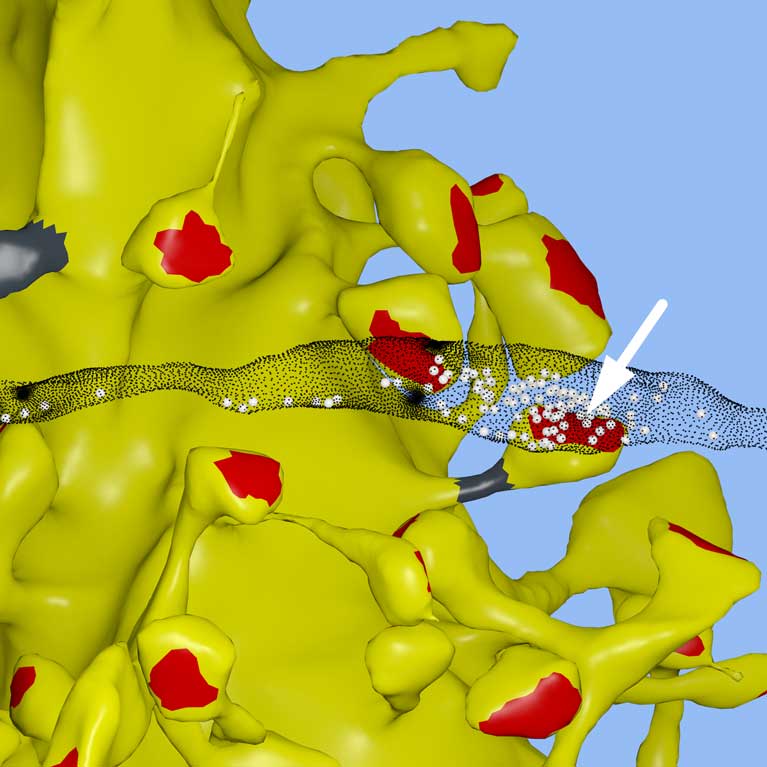
LA JOLLA—Salk researchers and collaborators have achieved critical insight into the size of neural connections, putting the memory capacity of the brain far higher than common estimates. The new work also answers a longstanding question as to how the brain is so energy efficient and could help engineers build computers that are incredibly powerful but also conserve energy.
LA JOLLA–The Society for Neuroscience (SfN), an organization of nearly 40,000 scientists and clinicians, will award the Swartz Prize for Theoretical and Computational Neuroscience to 特伦斯·塞津诺维奇, Salk professor and head of the 计算神经生物学实验室.
LA JOLLA–Since the early 19th century, scientists have worked to unravel the mystery of olfaction, our sense of smell.
LA JOLLA–When it comes to developing efficient, robust networks, the brain may often know best.
Researchers from the Salk Institute for Biological Studies and Carnegie Mellon University have, for the first time, determined the rate at which the developing brain eliminates unneeded connections between neurons during early childhood.
LA JOLLA–If you had 10 chances to roll a die, would you rather be guaranteed to receive $5 for every roll ($50 total) or take the risk of winning $100 if you only roll a six?
LA JOLLA—The Salk Institute is pleased to welcome a new full professor and three new assistant professors, all exceptional leaders in their respective fields. The new faculty will facilitate innovative and collaborative breakthroughs in understanding human health and disease.