Recent Discoveries
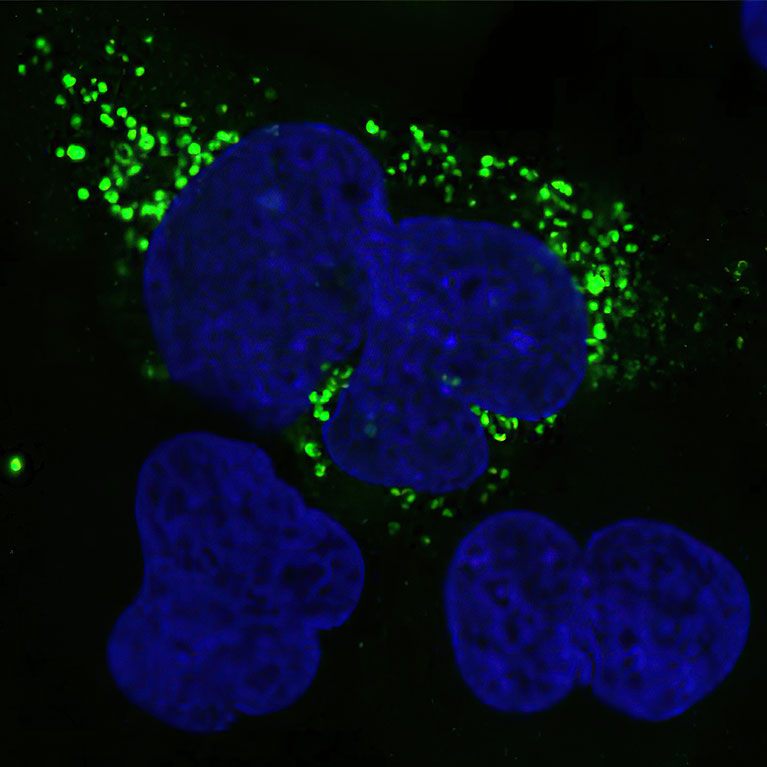
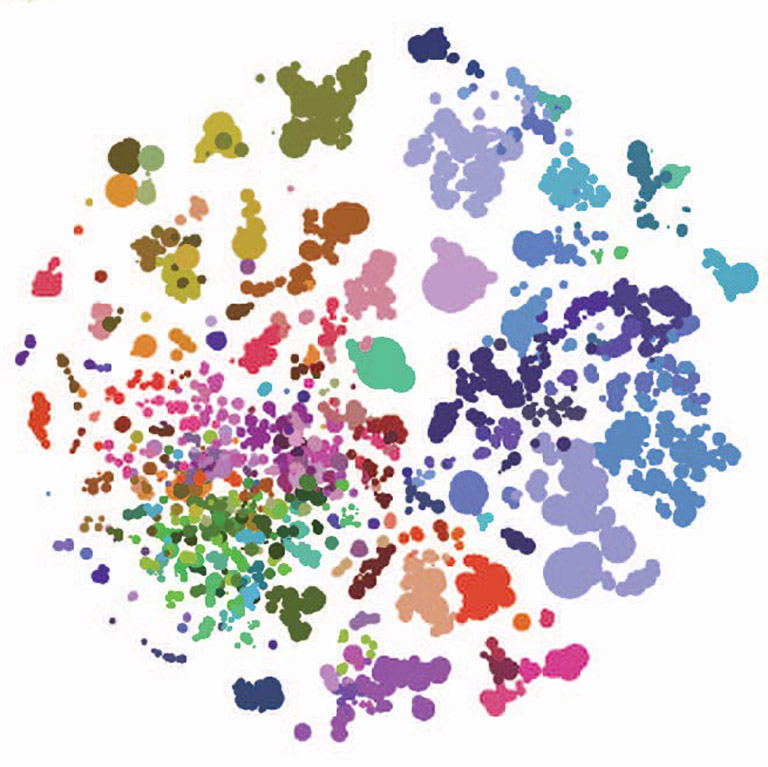
LA JOLLA—Every cell in the human body carries the same three billion letters of DNA, yet a neuron, a heart muscle cell, and a pancreatic beta cell each use that shared code to do entirely different jobs. How cells pull off this trick comes down to epigenetics—chemical tags and three-dimensional structures that govern which genes are active and which stay silent.
LA JOLLA—El Instituto Salk ha ascendido a Julie Law, doctora, from associate professor to full professor, and Salk Fellow Talmo Pereira, PhD, has now joined Salk’s faculty as assistant professor. The recognition reflects both scientists’ excellence and innovation in their respective research areas.
LA JOLLA—Fluorescent proteins have revolutionized science, enabling researchers to tag and visualize individual molecules in living cells, tissues, and animals. Using these tools, researchers have watched viruses infect cells in real time, observed cellular trash collection, and tracked the signaling that spurs tumor growth.
LA JOLLA—Salk Institute scientist Terrence Sejnowski, PhD, and Nobel Laureate Geoffrey Hinton, PhD, have received the Scientific Breakthrough Award from the World Digital Technology Academy (WDTA)’s inaugural World Digital and Frontier Technologies (WDFT) Awards. Sejnowski and Hinton are recognized for their pioneering research bridging biological intelligence and computational models, punctuated by their foundational development of Boltzmann machines. Their work provided “the architectural bedrock for deep learning, generative AI, and the large-scale systems now driving digital civilization.”
LA JOLLA—A multi-institutional study led by researchers at the Salk Institute for Biological Studies, UNC Lineberger Comprehensive Cancer Center, and UC San Diego has uncovered new genetic rules that determine how immune cells, known as CD8 “killer” T cells, choose between becoming long-lasting, protective defenders or slipping into exhausted, dysfunctional states. Turning off just two of these genes allowed exhausted T cells to regain their tumor-killing capacity.
LA JOLLA—Proteins sustain life as we know it, serving many important structural and functional roles throughout the body. But these large molecules have cast a long shadow over a smaller subclass of proteins called microproteins. Microproteins have been lost in the 99% of DNA disregarded as “noncoding”—hiding in vast, dark stretches of unexplored genetic code. But despite being small and elusive, their impact may be just as big as larger proteins.
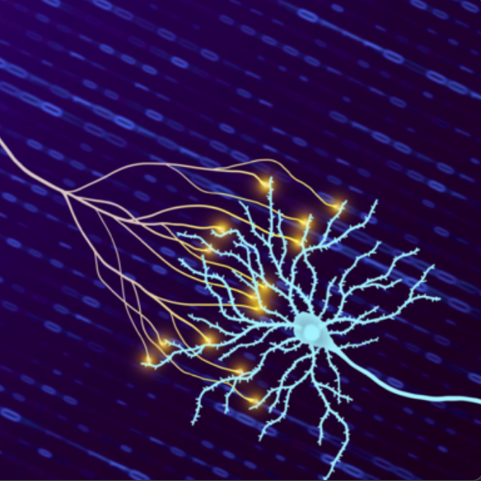
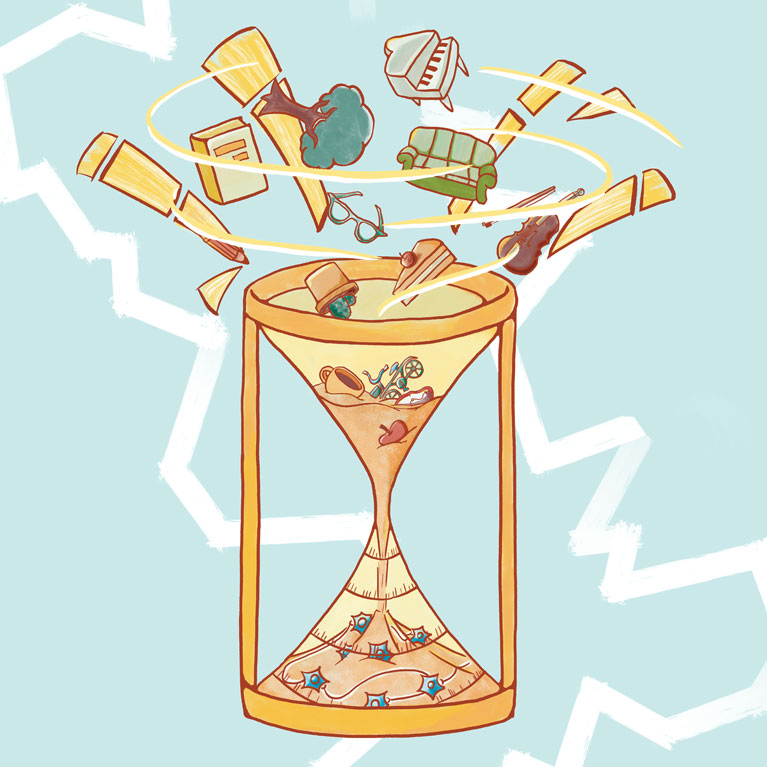
LA JOLLA—With each flip you make through a deck of vocabulary word flashcards, their definitions come more quickly, more easily. This process of learning and remembering new information strengthens important connections in your brain. Recalling those new words and definitions more easily with practice is evidence that those neural connections, called synapses, can grow stronger or weaker over time—a feature known as synaptic plasticity.
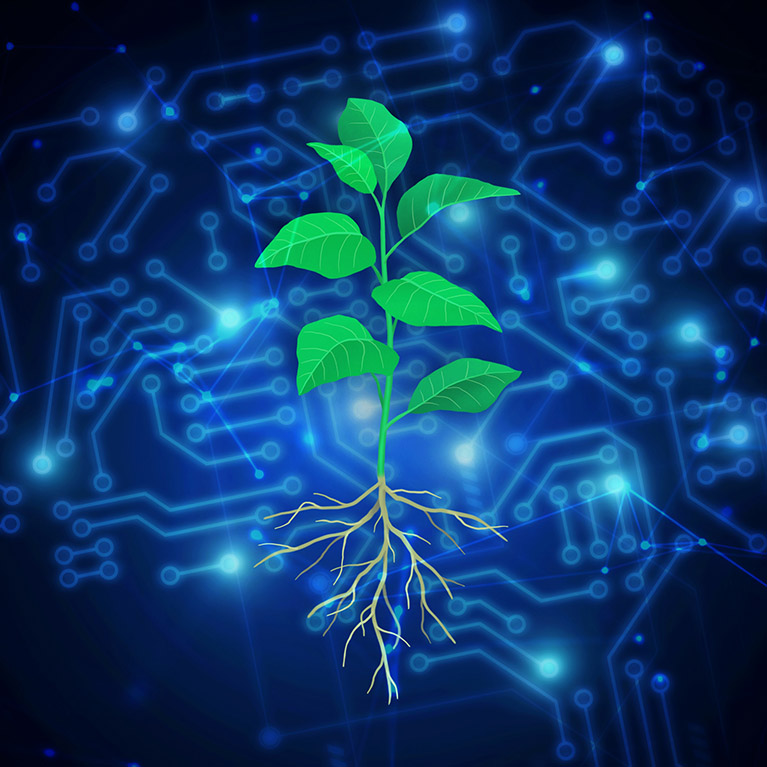
LA JOLLA—The Intergovernmental Panel on Climate Change (IPCC) declared that removing carbon from the atmosphere is now essential to fighting climate change and limiting global temperature rise. To support these efforts, Salk scientists are harnessing plants’ natural ability to draw carbon dioxide out of the air by optimizing their root systems to store more carbon for a longer period of time.
LA JOLLA—Salk Institute researchers, as part of a worldwide initiative to revolutionize scientists’ understanding of the brain, analyzed more than 2 million brain cells from mice to assemble the most complete atlas ever of the mouse brain. Their work, published December 13, 2023 in a special issue of Naturaleza, not only details the thousands of cell types present in the brain but also how those cells connect and the genes and regulatory programs that are active in each cell.
LA JOLLA—The Salk Institute has appointed Adam Bowman to the Programa de Becarios Salk, where he will join current Salk Fellow Talmo Pereira. Joining in March 2024, Bowman is an applied physicist who develops new technologies for optical microscopy.
LA JOLLA—Salk Institute researchers, as part of a larger collaboration with research teams around the world, analyzed more than half a million brain cells from three human brains to assemble an atlas of hundreds of cell types that make up a human brain in unprecedented detail.
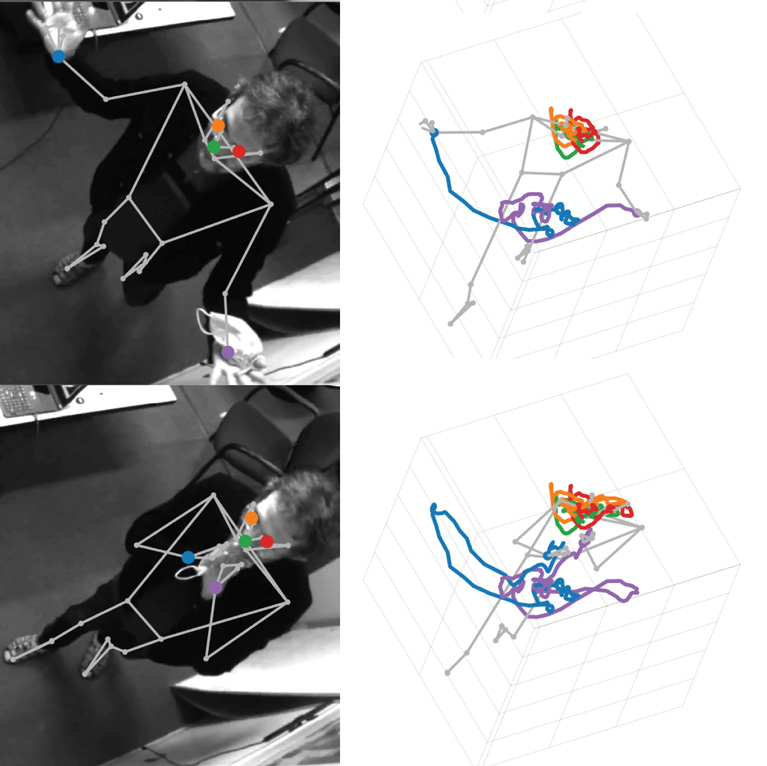
LA JOLLA—El movimiento ofrece una ventana a cómo funciona el cerebro y controla el cuerpo. Desde la observación con portapapeles y bolígrafo hasta las técnicas modernas basadas en inteligencia artificial, el seguimiento del movimiento humano y animal ha avanzado mucho. Los métodos actuales de vanguardia utilizan inteligencia artificial para rastrear automáticamente partes del cuerpo a medida que se mueven. Sin embargo, el entrenamiento de estos modelos sigue consumiendo mucho tiempo y está limitado por la necesidad de que los investigadores marquen manualmente cada parte del cuerpo cientos o miles de veces.
LA JOLLA—El Instituto Salk da la bienvenida al profesor asistente Agnieszka Kendrick, un biólogo estructural que estudia cómo las células reconocen y transportan sustancias dentro de la célula.
LA JOLLA—The Salk Institute and Autobahn Labs, an early-stage drug discovery incubator, will work together to identify and advance promising initial scientific discoveries through the preliminary steps of drug discovery and development. Autobahn Labs will invest up to $5 million per project for Salk discoveries that require access to drug development expertise and state-of-the art capabilities.
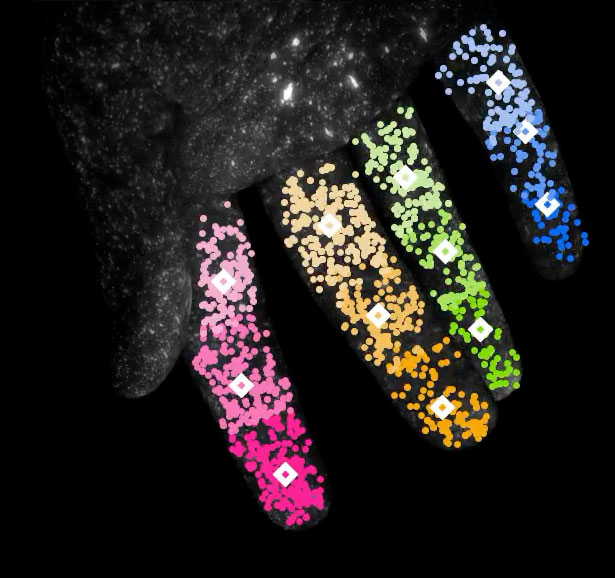
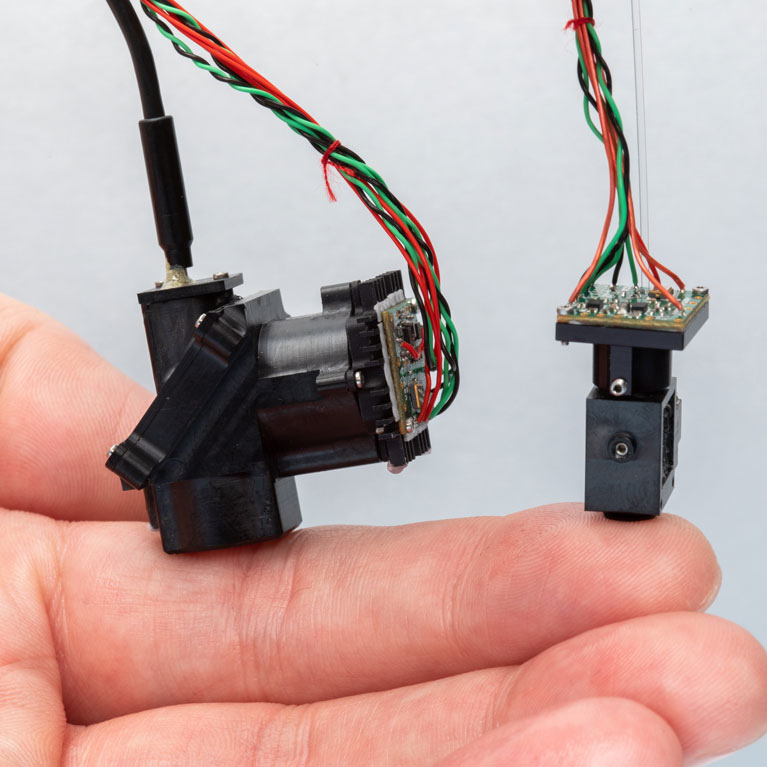
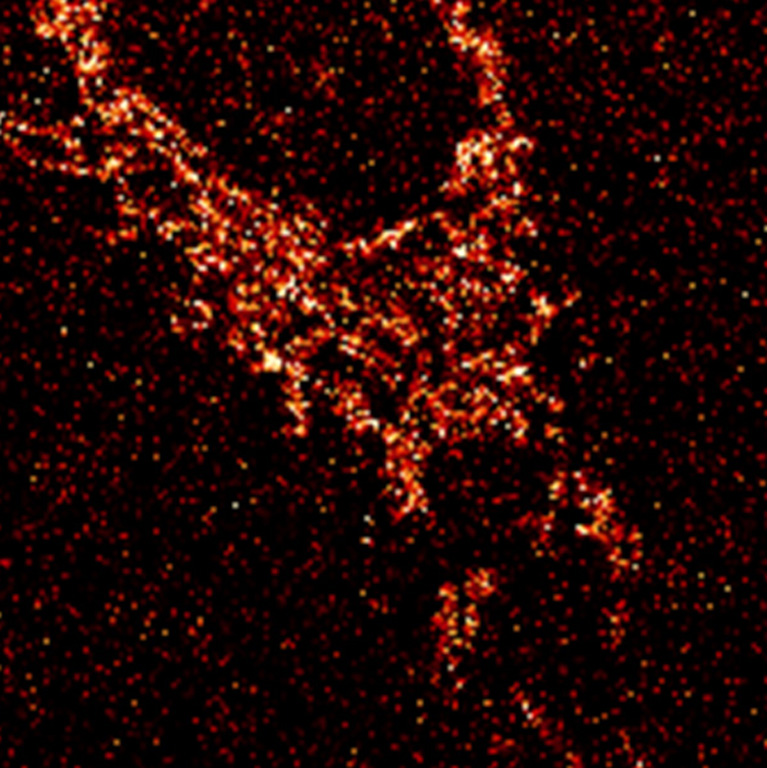
LA JOLLA—The spinal cord acts as a messenger, carrying signals between the brain and body to regulate everything from breathing to movement. While the spinal cord is known to play an essential role in relaying pain signals, technology has limited scientists’ understanding of how this process occurs on a cellular level. Now, Salk scientists have created wearable microscopes to enable unprecedented insight into the signaling patterns that occur within the spinal cords of mice.
LA JOLLA—The artificial intelligence (AI) language model ChatGPT has captured the world’s attention in recent months. This trained computer chatbot can generate text, answer questions, provide translations, and learn based on the user’s feedback. Large language models like ChatGPT may have many applications in science and business, but how much do these tools understand what we say to them and how do they decide what to say back?
LA JOLLA—Young children sometimes believe that the moon is following them, or that they can reach out and touch it. It appears to be much closer than is proportional to its true distance. As we move about our daily lives, we tend to think that we navigate space in a linear way. But Salk scientists have discovered that time spent exploring an environment causes neural representations to grow in surprising ways.
LA JOLLA—Clay vessels of innumerable shapes and sizes come to life as they illuminate a rich history of symbolic meanings and identity. Some museum visitors may lean in to get a better view, while others converse with their friends over the rich hues. Exhibition designers have long wondered how the human brain senses, perceives, and learns in the rich environment of a museum gallery.
LA JOLLA—For years, the brain has been thought of as a biological computer that processes information through traditional circuits, whereby data zips straight from one cell to another. While that model is still accurate, a new study led by Salk Professor Thomas Albright and Staff Scientist Sergei Gepshtein shows that there’s also a second, very different way that the brain parses information: through the interactions of waves of neural activity. The findings, published in Science Advances on April 22, 2022, help researchers better understand how the brain processes information.
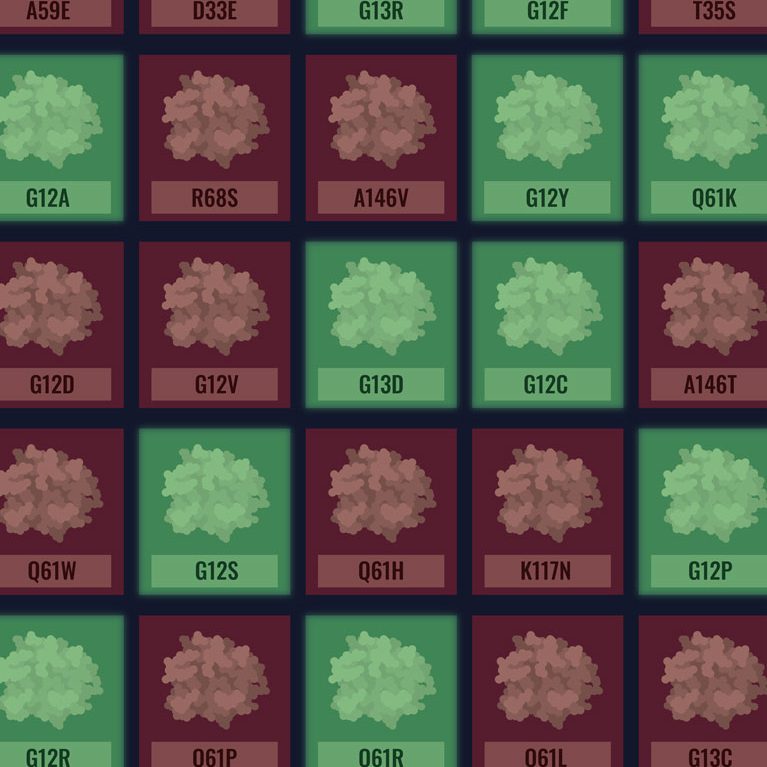
LA JOLLA—Patients with colorectal cancer were among the first to receive targeted therapies. These drugs aim to block the cancer-causing proteins that trigger out-of-control cell growth while sparing healthy tissues. But some patients are not eligible for these treatments because they have cancer-promoting mutations that are believed to cause resistance to these drugs.
LA JOLLA—Profesor del Salk Tatyana Sharpee ha ganado el Premio DeLano 2022 en Biociencias Computacionales de la Sociedad Estadounidense de Bioquímica y Biología Molecular (ASBMB). El premio se otorga a un científico con un desarrollo o aplicación innovadora de una tecnología informática que pueda mejorar la investigación en ciencias de la vida a nivel molecular.
LA JOLLA—Graham McVicker, profesor asistente de Salk, ha recibido el Premio Innovador Genómico del Instituto Nacional de Investigación del Genoma Humano (NHGRI), que apoya a científicos en las primeras etapas de su carrera que llevan a cabo investigaciones innovadoras y creativas en genómica. El premio, que proporciona $2.85 millones de dólares durante cinco años, es en reconocimiento a los esfuerzos de McVicker en el uso de enfoques computacionales y experimentales para investigar cómo la diversidad genética humana conduce a enfermedades metabólicas, cardiovasculares, autoinmunes y de otro tipo.
LA JOLLA—Deep learning is a potential tool for scientists to glean more detail from low-resolution images in microscopy, but it’s often difficult to gather enough baseline data to train computers in the process. Now, a new method developed by scientists at the Salk Institute could make the technology more accessible—by taking high-resolution images, and artificially degrading them.
LA JOLLA—Professors Satchin Panda y Tatyana Sharpee have both been recognized for their contributions and dedication to advancing science through research by being named to endowed chairs at the Salk Institute.
LA JOLLA—Getting computers to “think” like humans is the holy grail of artificial intelligence, but human brains turn out to be tough acts to follow. The human brain is a master of applying previously learned knowledge to new situations and constantly refining what’s been learned. This ability to be adaptive has been hard to replicate in machines.
LA JOLLA—Profesor Asistente del Instituto Salk Edward Stites ha sido nombrado/a NIH Director’s New Innovator for 2020 as part of the National Institutes of Health’s High-Risk, High-Reward Research Program. The award “supports unusually innovative research from early career investigators,” according to the NIH and provides $1.5 million for a 5-year project. For his project, Stites will use mathematical and biological approaches to identify strategies to convert failed therapeutics into effective agents.
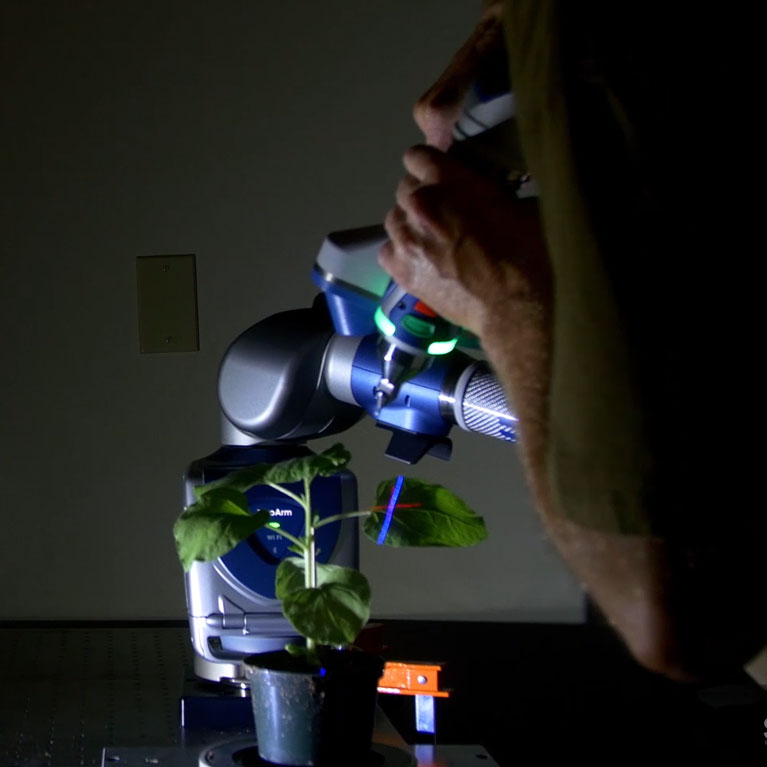
LA JOLLA—Father of genetics Gregor Mendel spent years tediously observing and measuring pea plant traits by hand in the 1800s to uncover the basics of genetic inheritance. Today, botanists can track the traits, or phenotypes, of hundreds or thousands of plants much more quickly, with automated camera systems. Now, Salk researchers have helped speed up plant phenotyping even more, with machine-learning algorithms that teach a computer system to analyze three-dimensional shapes of the branches and leaves of a plant. The study, published in Fisiología vegetal on October 7, 2019, may help scientists better quantify how plants respond to climate change, genetic mutations or other factors.
LA JOLLA—Profesor Asociado del Salk Tatyana Sharpee, miembro del Laboratorio de Neurobiología Computacional, ha sido elegida como miembro de la American Physical Society (APS) para 2018 por su destacada contribución a la física. En particular, se le otorga este honor por “avanzar en nuestra comprensión de cómo las neuronas representan señales sensoriales y toman decisiones, al ser pionera en nuevos métodos para analizar las respuestas neuronales a estímulos naturales y descubrir principios organizativos para comportamientos de bucle cerrado”, según la organización.
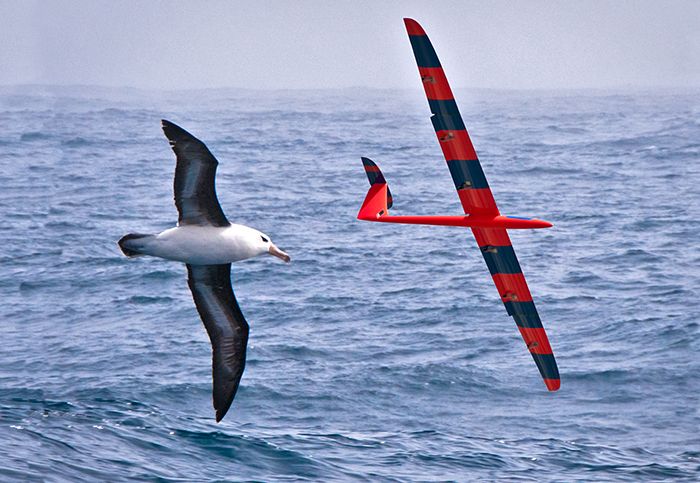
LA JOLLA—Las palabras “volar como un águila” son famosamente parte de una canción, pero también pueden ser palabras que hagan rascarse la cabeza a algunos científicos. Especialmente cuando se trata de aves de rapiña como águilas, halcones y gavilanes, que parecen ascender a grandes alturas sobre colinas, cañones y cimas de montañas con facilidad. Los científicos se dan cuenta de que las corrientes ascendentes de aire cálido ayudan a las aves en su vuelo, pero no saben cómo las aves encuentran y navegan estas plumas térmicas.
LA JOLLA. Todos los días, los sitios web que visitas y las aplicaciones de teléfonos inteligentes que usas procesan grandes conjuntos de datos para encontrar cosas que se parezcan entre sí: productos similares a tus compras pasadas; canciones parecidas a melodías que te han gustado; rostros similares a personas que has identificado en fotos. Todas estas tareas se conocen como búsquedas de similitud, y la capacidad de realizar estos juegos masivos de emparejamiento de manera eficiente y rápida ha sido un desafío continuo para los científicos informáticos.
LA JOLLA—Profesor Asociado del Salk Tatyana Sharpee ha recibido una subvención de aproximadamente $950,000 por 4 años de la National Science Foundation para estudiar cómo el cerebro procesa sonidos complejos. Esta subvención es parte de un proyecto multinacional junto con grupos en Francia e Israel.
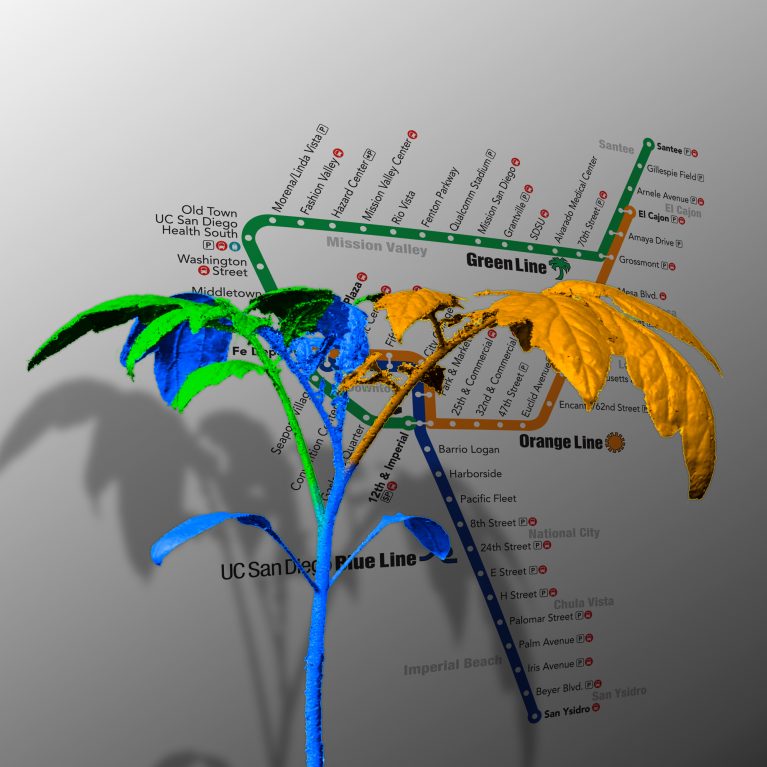
LA JOLLA—It might seem like a tomato plant and a subway system don’t have much in common, but both, it turns out, are networks that strive to make similar tradeoffs between cost and performance.
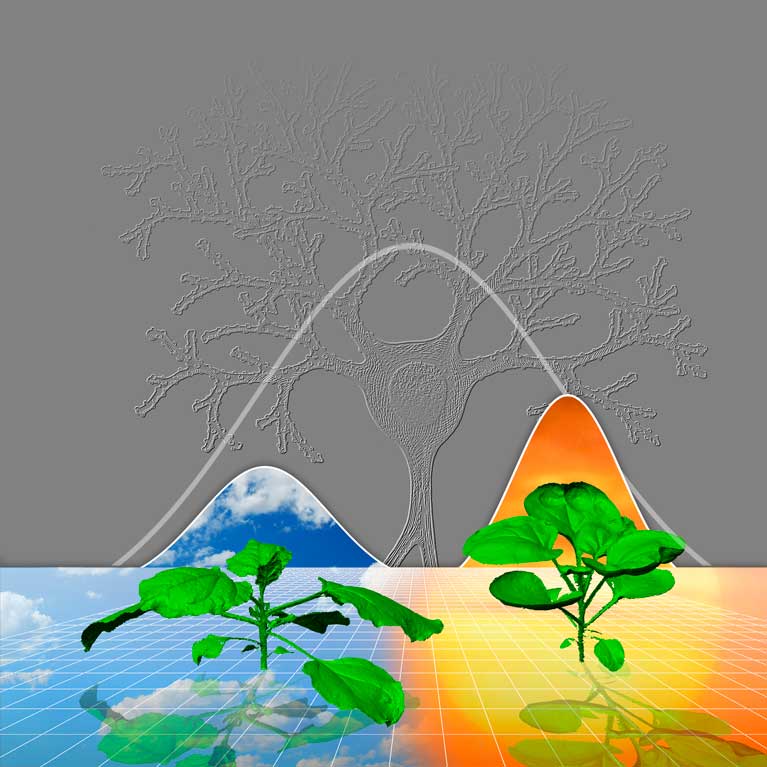
LA JOLLA—Plants and brains are more alike than you might think: Salk scientists discovered that the mathematical rules governing how plants grow are similar to how brain cells sprout connections. The new work, published in Biología Actual on July 6, 2017, and based on data from 3D laser scanning of plants, suggests there may be universal rules of logic governing branching growth across many biological systems.
LA JOLLA—If you think self-driving cars can’t get here soon enough, you’re not alone. But programming computers to recognize objects is very technically challenging, especially since scientists don’t fully understand how our own brains do it.
LA JOLLA—Despite advances in neuroscience, the brain is still very much a black box—no one even knows how many different types of neurons exist. Now, a scientist from the Salk Institute has used a mathematical framework to better understand how different cell types divide work among themselves.
LA JOLLA—Although we spend a lot of our time online nowadays—streaming music and video, checking email and social media, or obsessively reading the news—few of us know about the mathematical algorithms that manage how our content is delivered. But deciding how to route information fairly and efficiently through a distributed system with no central authority was a priority for the Internet’s founders. Now, a Salk Institute discovery shows that an algorithm used for the Internet is also at work in the human brain, an insight that improves our understanding of engineered and neural networks and potentially even learning disabilities.
LA JOLLA—If two clinicians observe the same patient with blepharospasm—uncontrollable muscle contractions around the eye—they’ll often come away with two different conclusions on the severity of the patient’s symptoms. That’s because the rating scales for blepharospasm are notoriously subjective and unreliable.
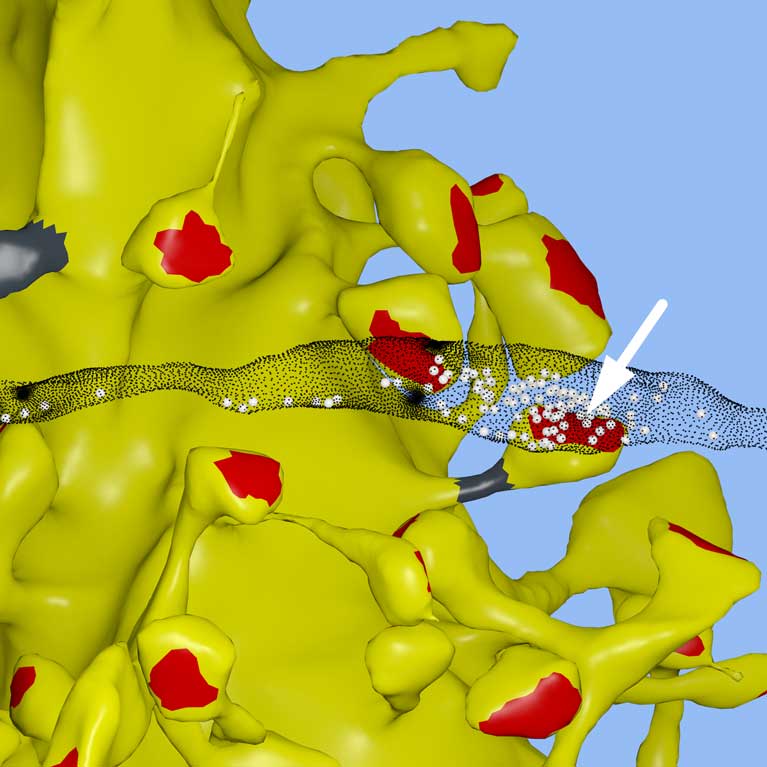
LA JOLLA — Investigadores del Salk y colaboradores han obtenido información crítica sobre el tamaño de las conexiones neuronales, lo que sitúa la capacidad de memoria del cerebro mucho más allá de las estimaciones comunes. El nuevo trabajo también responde a una pregunta de mucho tiempo sobre cómo el cerebro es tan eficiente energéticamente y podría ayudar a los ingenieros a construir computadoras increíblemente potentes pero que también conservan energía.
LA JOLLA–La Sociedad de Neurociencia La SfN, una organización de casi 40.000 científicos y médicos, otorgará el Premio Swartz de Neurociencia Teórica y Computacional a Terrence Sejnowski, profesor del Instituto Salk y jefe de Laboratorio de Neurobiología Computacional.
LA JOLLA–Since the early 19th century, scientists have worked to unravel the mystery of olfaction, our sense of smell.
LA JOLLA–When it comes to developing efficient, robust networks, the brain may often know best.
Researchers from the Salk Institute for Biological Studies and Carnegie Mellon University have, for the first time, determined the rate at which the developing brain eliminates unneeded connections between neurons during early childhood.
LA JOLLA–If you had 10 chances to roll a die, would you rather be guaranteed to receive $5 for every roll ($50 total) or take the risk of winning $100 if you only roll a six?
LA JOLLA—The Salk Institute is pleased to welcome a new full professor and three new assistant professors, all exceptional leaders in their respective fields. The new faculty will facilitate innovative and collaborative breakthroughs in understanding human health and disease.