新闻
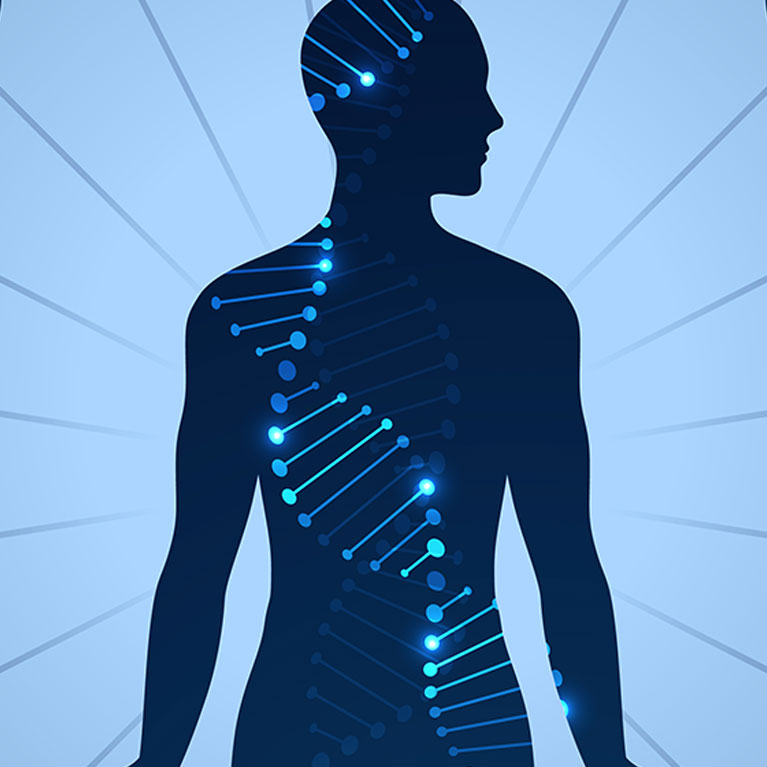
LA JOLLA—Every cell in the human body carries the same three billion letters of DNA, yet a neuron, a heart muscle cell, and a pancreatic beta cell each use that shared code to do entirely different jobs. How cells pull off this trick comes down to epigenetics—chemical tags and three-dimensional structures that govern which genes are active and which stay silent.
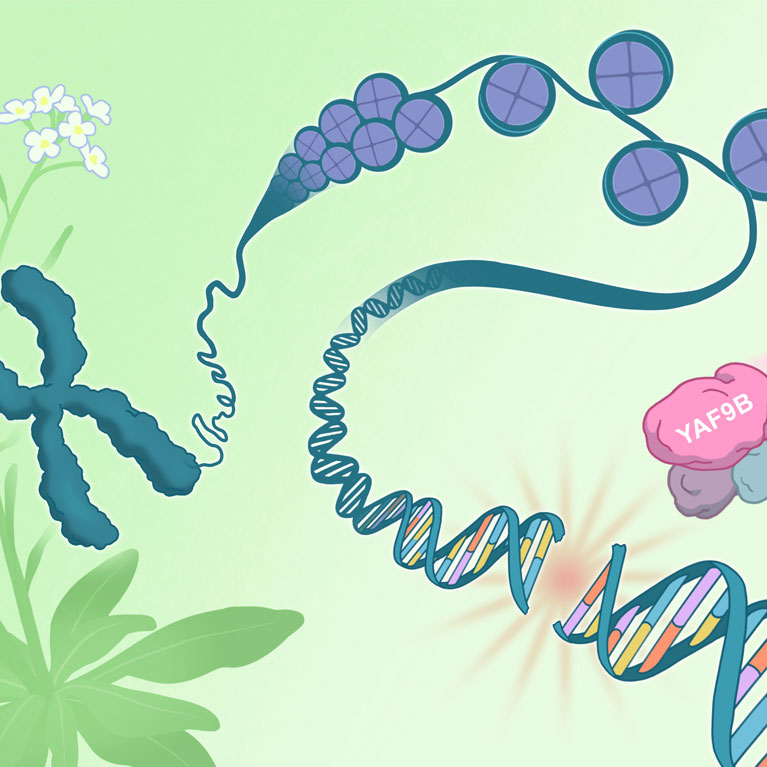
LA JOLLA—Similar to the way DNA damage can contribute to human diseases like cancer, it can also disrupt growth, development, and survival in plants. Every day, plants endure environmental stresses like sunlight, radiation, drought, and soil stress—all of which can damage their DNA. However, they cannot move away from danger. How do plants handle all that damage?
LA JOLLA—Three Salk faculty members, Sung Han 博士, 丹尼尔·霍勒恩,博士, ,和 格雷厄姆-麦克维克博士, have been chosen as Keck Scholars, alongside corresponding graduate students as Keck Fellows, in a special W. M. Keck Foundation Bridge Funding Initiative. The Initiative comes as the Keck Foundation seeks to support early-career scientists amid federal funding uncertainty.
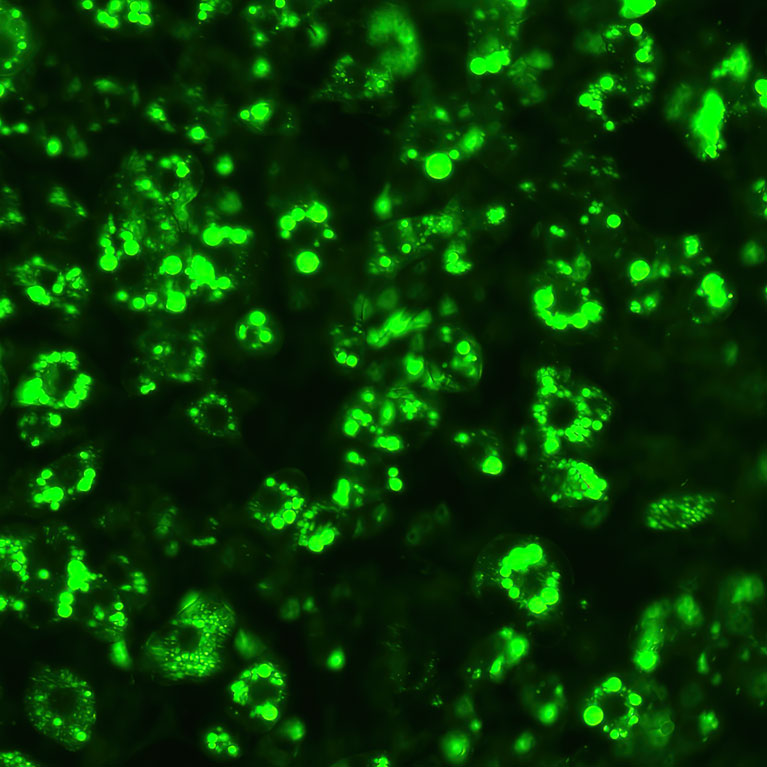
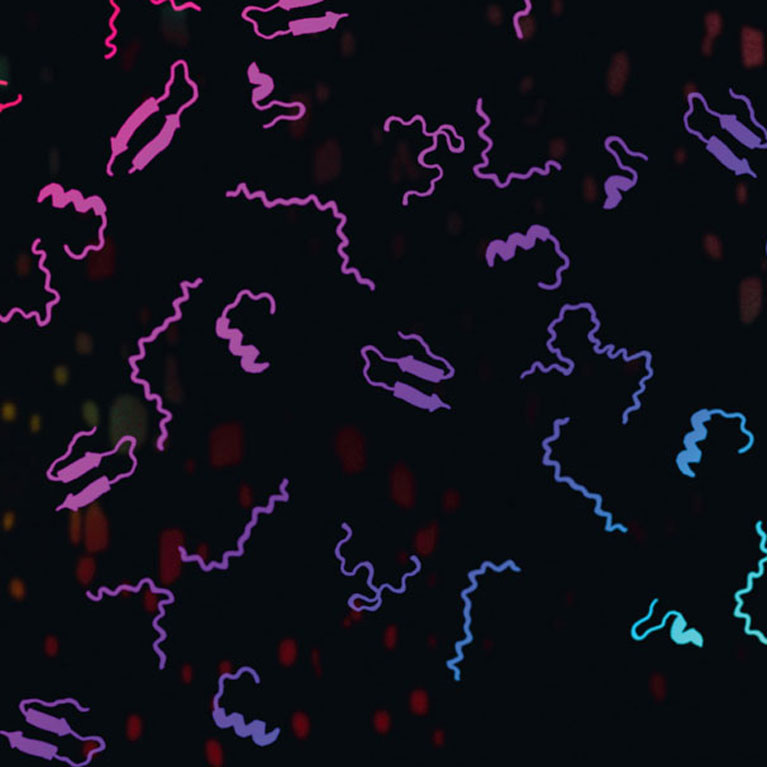
LA JOLLA—Fluorescent proteins have revolutionized science, enabling researchers to tag and visualize individual molecules in living cells, tissues, and animals. Using these tools, researchers have watched viruses infect cells in real time, observed cellular trash collection, and tracked the signaling that spurs tumor growth.
LA JOLLA—The obesity rate has more than doubled in the last 30 years, affecting more than one billion people worldwide. This prevalent condition is also linked to other metabolic disorders, including type 2 diabetes, cardiovascular diseases, chronic kidney disease, and cancers. Current treatment options include lifestyle interventions, bariatric surgery, and GLP-1 drugs like Ozempic or Wegovy, but many patients struggle to access or complete these treatments or to maintain their weight loss afterwards.
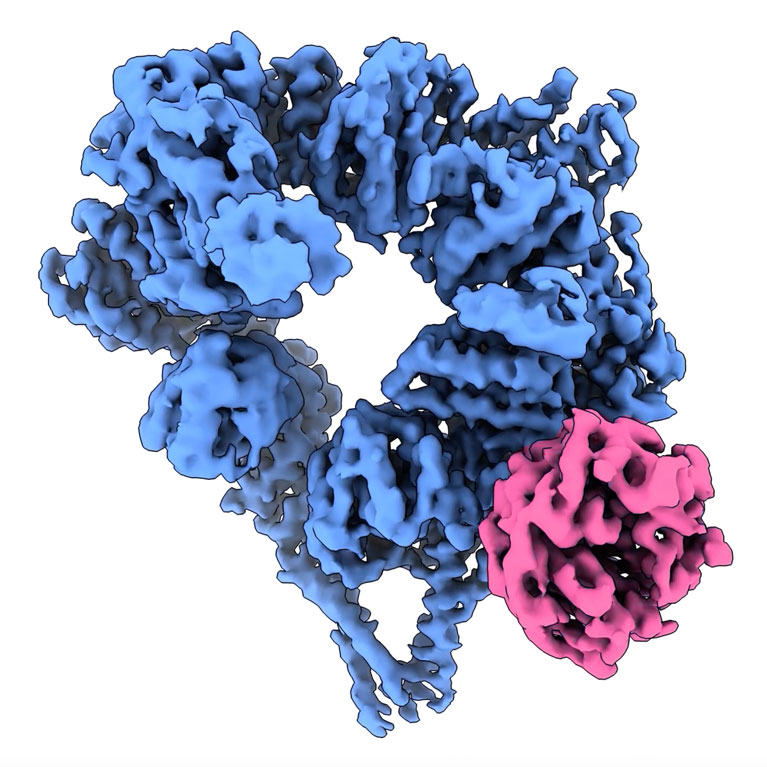
LA JOLLA—Our cells rely on microscopic highways and specialized protein vehicles to move everything—from positioning organelles to carting protein instructions to disposing of cellular garbage. These highways (called microtubules) and vehicles (called motor proteins) are indispensable to cellular function and survival.
拉霍亚—三位萨克研究所的教职员工因其对科学的杰出、创新贡献而获得晋升。副教授 尼古拉·艾伦 和 戴安娜·哈格里夫斯 晋升为正教授,以及助理教授 杰西·迪克森 晋升为副教授。此次晋升基于索尔克学院教职员工和非居民研究员的推荐,并于2025年4月4日获得索尔克学院院长和董事会批准。.
LA JOLLA—Just like your left and right hand exist as mirror images of each other, many biological molecules have their own form of left- and right-handedness, called chirality. Our DNA, for example, is made of right-handed chiral molecules which combine to form a right-handed double helix. The left-handed version would look like its mirror image, forming a helix that spins in the opposite direction.
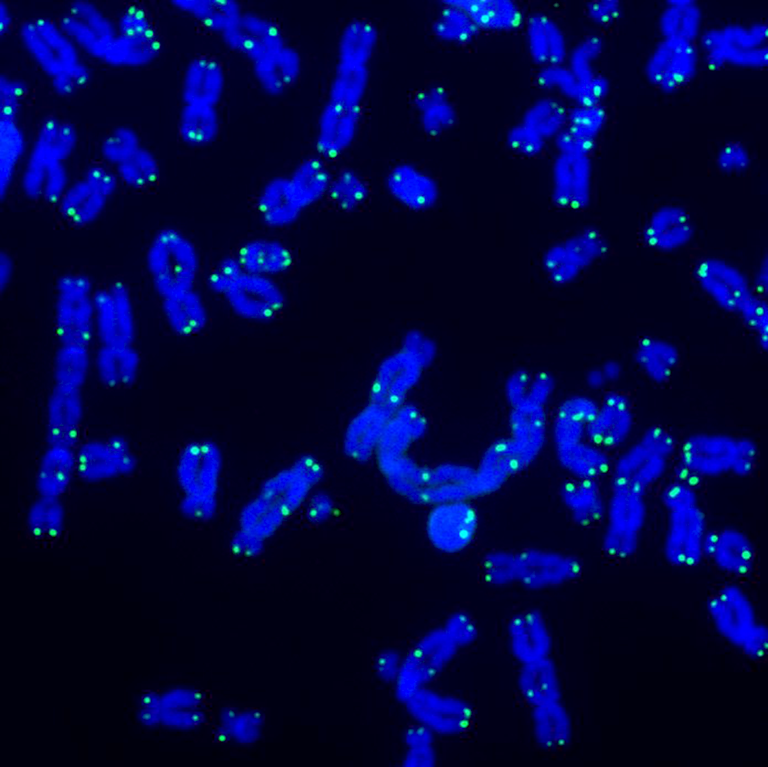
LA JOLLA—Within each of our cells, long strands of DNA are folded into chromosomes and capped with protective structures called telomeres. But telomeres shorten as we age, eventually getting so whittled down that our chromosomes become exposed, and our cells die. However, the specifics of when and how this shortening occurs and whether certain chromosomes are more affected than others have been unclear—until now.
LA JOLLA—Charles Darwin described evolution as "descent with modification." Genetic information in the form of DNA sequences is copied and passed down from one generation to the next. But this process must also be somewhat flexible, allowing slight variations of genes to arise over time and introduce new traits into the population.
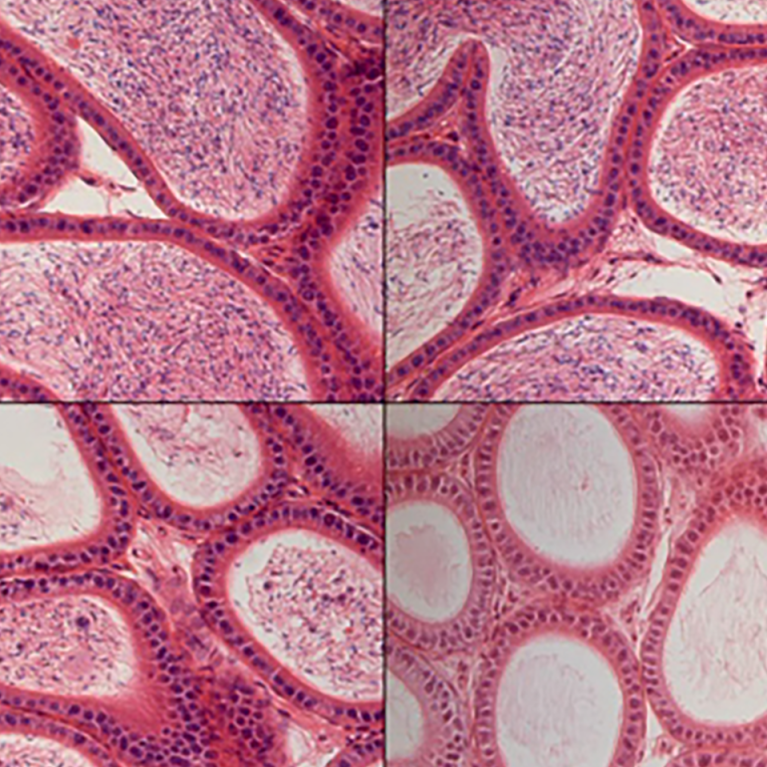
LA JOLLA—Surveys show most men in the United States are interested in using male contraceptives, yet their options remain limited to unreliable condoms or invasive vasectomies. Recent attempts to develop drugs that block sperm production, maturation, or fertilization have had limited success, providing incomplete protection or severe side effects. New approaches to male contraception are needed, but because sperm development is so complex, researchers have struggled to identify parts of the process that can be safely and effectively tinkered with.
LA JOLLA—The Salk Institute has appointed Adam Bowman to the 萨尔克研究员计划, where he will join current Salk Fellow 塔尔莫·佩雷拉. Joining in March 2024, Bowman is an applied physicist who develops new technologies for optical microscopy.
LA JOLLA—Salk Institute researchers, in collaboration with the National Institutes of Health, have discovered the molecular mechanisms by which the human immunodeficiency virus (HIV) becomes resistant to Dolutegravir, one of the most effective, clinically used antiviral drugs for treating HIV.
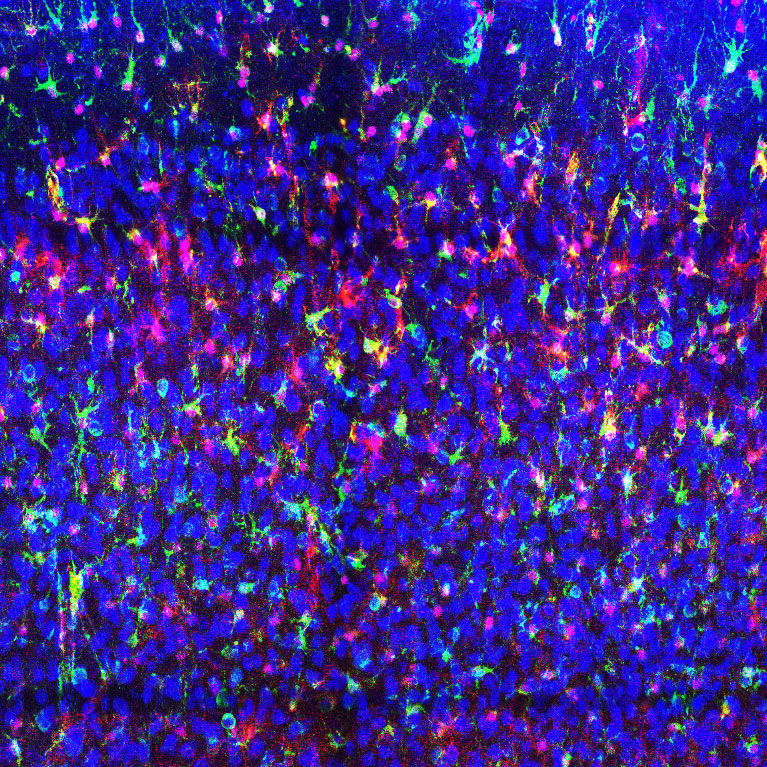
LA JOLLA—Approximately half of people with type 1 or type 2 diabetes experience peripheral neuropathy—weakness, numbness, and pain, primarily in the hands and feet. The condition occurs when high levels of sugar circulating in the blood damage peripheral nerves. Now, working with mice, Salk Institute researchers have identified another factor contributing to diabetes-associated peripheral neuropathy: altered amino acid metabolism.
LA JOLLA—Aging involves complicated plot twists and a large cast of characters: inflammation, stress, metabolism changes, and many others. Now, a team of Salk Institute and UC San Diego scientists reveal another factor implicated in the aging process—a class of lipids called SGDGs (3-sulfogalactosyl diacylglycerols) that decline in the brain with age and may have anti-inflammatory effects.
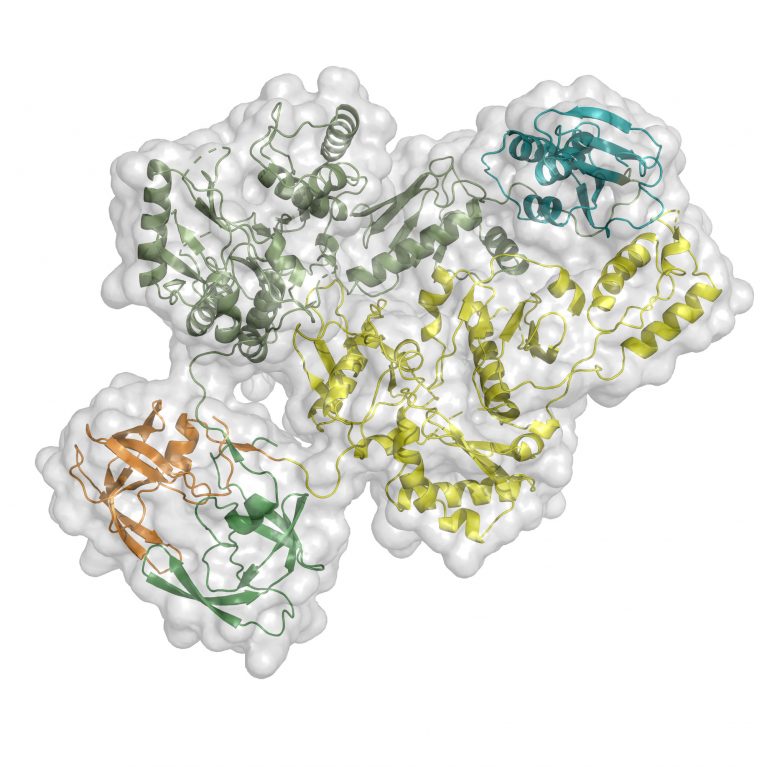
LA JOLLA—Understanding how HIV replicates within cells is key for developing new therapies that could help nearly 40 million people living with HIV globally. Now, a team of scientists from the Salk Institute and Rutgers University have for the first time determined the molecular structure of HIV Pol, a protein that plays a key role in the late stages of HIV replication, or the process through which the virus propagates itself and spreads through the body. Importantly, determining the molecule’s structure helps answer longstanding questions about how the protein breaks itself apart to advance the replication process. The discovery, published in 科学进展 on July 6, 2022, reveals a new vulnerability in the virus that could be targeted with drugs.
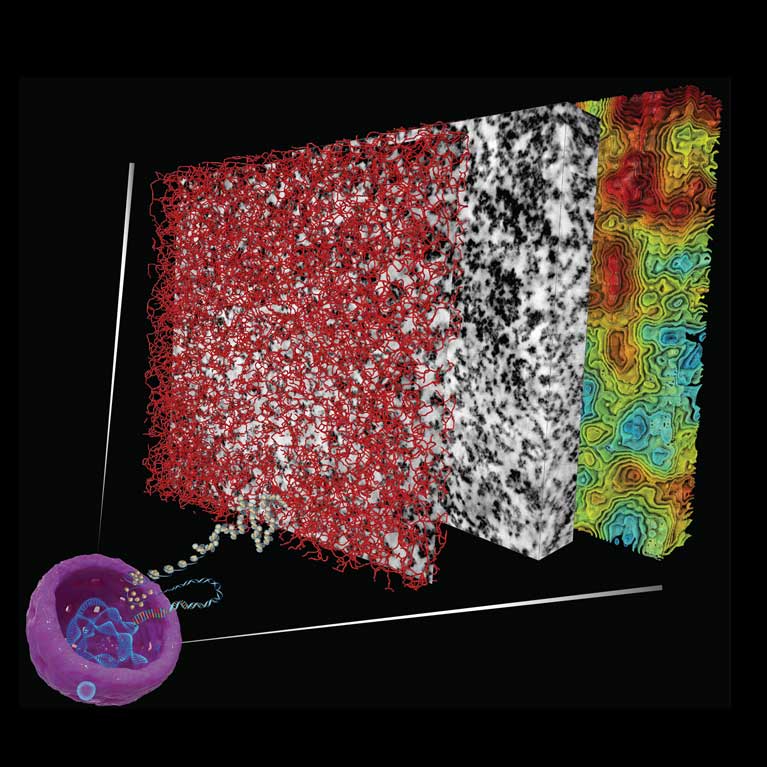
LA JOLLA—Stretched out, the DNA from all the cells in our body would reach Pluto. So how does each tiny cell pack a two-meter length of DNA into its nucleus, which is just one-thousandth of a millimeter across?