Noticias
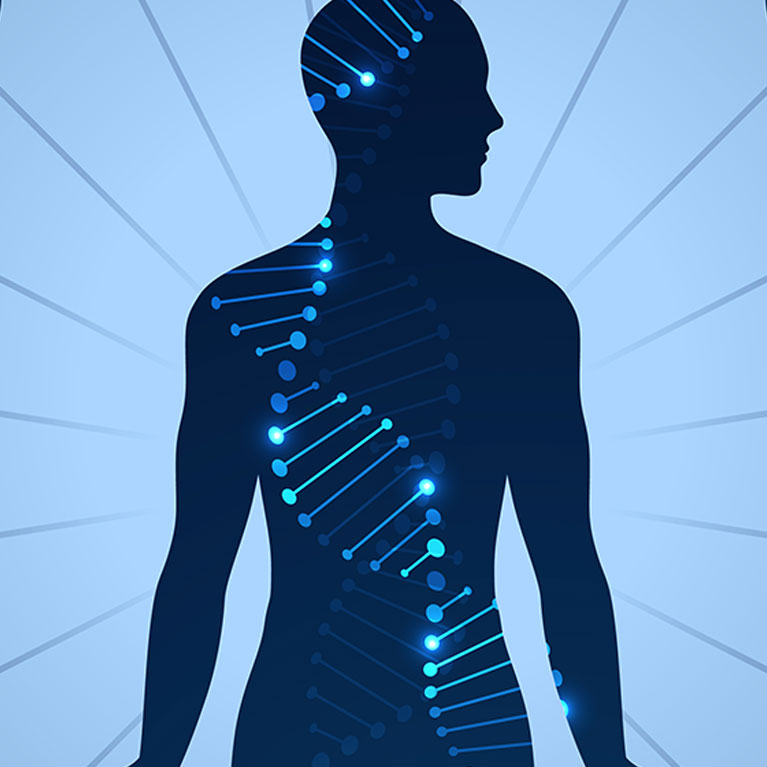
LA JOLLA—Every cell in the human body carries the same three billion letters of DNA, yet a neuron, a heart muscle cell, and a pancreatic beta cell each use that shared code to do entirely different jobs. How cells pull off this trick comes down to epigenetics—chemical tags and three-dimensional structures that govern which genes are active and which stay silent.
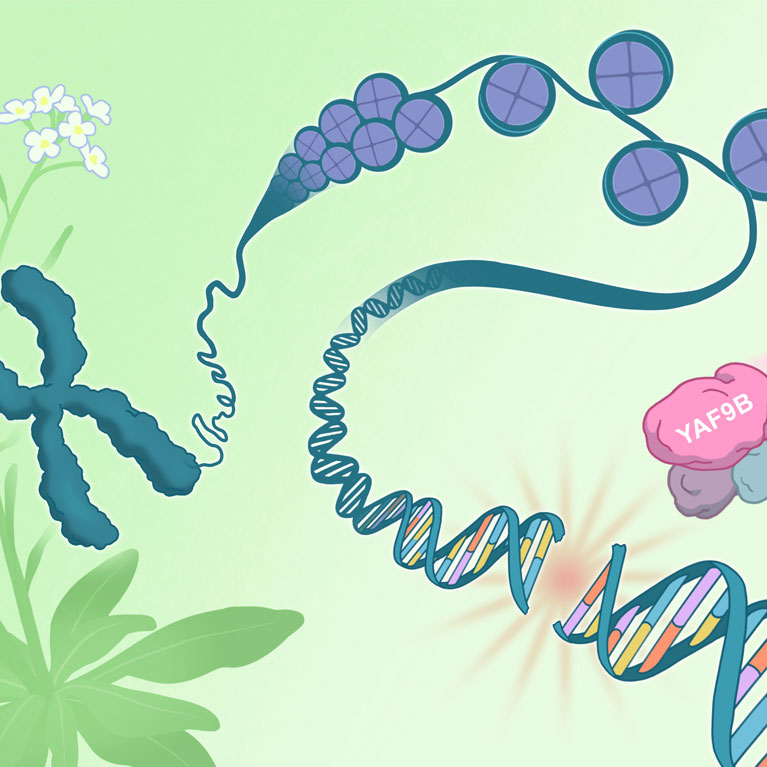
LA JOLLA—Similar to the way DNA damage can contribute to human diseases like cancer, it can also disrupt growth, development, and survival in plants. Every day, plants endure environmental stresses like sunlight, radiation, drought, and soil stress—all of which can damage their DNA. However, they cannot move away from danger. How do plants handle all that damage?
LA JOLLA—Three Salk faculty members, Sung Han, Doctor en Filosofía, Daniel Hollern, Doctor en Filosofía, and Graham McVicker, Doctor en Filosofía, have been chosen as Keck Scholars, alongside corresponding graduate students as Keck Fellows, in a special W. M. Keck Foundation Bridge Funding Initiative. The Initiative comes as the Keck Foundation seeks to support early-career scientists amid federal funding uncertainty.
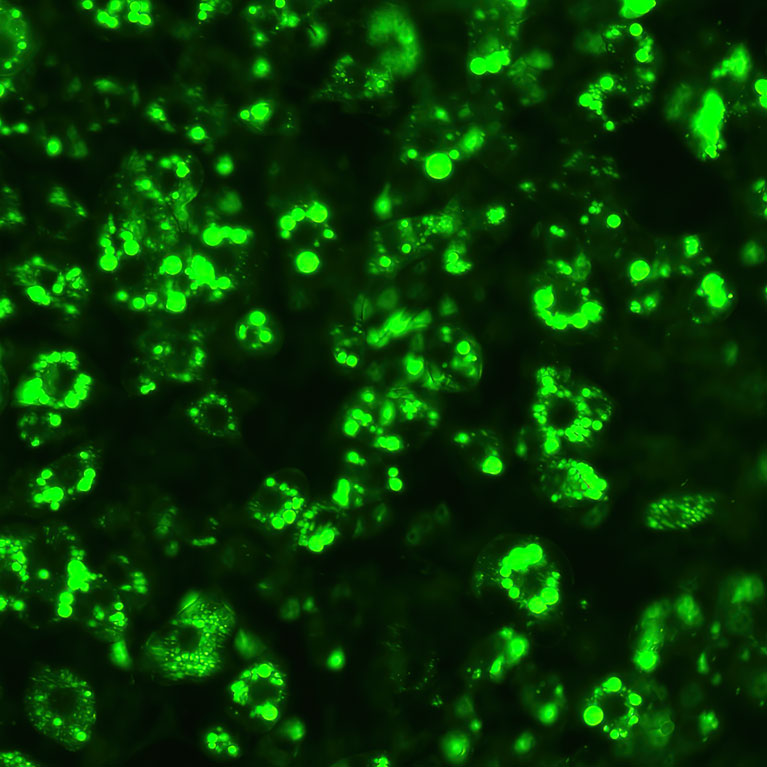
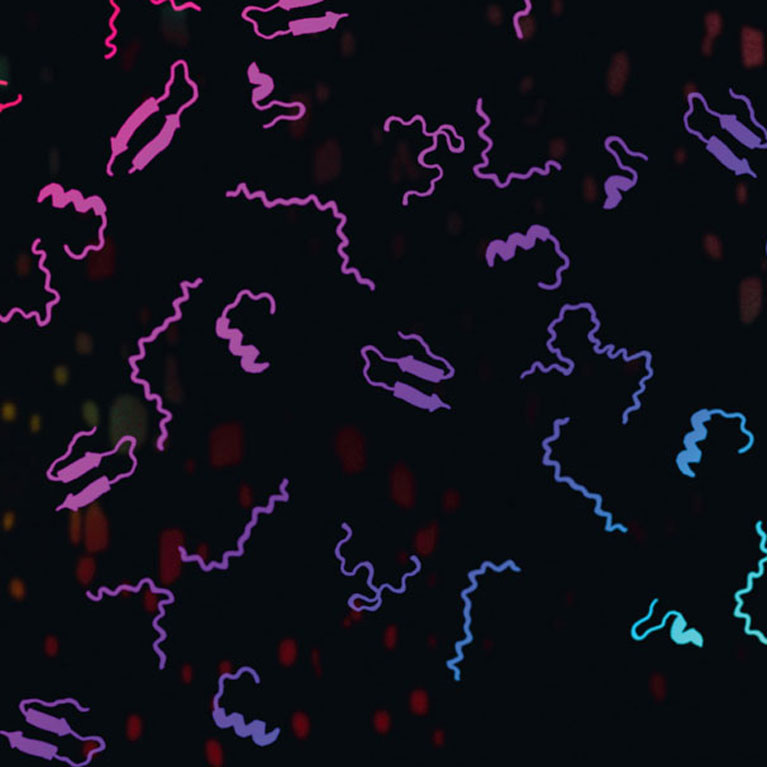
LA JOLLA—Fluorescent proteins have revolutionized science, enabling researchers to tag and visualize individual molecules in living cells, tissues, and animals. Using these tools, researchers have watched viruses infect cells in real time, observed cellular trash collection, and tracked the signaling that spurs tumor growth.
LA JOLLA—The obesity rate has more than doubled in the last 30 years, affecting more than one billion people worldwide. This prevalent condition is also linked to other metabolic disorders, including type 2 diabetes, cardiovascular diseases, chronic kidney disease, and cancers. Current treatment options include lifestyle interventions, bariatric surgery, and GLP-1 drugs like Ozempic or Wegovy, but many patients struggle to access or complete these treatments or to maintain their weight loss afterwards.
LA JOLLA—Our cells rely on microscopic highways and specialized protein vehicles to move everything—from positioning organelles to carting protein instructions to disposing of cellular garbage. These highways (called microtubules) and vehicles (called motor proteins) are indispensable to cellular function and survival.
LA JOLLA—Three Salk Institute faculty members have been promoted for their notable, innovative contributions to science. Associate Professors Nicola Allen y Diana Hargreaves were promoted to full professors, and Assistant Professor Jesse Dixon was promoted to associate professor. The promotions were based on Salk faculty and nonresident fellow recommendations and approved by Salk’s president and Board of Trustees on April 4, 2025.
LA JOLLA—Just like your left and right hand exist as mirror images of each other, many biological molecules have their own form of left- and right-handedness, called chirality. Our DNA, for example, is made of right-handed chiral molecules which combine to form a right-handed double helix. The left-handed version would look like its mirror image, forming a helix that spins in the opposite direction.
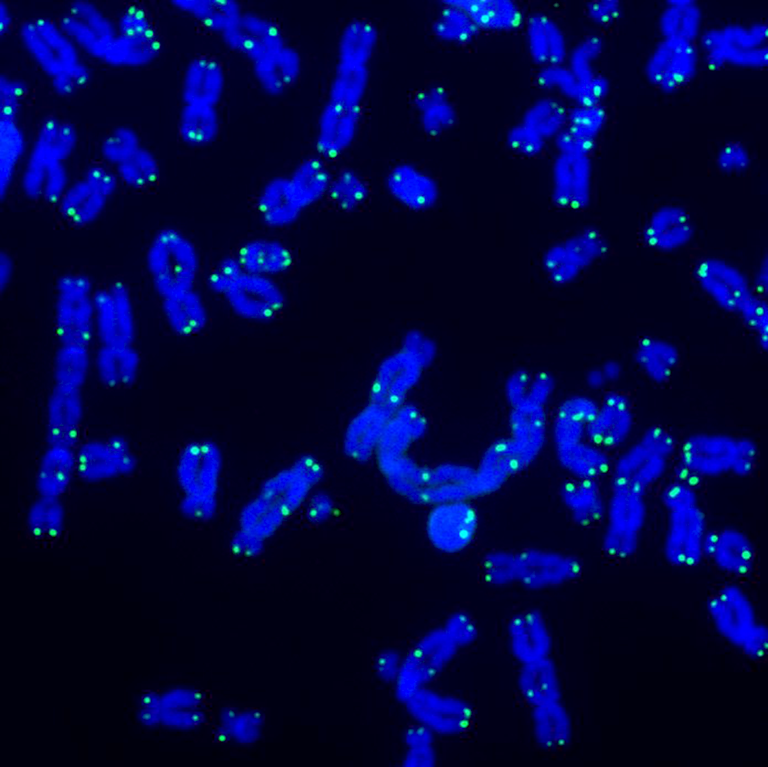
LA JOLLA—Within each of our cells, long strands of DNA are folded into chromosomes and capped with protective structures called telomeres. But telomeres shorten as we age, eventually getting so whittled down that our chromosomes become exposed, and our cells die. However, the specifics of when and how this shortening occurs and whether certain chromosomes are more affected than others have been unclear—until now.
LA JOLLA—Charles Darwin describió la evolución como "descendencia con modificación". La información genética en forma de secuencias de ADN se copia y se transmite de una generación a otra. Pero este proceso también debe ser algo flexible, permitiendo que surjan ligeras variaciones de genes con el tiempo e introduzcan nuevos rasgos en la población.
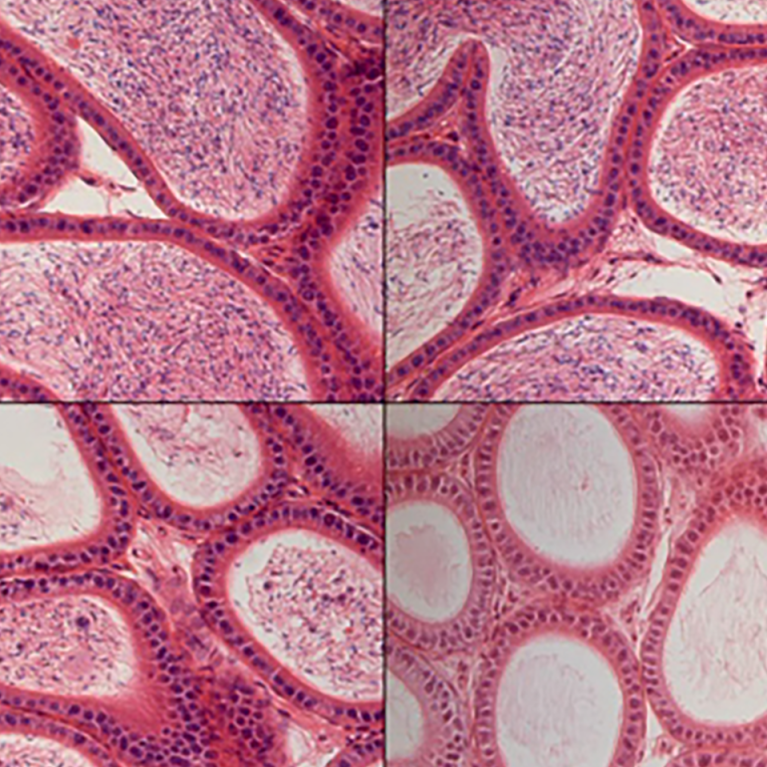
LA JOLLA—Surveys show most men in the United States are interested in using male contraceptives, yet their options remain limited to unreliable condoms or invasive vasectomies. Recent attempts to develop drugs that block sperm production, maturation, or fertilization have had limited success, providing incomplete protection or severe side effects. New approaches to male contraception are needed, but because sperm development is so complex, researchers have struggled to identify parts of the process that can be safely and effectively tinkered with.
LA JOLLA—The Salk Institute has appointed Adam Bowman to the Programa de Becarios Salk, where he will join current Salk Fellow Talmo Pereira. Joining in March 2024, Bowman is an applied physicist who develops new technologies for optical microscopy.
LA JOLLA—Investigadores del Instituto Salk, en colaboración con los Institutos Nacionales de Salud, han descubierto los mecanismos moleculares por los cuales el virus de inmunodeficiencia humana (VIH) se vuelve resistente a dolutegravir, uno de los medicamentos antivirales más efectivos y de uso clínico para tratar el VIH.
LA JOLLA—Approximately half of people with type 1 or type 2 diabetes experience peripheral neuropathy—weakness, numbness, and pain, primarily in the hands and feet. The condition occurs when high levels of sugar circulating in the blood damage peripheral nerves. Now, working with mice, Salk Institute researchers have identified another factor contributing to diabetes-associated peripheral neuropathy: altered amino acid metabolism.
LA JOLLA—La obesidad y las enfermedades metabólicas, como la diabetes, son extremadamente comunes en Estados Unidos. Las diminutas proteínas llamadas microproteínas han sido pasadas por alto en la investigación durante mucho tiempo, pero nueva evidencia demuestra que tienen un papel importante en el metabolismo. Científicos del Salk descubrieron que tanto la grasa marrón como la blanca están llenas de miles de microproteínas previamente desconocidas, y demuestran que una de estas microproteínas, llamada Gm8773, puede aumentar el apetito en ratones.
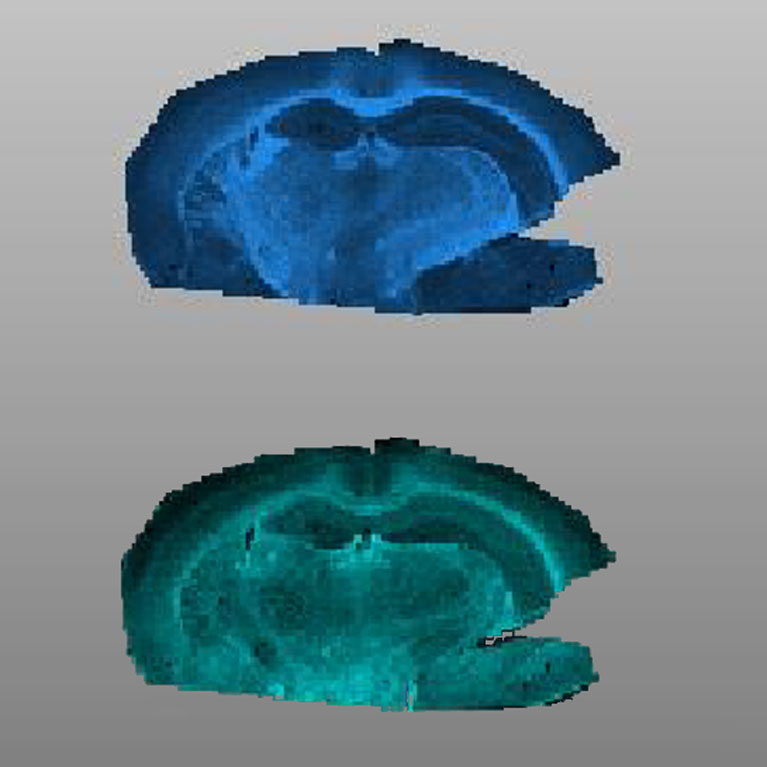
LA JOLLA—Aging involves complicated plot twists and a large cast of characters: inflammation, stress, metabolism changes, and many others. Now, a team of Salk Institute and UC San Diego scientists reveal another factor implicated in the aging process—a class of lipids called SGDGs (3-sulfogalactosyl diacylglycerols) that decline in the brain with age and may have anti-inflammatory effects.
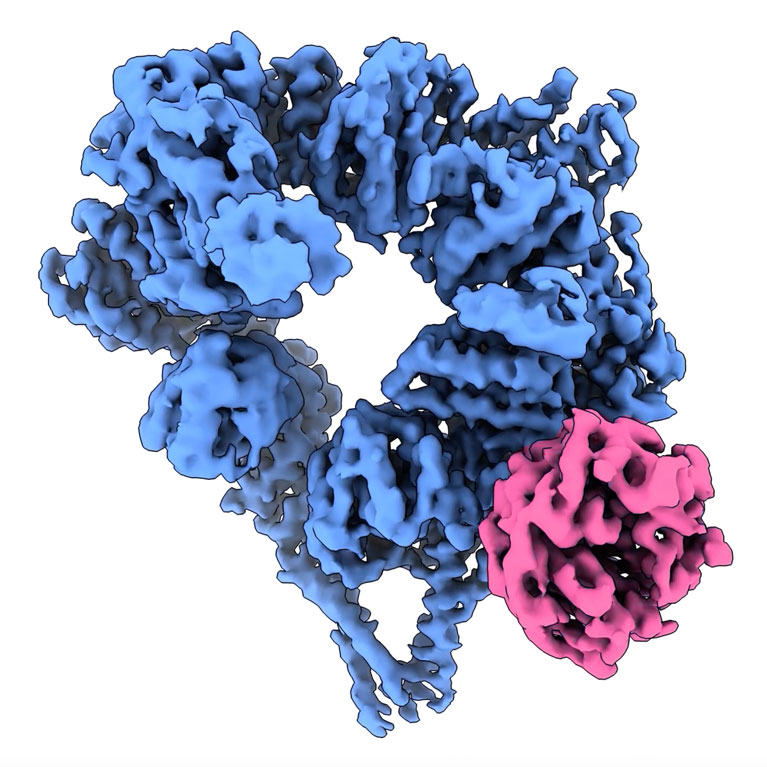
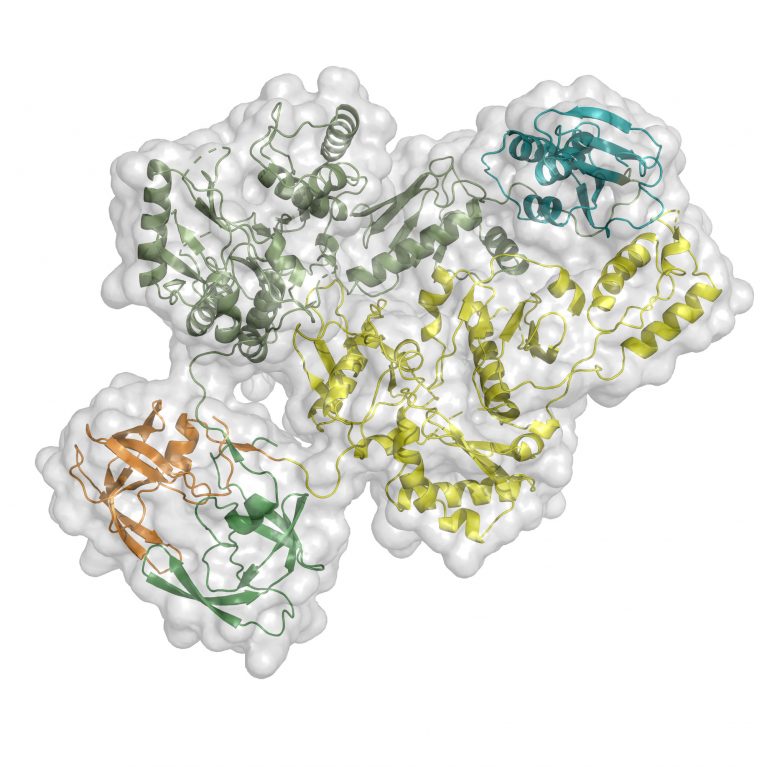
LA JOLLA—Comprender cómo el VIH se replica dentro de las células es clave para desarrollar nuevas terapias que podrían ayudar a casi 40 millones de personas que viven con el VIH en todo el mundo. Ahora, un equipo de científicos del Instituto Salk y la Universidad de Rutgers ha determinado por primera vez la estructura molecular del Pol del VIH, una proteína que desempeña un papel clave en las etapas tardías de la replicación del VIH, o el proceso a través del cual el virus se propaga y se disemina por el cuerpo. Es importante destacar que determinar la estructura de la molécula ayuda a responder preguntas de larga data sobre cómo la proteína se descompone para avanzar en el proceso de replicación. El descubrimiento, publicado en Science Advances el 6 de julio de 2022, revela una nueva vulnerabilidad en el virus que podría ser atacada con medicamentos.
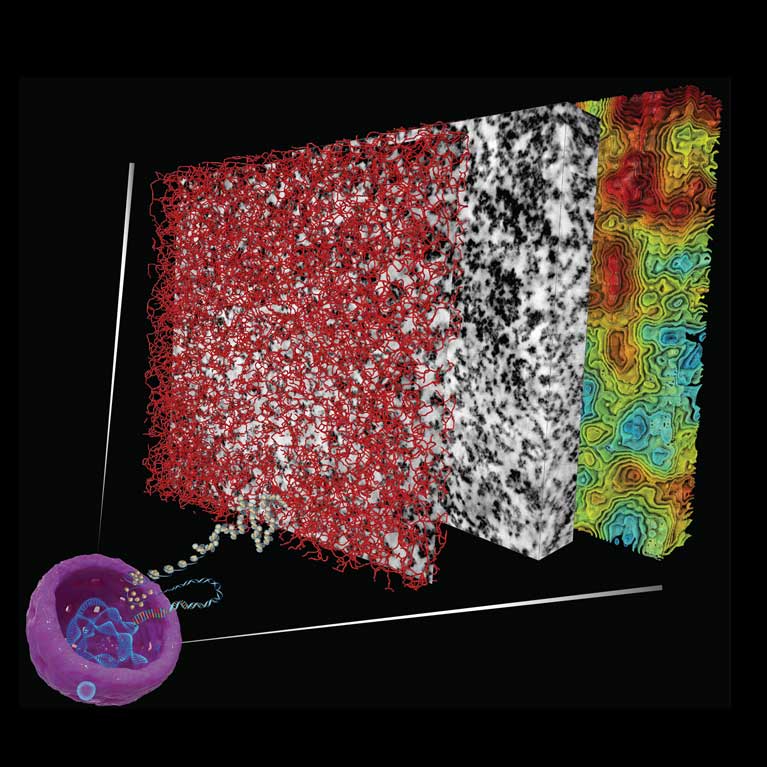
LA JOLLA—Stretched out, the DNA from all the cells in our body would reach Pluto. So how does each tiny cell pack a two-meter length of DNA into its nucleus, which is just one-thousandth of a millimeter across?