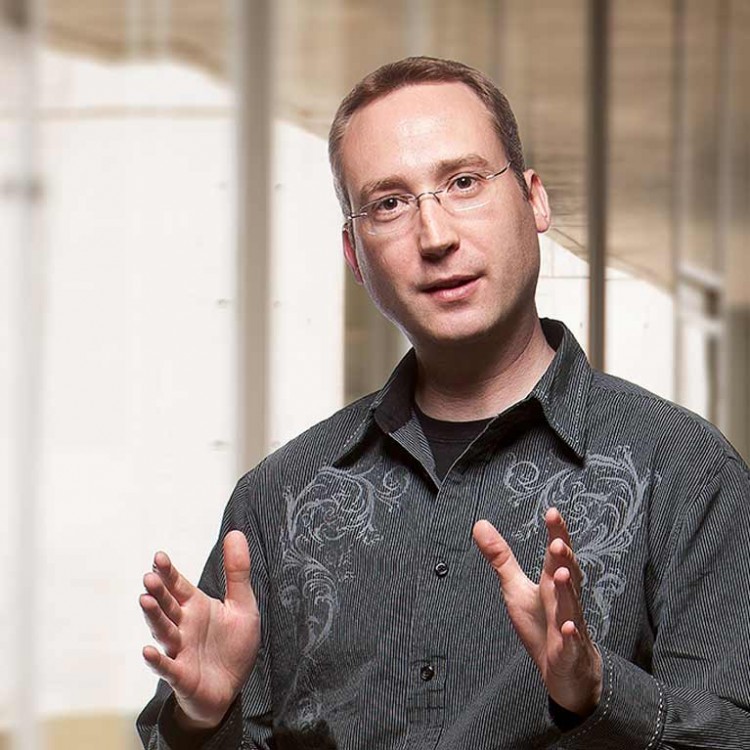
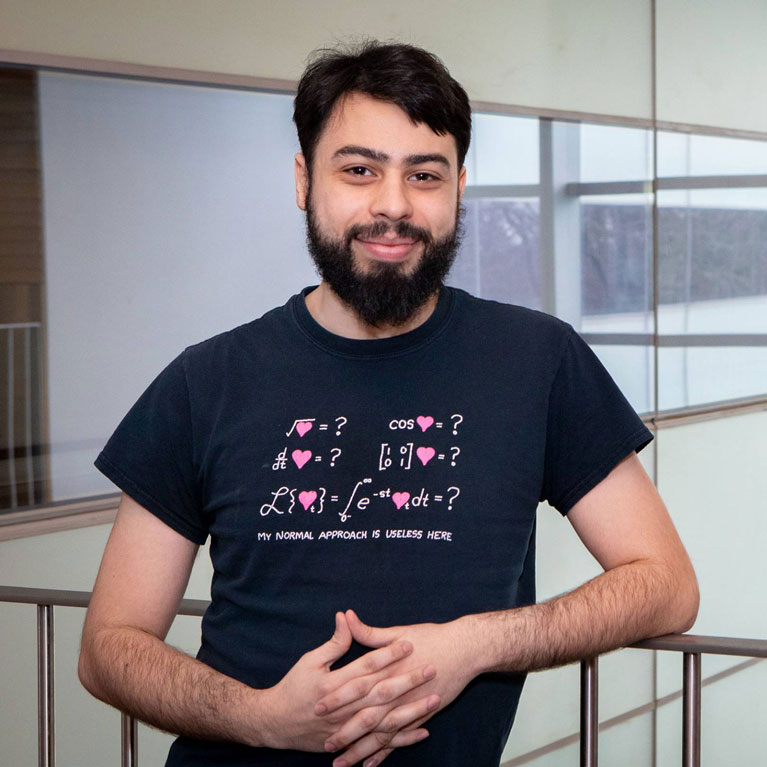
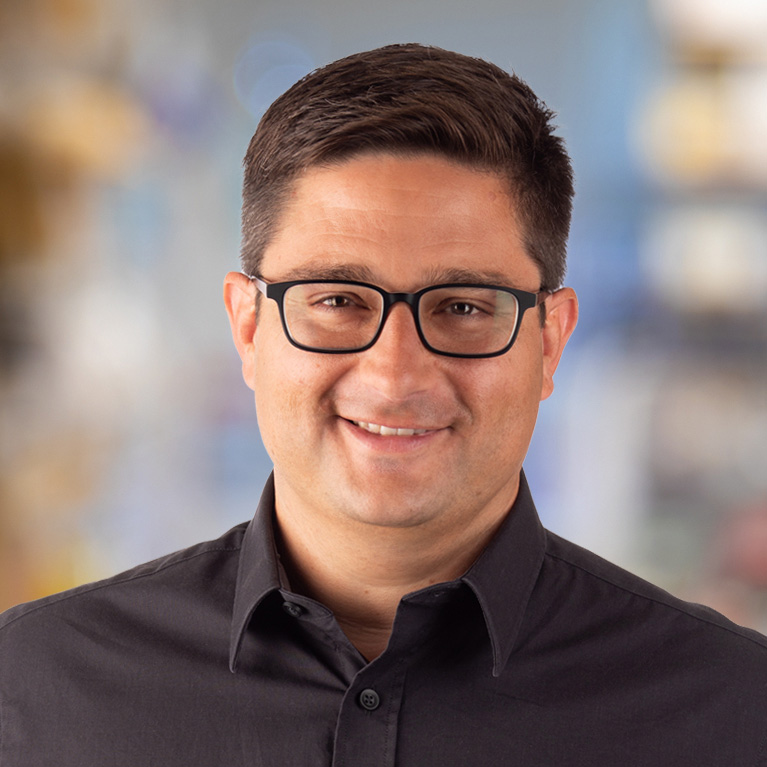
拉霍亚—索尔克副教授 阿克塞尔·尼默雅恩 正带领一支研究团队,获得了$1120 万的 大脑研究通过推进创新神经技术(BRAIN)计划, ,这项研究旨在探讨大脑回路功能的总体原则,包括感觉、感知、决策和运动控制。尼默詹将领导一个为期五年的跨学科项目,研究大脑中星形胶质细胞如何处理和调节神经元信号,以更好地理解大脑的整体功能。.
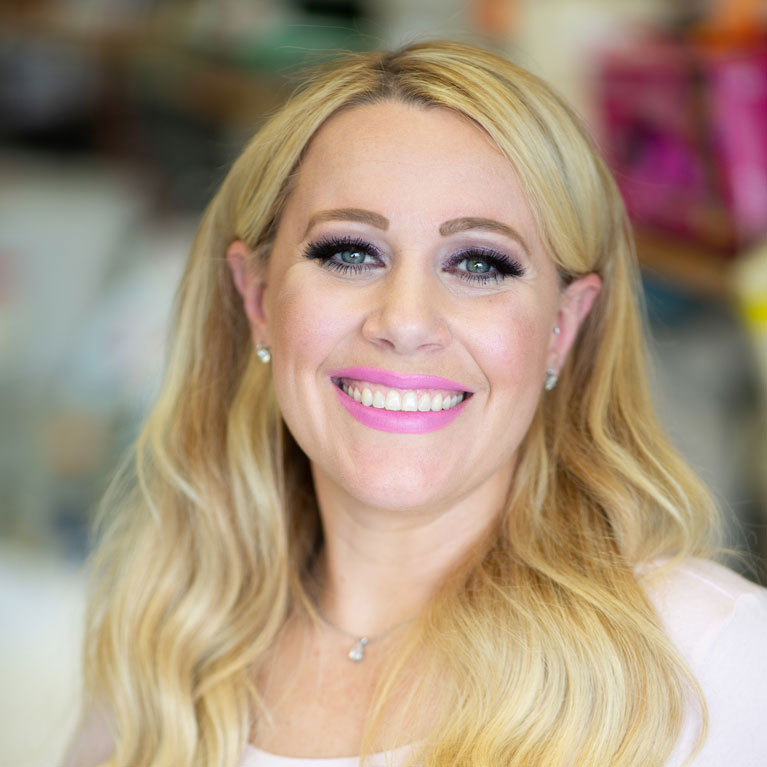
拉霍亚—教授 贾内尔·艾尔斯 has been recognized for her contributions and dedication to advancing science through research by being named the inaugural recipient of the Salk Institute Legacy Chair, effective July 1, 2021.
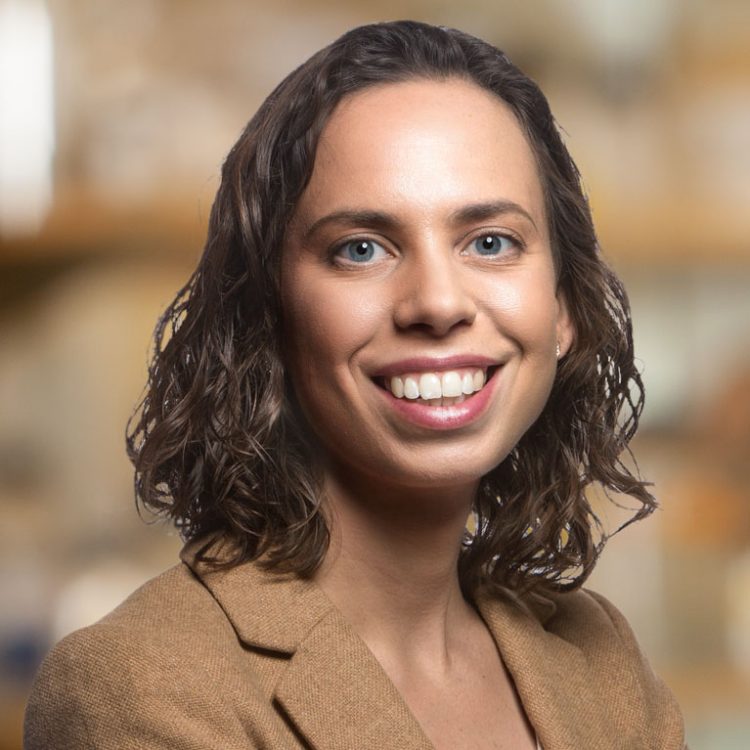
圣地亚哥—萨尔克生物研究所已晋升 戴安娜·哈格里夫斯 to the rank of associate professor for her notable contributions in epigenetic regulation, which make specific regions of our DNA accessible to the machinery of cells. The promotion was based on recommendations by Salk faculty and nonresident fellows, and approved by President 鲁斯蒂·盖奇 以及学院董事会。.
加乔拉——限时进食(TRE)是一种将进食时间限制在特定时段内的饮食方式,在减肥领域受到越来越多的关注。索尔克科学家的一项新研究进一步表明,TRE 除了减肥之外,还具有多种健康益处。研究还表明,这些益处可能因性别和年龄而异。.
拉霍亚—索尔克研究所的 教育外展 该项目荣获 2021 年度 STEM 领域启发性项目奖 洞察多样性 杂志,《高等教育领域最大、最古老的多元化和包容性出版物》。STEM 领域的鼓舞人心的项目奖表彰鼓励和协助来自代表性不足的群体进入科学、技术、工程和数学 (STEM) 领域的学生的高等院校。索尔克学院将与另外 78 名获奖者一起,在 2021 年 9 月的《》杂志上刊登。 洞察多样性 杂志.
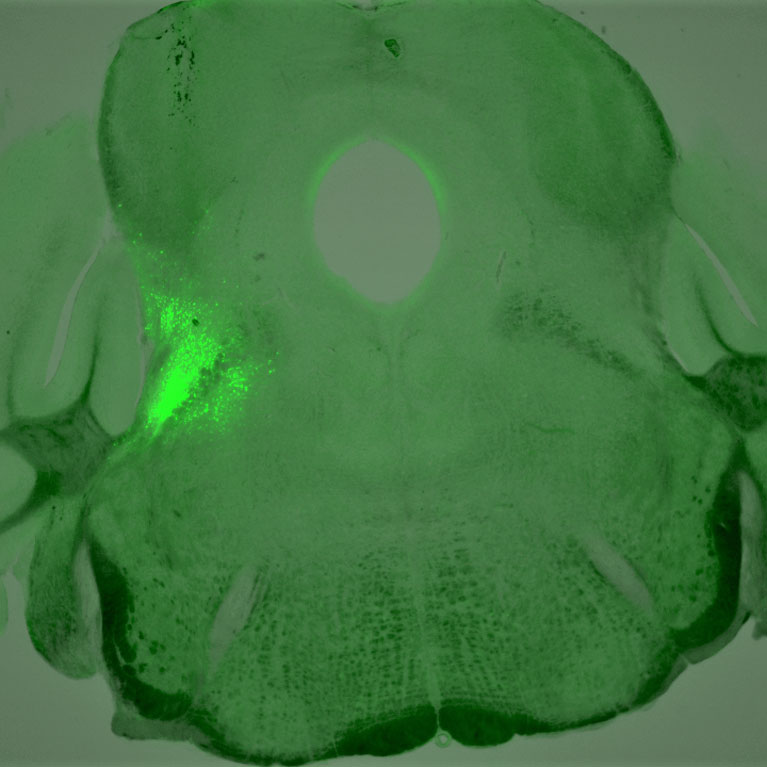
LA JOLLA—It’s long been known that opioid overdose deaths are caused by disrupted breathing, but the actual mechanism by which these drugs suppress respiration was not understood. Now, a new study by Salk scientists has identified a group of neurons in the brainstem that plays a key role in this process.
LA JOLLA—A Salk Institute team led by Professor 萨钦·潘达, along with teams from five other organizations, have been awarded a total of $220 million by the Joe and Clara Tsai Foundation’s Human Performance Alliance, whose philanthropic investment aims to transform human health on a global scale through the discovery and translation of the biological principles underlying human performance.
拉霍亚—索尔克教授 凯泰 has been named one of three winners of the prestigious Blavatnik National Awards for Young Scientists, one of the world’s largest unrestricted prizes for early-career researchers. Tye, the laureate in the Life Sciences category, will receive $250,000 for her trailblazing work in studying the neural circuits and behaviors related to anxiety and social interaction.
LA JOLLA—Scientists—and gardeners—have long known that plants grow taller and flower sooner when they are shaded by close-growing neighbors. Now, for the first time, researchers at the Salk Institute have shown the detailed inner workings of this process.
It is with heartfelt sorrow that we inform you of the death of a member of the Salk community, Swati Tyagi, PhD. Swati, a postdoctoral researcher in the Hetzer lab, was tragically killed yesterday when a person in a car struck her from behind while she was riding her bike. We offer our deepest condolences to her family, friends and coworkers at this difficult time.
LA JOLLA—When looking at a complex landscape, the eye needs to focus in on important details without losing the big picture—a charging lion in a jungle, for example. Now, a new study by Salk scientists shows how inhibitory neurons play a critical role in this process.
LA JOLLA—For the tenth consecutive time, the Salk Institute has earned the highest ranking—4 out of 4 stars—from Charity Navigator, America’s largest independent charity and nonprofit evaluator. Only three percent of the roughly 10,000 nonprofits evaluated have achieved this recognition ten consecutive times. The coveted ranking indicates the Salk Institute has demonstrated strong financial health and commitment to accountability and transparency, outperforming most other charities in America in regard to executing best fiscal practices and carrying out its mission in a financially efficient way.
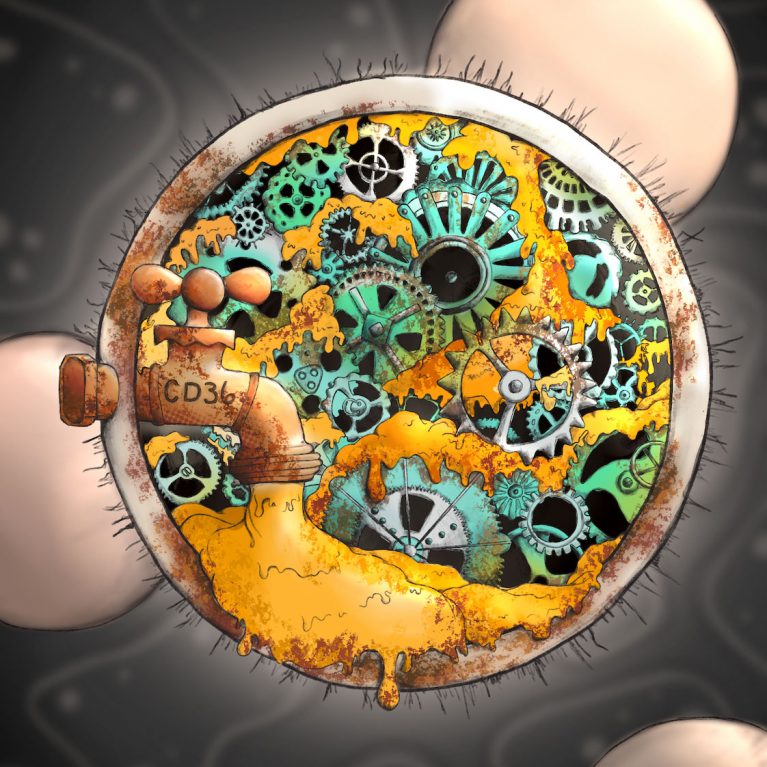
拉霍亚—为了使癌细胞生长和扩散,它必须逃避免疫细胞的检测,特别是特化的“杀手”T细胞。由教授领导的萨尔克研究人员 苏珊·凯奇 已发现肿瘤内部的环境(肿瘤微环境)含有大量的氧化脂肪分子,这些分子当被杀伤性 T 细胞摄入时,会抑制它们杀死癌细胞的能力。形成恶性循环的是,这些 T 细胞需要能量,从而增加了细胞脂肪转运蛋白 CD36 的水平,但不幸的是,CD36 会让它们饱和更多氧化脂肪,并进一步限制其抗肿瘤功能。.
LA JOLLA—Type 1 diabetes, which arises when the pancreas doesn’t create enough insulin to control levels of glucose in the blood, is a disease that currently has no cure and is difficult for most patients to manage. Scientists at the Salk Institute are developing a promising approach for treating it: using stem cells to create insulin-producing cells (called beta cells) that could replace nonfunctional pancreatic cells.
LA JOLLA—The Salk Institute has appointed neuroscientist Talmo Pereira to the 萨尔克研究员计划, renewing the program’s commitment to supporting future intellectual leaders in the biological sciences.
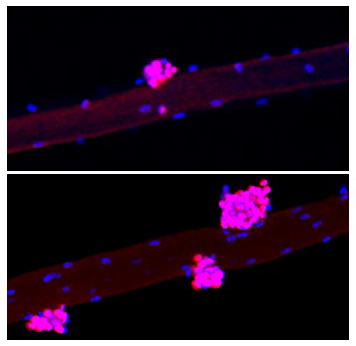
LA JOLLA—One of the many effects of aging is loss of muscle mass, which contributes to disability in older people. To counter this loss, scientists at the Salk Institute are studying ways to accelerate the regeneration of muscle tissue, using a combination of molecular compounds that are commonly used in stem-cell research.
LA JOLLA—Despite only accounting for about 1 percent of skin cancers, melanoma causes the majority of skin cancer-related deaths. While treatments for this serious disease do exist, these drugs can vary in effectiveness depending on the individual.
LA JOLLA—The Salk Institute welcomes bioengineer 克里斯蒂安·梅塔洛, who will join the Salk faculty as a full professor in July 2021. He is currently an associate professor of bioengineering at the University of California San Diego.
LA JOLLA—Plants are unparalleled in their ability to capture CO2 from the air, but this benefit is temporary, as leftover crops release carbon back into the atmosphere, mostly through decomposition. Researchers have proposed a more permanent, and even useful, fate for this captured carbon by turning plants into a valuable industrial material called silicon carbide (SiC)—offering a strategy to turn an atmospheric greenhouse gas into an economically and industrially valuable material.
The Kavli Foundation champions scientific research through its Small Equipment Grant program that provides scientists with unconstrained opportunities to drive greater discovery. The funding will support Salk faculty and research professors working in neuroscience and related fields to purchase or build equipment needed to further their research, ranging from $10,000 to $100,000.