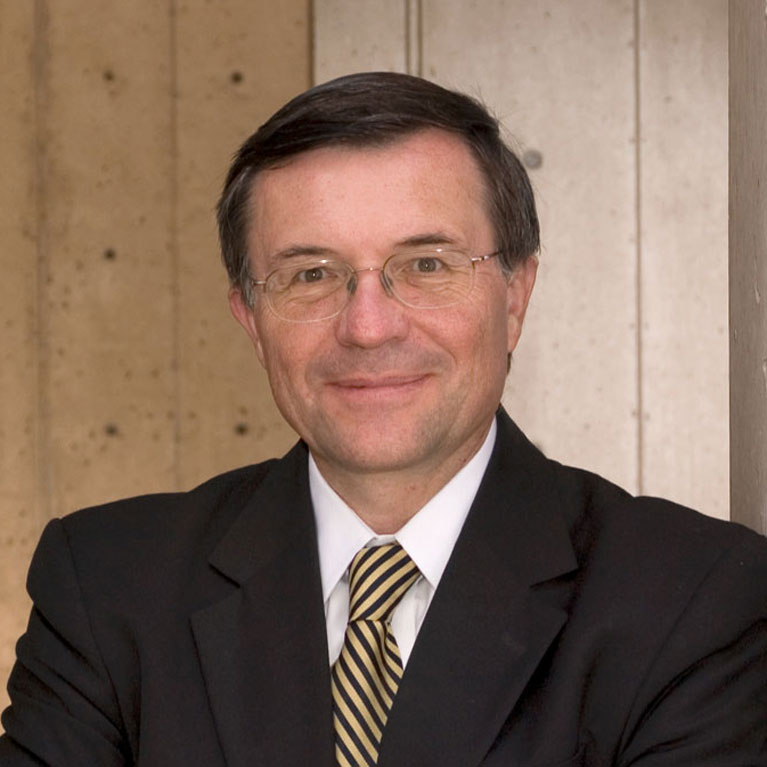
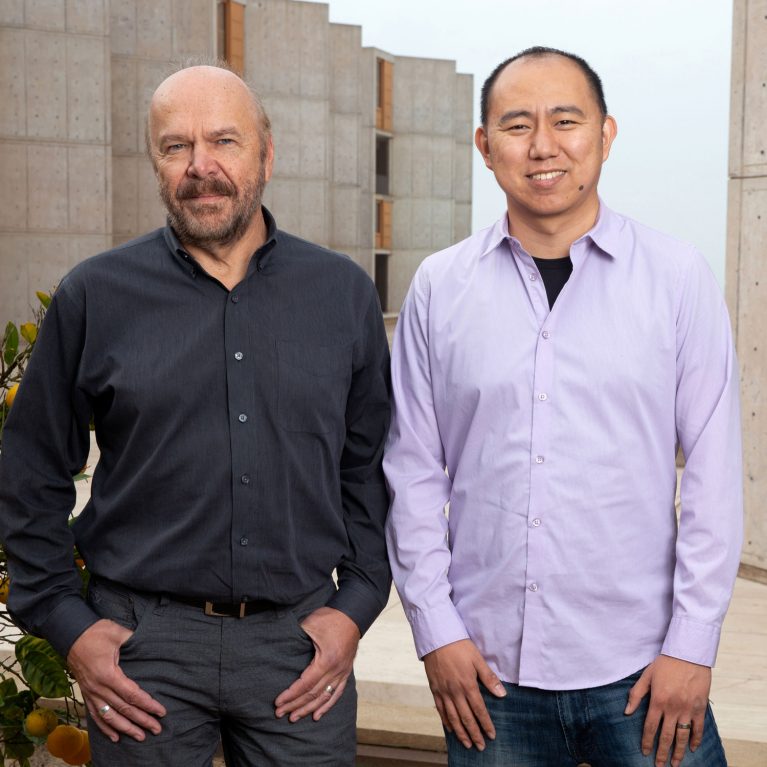
LA JOLLA—Three Salk Institute faculty members have been promoted based on their outstanding scientific contributions. They are leaders who have made original, innovative and notable contributions to neuroscience. Assistant Professors Kenta Asahina y Eiman Azim were promoted to associate professor, and Associate Research Professor Margarita Behrens was promoted to research professor.
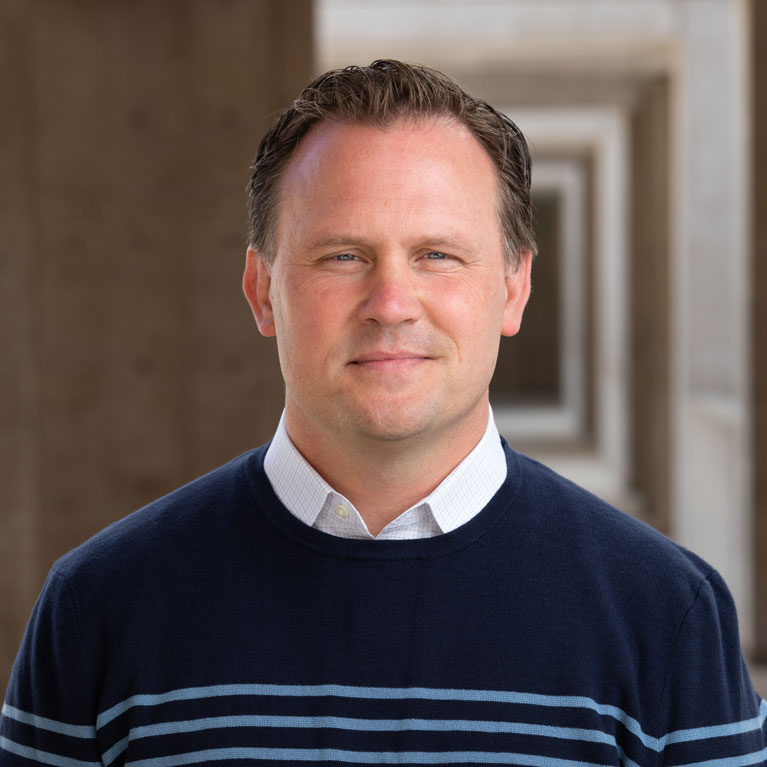
LA JOLLA—The Salk Institute announced today the appointment of Bryan Robinson as vice president of external relations. Effective July 8, 2022, he will oversee the Institute’s philanthropic efforts, communications, public programs and events.
LA JOLLA—For the eleventh consecutive time, the Salk Institute has earned the highest ranking—4 out of 4 stars—from Charity Navigator, America’s largest independent charity and nonprofit evaluator. Only two percent of the approximately 10,000 nonprofits evaluated have achieved this recognition 11 consecutive times. The coveted ranking indicates the Salk Institute has demonstrated strong financial health and commitment to accountability and transparency, outperforming most other charities in the United States with respect to executing best fiscal practices and carrying out its mission in a financially efficient way.
LA JOLLA—Salk Institute Professor Terrence Sejnowski has been awarded the 2022 Gruber Neuroscience Prize by the Gruber Foundation for his “pioneering contributions to computational and theoretical neuroscience.” He shares the $500,000 award with Larry Abbott of Columbia University, Emery Neal Brown of the Massachusetts Institute of Technology and Massachusetts General Hospital, and Haim Sompolinsky of the Hebrew University of Jerusalem and Harvard University.
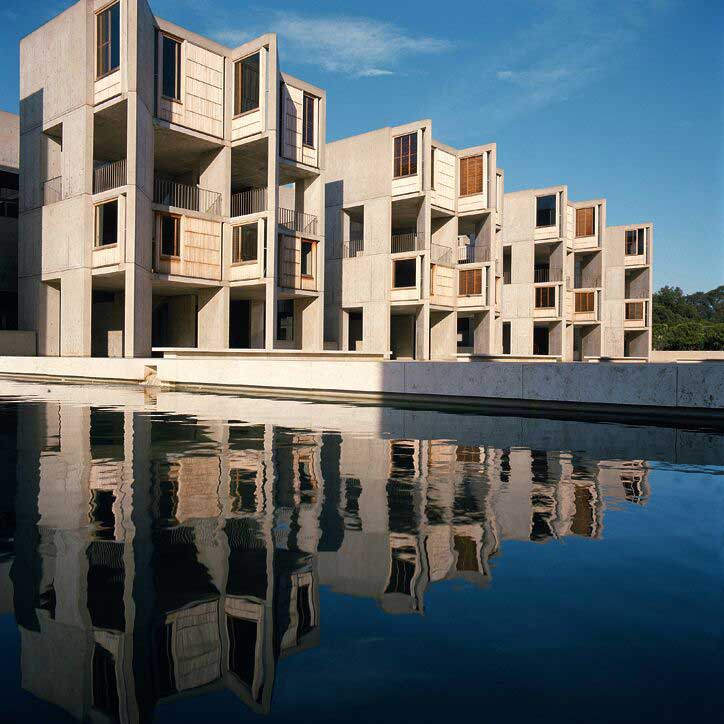
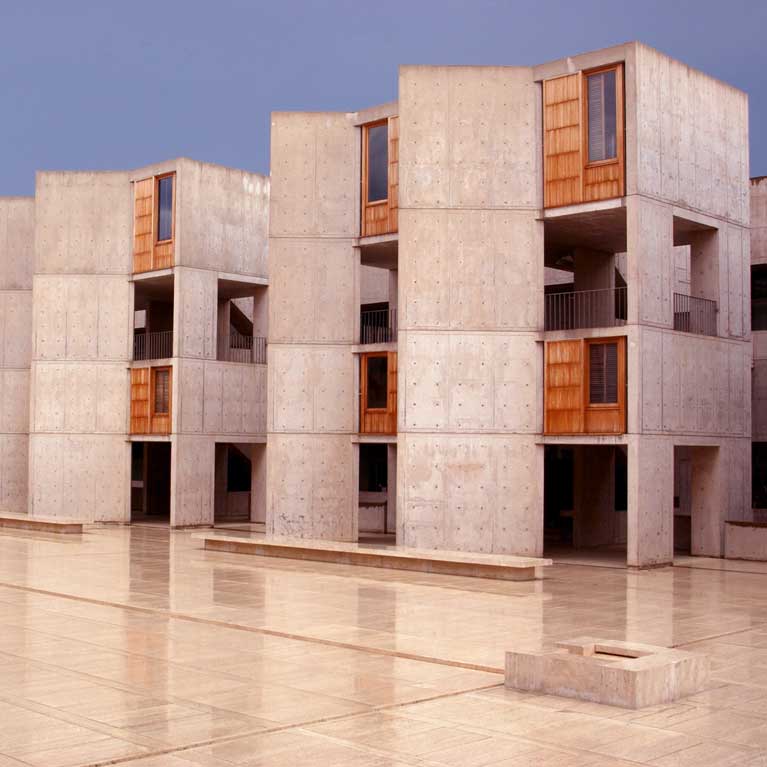
LA JOLLA—The Salk Institute was proud to host French luxury fashion house Louis Vuitton and guests on May 12 for a private fashion show presenting the brand’s Cruise 2023 collection. The show was the first event of its kind to be held at the Institute.
LA JOLLA—The Salk Institute Board of Trustees welcomes its newest member, Carol Gallagher. Chaired by Marna C. Whittington, the Salk Board helps drive the direction of the world-renowned biological research facility founded by polio vaccine pioneer Jonas Salk in 1960.
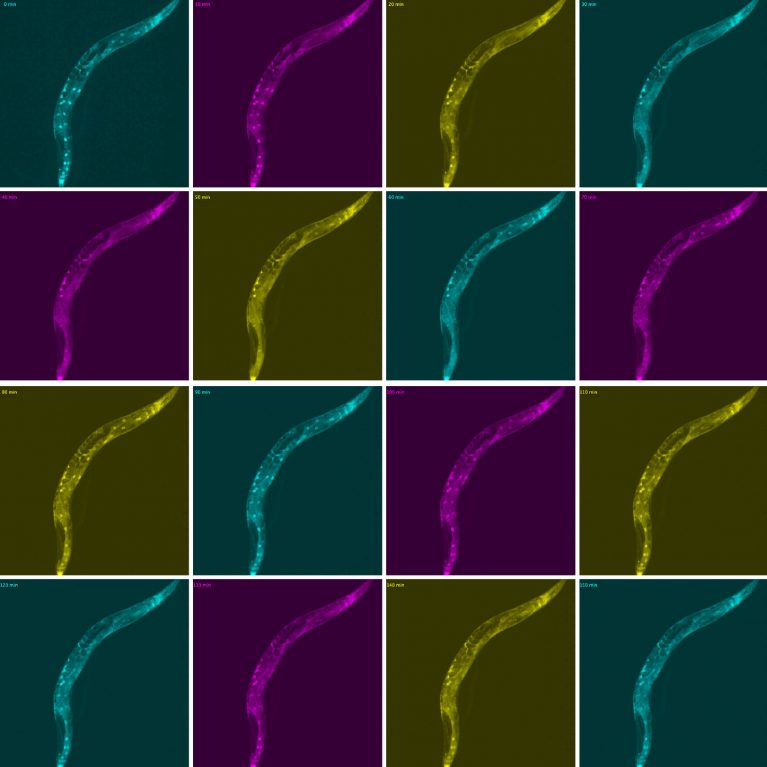
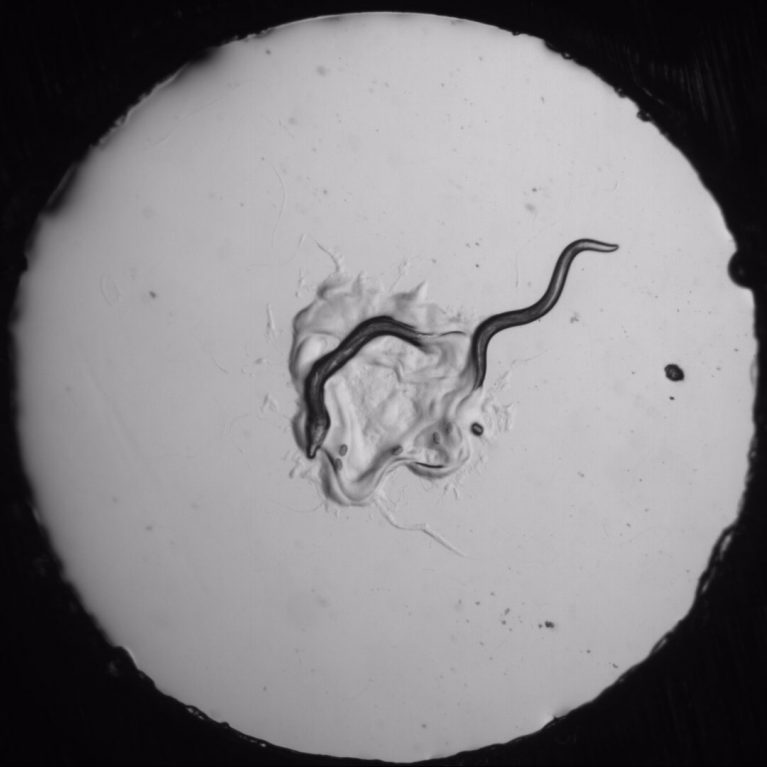
LA JOLLA – Ya sea que tome decisiones precipitadas o se sienta malhumorado, el hambre puede hacernos pensar y actuar de manera diferente, incluso “hangry”. Pero se sabe poco sobre cómo las señales de hambre en el intestino se comunican con el cerebro para cambiar el comportamiento. Ahora, científicos del Salk utilizan gusanos como modelo para examinar los fundamentos moleculares y ayudar a explicar cómo el hambre hace que un organismo sacrifique la comodidad y tome decisiones arriesgadas para conseguir una comida.
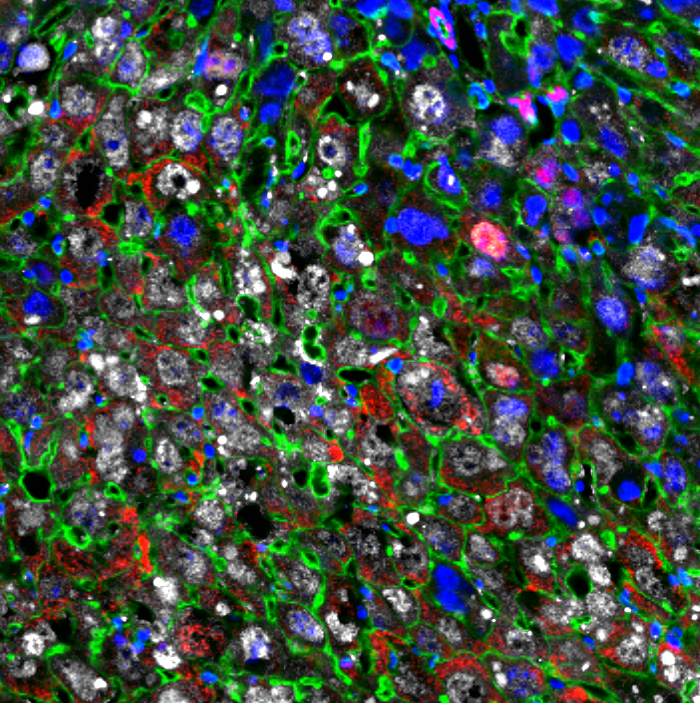
LA JOLLA—Mammals can’t typically regenerate organs as efficiently as other vertebrates, such as fish and lizards. Now, Salk scientists have found a way to partially reset liver cells to more youthful states—allowing them to heal damaged tissue at a faster rate than previously observed. The results, published in Cell Reports on April 26, 2022, reveal that the use of reprogramming molecules can improve cell growth, leading to better liver tissue regeneration in mice.
LA JOLLA—For years, the brain has been thought of as a biological computer that processes information through traditional circuits, whereby data zips straight from one cell to another. While that model is still accurate, a new study led by Salk Professor Thomas Albright and Staff Scientist Sergei Gepshtein shows that there’s also a second, very different way that the brain parses information: through the interactions of waves of neural activity. The findings, published in Science Advances on April 22, 2022, help researchers better understand how the brain processes information.
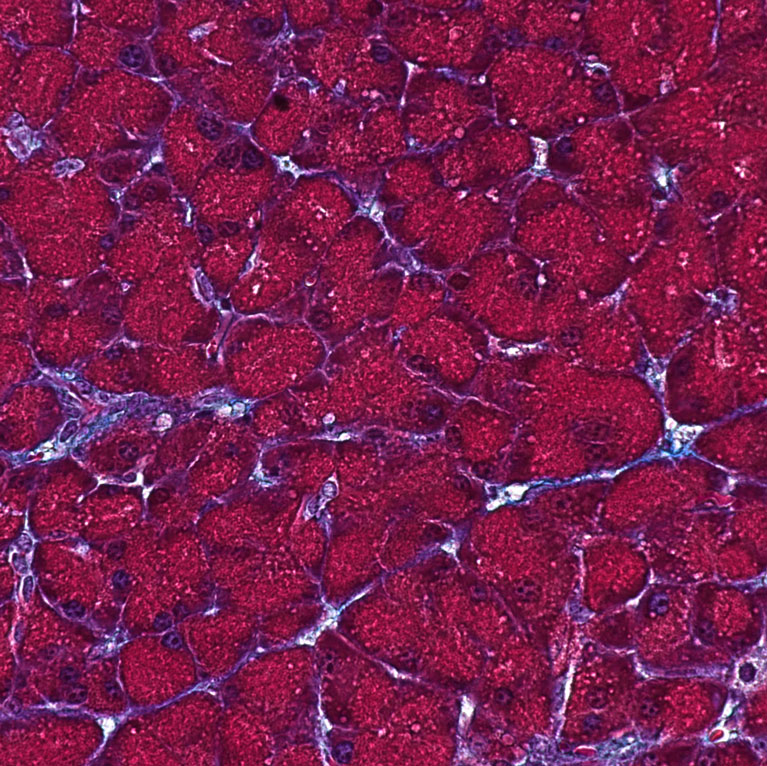
LA JOLLA—Every day, your pancreas produces about one cup of digestive juices, a mixture of molecules that can break down the food you eat. But if these powerful molecules become activated before they make their way to the gut, they can damage the pancreas itself—digesting the very cells that created them, leading to the painful inflammation known as pancreatitis, and predisposing a person to pancreatic cancer.
LA JOLLA—Úrsula Bellugi, Distinguished Professor Emerita and Founder’s Chair at the Salk Institute, 2008 inductee to the National Academy of Sciences and winner of the Jacob Javits Neuroscience Investigator Award, died peacefully on April 17, 2022, in La Jolla, CA, at the age of 91.
LA JOLLA—When mice with atopic dermatitis—a common type of allergic skin inflammation—are treated with drugs that target the immune system, their thickened, itchy skin generally heals quickly. But scientists have now discovered that the same treatment in obese mice makes their skin worse, instead. That is because obesity changes the molecular underpinnings of allergic inflammation, both in mice and humans.
LA JOLLA—The Salk Institute mourns the loss of Richard “Rich” Murphy, who died March 24, 2022, in La Quinta, California at the age of 77. Murphy served as the Institute’s president and CEO from 2000 to 2007.
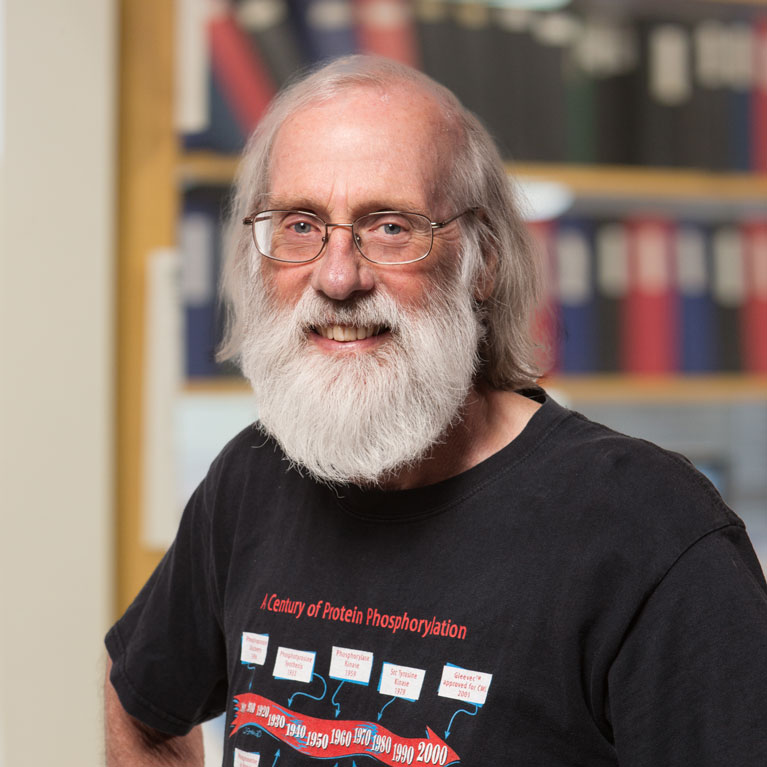
LA JOLLA—Salk Institute Professor Tony Hunter will receive the 2022 American Association for Cancer Research (AACR) Award for Lifetime Achievement in Cancer Research at the April annual meeting of AACR, the largest cancer research organization in the world dedicated to preventing and curing all cancers. This major award is a significant recognition of Hunter’s contributions to cancer research, which have led to the development of the highly effective leukemia drug GleevecTM.
LA JOLLA—The Salk Institute announced today the appointment of Sue Bacino as Vice President of Human Resources (HR) to advance the overall mission of Salk through the acquisition, retention and support of a diverse, world-class faculty and staff.
LA JOLLA—If you’re reaching for the last piece of pizza at a party and see another hand going for it at the same time, your next move probably depends both on how you feel and whom the hand belongs to. Your little sister—you might go ahead and grab the pizza. Your boss—you’re probably more likely to step back and give up the slice. But if you’re hungry and feeling particularly confident, you might go for it.
LA JOLLA—Professors Reuben Shaw, Susan Kaech, Christian Metallo y Alan Saghatelian have received a 2022 Mark Foundation for Cancer Research Endeavor Award to support their research exploring the metabolic changes that help lung cancers develop. The $3 million Endeavor Award promotes collaborative science to tackle some of the toughest challenges in cancer research. The Salk team—one of four teams chosen out of nearly 200 applications submitted by institutions around the world—hopes their work will lead to the development of more effective lung cancer treatments.
LA JOLLA—Investigadores del Instituto Salk han desarrollado una nueva tecnología genómica para analizar simultáneamente el ADN, ARN y la cromatina —una combinación de ADN y proteínas— de una sola célula. El método, que tardó cinco años en desarrollarse, representa un avance importante para las colaboraciones a gran escala en las que varios equipos trabajan simultáneamente para clasificar miles de nuevos tipos de células. La nueva tecnología, publicada en Genómica celular el 9 de marzo de 2022, ayudará a agilizar los análisis.
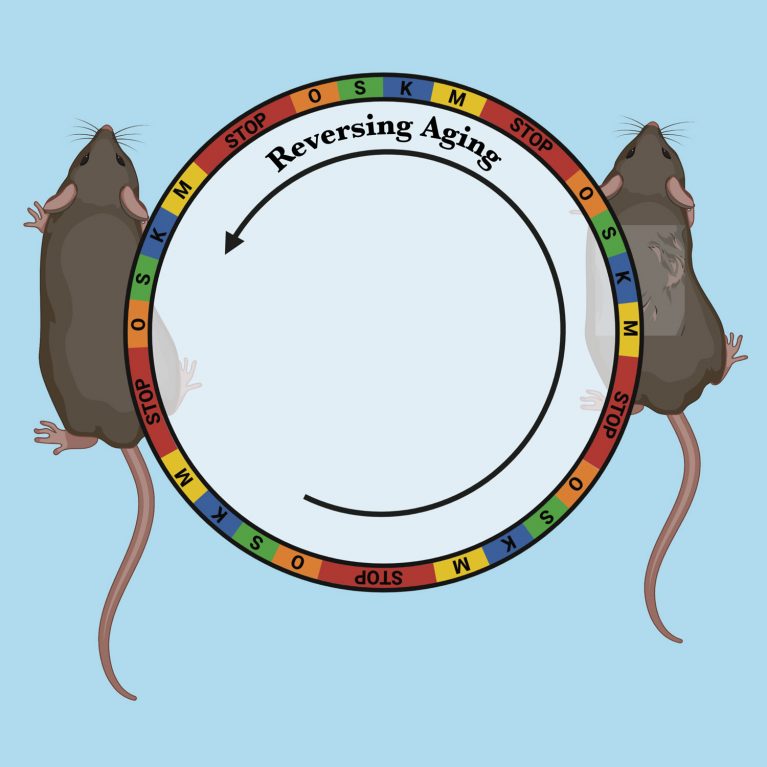
LA JOLLA—La edad puede ser solo un número, pero es un número que a menudo conlleva efectos secundarios no deseados, desde huesos frágiles y músculos más débiles hasta un mayor riesgo de enfermedades cardiovasculares y cáncer. Ahora, científicos del Instituto Salk, en colaboración con Genentech, miembro del grupo Roche, han demostrado que pueden revertir de forma segura y eficaz el proceso de envejecimiento en ratones de mediana y avanzada edad, restableciendo parcialmente sus células a estados más juveniles. El estudio se publicó en Envejecimiento Natural el 7 de marzo de 2022.
LA JOLLA—¿Cómo toma decisiones un animal? Los científicos han dedicado décadas a intentar responder esta pregunta centrándose en las células y conexiones del cerebro que podrían estar involucradas. Los científicos del Salk están adoptando un enfoque diferente: analizar el comportamiento, no las neuronas. Les sorprendió descubrir que los gusanos pueden tener en cuenta múltiples factores y elegir entre dos acciones diferentes, a pesar de tener solo 302 neuronas en comparación con aproximadamente 86 mil millones en los humanos.