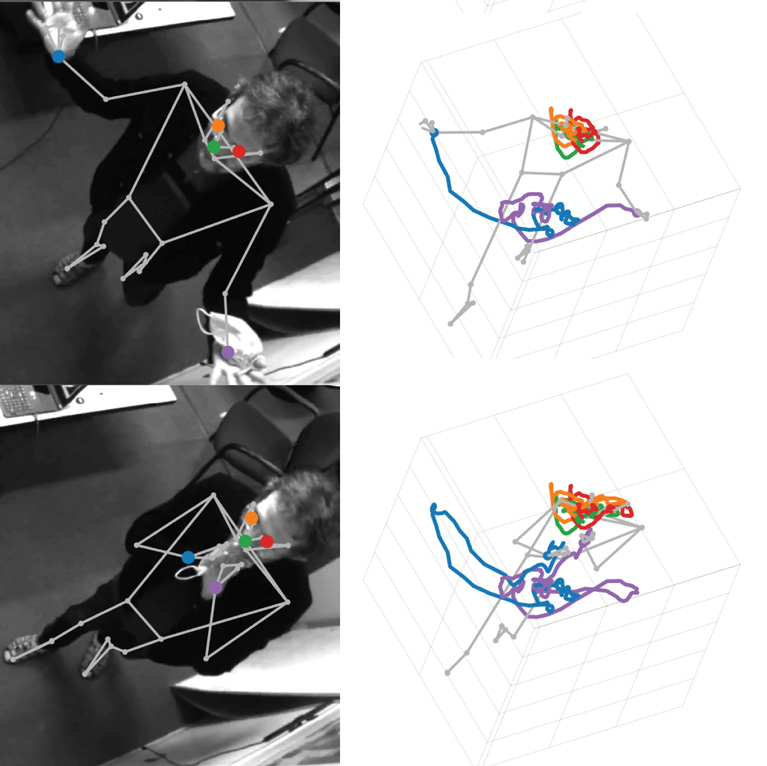
LA JOLLA—Clay vessels of innumerable shapes and sizes come to life as they illuminate a rich history of symbolic meanings and identity. Some museum visitors may lean in to get a better view, while others converse with their friends over the rich hues. Exhibition designers have long wondered how the human brain senses, perceives, and learns in the rich environment of a museum gallery.
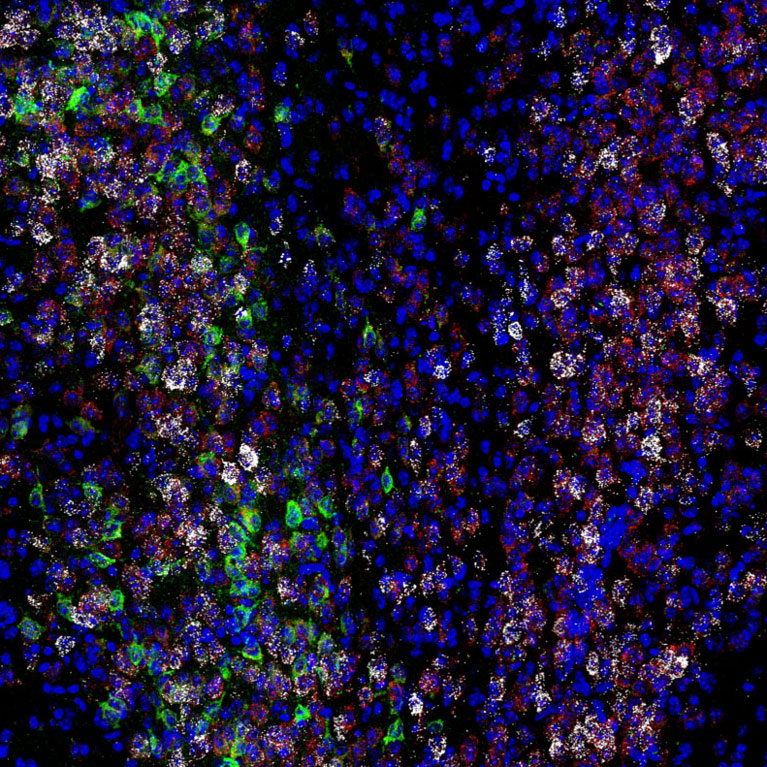
LA JOLLA—With a five-year, $126 million grant from the National Institutes of Health (NIH), a team led by Salk Institute scientists has launched a new Center for Multiomic Human Brain Cell Atlas. Part of the NIH’s Brain Research Through Advancing Innovative Neurotechnologies® (BRAIN) Initiative, the project aims to describe the cells that make up the human brain in unprecedented molecular detail, classify brain cells into more precise subtypes, and pinpoint the location of each cell in the brain. What’s more, the team will track how these features change from early to late life.
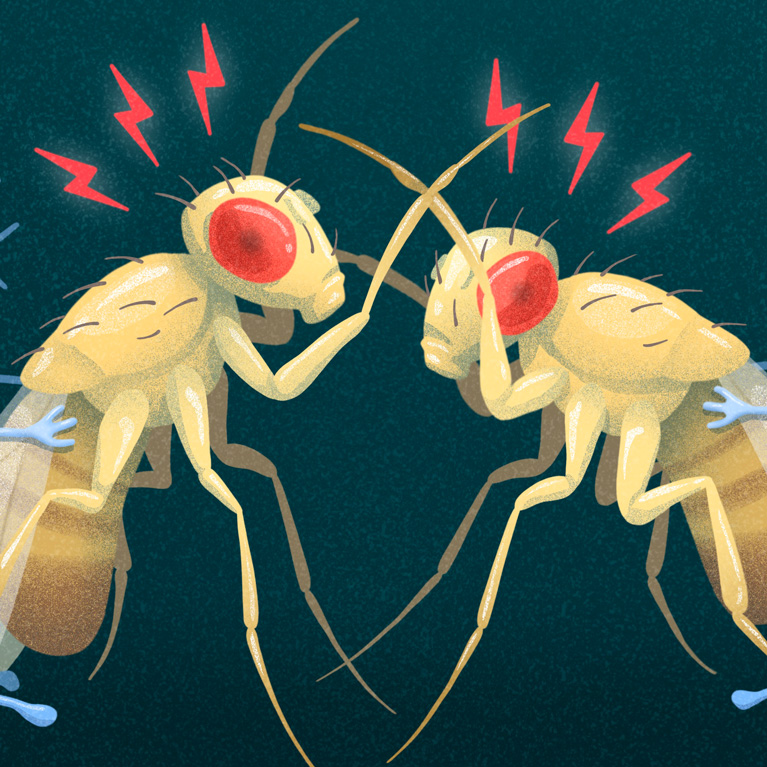
LA JOLLA—The brain mechanisms that cause aggressive behavior have been well studied. Far less understood are the processes that tell the body when it’s time to stop fighting. Now, a new study by Salk scientists identifies a gene and a group of cells in the brain that play a critical role in suppressing aggression in fruit flies.
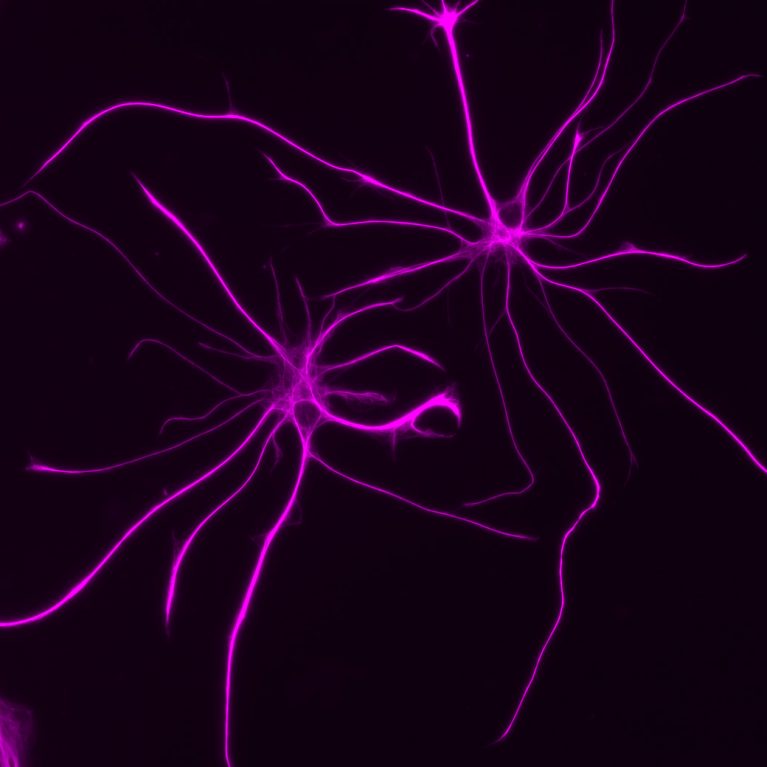
LA JOLLA—Neurons often get most of the credit for keeping our brains sharp and functioning—as well as most of the blame when it comes to brain diseases. But star-shaped cells called astrocytes, another abundant cell in the human brain, may bear the brunt of the responsibility for exacerbating the symptoms of some neurodevelopmental disorders. Salk Institute scientists have now identified a molecule produced by astrocytes that interferes with normal neuron development in Rett, fragile X and Down syndromes.
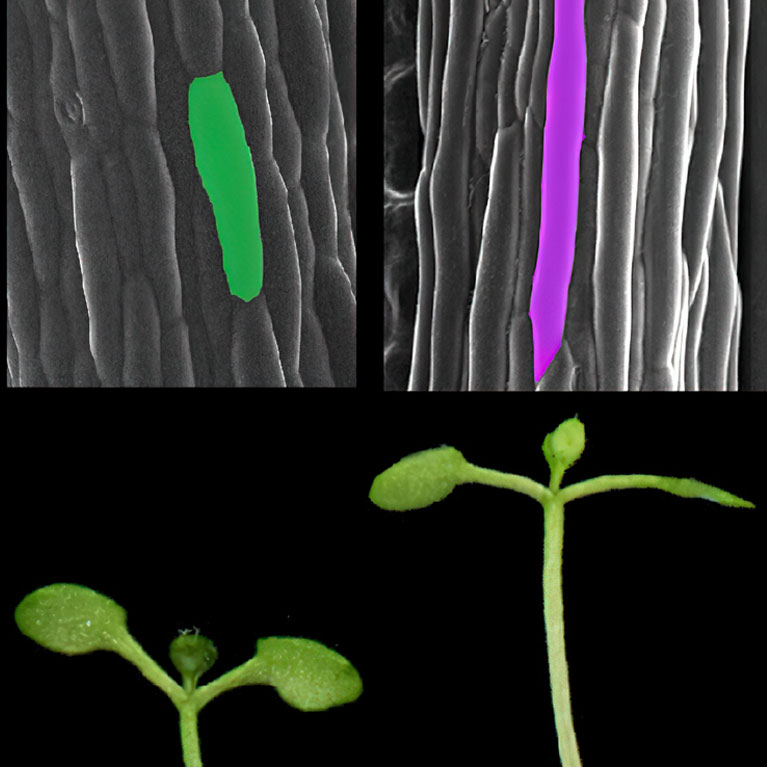
LA JOLLA—Plants lengthen and bend to secure access to sunlight. Despite observing this phenomenon for centuries, scientists do not fully understand it. Now, Salk scientists have discovered that two plant factors—the protein PIF7 and the growth hormone auxin—are the triggers that accelerate growth when plants are shaded by canopy and exposed to warm temperatures at the same time.
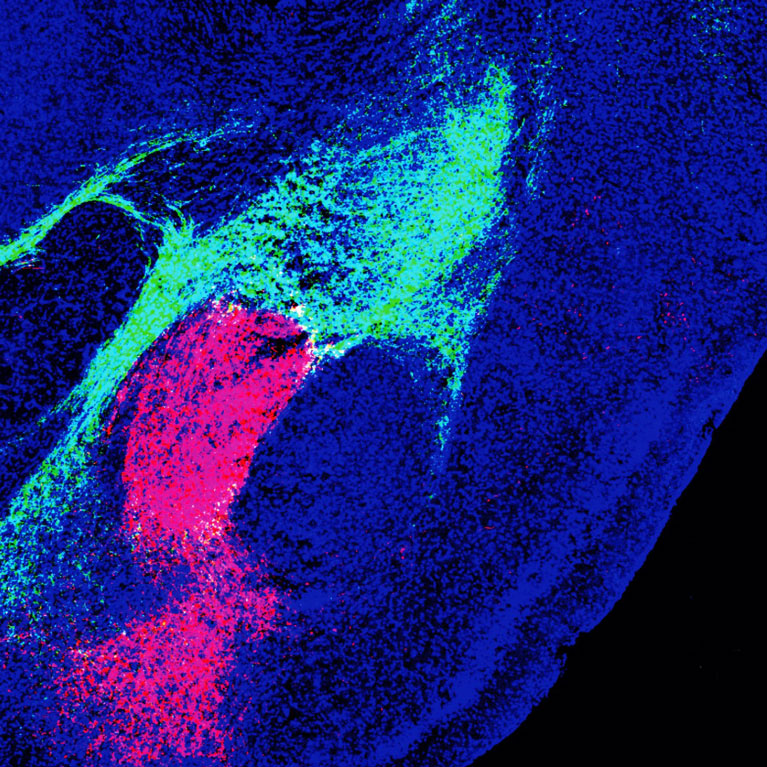
LA JOLLA—Salk scientists have uncovered a molecular pathway that distills threatening sights, sounds and smells into a single message: Be afraid. A molecule called CGRP enables neurons in two separate areas of the brain to bundle threatening sensory cues into a unified signal, tag it as negative and convey it to the amygdala, which translates the signal into fear.
LA JOLLA—A stretch of DNA that hops around the human genome plays a role in premature aging disorders, scientists at the Salk Institute and King Abdullah University of Science and Technology (KAUST) in Saudi Arabia have discovered. In people with early aging, or progeria, RNA encoded by this mobile DNA builds up inside cells. What’s more, the scientists found that blocking this RNA reverses the disease in mice.
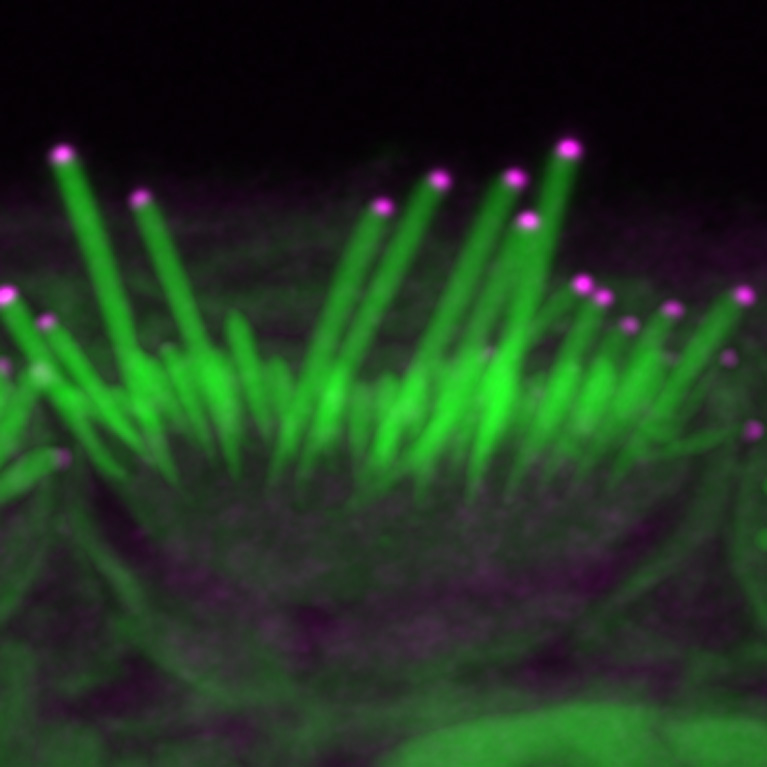
LA JOLLA—Scientists from the Salk Institute and the University of Sheffield co-led a study that shows promise for the development of gene therapies to repair hearing loss. In developed countries, roughly 80 percent of deafness cases that occur before a child learns to speak are due to genetic factors. One of these genetic components leads to the absence of the protein EPS8, which coincides with improper development of sensory hair cells in the inner ear. These cells normally have long hair-like structures, called stereocilia, that transduce sound into electrical signals that can be perceived by the brain. In the absence of EPS8, the stereocilia are too short to function, leading to deafness.
LA JOLLA— Mitochondria are known as cells’ powerhouses, but mounting evidence suggests they also play a role in inflammation. Scientists from the Salk Institute and UC San Diego published new findings in Inmunidad on August 2, 2022, where they examined human blood cells and discovered a surprising link between mitochondria, inflammation and DNMT3A and TET2—two genes that normally help regulate blood cell growth but, when mutated, are associated with an increased risk of atherosclerosis.
LA JOLLA—Researchers at the Salk Institute and colleagues have discovered the molecule in the brain responsible for associating good or bad feelings with a memory. Their discovery, published in Naturaleza on July 20, 2022, paves the way for a better understanding of why some people are more likely to retain negative emotions than positive ones—as can occur with anxiety, depression or post-traumatic stress disorder (PTSD).
LA JOLLA—Researchers at the Salk Institute and King Abdullah University of Science and Technology (KAUST) in Saudi Arabia have discovered a new underlying cause of Wiskott-Aldrich syndrome, a rare genetic disease that leads to bleeding and immune deficiencies in babies. Their findings, published in the journal Comunicaciones de la Naturaleza on June 25, 2022, revolve around how cells cut and paste strands of RNA in a process called RNA splicing. The genetic mutations associated with Wiskott-Aldrich syndrome, they found, disrupt this process which, in turn, prevents numerous immune and anti-inflammatory proteins from being made correctly.
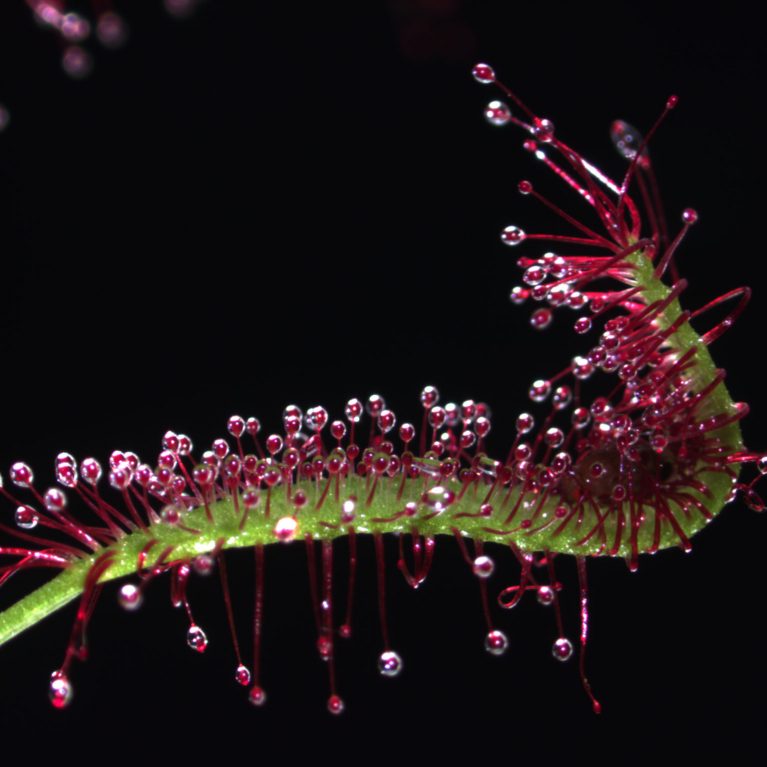
LA JOLLA–Insect-eating plants have fascinated biologists for more than a century, but how plants evolved the ability to capture and consume live prey has largely remained a mystery. Now, Salk scientists, along with collaborators from Washington University in St. Louis, have investigated the molecular basis of plant carnivory and found evidence that it evolved from mechanisms plants use to defend themselves.
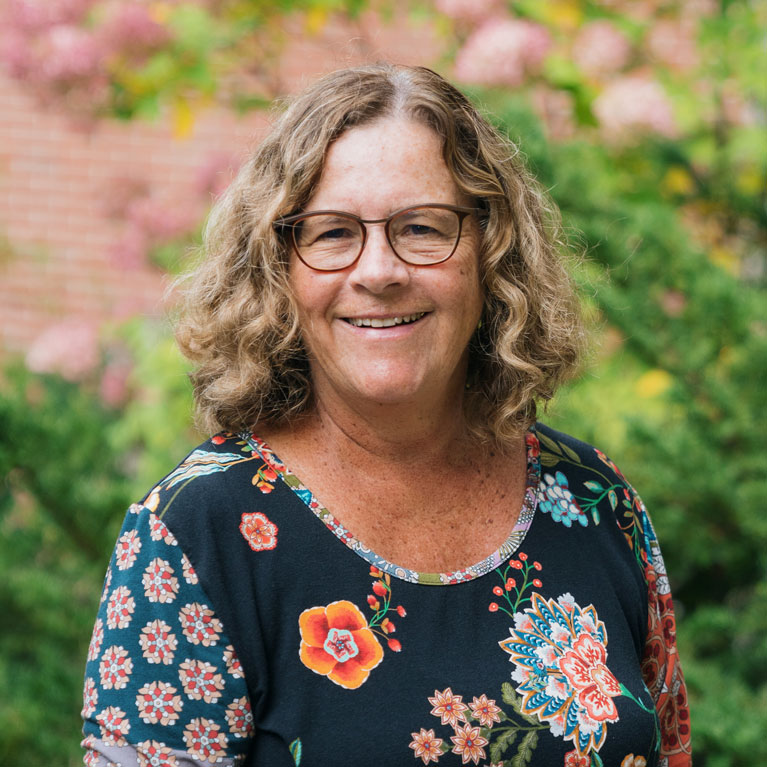
LA JOLLA—The Salk Institute has named plant molecular geneticist Mary Lou Guerinot a Nonresident Fellow, a group of eminent scientific advisors that guide the Institute’s leadership. Guerinot holds the Ronald and Deborah Harris Professorship in the Sciences and is a professor of biological sciences at Dartmouth College, where she was the first woman to chair a science department.
LA JOLLA–Research Professor Todd Michael will receive nearly $2 million from the Bill & Melinda Gates Foundation to sequence the genomes of multiple lineages of the cassava plant, a large starchy root vegetable also known as yuca root consumed in more than 80 countries around the world. A better understanding of cassava genetics will help researchers and plant breeders develop more productive disease- and drought-resistant plants for the future.
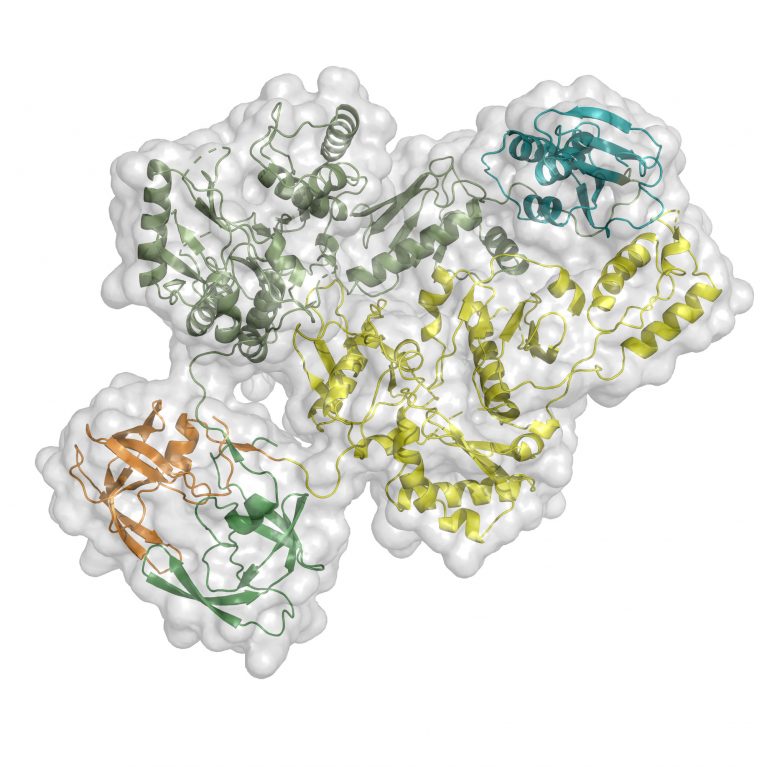
LA JOLLA—Comprender cómo el VIH se replica dentro de las células es clave para desarrollar nuevas terapias que podrían ayudar a casi 40 millones de personas que viven con el VIH en todo el mundo. Ahora, un equipo de científicos del Instituto Salk y la Universidad de Rutgers ha determinado por primera vez la estructura molecular del Pol del VIH, una proteína que desempeña un papel clave en las etapas tardías de la replicación del VIH, o el proceso a través del cual el virus se propaga y se disemina por el cuerpo. Es importante destacar que determinar la estructura de la molécula ayuda a responder preguntas de larga data sobre cómo la proteína se descompone para avanzar en el proceso de replicación. El descubrimiento, publicado en Science Advances el 6 de julio de 2022, revela una nueva vulnerabilidad en el virus que podría ser atacada con medicamentos.
LA JOLLA—The Salk Institute has named Gerald Joyce, a professor in the Jack H. Skirball Center for Chemical Biology and Proteomics, to the position of senior vice president and chief science officer.
LA JOLLA—El Profesor Emérito Walter Eckhart, quien se desempeñó como director del Centro de Cáncer designado por el Instituto Nacional del Cáncer del Instituto Salk y jefe del Laboratorio de Biología Molecular y Celular durante más de 30 años, falleció repentinamente el 21 de junio de 2022, en su hogar en La Jolla, California. Tenía 84 años.
LA JOLLA—Salk scientists have uncovered an unexpected molecular target of a common treatment for alopecia, a condition in which a person’s immune system attacks their own hair follicles, causing hair loss. The findings, published in Nature Immunology on June 23, 2022, describe how immune cells called regulatory T cells interact with skin cells using a hormone as a messenger to generate new hair follicles and hair growth.
LA JOLLA—An international team of researchers, including Salk Institute Professor Janelle Ayres, has been selected to receive a $25 million Cancer Grand Challenges award to tackle the challenge of cancer cachexia, a debilitating wasting condition that often leads to a poor quality of life for people in the later stages of their cancer. Cachexia is responsible for up to 30 percent of cancer-related deaths.
LA JOLLA—Profesor Asistente Christina Towers ha sido nombrado 2022 Becario Pew-Stewart para la Investigación del Cáncer como parte de una asociación entre The Pew Charitable Trusts y la Alexander and Margaret Stewart Trust. Towers se encuentra entre los seis científicos de principios de carrera de este año que recibirán cada uno $300.000 durante los próximos cuatro años para apoyar la investigación centrada en una mejor comprensión de las causas, el diagnóstico y el tratamiento del cáncer.