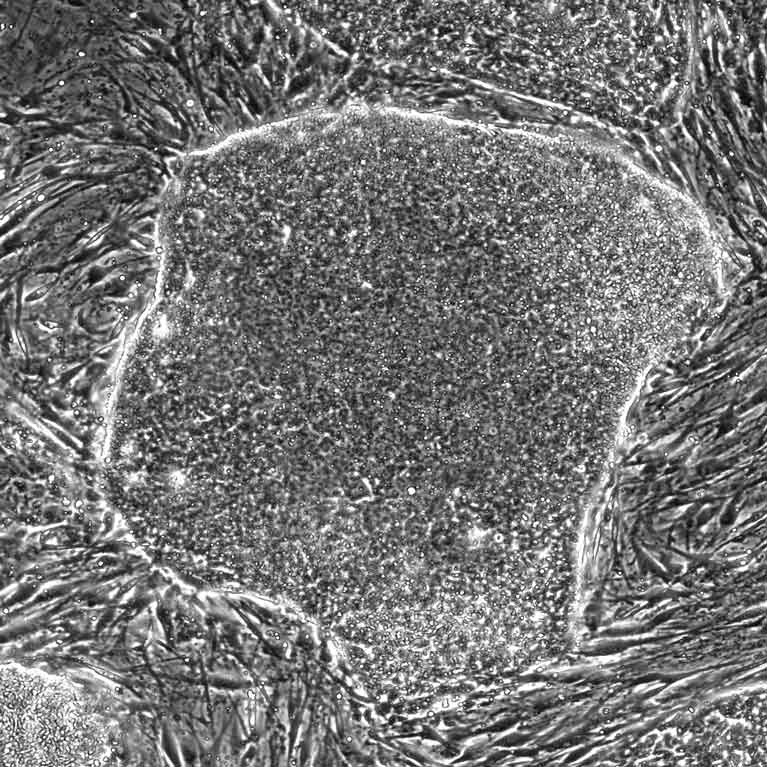
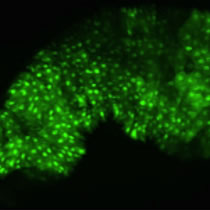
LA JOLLA—Salk scientists and colleagues have proposed new molecular criteria for judging just how close any line of laboratory-generated stem cells comes to mimicking embryonic cells seen in the very earliest stages of human development, known as naïve stem cells. The tests found that no current protocols lead to truly naïve stem cells, but the guidelines may help researchers achieve that goal by pointing out where each current method falls short. Generating naïve stem cells would be a boon to both basic research and to medical applications of stem cells, such as growing tissue for organ replacement.
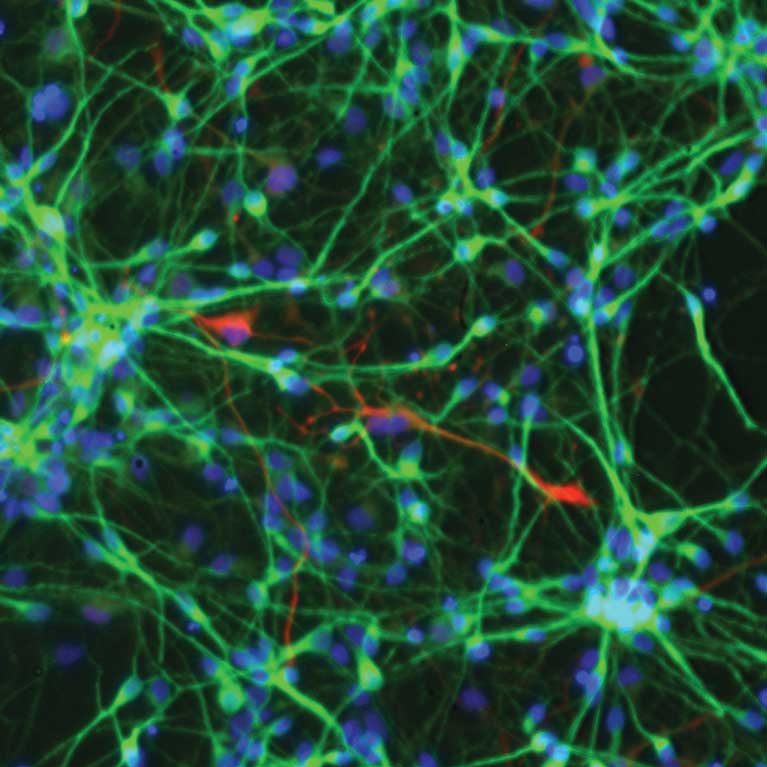
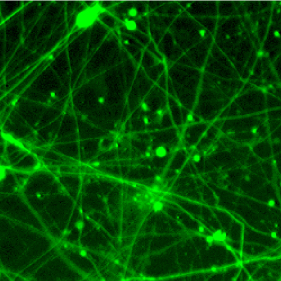
LA JOLLA—Our brains can survive only for a few minutes without oxygen. Salk Institute researchers have now identified the timing of a dramatic metabolic shift in developing neurons, which makes them become dependent on oxygen as a source of energy.
拉霍亚—一些人的大脑 自闭症谱系障碍 通常在生命早期,甚至在确诊之前,就会比平时长得更快。一项由索尔克研究所科学家联合领导的新研究采用了一项尖端干细胞技术,以解开导致大脑过度生长这一神秘现象的机制,该现象影响了多达 30% 的自闭症患者。.
LA JOLLA—The Salk Institute will celebrate 21 years of Symphony at Salk, its signature concert under the stars, with Broadway luminary Kelli O’Hara and the incomparable San Diego Symphony led by guest conductor Maestro Thomas Wilkins on Saturday, August 20.
LA JOLLA–Salk Institute scientists have found preliminary evidence that tetrahydrocannabinol (THC) and other compounds found in marijuana can promote the cellular removal of amyloid beta, a toxic protein associated with 阿尔茨海默病.
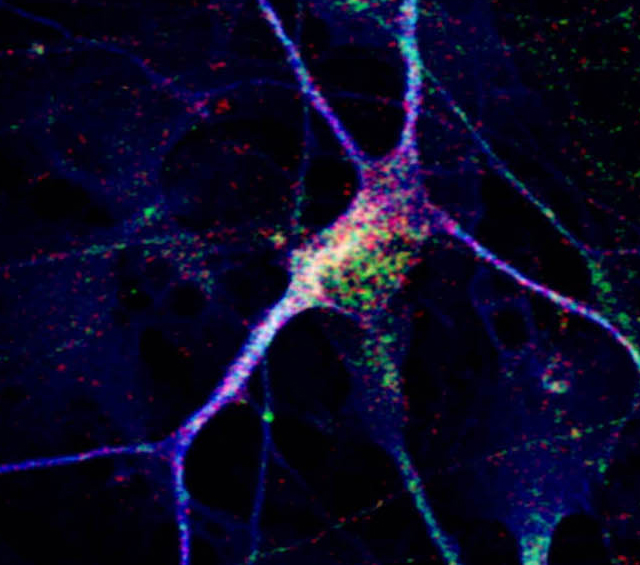
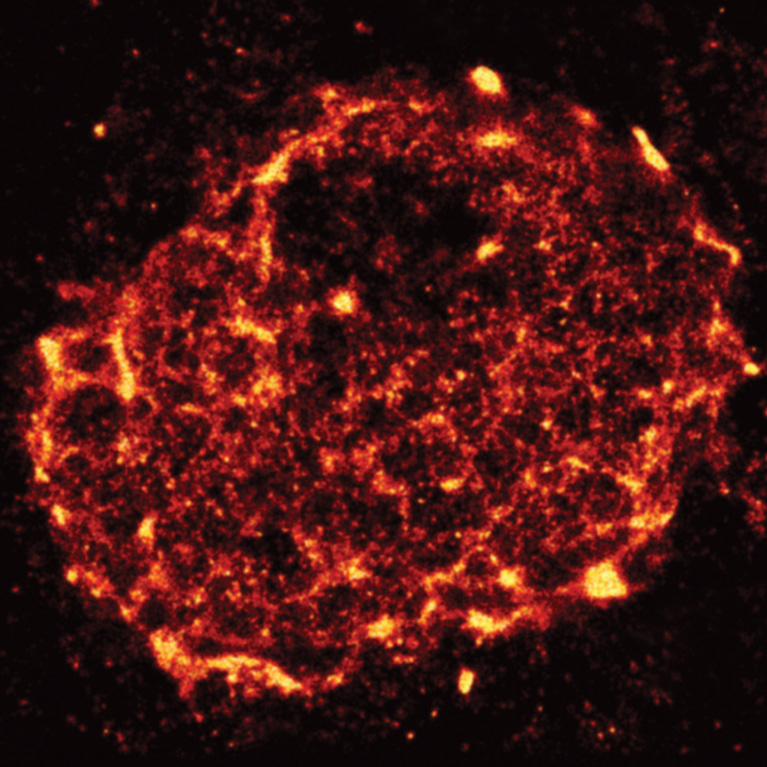
LA JOLLA—When the body is fighting an invading pathogen, white blood cells—including T cells—must respond. Now, Salk Institute researchers have imaged how vital receptors on the surface of T cells bundle together when activated.
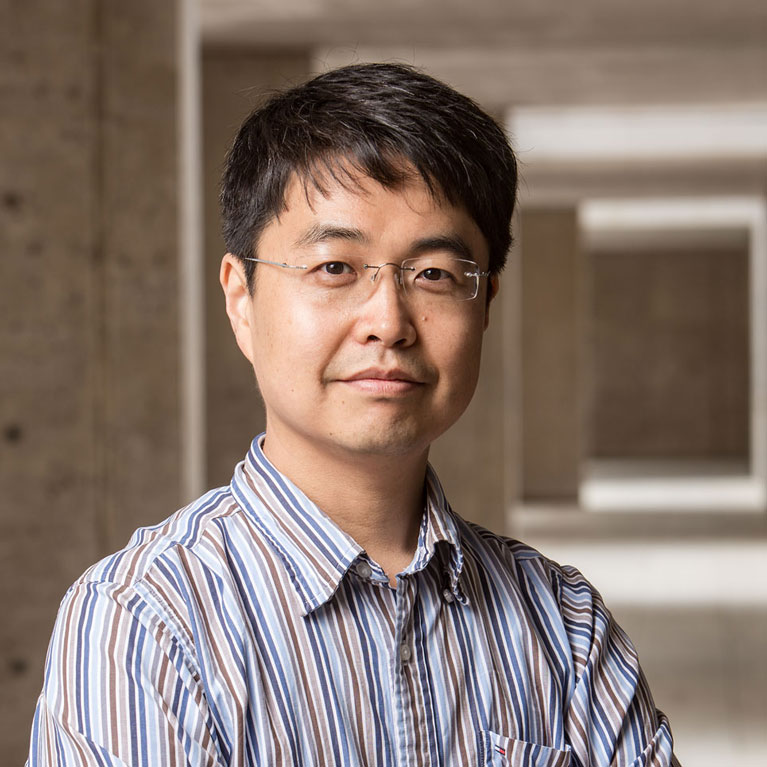
LA JOLLA—The Salk Institute is pleased to announce the appointment of 孙汉 as an assistant professor in the Clayton Foundation Peptide Biology Laboratories. Han will study small molecules, called neuropeptides, which affect the brain’s defense response and contribute to sensory hypersensitivity in neuropsychiatric disorders such as anxiety and autism.
LA JOLLA—At noon every day, levels of genes and proteins throughout your body are drastically different than they are at midnight. Disruptions to this 24-hour cycle of physiological activity are why jet lag or a bad night’s sleep can alter your appetite and sleep patterns for days—and even contribute to conditions like heart disease, sleep disorders and cancers.
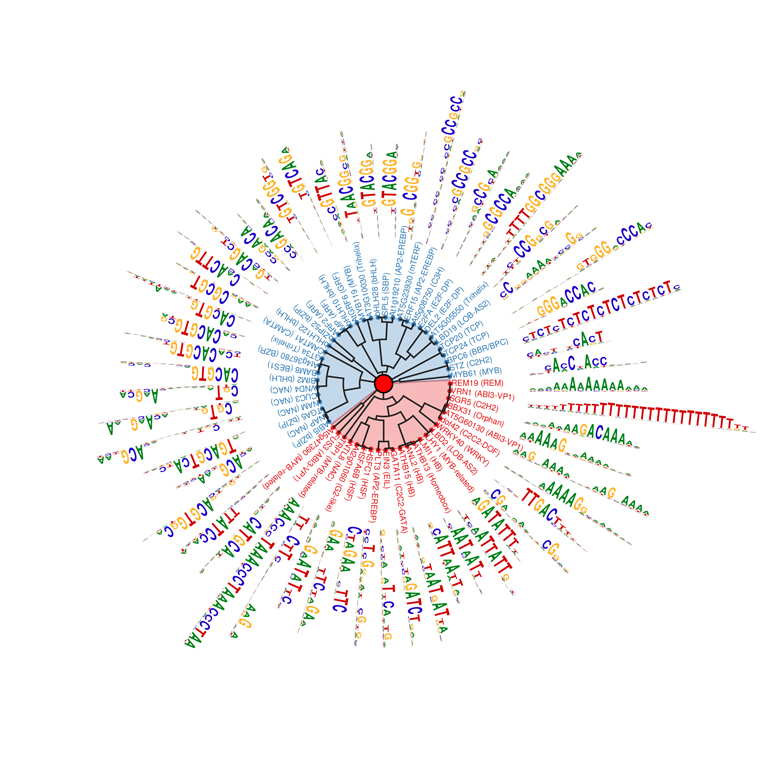
LA JOLLA—A new technique developed by Salk Institute scientists for rapidly mapping regions of DNA targeted by regulatory proteins could give scientists insight into what makes some plants drought tolerant or disease resistant, among other traits.
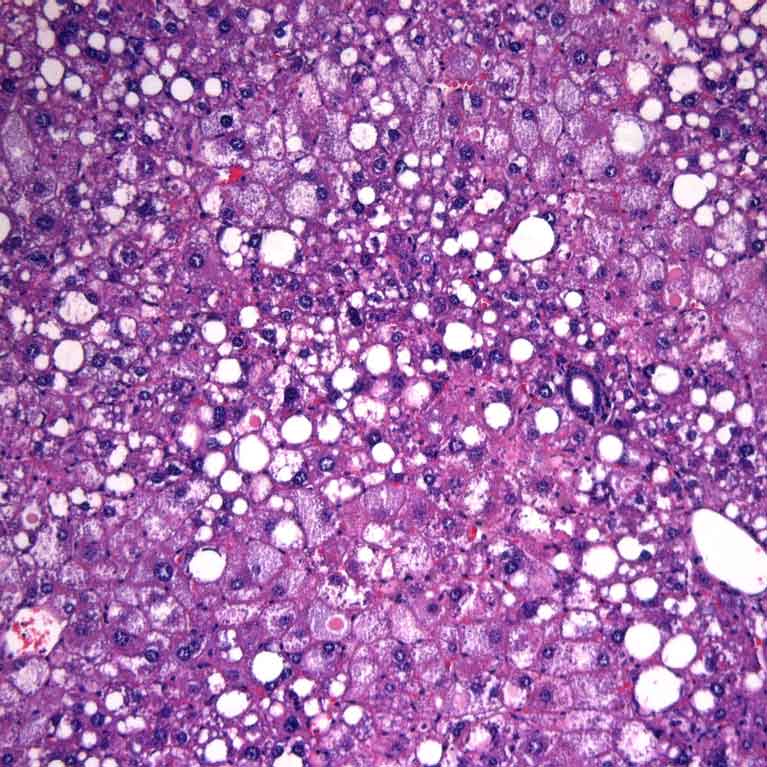
LA JOLLA—A molecular pathway that is activated in the brain during fasting helps halt the spread of intestinal bacteria into the bloodstream, according to a new study by a team of researchers at the Salk Institute.
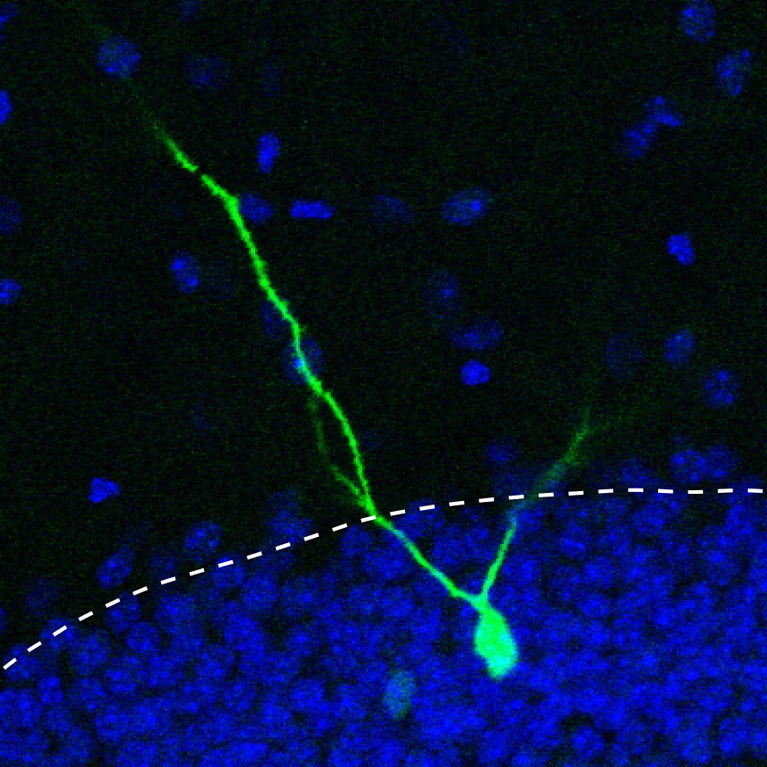
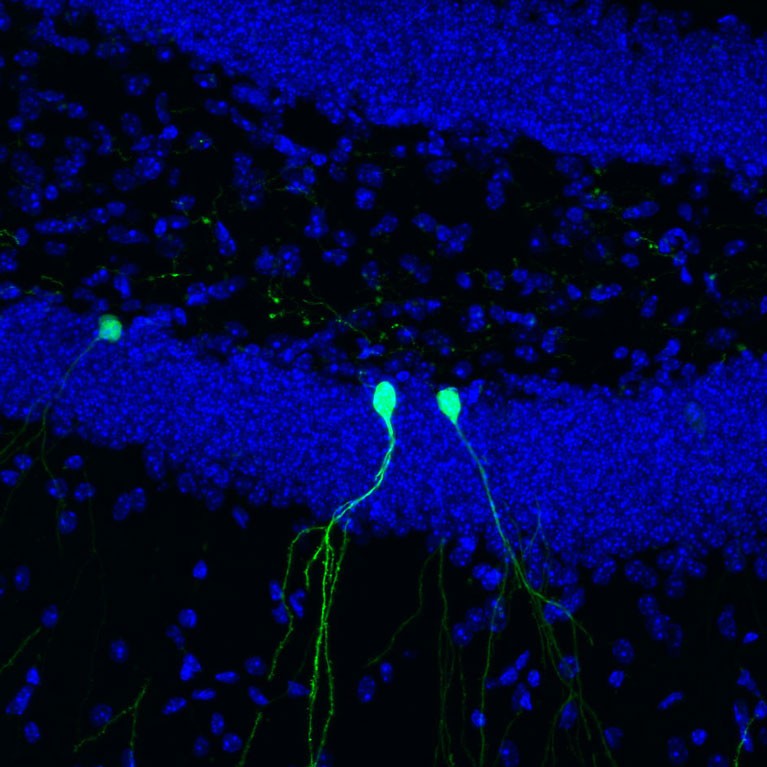
LA JOLLA—When tweaking its architecture, the adult brain works like a sculptor—starting with more than it needs so it can carve away the excess to achieve the perfect design. That’s the conclusion of a new study that tracked developing cells in an adult mouse brain in real time.
LA JOLLA–Four Salk Institute faculty members have been promoted after the latest round of faculty reviews determined they are scientific leaders who have made original, innovative and notable contributions to biological research.
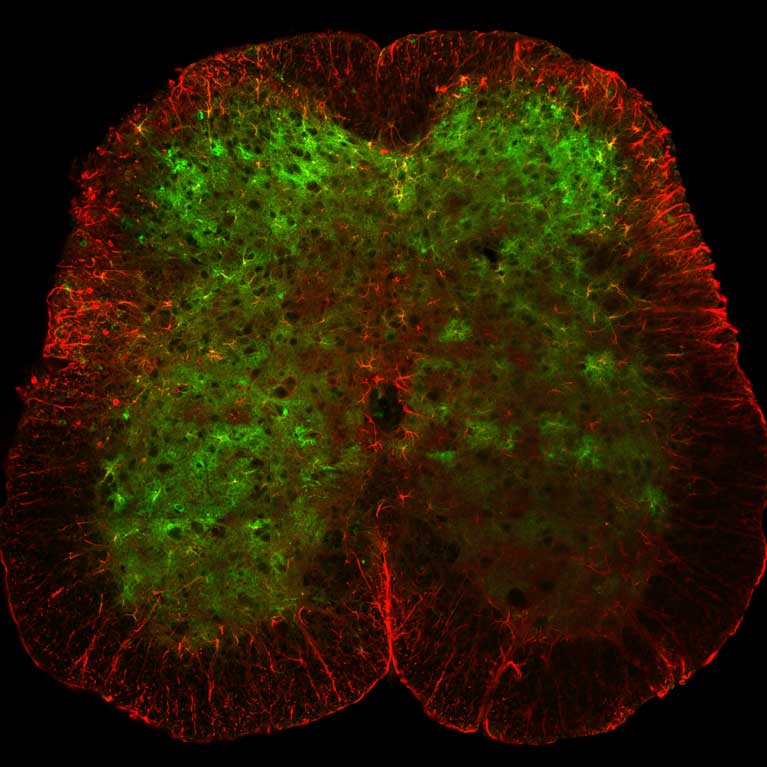
LA JOLLA—A microscope about the size of a penny is giving scientists a new window into the everyday activity of cells within the spinal cord. The innovative technology revealed that astrocytes—cells in the nervous system that do not conduct electrical signals and were traditionally viewed as merely supportive—unexpectedly react to intense sensation.
LA JOLLA—Salk Institute scientists showed how an FDA-approved drug boosts the health of brain cells by limiting their energy use. Like removing unnecessary lighting from a financially strapped household to save on electricity bills, the drug—called rapamycin—prolongs the survival of diseased neurons by forcing them to reduce protein production to conserve cellular energy.
LA JOLLA—(April 25, 2016) Salk scientists have revealed how a cellular “fuel gauge” responsible for monitoring and managing cells’ energy processes also has an unexpected role in development. This critical link could help researchers better understand cancer and diabetes pathways.
LA JOLLA—Broadening its expertise in neuroscience, the Salk Institute is pleased to announce the appointment of Eiman Azim as an assistant professor in the Molecular Neurobiology Laboratory. He will join the Institute in May.
LA JOLLA-The Salk Institute awarded two American scientists with its prestigious Medal for Research Excellence, a distinction that has only been bestowed twice before in the Institute’s 55-year history. The honorees, who received their awards April 13, independently addressed the Salk community in presentations prior to an awards reception.
LA JOLLA—Salk Institute scientists have developed a new reagent to map the brain’s complex network of connections that is 20 times more efficient than their previous version. This tool improves upon a technique called rabies virus tracing, which was originally developed in the Callaway lab at Salk and is commonly used to map neural connections.
LA JOLLA—Salk scientists have solved a longstanding problem in the effort to create replacement cells for diabetic patients. The team uncovered a hidden energy switch that, when flipped, powers up pancreatic cells to respond to glucose, a step that eluded previous research. The result is the production of hundreds of millions of lab-produced human beta cells—able to relieve 糖尿病 in mice.