LA JOLLA—(November 17, 2016) The Salk Institute ranks second in the world for high-quality, high-impact scientific collaborations in the life sciences, and in the top 50 for both overall collaboration and bilateral collaboration, according to a new report by Nature Research.
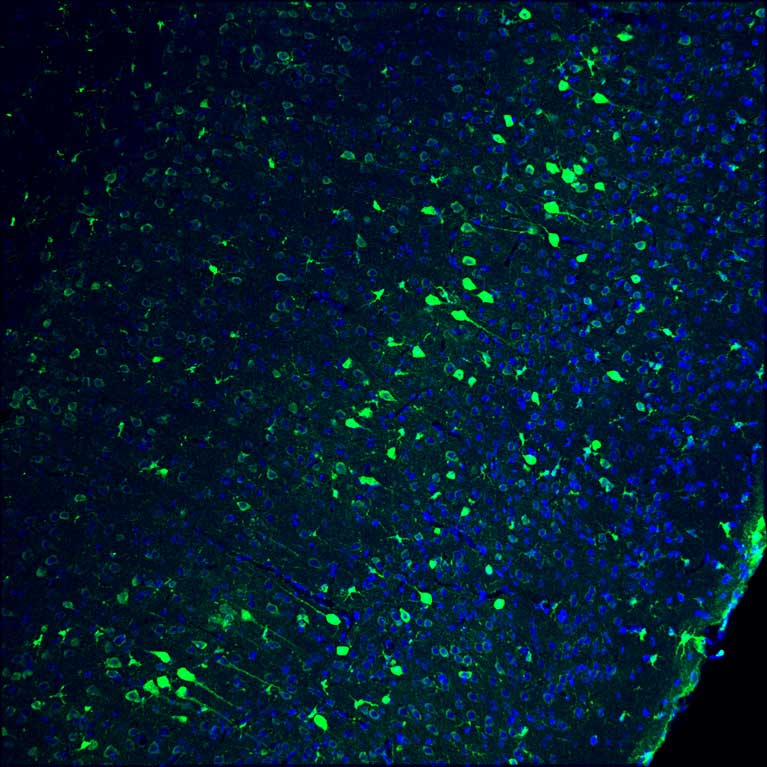
LA JOLLA—Salk Institute researchers have discovered a holy grail of gene editing—the ability to, for the first time, insert DNA at a target location into the non-dividing cells that make up the majority of adult organs and tissues. The technique, which the team showed was able to partially restore visual responses in blind rodents, will open new avenues for basic research and a variety of treatments, such as for retinal, heart and neurological diseases.
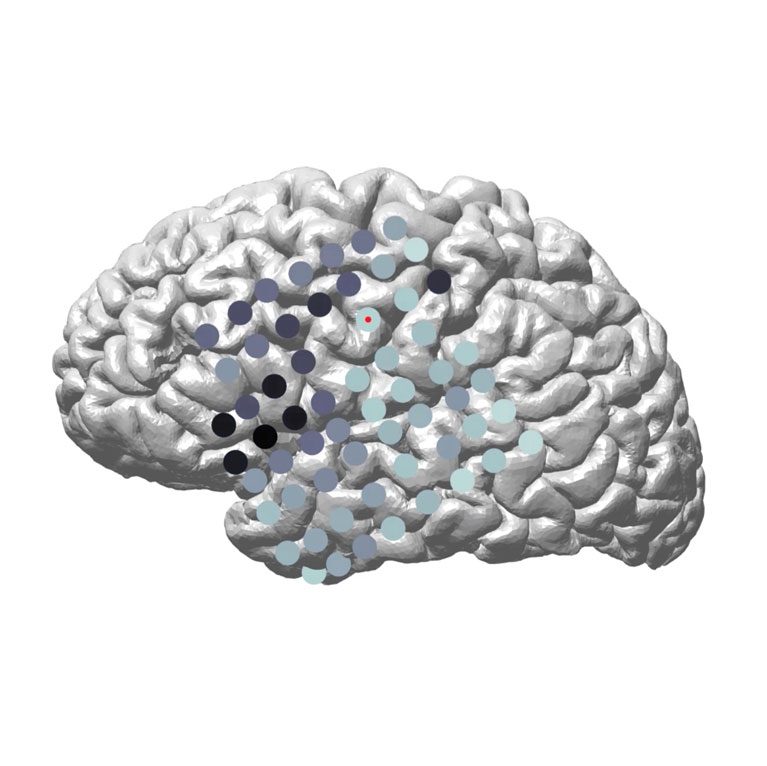
LA JOLLA—Every night while you sleep, electrical waves of brain activity circle around each side of your brain, tracing a pattern that, were it on the surface of your head, might look like the twin hair buns of Star Wars’ Princess Leia. The Salk Institute scientists who discovered these circular “Princess Leia” oscillations, which are described in the journal eLife, think the waves are responsible each night for forming associations between different aspects of a day’s memories.
LA JOLLA—For the sixth consecutive year, the Salk Institute’s strong financial health and commitment to accountability and transparency has earned a coveted four-star (out of four stars) rating from Charity Navigator, America’s largest independent charity and nonprofit evaluator.
PORTLAND, Ore, and LA JOLLA, Calif.—Families struggling with infertility or a genetic predisposition for debilitating mitochondrial diseases may someday benefit from a new breakthrough led by scientists at OHSU and the Salk Institute for Biological Studies.
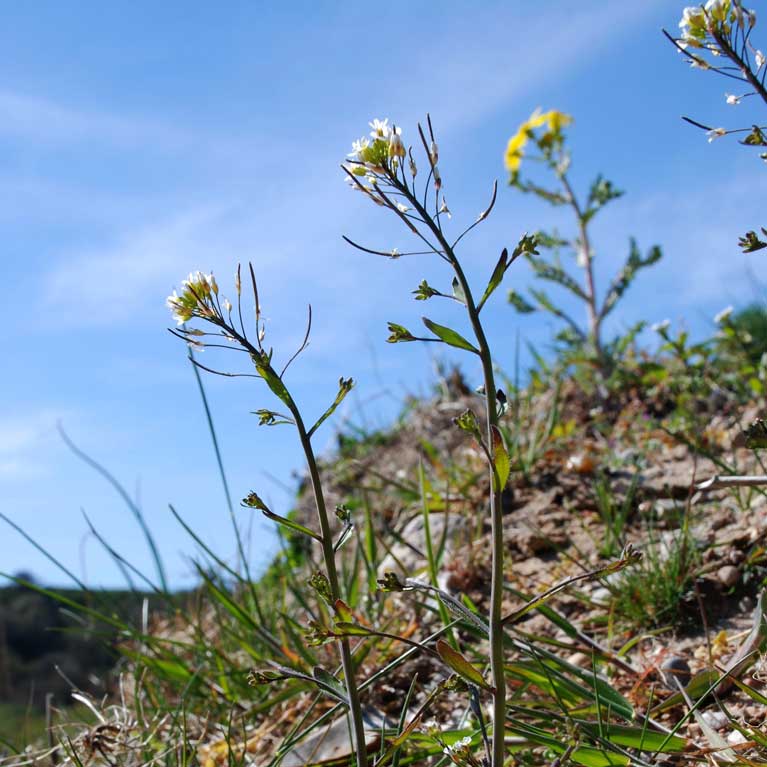
LA JOLLA—We can tell when plants need water: their leaves droop and they start to look dry. But what’s happening on a molecular level?
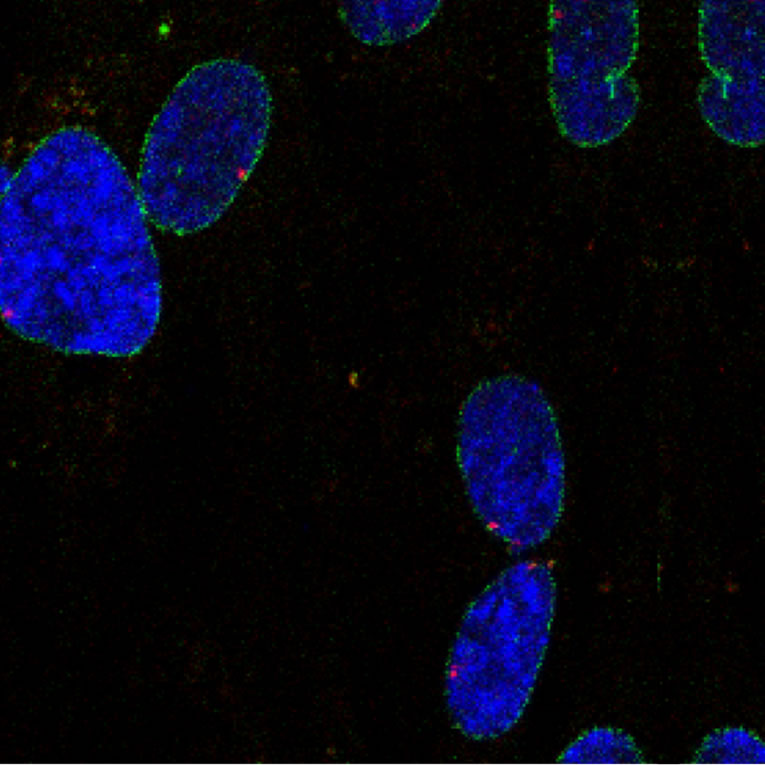
LA JOLLA—We put things into a container to keep them organized and safe. In cells, the nucleus has a similar role: keeping DNA protected and intact within an enveloping membrane. But a new study by Salk Institute scientists, detailed in the November 2 issue of Genes & Development, reveals that this cellular container acts on its contents to influence gene expression.
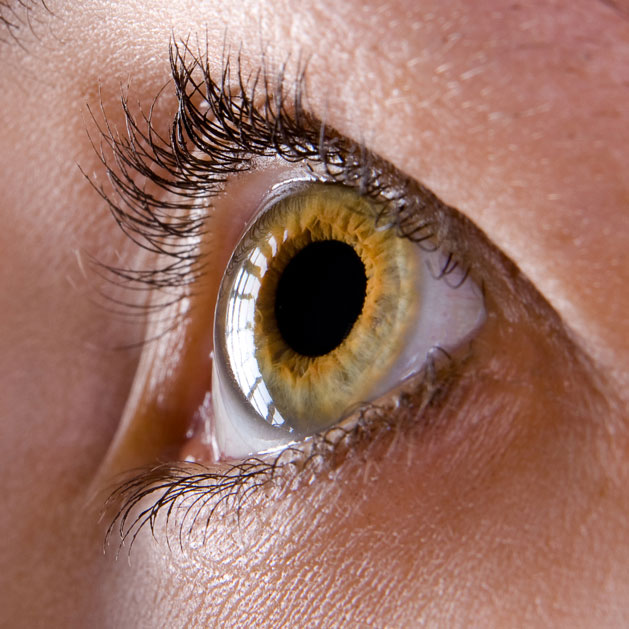
LA JOLLA—If two clinicians observe the same patient with blepharospasm—uncontrollable muscle contractions around the eye—they’ll often come away with two different conclusions on the severity of the patient’s symptoms. That’s because the rating scales for blepharospasm are notoriously subjective and unreliable.
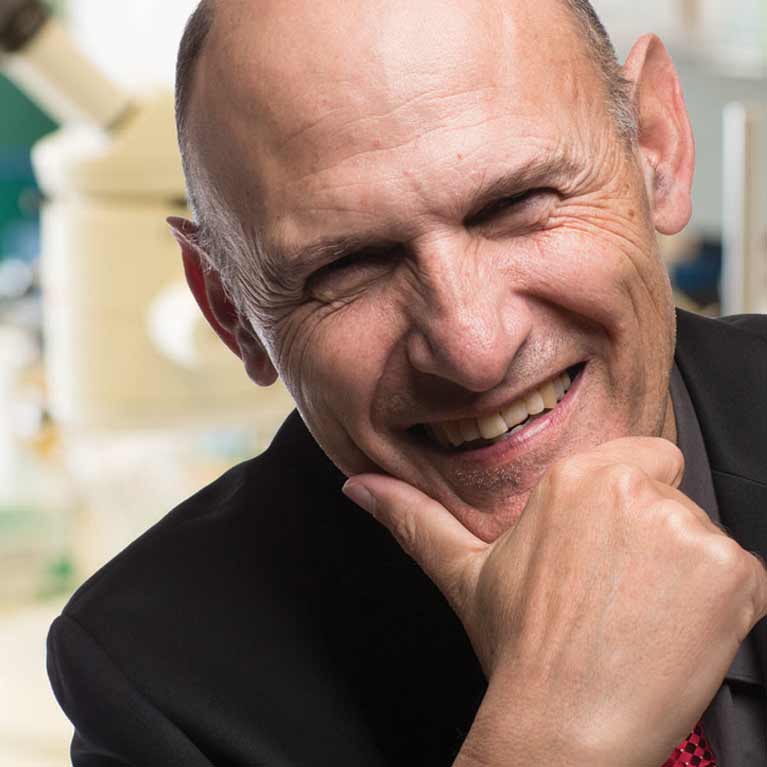
LA JOLLA—Profesor del Salk Juan Carlos Izpisua Belmonte has been awarded a 2016 National Institutes of Health Pioneer Award, a highly coveted grant that supports the most innovative biomedical research, for his work in stem cell biology and regeneration.
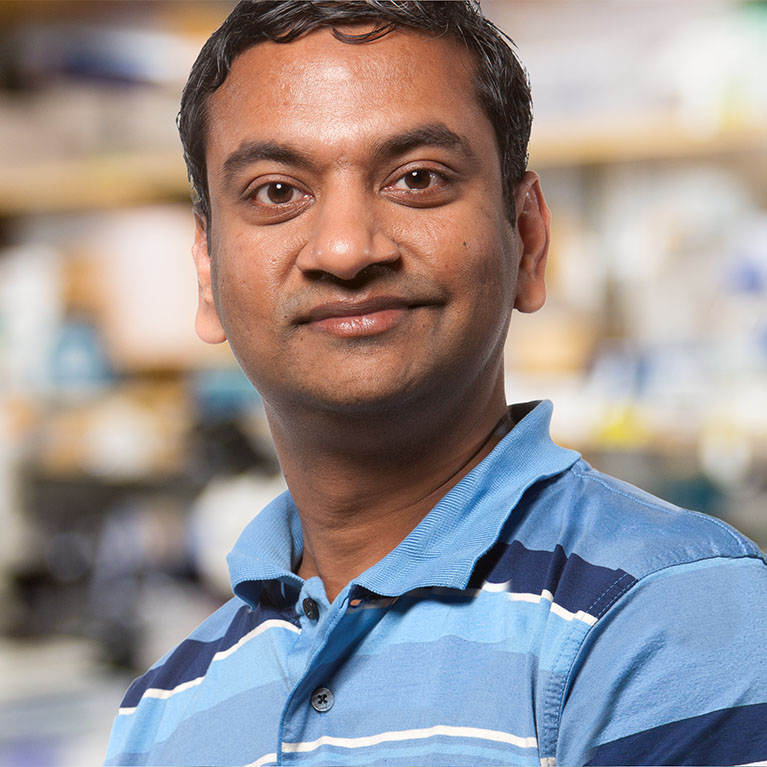
LA JOLLA—Profesor Asociado del Salk Sreekanth Chalasani has been awarded a grant from the National Institutes of Health’s (NIH) Brain Research through Advancing Innovative Neurotechnologies (BRAIN) Initiative for developing a way to selectively activate brain, heart, muscle and other cells using ultrasonic waves, which could be a boon to neuroscience research as well as medicine.
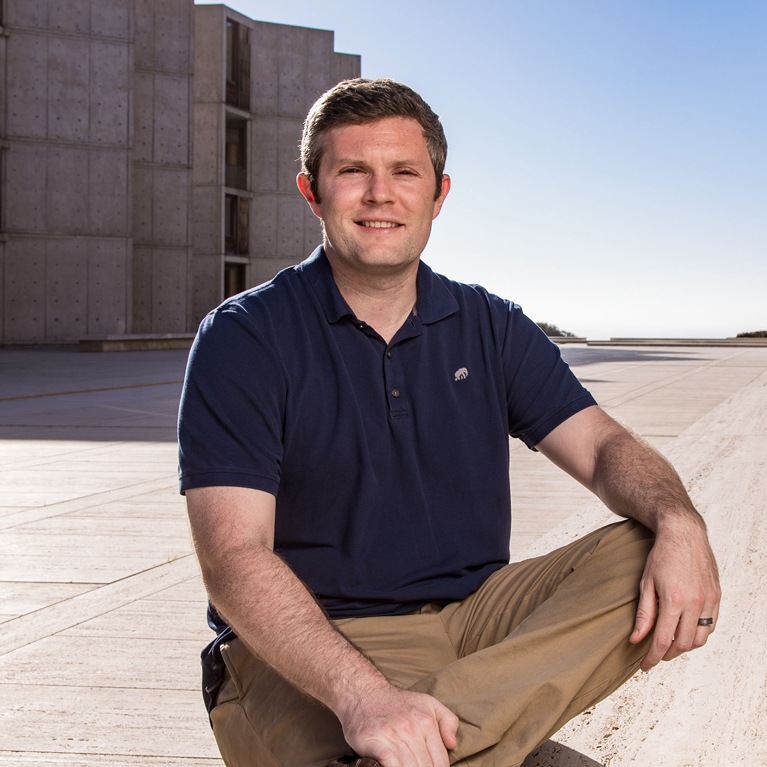
LA JOLLA—Helmsley-Salk Fellow Jesse Dixon is among 16 scientists nationwide to receive the Director’s Early Independence Award from the Institutos Nacionales de Salud (NIH) to pursue promising and innovative research. Dixon is the third Salk Fellow to receive the prestigious award since it was established in 2010.
LA JOLLA—The Board of Trustees for the Salk Institute has approved the appointment of Martín Hetzer, a professor in the Molecular and Cell Biology Laboratory, to the position of Vice President and Chief Science Officer, effective October 1.
LA JOLLA—Clodagh O’Shea, an associate professor in the Salk Institute’s Molecular and Cell Biology Laboratory, is among the first recipients of a grant from the Faculty Scholars Program, a new partnership of Instituto Médico Howard Hughes (HHMI), the Bill & Melinda Gates Foundation y el Fundación Simons for early career researchers whose work shows the potential for groundbreaking contributions in their fields. O’Shea is one of 84 Faculty Scholars who will receive $100,000–$400,000 per year over five years to support their pursuit of innovative research.
LA JOLLA—Fat isn’t just something we eat: it may also lie at the heart of a new approach to treating cancer.
LA JOLLA—The Salk Institute Board of Trustees welcomes its newest trustee, Eric S. Sagerman. Chaired by Irwin M. Jacobs, the 33-member Salk board helps drives the strategic direction of the Institute founded by polio vaccine pioneer Jonas Salk in 1960.
LA JOLLA—Our brains contain a surprising diversity of DNA. Even though we are taught that every cell in our body has the same DNA, in fact most cells in the brain have changes to their DNA that make each neuron a little different.
LA JOLLA—The Johns Hopkins University School of Medicine and the Salk Institute for Biological Studies will co-lead a $15.4 million effort to develop new systems for quickly screening libraries of drugs for potential effectiveness against schizophrenia and bipolar disorder, the National Institute of Mental Health (NIMH) has announced. The consortium, which includes four academic or nonprofit institutions and two industry partners, will be led by Hongjun Song, PhD, of Johns Hopkins and Rusty Gage, doctor, of Salk.
LA JOLLA—Boosting levels of a specific protein in the brain alleviates hallmark features of Alzheimer’s disease in a mouse model of the disorder, according to new research published online August 25, 2016 in Scientific Reports.
LA JOLLA—Salk Institute scientists have discovered the holy grail of endless youthfulness—at least when it comes to one type of human kidney precursor cell. Previous attempts to maintain cultures of the so-called nephron progenitor cells often failed, as the cells died or gradually lost their developmental potential rather than staying in a more medically useful precursor state.
LA JOLLA—When you reach for that pan of brownies, a ball-shaped brain structure called the striatum is critical for controlling your movement toward the reward. A healthy striatum also helps you stop yourself when you’ve had enough.