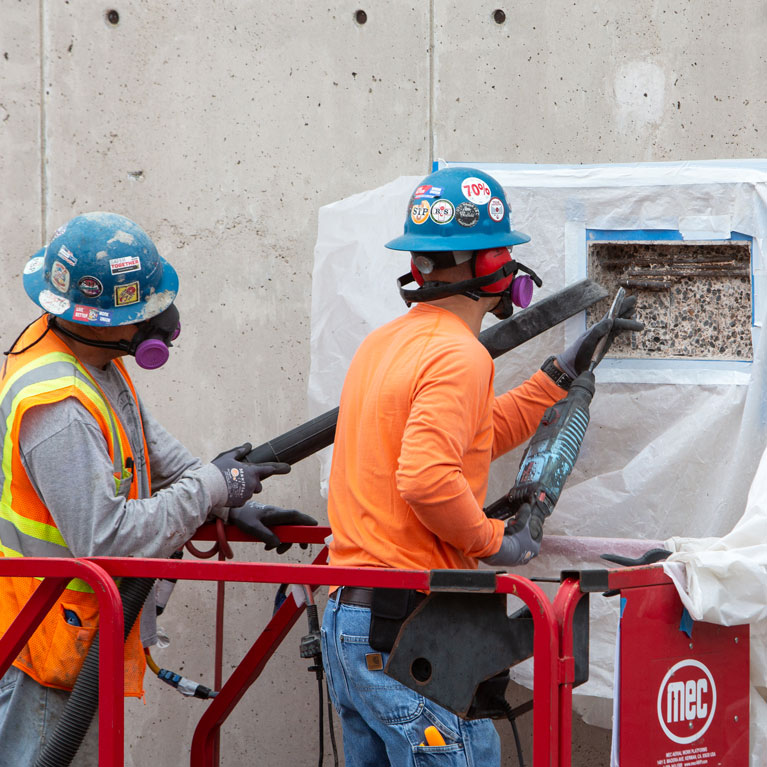
LA JOLLA—Como parte de su iniciativa Keeping It Modern, el Fundación Getty ha otorgado al Instituto Salk una subvención de $200.000 dólares para apoyar la conservación de las célebres fachadas de hormigón de Salk. El proyecto de subvención se llevará a cabo durante los próximos cinco años. El anuncio forma parte de más de $1,7 millones de dólares en subvenciones para la conservación arquitectónica anunciadas por la fundación en 2018 para 11 edificios significativos del siglo XX.
LA JOLLA—El Instituto Salk tiene el honor de dar la bienvenida de regreso a Dannielle Engle al Salk como profesora asistente en el Centro de Cáncer Salk. Actualmente es investigadora principal en el Laboratorio Cold Spring Harbor en Nueva York, donde se enfoca en la detección temprana y el tratamiento del cáncer de páncreas. Engle realizó investigaciones en el laboratorio del Profesor del Salk Geoffrey Wahl durante seis años como parte de su programa doctoral en UC San Diego.
LA JOLLA—Profesor(a) Asociado(a) Janelle Ayres ha sido galardonada con el Premio Pioneer 2018 del Director de los NIH, otorgado por los Institutos Nacionales de Salud, por su investigación innovadora sobre las interacciones huésped-patógeno que promueven la salud del huésped.
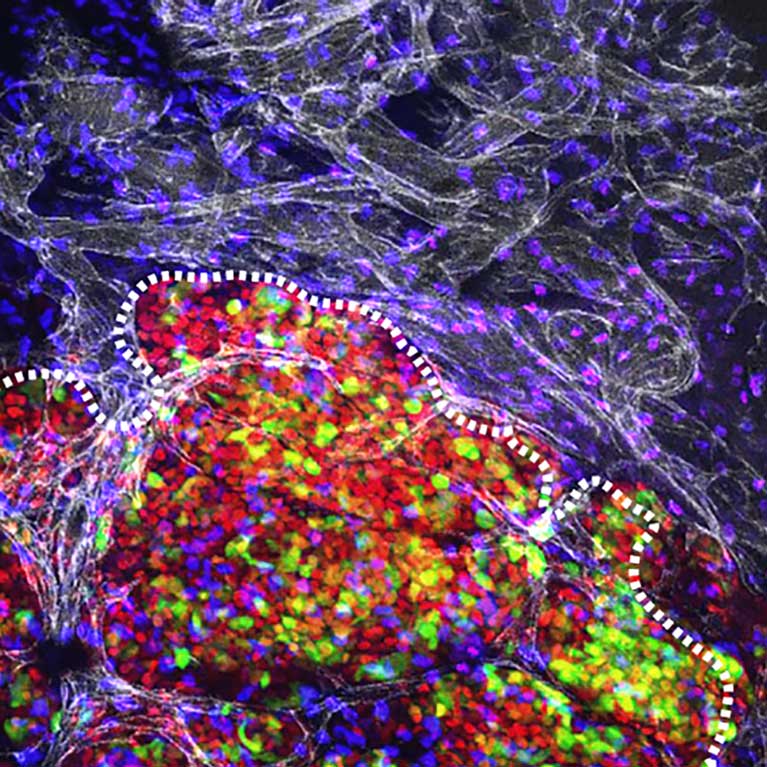
LA JOLLA—Aproximadamente 1.25 millones de estadounidenses viven con diabetes tipo 1 (DT1), con 40,000 personas adicionales diagnosticadas cada año. La DT1 es una enfermedad autoinmune que destruye las células de los islotes pancreáticos que producen insulina. La insulina es una hormona que permite que el azúcar (glucosa) entre en las células para producir energía. Sin insulina, el azúcar en la sangre se acumula, causando efectos secundarios tóxicos. A pesar de la investigación activa, la DT1 no tiene cura. Si bien existen tratamientos, incluidas inyecciones diarias de insulina, el manejo de la enfermedad sigue siendo un desafío, y la DT1 mal controlada puede provocar ceguera, insuficiencia orgánica y otros problemas de salud.
LA JOLLA—Profesor Asociado del Salk Tatyana Sharpee, miembro del Laboratorio de Neurobiología Computacional, ha sido elegida como miembro de la American Physical Society (APS) para 2018 por su destacada contribución a la física. En particular, se le otorga este honor por “avanzar en nuestra comprensión de cómo las neuronas representan señales sensoriales y toman decisiones, al ser pionera en nuevos métodos para analizar las respuestas neuronales a estímulos naturales y descubrir principios organizativos para comportamientos de bucle cerrado”, según la organización.
LA JOLLA—En los últimos años, CRISPR-Cas9 ha trascendido el laboratorio y ha llegado a la conciencia pública. Esta herramienta de edición genética promete corregir defectos dentro de células individuales y potencialmente curar o prevenir muchas dolencias humanas. Sin embargo, el sistema Cas9 modifica el ADN, no el ARN, y algunos expertos creen que poder modificar el ARN podría resultar igual de útil.
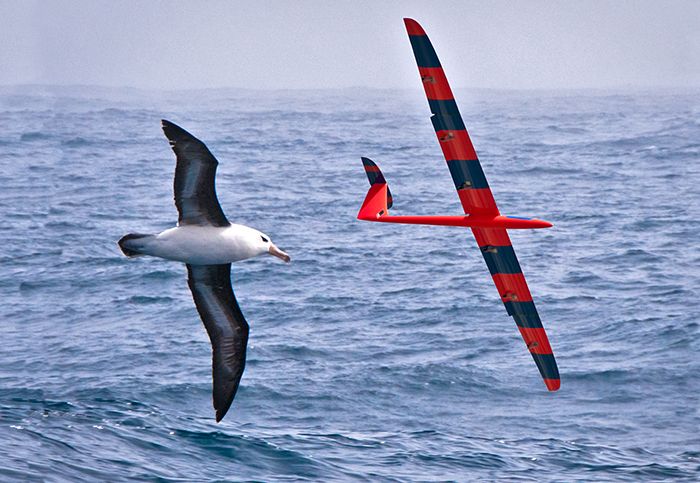
LA JOLLA—Las palabras “volar como un águila” son famosamente parte de una canción, pero también pueden ser palabras que hagan rascarse la cabeza a algunos científicos. Especialmente cuando se trata de aves de rapiña como águilas, halcones y gavilanes, que parecen ascender a grandes alturas sobre colinas, cañones y cimas de montañas con facilidad. Los científicos se dan cuenta de que las corrientes ascendentes de aire cálido ayudan a las aves en su vuelo, pero no saben cómo las aves encuentran y navegan estas plumas térmicas.
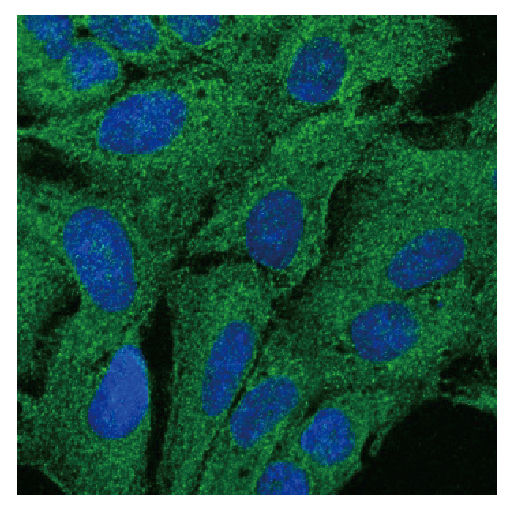
LA JOLLA: Si el núcleo celular es como un banco de ADN, los poros nucleares son las puertas de seguridad alrededor de su perímetro. Sin embargo, más puertas de seguridad no son necesariamente mejores: algunas células cancerosas contienen un exceso drástico de poros nucleares.
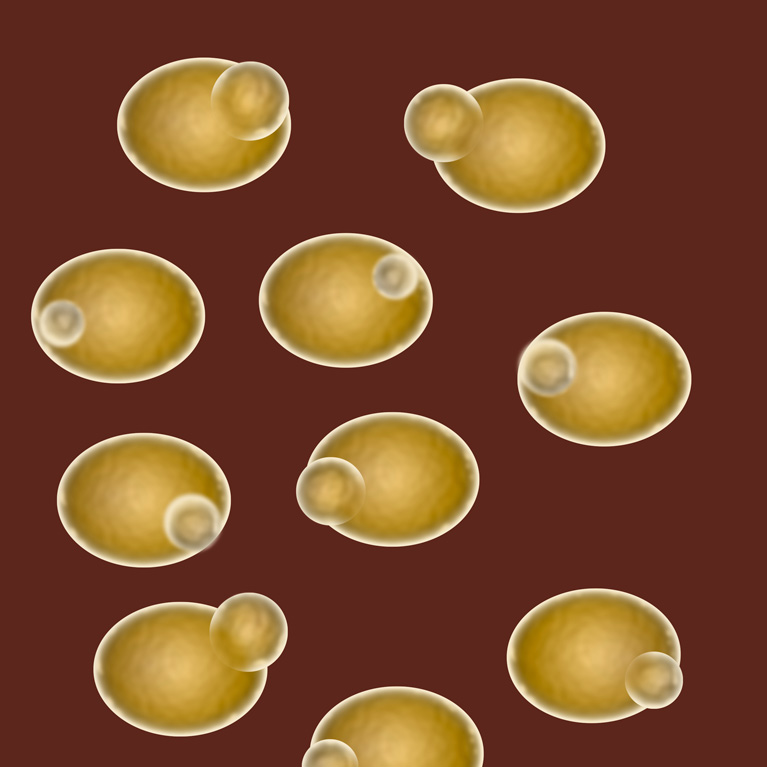
LA JOLLA—Estudiar los aspectos fundamentales de la biología a veces puede conducir a descubrimientos inesperados que se relacionan directamente con enfermedades humanas. En uno de los últimos ejemplos de serendipia científica, investigadores del Instituto Salk descubrieron que un importante mecanismo de control de calidad en la levadura de panadería está estrechamente relacionado con la leucodistrofia hipomielinizante, una enfermedad debilitante que afecta a los niños.
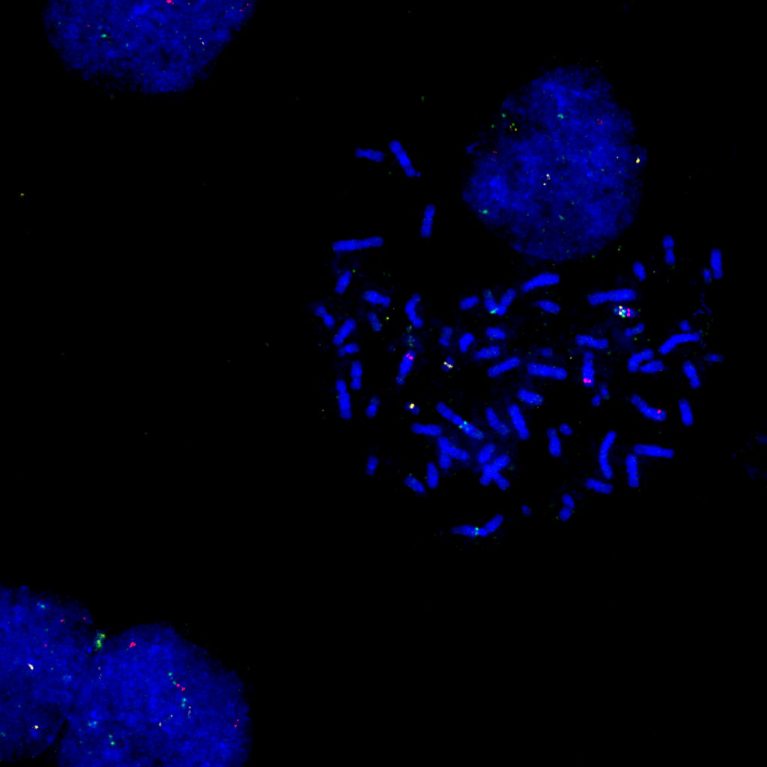
LA JOLLA—Las células cancerosas a menudo tienen mutaciones en su ADN que pueden dar a los científicos pistas sobre cómo comenzó el cáncer o qué tratamiento puede ser más efectivo. Encontrar estas mutaciones puede ser difícil, pero un nuevo método puede ofrecer resultados más completos e integrales.
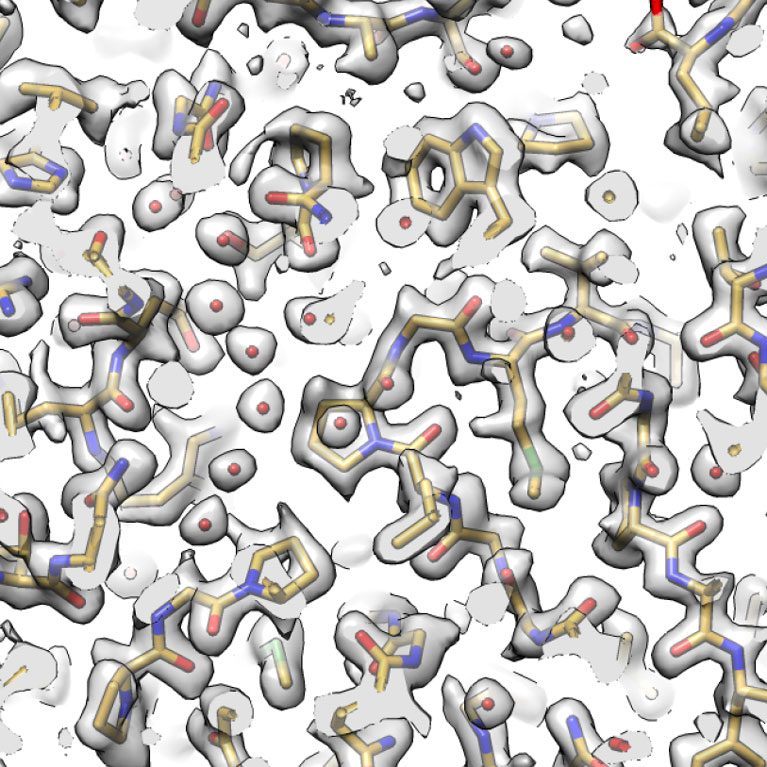
LA JOLLA. El método de obtención de imágenes llamado microscopía electrónica criogénica (cryo-EM) permite a los investigadores visualizar las formas de las moléculas biológicas con un nivel de detalle sin precedentes. Ahora, un equipo dirigido por investigadores del Salk Institute y la Universidad de Florida informa cómo utilizaron la cryo-EM para mostrar la estructura de una versión de un virus llamado AAV2, lo que avanza las capacidades de la técnica y el potencial del virus como vehículo de administración para terapias génicas.
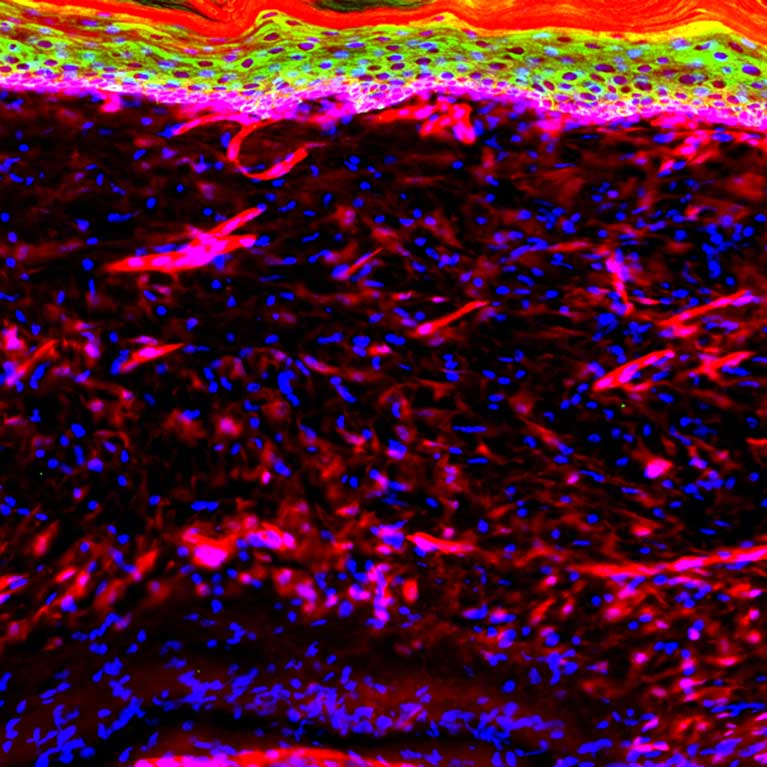
LA JOLLA—La cirugía plástica para tratar úlceras cutáneas extensas, incluidas las que se observan en personas con quemaduras graves, úlceras por presión o enfermedades crónicas como la diabetes, podría ser cosa del pasado. Científicos del Instituto Salk han desarrollado una técnica para convertir directamente las células en una herida abierta en nuevas células de la piel. El enfoque se basa en la reprogramación de las células a un estado similar al de las células madre y podría ser útil para curar daños en la piel, contrarrestar los efectos del envejecimiento y ayudarnos a comprender mejor el cáncer de piel.
LA JOLLA—Un equipo del Instituto Salk ha identificado un interruptor principal que parece controlar el comportamiento dinámico de las células tumorales, lo que hace que algunos cánceres agresivos sean tan difíciles de tratar. El gen Sox10 controla directamente el crecimiento y la invasión de una fracción significativa de cánceres de mama triple negativos difíciles de tratar.
LA JOLLA—Científicos del Instituto Salk descubrieron que los ratones que carecían de los relojes biológicos que se creían necesarios para un metabolismo saludable aún podían protegerse contra la obesidad y las enfermedades metabólicas al restringir su acceso diario a los alimentos a una ventana de 10 horas.
LA JOLLA—Cada olor, desde una rosa hasta un fuego humeante o un pescado penetrante, está compuesto por una mezcla de moléculas odorantes que se unen a receptores de proteínas dentro de tu nariz. Pero los científicos han tenido dificultades para comprender exactamente qué hace que cada combinación de moléculas odorantes huela como lo hace o predecir a partir de su estructura si una molécula es agradable, nociva o no tiene olor alguno.
LA JOLLA—El Instituto Salk anunció hoy que recibió más de $48 millones de 1,100 donantes individuales y otorgantes privados en el año fiscal de 2018 para apoyar la ciencia innovadora del Instituto. Además, socios gubernamentales (por ejemplo, los Institutos Nacionales de Salud) proporcionaron 47 subvenciones federales por un total de más de $55 millones a investigadores de Salk que trabajan en las áreas de cáncer, ciencia de plantas, neurociencia, metabolismo y otras.
LA JOLLA—Científicos del Instituto Salk y de la Universidad de Purdue han descubierto el interruptor en las plantas que detiene la producción de terpenoides, compuestos ricos en carbono que desempeñan funciones en la fisiología vegetal y que los humanos utilizan en todo, desde fragancias y saborizantes hasta biocombustibles y productos farmacéuticos.
LA JOLLA—The Salk Institute announced a $2 million gift in support of its new Iniciativa «Vencer al cáncer» de su actual presidente de la Junta Directiva, Dan Lewis, y su esposa, Martina Lewis. Los fondos se utilizarán para avanzar en las máximas prioridades de investigación del Salk Cancer Center, incluidas nuevas investigaciones sobre cinco de los cánceres más mortales: pulmón, páncreas, cerebro (glioblastoma), ovario y mama triple negativo.
LA JOLLA—El Instituto Salk anunció que la distinguida neurocientífica Kay Tye se unirá a la facultad del Salk en enero de 2019 como profesora titular. Actualmente es profesora asociada en el Departamento de Ciencias del Cerebro y la Cognición, Instituto Picower para el Aprendizaje y la Memoria, en el Instituto de Tecnología de Massachusetts (MIT).
LA JOLLA—We’ve all heard the expression: “what doesn’t kill you makes you stronger.” Now, research led by a Salk Institute scientist suggests why, at a cellular level, this might be true. The team reports that brief exposures to stressors can be beneficial by prompting the cell to trigger sustained production of antioxidants, molecules that help get rid of toxic cellular buildup related to normal metabolism.