Recent Discoveries
LA JOLLA—Similar to the way DNA damage can contribute to human diseases like cancer, it can also disrupt growth, development, and survival in plants. Every day, plants endure environmental stresses like sunlight, radiation, drought, and soil stress—all of which can damage their DNA. However, they cannot move away from danger. How do plants handle all that damage?
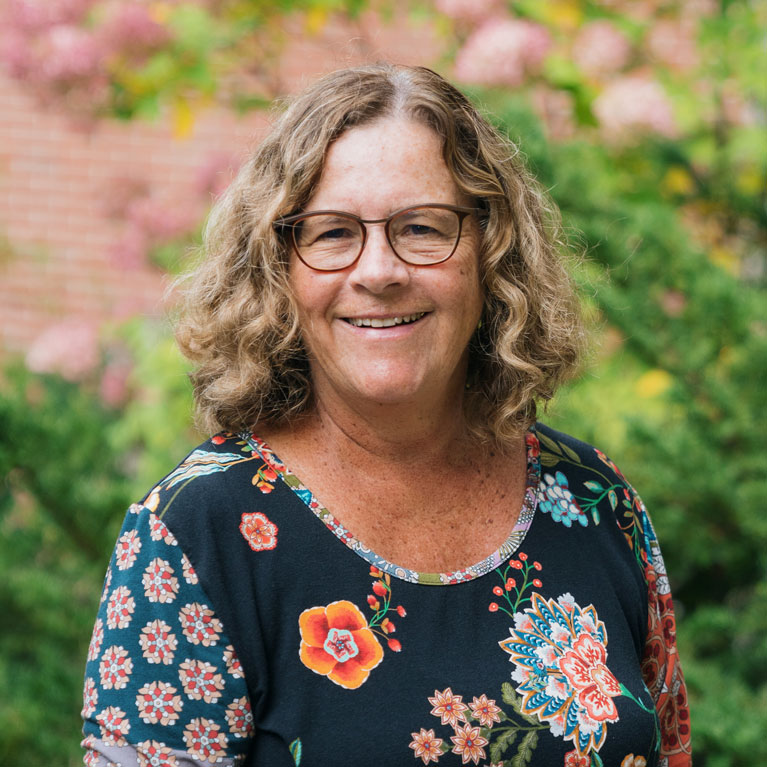
LA JOLLA—Das Salk Institute hat befördert Julie Law, PhD, from associate professor to full professor, and Salk Fellow Talmo Pereira, PhD, has now joined Salk’s faculty as assistant professor. The recognition reflects both scientists’ excellence and innovation in their respective research areas.
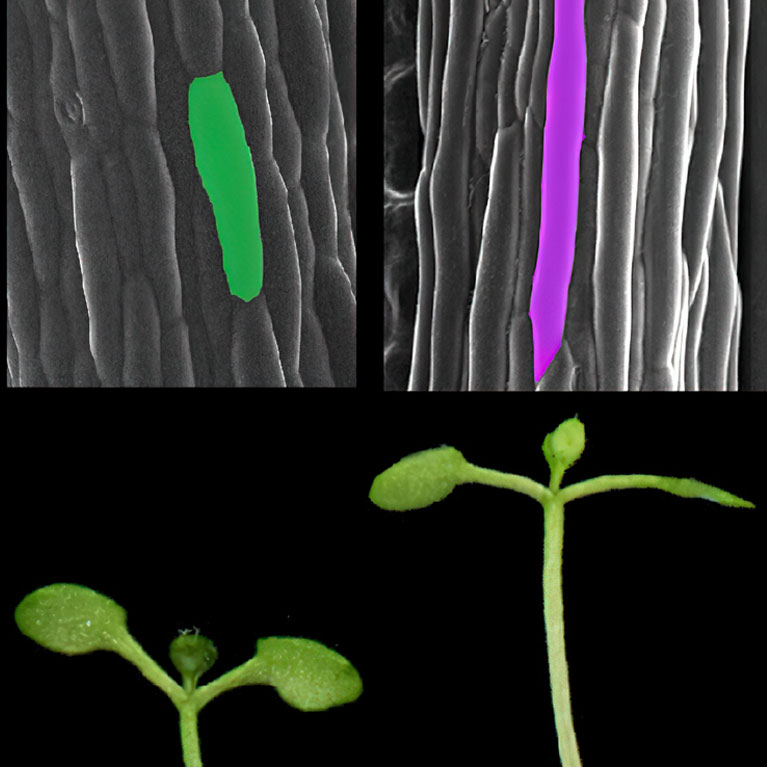
LA JOLLA—Plants can’t move to escape the heat like humans can—they are forced to adapt. As temperatures fluctuate, one key survival strategy is the ability of roots to keep growing, allowing plants to access water and nutrients further away in the soil. But how do plants sense temperature and translate it into growth?
LA JOLLA - Die Vereinigten Staaten und Mexiko befinden sich seit der Jahrhundertwende in einer historischen Megadürre. Seit mehr als 25 Jahren ist der amerikanische Südwesten mit den schwerwiegenden sozialen und wirtschaftlichen Folgen dieser Megadürre konfrontiert - allein in Kalifornien werden im Jahr 2021 landwirtschaftliche Verluste in Höhe von $1,1 Mrd. entstehen. Wie können wir angesichts dieser Bedingungen den Nutzpflanzen helfen, die Dürre zu überstehen und gleichzeitig die Ertragsverluste zu minimieren?
LA JOLLA – Alle Zellen eines Organismus haben exakt die gleiche genetische Sequenz. Was sich zwischen den Zelltypen unterscheidet, ist ihre Epigenetik– akribisch platzierte chemische Markierungen, die beeinflussen, welche Gene in jeder Zelle exprimiert werden. Fehler oder Versagen der epigenetischen Regulation können sowohl bei Pflanzen als auch bei Tieren zu schweren Entwicklungsstörungen führen. Dies wirft eine verwirrende Frage auf: Wenn epigenetische Veränderungen unsere Genetik regulieren, was reguliert sie dann?
LA JOLLA – Fakultätsmitglieder des Salk Joseph Ecker, PhD, Ronald Evans, Dr. phil., Rusty Gage, PhD, Christian Metallo, Dr. phil., Satchidananda Panda, Dr. phil., Reuben Shaw, PhD und Kay Tye, PhD, sowie der wissenschaftliche Mitarbeiter Joseph Nery wurden alle in diesem Jahr für die Auszeichnung nominiert Liste der am häufigsten zitierten Forscher von Clarivate. Die Liste für 2025 umfasst 6.868 Forscher aus 60 Ländern, die einen “bedeutenden und breiten Einfluss in ihren Forschungsbereichen” gezeigt haben.”
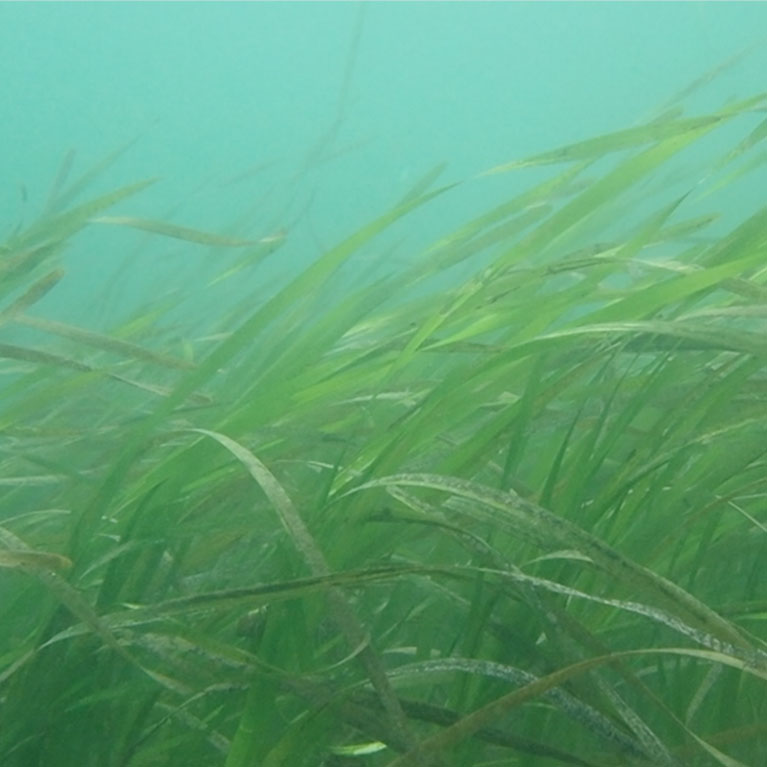
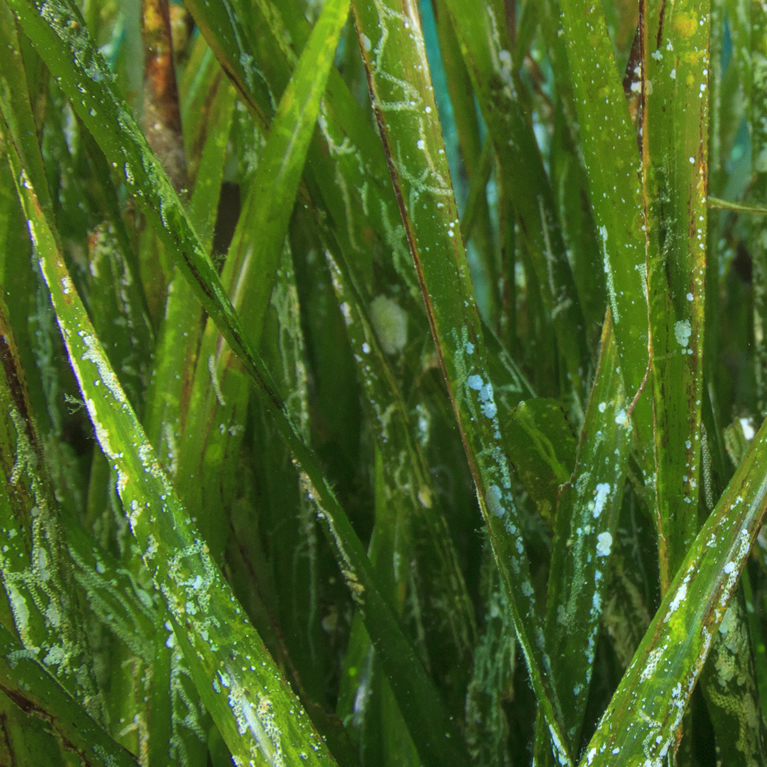
LA JOLLA—Seegras schützt unsere Ozeane, bietet Lebensraum für Meerestiere, beruhigt raue Gewässer und speichert überschüssigen Kohlendioxid. Dutzende Seegrasarten schützen Küsten auf der ganzen Welt, darunter das in Nordamerika verbreitete Zostera., Zostera marina. Aber diese nützlichen Unterwasserwiesen sind durch Bootfahren, Baggerarbeiten, Krankheiten und extreme Wetterbedingungen bedroht. Restaurationsbemühungen, bei denen einfach mehr Seegras neu gepflanzt wird, scheitern etwa die Hälfte der Zeit – was nun?
LA JOLLA—Joseph Ecker, PhD, has been awarded the 2026 Barbara McClintock Prize for Plant Genetics and Genome Studies from the Maize Genetics Cooperation, a global organization of maize geneticists and breeders. The prize honors “the most outstanding plant scientists working on both genetics and genomics in the present era.” It is named after distinguished plant biologist Barbara McClintock, whose work in maize genetics earned her the 1983 Nobel Prize in Physiology or Medicine.
LA JOLLA—A plant’s number one priority is to grow—a feat that demands sunlight, nutrients, and water. If just one of these three inputs is missing, like water in a drought, growth halts. You might then think that at the end of that drought, the plant would jump right back into growing. Instead, its priorities shift.
LA JOLLA—Nearly everything you know about plants was first discovered in a plant you’ve likely never heard of. Arabidopsis thaliana, also known as thale cress, is a small, flowering weed that has shaped much of plant biology as we know it. Serving as the representative plant species in most plant research across the last half century, Arabidopsis has taught us how plants respond to light, which hormones control plant behavior, and why some plants grow long, deep roots while others grow them shallow and wide. But despite its beloved reputation among plant biologists worldwide, many elements of the Arabidopsis life cycle have remained a mystery.
LA JOLLA – Cannabis ist seit Jahrtausenden eine weltweit wichtige Nutzpflanze. Während es heute am bekanntesten als Marihuana wegen seines psychoaktiven Cannabinoids THC (Tetrahydrocannabinol) ist, war Cannabis historisch gesehen mehr als 10.000 Jahre lang ein Eckpfeiler der menschlichen Zivilisation und lieferte Samenöl, Textilien und Nahrung. Heute ist Cannabis nach wie vor eine untererforschte und untergenutzte Ressource, aber die 2014 und 2018 in den USA erlassenen Gesetze haben die Entwicklung von Cannabis für medizinische Zwecke, als Getreide und für Fasern neu belebt.
LA JOLLA—Industrial farming practices often deplete the soil of important nutrients and minerals, leaving farmers to rely on artificial fertilizers to support plant growth. In fact, fertilizer use has more than quadrupled since the 1960s, but this comes with serious consequences. Fertilizer production consumes massive amounts of energy, and its use pollutes the water, air, and land.
LA JOLLA—Plants may burrow into the ground and stretch toward the sun, but they’re ultimately stuck where they sprout—at the mercy of environmental threats like temperature, drought, and microbial infection. To compensate for their inability to up and move when danger strikes, many plants have evolved ways to protect themselves by altering their physiology, such as building armor around parts of their body and roots called the periderm. However, since many plant biologists who study tissue development look at young plants, later-in-life periderm development has remained relatively unexplored.
LA JOLLA—Human bodies defend themselves using a diverse population of immune cells that circulate from one organ to another, responding to everything from cuts to colds to cancer. But plants don’t have this luxury. Because plant cells are immobile, each individual cell is forced to manage its own immunity in addition to its many other responsibilities, like turning sunlight into energy or using that energy to grow. How these multitasking cells accomplish it all—detecting threats, communicating those threats, and responding effectively—has remained unclear.
LA JOLLA—More than 3 billion years ago, on an Earth entirely covered with water, photosynthesis first evolved in little ancient bacteria. In the following many millions of years, those bacteria evolved into plants, optimizing themselves along the way for various environmental changes. This evolution was punctuated around 30 million years ago with the emergence of a newer, better way to photosynthesize. While plants like rice continued using an old form of photosynthesis known as C3, others like corn and sorghum developed a newer and more efficient version called C4.
LA JOLLA – Salk-Professor Joanne Chory, eine der weltweit führenden Pflanzenbiologinnen, die sich energisch für die Eindämmung des Klimawandels mit pflanzenbasierten Lösungen einsetzte, starb am 12. November 2024 im Alter von 69 Jahren an den Folgen von Parkinson. Sie wurde 2004 mit Parkinson diagnostiziert und leitete trotz der Herausforderungen bis zu ihrem Tod ihr Forschungsteam.
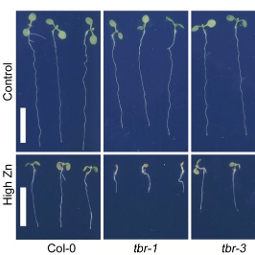
LA JOLLA—The negative impact of human activity on Earth doesn’t just affect our planet’s atmosphere—it goes much deeper, into its soils. For instance, excessive application of manure or sewage sludge can increase heavy metal concentrations in agricultural land where vital crops are grown. One of these heavy metals is zinc, a micronutrient necessary for plant and animal health. In excess, however, zinc can be extremely damaging to sensitive plant species.
LA JOLLA—Salk Institute Professor Joanne Chory has been selected by the Wolf Foundation to receive a 2024 Wolf Prize in the field of agriculture for her "key discoveries on plant developmental biology of relevance for crop improvements.” The award is endowed annually to scientists and artists worldwide for their “outstanding achievements in advancing science and the arts for the betterment of humanity.”
LA JOLLA—Global temperatures are on the rise, with experts projecting an increase of 2.7°F by 2050. Because plants cannot regulate their own temperatures, they are especially sensitive to these temperature changes. In higher temperatures, plants instruct their root systems to grow faster, creating long roots that stretch through the soil to absorb more water and nutrients. While this response may help the plants in the short term, new research suggests it’s both unsustainable for the plants and potentially harmful for humans in the long term.
LA JOLLA—The Intergovernmental Panel on Climate Change (IPCC) declared that removing carbon from the atmosphere is now essential to fighting climate change and limiting global temperature rise. To support these efforts, Salk scientists are harnessing plants’ natural ability to draw carbon dioxide out of the air by optimizing their root systems to store more carbon for a longer period of time.
LA JOLLA—Above ground, plants stretch toward the sun. Below ground, plants tunnel through the earth. As roots soak up water and nutrients from surrounding soil, they grow and stretch to develop distinct root system architectures. The root system architecture determines whether roots remain in the shallow soil layers or grow steeper and reach deeper soil layers. Root systems are central to plant survival and productivity, determining the plant’s access to nutrients and water and, therefore, the plant’s ability to withstand nutrient depletion and extreme weather like drought.
LA JOLLA—Salk Institute Professor Joanne Chory has been selected by the Franklin Institute in Philadelphia to receive a Benjamin Franklin Medal in Life Science for her achievements in plant science. She will receive a 14-karat gold medal and a $10,000 honorarium at the Franklin Institute Awards Ceremony in April 2024. Chory joins other extraordinary scientists and engineers as a Franklin laureate, including Nikola Tesla, Marie and Pierre Curie, Thomas Edison, Albert Einstein, and Jane Goodall, among others.
LA JOLLA—Plants and animals alike rely on iron for growth and regulation of microbiomes—collections of bacteria, fungi, and more that co-exist in places like the human gut or the soil around a plant’s roots. Plants face a special challenge when acquiring iron, since the strategies plants use to increase iron availability alter the root microbiome and can inadvertently benefit harmful soil-dwelling bacteria.
LA JOLLA—The cellular life inside a plant is as vibrant as the blossom. In each plant tissue—from root tip to leaf tip—there are hundreds of cell types that relay information about functional needs and environmental changes. Now, a new technology developed by Salk scientists can capture this internal plant world at an unprecedented resolution, opening the door for understanding how plants respond to a changing climate and leading to more resilient crops.
LA JOLLA—The Salk Institute and Autobahn Labs, an early-stage drug discovery incubator, will work together to identify and advance promising initial scientific discoveries through the preliminary steps of drug discovery and development. Autobahn Labs will invest up to $5 million per project for Salk discoveries that require access to drug development expertise and state-of-the art capabilities.
LA JOLLA—Hess Corporation is donating $50 million to the Salk Institute’s Campaign for Discovery: The Power of Science, a seven-year, $750 million comprehensive fundraising campaign to attract the people and build the technology and space necessary to accelerate critical research. This gift will specifically advance Salk’s Initiative zur Nutzung von Pflanzen—an effort to mitigate climate change by optimizing plants and supporting wetlands to increase capture of excess atmospheric carbon—and provide vital infrastructure for this work by establishing the new Hess Center for Plant Science.
LA JOLLA—PlantACT! Plants for Climate Action, eine europäische Initiative zur Bündelung von Pflanzenwissenschaftlern zur Bekämpfung des Klimawandels, wird Salk-Professoren willkommen heißen Joanne Chory und Wolfgang Busch zu einer bevorstehenden zweitägigen Veranstaltung in New York City. Die Veranstaltung mit dem Titel ’Growing a Resilient Society", die vom New Yorker Büro der Universität zu Köln und Partnern veranstaltet wird, umfasst eine kostenlose öffentliche Podiumsdiskussion mit Chory und eine nur auf Einladung zugängliche Expertenwerkstatt mit einer Forschungspräsentation von Busch.
LA JOLLA—Plants lengthen and bend to secure access to sunlight. Despite observing this phenomenon for centuries, scientists do not fully understand it. Now, Salk scientists have discovered that two plant factors—the protein PIF7 and the growth hormone auxin—are the triggers that accelerate growth when plants are shaded by canopy and exposed to warm temperatures at the same time.
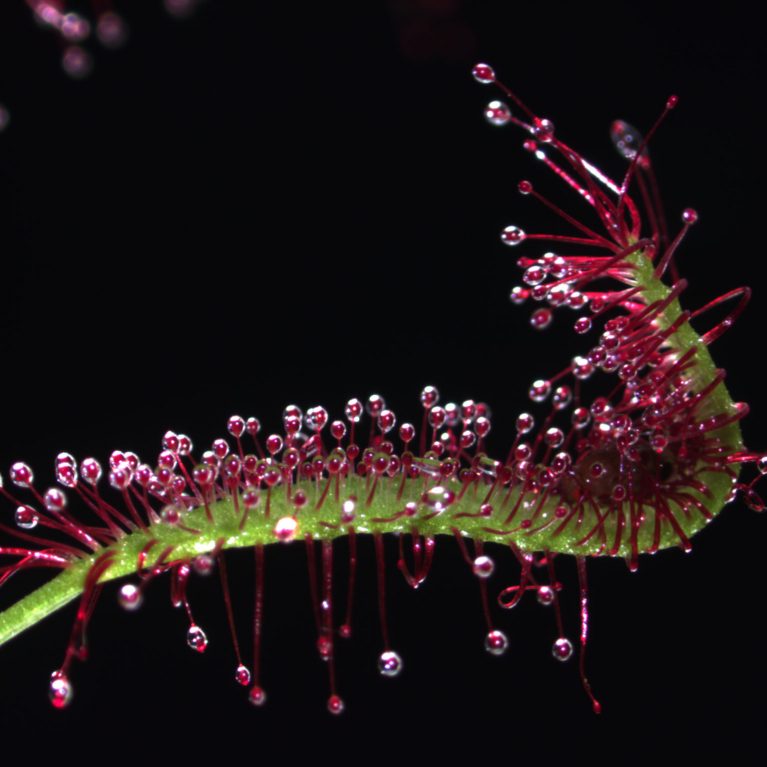
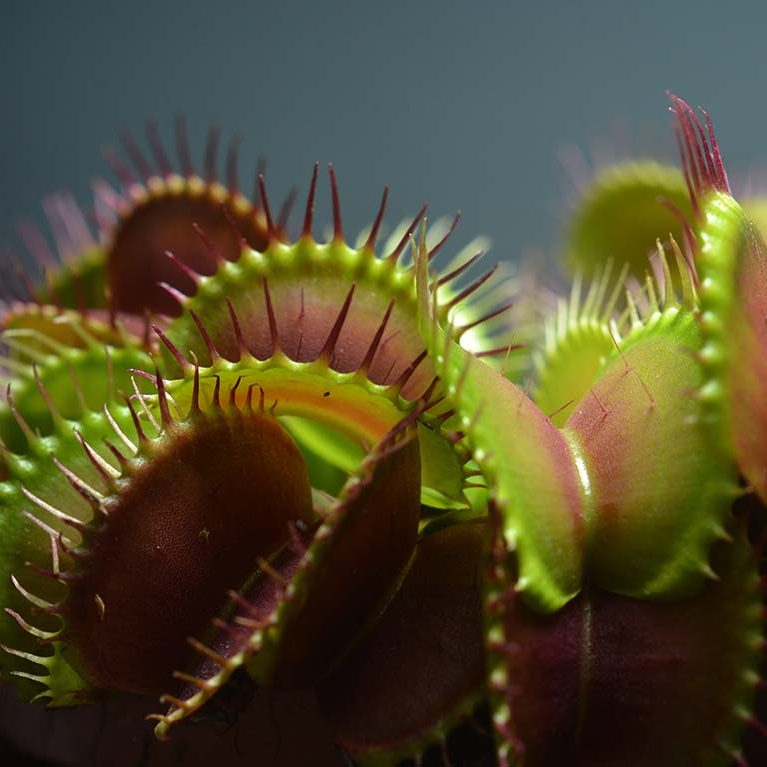
LA JOLLA–Insect-eating plants have fascinated biologists for more than a century, but how plants evolved the ability to capture and consume live prey has largely remained a mystery. Now, Salk scientists, along with collaborators from Washington University in St. Louis, have investigated the molecular basis of plant carnivory and found evidence that it evolved from mechanisms plants use to defend themselves.
LA JOLLA—The Salk Institute has named plant molecular geneticist Mary Lou Guerinot a Nonresident Fellow, a group of eminent scientific advisors that guide the Institute’s leadership. Guerinot holds the Ronald and Deborah Harris Professorship in the Sciences and is a professor of biological sciences at Dartmouth College, where she was the first woman to chair a science department.
LA JOLLA–Forschungs-Professor Todd Michael wird fast $2 Millionen von der Bill & Melinda Gates Foundation erhalten, um die Genome mehrerer Linien der Maniokpflanze zu sequenzieren, eines großen stärkehaltigen Wurzelgemüses, das auch als Yuca-Wurzel bekannt ist und in mehr als 80 Ländern der Welt verzehrt wird. Ein besseres Verständnis der Maniokgenetik wird Forschern und Pflanzenzüchtern helfen, zukünftig produktivere, krankheits- und dürreresistentere Pflanzen zu entwickeln.
LA JOLLA—The Salk Institute announced today the appointment of David Lawrence to the position of executive director of the Initiative zur Nutzung von Pflanzen (HPI). In his new role, Lawrence will oversee program management and administrative support for the project, as well as help deliver real-world applications based on Salk research findings. For example, he will help scale and deploy Salk Ideal Plants™ worldwide—crops that can capture excess carbon dioxide from the atmosphere and store it deep in root systems.
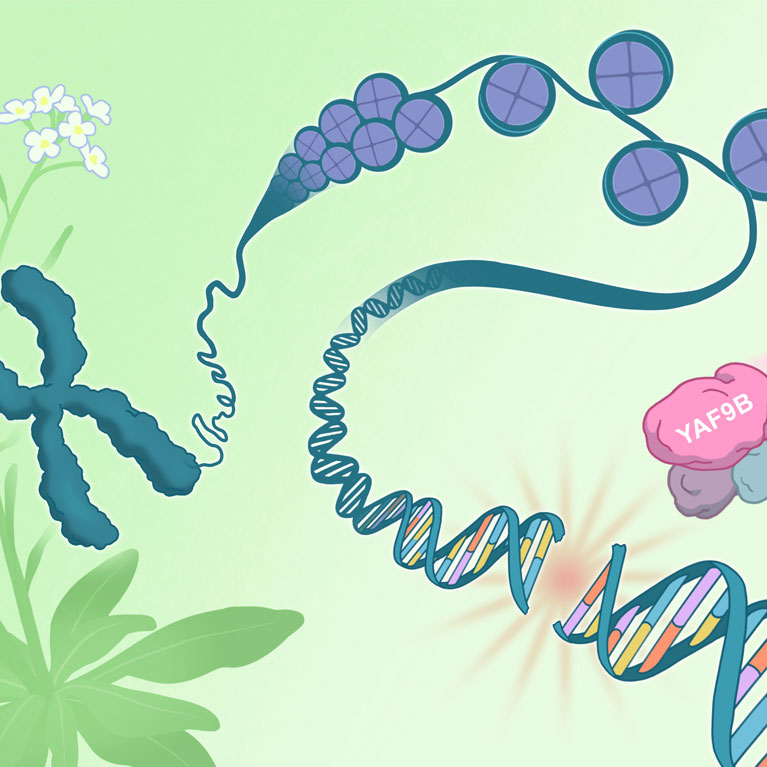
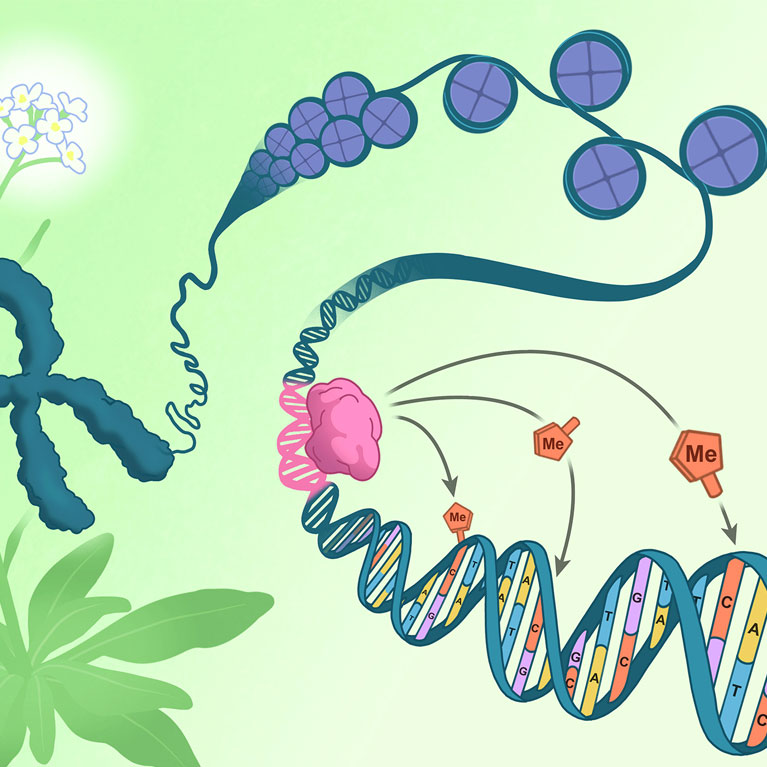
LA JOLLA—What determines how a cell’s genome is regulated to ensure proper growth and development? Turns out, the parts of the genome that are turned on or off in each cell-type or tissue play a major role in this process. Now, a team at Salk has shown that the CLASSY gene family regulates which parts of the genome are turned off in a tissue-specific manner. The CLASSYs essentially control where the genome is marked by DNA methylation—the addition of methyl chemical groups to the DNA that act like tags saying, “turn off.” Because DNA methylation exists across diverse organisms, including plants and animals, this research has broad implications for both agriculture and medicine. The work, published in Nature Communications on January 11, 2022, identifies the CLSY genes as major factors underlying epigenetic diversity in plant tissues.
LA JOLLA—Salk Professors Joanne Chory, Joseph Ecker, Rusty Gage, Satchidananda Panda, Reuben Shaw und Kay Tye have been named to the Highly Cited Researchers list by Clarivate. The list identifies researchers who demonstrate “significant influence in their chosen field or fields through the publication of multiple highly cited papers.” Chory, Ecker and Gage have been named to this list every year since 2014, when the regular annual rankings began. This is Tye’s fifth, Shaw’s third and Panda’s first time receiving the designation. Additionally, Ecker appeared in two separate categories: “plant and animal science” and “molecular biology and genetics” and is one of 3.4 percent of researchers selected in two fields. Joseph Nery, a research assistant II in the Ecker lab, was also included on the list.
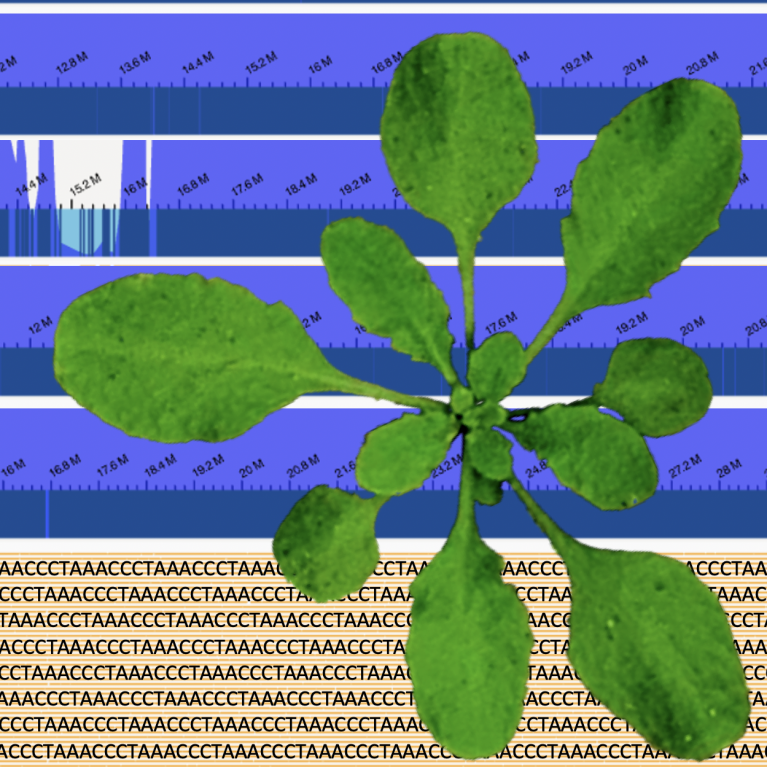
LA JOLLA—Salk scientists, collaborating with researchers from the University of Cambridge and Johns Hopkins University, have sequenced the genome of the world’s most widely used model plant species, Arabidopsis thaliana, at a level of detail never previously achieved. The study, published in Wissenschaft on November 12, 2021, reveals the secrets of Arabidopsis chromosome regions called centromeres. The findings shed light on centromere evolution and provides insights into the genomic equivalent of black holes.
LA JOLLA—The humble quillworts are an ancient group of about 250 small, aquatic plants that have largely been ignored by modern botanists. Now, Salk scientists, along with researchers from the Boyce Thompson Institute, have sequenced the first quillwort genome and uncovered some secrets of the plant’s unique method of photosynthesis—secrets that could eventually lead to the engineering of crops with more efficient water use and carbon capture to address climate change. The findings were published in Nature Communications on November 3, 2021.
LA JOLLA—Researchers at the Salk Institute’s Initiative zur Nutzung von Pflanzen (HPI) have established a five-year, $6.2 million collaboration with Nadia Shakoor, principal investigator and senior research scientist and her team at the Donald Danforth Plant Science Center to identify and develop sorghum plants that can better capture and store atmospheric carbon.
LA JOLLA—Scientists—and gardeners—have long known that plants grow taller and flower sooner when they are shaded by close-growing neighbors. Now, for the first time, researchers at the Salk Institute have shown the detailed inner workings of this process.
LA JOLLA—Plants are unparalleled in their ability to capture CO2 from the air, but this benefit is temporary, as leftover crops release carbon back into the atmosphere, mostly through decomposition. Researchers have proposed a more permanent, and even useful, fate for this captured carbon by turning plants into a valuable industrial material called silicon carbide (SiC)—offering a strategy to turn an atmospheric greenhouse gas into an economically and industrially valuable material.
LA JOLLA—The brush of an insect’s wing is enough to trigger a Venus flytrap to snap shut, but the biology of how these plants sense and respond to touch is still poorly understood, especially at the molecular level. Now, a new study by Salk and Scripps Research scientists identifies what appears to be a key protein involved in touch sensitivity for flytraps and other carnivorous plants.
LA JOLLA – Salk-Professor Wolfgang Busch has been recognized for his contributions and dedication to advancing science through research by being named the first holder of the Hess Chair in Plant Science, effective April 1, 2021.
Recently, donors completed a matching challenge, gifting $200,000 to Salk’s Coastal Plant Restoration (CPR) program to address increasingly urgent needs to preserve some of the world’s largest carbon reservoirs and restore global wetland ecosystems. This approach holds great promise for safeguarding these tremendous carbon sinks while stabilizing, and in many cases, rebuilding land lost to erosion and unprecedented sea level rise.
LA JOLLA—Wolffia, also known as duckweed, is the fastest-growing plant known, but the genetics underlying this strange little plant’s success have long been a mystery to scientists. Now, thanks to advances in genome sequencing, researchers are learning what makes this plant unique—and, in the process, discovering some fundamental principles of plant biology and growth.
LA JOLLA—Salk’s Harnessing Plants Initiative (HPI) will receive $30 million from the Bezos Earth Fund to advance efforts to increase the ability of crop plants, such as corn and soybeans, to capture and store atmospheric carbon via their roots in the soil. This work will explore carbon-sequestration mechanisms in six of the world’s most prevalent crop species with the goal of increasing the plants’ carbon-storage capacity. It complements an ongoing HPI project focused on identifying genes for increased carbon sequestration in model plants and then utilizing those genes to enhance carbon sequestration in crops.
SAN DIEGO and LA JOLLA—The Salk Institute and Sempra Energy (NYSE: SRE) today announced a new project to advance plant-based carbon capture and sequestration research, education and implementation to help address the climate crisis. Sempra Energy is donating $2 million to the Salk Institute to help fund the five-year project.
Joanne Chory, who pioneered the application of molecular genetics to plant biology and transformed our understanding of photosynthesis, will receive the 2020 Pearl Meister Greengard Prize, Rockefeller’s preeminent award recognizing outstanding women scientists. Chory is the Howard H. and Maryam R. Newman Chair in Plant Biology and director of the Plant Molecular and Cellular Biology Laboratory at The Salk Institute. She is also a Howard Hughes Medical Institute Investigator. Frances Beinecke, former president of the Natural Resources Defense Council, will present the prize in a virtual ceremony hosted by Rockefeller on October 22.
LA JOLLA—Das Salk Institute hat befördert Wolfgang Busch zum Professor für seine bahnbrechenden Beiträge zur Pflanzenbiologie. Die Beförderung basierte auf Empfehlungen von Fakultätsmitgliedern und außerordentlichen Fellows des Salk Institute und wurde vom Präsidenten genehmigt. Rusty Gage und den Vorstand des Instituts.
LA JOLLA—Todd Michael will return to Salk as a research professor in the Plant Molecular and Cellular Biology Laboratory, where he will oversee his own research group as well as provide key expertise in genomics to the Harnessing Plants Initiative (HPI). Michael completed his postdoctoral research at Salk in 2007 under the direction of Professor Joanne Chory, director of Salk’s Plant Molecular and Cellular Biology Laboratory and executive director of the Initiative. The non-tenured research professor track was created by Salk in 2018 to attract and retain top talent to the faculty.
LA JOLLA—Just like humans and other animals, plants have hormones. One role of plant hormones is to perceive trouble—whether an insect attack, drought or intense heat or cold—and then signal to the rest of the plant to respond.
LA JOLLA—Salk’s Harnessing Plants Initiative (HPI) will receive a $12.5 million gift from Hess Corporation (NYSE: HES) to advance two projects to enhance plants’ natural ability to store carbon and mitigate the effects of climate change: the CRoPS (CO2 Removal on a Planetary Scale) program and the Coastal Plant Restoration (CPR) program. These projects build on the Salk discovery of a crucial gene that will help the team develop plants with larger root systems capable of absorbing and storing potentially billions of tons of carbon per year from the atmosphere.
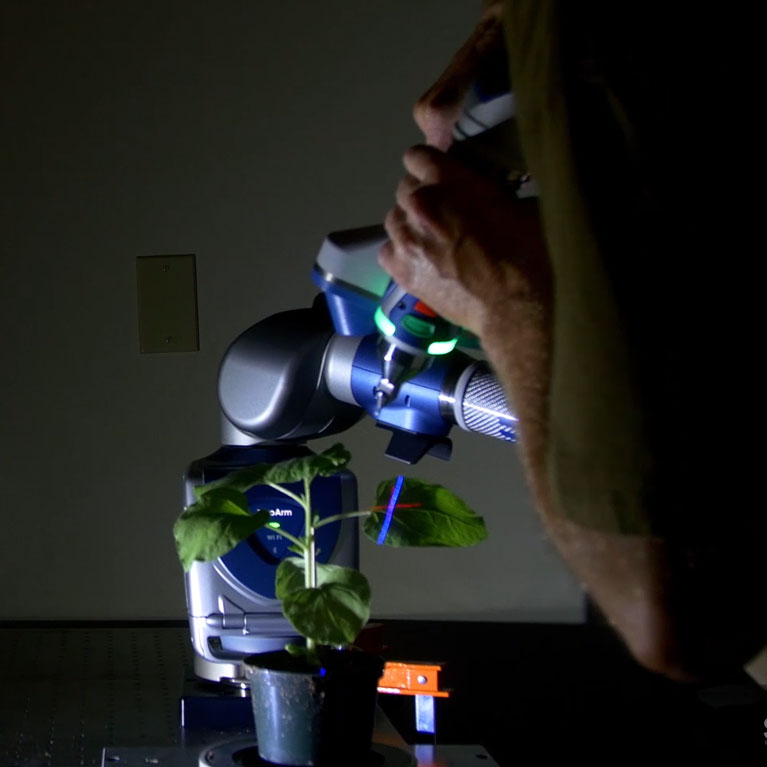
LA JOLLA—Father of genetics Gregor Mendel spent years tediously observing and measuring pea plant traits by hand in the 1800s to uncover the basics of genetic inheritance. Today, botanists can track the traits, or phenotypes, of hundreds or thousands of plants much more quickly, with automated camera systems. Now, Salk researchers have helped speed up plant phenotyping even more, with machine-learning algorithms that teach a computer system to analyze three-dimensional shapes of the branches and leaves of a plant. The study, published in Pflanzenphysiologie on October 7, 2019, may help scientists better quantify how plants respond to climate change, genetic mutations or other factors.
LA JOLLA – Pflanzen können viele erstaunliche Dinge. Zu ihren Talenten gehört die Herstellung von Verbindungen, die ihnen helfen, Schädlinge abzuwehren, Bestäuber anzulocken, Infektionen zu heilen und sich vor extremen Temperaturen, Trockenheit und anderen Umwelteinflüssen zu schützen.
LA JOLLA—Iron is essential for plant growth, but with heavy rainfall and poor aeration, many acidic soils become toxic with excess iron. In countries with dramatic flood seasons, such as in West Africa and tropical Asia, toxic iron levels can have dire consequences on the availability of staple foods, such as rice.
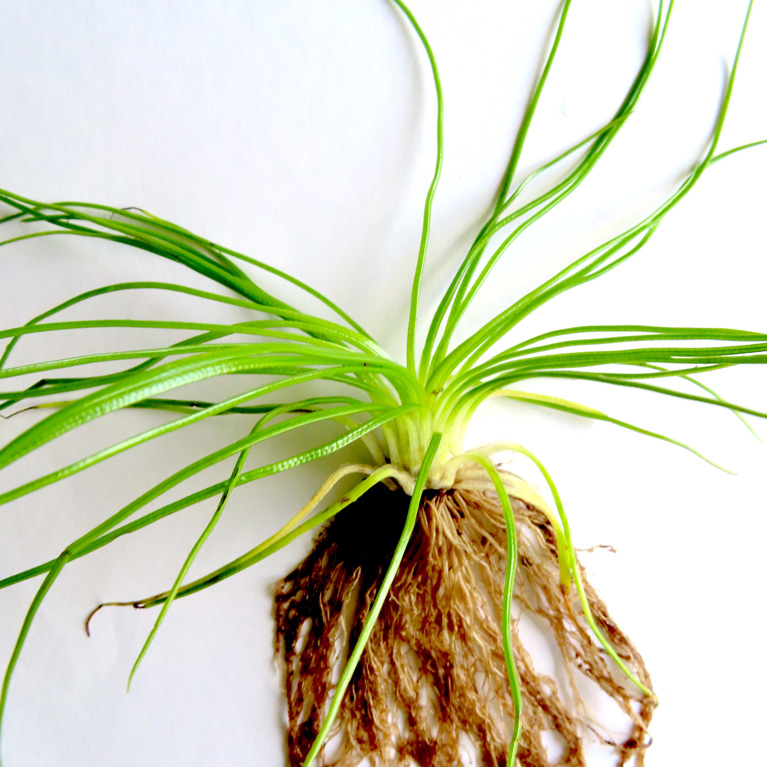
LA JOLLA—Hidden underground networks of plant roots snake through the earth foraging for nutrients and water, similar to a worm searching for food. Yet, the genetic and molecular mechanisms that govern which parts of the soil roots explore remain largely unknown. Now, Salk Institute researchers have discovered a gene that determines whether roots grow deep or shallow in the soil.
LA JOLLA—What will a three-degree-warmer world look like? How will plants fare in more extreme weather conditions? When experiencing stress or damage from various sources, plants use chloroplast-to-nucleus communication to regulate gene expression and help them cope.
LA JOLLA—The Salk Institute’s Harnessing Plants Initiative to combat climate change using plants, led by Professor Joanne Chory, executive director of the Initiative zur Nutzung von Pflanzen, will receive funding of more than $35 million from over 10 individuals and organizations through The Audacious Project, a highly competitive program housed at TED, the nonprofit devoted to ideas worth spreading. The collective commitments represent one of the largest gifts to a single project in the Institute’s history.
LA JOLLA—Salk researchers have mapped the genomes and epigenomes of genetically modified plant lines with the highest resolution ever to reveal exactly what happens at a molecular level when a piece of foreign DNA is inserted. Their findings, published in the journal PLOS Genetics on January 18, 2019, elucidate the routine methods used to modify plants, and offer new ways to more effectively minimize potential off-target effects.
LA JOLLA—When a building is damaged, a general contractor often oversees various subcontractors—framers, electricians, plumbers and drywall hangers—to ensure repairs are done in the correct order and on time.
LA JOLLA – Wissenschaftler des Salk Institute und der Purdue University haben den Schalter in Pflanzen entdeckt, der die Produktion von Terpenoiden einstellt – kohlenstoffreiche Verbindungen, die eine Rolle in der Pflanzenphysiologie spielen und von Menschen in allem verwendet werden, von Duft- und Aromastoffen bis hin zu Biokraftstoffen und Pharmazeutika.
LA JOLLA—Not all of your genome needs to be active at any given time. Some regions are prone to hopping around the genome in problematic ways if left unchecked; others code for genes that need to be turned off in certain cells or at certain times. One way that cells keep these genetic elements under control is with the chemical equivalent of a “do not use” sign. This chemical signal, called DNA methylation, is known to vary in different cell types or at different stages of cellular development, but the details of how cells regulate exactly where to put DNA methylation marks have remained unclear.
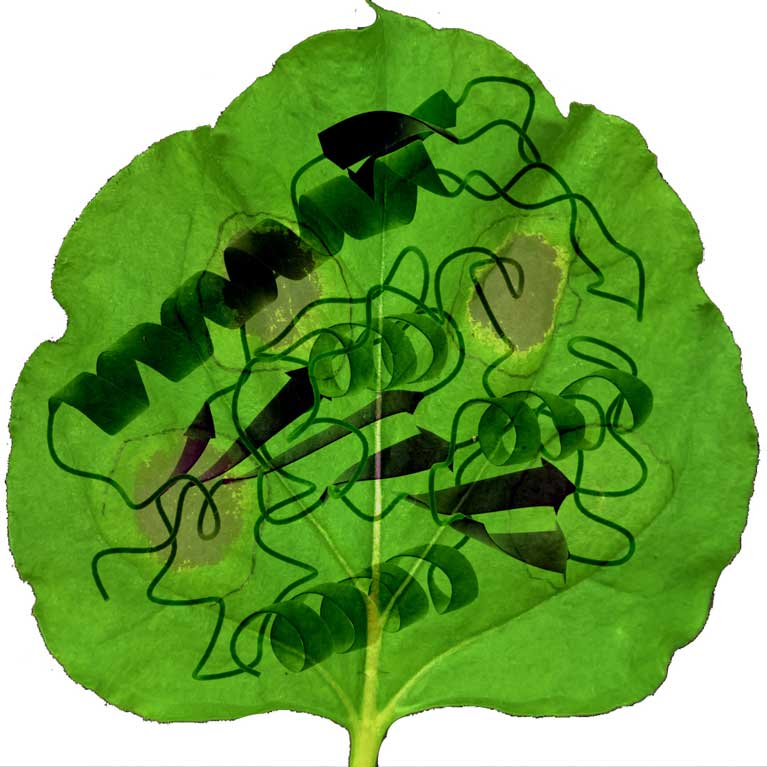
LA JOLLA—When you see brown spots on otherwise healthy green leaves, you may be witnessing a plant’s immune response as it tries to keep a bacterial infection from spreading. Some plants are more resistant to such infections than others, and plant biologists want to understand why. Salk Institute scientists studying a plant protein called SOBER1 recently discovered one mechanism by which, counterintuitively, plants seem to render themselves less resistant to infection.
LA JOLLA—Salk Institute Professors Joanne Chory und Terrence Sejnowski have been elected Fellows of the National Academy of Inventors (NAI). Chory is director of the Salk Institute’s Plant Molecular and Cellular Biology Laboratory, a Howard Hughes Medical Institute (HHMI) Investigator and holder of the Howard H. and Maryam R. Newman Chair in Plant Biology. Sejnowski is head of the Institute’s Computational Neurobiology Laboratory, an HHMI Investigator and holder of the Francis Crick Chair.
La Jolla—Salk Institute scientist Joanne Chory, one of the world’s preeminent plant biologists who is now leading the charge to combat global warming with plant-based solutions, has been awarded a 2018 Breakthrough Prize for her pioneering work deciphering how plants optimize their growth, development and cellular structure to transform sunlight into chemical energy.
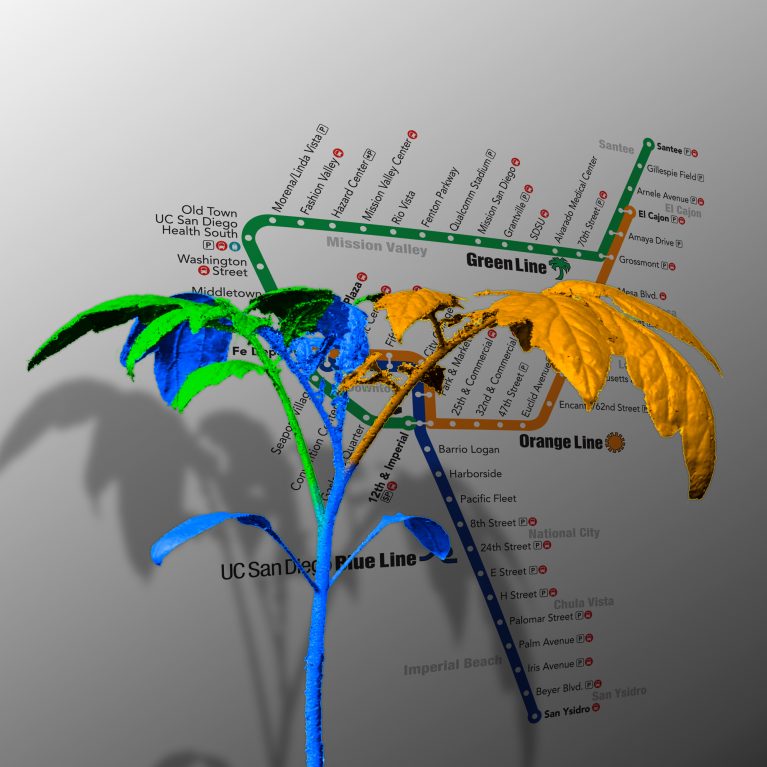
LA JOLLA—It might seem like a tomato plant and a subway system don’t have much in common, but both, it turns out, are networks that strive to make similar tradeoffs between cost and performance.
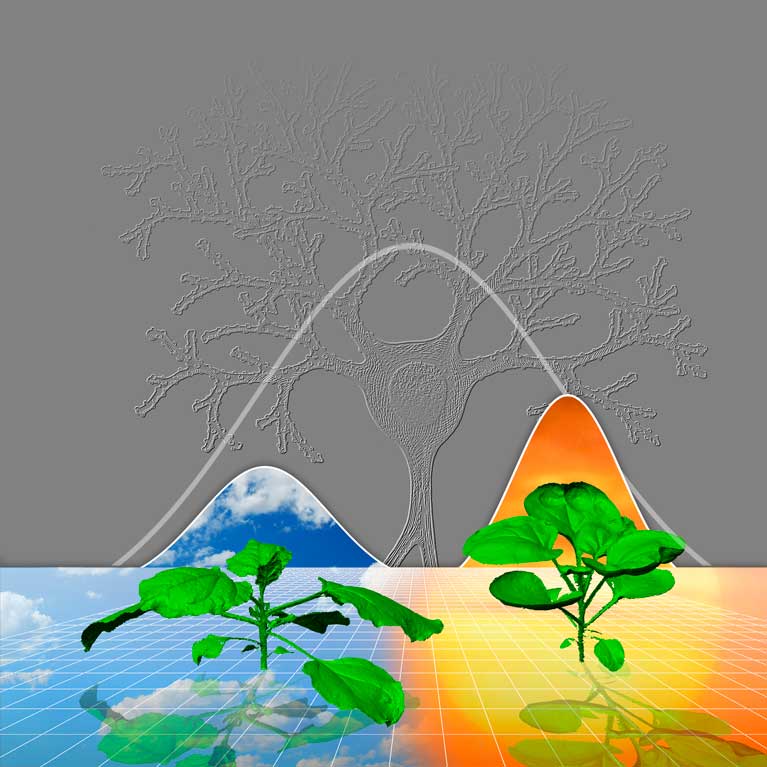
LA JOLLA—Plants and brains are more alike than you might think: Salk scientists discovered that the mathematical rules governing how plants grow are similar to how brain cells sprout connections. The new work, published in Current Biology on July 6, 2017, and based on data from 3D laser scanning of plants, suggests there may be universal rules of logic governing branching growth across many biological systems.
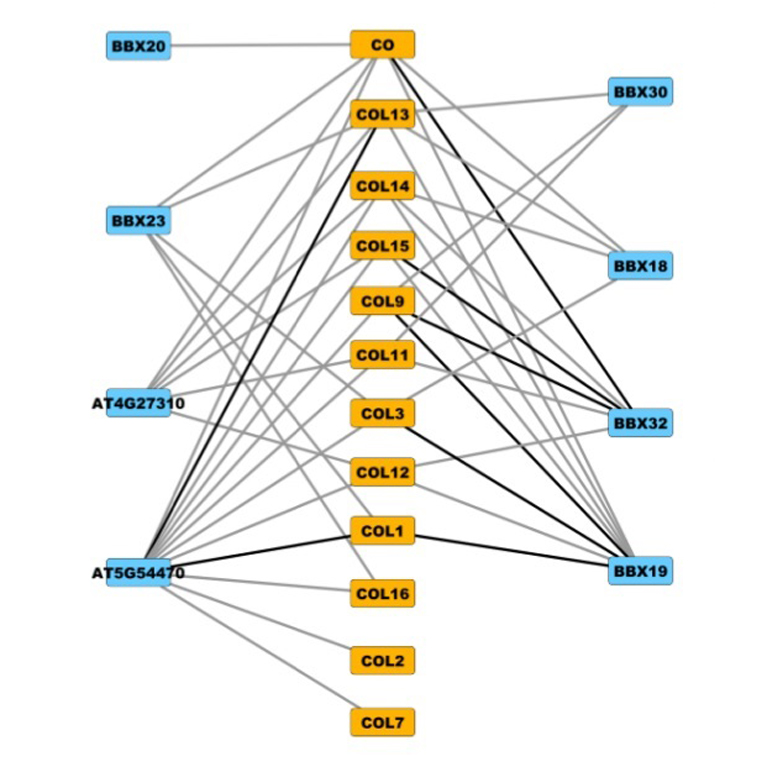
LA JOLLA—Salk scientists have developed a new high-throughput technique to determine which proteins in a cell interact with each other. Mapping this network of interactions, or “interactome,” has been slow going in the past because the number of interactions that could be tested at once was limited. The new approach, published June 26 in Natur Methoden, lets researchers test millions of relationships between thousands of proteins in a single experiment.
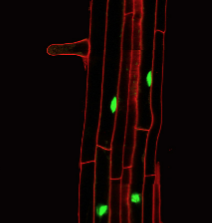
LA JOLLA—(June 1, 2017) Once we start coloring our hair, we may be surprised to learn that we begin to have a problem in common with plant biologists: finding the right dye for our roots. In the case of the biologists, just the right chemical is needed to measure exactly how plant roots grow. Now, a researcher at the Salk Institute has discovered a fluorescent dye that, paired with other imaging techniques, reveals root growth to be influenced by a major plant hormone more than previously thought.
LA JOLLA—Just like people, plants need iron to grow and stay healthy. But some plants are better at getting this essential nutrient from the soil than others. Now, a study led by a researcher at the Salk Institute has found that variants of a single gene can largely determine a plant’s ability to thrive in environments where iron is scarce.
LA JOLLA—We can tell when plants need water: their leaves droop and they start to look dry. But what’s happening on a molecular level?
LA JOLLA—The best natural chemists out there are not scientists—they’re plants. Plants have continued to evolve a rich palette of small natural chemicals and receptors since they began to inhabit land roughly 450 million years ago.
LA JOLLA—A new technique developed by Salk Institute scientists for rapidly mapping regions of DNA targeted by regulatory proteins could give scientists insight into what makes some plants drought tolerant or disease resistant, among other traits.
LA JOLLA—Agricultural grafting dates back nearly 3,000 years. By trial and error, people from ancient China to ancient Greece realized that joining a cut branch from one plant onto the stalk of another could improve the quality of crops.
LA JOLLA—Despite seeming passive, plants wage wars with each other to outgrow and absorb sunlight. If a plant is shaded by another, it becomes cut off from essential sunlight it needs to survive.
LA JOLLA–As food demands rise to unprecedented levels, farmers are in a race against time to grow plants that can withstand environmental challenges–infestation, climate change and more. Now, new research at the Salk Institute, published in Wissenschaft on October 23, 2015, reveals details into a fundamental mechanism of how plants manage their energy intake, which could potentially be harnessed to improve yield.
LA JOLLA—Salk Institute plant biologist Julie Law has been named a Rita Allen Foundation Scholar, a distinction given to biomedical scientists whose research holds exceptional promise for advancing the frontiers of knowledge about how biological systems function in health and disease.
Salk scientist Joanne Chory, a professor in the Labor für molekulare und zelluläre Pflanzenbiologie, has received the prestigious honor of being elected to the Amerikanische Philosophische Gesellschaft (APS). The APS is an eminent scholarly organization of international reputation, which promotes useful knowledge in the sciences and humanities. This country’s first learned society, the APS has played an important role in American cultural and intellectual life for over 250 years.
LA JOLLA–Salk Institute Professors Joseph Ecker und Dennis O’Leary have received the prestigious honor of being elected to the American Academy of Arts and Sciences (AAAS) class of 2015. One of the nation’s most prominent honorary societies, AAAS are among the 197 accomplished leaders from academia, business, public affairs, the humanities and the arts accepted to this year’s class. Its members include winners of the Nobel Prize and Pulitzer Prize; MacArthur and Guggenheim Fellowships; and Grammy, Emmy, Oscar and Tony Awards.
LA JOLLA—For hundreds of years, healers in São Tomé e Príncipe—an island off the western coast of Africa—have prescribed cata-manginga leaves and bark to their patients. These pickings from the Voacanga africana tree are said to decrease inflammation and ease the symptoms of mental disorders.
LA JOLLA—A chemical that’s found in fruits and vegetables from strawberries to cucumbers appears to stop memory loss that accompanies Alzheimer’s disease in mice, scientists at the Salk-Institut für biologische Studien have discovered. In experiments on mice that normally develop Alzheimer’s symptoms less than a year after birth, a daily dose of the compound—a flavonol called fisetin—prevented the progressive memory and learning impairments. The drug, however, did not alter the formation of amyloid plaques in the brain, accumulations of proteins which are commonly blamed for Alzheimer’s disease. The new finding suggests a way to treat Alzheimer’s symptoms independently of targeting amyloid plaques.
LA JOLLA, CA—It’s common wisdom that one rotten apple in a barrel spoils all the other apples, and that an apple ripens a green banana if they are put together in a paper bag. Ways to ripen, or spoil, fruit have been known for thousands of years-as the Bible can attest-but now the genes underlying these phenomena of nature have been revealed.
LA JOLLA, CA—Im Frühling nach einem Waldbrand explodieren überlebende Bäume in neuem Wachstum und Pflanzen sprießen in Hülle und Fülle aus der verkohlten Erde. Jahrhundertelang war es ein Rätsel, wie Samen, einige schon lange im Boden ruhend, wussten, dass sie sich durch die Asche drücken sollten, um den verbrannten Wald zu regenerieren.
LA JOLLA, CA—Scientists at the Salk Institute for Biological Studies have identified patterns of epigenomic diversity that not only allow plants to adapt to various environments, but could also benefit crop production and the study of human diseases.
LA JOLLA, CA—You might think you have nothing in common with mustard except hotdogs. Yet based on research in a plant from the mustard family, Salk scientists have discovered a possible explanation for how organisms, including humans, directly regulate chemical reactions that quickly adjust the growth of organs. These findings overturn conventional views of how different body parts coordinate their growth, shedding light on the development of more productive plants and new therapies for metabolic diseases.
LA JOLLA,CA—Salk faculty members Joseph Ecker and Joseph Noel have been named as 2012 Fellows by the American Association for the Advancement of Science (AAAS), the world’s largest general scientific society and the publisher of the journal Science. Election as an AAAS Fellow is among the highest honors in American science and scholars are selected by their peers for “scientifically or socially distinguished efforts to advance science or its applications,” according to election administrators.
LA JOLLA, CA – Das Salk Institut gab heute bekannt, dass die Professoren Edward M. Callaway und Joseph Noel wurden auf einen Lehrstuhl mit Stiftungsprofessur berufen, als Anerkennung ihrer herausragenden Beiträge und ihres Engagements für die wissenschaftliche Forschung.
LA JOLLA, CA – Wissenschaftler des Salk Institute for Biological Studies haben einen entscheidenden genetischen Schalter entdeckt, mit dem Pflanzen ihre Reaktion auf Ethylen steuern, ein natürliches Pflanzenhormon, das vor allem für seine Fähigkeit bekannt ist, Früchte reifen zu lassen, unter Stressbedingungen aber auch welkende Blätter, vorzeitige Alterung und Verderb durch Überreife verursachen kann. Die am 30. August im Wissenschaftsmagazin Science veröffentlichten Erkenntnisse könnten der Schlüssel zur Steuerung des Ethylen-Ein/Aus-Schalters von Pflanzen sein und es ihnen ermöglichen, zwischen Trockenresistenz und Wachstum zu balancieren und somit Ernteverluste durch Trockenheit zu reduzieren.
LA JOLLA, CA – Lange Zeit galt die Methylierung, ein entscheidender Bestandteil der normalen Organismenentwicklung, als statische Modifikation der DNA, die nicht durch Umweltbedingungen verändert werden kann. Neue Ergebnisse von Forschern am Salk Institute for Biological Studies deuten jedoch darauf hin, dass die DNA von Organismen, die Stress ausgesetzt sind, Veränderungen in den DNA-Methylierungsmustern erfährt, die die Genregulation verändern.
LA JOLLA, CA – Wissenschaftler des Salk Institute for Biological Studies und der Iowa State University haben eine Familie von Pflanzenproteinen entdeckt, die eine Rolle bei der Produktion von Samenölen spielen, Substanzen, die für die menschliche und tierische Ernährung, erneuerbare Chemikalien und Biokraftstoffe wichtig sind.
LA JOLLA, CA—Mild mannered though they seem, plants are extremely competitive, especially when it comes to getting their fair share of sunlight. Whether a forest or a farm, where plants grow a battle rages for the sun’s rays.
LA JOLLA, CA—The Genetics Society of America(GSA) has honored Joanne Chory, Salk Institute professor and director of the Plant Molecular and Cellular Biology Laboratory and Howard H. and Maryam R. Newman Chair in Plant Biology, as the recipient of the prestigious 2012 Genetics Society of America Medal.
LA JOLLA, CA—The Salk Institute is pleased to announce the appointment of five faculty members to be recipients of endowed chairs established by philanthropic leaders in support of scientific research.
La Jolla—Birds do it, bees do it, and for most things biological, even plants do it. But not necessarily like their animal counterparts. A study led by Salk Institute scientists shows that a plant receptor does one of the most fundamental cellular “its”—the delivery of a hormonal signal from outside the cell to the nucleus—in a radically different way than its animal cousins. Knowing that could aid creation of techniques to speed plant growth and enhance agricultural production.
La Jolla, CA – A microscopic green alga helped scientists at the Salk Institute for Biological Studies identify a novel function for the retinoblastoma protein (RB), which is known for its role as a tumor suppressor in mammalian cells. By coupling cell size with cell division, RB ensures that cells stay within an optimal size range.
La Jolla, CA – Unlike the Three Musketeers who lived by the motto “All for one, one for all,” plant hormones prefer to do their own thing. For years, debate swirled around whether pathways activated by growth-regulating plant hormones converge on a central growth regulatory module. Now, the cooperation model is challenged by researchers at the Salk Institute for Biological Studies. They show that each hormone acts largely independently in the Aug. 11 issue of Zelle.