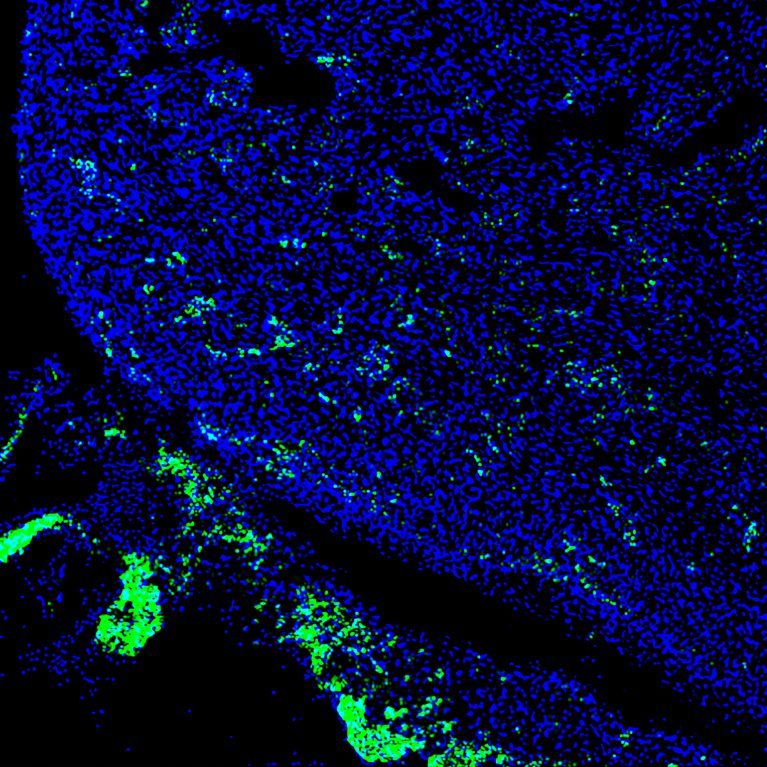
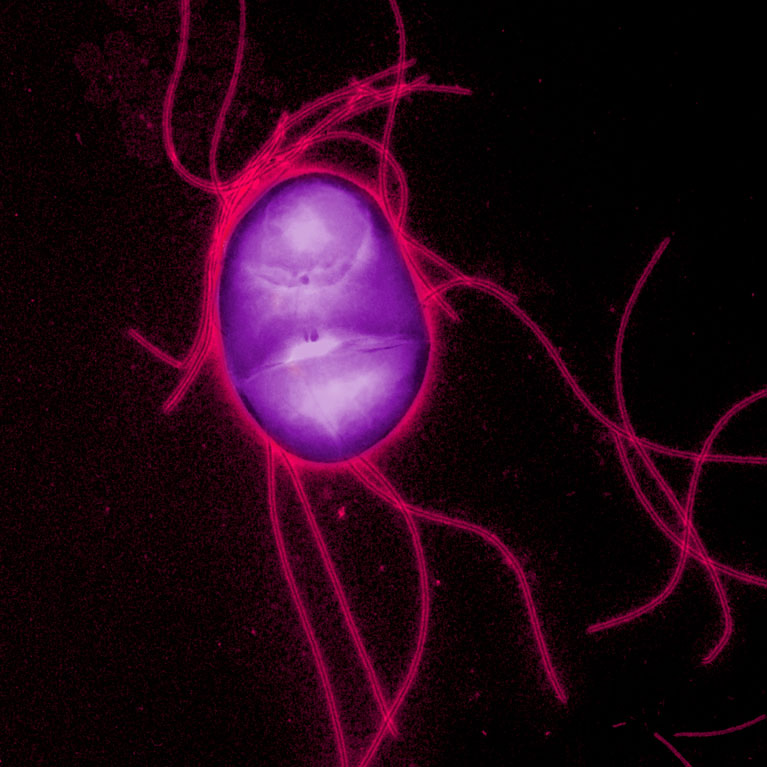
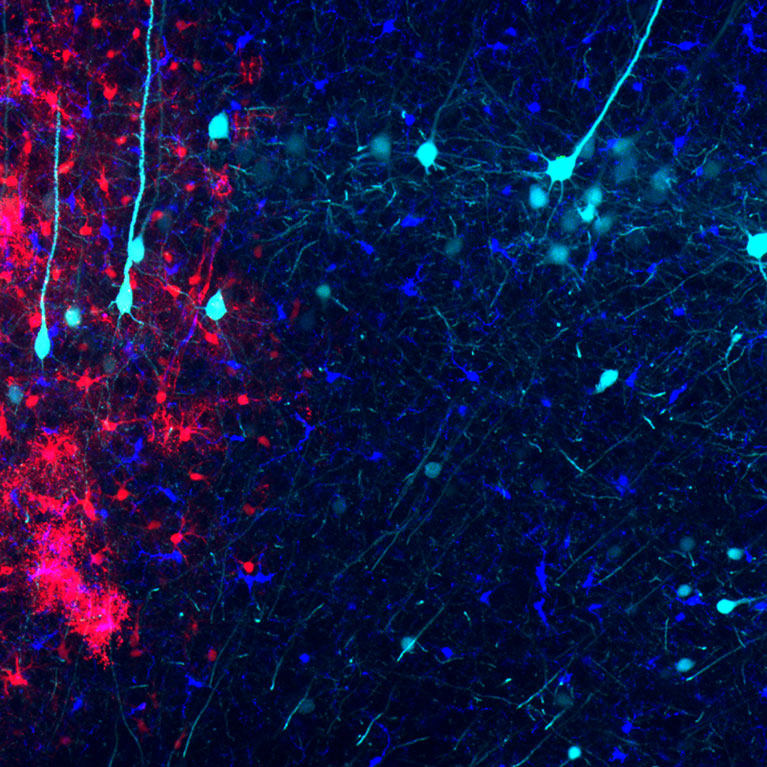
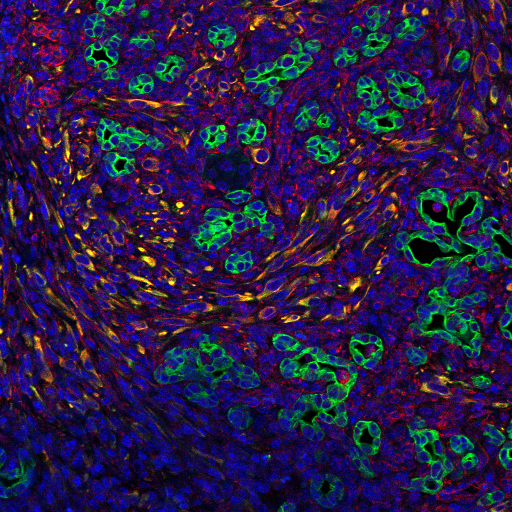
LA JOLLA—FedEx, UPS, DHL—when it comes to sending packages, choices abound. But the most important delivery service you may not have heard of? mRNA. That’s short for messenger RNA, which is how your DNA sends blueprints to the protein-assembly factories of your cells. When a protein is faulty, delivering synthetic mRNA to cells could trigger production of a functional version. And that’s a message people with a variety of genetic diseases want to hear.
LA JOLLA—Most of us would be lost without Google maps or similar route-guidance technologies. And when those mapping tools include additional data about traffic or weather, we can navigate even more effectively. For scientists who navigate the mammalian genome to better understand genetic causes of disease, combining various types of data sets makes finding their way easier, too.
加利福尼亚州拉霍亚—尽管我们现在大部分时间都在网上度过——流媒体音乐和视频,查看电子邮件和社交媒体,或者过度阅读新闻——但很少有人知道管理内容如何交付的数学算法。然而,在没有中央权威的分布式系统中,公平有效地路由信息是互联网创始人优先考虑的问题。现在,萨克研究所的一项发现表明,互联网所使用的算法也作用于人脑,这一见解增进了我们对工程网络和神经网络的理解,甚至可能有助于我们理解学习障碍。.
LA JOLLA—Rapid advances in the ability to grow cells, tissues and organs of one species within an organism of a different species offer an unprecedented opportunity for tackling longstanding scientific mysteries and addressing pressing human health problems, particularly the need for transplantable organs and tissues.
LA JOLLA—The last time you had a stomach bug, you probably didn’t feel much like eating. This loss of appetite is part of your body’s normal response to an illness but is not well understood. Sometimes eating less during illness promotes a faster recovery, but other times—such as when cancer patients experience wasting—the loss of appetite can be deadly.
LA JOLLA—Normally when we think of viruses, from the common cold to HIV, we want to boost people’s immunity to fight them. But for scientists who develop therapeutic viruses (to, for example, target cancer cells or correct gene deficiencies) a more important question is: How do we keep people’s natural immune responses at bay? In these cases, an overenthusiastic immune response actually undermines the therapy.
LA JOLLA—Just as an invasive weed might need nutrient-rich soil and water to grow, many cancers rely on the right surroundings in the body to thrive. A tumor’s microenvironment—the nearby tissues, immune cells, blood vessels and extracellular matrix—has long been known to play a role in the tumor’s growth.
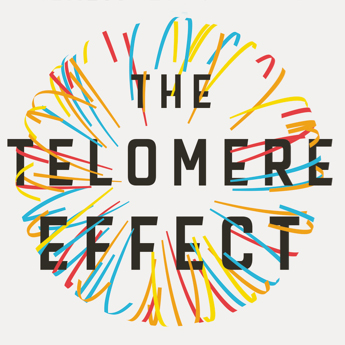
LA JOLLA—In their powerful new road map for greater health throughout our lives, Salk President and Nobel laureate Elizabeth Blackburn and health psychologist Elissa Epel explain an important aspect of the aging process in humans at a fundamental level. Based on this science, they share the changes people can make to their daily habits that will help keep them vital and disease-free.
LA JOLLA—Anyone who has allowed a child to “help” with a project quickly learns that kids, no matter how intelligent or eager, are less competent than adults. Teenagers are more capable—but, as every parent knows, teens can be erratic and unreliable. And it’s not just in humans; obvious differences in behavior and ability between juveniles and adults are seen across the animal kingdom.
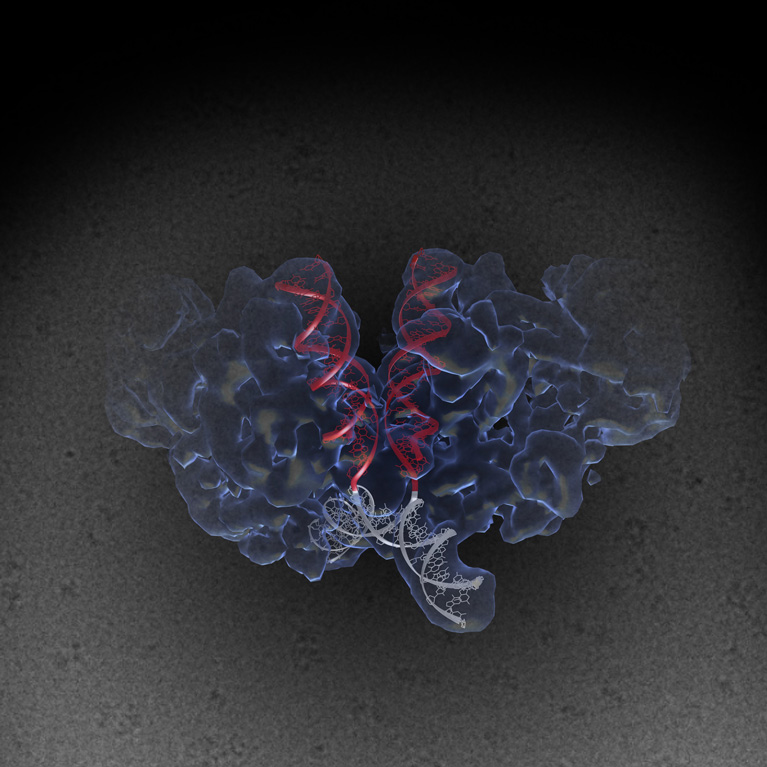
LA JOLLA—Salk Institute scientists have solved the atomic structure of a key piece of machinery that allows HIV to integrate into human host DNA and replicate in the body, which has eluded researchers for decades. The findings describing this machinery, known as the “intasome,” appear January 6, 2017, in 科学 and yield structural clues informing the development of new 艾滋病 drugs.
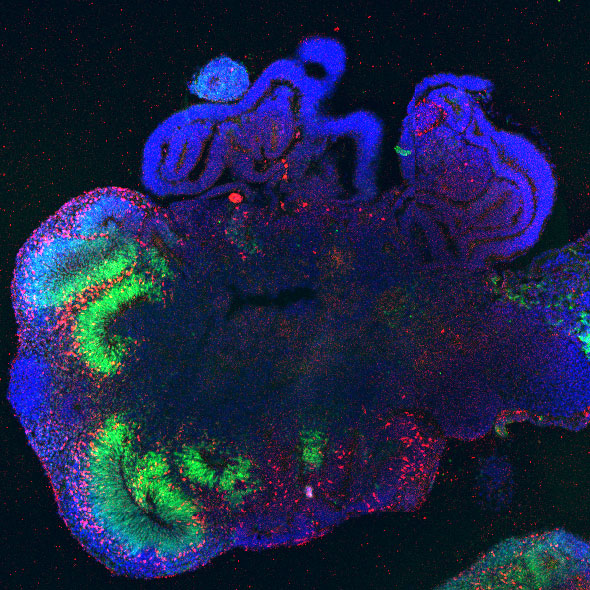
LA JOLLA—When you build models, whether ships or cars, you want them to be as much like the real deal as possible. This quality is even more crucial for building model organs, because disease treatments developed from these models have to be safe and effective for humans. Now, scientists at the Salk Institute have studied a 3D “mini-brain” grown from human stem cells and found it to be structurally and functionally more similar to real brains than the 2D models in widespread use. The discovery, appearing in the December 20, 2016, issue of Cell Reports, indicates that the new model could better help scientists understand brain development as well as neurological diseases like Alzheimer’s or schizophrenia.
LA JOLLA—The Salk Institute is pleased to welcome Wolfgang Busch as an associate professor and Edward Stites as an assistant professor, leaders of plant science and cancer research, respectively.
LA JOLLA—Graying hair, crow’s feet, an injury that’s taking longer to heal than when we were 20—faced with the unmistakable signs of aging, most of us have had a least one fantasy of turning back time. Now, scientists at the Salk Institute have found that intermittent expression of genes normally associated with an embryonic state can reverse the hallmarks of old age.
LA JOLLA—We all know how hard it is to find something small like a dropped contact lens that blends into the background. It’s similarly tough for biologists to find tiny proteins against the complex background of the cell. But, increasingly, scientists are learning that such microproteins, which are overlooked by traditional detection methods, also have important biological roles to play.
LA JOLLA—Ever since researchers connected the shortening of telomeres—the protective structures on the ends of chromosomes—to aging and disease, the race has been on to understand the factors that govern telomere length. Now, scientists at the Salk Institute have found that a balance of elongation and trimming in stem cells results in telomeres that are, as Goldilocks would say, not too short and not too long, but just right.
LA JOLLA—Ribosomes—macromolecular machines consisting of RNA and proteins that twist, fold and turn—are responsible for making all of the protein within a cell and could hold the key to deciphering a range of diseases. Despite the intricacies of ribosomes, cells are able to churn out 100,000 of them every hour. But because they assemble so speedily, researchers haven’t been able to figure out how they come together.
LA JOLLA—Ted Waitt, chairman of the Waitt Foundation and cofounder of Gateway, Inc., a pioneer in the direct marketing of personal computers, has been named chairman of the Salk Institute for Biological Studies’ Board of Trustees. He assumes his new role immediately.
LA JOLLA—When a receptor on the surface of a T cell—a sentry of the human immune system—senses a single particle from a harmful intruder, it immediately kicks the cell into action, launching a larger immune response. But exactly how the signal from a single receptor, among thousands on each T cell, can be amplified to affect a whole cell has puzzled immunologists for decades.
LA JOLLA—The Salk Institute for Biological Studies has received a $25 million grant—a renewal of the largest research gift in the Institute’s 56-year history—that will be used to continue exploring an ambitious range of projects aimed at understanding the role chronic inflammation plays in driving human disease.
LA JOLLA—(November 17, 2016) The Salk Institute ranks second in the world for high-quality, high-impact scientific collaborations in the life sciences, and in the top 50 for both overall collaboration and bilateral collaboration, according to a new report by Nature Research.