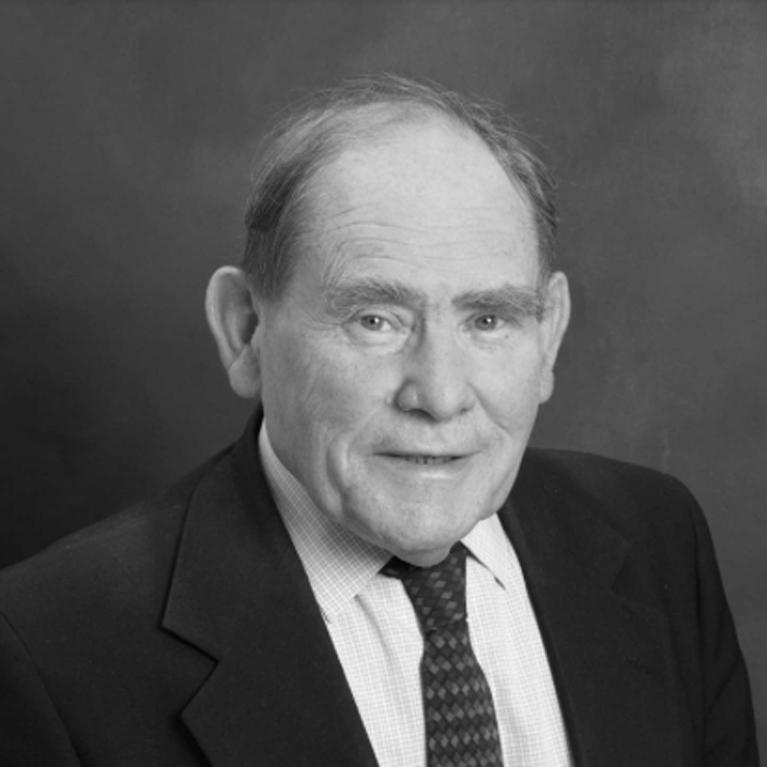
LA JOLLA—Nobel Laureate and Salk Distinguished Professor Emeritus 悉尼·布伦纳 passed away on April 5, 2019, in Singapore at the age of 92. Over the course of six decades, Brenner shaped the modern understanding of the genetic code.
LA JOLLA—Metastatic ovarian, prostate and breast cancers are notoriously difficult to treat and often deadly. Now, Salk Institute researchers have revealed a new role for the CDK12 protein. The findings were published in the print version of Genes & Development on April 1, 2019.
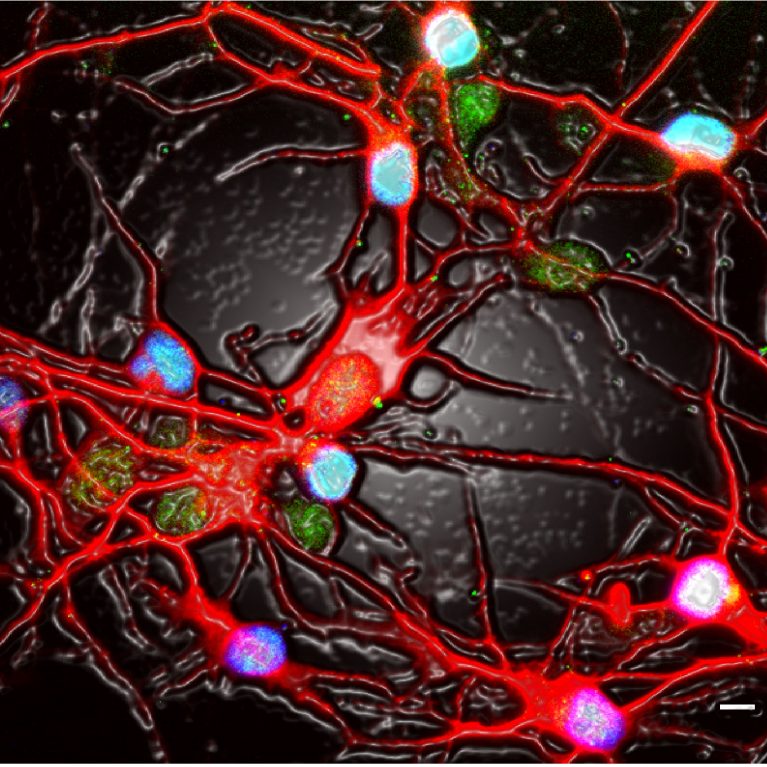
LA JOLLA—Selective serotonin reuptake inhibitors (SSRIs) are the most commonly prescribed medication for major depressive disorder (MDD), yet scientists still do not understand why the treatment does not work in nearly thirty percent of patients with MDD. Now, Salk Institute researchers have discovered differences in growth patterns of neurons of SSRI-resistant patients. The work, published in 分子精神病学 on March 22, 2019, has implications for depression as well as other psychiatric conditions such as bipolar disorder and schizophrenia that likely also involve abnormalities of the serotonin system in the brain.
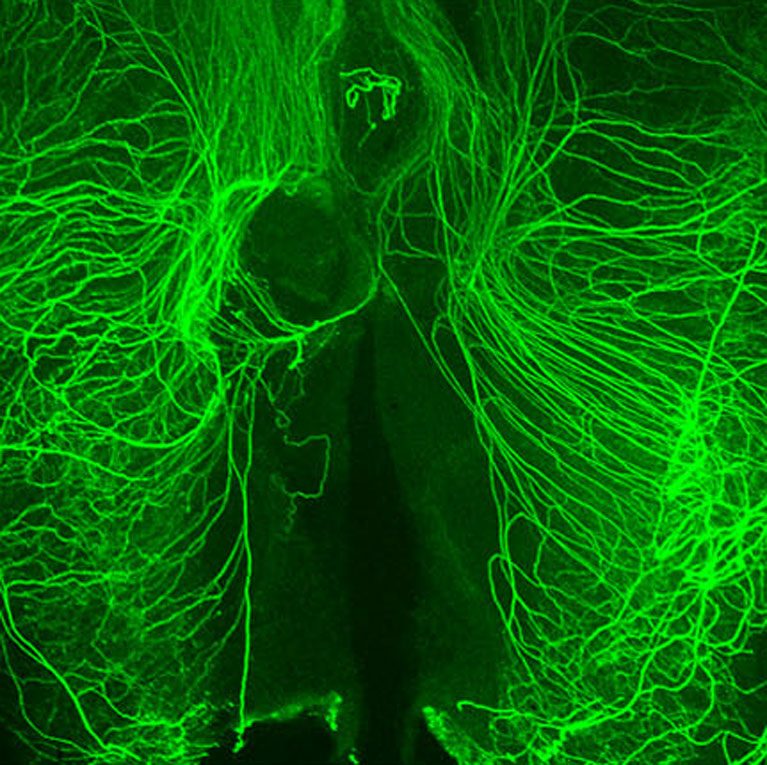
LA JOLLA—(March 22, 2019) Similar to the dozens of Sherpas that guide hikers up treacherous Himalayan mountains to reach a summit, the nervous system relies on elaborate timing and location of guidance cues for neuronal axons—threadlike projections—to successfully reach their destinations in the body. Now, Salk Institute researchers discover how neurons navigate a tricky cellular environment by listening for directions, while simultaneously filtering out inappropriate instructions to avoid getting lost. The findings appeared in 神经元 on March 19, 2019.
LA JOLLA—It’s easy to miss something you’re not looking for. In a famous example, people were asked to closely observe two groups of people—one group clad in black, the other in white—pass a ball among themselves. Viewers were asked to count the number of times the ball passed from black to white. Remarkably, most observers did not notice a man in a gorilla suit, walking among the players. This ability of the brain to ignore extraneous visual information is critical to how we work and function, but the processes governing perception and attention are not fully understood. Scientists have long theorized that attention to a particular object can alter perception by amplifying certain neuronal activity and suppressing the activity of other neurons (brain “noise”).
LA JOLLA—Salk researchers have found, for the first time, that a blood-clotting protein can, unexpectedly, degrade nerves—and how nerve-supporting glial cells, including Schwann cells, provide protection. The findings, published March 14, 2019, in the journal PLOS Genetics, show that Schwann cells protect nerves by blocking this blood-clotting protein as well as other potentially destructive enzymes released by muscle cells. The work could have implications for diseases as diverse as amyotrophic lateral sclerosis (ALS), multiple sclerosis, Alzheimer’s disease or schizophrenia.
拉霍亚The Salk Institute Board of Trustees is pleased to announce its two newest members, David Dolby and Mark Knickrehm, both innovative leaders in business and technology.
LA JOLLA—As cancer death rates drop overall, doctors have noted a frightening anomaly: deaths from colorectal cancer in people under 55 appear to be creeping up. According to the American Cancer Society, deaths in this younger group increased by 1 percent between 2007 and 2016.
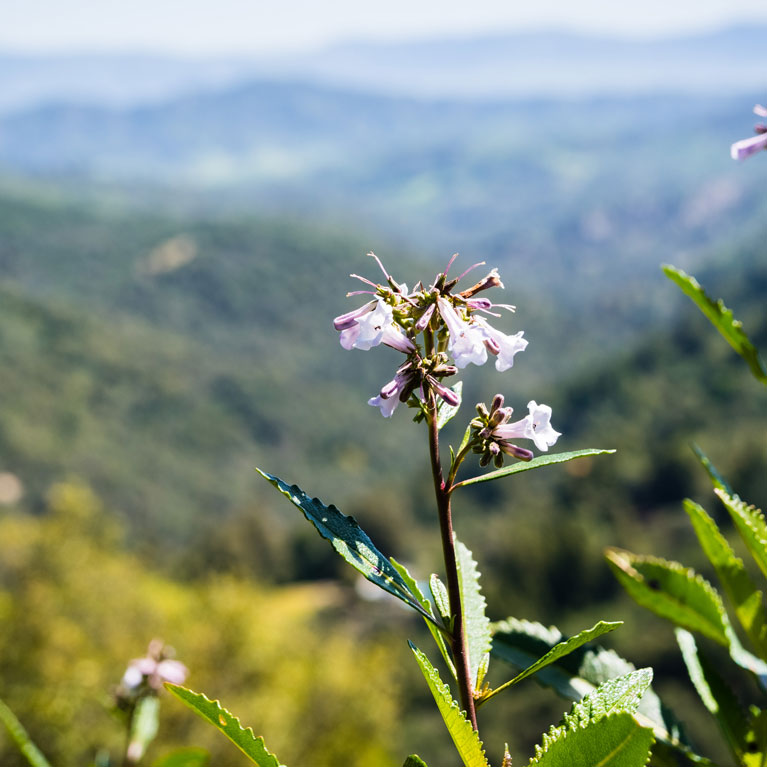
LA JOLLA—The medicinal powers of aspirin, digitalis, and the anti-malarial artemisinin all come from plants. A Salk Institute discovery of a potent neuroprotective and anti-inflammatory chemical in a native California shrub may lead to a treatment for Alzheimer’s disease based on a compound found in nature. The research appears in the February 2019 issue of the journal Redox Biology.
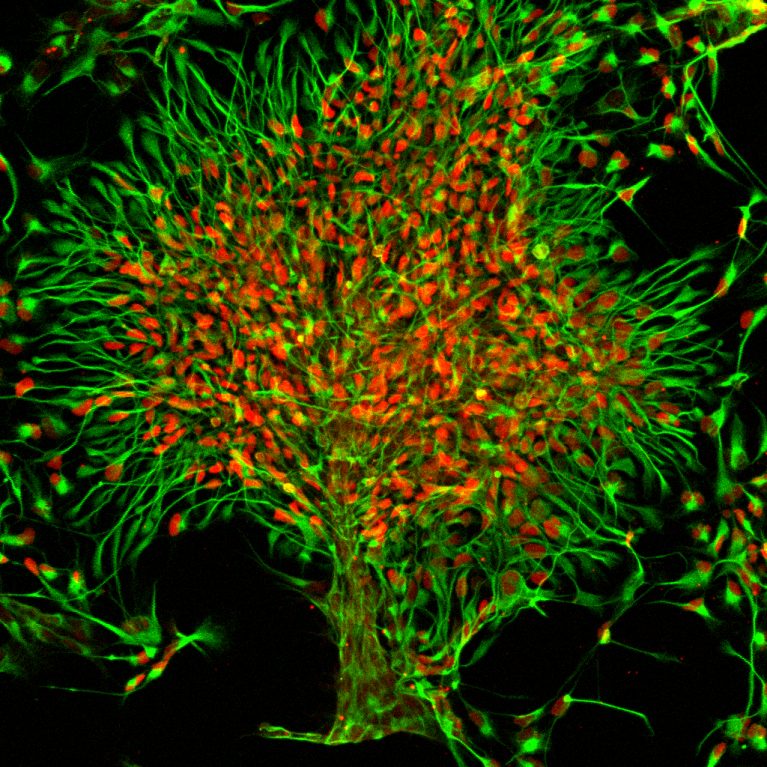
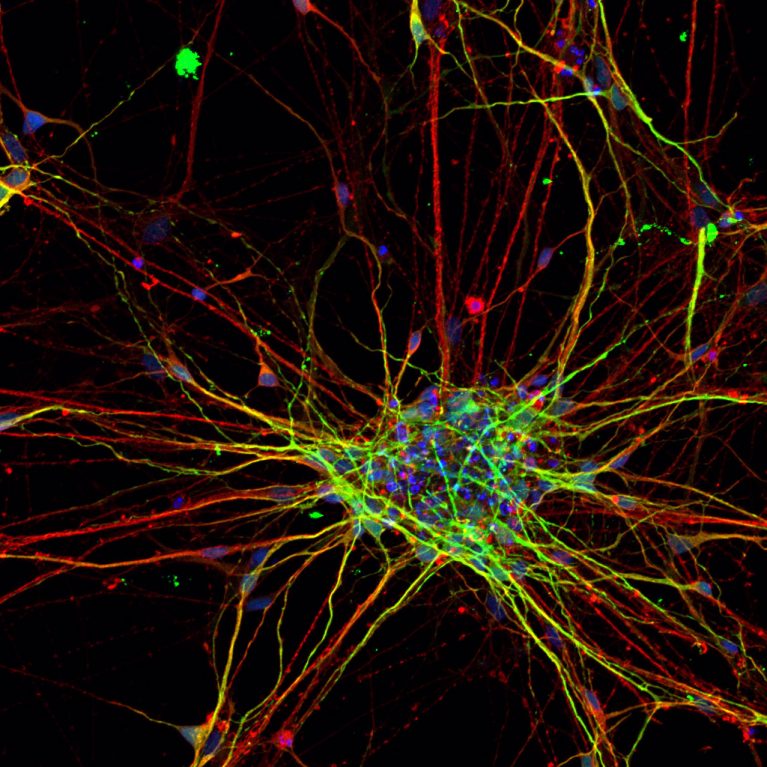
LA JOLLA—What makes us human, and where does this mysterious property of “humanness” come from? Humans are genetically similar to chimpanzees and bonobos, yet there exist obvious behavioral and cognitive differences. Now, researchers from the Salk Institute, in collaboration with researchers from the anthropology department at UC San Diego, have developed a strategy to more easily study the early development of human neurons compared with the neurons of nonhuman primates. The study, which appeared in eLife on February 7, 2019, offers scientists a novel tool for fundamental brain research.
LA JOLLA—The most commonly prescribed antidepressants, selective serotonin reuptake inhibitors (SSRIs), lift the fog of depression for many people. But for around a third of people with major depressive disorder, SSRIs don’t make much of a difference. Now, researchers from the Salk Institute have pinned down a possible reason why—the neurons in at least some of these patients’ brains may become hyperactive in the presence of the drugs. The study appeared in 分子精神病学 on January 30, 2019.
圣地亚哥—萨尔克生物研究所已晋升 尼古拉·艾伦 和 朱莉·劳 to the rank of associate professor for their notable contributions to neurobiology and plant biology, respectively. The promotions were based on recommendations by Salk faculty and nonresident fellows, and approved by President 鲁斯蒂·盖奇 以及学院董事会。.
LA JOLLA—Just as plastic tips protect the ends of shoelaces and keep them from fraying when we tie them, molecular tips called telomeres protect the ends of chromosomes and keep them from fusing when cells continually divide and duplicate their DNA. But while losing the plastic tips may lead to messy laces, telomere loss may lead to cancer.
LA JOLLA—Salk researchers have mapped the genomes and epigenomes of genetically modified plant lines with the highest resolution ever to reveal exactly what happens at a molecular level when a piece of foreign DNA is inserted. Their findings, published in the journal PLOS Genetics on January 18, 2019, elucidate the routine methods used to modify plants, and offer new ways to more effectively minimize potential off-target effects.
LA JOLLA—The incidence of some neurological diseases—especially those related to aging, such as Alzheimer’s and Parkinson’s diseases—is increasing. To better understand these conditions and evaluate potential new treatments, researchers need accurate models that they can study in the lab.
LA JOLLA—Salk scientist 萨凯特·纳夫拉克哈 has received a CAREER award from the National Science Foundation (NSF) totaling more than $1 million over the next five years. The CAREER award supports faculty who exemplify the role of teacher/scholars through outstanding research, excellent education and the integration of education and research within the context of the mission of their organizations.
拉霍亚—自闭症谱系障碍(ASD)是一种相对常见的发育障碍,影响沟通和行为,在美国约有五十九分之一的儿童患有此病,, 根据美国疾病控制与预防中心. 尽管它很普遍,但其病因以及最佳治疗方法仍不清楚。.
LA JOLLA—The Board of Trustees of the Salk Institute, in consultation with the faculty and a search committee comprised of Board members, voted to extend a new five-year term to 鲁斯蒂·盖奇, who became the Institute’s President a year ago, expanding his tenure through 2024.