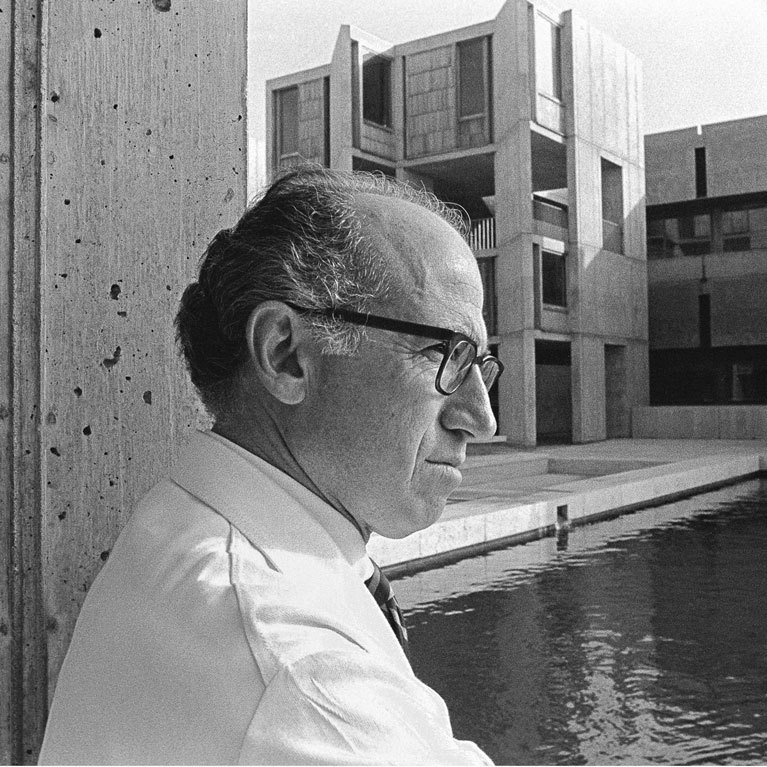
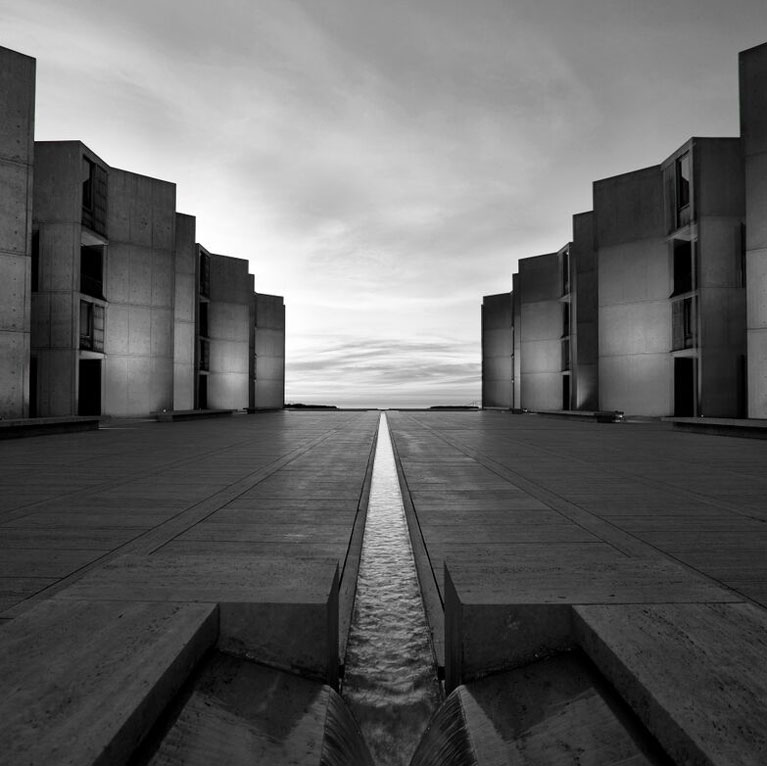
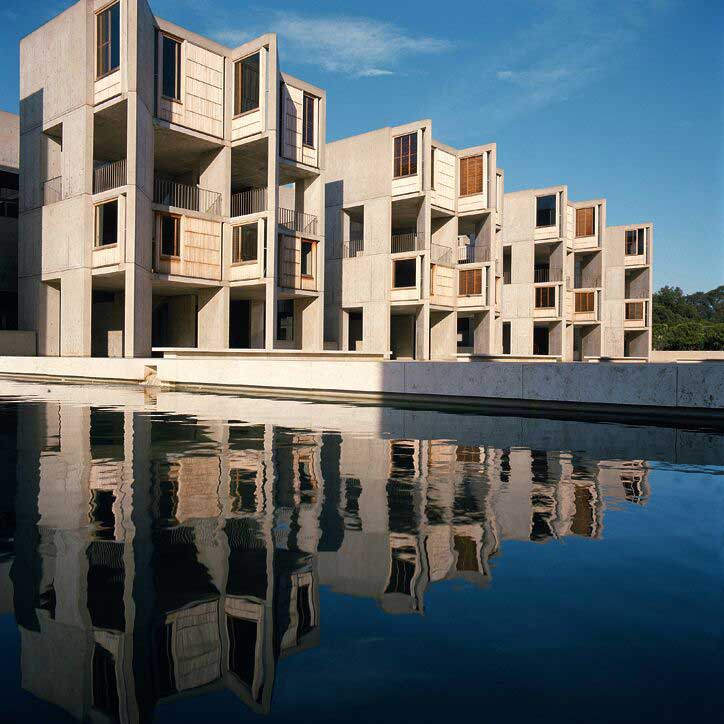
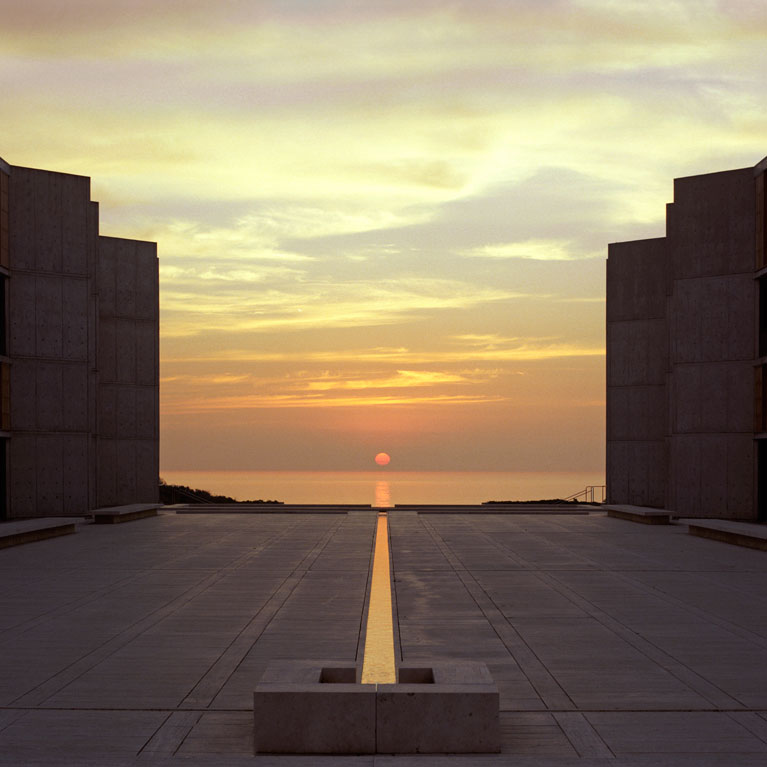
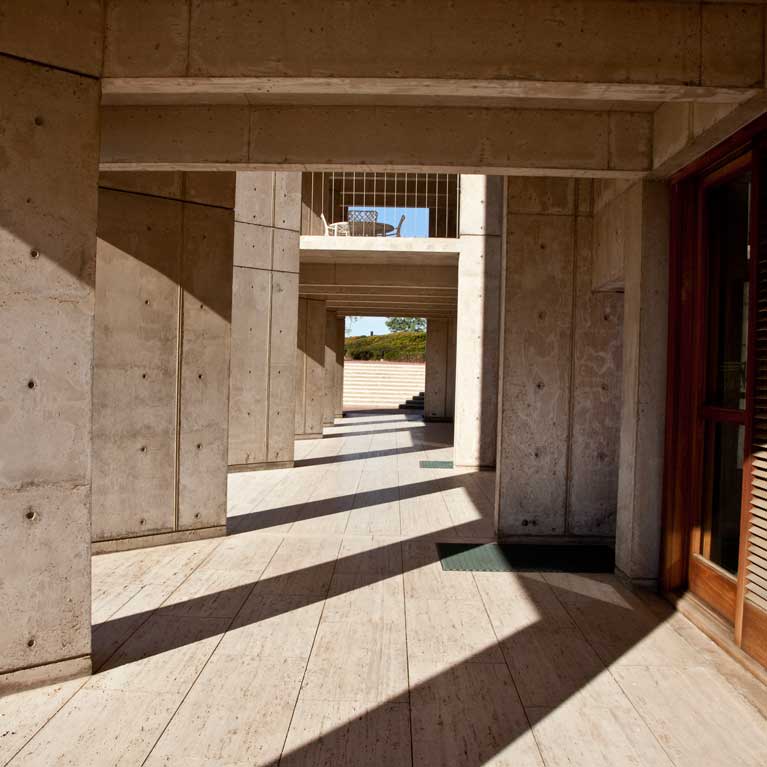
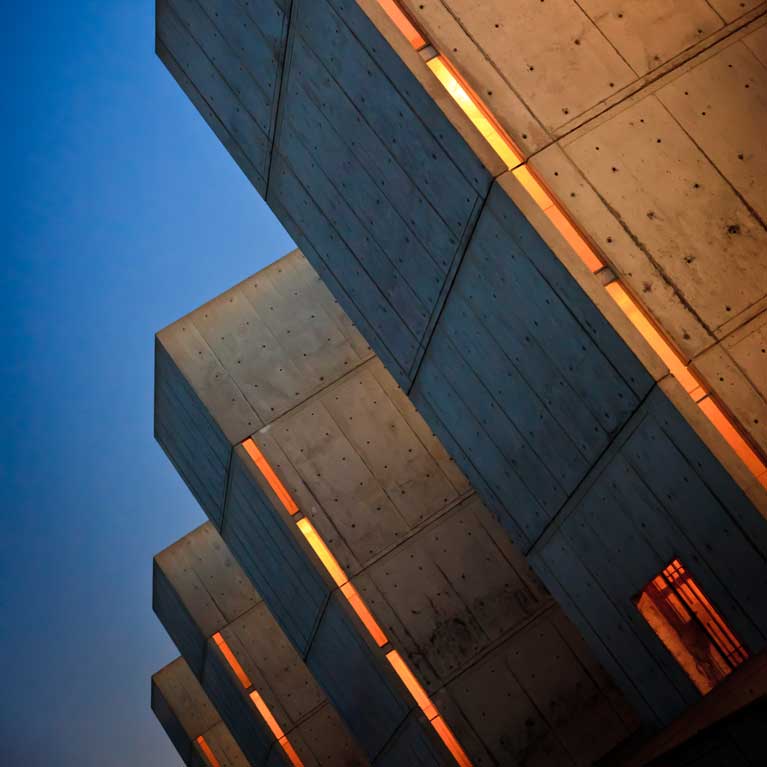
LA JOLLA—As people across the world anxiously await the promise of an effective vaccine to end the coronavirus pandemic that has killed over 220,000 Americans and more than 1.1 million globally, it is important to remember a time when the world faced similar challenges and, through scientific research, found answers that changed the course of history. On October 28, the Salk Institute honors the accomplishments of our founder, Jonas Salk, on his 106th birthday.
Next week, the Department of Homeland Security will review the contents of a proposal, ICEB-2019-0006, issued by the US Immigration and Customs Enforcement Bureau (ICE), that seeks to limit the stay of an international scholar in the US to either two or four years. The potentially devastating impact of this proposal, if implemented, is of such magnitude that the undersigned leaders of San Diego’s biomedical research institutions are standing together to voice alarm.
LA JOLLA—Salk Institute Assistant Professor 丹妮尔·恩格尔 has been awarded a New Investigator Award from the Tobacco-Related Disease Research Program (TRDRP) to examine how tobacco use promotes cellular changes that lead to pancreatic cancer. The TRDRP funds research that “enhances understanding of tobacco use, prevention and cessation, the social, economic and policy-related aspects of tobacco use, and tobacco-related diseases in California,” according to their website. Engle will receive over $1 million over three years to develop new models for examining how tobacco carcinogens (cancer-causing substances) lead to tumor development and metastasis.
LA JOLLA and PALO ALTO, Calif.—The Salk Institute and BridgeBio Pharma, Inc. (Nasdaq: BBIO) today announced a three-year collaboration agreement formed to advance cutting-edge academic discoveries in genetically driven diseases toward therapeutic applications. Under the partnership, BridgeBio will help fund research programs from Salk’s world-renowned innovative cancer research, with the eventual goal of developing new therapeutics for patients in need.
LA JOLLA—The Salk Institute lost a good friend and scientific partner when Paul F. Glenn passed away on September 29, 2020, at his home in Montecito, California. He was 89.
拉霍亚—想象一下,你上班迟到了,拼命地寻找车钥匙。你已经在家里的每个角落都找遍了,但似乎在哪里都找不到。突然,你意识到你的钥匙一直就摆在你面前。你为什么直到现在才看到它们呢?
LA JOLLA—Salk Institute Assistant Professor Edward Stites has been named an NIH Director’s New Innovator for 2020 as part of the National Institutes of Health’s High-Risk, High-Reward Research Program. The award “supports unusually innovative research from early career investigators,” according to the NIH and provides $1.5 million for a 5-year project. For his project, Stites will use mathematical and biological approaches to identify strategies to convert failed therapeutics into effective agents.
乔安·乔里, who pioneered the application of molecular genetics to plant biology and transformed our understanding of photosynthesis, will receive the 2020 Pearl Meister Greengard Prize, Rockefeller’s preeminent award recognizing outstanding women scientists. Chory is the Howard H. and Maryam R. Newman Chair in Plant Biology and director of the Plant Molecular and Cellular Biology Laboratory at The Salk Institute. She is also a Howard Hughes Medical Institute Investigator. Frances Beinecke, former president of the Natural Resources Defense Council, will present the prize in a virtual ceremony hosted by Rockefeller on October 22.
LA JOLLA—The Salk Institute will establish a world-class San Diego Nathan Shock Center (SD-NSC), a consortium with Sanford Burnham Prebys Medical Discovery Institute and the University of California San Diego (UC San Diego), to study cellular and tissue aging in humans. The Center will be funded by a grant from the National Institute on Aging (NIA) of the National Institutes of Health expected to total $5 million over the next 5 years (NIA grant number P30AG068635).
LA JOLLA—The diabetes drug metformin—derived from a lilac plant that’s been used medicinally for more than a thousand years—has been prescribed to hundreds of millions of people worldwide as the frontline treatment for type 2 diabetes. Yet scientists don’t fully understand how the drug is so effective at controlling blood glucose.
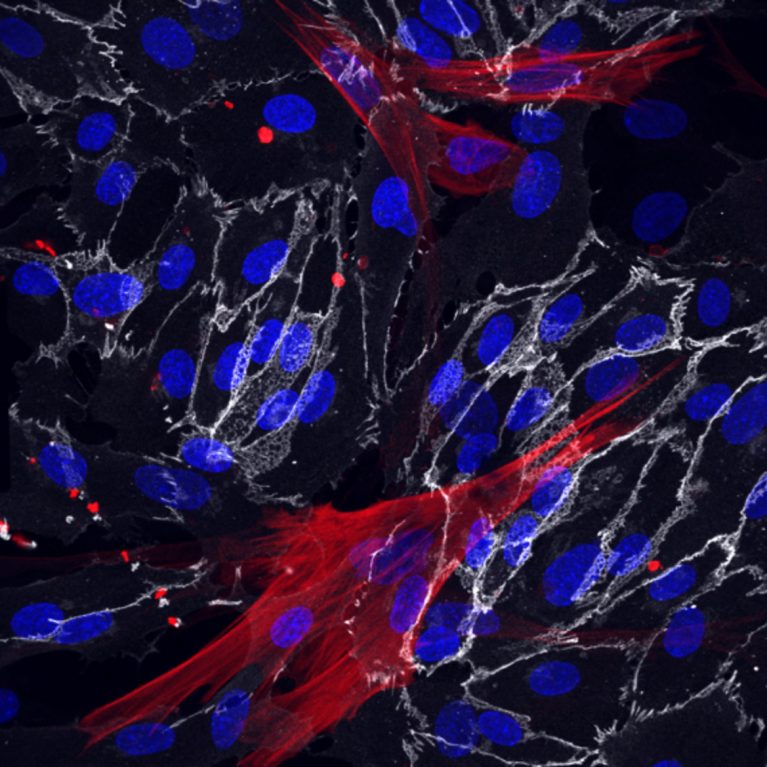
LA JOLLA—Salk scientists have used skin cells called fibroblasts from young and old patients to successfully create blood vessels cells that retain their molecular markers of age. The team’s approach, described in the journal eLife on September 8, 2020, revealed clues as to why blood vessels tend to become leaky and hardened with aging, and lets researchers identify new molecular targets to potentially slow aging in vascular cells.
拉霍亚—索尔克研究所的科学家们在追求安全有效的I型糖尿病治疗方法方面取得了重大进展。I型糖尿病影响着美国约160万人口,每年造成的经济损失高达$144亿美元。.
LA JOLLA—Renowned cell biologist and Salk Professor David Schubert passed away on August 6 at the age of 77 in La Jolla, California. He was known for the development of novel screening techniques that allowed his team to identify naturally occurring chemicals that can slow or prevent the neurological damage that occurs in neurodegenerative disorders, such as Alzheimer’s disease.
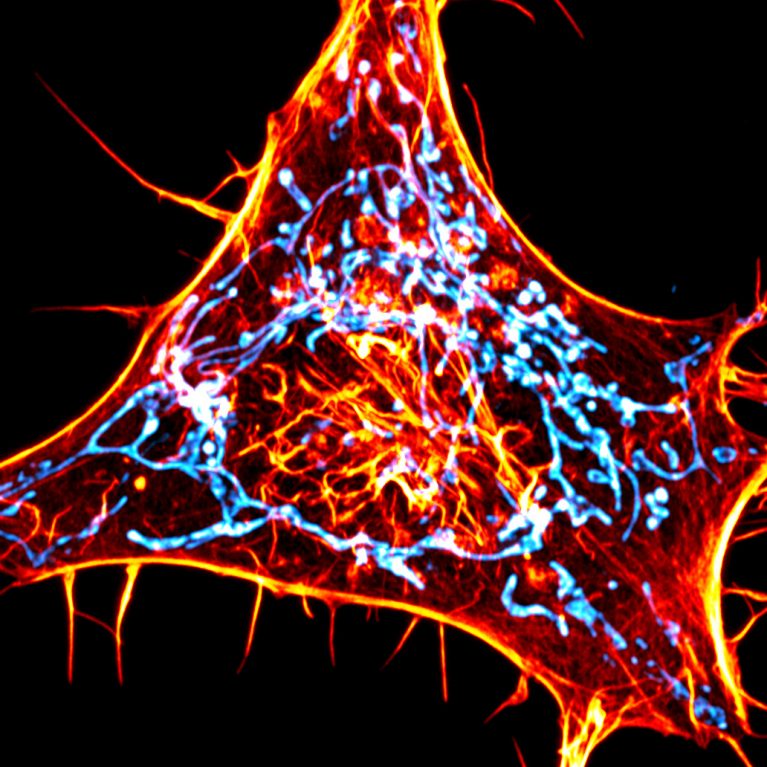
LA JOLLA—While your skeleton helps your body to move, fine skeleton-like filaments within your cells likewise help cellular structures to move. Now, Salk researchers have developed a new imaging method that lets them monitor a small subset of these filaments, called actin.
LA JOLLA—A drug candidate developed by Salk researchers, and previously shown to slow aging in brain cells, successfully reversed memory loss in a mouse model of inherited Alzheimer’s disease. The new research, published online in July 2020 in the journal Redox Biology, also revealed that the drug, CMS121, works by changing how brain cells metabolize fatty molecules known as lipids.
LA JOLLA—In research that aims to illuminate the causes of human developmental disorders, Salk scientists have generated 168 new maps of chemical marks on strands of DNA—called methylation—in developing mice.
LA JOLLA—People wrongfully accused of a crime often wait years—if ever—to be exonerated. Many of these wrongfully accused cases stem from unreliable eyewitness testimony. Now, Salk scientists have identified a new way of presenting a lineup to an eyewitness that could improve the likelihood that the correct suspect is identified and reduce the number of innocent people sentenced to jail. Their report is published in Nature Communications on July 14, 2020.
LA JOLLA—The Salk Institute is pleased to welcome two new assistant professors in the fields of cancer biology and biophysics, respectively. Daniel Hollern and Pallav Kosuri will bring fresh perspectives to advance an understanding of, and find new treatments for, breast cancer and heart disease.
LA JOLLA—The human immune system is a finely-tuned machine, balancing when to release a cellular army to deal with pathogens, with when to rein in that army, stopping an onslaught from attacking the body itself. Now, Salk researchers have discovered a way to control regulatory T cells, immune cells that act as a cease-fire signal, telling the immune system when to stand down.
拉霍亚—据世界卫生组织称,慢性肝病是一个重大的全球公共卫生问题,估计有8.44亿人受到影响。它是澳大利亚、英国和美国的主要死亡原因之一。同时,它既难以管理,又没有获得FDA批准的抗纤维化肝脏疗法。微生物组——居住在肠道中的微生物的复杂集合——可能是一个意想不到的健康指标。现在,索尔克研究所和加州大学圣地亚哥分校的科学家们组成的合作团队创造了一种新颖的基于微生物组的诊断工具,该工具可以以最好的医生同等的准确性,在90%以上的情况下快速且廉价地识别出人类患者的肝纤维化和肝硬化。.