LA JOLLA—Approximately half of people with type 1 or type 2 diabetes experience peripheral neuropathy—weakness, numbness, and pain, primarily in the hands and feet. The condition occurs when high levels of sugar circulating in the blood damage peripheral nerves. Now, working with mice, Salk Institute researchers have identified another factor contributing to diabetes-associated peripheral neuropathy: altered amino acid metabolism.
拉霍亚—索尔克教授 罗纳德·埃文斯 and an interdisciplinary group of Institute researchers have been awarded a two-year, $1.5 million grant from the Sol Goldman Charitable Trust at the direction of cardiologist and Salk Trustee Benjamin Lewis. The award will fund a research project to explore connections between the gut, brain, and immune system in search of new therapies for patients with multiple sclerosis (MS).
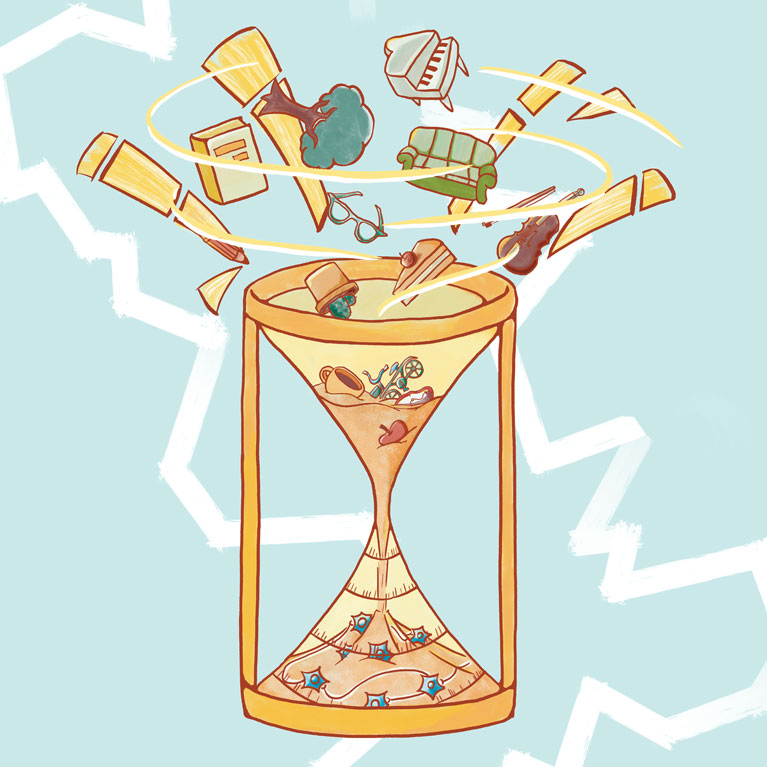
LA JOLLA—Young children sometimes believe that the moon is following them, or that they can reach out and touch it. It appears to be much closer than is proportional to its true distance. As we move about our daily lives, we tend to think that we navigate space in a linear way. But Salk scientists have discovered that time spent exploring an environment causes neural representations to grow in surprising ways.
拉霍亚——许多研究表明,限时进食具有健康益处,包括在实验室研究中延长寿命,这使得间歇性禁食等做法成为健康产业的热门话题。然而,它对身体在分子层面的影响以及这些变化如何在多个器官系统中相互作用,这一点尚未得到充分理解。现在,索尔克科学家们在小鼠身上展示了限时进食如何影响身体和大脑 22 个以上区域的基因表达。基因表达是基因被激活并通过产生蛋白质来响应其环境的过程。.
拉荷亚——斯克尔研究所研究人员开发的一种药物,能够像肠道的总开关一样起作用。这种名为 FexD 的化合物,之前已被发现能够降低小鼠的胆固醇、燃烧脂肪并抵御结直肠癌。现在,该团队在 美国国家科学院院刊 2022年12月12日,在炎症性肠病小鼠模型中,FexD也能预防和逆转肠道炎症。.
加乔拉——癌症是由细胞异常过度生长引起的,是世界第二大死因。索尔克研究所的研究人员已经聚焦于激活癌基因的具体机制。癌基因是发生改变的基因,可以使正常细胞变成癌细胞。.
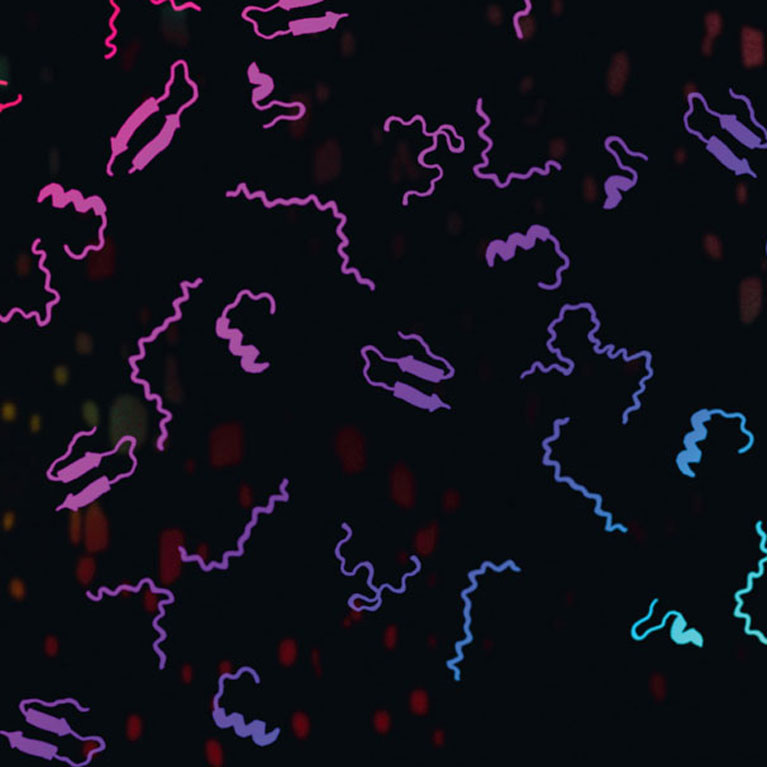
LA JOLLA—Despite decades of research, Alzheimer’s disease remains a debilitating and eventually fatal dementia with no effective treatment options. More than 95 percent of Alzheimer’s disease cases have no known origin. Now, scientists from the Salk Institute have found that neurons from people with Alzheimer’s disease show deterioration and undergo a late-life stress process called senescence. These neurons have a loss of functional activity, impaired metabolism, and increased brain inflammation.
LA JOLLA—Salk Professors 约瑟夫·埃克尔, 罗纳德·埃文斯, 鲁斯蒂·盖奇, 克里斯蒂安·梅塔洛, 萨奇达南达·潘达, 鲁本-肖, ,和 凯泰, along with Assistant Professor 杰西·迪克森, have been named to the Highly Cited Researchers list by Clarivate. This year’s list includes 6,938 researchers from 69 countries and identifies researchers who demonstrate “significant influence in their chosen field or fields through the publication of multiple highly cited papers.” Ecker and Gage have been named to this list every year since 2014, when the regular annual rankings began. Joseph Nery, a research assistant II in the Ecker lab, was also included on the list.
LA JOLLA—The Salk Institute has named Luzilda “Lucy” Arciniega director of Diversity Strategies & Implementation, as the Institute continues to expand its focus on efforts that support recruitment, retention, leadership, and cultural connectivity throughout its vibrant campus.
LA JOLLA—When neurons involved in movement—called motor neurons—form, they must build connections that reach from the brain, brainstem, or spinal cord all the way to the head, arms, or the tips of the toes. How neurons navigate these systems and “decide” where and how to grow has largely been a mystery.
LA JOLLA—The Salk Institute recently lost a dear friend and former Trustee when Georg Heinrich “Heini” Thyssen died on September 30, 2022.
LA JOLLA—Aging involves complicated plot twists and a large cast of characters: inflammation, stress, metabolism changes, and many others. Now, a team of Salk Institute and UC San Diego scientists reveal another factor implicated in the aging process—a class of lipids called SGDGs (3-sulfogalactosyl diacylglycerols) that decline in the brain with age and may have anti-inflammatory effects.
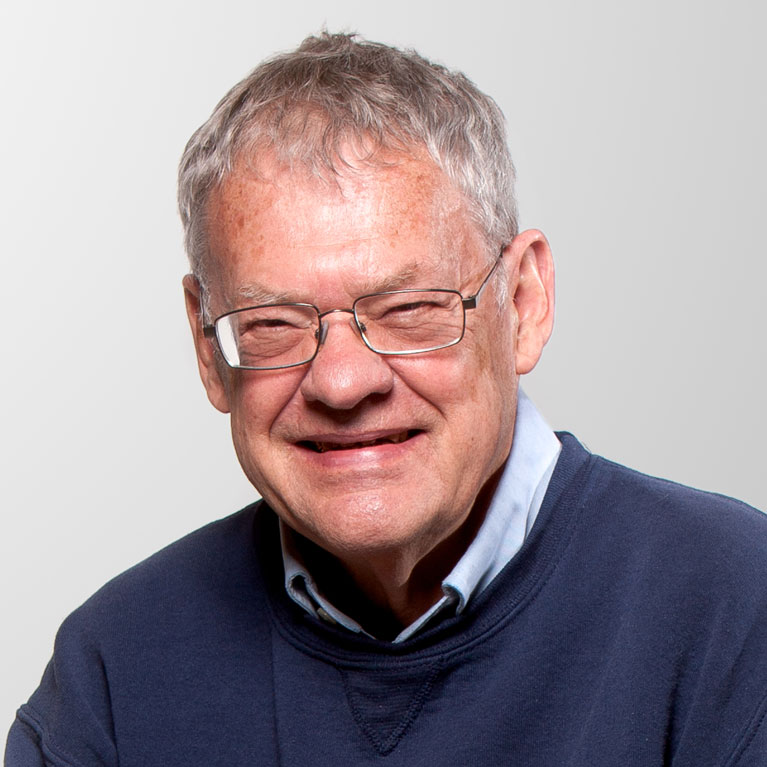
拉霍亚Charles F. “Chuck” Stevens, distinguished professor emeritus in Salk’s Molecular Neurobiology Laboratory, died peacefully on October 21, 2022, at his home in San Diego. He was 88.
LA JOLLA—Salk Institute Assistant Professor Christina Towers has received a $1.15 million Science Diversity Leadership Award from the Chan Zuckerberg Initiative, in partnership with the National Academies of Sciences, Engineering, and Medicine. The award recognizes outstanding early- to mid-career researchers who have made significant research contributions to the biomedical sciences, show promise for continuing scientific achievement, and promote diversity, equity, and inclusion in their scientific fields.
LA JOLLA—The Salk Institute welcomes Assistant Professor 迪普希卡·拉马南, an innovative researcher studying how the maternal immune system changes during pregnancy and breastfeeding and affects immunity and inflammation in babies across multiple generations. Ramanan will join Salk’s NOMIS Center for Immunobiology and Microbial Pathogenesis.
LA JOLLA—The Salk Institute’s American Cancer Society Professor Tony Hunter, Professor Reuben Shaw, and Assistant Professor Graham McVicker are among 12 inaugural 2022 Discovery Grant winners. The awards, which total $3 million, were launched this year by Curebound, a philanthropic organization dedicated to funding collaborative cancer research that has the potential to reach the clinic.
LA JOLLA—The San Diego Nathan Shock Center of Excellence in the Basic Biology of Aging, a collaboration between the Salk Institute, UC San Diego, and Sanford Burnham Prebys, received new funding from the National Institutes of Health (NIH) to enroll participants from the Rancho Bernardo Study of Healthy Aging into their own clinical cohort to study differences in how individuals age. Initiated 50 years ago by the late UC San Diego Distinguished Professor Elizabeth Barrett-Connor, the Rancho Bernardo Study is one of the longest, continuously NIH-funded studies in existence.
LA JOLLA—Salk Institute Professor 杰弗里·沃尔 has received the 2022 Brinker Award for Scientific Distinction in Basic Science from Susan G. Komen®, the world’s leading breast cancer organization. According to the foundation, the award recognizes leading scientists who have made the most significant advances in breast cancer research and medicine. Wahl was honored for his significant contributions to the field of cancer genetics, including the mechanisms of drug resistance and genome stability. He will present a keynote lecture at the 45th annual San Antonio Breast Cancer Symposium in early December 2022.
拉霍亚—消防员是我们社会的英雄,全天候保护着我们。但这些 24 小时的轮班工作对身体非常不利,并且会增加患心脏代谢疾病(如心脏病和糖尿病)以及癌症的风险。圣地亚哥消防局与索尔克研究所和加州大学圣地亚哥分校健康中心的科学家合作进行的一项临床试验发现,限时进食可以改善消防员的健康和福祉指标。这种生活方式干预措施仅要求消防员在 10 小时的时间窗口内进食,并且不涉及跳餐。.