LA JOLLA—In 2014, the International Olympic Committee named a syndrome affecting many of its athletes: relative energy deficiency in sport, or REDs. It’s now estimated that more than 40% of professional athletes have REDs, and the rate could be even higher in recreational athletes and exercisers.
LA JOLLA—The Salk Institute has launched the Salk Science Network (SciNET), a new state-of-the-art, high-speed network that enhances scientific data transfer between research collaborators. This offering is the latest advancement enabled by Salk’s Initiative zur Bioinformatik, which aims to provide the funding, technology, and expertise required to address the challenges posed by increasingly data-intensive research in biological sciences, such as machine learning and artificial intelligence.
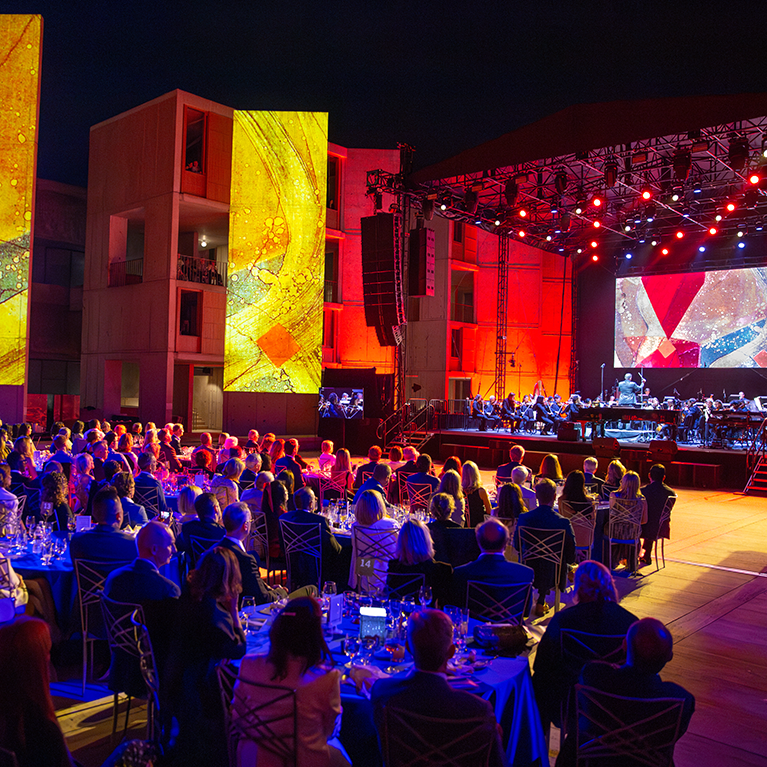
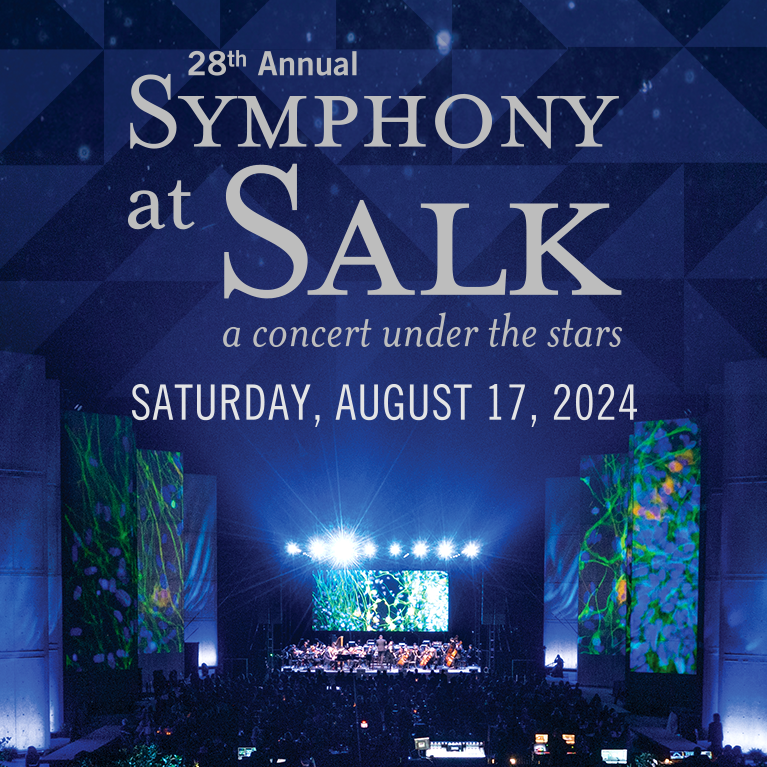
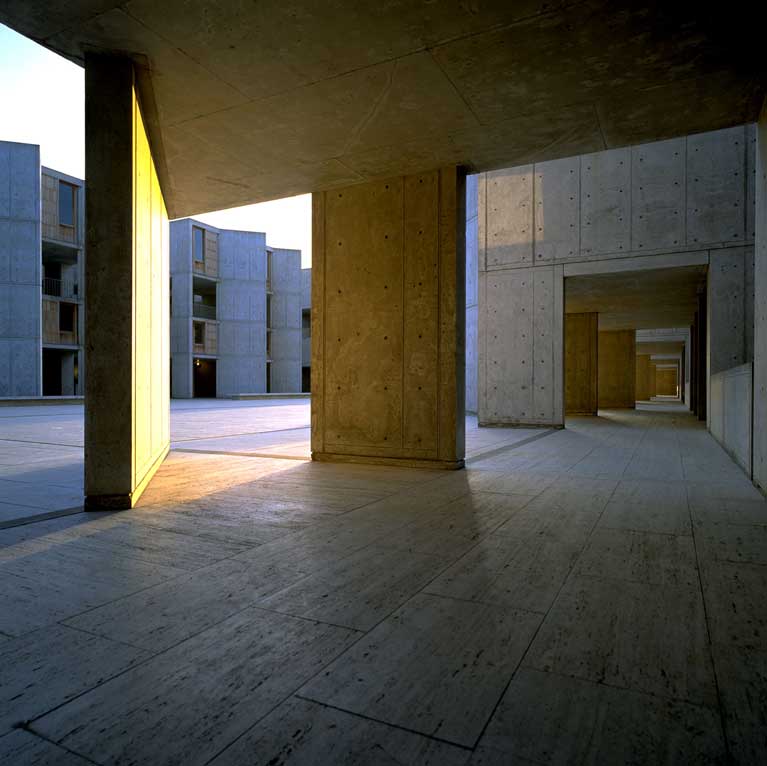
LA JOLLA—The 28th annual Symphonie im Salk welcomed more than 400 attendees to the Salk Institute’s iconic Courtyard on August 17. The concert under the stars showcased an outstanding performance by the San Diego Symphony Orchestra, conducted by Sean O’Loughlin and presented by Zenith-level sponsors Ann Tsukamoto-Weissman and Irv Weissman, and featured guest artists David Foster, sixteen-time Grammy Award®-winning musician, composer, and producer, and Katharine McPhee, acclaimed singer and television/Broadway star, and special guest Daniel Emmet, an outstanding, multi-lingual young vocalist.
LA JOLLA—Professor Rusty Gage has been awarded the 2024 J. Allyn Taylor International Prize in Medicine by the Schulich School of Medicine & Dentistry and the Robarts Research Institute at Western University. One of the most prestigious medical research awards in Canada, the Taylor Prize recognizes scientists for transformative, career-defining work in basic sciences, translational research, and medical innovations.
LA JOLLA—The Salk Institute mourns the loss of Rebecca Newman, who served as the Institute’s vice president of External Relations from 2008 to 2022. She died on August 3, 2024.
LA JOLLA—The Salk Institute was awarded $3.6 million by the California Institute for Regenerative Medicine (CIRM), one of the world’s largest institutions dedicated to regenerative medicine. Salk Professor Rusty Gage will lead the new CIRM-funded Shared Resources Laboratory focused on stem cell-based models of aging and neurodegeneration.
LA JOLLA – Salk-Professor Janelle Ayres has been selected as a 2024 Howard Hughes Medical Institute (HHMI) Investigator. The HHMI Investigators program awards established scientists with approximately $9 million in funding over seven years to pursue boundary-breaking research in their field. The honor recognizes her influential work in immunology and microbiology and its applications to the global crisis of antibiotic resistance.
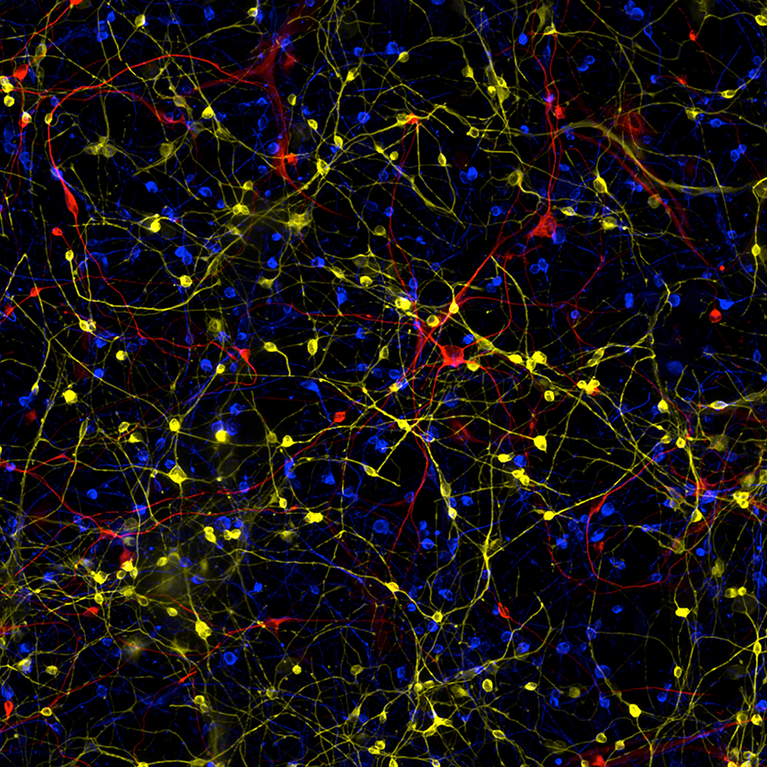
LA JOLLA – In der Sekunde, in der Sie versehentlich den heißen Griff einer gusseisernen Pfanne berühren, übermannen Sie Schmerz und ein Gefühl der Gefahr. Sinneseindrücke wandern von den Schmerzrezeptoren in Ihrem Finger, durch Ihr Rückenmark und in Ihren Hirnstamm. Dort angekommen leitet eine spezielle Nervengruppe diese Schmerzsignale an einen höheren Gehirnbereich, die Amygdala, weiter, wo sie Ihre emotionale Angst auslösen und Ihnen helfen, sich zukünftig vor heißen Pfannen zu hüten.
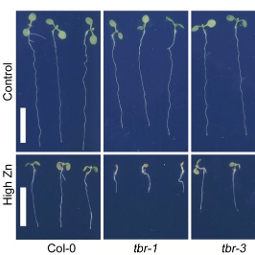
LA JOLLA—The negative impact of human activity on Earth doesn’t just affect our planet’s atmosphere—it goes much deeper, into its soils. For instance, excessive application of manure or sewage sludge can increase heavy metal concentrations in agricultural land where vital crops are grown. One of these heavy metals is zinc, a micronutrient necessary for plant and animal health. In excess, however, zinc can be extremely damaging to sensitive plant species.
LA JOLLA—Salk Institute Professor Joanne Chory has been selected by the Wolf Foundation to receive a 2024 Wolf Prize in the field of agriculture for her "key discoveries on plant developmental biology of relevance for crop improvements.” The award is endowed annually to scientists and artists worldwide for their “outstanding achievements in advancing science and the arts for the betterment of humanity.”
LA JOLLA—On Saturday, August 17, the Salk Institute will celebrate 28 years of Symphony at Salk, its premier annual concert under the stars. The unforgettable night will feature a performance by the San Diego Symphony with special guest artists David Foster, 16-time Grammy Award®-winning musician, composer, and producer, and Katharine McPhee, acclaimed singer and television/Broadway star.
LA JOLLA—The Salk Institute will receive $20 million over four years from the NOMIS Foundation to launch a new Neuroimmunology Initiative within the Institute’s NOMIS Zentrum für Immunbiologie und mikrobielle Pathogenese. By funding research programs, faculty recruitment, and pilot grants, the generous gift will enable Salk scientists to develop a deep understanding of the crosstalk between the immune and nervous systems and the role it plays in health and disease.
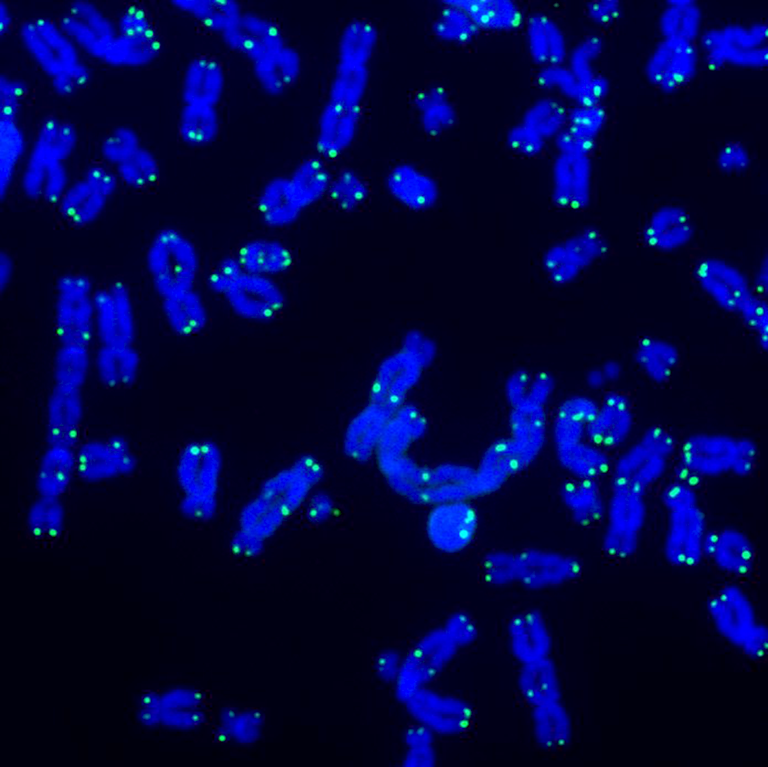
LA JOLLA—Within each of our cells, long strands of DNA are folded into chromosomes and capped with protective structures called telomeres. But telomeres shorten as we age, eventually getting so whittled down that our chromosomes become exposed, and our cells die. However, the specifics of when and how this shortening occurs and whether certain chromosomes are more affected than others have been unclear—until now.
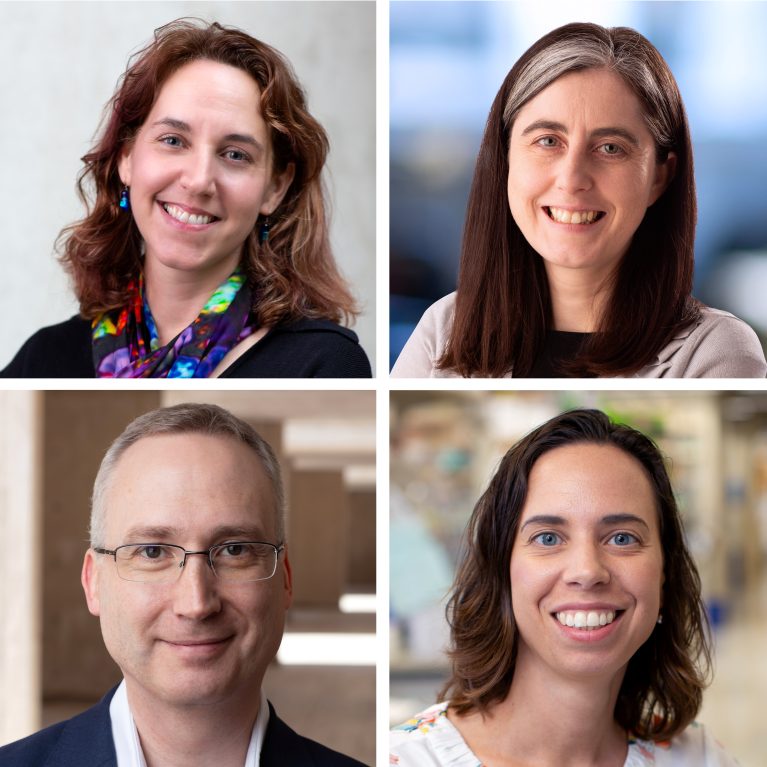
LA JOLLA—Salk Institute Assistant Professor Jesse Dixon has been named a 2024 Pew Biomedical Scholar by The Pew Charitable Trusts. This honor provides funding to early-career investigators who demonstrate outstanding promise in science toward advancing human health. Dixon and the other 21 awardees will each receive $300,000 over four years to support their research.
LA JOLLA—The Salk Institute mourns the loss of businessman and philanthropist John Adler, who served on the Institute’s Board of Trustees from 1991 to 2004. He died June 11, 2024, in Greenwich, Connecticut at the age of 96.
Congratulations to the awardees of the Kavli Small Equipment Grant Program, where Salk Faculty and Research Professors working in neuroscience, and related fields, submitted proposals to receive funds to purchase or build small equipment needed to further their research.
LA JOLLA—Bacteria, parasites, viruses—the immune system tackles them all. At the front line of the human immune response are cells called macrophages, which are responsible for correctly identifying intruders and then directing how the entire immune system responds. Researchers at the Salk Institute have now discovered a molecular mechanism that helps macrophages mount a coordinated response tailored to a specific immune challenge.
LA JOLLA—Global temperatures are on the rise, with experts projecting an increase of 2.7°F by 2050. Because plants cannot regulate their own temperatures, they are especially sensitive to these temperature changes. In higher temperatures, plants instruct their root systems to grow faster, creating long roots that stretch through the soil to absorb more water and nutrients. While this response may help the plants in the short term, new research suggests it’s both unsustainable for the plants and potentially harmful for humans in the long term.
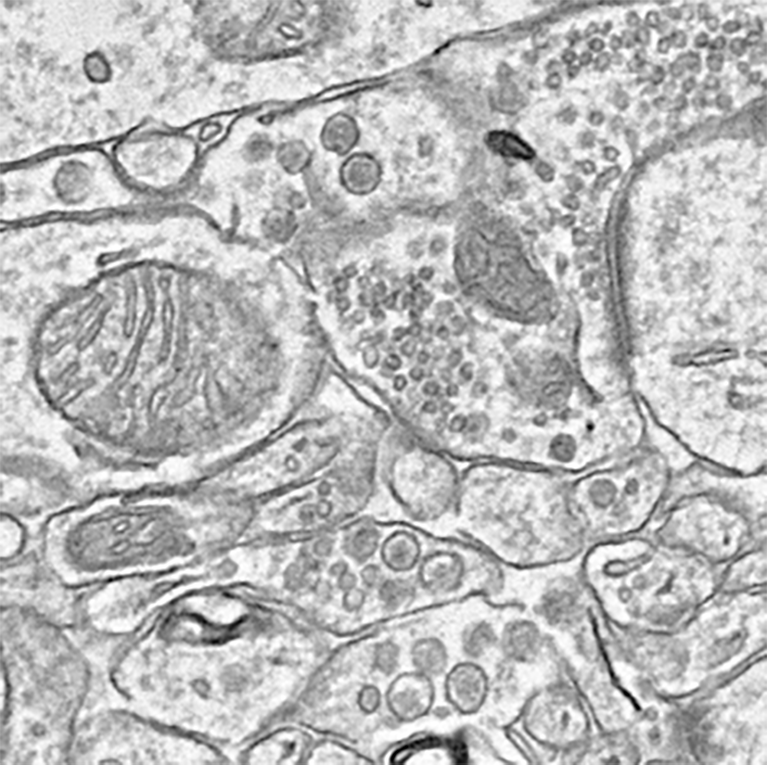
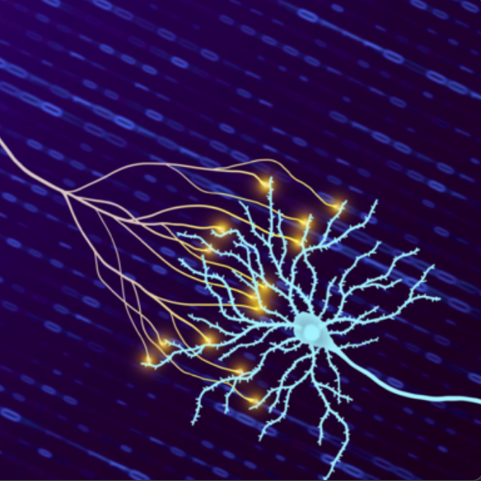
LA JOLLA—With each flip you make through a deck of vocabulary word flashcards, their definitions come more quickly, more easily. This process of learning and remembering new information strengthens important connections in your brain. Recalling those new words and definitions more easily with practice is evidence that those neural connections, called synapses, can grow stronger or weaker over time—a feature known as synaptic plasticity.
LA JOLLA—The Wicklow Foundation has donated $2 million to the Salk Institute to establish the Margaret Faye Wilson Endowment in honor of the banking and retail leader and former Salk Trustee. Wilson served on the Salk Board from 2010 to 2019 and was a generous supporter of the Institute’s research over the years. A treasured member of the community, Wilson died in July 2023.