LA JOLLA—A new podcast series called Wo Heilungen beginnen launches this week and features one-on-one conversations with Salk researchers working at the forefront of their respective scientific fields, from cancer and neuroscience to plant biology, circadian science and more. The eight episodes of season 1, which will be released weekly beginning October 30, 2019, include interviews with the following Salk scientists:
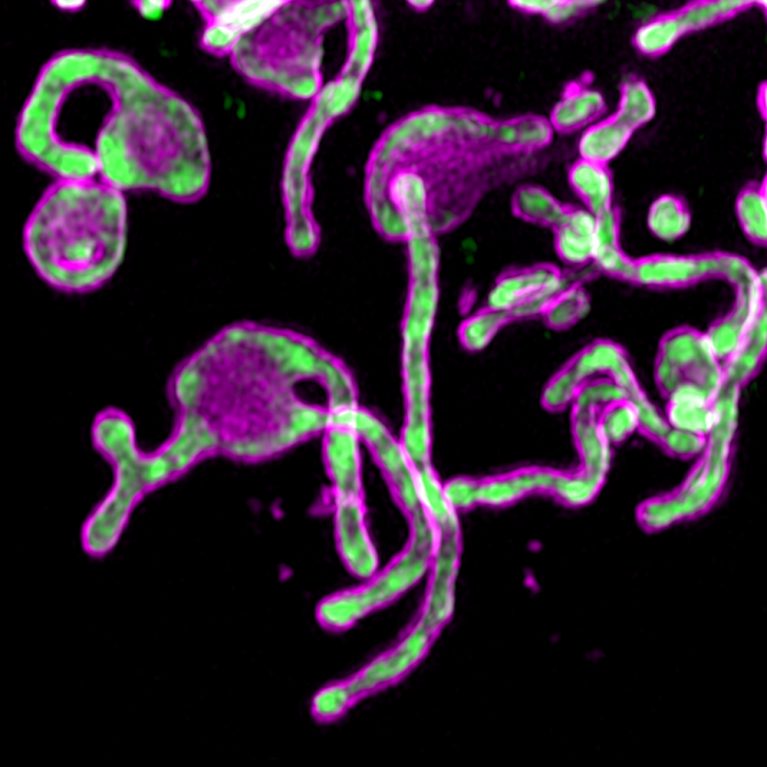
LA JOLLA – Während sich die Werkzeuge zur Untersuchung der Biologie verbessern, beginnen Forscher, Details über Mikropeptide aufzudecken, kleine Komponenten, die für einige zelluläre Prozesse, einschließlich solcher, die mit Krebs zu tun haben, von entscheidender Bedeutung zu sein scheinen. Proteine bestehen aus Ketten von verbundenen Aminosäuren, und ein durchschnittliches menschliches Protein enthält etwa 300 Aminosäuren. Mikropeptide hingegen haben weniger als 100 Aminosäuren.
LA JOLLA—Salk Institute scientists Nicola Allen, Eiman Azim, Margarita Behrens, und Joseph Ecker have been named recipients in the 2019 round of grants from the National Institutes of Health (NIH) to better understand the brain.
LA JOLLA, CA—A team of Salk scientists led by Professor Martyn Goulding has been awarded $14.3 million over five years by the National Institutes of Health (NIH) to create a high-resolution atlas of how the mouse brain generates and controls skilled forelimb movements, such as reaching and grasping. Knowledge generated by the grant will provide a better understanding of not only how the brain controls movement, but also how it is affected by neurological diseases and spinal cord injuries that compromise arm, wrist and hand function.
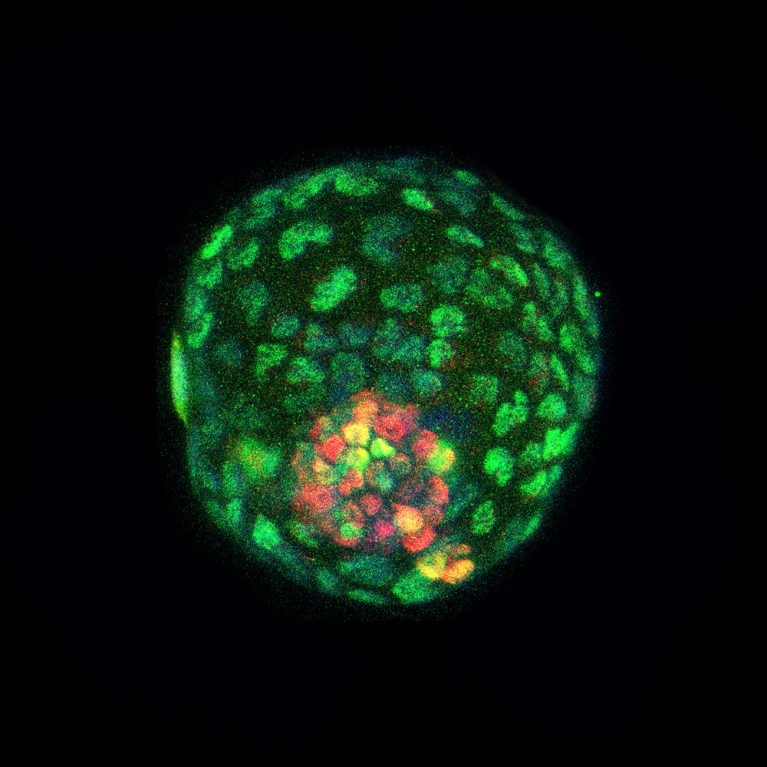
LA JOLLA—Although graduating from school, a first job and marriage can be important events in life, some of the most significant events happen far earlier: in the first few days after a sperm fertilizes an egg and the cell begins to divide.
LA JOLLA—In recent decades, scientists have learned a great deal about how different neurons connect and send signals to each other. But it’s been difficult to trace the activity of individual nerve fibers known as axons, some of which can extend from the tip of the toe to the head. Understanding these connections is important for figuring out how the brain receives and responds to signals from other parts of the body.
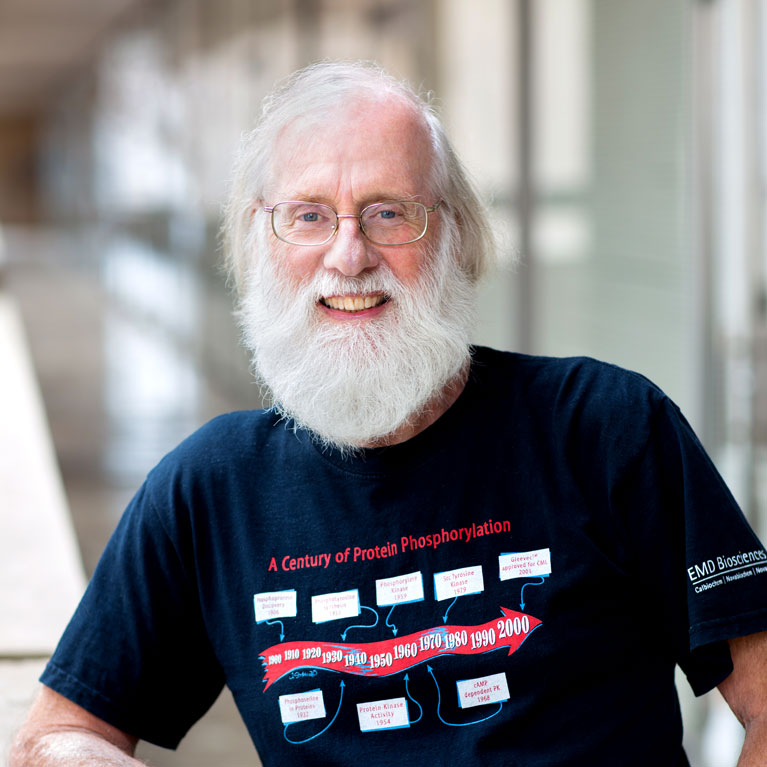
LA JOLLA, CA—Salk scientist Tony Hunter has received a National Cancer Institute (NCI) Outstanding Investigator Award (OIA), which supports accomplished leaders in cancer research. Hunter, who is an American Cancer Society Professor, will receive more than $7,500,000 over the next seven years to further his work. According to the NCI, the award supports investigators who are providing significant contributions toward understanding cancer and developing applications that may lead to a breakthrough in cancer research.
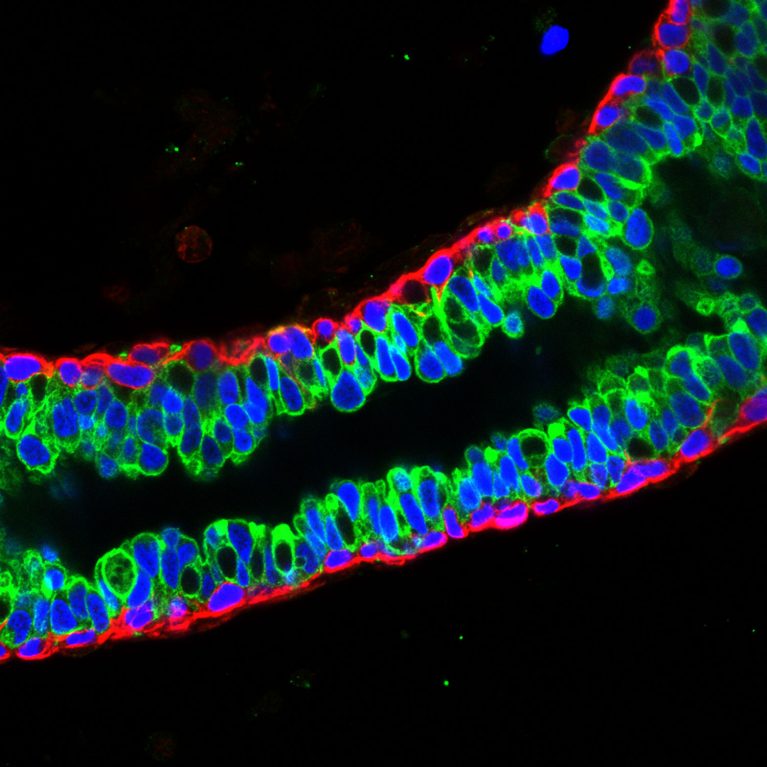
LA JOLLA—Breast cancer is one of the most prevalent cancers, and some forms rank among the most difficult to treat. Its various types and involvement of many different cells makes targeting such tumors difficult. Now, Salk Institute researchers have used a state-of-the-art technology to profile each cell during normal breast development in order to understand what goes wrong in cancer.
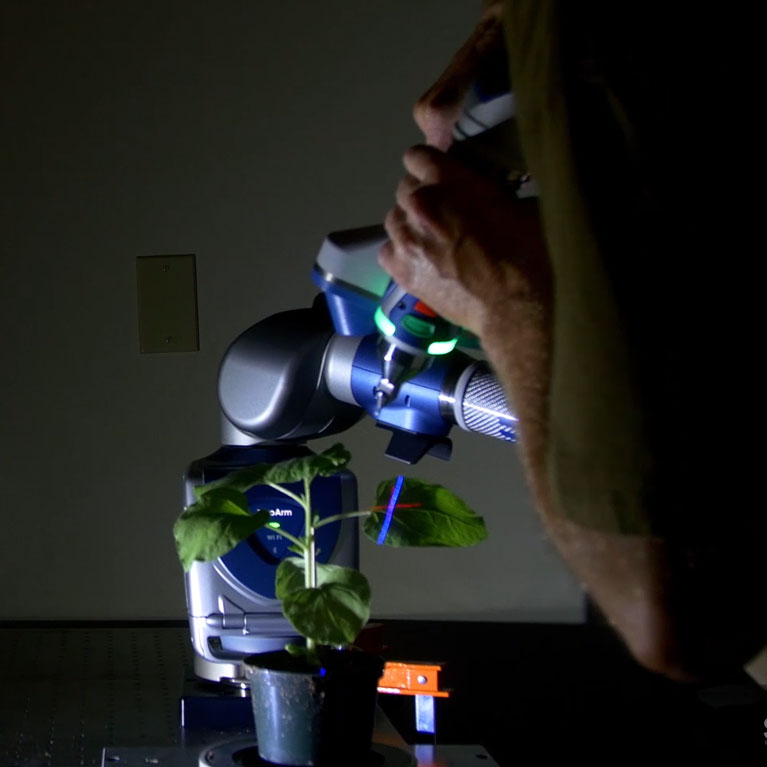
LA JOLLA—Father of genetics Gregor Mendel spent years tediously observing and measuring pea plant traits by hand in the 1800s to uncover the basics of genetic inheritance. Today, botanists can track the traits, or phenotypes, of hundreds or thousands of plants much more quickly, with automated camera systems. Now, Salk researchers have helped speed up plant phenotyping even more, with machine-learning algorithms that teach a computer system to analyze three-dimensional shapes of the branches and leaves of a plant. The study, published in Pflanzenphysiologie on October 7, 2019, may help scientists better quantify how plants respond to climate change, genetic mutations or other factors.
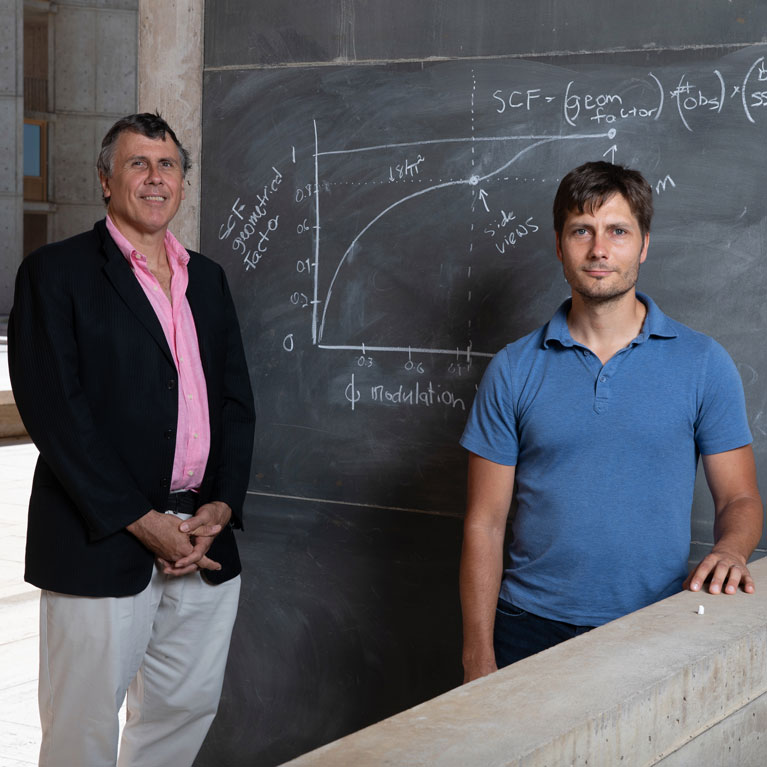
LA JOLLA – 2017 berichteten Wissenschaftler des Salk Institute, dass Einfrieren einer Proteinprobe kippen Die Untersuchung mit einem Elektronenmikroskop war ein effektiver Ansatz, um bessere Informationen über seine Struktur zu erhalten und Forschern das Verständnis einer Vielzahl von Krankheiten zu ermöglichen, die von HIV bis Krebs reichen. Nun haben sie einen mathematischen Rahmen entwickelt, der einigen dieser ersten Beobachtungen zugrunde liegt.
LA JOLLA—Colorectal cancer is a common lethal disease, and treatment decisions are increasingly influenced by which genes are mutated within each patient. Some patients with a certain gene mutation benefit from a chemotherapy drug called cetuximab, although the mechanism of how this drug worked was unknown.
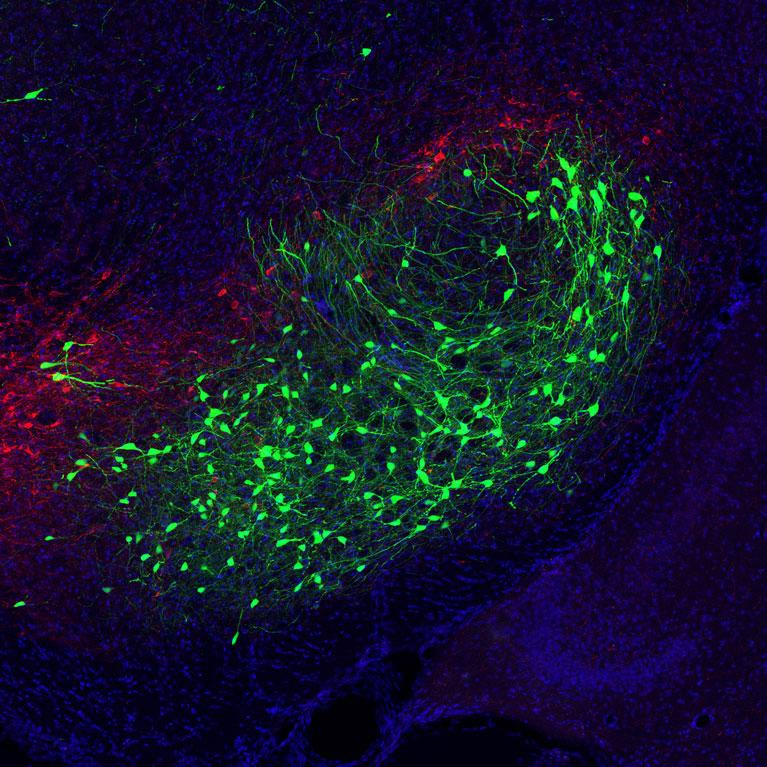
LA JOLLA—During high stress situations such as making a goal in soccer, some athletes experience a rapid decline in performance under pressure, known as “choking.” Now, Salk Institute researchers have uncovered what might be behind the phenomenon: one-way signals from the brain’s emotion circuit to the movement circuit. The study, which was published online on September 6, 2019, in eLife, could lead to new strategies for treating disorders with disrupted movement, such as obsessive-compulsive disorder, anxiety and depression, along with aiding in recovery from spinal cord injuries or physical performance under pressure.
Daniel Lackner, a former Salk postdoctoral fellow who worked in the lab of Jan Karlseder from 2008 to 2014, passed away August 31 from complications related to a rare teratoid tumor.
LA JOLLA - Der präfrontale Kortex des Gehirns, der uns die Fähigkeit verleiht, Probleme zu lösen und vorausschauend zu planen, besteht aus Milliarden von Zellen. Das Verständnis der großen Vielfalt an Zelltypen in dieser wichtigen Region, von denen jeder einzigartige genetische und molekulare Eigenschaften aufweist, war bisher jedoch eine Herausforderung.
LA JOLLA – Pflanzen können viele erstaunliche Dinge. Zu ihren Talenten gehört die Herstellung von Verbindungen, die ihnen helfen, Schädlinge abzuwehren, Bestäuber anzulocken, Infektionen zu heilen und sich vor extremen Temperaturen, Trockenheit und anderen Umwelteinflüssen zu schützen.
LA JOLLA—Iron is essential for plant growth, but with heavy rainfall and poor aeration, many acidic soils become toxic with excess iron. In countries with dramatic flood seasons, such as in West Africa and tropical Asia, toxic iron levels can have dire consequences on the availability of staple foods, such as rice.
LA JOLLA—The Salk Institute announced today that The Kavli Foundation has committed $3 million to support ongoing neuroscience research at Salk as part of the joint UCSD-Salk Kavli Institute for Brain and Mind (KIBM). The gift—matched by an additional $3 million from Salk—will add $6 million to the KIBM Endowment, to enable faculty in neuroscience to work on the most impactful questions in the field. The Kavli Institute for Brain and Mind was established through a $15.5 million endowment commitment from The Kavli Foundation, shared between Salk and UC San Diego.
LA JOLLA—Your immune system comes ready for battle against bacteria, viruses, fungi and even cancer. But in cases of autoimmune disease, the immune system’s superpowers turn it into a supervillain. Now, Salk Institute scientists have discovered a way to stop certain immune system cells from mistakenly attacking the body. Their findings, published the week of August 26, 2019, in the journal Verhandlungen der Nationalen Akademie der Wissenschaften, suggest a new way to target Th17 helper T cells, a type of immune cell that produces interleukin 17, a molecule known to be at the root of autoimmune diseases such as multiple sclerosis, rheumatoid arthritis and psoriasis. Previous efforts targeting Th17 helper T cells have had limited success.
LA JOLLA—The ability to edit genes in living organisms offers the opportunity to treat a plethora of inherited diseases. However, many types of gene-editing tools are unable to target critical areas of DNA, and creating such a technology has been difficult as living tissue contains diverse types of cells.
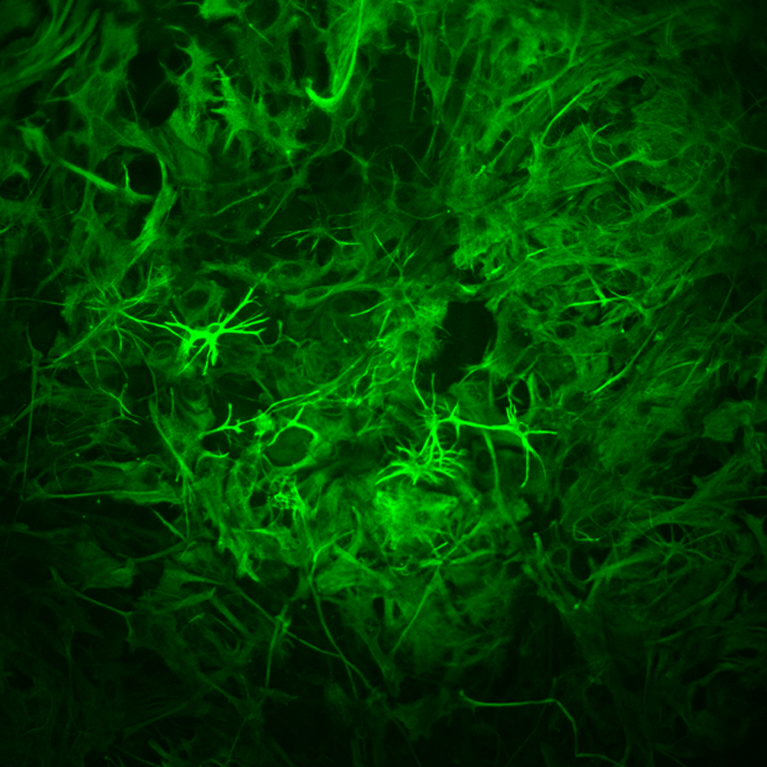
LA JOLLA—Star-shaped cells called astrocytes help the brain establish long-lasting memories, Salk researchers have discovered. The new work adds to a growing body of evidence that astrocytes, long considered to be merely supportive cells in the brain, may have more of a leading role. The study, published in the journal GLIA on July 26, 2019, could inform therapies for disorders in which long-term memory is impaired, such as traumatic brain injury or dementia.