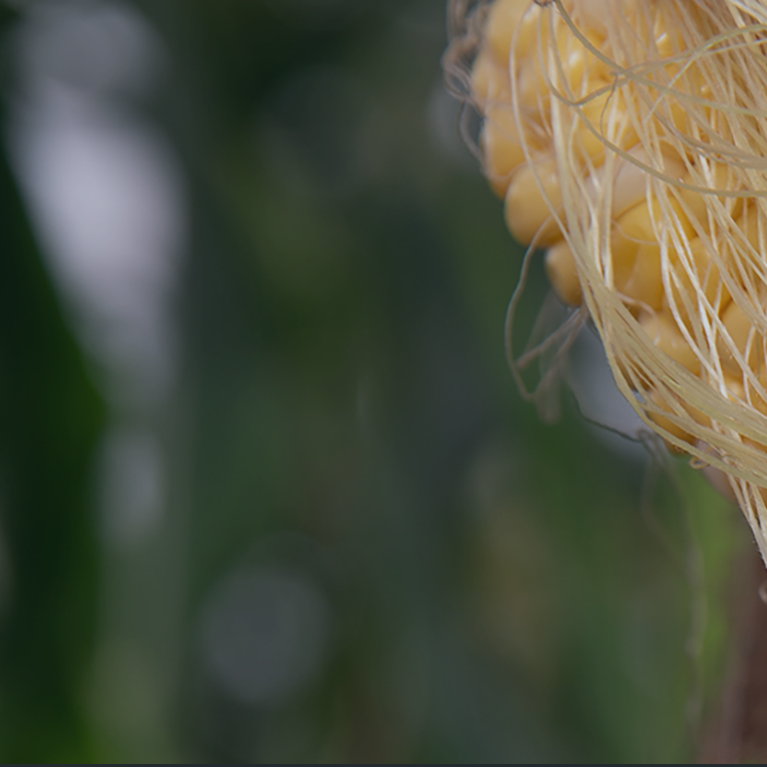
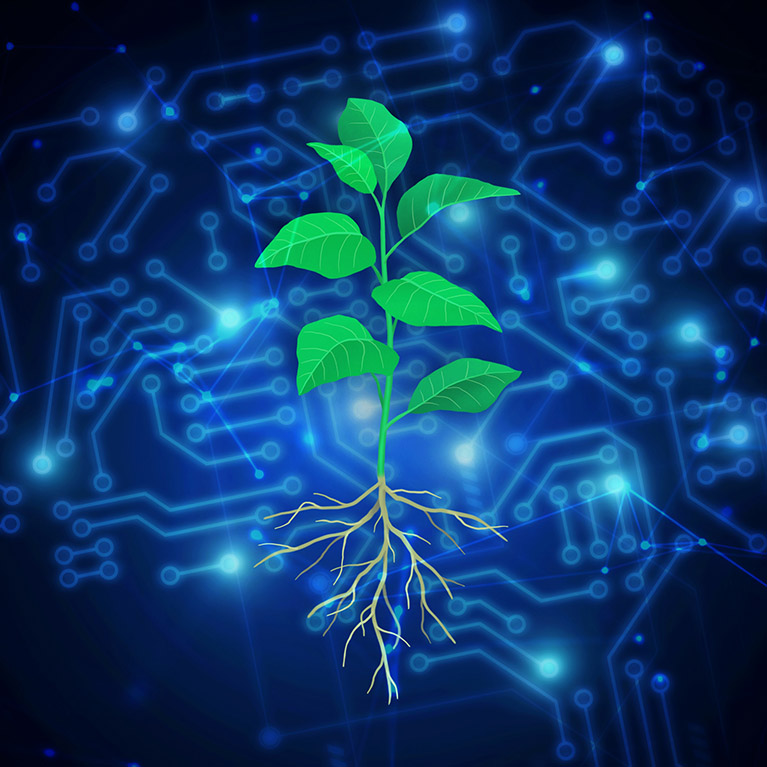
LA JOLLA—Global temperatures are on the rise, with experts projecting an increase of 2.7°F by 2050. Because plants cannot regulate their own temperatures, they are especially sensitive to these temperature changes. In higher temperatures, plants instruct their root systems to grow faster, creating long roots that stretch through the soil to absorb more water and nutrients. While this response may help the plants in the short term, new research suggests it’s both unsustainable for the plants and potentially harmful for humans in the long term.
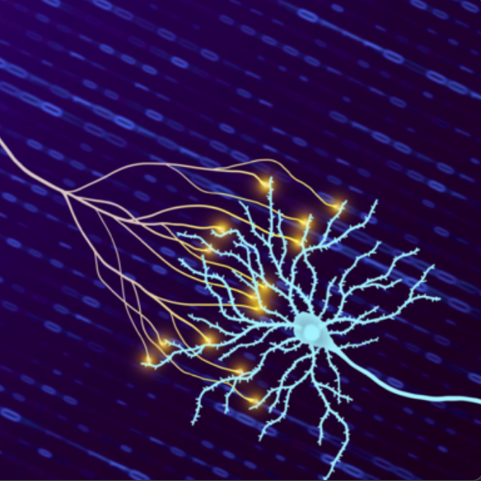
LA JOLLA—With each flip you make through a deck of vocabulary word flashcards, their definitions come more quickly, more easily. This process of learning and remembering new information strengthens important connections in your brain. Recalling those new words and definitions more easily with practice is evidence that those neural connections, called synapses, can grow stronger or weaker over time—a feature known as synaptic plasticity.
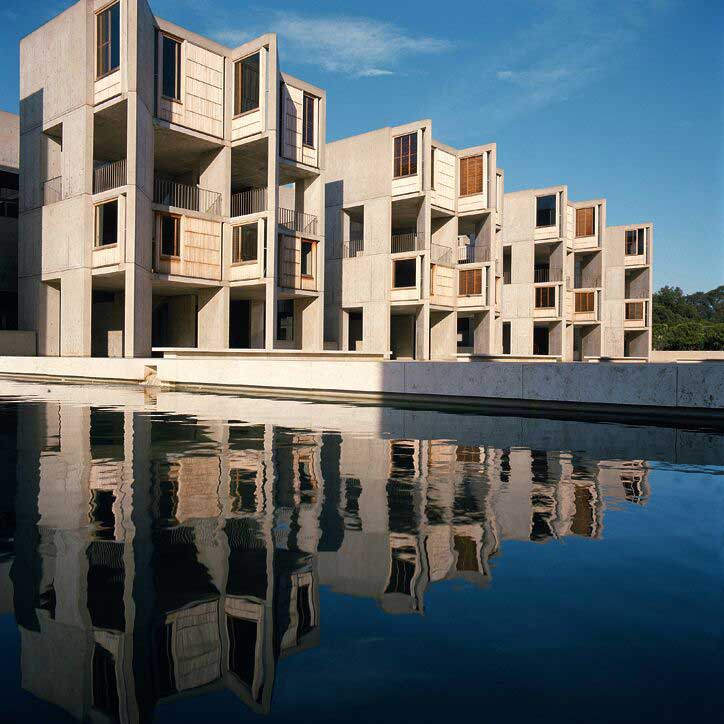
LA JOLLA—The Wicklow Foundation has donated $2 million to the Salk Institute to establish the Margaret Faye Wilson Endowment in honor of the banking and retail leader and former Salk Trustee. Wilson served on the Salk Board from 2010 to 2019 and was a generous supporter of the Institute’s research over the years. A treasured member of the community, Wilson died in July 2023.
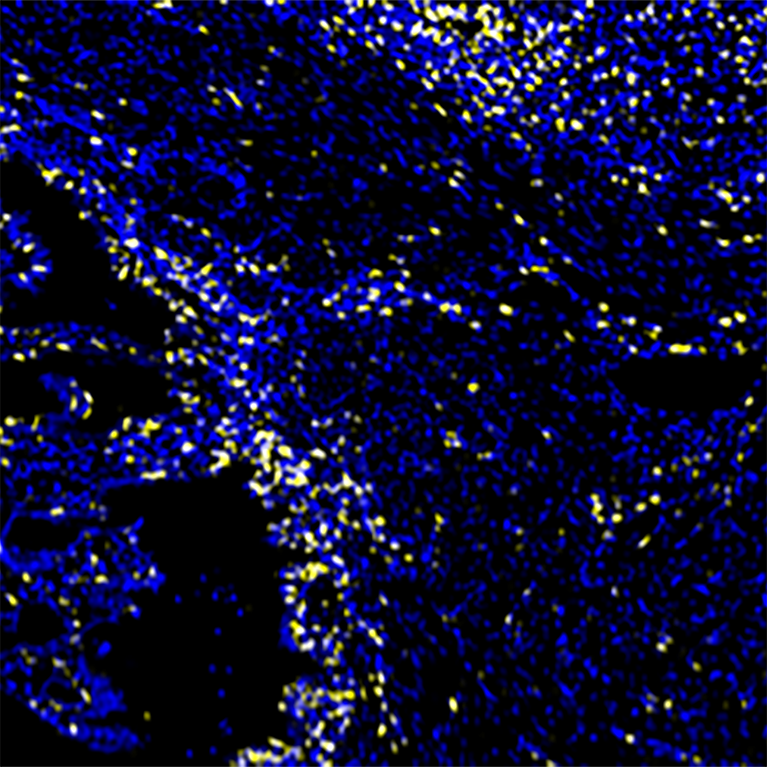
LA JOLLA—Immunotherapy has revolutionized the way we treat cancer in recent years. Instead of targeting the tumor itself, immunotherapies work by directing patients’ immune systems to attack their tumors more effectively. This has been especially impactful in improving outcomes for certain difficult-to-treat cancers. Still, fewer than half of all cancer patients respond to current immunotherapies, creating an urgent need to identify biomarkers that can predict which patients are most likely to benefit.
LA JOLLA—In recognition of his notable and innovative contributions to science, the Salk Institute’s 阿克塞尔·尼默雅恩 has been promoted from associate professor to full professor. The promotion is based on Salk faculty and Nonresident Fellow recommendations and was approved by Salk’s president and Board of Trustees on April 19, 2024.
LA JOLLA—The Salk Institute will receive a four-year, $5 million gift from the Paul M. Angell Family Foundation to support pancreatic cancer research. The project’s leaders, Salk Assistant Professor 丹妮尔·恩格尔, Professor 罗纳德·埃文斯, and Professor 鲁本-肖, will establish a novel pipeline from patients to the laboratory and back to the clinic. The approach will provide a unique opportunity to uncover new diagnostics and therapies for pancreatic cancer.
LA JOLLA—The Salk Institute lost one of its greatest supporters and one of San Diego’s most generous philanthropists when Joan Jacobs died on May 6, 2024, in La Jolla, California. She was 91 years old.
拉霍亚—索尔克研究所的 Martyn Goulding, a professor in the Molecular Neurobiology Laboratory and the Frederick W. and Joanna J. Mitchell Chair, was elected to the American Academy of Arts & Sciences. Goulding is a neuroscientist who studies the sensorimotor circuitry in the spinal cord that controls a range of different motor behaviors, from simple reflexes such as scratching to walking and precise forelimb movements.
LA JOLLA—Salk Institute Professor 苏珊·凯奇 has been elected to the U.S. National Academy of Sciences. Kaech is one of 120 new members and 24 international members to be elected to the academy in recognition of their distinguished and continuing achievements in original research. The election is considered one of the highest honors accorded to a scientist in the United States. Kaech’s work has transformed the fields of immunology and cancer biology and inspires new approaches to cancer immunotherapy. Her recognition brings the number of Salk faculty elected to the National Academy of Sciences to 13.
LA JOLLA—As part of its $7 million “Prebys Research Heroes” program, the Prebys Foundation awarded Salk Professor 塔季扬娜·沙尔佩 助理教授 丹妮尔·恩格尔 each $500,000 to fund their research. The grants will be dispensed over two years and are part of 14 grants the foundation awarded to support women pursuing research careers in San Diego.
LA JOLLA—The Intergovernmental Panel on Climate Change (IPCC) declared that removing carbon from the atmosphere is now essential to fighting climate change and limiting global temperature rise. To support these efforts, Salk scientists are harnessing plants’ natural ability to draw carbon dioxide out of the air by optimizing their root systems to store more carbon for a longer period of time.
LA JOLLA—Salk Institute Professor 萨奇达南达·潘达 has been named a 2023 Fellow of the American Association for the Advancement of Science (AAAS), the world’s largest general scientific society and publisher of the journal 科学. Panda is among 502 new AAAS Fellows spanning 24 scientific disciplines who were nominated by their peers for their distinguished efforts to advance science. The election recognizes his contributions to the field of chronobiology, particularly for applications to obesity and human health.
LA JOLLA—One in every 10 individuals above the age of 65 develops an age-related neurological disorder like Alzheimer’s or Parkinson’s, yet treatment options remain sparse for this population. Scientists have begun exploring whether cannabinoids—compounds derived from the cannabis plant, like well-known THC (tetrahydrocannabinol) and CBD (cannabidiol)—may offer a solution. A third, lesser-known cannabinoid called CBN (cannabinol) has recently piqued the interest of researchers, who have begun exploring the clinical potential of the milder, less psychoactive substance.
LA JOLLA—Pancreatic cancer has the highest mortality rate of all major cancers and is projected to become the second-leading cause of cancer-related deaths in the United States by 2030. It is especially difficult to treat because pancreatic tumors grow so quickly and are constantly evolving, making them prone to developing drug resistance.
LA JOLLA—Salk Institute Professor 特伦斯·塞津诺维奇 will receive the 2024 Brain Prize for “pioneering the field of computational and theoretical neuroscience, making seminal contributions to our understanding of the brain, and paving the way for the development of brain-inspired artificial intelligence,” the Lundbeck Foundation announced today.
LA JOLLA—Charles Darwin described evolution as "descent with modification." Genetic information in the form of DNA sequences is copied and passed down from one generation to the next. But this process must also be somewhat flexible, allowing slight variations of genes to arise over time and introduce new traits into the population.
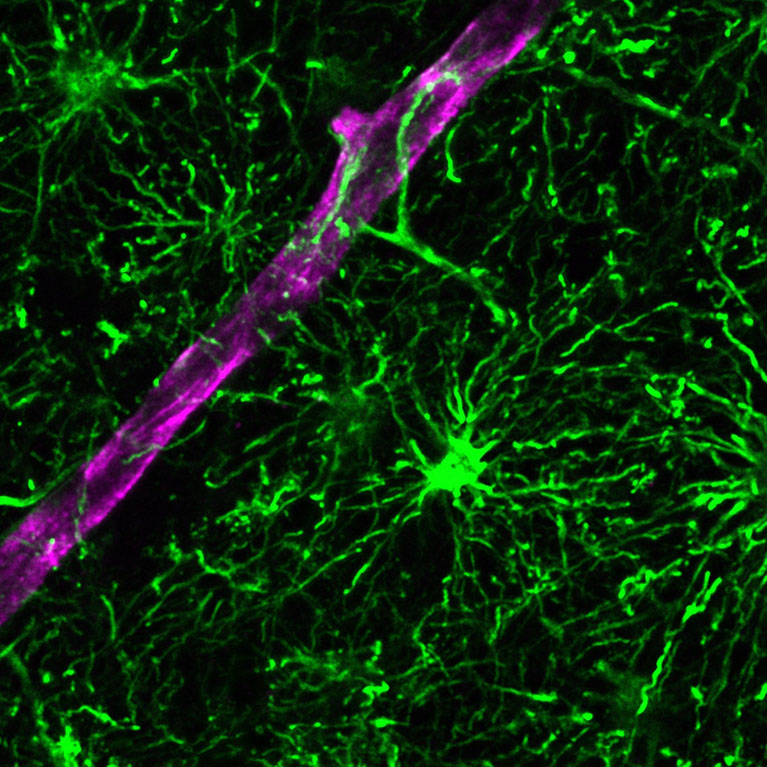
LA JOLLA—The brain is typically depicted as a complex web of neurons sending and receiving messages. But neurons only make up half of the human brain. The other half—roughly 85 billion cells—are non-neuronal cells called glia. The most common type of glial cells are astrocytes, which are important for supporting neuronal health and activity. Despite this, most existing laboratory models of the human brain fail to include astrocytes at sufficient levels or at all, which limits the models’ utility for studying brain health and disease.
LA JOLLA—Salk Distinguished Professor Emeritus 罗杰·吉耶曼, recipient of the 1977 Nobel Prize in Physiology or Medicine and neuroendocrinology pioneer, died on February 21, 2024, in Del Mar, California at the age of 100.
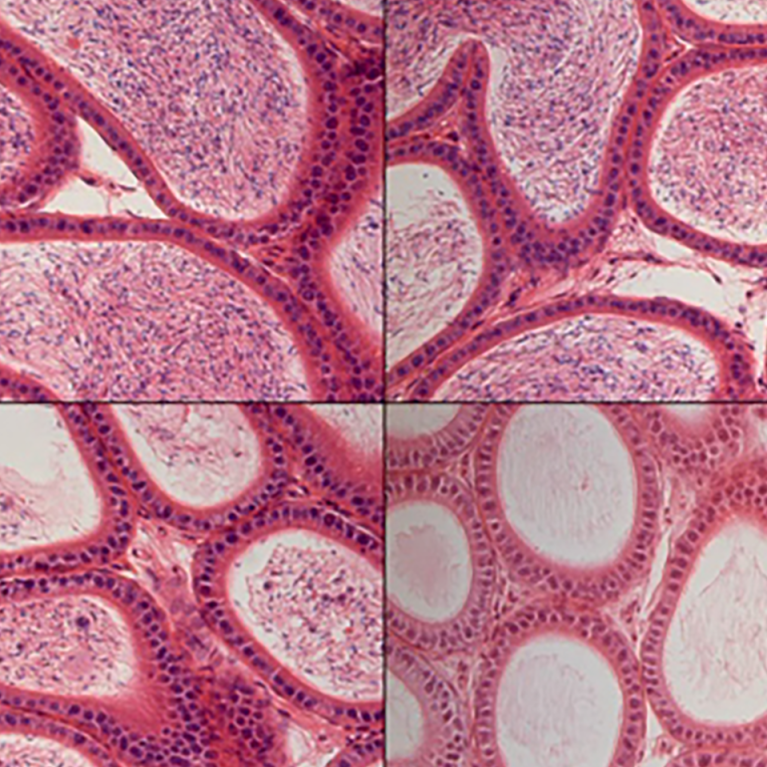
LA JOLLA—Surveys show most men in the United States are interested in using male contraceptives, yet their options remain limited to unreliable condoms or invasive vasectomies. Recent attempts to develop drugs that block sperm production, maturation, or fertilization have had limited success, providing incomplete protection or severe side effects. New approaches to male contraception are needed, but because sperm development is so complex, researchers have struggled to identify parts of the process that can be safely and effectively tinkered with.
LA JOLLA—Salk Institute Professor 贾内尔·艾尔斯 has been elected to the American Academy of Microbiology’s Fellowship Class of 2024. Fellows of the Academy, an honorific leadership group within the American Society for Microbiology, are elected annually through a highly selective, peer-review process based on their records of scientific achievement and original contributions that have advanced microbiology. The Academy received 156 nominations this year, electing 65 into the 2024 Fellowship Class.