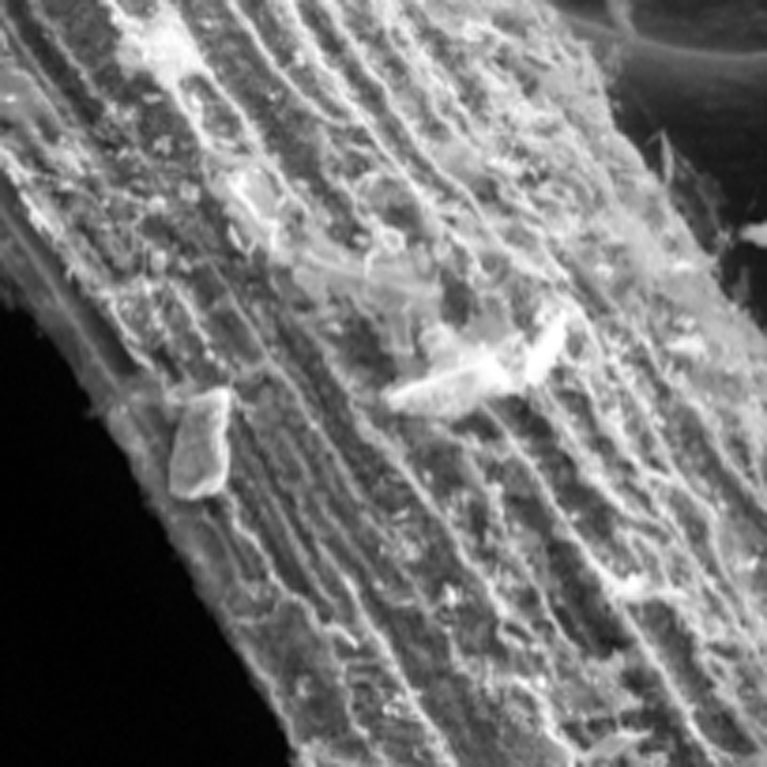
LA JOLLA—Plants are unparalleled in their ability to capture CO2 from the air, but this benefit is temporary, as leftover crops release carbon back into the atmosphere, mostly through decomposition. Researchers have proposed a more permanent, and even useful, fate for this captured carbon by turning plants into a valuable industrial material called silicon carbide (SiC)—offering a strategy to turn an atmospheric greenhouse gas into an economically and industrially valuable material.
The Kavli Foundation champions scientific research through its Small Equipment Grant program that provides scientists with unconstrained opportunities to drive greater discovery. The funding will support Salk faculty and research professors working in neuroscience and related fields to purchase or build equipment needed to further their research, ranging from $10,000 to $100,000.
LA JOLLA—Scientists have known for a while that SARS-CoV-2’s distinctive “spike” proteins help the virus infect its host by latching on to healthy cells. Now, a major new study shows that the virus spike proteins (which behave very differently than those safely encoded by vaccines) also play a key role in the disease itself.
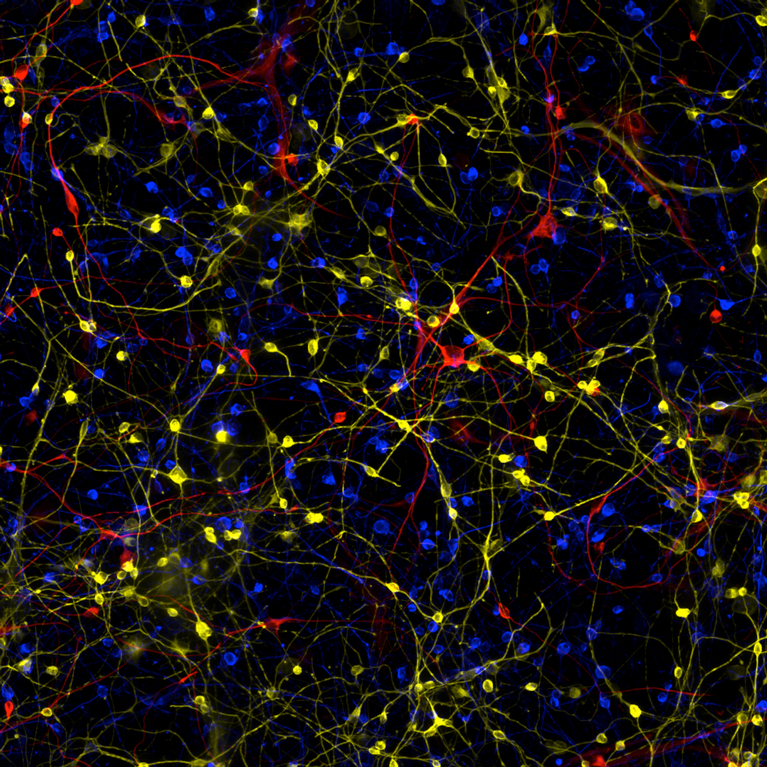
LA JOLLA—Despite the prevalence of Alzheimer’s, there are still no treatments, in part because it has been challenging to study how the disease develops. Now, scientists at the Salk Institute have uncovered new insights into what goes awry during Alzheimer’s by growing neurons that resemble—more accurately than ever before—brain cells in older patients. And like patients themselves, the afflicted neurons appear to lose their cellular identity.
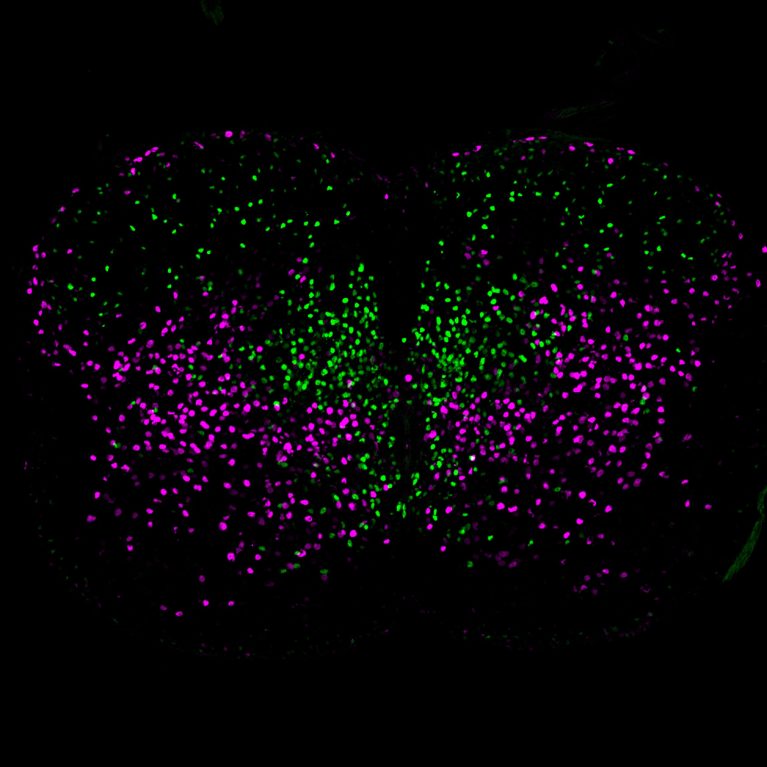
LA JOLLA—Spinal cord nerve cells branching through the body resemble trees with limbs fanning out in every direction. But this image can also be used to tell the story of how these neurons, their jobs becoming more specialized over time, arose through developmental and evolutionary history. Salk researchers have, for the first time, traced the development of spinal cord neurons using genetic signatures and revealed how different subtypes of the cells may have evolved and ultimately function to regulate our body movements.
LA JOLLA—The San Diego Nathan Shock Center (SD-NSC) of Excellence in the Basic Biology of Aging, a consortium between the Salk Institute for Biological Studies, Sanford Burnham Prebys (SBP) Medical Discovery Institute and the University of California San Diego, has announced the first class of pilot grant awardees at the center’s inaugural training workshop. Six recipients, each from a different institution, will receive up to $15,000 to pursue research that advances our understanding of how humans age, with the ultimate goal of extending the number of years of healthy, disease-free life (i.e., health span).
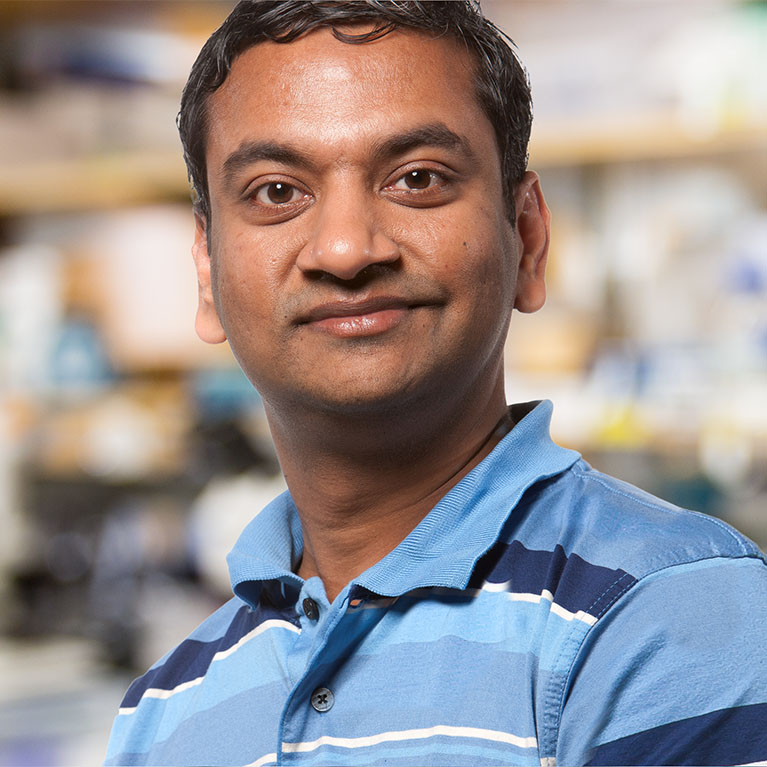
拉霍亚—索尔克副教授 斯里坎特·查拉萨尼 荣获2021年美国国家博士后协会 (NPA) Gallagher导师奖。. 公告已发布 在2021年NPA年度会议上,会议于4月15日至16日举行。查拉萨尼是获得该享有盛誉的奖项的八名决赛选手之一。.
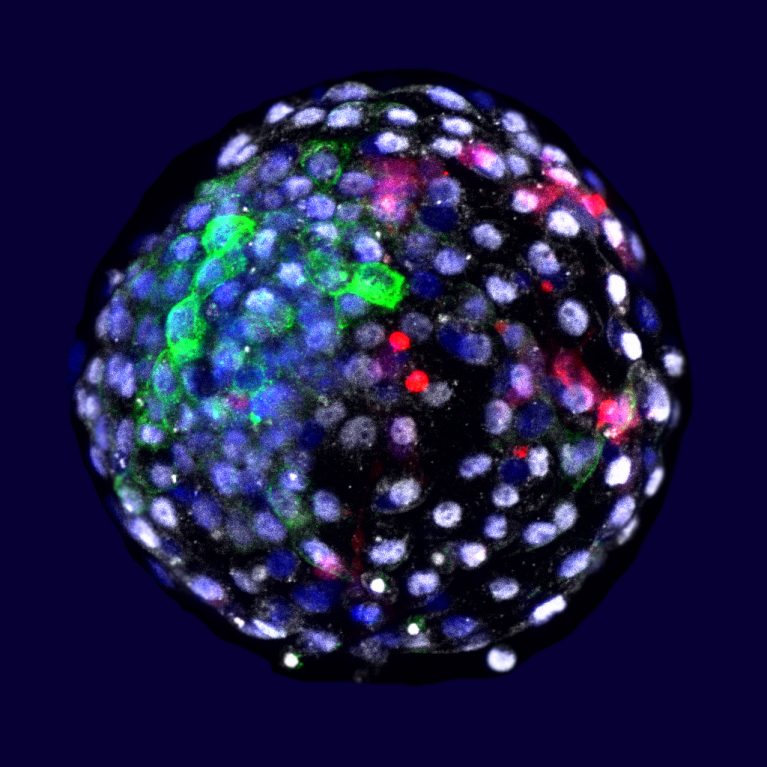
LA JOLLA—The ability to grow the cells of one species within an organism of a different species offers scientists a powerful tool for research and medicine. It’s an approach that could advance our understanding of early human development, disease onset and progression and aging; provide innovative platforms for drug evaluation; and address the critical need for transplantable organs. Yet developing such capabilities has been a formidable challenge.
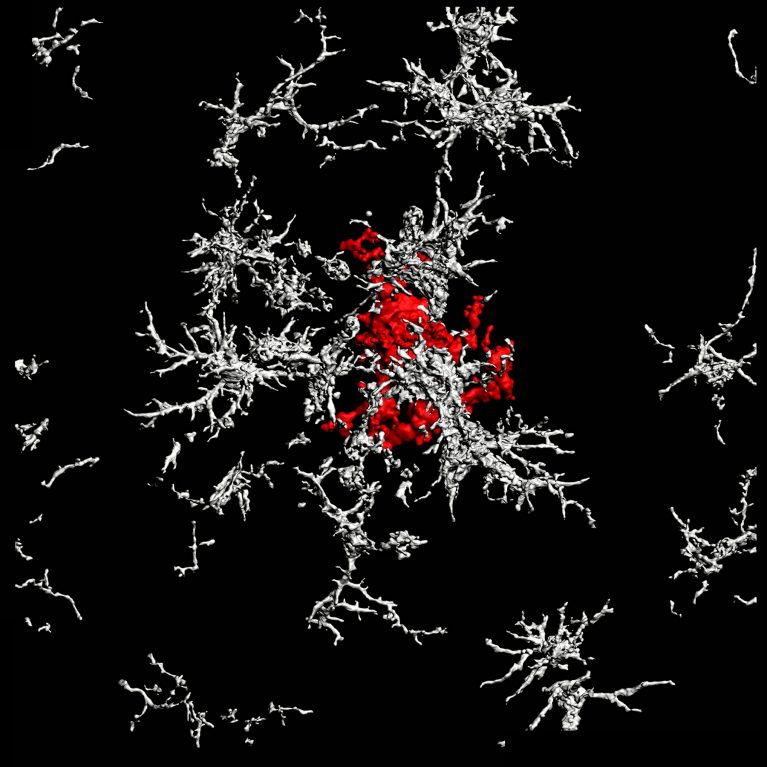
LA JOLLA—One of the characteristic hallmarks of Alzheimer’s disease (AD) is the buildup of amyloid-beta plaques in the brain. Most therapies designed to treat AD target these plaques, but they’ve largely failed in clinical trials. New research by Salk scientists upends conventional views of the origin of one prevalent type of plaque, indicating a reason why treatments have been unsuccessful.
拉霍亚—索尔克助理教授 丹妮尔·恩格尔 获得卢斯特加滕基金会-美国癌症研究协会(AACR)胰腺癌研究事业发展奖,以表彰已故最高法院大法官、女性权利先驱鲁斯·巴德·金斯伯格。.
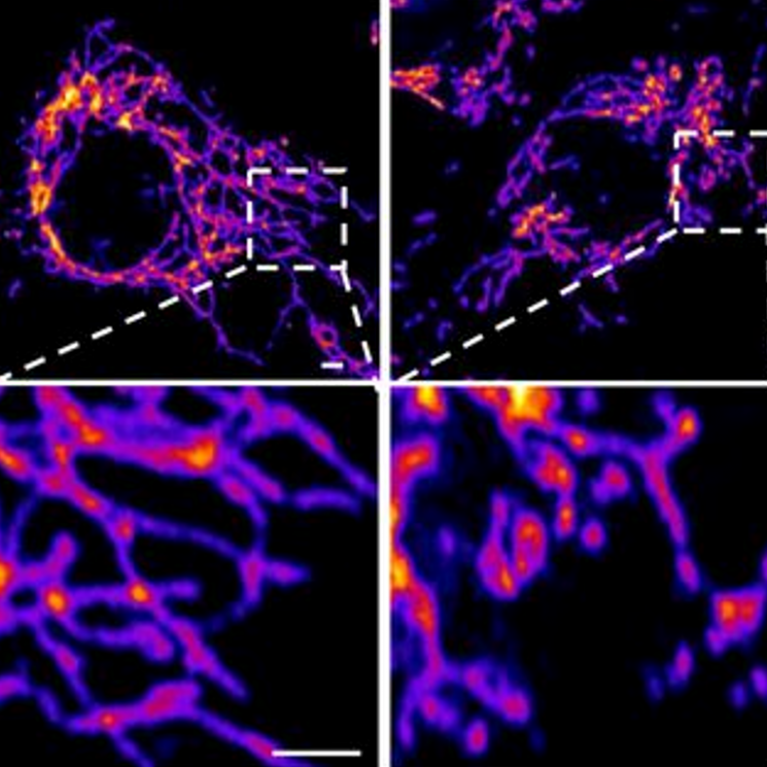
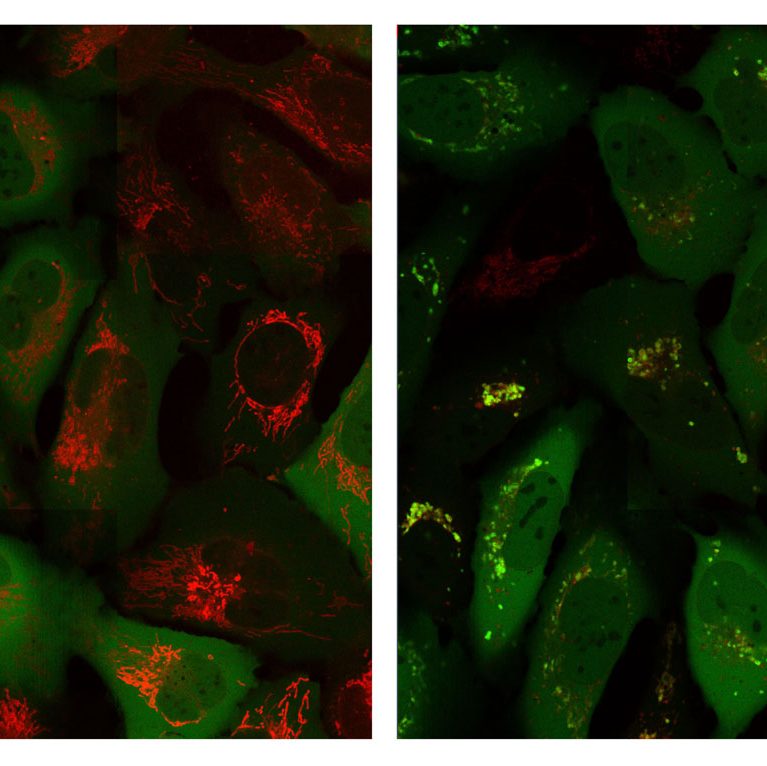
LA JOLLA—When cells are stressed, chemical alarms go off, setting in motion a flurry of activity that protects the cell’s most important players. During the rush, a protein called Parkin hurries to protect the mitochondria, the power stations that generate energy for the cell. Now Salk researchers have discovered a direct link between a master sensor of cell stress and Parkin itself. The same pathway is also tied to type 2 diabetes and cancer, which could open a new avenue for treating all three diseases.
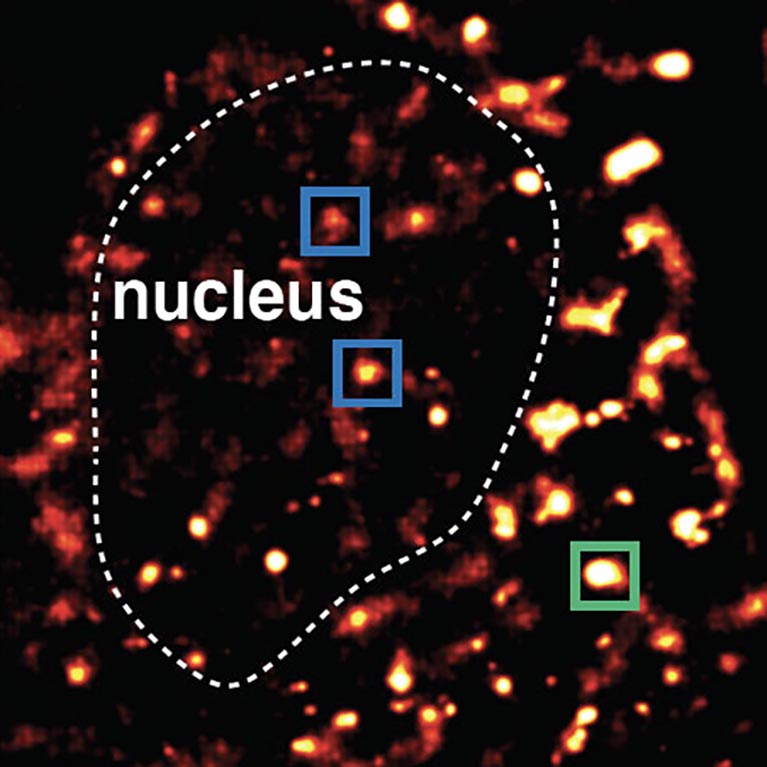
LA JOLLA—Neurons lack the ability to replicate their DNA, so they’re constantly working to repair damage to their genome. Now, a new study by Salk scientists finds that these repairs are not random, but instead focus on protecting certain genetic “hot spots” that appear to play a critical role in neural identity and function.
LA JOLLA—The Salk Institute has appointed 尤里·马诺尔 to the position of assistant research professor, a non-tenure faculty position, as part of its ongoing commitment to attract and retain top talent. Manor has been a Salk staff scientist and director of the Waitt Advanced Biophotonics Core Facility since 2016. He will lead an independent research group and continue his work developing cutting-edge imaging techniques to illuminate biologically relevant targets.
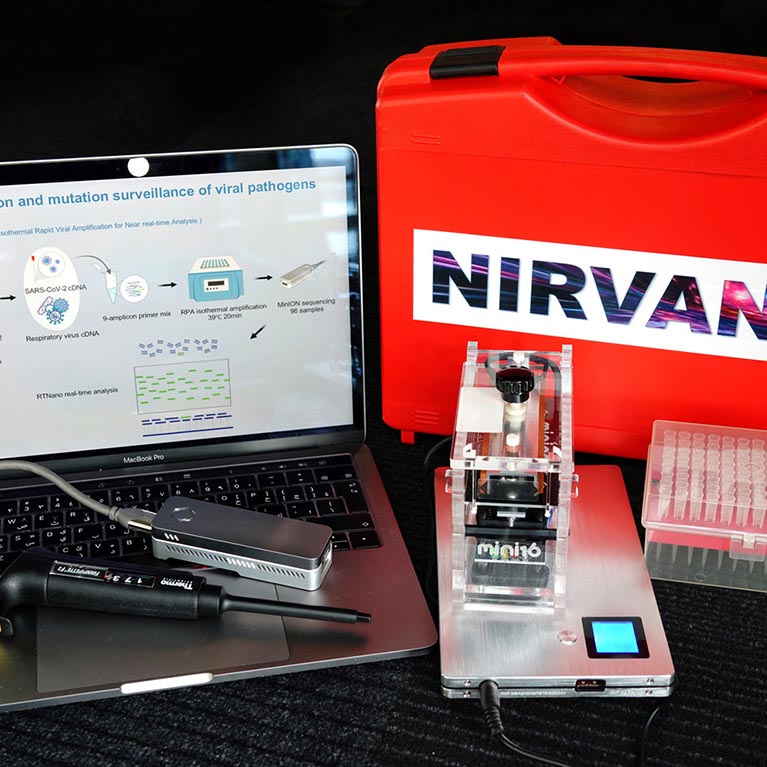
LA JOLLA—Clinicians using a new viral screening test can not only diagnose COVID-19 in a matter of minutes with a portable, pocket-sized machine, but can also simultaneously test for other viruses—like influenza—that might be mistaken for the coronavirus. At the same time, they can sequence the virus, providing valuable information on the spread of COVID-19 mutations and variants. The new test, dubbed NIRVANA, was described online today by a multi-institution team of scientists in the journal Med.
拉霍亚—索尔克教授 Thomas Albright has been awarded $1 million and Assistant Professor Edward Stites awarded $500,000 by The Conrad Prebys Foundation as part of its inaugural round of grants. The funding will support Albright’s project looking at how our visual sense changes as we age or gain experience at new visual tasks, and Stites’ project investigating how specific FDA-approved drugs function against three types of melanoma mutations, which drive approximately 80 percent of melanomas.
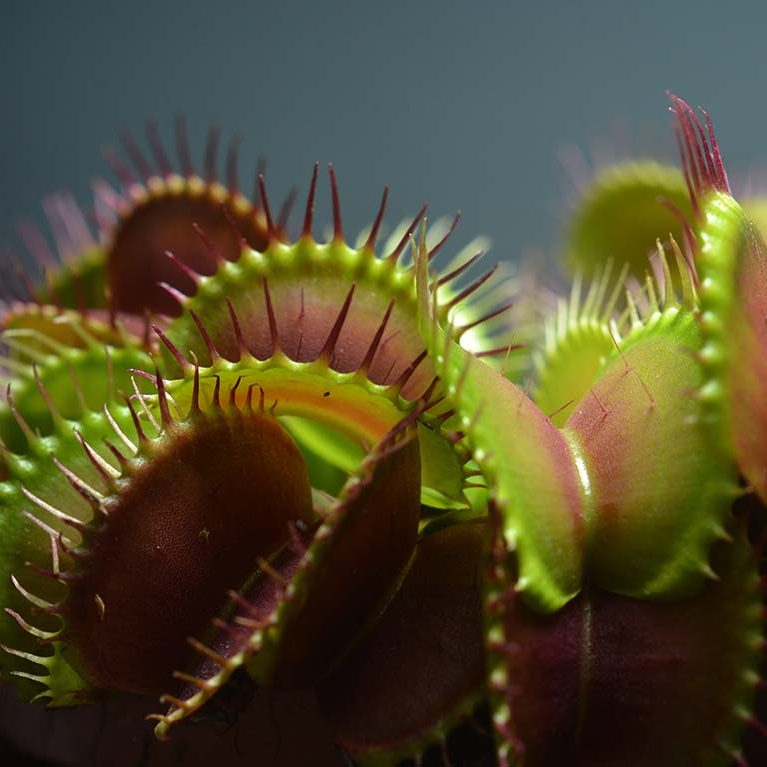
LA JOLLA—The brush of an insect’s wing is enough to trigger a Venus flytrap to snap shut, but the biology of how these plants sense and respond to touch is still poorly understood, especially at the molecular level. Now, a new study by Salk and Scripps Research scientists identifies what appears to be a key protein involved in touch sensitivity for flytraps and other carnivorous plants.
拉霍亚—索尔克教授 罗纳德·埃文斯, director of Salk’s Gene Expression Laboratory and March of Dimes Chair in Molecular and Developmental Biology, has been awarded the 2021 Asan Award in Basic Medicine by the Asan Foundation.
拉霍亚—索尔克教授 沃尔夫冈·布施 has been recognized for his contributions and dedication to advancing science through research by being named the first holder of the Hess Chair in Plant Science, effective April 1, 2021.
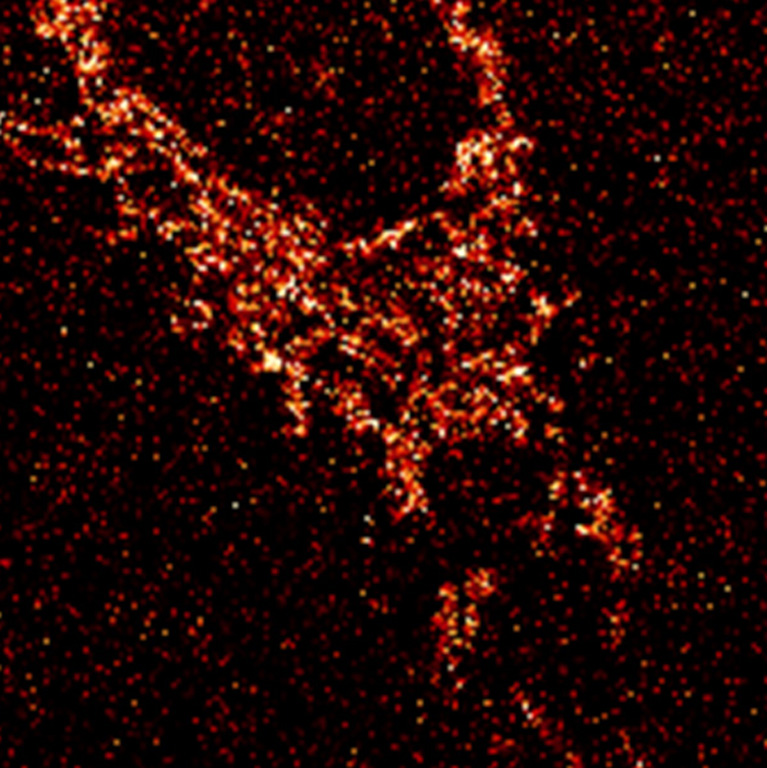
LA JOLLA—Deep learning is a potential tool for scientists to glean more detail from low-resolution images in microscopy, but it’s often difficult to gather enough baseline data to train computers in the process. Now, a new method developed by scientists at the Salk Institute could make the technology more accessible—by taking high-resolution images, and artificially degrading them.
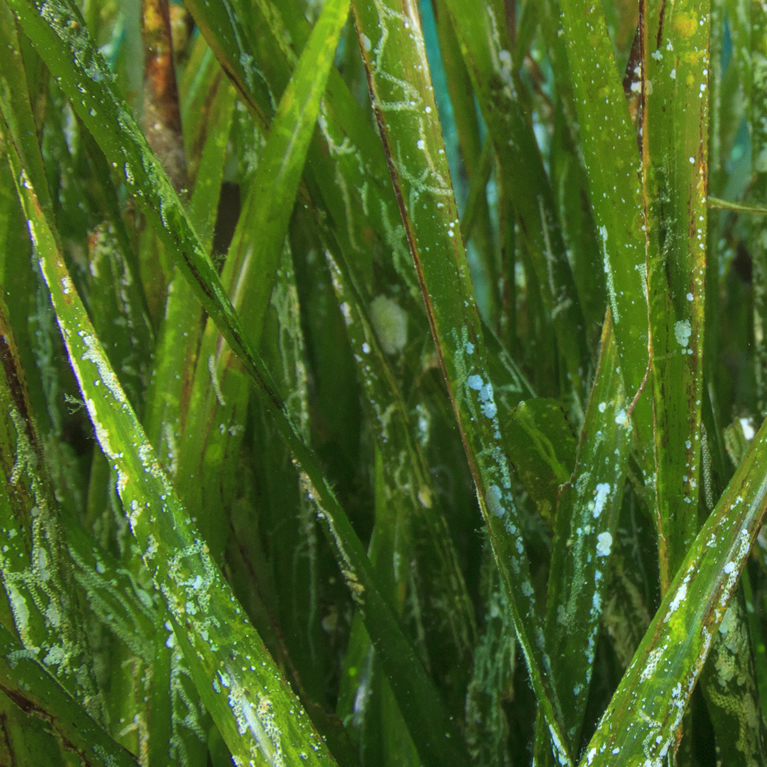
Recently, donors completed a matching challenge, gifting $200,000 to Salk’s Coastal Plant Restoration (CPR) program to address increasingly urgent needs to preserve some of the world’s largest carbon reservoirs and restore global wetland ecosystems. This approach holds great promise for safeguarding these tremendous carbon sinks while stabilizing, and in many cases, rebuilding land lost to erosion and unprecedented sea level rise.