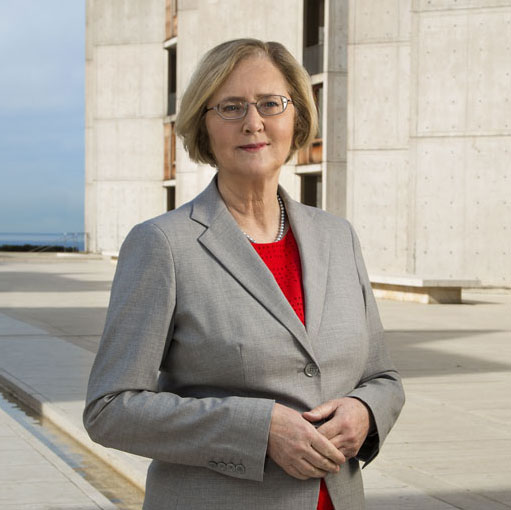
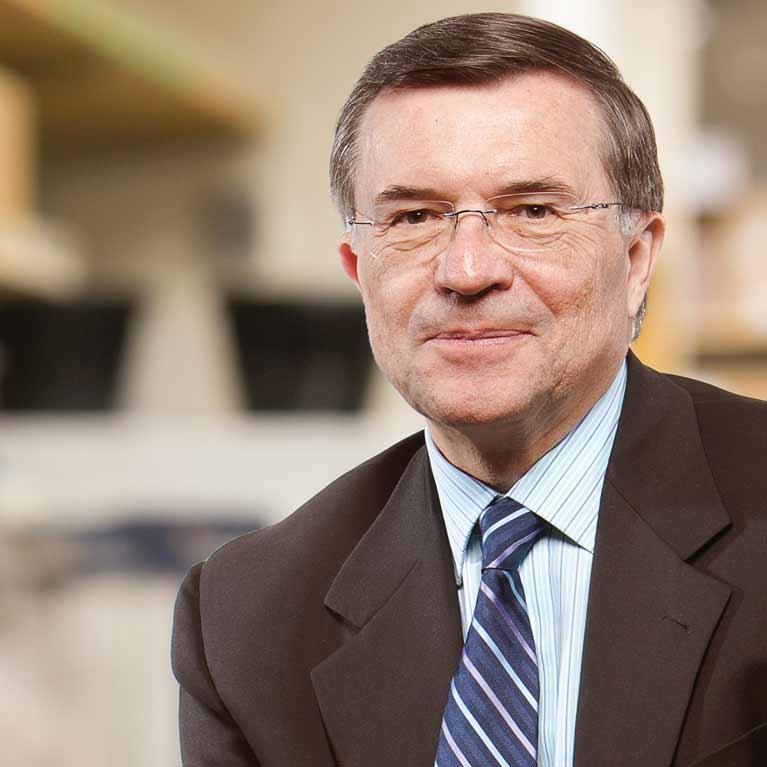
La presidenta del Instituto Salk, Elizabeth Blackburn, fue invitada a pronunciar el discurso de apertura en la Universidad de Queensland el mes pasado sobre equidad de género y temas de diversidad en las disciplinas de Ciencia, Tecnología, Ingeniería, Matemáticas y Medicina (STEMM, por sus siglas en inglés). Blackburn es la primera mujer australiana en ganar un Premio Nobel. Después de su discurso, que recibió una respuesta positiva de la audiencia, participó en un panel de discusión sobre las barreras y desafíos para las mujeres en la ciencia. Aquí hay una transcripción de su discurso:
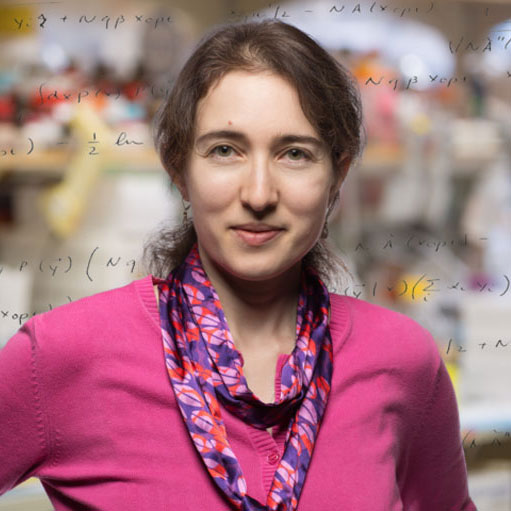
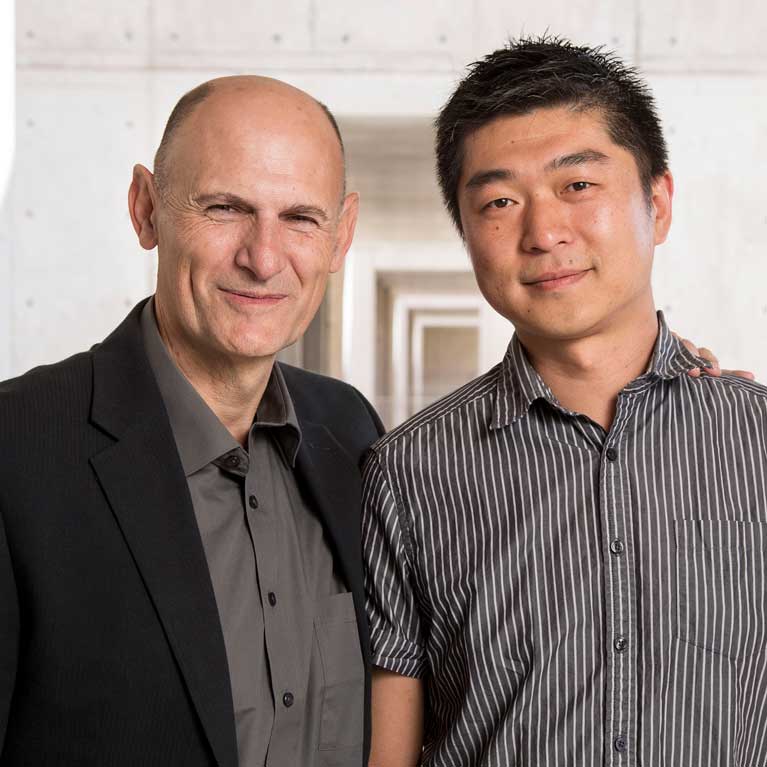
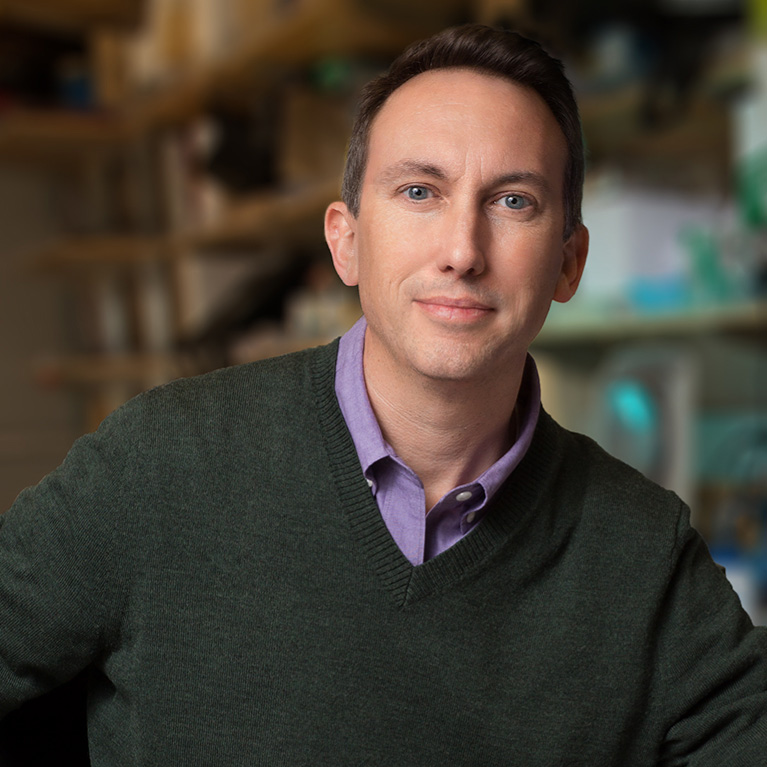
LA JOLLA—Silvana Konermann, a research associate in the lab of Helmsley-Salk Fellow Patrick Hsu, was chosen as one of 15 inaugural Instituto Médico Howard Hughes Hanna H. Gray Fellows. Each fellow will receive up to $1.4 million in funding over eight years.
LA JOLLA—Is it better to do a task quickly and make mistakes, or to do it slowly but perfectly? When it comes to deciding how to fix breaks in DNA, cells face the same choice between two major repair pathways. The decision matters, because the wrong choice could cause even more DNA damage and lead to cancer.
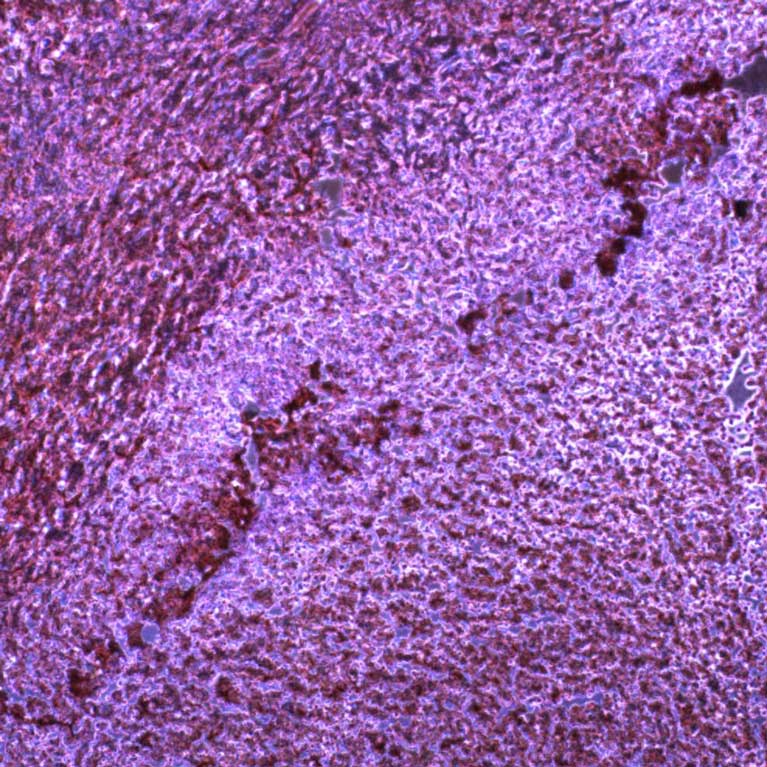
LA JOLLA—The immune system automatically destroys dysfunctional cells such as cancer cells, but cancerous tumors often survive nonetheless. A new study by Salk scientists shows one method by which fast-growing tumors evade anti-tumor immunity.
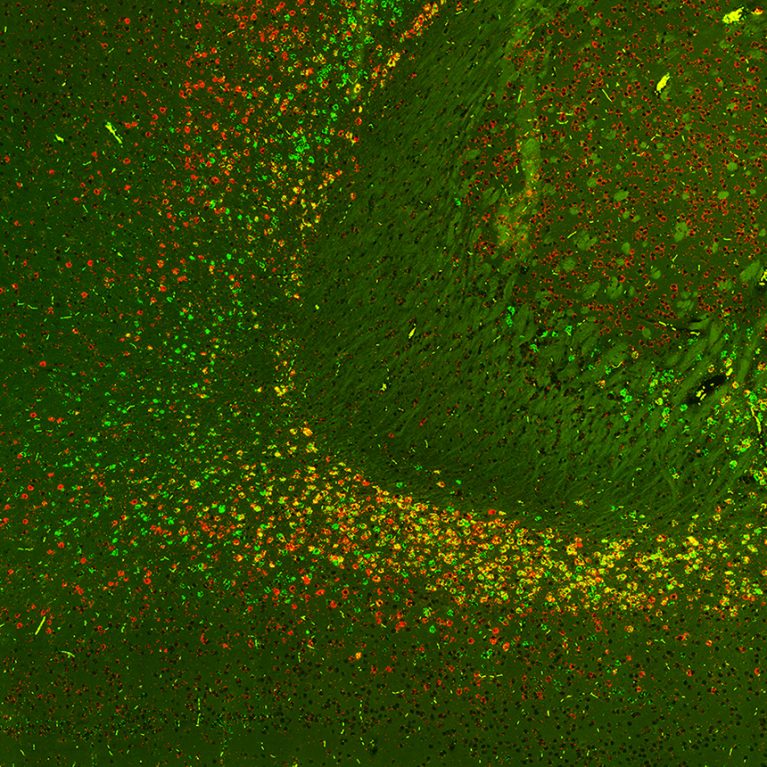
LA JOLLA—Salk Institute scientists have discovered that an interaction between two key proteins helps regulate and maintain the cells that produce neurons. The work, published in Células Madre on September 14, 2017, offers insight into why an imbalance between these precursor cells and neurons might contribute to mental illness or age-related brain disease.
LA JOLLA—Salk Institute President Elizabeth Blackburn—the Institute’s first female president and one of only 12 women to have won a Nobel Prize in Physiology or Medicine—is among 46 honorees featured in FIRSTS, a new HORA multimedia project celebrating “women who broke ground in their fields” and “played pioneers in history,” the Salk Institute announced today.
LA JOLLA—Profesor Asociado del Salk Tatyana Sharpee ha recibido una subvención de aproximadamente $950,000 por 4 años de la National Science Foundation para estudiar cómo el cerebro procesa sonidos complejos. Esta subvención es parte de un proyecto multinacional junto con grupos en Francia e Israel.
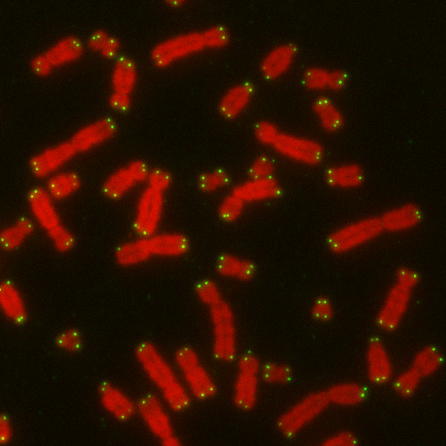
LA JOLLA—It may seem paradoxical, but studying what goes wrong in rare diseases can provide useful insights into normal health. Researchers probing the premature aging disorder Hutchinson-Gilford progeria have uncovered an errant protein process in the disease that could help healthy people as well as progeria sufferers live longer.
LA JOLLA—Under a microscope, it can be hard to tell the difference between any two neurons, the brain cells that store and process information. So scientists have turned to molecular methods to try to identify groups of neurons with different functions.
LA JOLLA—As part of the National Science Foundation’s funding for new multidisciplinary approaches to neuroscience, Salk Professor Terrence Sejnowski together with the California Institute of Technology will receive over $1 million over 3 years to pursue advanced modeling of the brain.
LA JOLLA—Scientists have, for the first time, corrected a disease-causing mutation in early stage human embryos with gene editing. The technique, which uses the CRISPR-Cas9 system, corrected the mutation for a heart condition at the earliest stage of embryonic development so that the defect would not be passed on to future generations.
LA JOLLA—Dos laboratorios de neurociencia del Salk forman parte de un esfuerzo de la National Science Foundation (NSF) para comprender mejor el cerebro. Los profesores del Salk Terrence Sejnowski y Ed Callaway reciben cada uno de los colaboradores en proyectos interinstitucionales más de $9 millones cada uno.
LA JOLLA—Profesor del Salk Reuben Shaw has received the National Cancer Institute (NCI) Outstanding Investigator Award (OIA), which encourages cancer research with breakthrough potential. Shaw, a member of Salk’s Molecular and Cell Biology Laboratory and holder of the William R. Brody Chair, will receive $4.2 million in direct funding over the next seven years to further his work. The award is granted, according to the NCI website, to innovative cancer researchers with outstanding records of productivity to allow them to take greater risks and be more adventurous in their research.
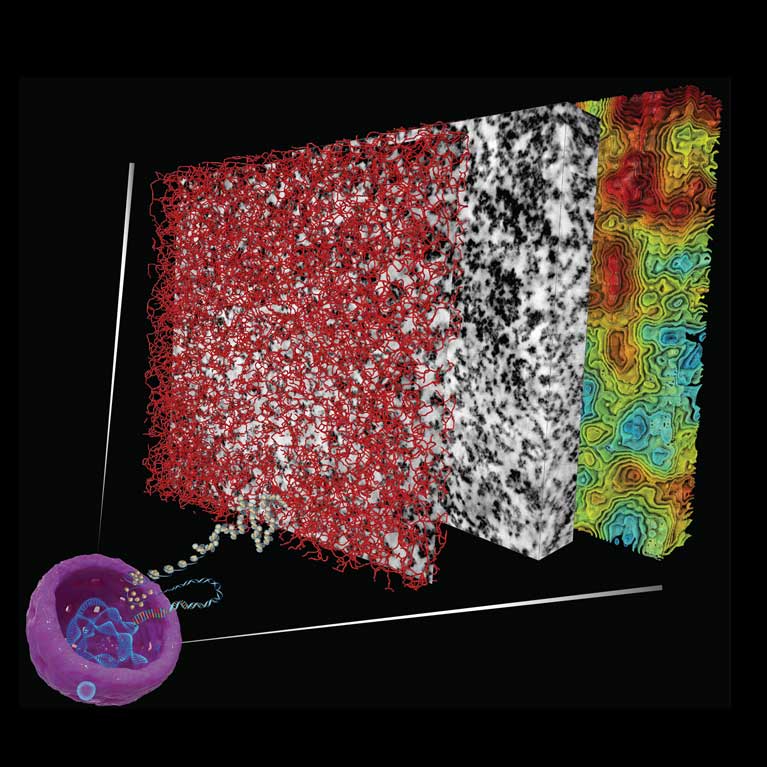
LA JOLLA—Stretched out, the DNA from all the cells in our body would reach Pluto. So how does each tiny cell pack a two-meter length of DNA into its nucleus, which is just one-thousandth of a millimeter across?
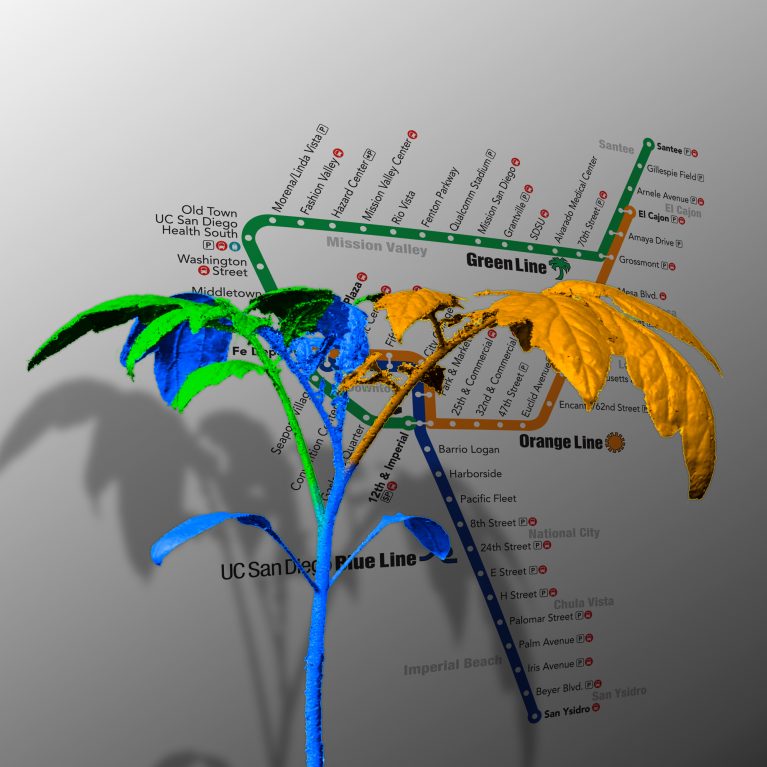
LA JOLLA—It might seem like a tomato plant and a subway system don’t have much in common, but both, it turns out, are networks that strive to make similar tradeoffs between cost and performance.
LA JOLLA—Salk scientists have found further evidence that a natural compound in strawberries reduces cognitive deficits and inflammation associated with aging in mice. The work, which appeared in the Journals of Gerontology Series A in June 2017, builds on the team’s previous research into the antioxidant fisetin, finding it could help treat age-related mental decline and conditions like Alzheimer’s or stroke.
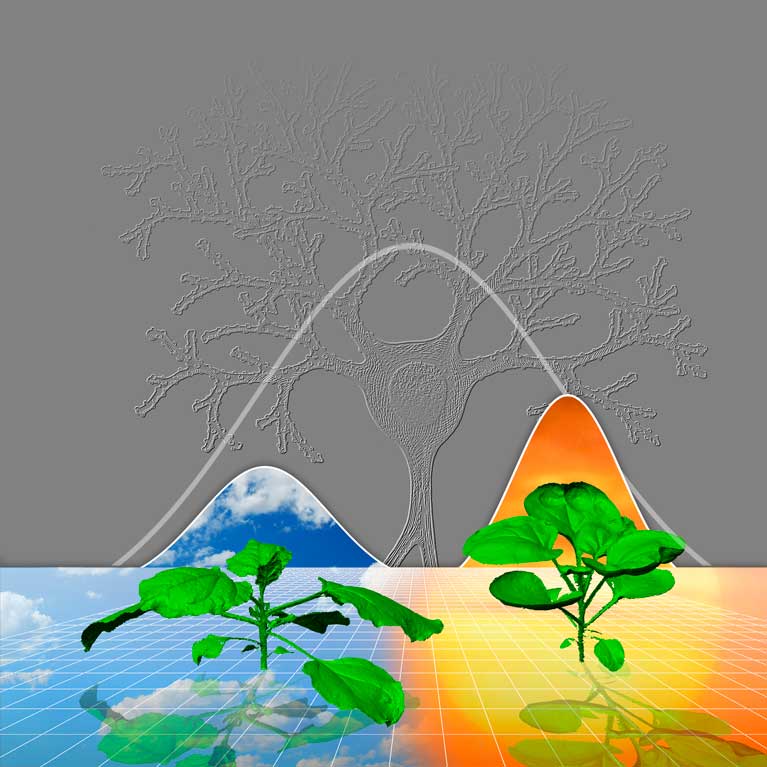
LA JOLLA—Plants and brains are more alike than you might think: Salk scientists discovered that the mathematical rules governing how plants grow are similar to how brain cells sprout connections. The new work, published in Biología Actual on July 6, 2017, and based on data from 3D laser scanning of plants, suggests there may be universal rules of logic governing branching growth across many biological systems.
LA JOLLA—La manera convencional de colocar muestras de proteínas bajo un microscopio electrónico durante experimentos de criomicroscopía electrónica (criomem) podría no ser la mejor opción para obtener la imagen más nítida de la estructura de una proteína. En algunos casos, inclinar una lámina de proteínas congeladas —entre 10 y 50 grados— mientras se encuentra bajo el microscopio, proporciona datos de mayor calidad y podría conducir a una mejor comprensión de una variedad de enfermedades, según una nueva investigación dirigida por un científico de Salk. Dmitry Lyumkis.
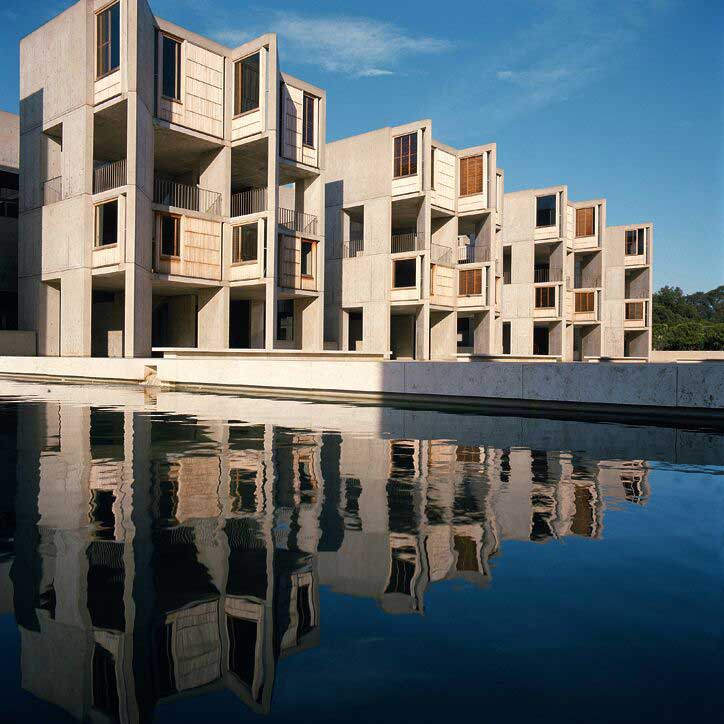
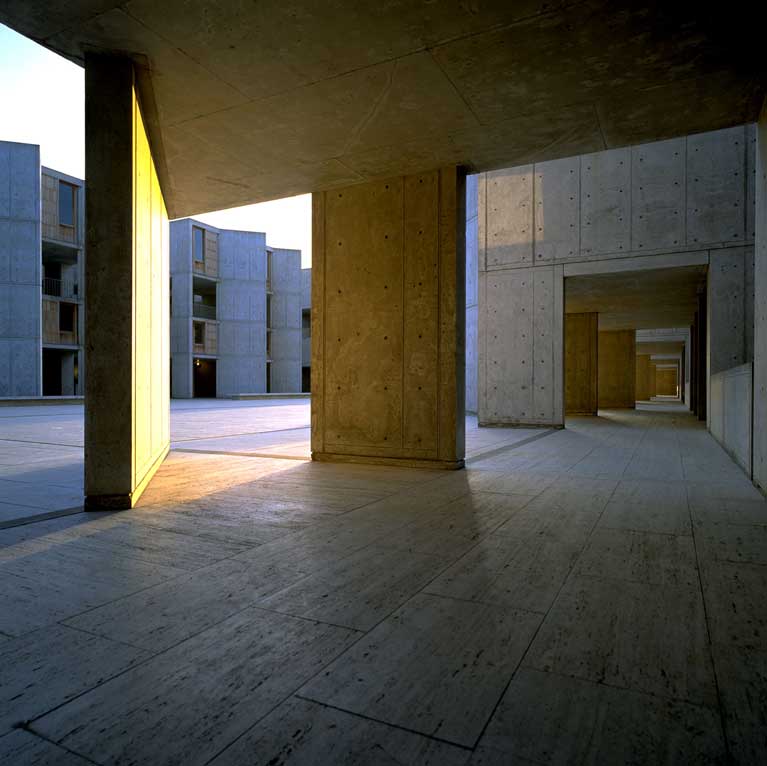
LA JOLLA-The Getty Conservation Institute (GCI) and Salk Institute for Biological Studies announced today that after four years, conservation efforts are complete for one of the key architectural elements at the Salk Institute in La Jolla, California—its teak window walls. The site, completed in 1965 and designed by famed architect Louis I. Kahn, is widely considered to be a masterpiece of modern architecture. It is also home to globally renowned scientists making breakthroughs in areas of cancer, neuroscience, metabolism, plant science, genetics, and more.
LA JOLLA—The Institute announces today the launch of the Architecture Conservation Program, designed to address ongoing preservation of the nearly 60-year-old Modernist structure considered to be a masterwork of American architect Louis Kahn.