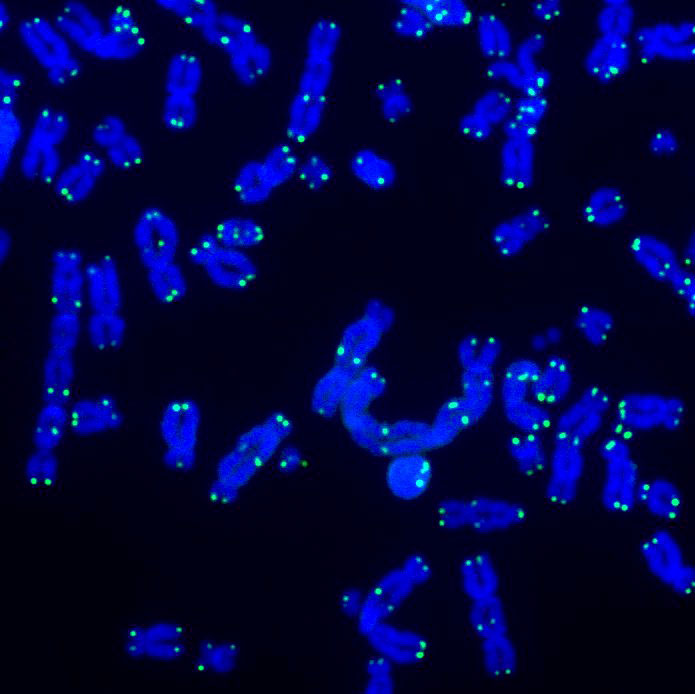
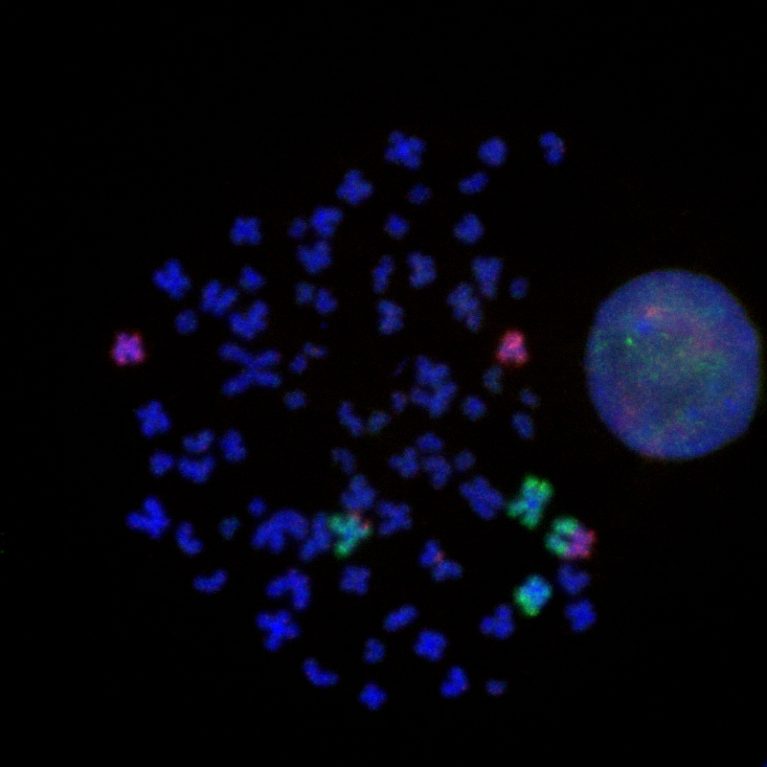
LA JOLLA—As we age, the end caps of our chromosomes, called telomeres, gradually shorten. Now, Salk scientists have discovered that when telomeres become very short, they communicate with mitochondria, the cell’s powerhouses. This communication triggers a complex set of signaling pathways and initiates an inflammatory response that destroys cells that could otherwise become cancerous.
LA JOLLA (January 31, 2023)— Salk Institute Professor Juan Reynolds has been named a 2022 Fellow of the American Association for the Advancement of Science (AAAS), the world’s largest general scientific society and publisher of the journal Ciencia. Reynolds is among 506 new AAAS Fellows spanning 24 scientific disciplines who were nominated by their peers for their distinguished efforts to advance science.
LA JOLLA—Approximately half of people with type 1 or type 2 diabetes experience peripheral neuropathy—weakness, numbness, and pain, primarily in the hands and feet. The condition occurs when high levels of sugar circulating in the blood damage peripheral nerves. Now, working with mice, Salk Institute researchers have identified another factor contributing to diabetes-associated peripheral neuropathy: altered amino acid metabolism.
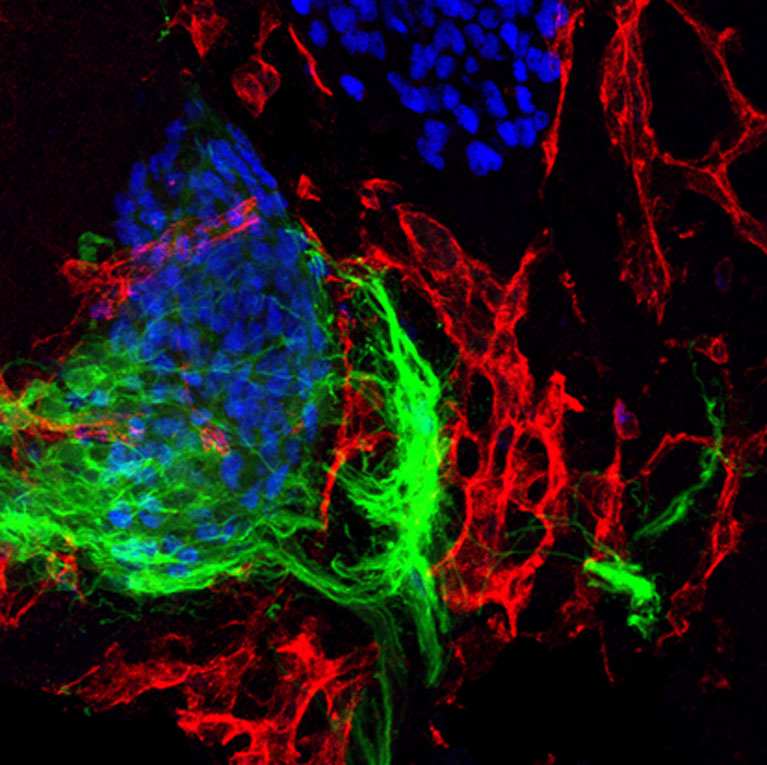
LA JOLLA—Profesor del Salk Ronald Evans and an interdisciplinary group of Institute researchers have been awarded a two-year, $1.5 million grant from the Sol Goldman Charitable Trust at the direction of cardiologist and Salk Trustee Benjamin Lewis. The award will fund a research project to explore connections between the gut, brain, and immune system in search of new therapies for patients with multiple sclerosis (MS).
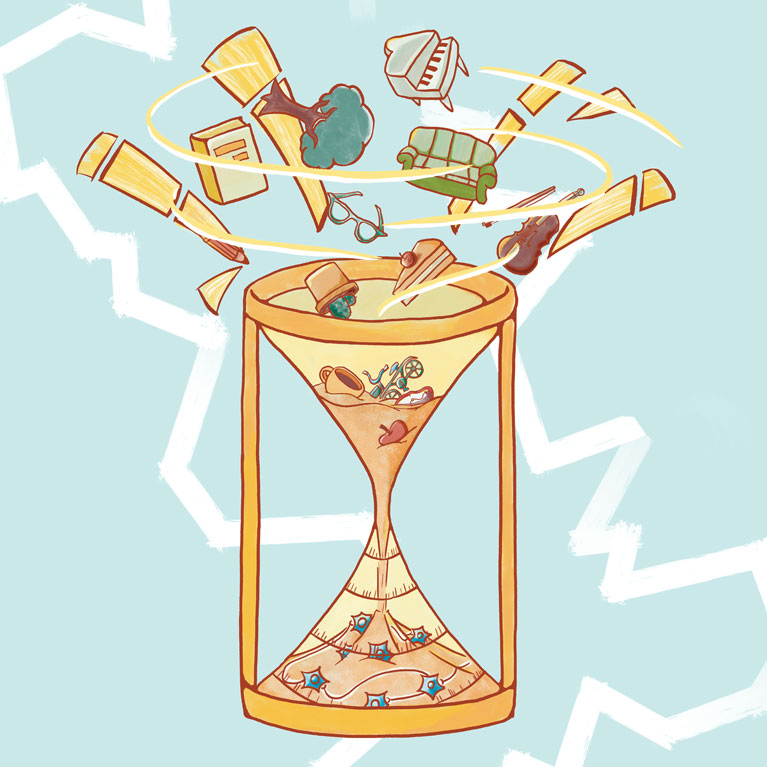
LA JOLLA—Young children sometimes believe that the moon is following them, or that they can reach out and touch it. It appears to be much closer than is proportional to its true distance. As we move about our daily lives, we tend to think that we navigate space in a linear way. But Salk scientists have discovered that time spent exploring an environment causes neural representations to grow in surprising ways.
LA JOLLA—Numerous studies have shown health benefits of time-restricted eating including increase in life span in laboratory studies, making practices like intermittent fasting a hot topic in the wellness industry. However, exactly how it affects the body on the molecular level, and how those changes interact across multiple organ systems, has not been well understood. Now, Salk scientists show in mice how time-restricted eating influences gene expression across more than 22 regions of the body and brain. Gene expression is the process through which genes are activated and respond to their environment by creating proteins.
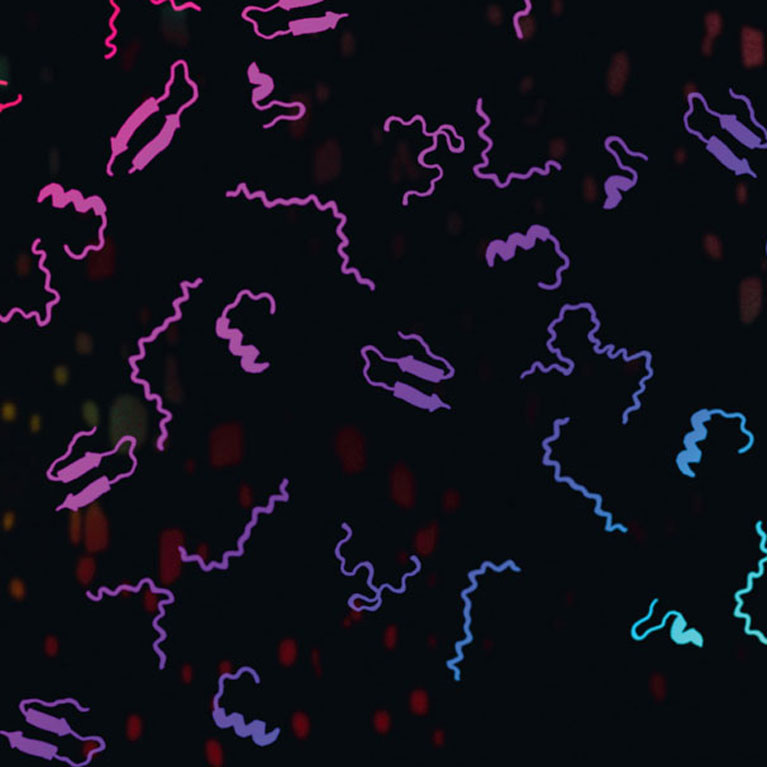
LA JOLLA—La obesidad y las enfermedades metabólicas, como la diabetes, son extremadamente comunes en Estados Unidos. Las diminutas proteínas llamadas microproteínas han sido pasadas por alto en la investigación durante mucho tiempo, pero nueva evidencia demuestra que tienen un papel importante en el metabolismo. Científicos del Salk descubrieron que tanto la grasa marrón como la blanca están llenas de miles de microproteínas previamente desconocidas, y demuestran que una de estas microproteínas, llamada Gm8773, puede aumentar el apetito en ratones.
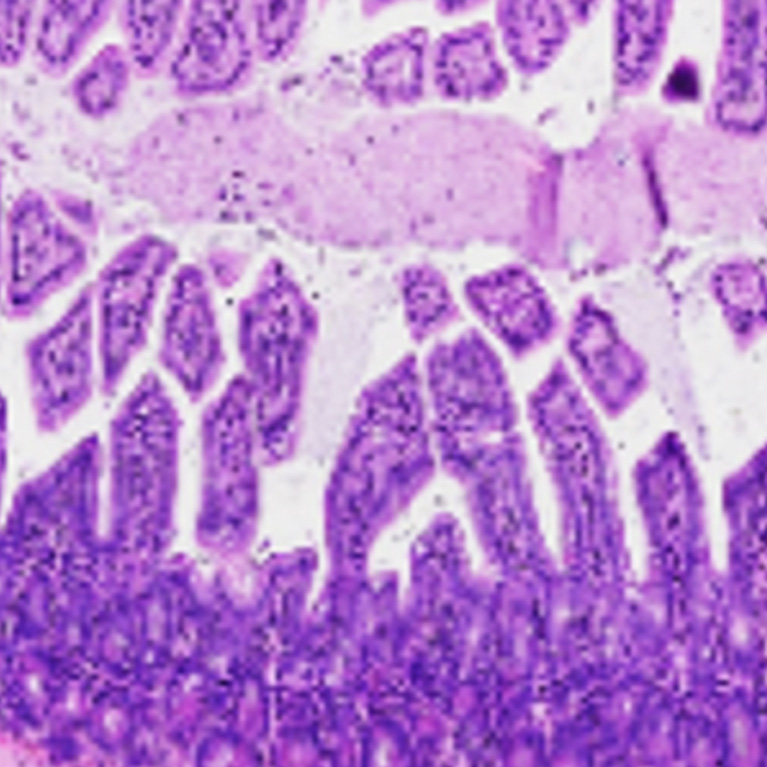
LA JOLLA—A drug developed by Salk Institute researchers acts like a master reset switch in the intestines. The compound, called FexD, has previously been found to lower cholesterol, burn fat, and ward off colorectal cancer in mice. Now, the team reports in Actas de la Academia Nacional de Ciencias on December 12, 2022, that FexD can also prevent and reverse intestinal inflammation in mouse models of inflammatory bowel disease.
LA JOLLA—Cancer, caused by abnormal overgrowth of cells, is the second-leading cause of death in the world. Researchers from the Salk Institute have zeroed in on specific mechanisms that activate oncogenes, which are altered genes that can cause normal cells to become cancer cells.
LA JOLLA—A pesar de décadas de investigación, la enfermedad de Alzheimer sigue siendo una demencia debilitante y, finalmente, mortal sin opciones de tratamiento efectivas. Más del 95 por ciento de los casos de enfermedad de Alzheimer no tienen un origen conocido. Ahora, científicos del Salk Institute han descubierto que las neuronas de personas con enfermedad de Alzheimer muestran deterioro y sufren un proceso de estrés en la vejez llamado senescencia. Estas neuronas presentan una pérdida de actividad funcional, metabolismo alterado e inflamación cerebral aumentada.
LA JOLLA—Salk Professors Joseph Ecker, Ronald Evans, Rusty Gage, Christian Metallo, Satchidananda Panda, Reuben Shaw, and Kay Tye, along with Assistant Professor Jesse Dixon, have been named to the Highly Cited Researchers list by Clarivate. This year’s list includes 6,938 researchers from 69 countries and identifies researchers who demonstrate “significant influence in their chosen field or fields through the publication of multiple highly cited papers.” Ecker and Gage have been named to this list every year since 2014, when the regular annual rankings began. Joseph Nery, a research assistant II in the Ecker lab, was also included on the list.
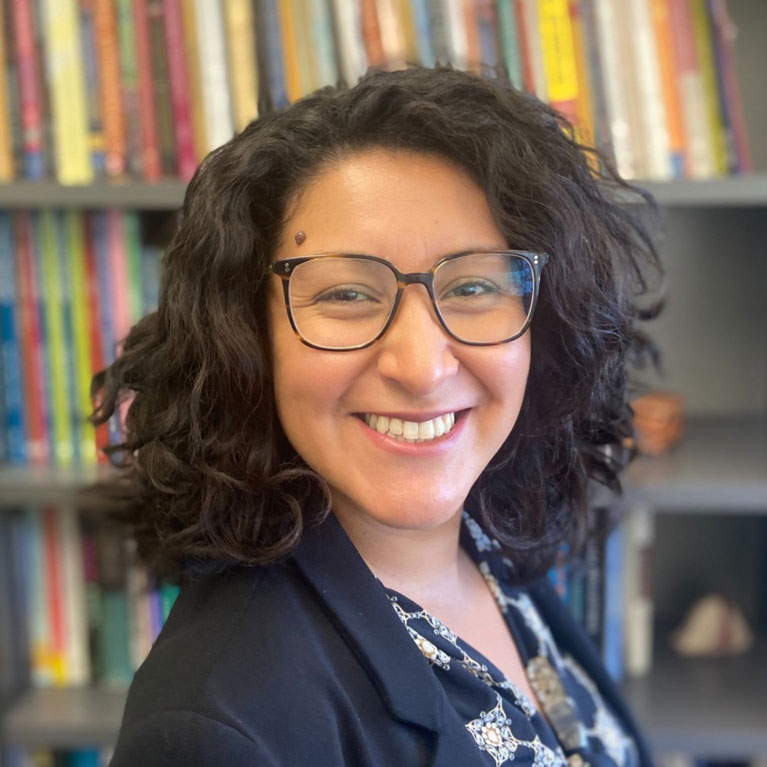
LA JOLLA—The Salk Institute has named Luzilda “Lucy” Arciniega director of Diversity Strategies & Implementation, as the Institute continues to expand its focus on efforts that support recruitment, retention, leadership, and cultural connectivity throughout its vibrant campus.
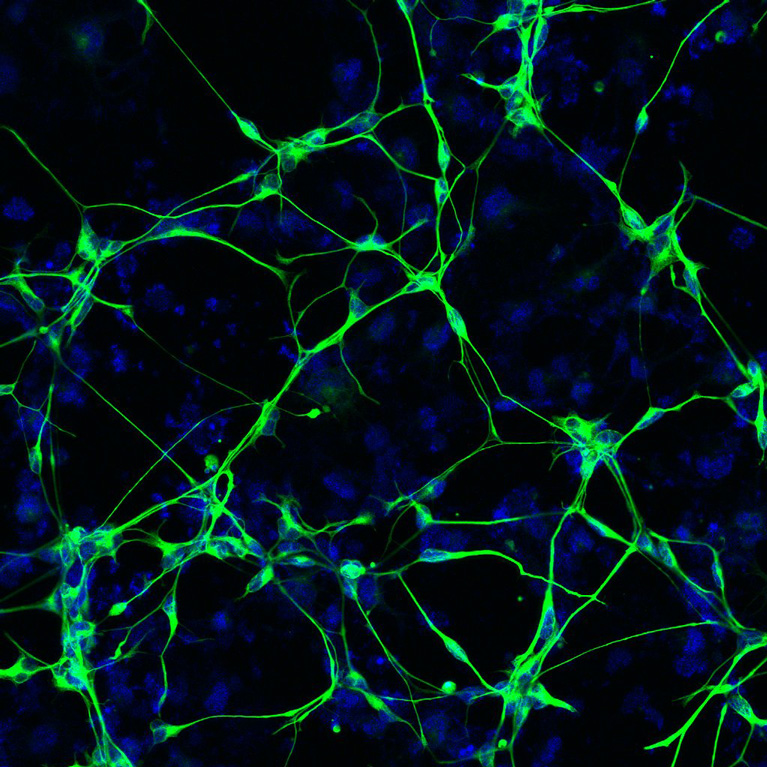
LA JOLLA—When neurons involved in movement—called motor neurons—form, they must build connections that reach from the brain, brainstem, or spinal cord all the way to the head, arms, or the tips of the toes. How neurons navigate these systems and “decide” where and how to grow has largely been a mystery.
LA JOLLA—The Salk Institute recently lost a dear friend and former Trustee when Georg Heinrich “Heini” Thyssen died on September 30, 2022.
LA JOLLA—Aging involves complicated plot twists and a large cast of characters: inflammation, stress, metabolism changes, and many others. Now, a team of Salk Institute and UC San Diego scientists reveal another factor implicated in the aging process—a class of lipids called SGDGs (3-sulfogalactosyl diacylglycerols) that decline in the brain with age and may have anti-inflammatory effects.
LA JOLLA—Charles F. “Chuck” Stevens, distinguished professor emeritus in Salk’s Molecular Neurobiology Laboratory, died peacefully on October 21, 2022, at his home in San Diego. He was 88.
LA JOLLA—Profesor Asistente del Instituto Salk Christina Towers has received a $1.15 million Science Diversity Leadership Award from the Chan Zuckerberg Initiative, in partnership with the National Academies of Sciences, Engineering, and Medicine. The award recognizes outstanding early- to mid-career researchers who have made significant research contributions to the biomedical sciences, show promise for continuing scientific achievement, and promote diversity, equity, and inclusion in their scientific fields.
LA JOLLA—El Instituto Salk da la bienvenida al profesor asistente Deepshika Ramanan, an innovative researcher studying how the maternal immune system changes during pregnancy and breastfeeding and affects immunity and inflammation in babies across multiple generations. Ramanan will join Salk’s NOMIS Center for Immunobiology and Microbial Pathogenesis.
LA JOLLA—The Salk Institute’s American Cancer Society Professor Tony Hunter, Professor Reuben Shaw, and Assistant Professor Graham McVicker are among 12 inaugural 2022 Discovery Grant winners. The awards, which total $3 million, were launched this year by Curebound, a philanthropic organization dedicated to funding collaborative cancer research that has the potential to reach the clinic.
LA JOLLA—El Centro de Excelencia en Biología Básica del Envejecimiento Nathan de San Diego, una colaboración entre el Salk Institute, la UC San Diego y Sanford Burnham Prebys, recibió nueva financiación de los Institutos Nacionales de Salud (NIH) para incorporar a participantes del Estudio de Envejecimiento Saludable de Rancho Bernardo a su propia cohorte clínica para estudiar las diferencias en cómo envejecen los individuos. Iniciado hace 50 años por la Dra. Elizabeth Barrett-Connor, distinguida profesora emérita de la UC San Diego, el Estudio de Rancho Bernardo es uno de los estudios financiados de forma continua por los NIH de mayor duración existente.