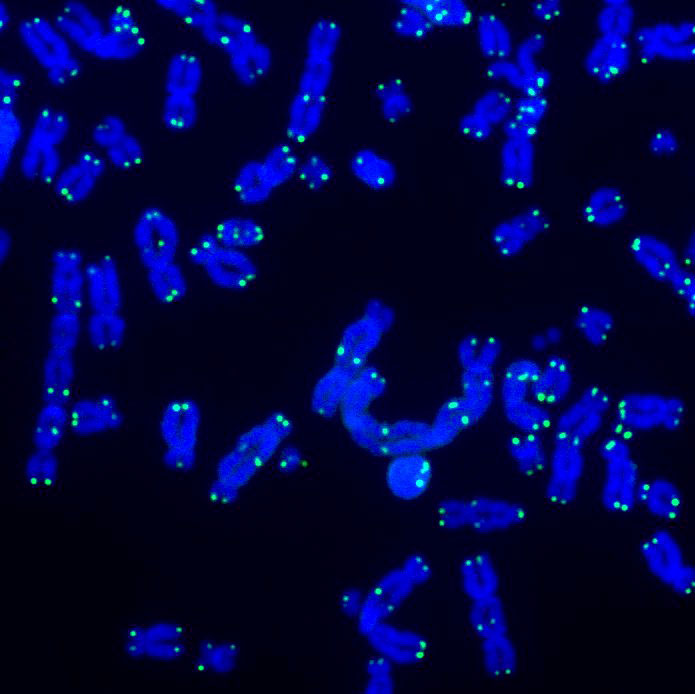
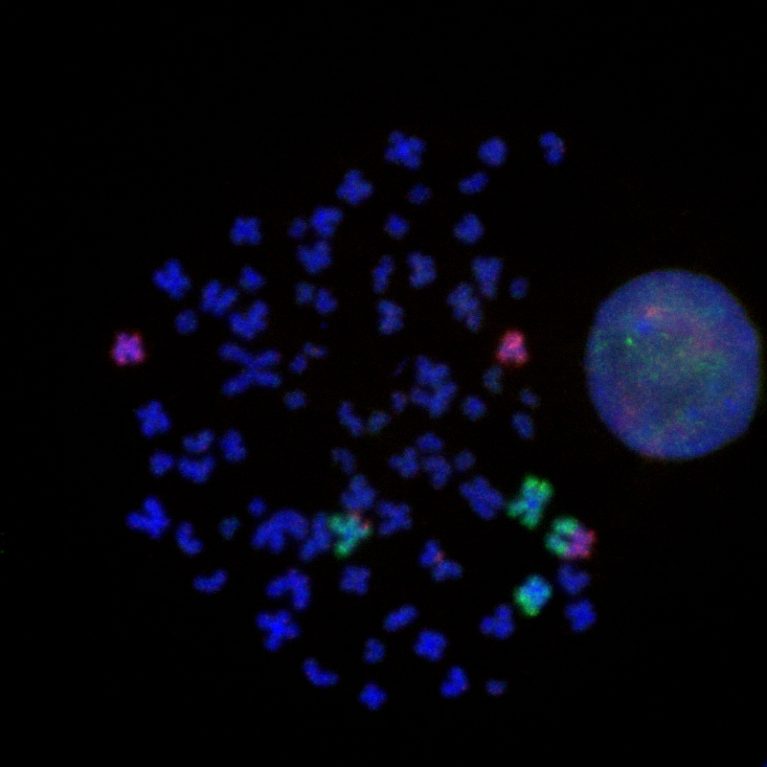
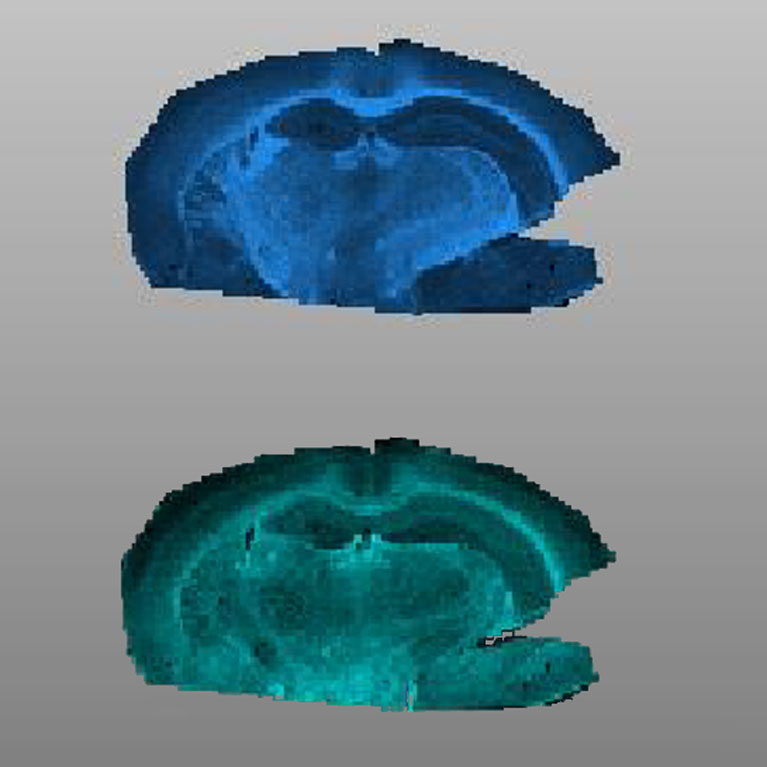
LA JOLLA—As we age, the end caps of our chromosomes, called telomeres, gradually shorten. Now, Salk scientists have discovered that when telomeres become very short, they communicate with mitochondria, the cell’s powerhouses. This communication triggers a complex set of signaling pathways and initiates an inflammatory response that destroys cells that could otherwise become cancerous.
LA JOLLA (31. Januar 2023) – Professor am Salk Institute John Reynolds wurde zum Fellow der American Association for the Advancement of Science (AAAS) im Jahr 2022 ernannt, der weltweit größten allgemeinen wissenschaftlichen Gesellschaft und Verlegerin der Zeitschrift Wissenschaft. Reynolds gehört zu den 506 neuen AAAS-Mitgliedern, die sich über 24 wissenschaftliche Disziplinen erstrecken und von ihren Kollegen für ihre herausragenden Verdienste um die Wissenschaft nominiert wurden.
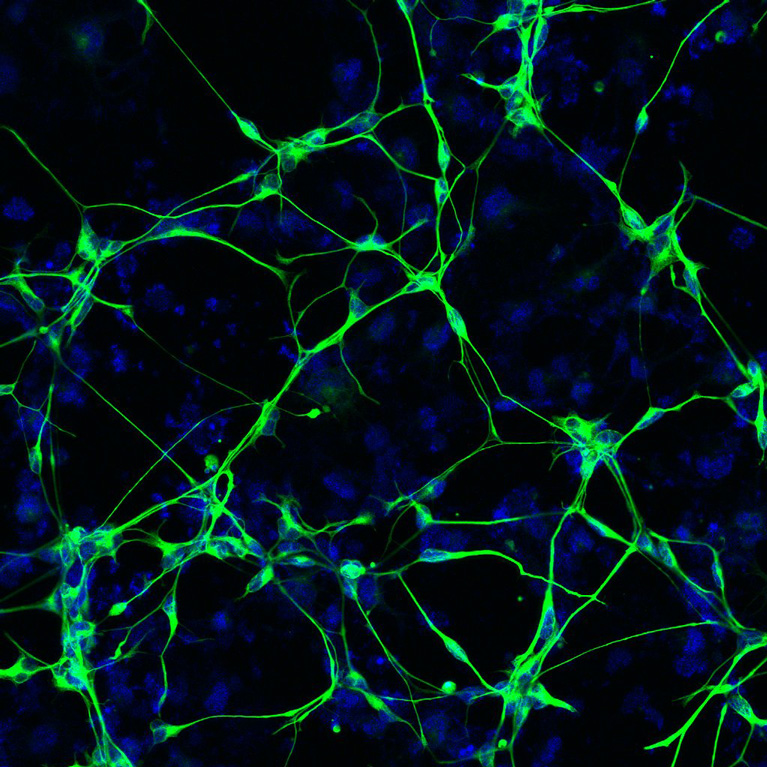
LA JOLLA—Approximately half of people with type 1 or type 2 diabetes experience peripheral neuropathy—weakness, numbness, and pain, primarily in the hands and feet. The condition occurs when high levels of sugar circulating in the blood damage peripheral nerves. Now, working with mice, Salk Institute researchers have identified another factor contributing to diabetes-associated peripheral neuropathy: altered amino acid metabolism.
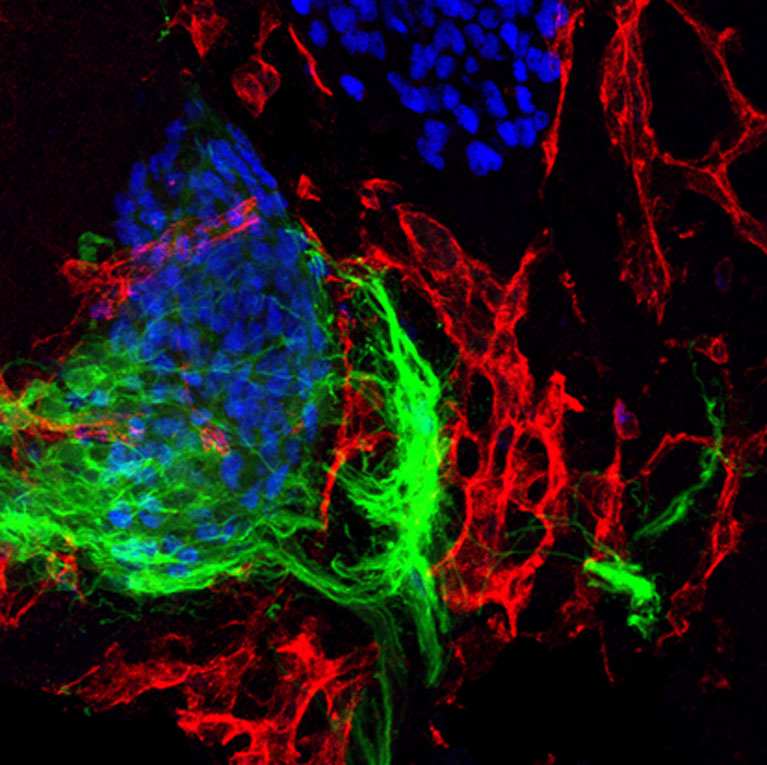
LA JOLLA – Salk-Professor Ronald Evans and an interdisciplinary group of Institute researchers have been awarded a two-year, $1.5 million grant from the Sol Goldman Charitable Trust at the direction of cardiologist and Salk Trustee Benjamin Lewis. The award will fund a research project to explore connections between the gut, brain, and immune system in search of new therapies for patients with multiple sclerosis (MS).
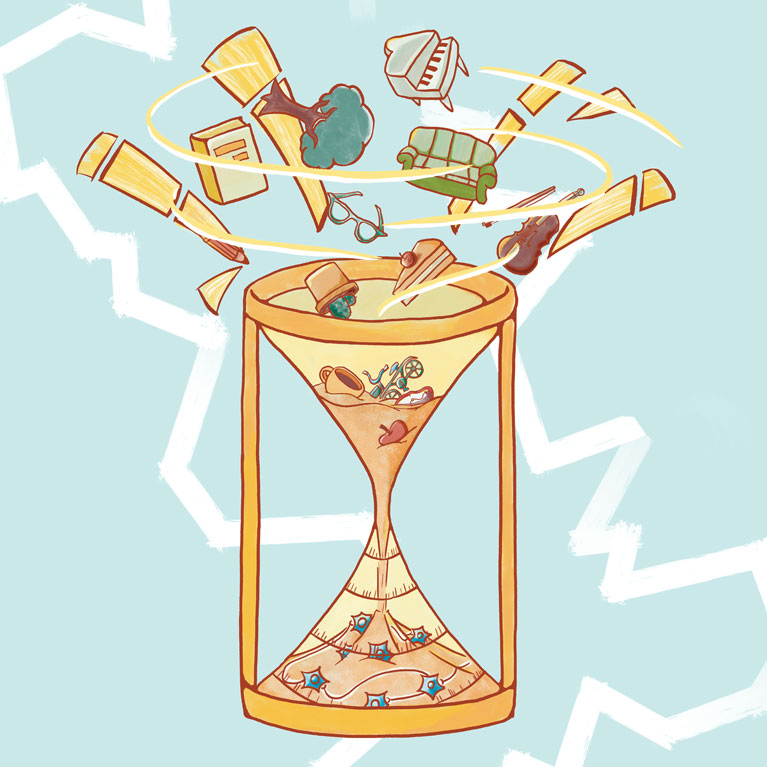
LA JOLLA—Young children sometimes believe that the moon is following them, or that they can reach out and touch it. It appears to be much closer than is proportional to its true distance. As we move about our daily lives, we tend to think that we navigate space in a linear way. But Salk scientists have discovered that time spent exploring an environment causes neural representations to grow in surprising ways.
LA JOLLA—Numerous studies have shown health benefits of time-restricted eating including increase in life span in laboratory studies, making practices like intermittent fasting a hot topic in the wellness industry. However, exactly how it affects the body on the molecular level, and how those changes interact across multiple organ systems, has not been well understood. Now, Salk scientists show in mice how time-restricted eating influences gene expression across more than 22 regions of the body and brain. Gene expression is the process through which genes are activated and respond to their environment by creating proteins.
LA JOLLA – Übergewicht und Stoffwechselerkrankungen wie Diabetes sind in den Vereinigten Staaten extrem verbreitet. Winzige Proteine, sogenannte Mikroproteine, wurden in der Forschung lange Zeit übersehen, aber neue Beweise zeigen, dass sie eine wichtige Rolle im Stoffwechsel spielen. Forscher des Salk Institute haben herausgefunden, dass sowohl braunes als auch weißes Fett Tausende von bisher unbekannten Mikroproteinen enthält, und zeigen, dass eines dieser Mikroproteine namens Gm8773 den Appetit bei Mäusen steigern kann.
LA JOLLA—A drug developed by Salk Institute researchers acts like a master reset switch in the intestines. The compound, called FexD, has previously been found to lower cholesterol, burn fat, and ward off colorectal cancer in mice. Now, the team reports in Verhandlungen der Nationalen Akademie der Wissenschaften on December 12, 2022, that FexD can also prevent and reverse intestinal inflammation in mouse models of inflammatory bowel disease.
LA JOLLA—Cancer, caused by abnormal overgrowth of cells, is the second-leading cause of death in the world. Researchers from the Salk Institute have zeroed in on specific mechanisms that activate oncogenes, which are altered genes that can cause normal cells to become cancer cells.
LA JOLLA—Despite decades of research, Alzheimer’s disease remains a debilitating and eventually fatal dementia with no effective treatment options. More than 95 percent of Alzheimer’s disease cases have no known origin. Now, scientists from the Salk Institute have found that neurons from people with Alzheimer’s disease show deterioration and undergo a late-life stress process called senescence. These neurons have a loss of functional activity, impaired metabolism, and increased brain inflammation.
LA JOLLA—Salk Professors Joseph Ecker, Ronald Evans, Rusty Gage, Christian Metallo, Satchidananda Panda, Reuben Shaw, und Kay Tye, along with Assistant Professor Jesse Dixon, have been named to the Highly Cited Researchers list by Clarivate. This year’s list includes 6,938 researchers from 69 countries and identifies researchers who demonstrate “significant influence in their chosen field or fields through the publication of multiple highly cited papers.” Ecker and Gage have been named to this list every year since 2014, when the regular annual rankings began. Joseph Nery, a research assistant II in the Ecker lab, was also included on the list.
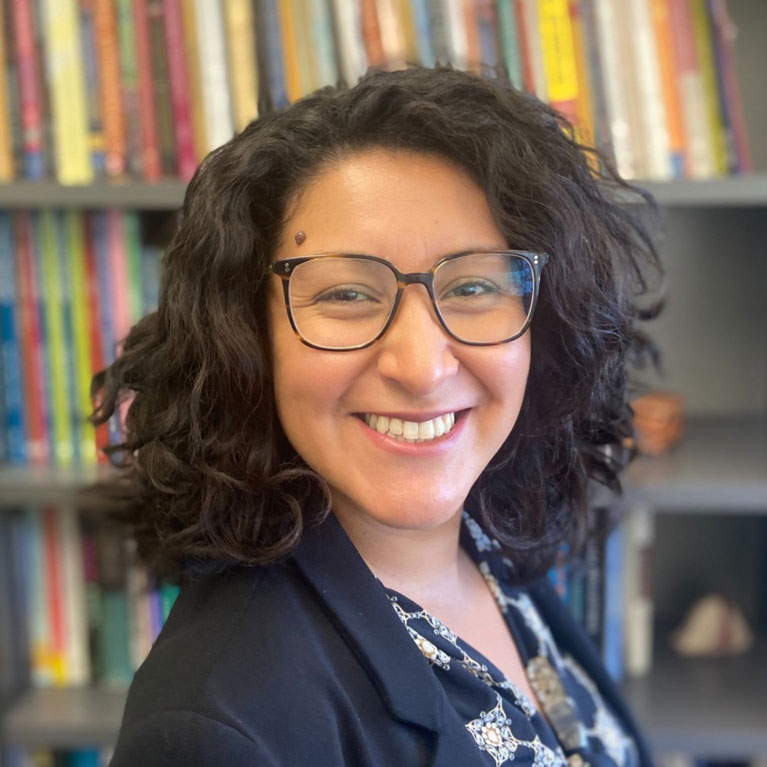
LA JOLLA—The Salk Institute has named Luzilda “Lucy” Arciniega director of Diversity Strategies & Implementation, as the Institute continues to expand its focus on efforts that support recruitment, retention, leadership, and cultural connectivity throughout its vibrant campus.
LA JOLLA—When neurons involved in movement—called motor neurons—form, they must build connections that reach from the brain, brainstem, or spinal cord all the way to the head, arms, or the tips of the toes. How neurons navigate these systems and “decide” where and how to grow has largely been a mystery.
LA JOLLA – Das Salk Institute hat kürzlich einen geschätzten Freund und ehemaligen Treuhänder verloren, als Georg Heinrich “Heini” Thyssen am 30. September 2022 verstarb.
LA JOLLA – Altern beinhaltet komplizierte Wendungen und eine große Anzahl von Akteuren: Entzündungen, Stress, Stoffwechselveränderungen und viele andere. Nun enthüllt ein Team von Wissenschaftlern des Salk Institute und der UC San Diego einen weiteren Faktor, der am Alterungsprozess beteiligt ist – eine Klasse von Lipiden, die SGDGs (3-Sulfogalactosyl-Diacylglycerine) genannt werden, die im Gehirn mit dem Alter abnehmen und entzündungshemmende Wirkungen haben könnten.
LA JOLLA—Charles F. “Chuck” Stevens, distinguished professor emeritus in Salk’s Molecular Neurobiology Laboratory, died peacefully on October 21, 2022, at his home in San Diego. He was 88.
LA JOLLA—Salk Institute Assistant Professor Christina Türme has received a $1.15 million Science Diversity Leadership Award from the Chan Zuckerberg Initiative, in partnership with the National Academies of Sciences, Engineering, and Medicine. The award recognizes outstanding early- to mid-career researchers who have made significant research contributions to the biomedical sciences, show promise for continuing scientific achievement, and promote diversity, equity, and inclusion in their scientific fields.
LA JOLLA – Das Salk Institute begrüßt Juniorprofessorin Deepshika Ramanan, an innovative researcher studying how the maternal immune system changes during pregnancy and breastfeeding and affects immunity and inflammation in babies across multiple generations. Ramanan will join Salk’s NOMIS Center for Immunobiology and Microbial Pathogenesis.
LA JOLLA—The Salk Institute’s American Cancer Society Professor Tony Hunter, Professor Reuben Shaw, and Assistant Professor Graham McVicker are among 12 inaugural 2022 Discovery Grant winners. The awards, which total $3 million, were launched this year by Curebound, a philanthropic organization dedicated to funding collaborative cancer research that has the potential to reach the clinic.
LA JOLLA—The San Diego Nathan Shock Center of Excellence in the Basic Biology of Aging, a collaboration between the Salk Institute, UC San Diego, and Sanford Burnham Prebys, received new funding from the National Institutes of Health (NIH) to enroll participants from the Rancho Bernardo Study of Healthy Aging into their own clinical cohort to study differences in how individuals age. Initiated 50 years ago by the late UC San Diego Distinguished Professor Elizabeth Barrett-Connor, the Rancho Bernardo Study is one of the longest, continuously NIH-funded studies in existence.