教授兼主任
基因表达实验室
分子与发育生物学March of Dimes主席

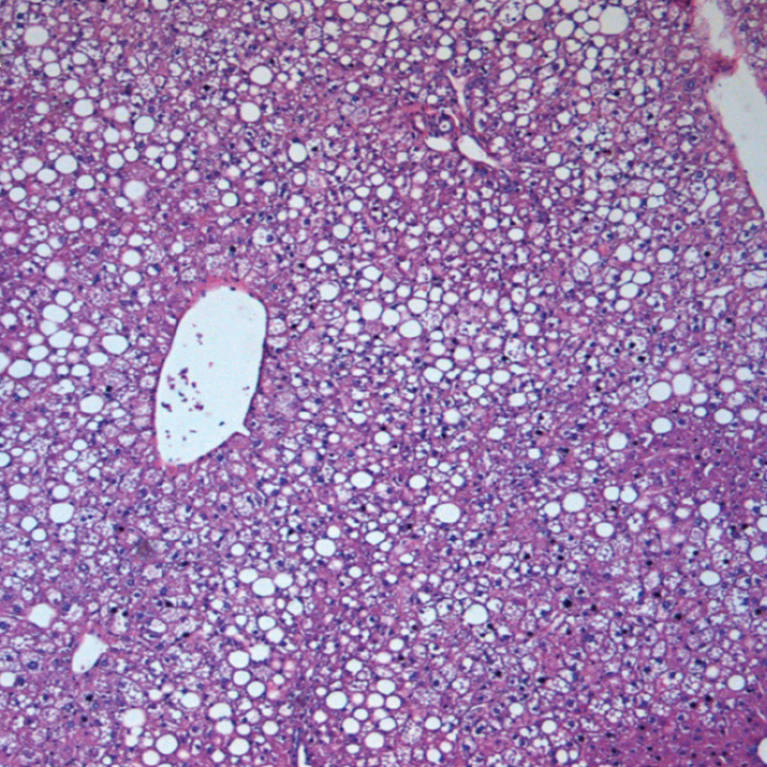
Humans are built to hunger for fat, but when deluged by foods rich in fat and sugar coupled with a sedentary lifestyle, the modern waistline often far exceeds the need to store energy for lean times. The result has been an epidemic of diabetes, heart disease, and other obesity-related problems, including cancer. Although exercise and calorie restriction are known to be effective at preventing and treating diabetes, the obesity epidemic continues to grow and new drugs to treat the problem are desperately needed.
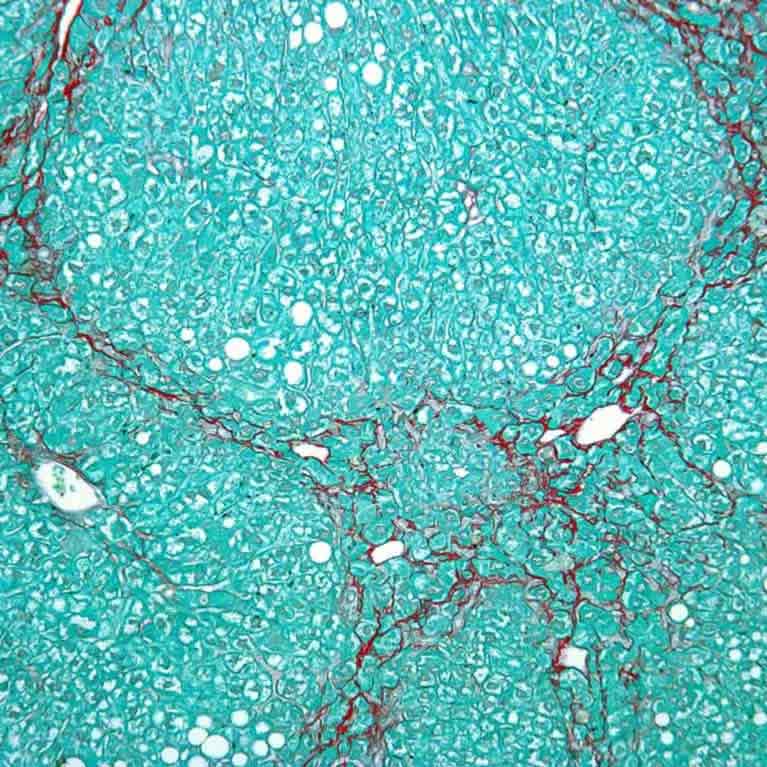
Ronald Evans is an authority on hormones, both their normal activities and their roles in disease. A major achievement in Evans’ lab was the discovery of a large family of molecules, called nuclear hormone receptors, which respond to various steroid hormones, vitamin A, and thyroid hormones. These hormones help control sugar, salt, calcium, and fat metabolism, affecting our daily health as well as treatment of disease. The receptors Evans discovered are primary targets in the treatment of breast cancer, prostate cancer, pancreatic cancer, and leukemia, as well as osteoporosis and asthma.
In addition, Evans’ studies led to a new class of PPAR delta drugs called exercise mimetics, which promote the benefits of fitness without the need to train. Exercise mimetics represent an important advance in addressing problems arising from excess weight and obesity, such as frailty, muscular dystrophy, and type 2 diabetes.
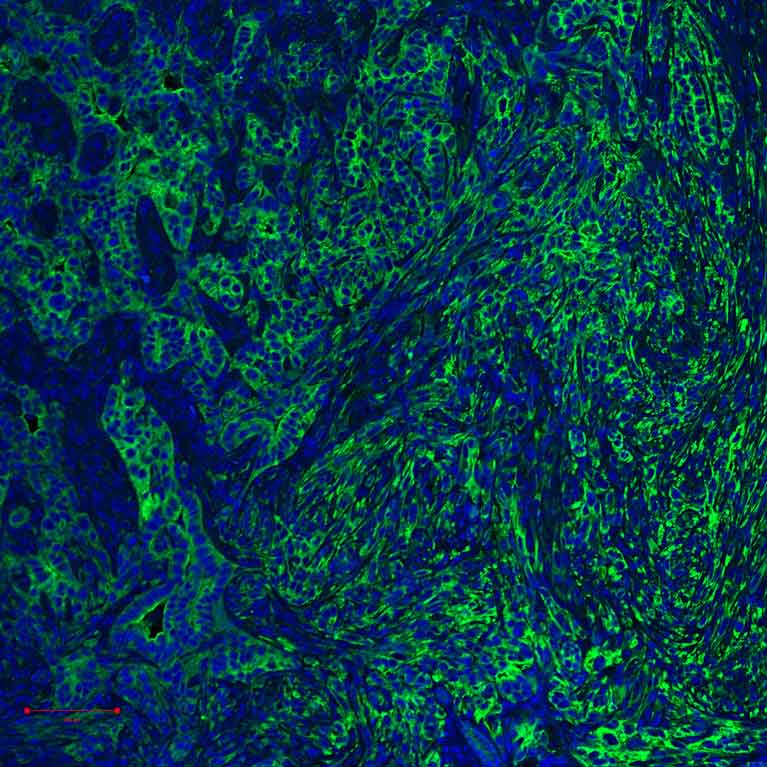
Evans’ team developed two innovative approaches for potentially treating diabetes. The group identified the missing link in the regulation of the activity of insulin—a protein known as fibroblast growth factor 1 (FGF1), which reboots glucose metabolism. Evans also developed a new type of diet pill that tricks the body into thinking it has consumed calories, causing it to burn fat. The compound effectively stopped weight gain, lowered cholesterol, controlled blood sugar, and minimized inflammation in mice.
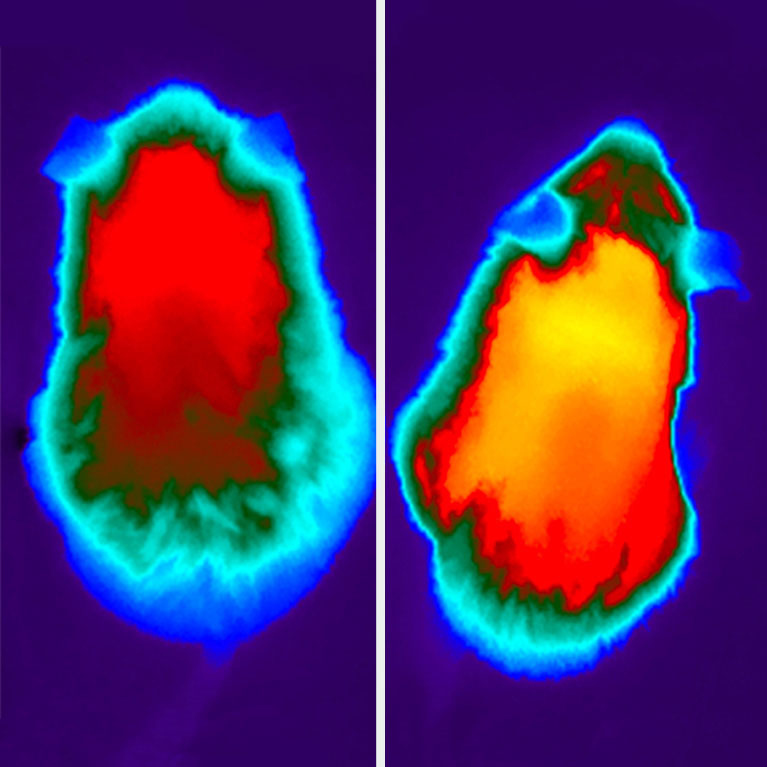
Two receptors found on the nuclei of mouse and human cells, known as REV-ERB-α and REV-ERB-β, are essential for synchronizing normal sleep and metabolic cycles. Evans’ findings describe a powerful link between circadian rhythms and metabolism as well as suggest a new direction for treating disorders of both systems, including jet lag, sleep dysfunction, obesity, and diabetes.
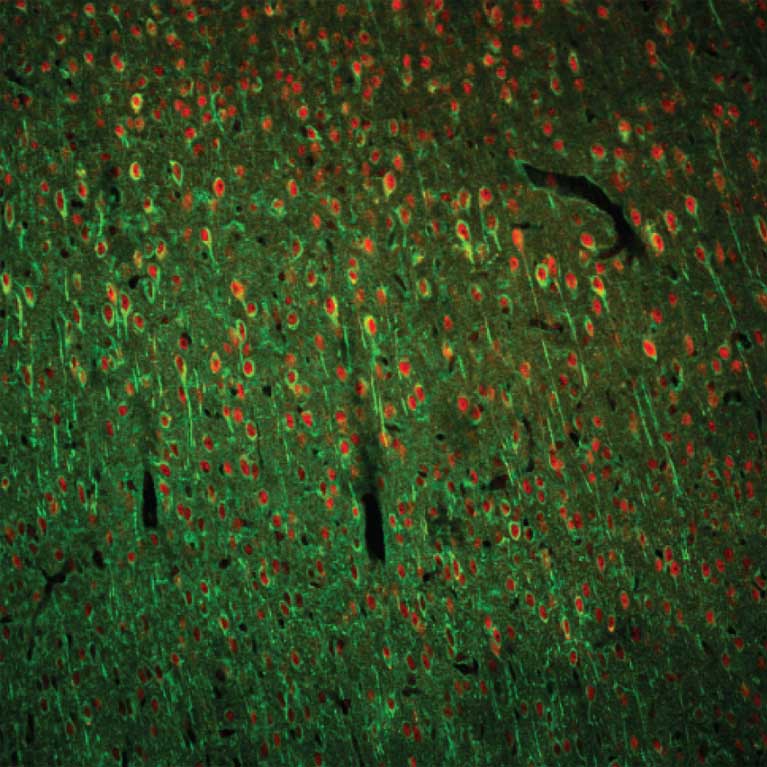
Evans’ lab discovered that a chemically modified form of vitamin D might offer a new approach to the treatment of pancreatic cancer. A clinical trial led by the Dana-Farber Cancer Institute demonstrated that a synthetic vitamin D analog can be administered safely in combination with standard-of-care chemotherapy and effectively reprogram the supporting pancreatic tumor microenvironment. The findings provide early evidence that vitamin D analogs can enhance chemotherapy response and improve survival, especially in patients with high tumor vitamin D receptor expression.
文学士,细菌学,加利福尼亚大学洛杉矶分校
哲学博士,微生物学与免疫学,加州大学洛杉矶分校
洛克菲勒大学博士后研究员