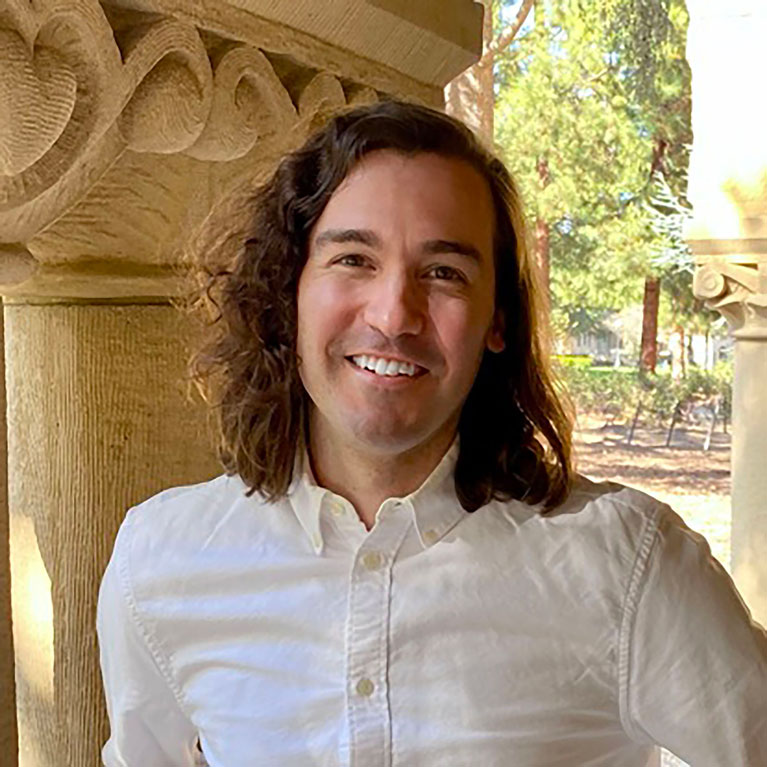
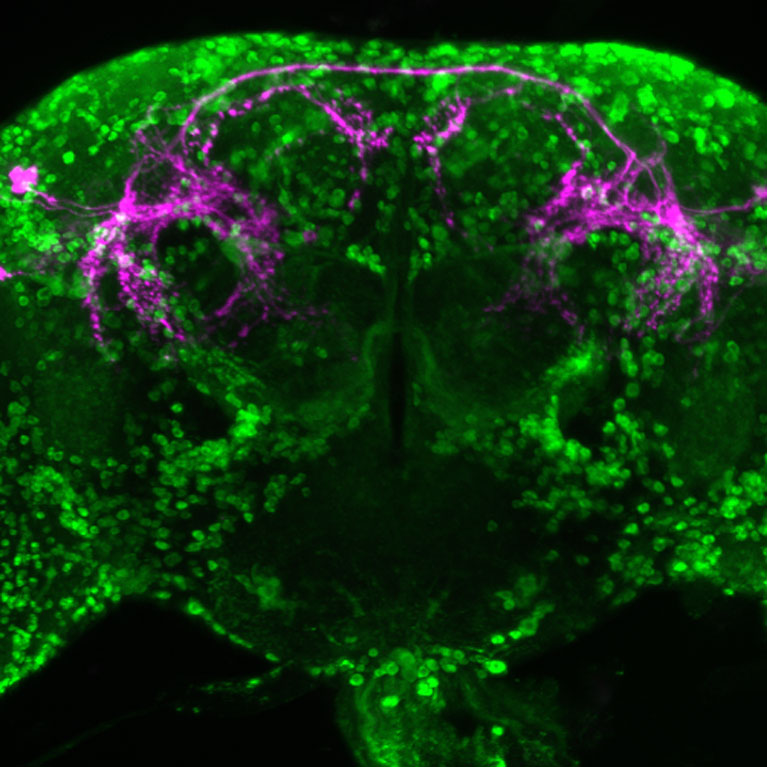
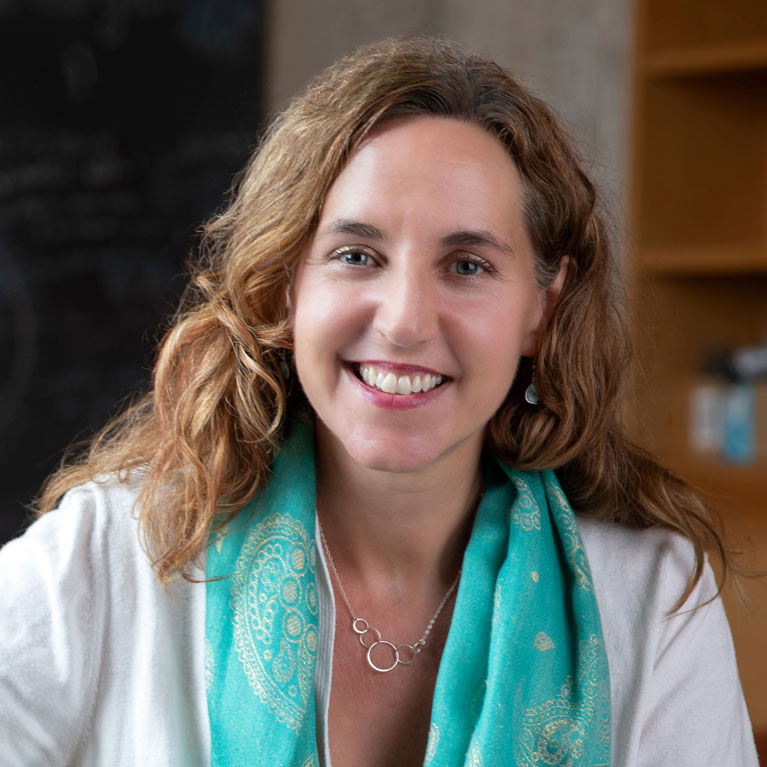
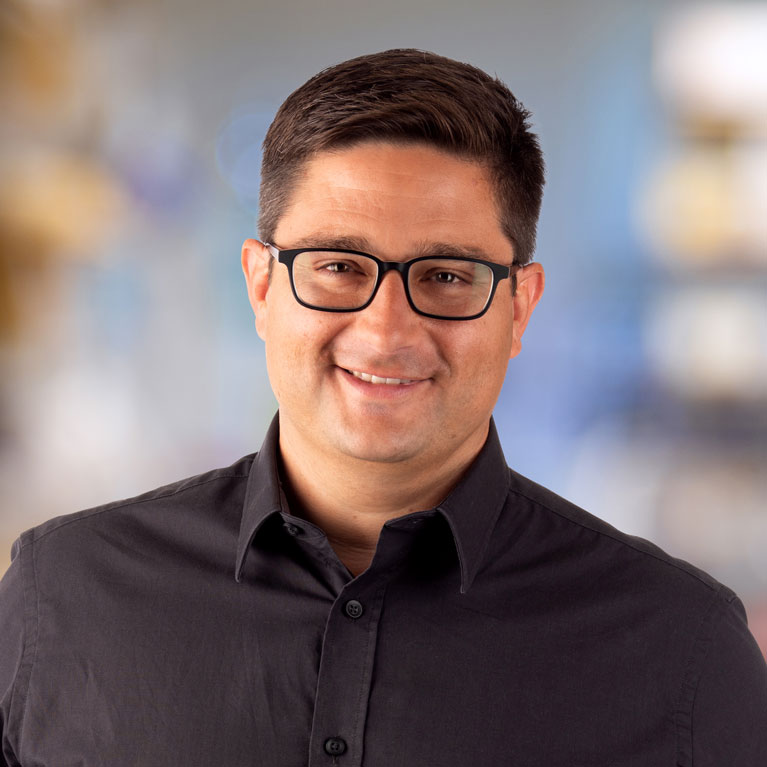
LA JOLLA—The Salk Institute welcomes Assistant Professor Daniel Bayless, a neurobiologist who studies the influence of sex hormones on social interaction and behavior in mice. Bayless joins Salk’s world-renowned neuroscience faculty—a collaborative team working to uncover how our brains work so we can build resilience in the face of stress, aging, and disease.
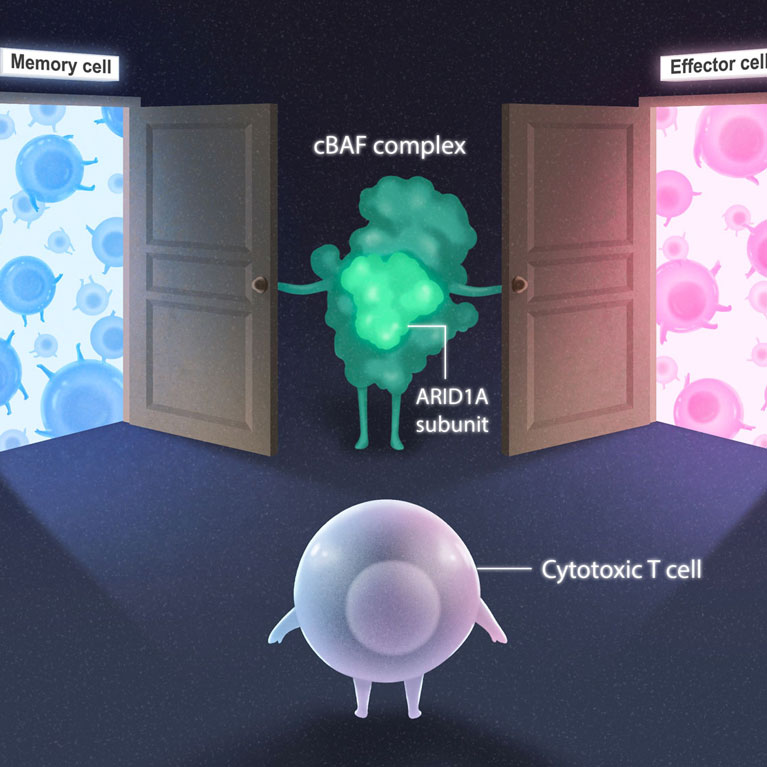
LA JOLLA—The immune system protects the body from invaders, such as bacteria, viruses, or tumors, with its intricate network of proteins, cells, and organs. Specialized immune cells, called cytotoxic T cells, can develop into short-lived effector cells that kill infected or cancerous cells within our bodies. A small portion of those effector cells remain after an infection and become longer-lived memory cells, which “remember” infections and respond when infections reappear. But little was known about what influences cytotoxic T cells to transform into these effector and memory T cell subtypes.
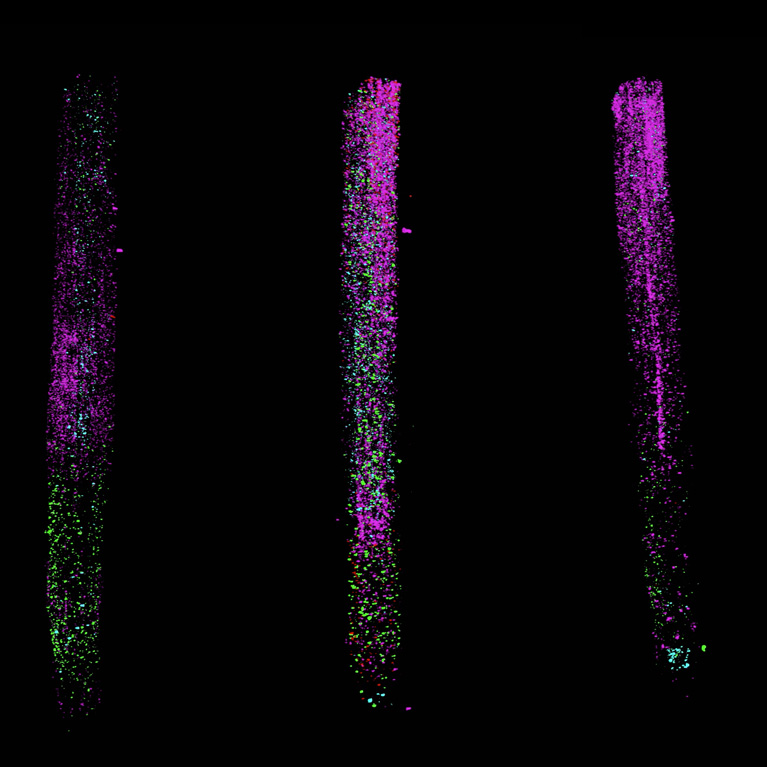
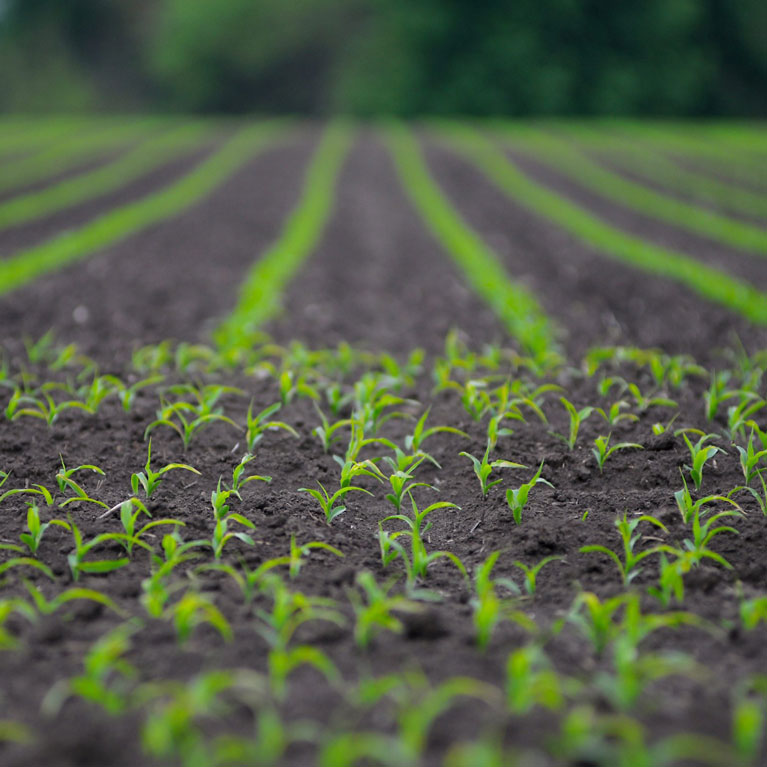
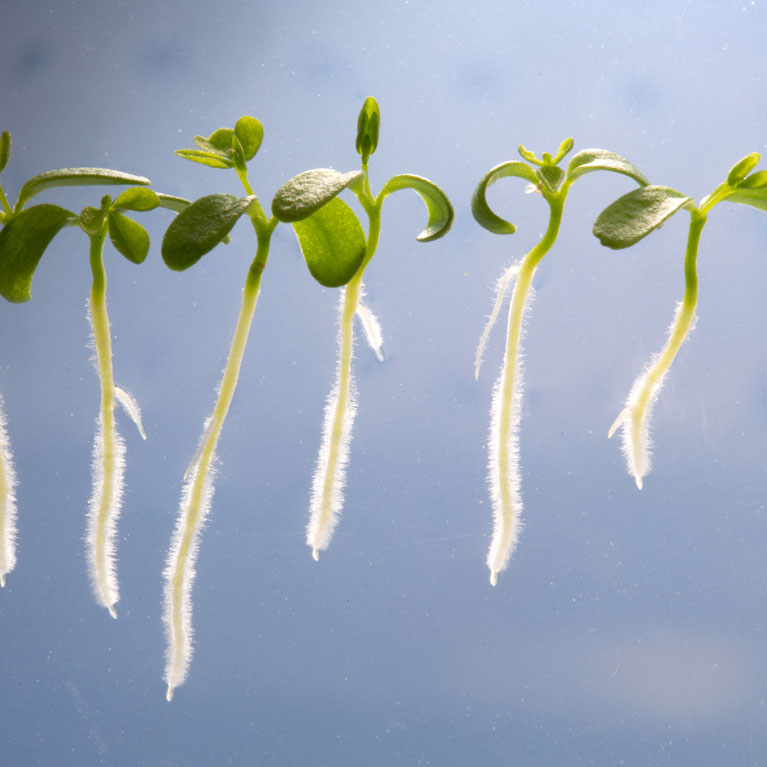
LA JOLLA—The cellular life inside a plant is as vibrant as the blossom. In each plant tissue—from root tip to leaf tip—there are hundreds of cell types that relay information about functional needs and environmental changes. Now, a new technology developed by Salk scientists can capture this internal plant world at an unprecedented resolution, opening the door for understanding how plants respond to a changing climate and leading to more resilient crops.
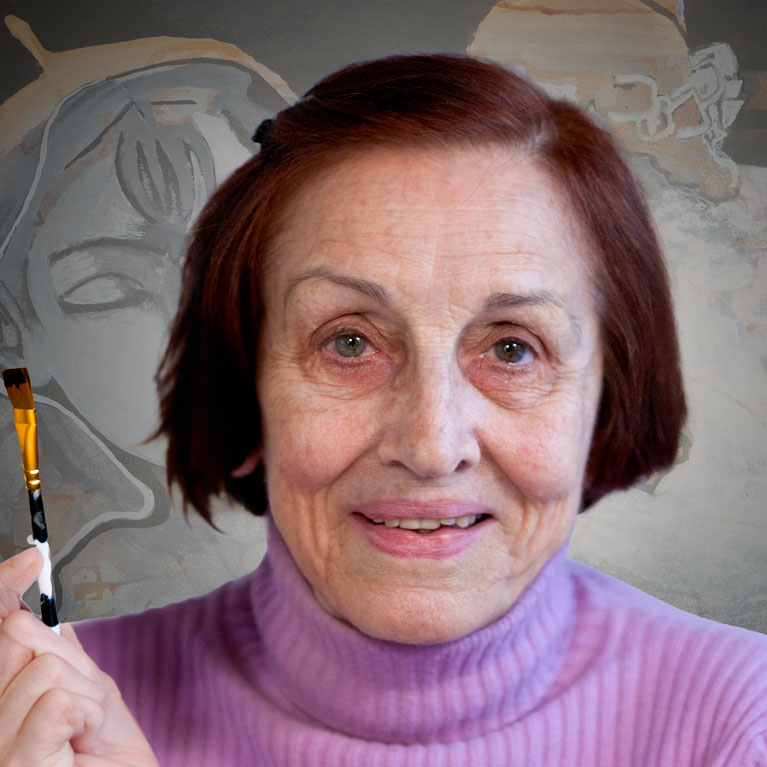
LA JOLLA—Françoise Gilot, artist, best-selling author, and wife of the late Salk Institute founder and vaccine pioneer Jonas Salk, died on June 6 at a hospital in Manhattan at the age of 101.
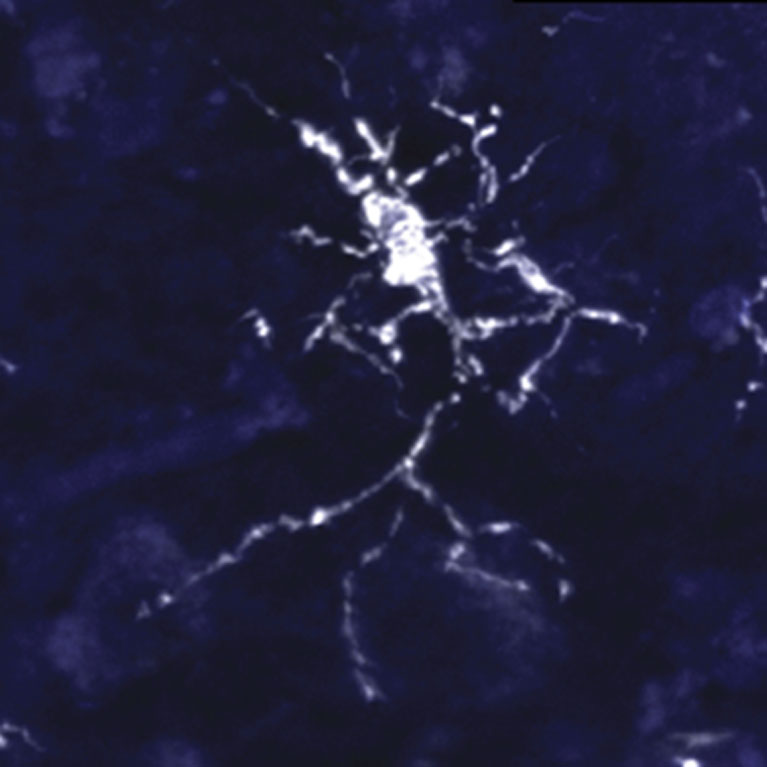
LA JOLLA—Situated at the intersection of the human immune system and the brain are microglia, specialized brain immune cells that play a crucial role in development and disease. Although the importance of microglia is undisputed, modeling and studying them has remained a difficult task.
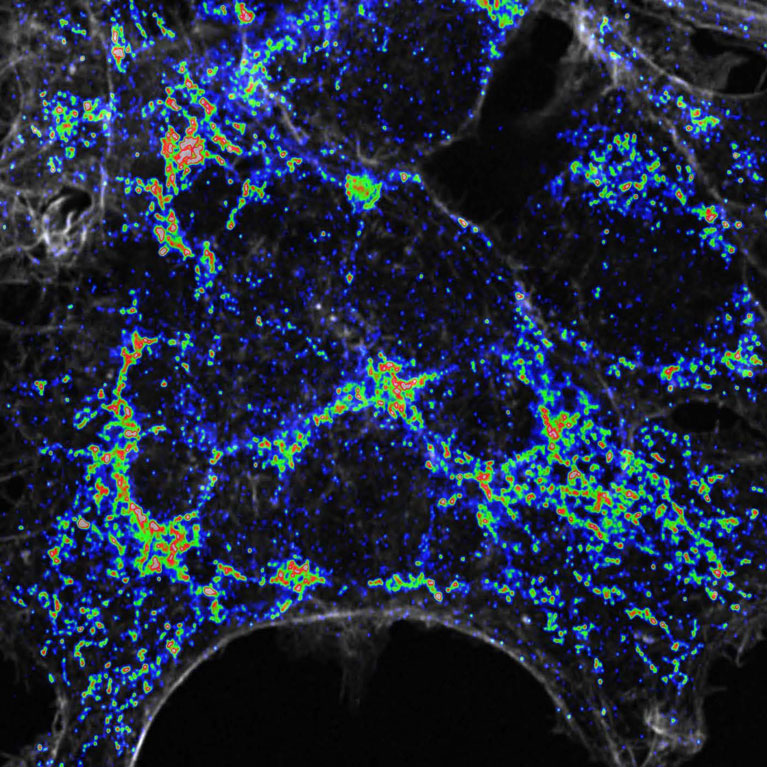
拉霍亚—除了用神经递质交流外,大脑还使用一种称为神经肽的小蛋白质。神经肽可在神经元之间发送信号,其功能与神经递质相似,但存在一些关键差异,例如体积较大,并且能够远离产生它们的神经元传播。尽管它们的至关重要性已被广泛认识,但神经肽在大脑中移动和影响神经元的方式一直知之甚少——直到现在。.
LA JOLLA—The Salk Institute and Autobahn Labs, an early-stage drug discovery incubator, will work together to identify and advance promising initial scientific discoveries through the preliminary steps of drug discovery and development. Autobahn Labs will invest up to $5 million per project for Salk discoveries that require access to drug development expertise and state-of-the art capabilities.
LA JOLLA—Five Salk Institute faculty members have been promoted for their notable, innovative contributions to science. These faculty members have demonstrated leadership in their disciplines, pushing the boundaries of basic scientific research. Assistant Professors 孙汉, Dmitry Lyumkis, ,和 Graham McVicker were promoted to associate professors, and Associate Professors 斯里坎特·查拉萨尼 和 叶正 were promoted to professors. The promotions were based on Salk faculty and nonresident fellow recommendations and approved by Salk’s president and Board of Trustees on April 21, 2023.
LA JOLLA—Salk Institute Professor 苏珊·凯奇, director of the NOMIS Center for Immunobiology and Microbial Pathogenesis, has been elected to the American Academy of Arts and Sciences. She shares the honor with some of the world’s most accomplished leaders from science and technology, business, public affairs, education, the humanities, and the arts. Kaech and the new class of nearly 270 members will be inducted at a formal ceremony on September 30, 2023, at the Academy’s headquarters in Cambridge, Massachusetts.
LA JOLLA—Scientists often act as detectives, piecing together clues that alone may seem meaningless but together crack the case. Professor 鲁本-肖 has spent nearly two decades piecing together such clues to understand the cellular response to metabolic stress, which occurs when cellular energy levels dip. Whether energy levels fall because the cell’s powerhouses (mitochondria) are failing or due to a lack of necessary energy-making supplies, the response is the same: get rid of the damaged mitochondria and create new ones.
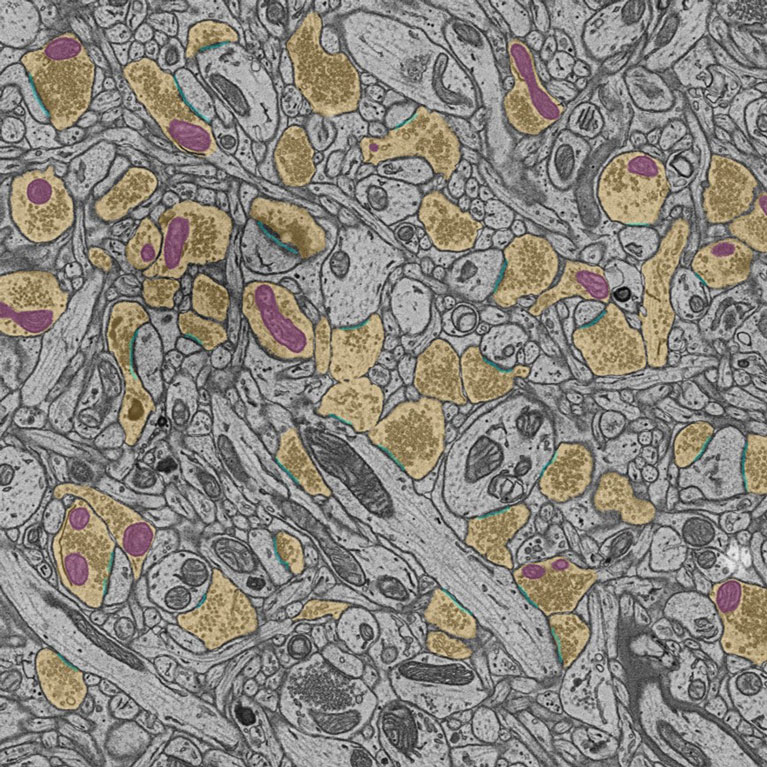
LA JOLLA—Brains are like puzzles, requiring many nested and codependent pieces to function well. The brain is divided into areas, each containing many millions of neurons connected across thousands of synapses. These synapses, which enable communication between neurons, depend on even smaller structures: message-sending boutons (swollen bulbs at the branch-like tips of neurons), message-receiving dendrites (complementary branch-like structures for receiving bouton messages), and power-generating mitochondria. To create a cohesive brain, all these pieces must be accounted for.
LA JOLLA—Itch is a protective signal that animals use to prevent parasites from introducing potentially hazardous pathogens into the body. If a mosquito lands on a person’s arm, they sense its presence on their skin and quickly scratch the spot to remove it. Itchiness due to something like a crawling insect is known as “mechanical” and is distinct from “chemical” itchiness generated by an irritant such as the mosquito’s saliva if it were to bite the person’s arm. While both scenarios cause the same response (scratching), recent research by Salk Institute scientists has revealed that, in mice, a dedicated brain pathway drives the mechanical sensation and is distinct from the neural pathway that encodes the chemical sensation.
LA JOLLA—Hess Corporation is donating $50 million to the Salk Institute’s Campaign for Discovery: The Power of Science, a seven-year, $750 million comprehensive fundraising campaign to attract the people and build the technology and space necessary to accelerate critical research. This gift will specifically advance Salk’s 植物利用计划—an effort to mitigate climate change by optimizing plants and supporting wetlands to increase capture of excess atmospheric carbon—and provide vital infrastructure for this work by establishing the new Hess Center for Plant Science.
Congratulations to the awardees of the 2023 Kavli Small Equipment Grants! The program provides funds to buy or build small equipment designed to strengthen research capacity and capability.
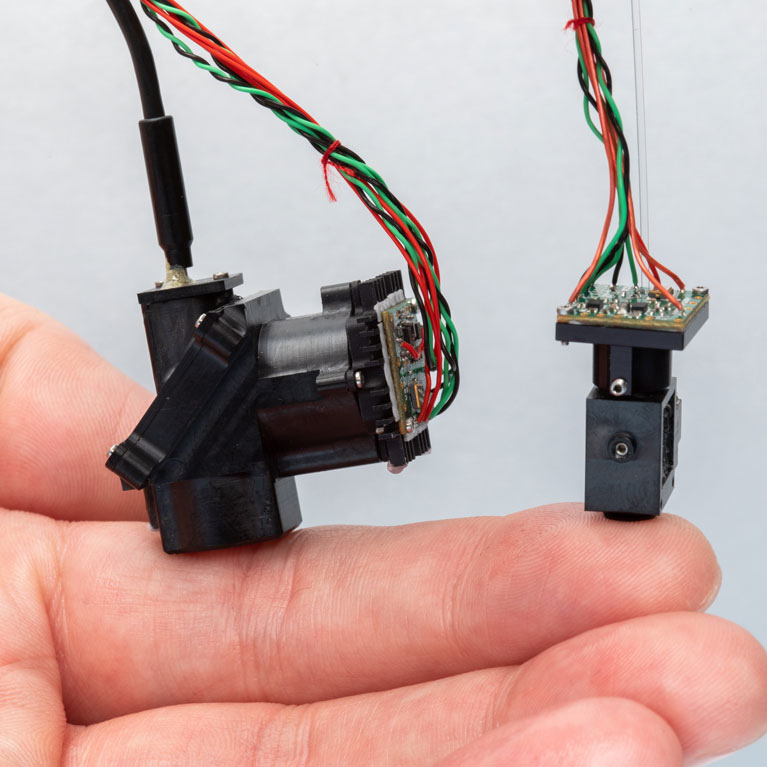
LA JOLLA—The spinal cord acts as a messenger, carrying signals between the brain and body to regulate everything from breathing to movement. While the spinal cord is known to play an essential role in relaying pain signals, technology has limited scientists’ understanding of how this process occurs on a cellular level. Now, Salk scientists have created wearable microscopes to enable unprecedented insight into the signaling patterns that occur within the spinal cords of mice.
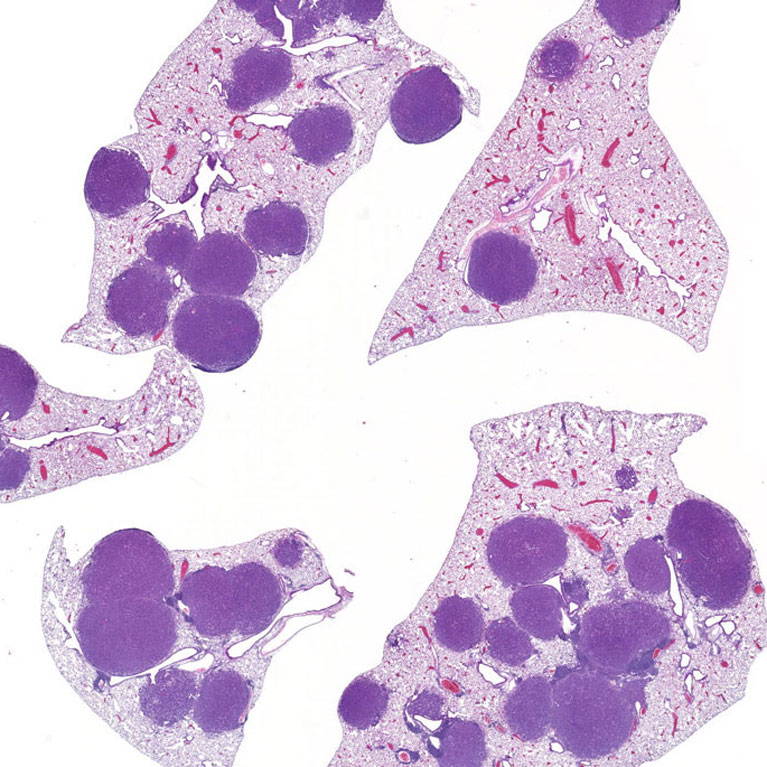
拉霍亚—癌症治疗长期以来一直朝着个性化方向发展——根据患者独特的遗传和分子模式,找到适合患者的靶向药物。许多此类靶向疗法都非常有效,但并非适用于所有癌症,包括那些携带 LKB1 基因突变的非小细胞肺癌 (NSCLC)。由萨克研究所教授领导的一项新研究 鲁本-肖 前博士后研究员莉莲·艾希纳(Lillian Eichner)现任西北大学助理教授,她发现FDA批准的曲美替尼和依替司他(后者目前处于临床试验阶段)联合使用,可以使患有LKB1突变的非小细胞肺癌(NSCLC)的小鼠产生更少、更小的肿瘤。.
LA JOLLA—The artificial intelligence (AI) language model ChatGPT has captured the world’s attention in recent months. This trained computer chatbot can generate text, answer questions, provide translations, and learn based on the user’s feedback. Large language models like ChatGPT may have many applications in science and business, but how much do these tools understand what we say to them and how do they decide what to say back?
LA JOLLA—PlantACT! Plants for Climate Action, a European initiative founded to unite plant science experts in the effort to mitigate climate change, will welcome Salk Professors 乔安·乔里 和 沃尔夫冈·布施 to an upcoming two-day event in New York City. The event, called Growing a Resilient Society and hosted by the University of Cologne New York Office and partners, will feature a free public panel discussion with Chory and an invite-only experts’ workshop research presentation by Busch.
LA JOLLA—The Salk Institute has named 杰拉尔德·乔伊斯 as its next president, following an extensive, six-month search process. Having served as the Institute’s senior vice president and chief science officer since July, Joyce will succeed Rusty Gage, who will return to his lab full-time following a transformative leadership tenure that strengthened the Institute scientifically, culturally and organizationally.
拉霍亚—索尔克教授 克里斯蒂安·梅塔洛 has been recognized for his outstanding contributions to advancing science by being named the next holder of the Daniel and Martina Lewis Chair, effective January 1, 2023. Professor 杰弗里·沃尔 previously held this chair position.