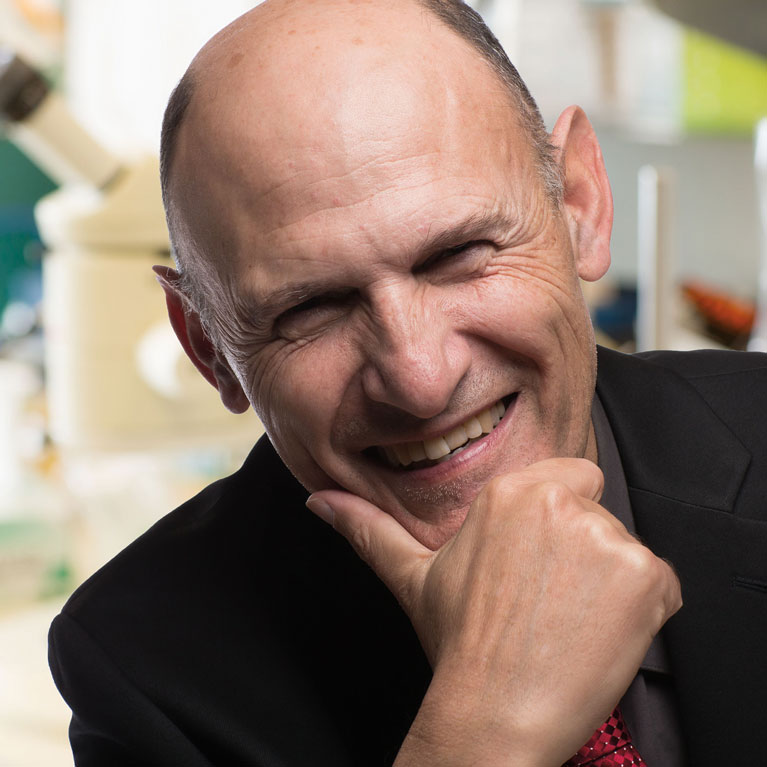
拉霍亚胡安·卡洛斯·伊兹皮苏亚·贝尔蒙特, a professor in Salk’s Gene Expression Laboratory, has been named one of TIME magazine’s 50 most influential people in healthcare for his scientific innovations in addressing the shortage of human organs for transplant. The list, which is curated by TIME’s health reporters and editors, recognizes people who changed the state of healthcare in America this year, and bear watching for what they do next.
LA JOLLA—When we’re born, our brains have a great deal of flexibility. Having this flexibility to grow and change gives the immature brain the ability to adapt to new experiences and organize its interconnecting web of neural circuits. As we age, this quality, called "plasticity," lessens.
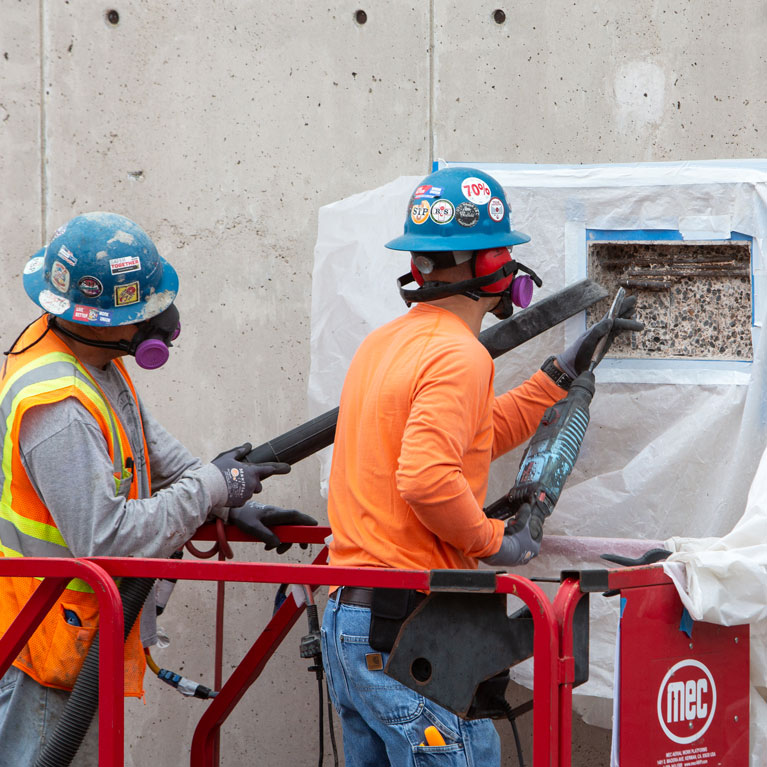
LA JOLLA—As part of its Keeping It Modern initiative, the Getty Foundation has awarded the Salk Institute a $200,000 grant to support the conservation of Salk’s celebrated concrete facades. The grant project will take place over the next five years. The announcement is part of more than $1.7 million in architectural conservation grants announced by the foundation in 2018 for 11 significant 20th century buildings.
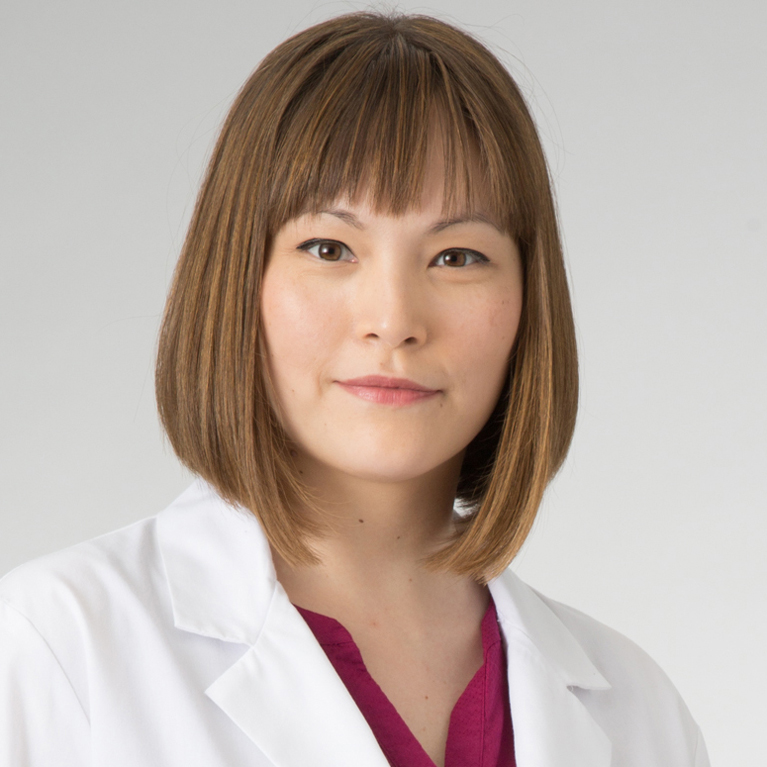
拉荷亚—索尔克研究所很荣幸地欢迎丹妮尔·恩格尔重返索尔克,担任索尔克癌症中心的助理教授。她目前是纽约冷泉港实验室的一名高级研究员,专注于胰腺癌的早期检测和治疗。恩格尔曾在索尔克教授的实验室从事研究。 杰弗里·沃尔 在她加州大学圣迭戈分校的博士项目期间,共六年。.
拉霍亚—副教授 贾内尔·艾尔斯 has been awarded a 2018 NIH Director’s Pioneer Award by the National Institutes of Health for her innovative research into host-pathogen interactions that promote the health of the host.
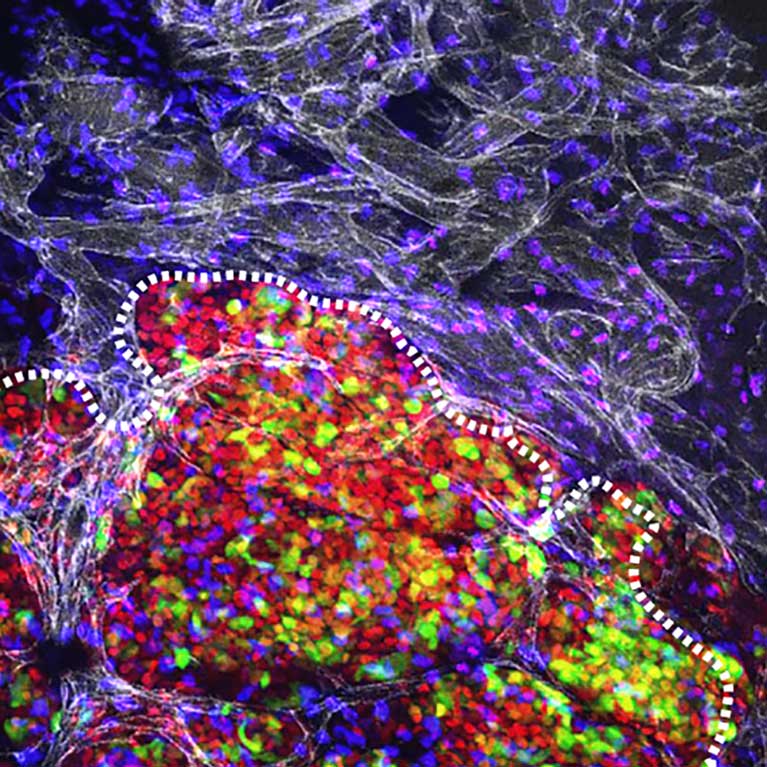
LA JOLLA—Approximately 1.25 million Americans are living with type 1 diabetes (T1D), with an additional 40,000 people newly diagnosed every year. T1D is an autoimmune disease that destroys insulin-producing pancreatic islet cells. Insulin is a hormone that allows sugar (glucose) to enter cells to produce energy. Without insulin, blood sugar accumulates, causing toxic side effects. Despite active research, T1D has no cure. While treatments, including daily insulin injections, are available, managing the disease remains challenging, and poorly controlled T1D can lead to blindness, organ failure and other health issues.
拉霍亚—索尔克副教授 塔季扬娜·沙尔佩, a member of the Computational Neurobiology Laboratory, has been elected a 2018 Fellow of the American Physical Society (APS) for her outstanding contribution to physics. In particular, she is granted this honor for “advancing our understanding of how neurons represent sensory signals and make decisions by pioneering new methods for analyzing neural responses to natural stimuli and uncovered organizing principles for closed loop behaviors,” according to the organization.
LA JOLLA—Over the past several years, CRISPR-Cas9 has moved beyond the lab bench and into the public zeitgeist. This gene-editing tool holds promise for correcting defects inside individual cells and potentially healing or preventing many human ailments. But the Cas9 system alters DNA, not RNA, and some experts believe that being able to modify RNA ultimately may prove just as useful.
LA JOLLA—The words “fly like an eagle” are famously part of a song, but they may also be words that make some scientists scratch their heads. Especially when it comes to soaring birds like eagles, falcons and hawks, who seem to ascend to great heights over hills, canyons and mountain tops with ease. Scientists realize that upward currents of warm air assist the birds in their flight, but they don’t know how the birds find and navigate these thermal plumes.
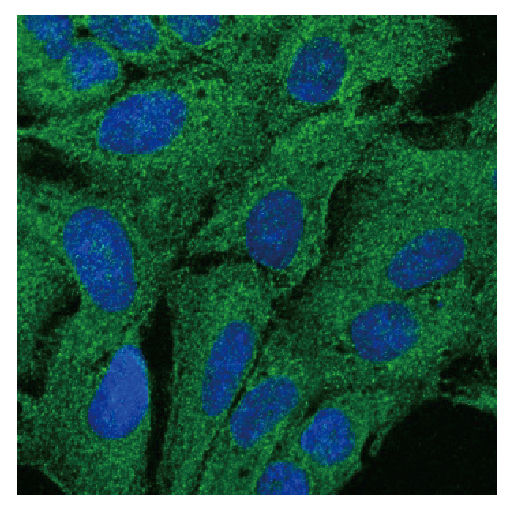
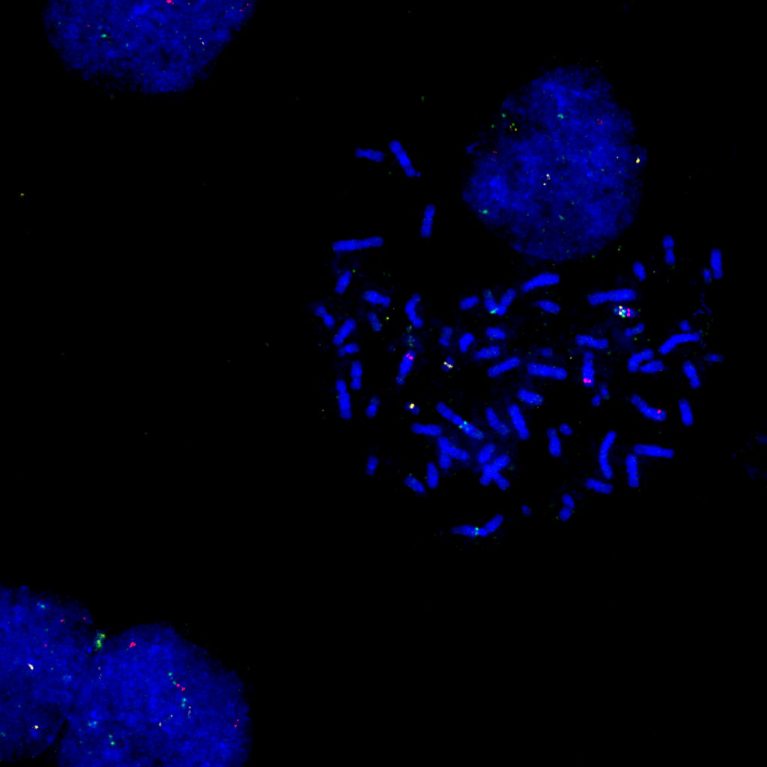
LA JOLLA—If the cell nucleus is like a bank for DNA, nuclear pores are the security doors around its perimeter. Yet more security doors aren’t necessarily better: some cancer cells contain a dramatic excess of nuclear pores.
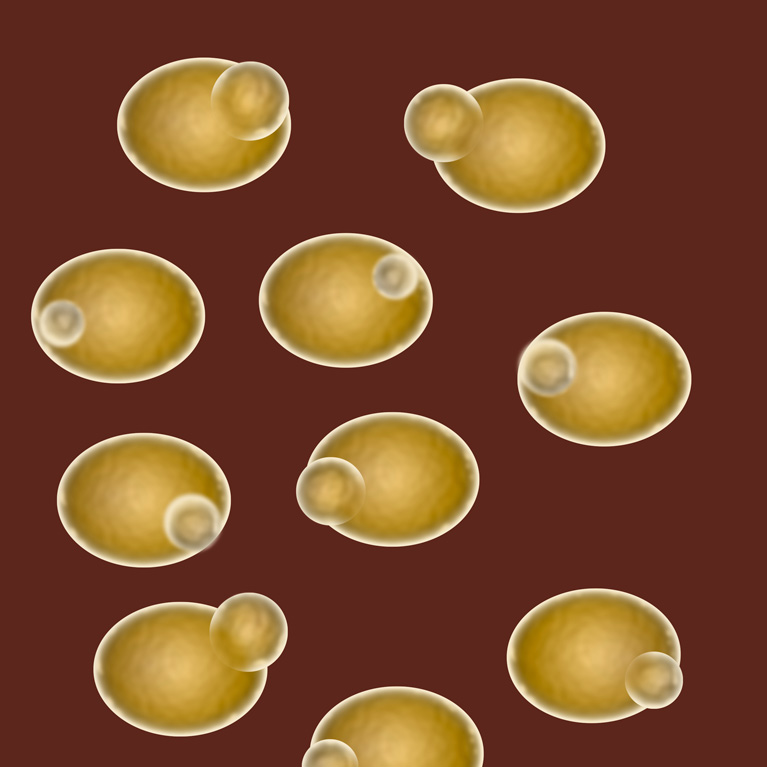
加拉乔拉——研究生物学的基本方面有时会带来与人类疾病直接相关的意外发现。在最新的科学奇遇例子中,索尔克研究所的研究人员发现,面包酵母中的一个重要质量控制机制与儿童的一种使人衰弱的疾病——髓鞘生成低下白质营养不良症——密切相关。.
LA JOLLA—Cancer cells often have mutations in their DNA that can give scientists clues about how the cancer started or which treatment may be most effective. Finding these mutations can be difficult, but a new method may offer more complete, comprehensive results.
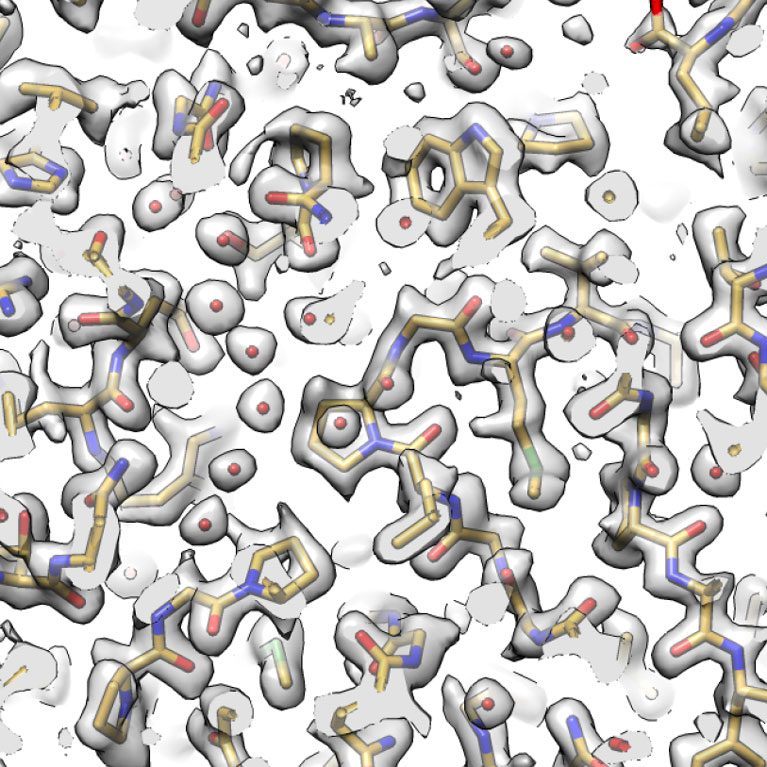
LA JOLLA—The imaging method called cryo-electron microscopy (cryo-EM) allows researchers to visualize the shapes of biological molecules with an unprecedented level of detail. Now a team led by researchers from the Salk Institute and the University of Florida is reporting how they used cryo-EM to show the structure of a version of a virus called an AAV2, advancing the technique’s capabilities and the virus’ potential as a delivery vehicle for gene therapies.
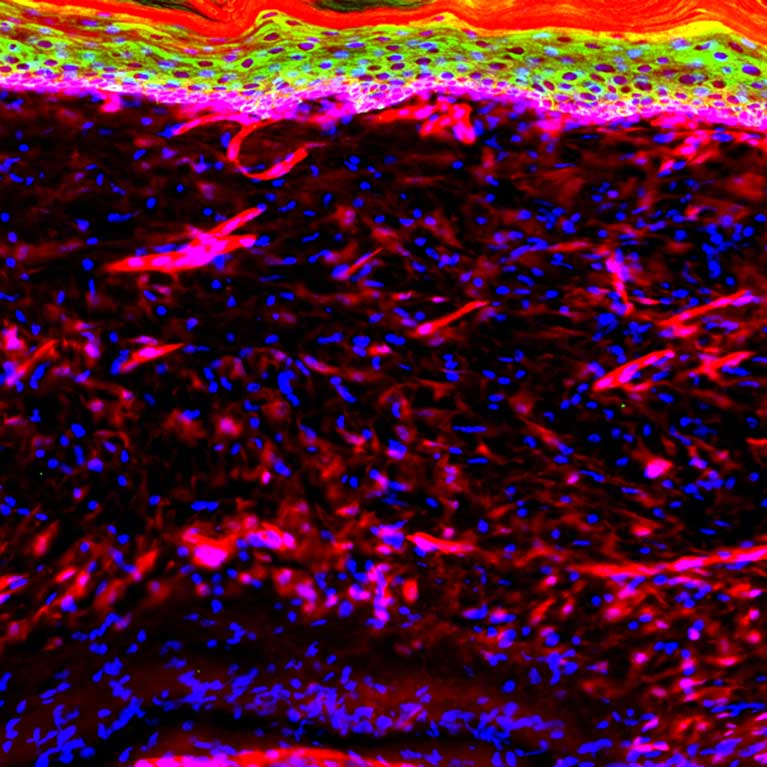
LA JOLLA—Plastic surgery to treat large cutaneous ulcers, including those seen in people with severe burns, bedsores or chronic diseases such as diabetes, may someday be a thing of the past. Scientists at the Salk Institute have developed a technique to directly convert the cells in an open wound into new skin cells. The approach relies on reprogramming the cells to a stem-cell-like state and could be useful for healing skin damage, countering the effects of aging and helping us to better understand skin cancer.
LA JOLLA—A team at the Salk Institute has identified a master switch that appears to control the dynamic behavior of tumor cells that makes some aggressive cancers so difficult to treat. The gene Sox10 directly controls the growth and invasion of a significant fraction of hard-to-treat triple-negative breast cancers.
LA JOLLA—Scientists at the Salk Institute found that mice lacking the biological clocks thought to be necessary for a healthy metabolism could still be protected against obesity and metabolic diseases by having their daily access to food restricted to a 10-hour window.
LA JOLLA—Every smell, from a rose to a smoky fire to a pungent fish, is composed of a mixture of odorant molecules that bind to protein receptors inside your nose. But scientists have struggled to understand exactly what makes each combination of odorant molecules smell the way it does or predict from its structure whether a molecule is pleasant, noxious or has no smell at all.
LA JOLLA—The Salk Institute announced today that it received more than $48 million from 1,100 individual donors and private grant makers in fiscal year 2018 to support the Institute’s groundbreaking science. In addition, government partners (e.g., the National Institutes of Health) provided 47 federal grants totaling more than $55 million to Salk researchers working in the areas of cancer, plant science, neuroscience, metabolism and others.
LA JOLLA—Salk Institute and Purdue University scientists have discovered the switch in plants that turns off production of terpenoids—carbon-rich compounds that play roles in plant physiology and are used by humans in everything from fragrances and flavorings to biofuels and pharmaceuticals.
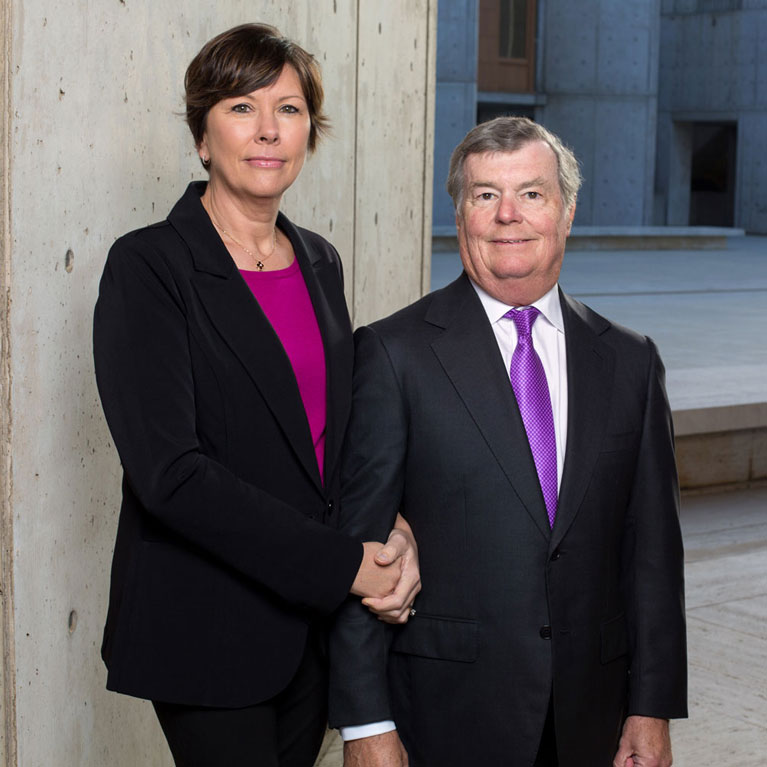
LA JOLLA—The Salk Institute announced a $2 million gift in support of its new 攻克癌症倡议 from its current Board of Trustees Chair, Dan Lewis, and his wife, Martina Lewis. The funds will be used to advance the Salk Cancer Center’s highest research priorities, including new investigations into five of the deadliest cancers: lung, pancreatic, brain (glioblastoma), ovarian and triple-negative breast.