拉霍亚Salk’s Harnessing Plants Initiative (HPI) will receive a $12.5 million gift from Hess Corporation (NYSE: HES) to advance two projects to enhance plants’ natural ability to store carbon and mitigate the effects of climate change: the CRoPS (CO2 Removal on a Planetary Scale) program and the Coastal Plant Restoration (CPR) program. These projects build on the Salk discovery of a crucial gene that will help the team develop plants with larger root systems capable of absorbing and storing potentially billions of tons of carbon per year from the atmosphere.
LA JOLLA—People with bipolar disorder experience dramatic shifts in mood, oscillating between often debilitating periods of mania and depression. While a third of people with bipolar disorder can be successfully treated with the drug lithium, the majority of patients struggle to find treatment options that work.
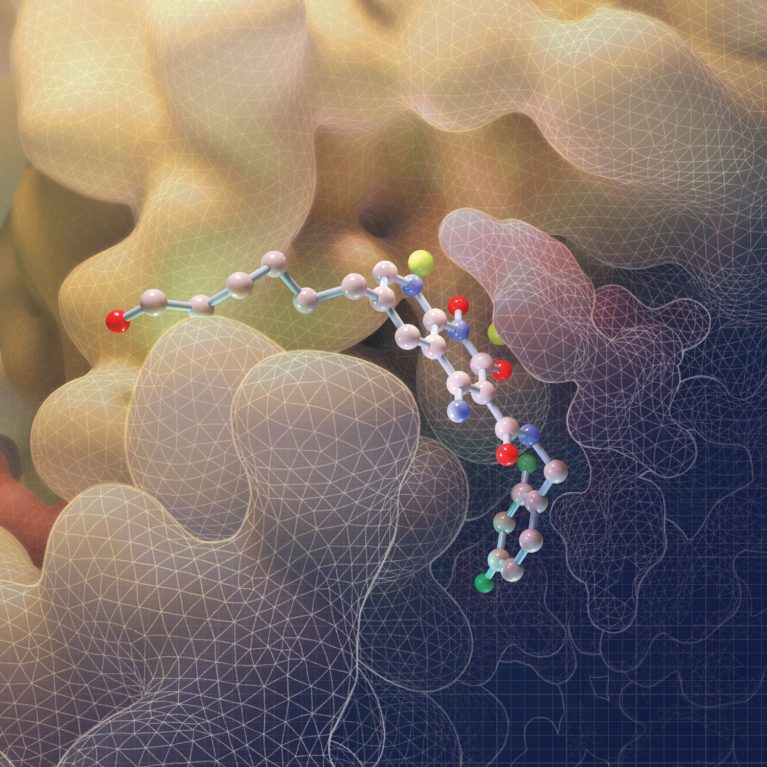
LA JOLLA—Salk scientists have discovered how a powerful class of HIV drugs binds to a key piece of HIV machinery. By solving, for the first time, three-dimensional structures of this complex while different drugs were attached, the researchers showed what makes the therapy so potent. The work, which appeared in 科学 on January 30, 2020, provides insights that could help design or improve new treatments for HIV.
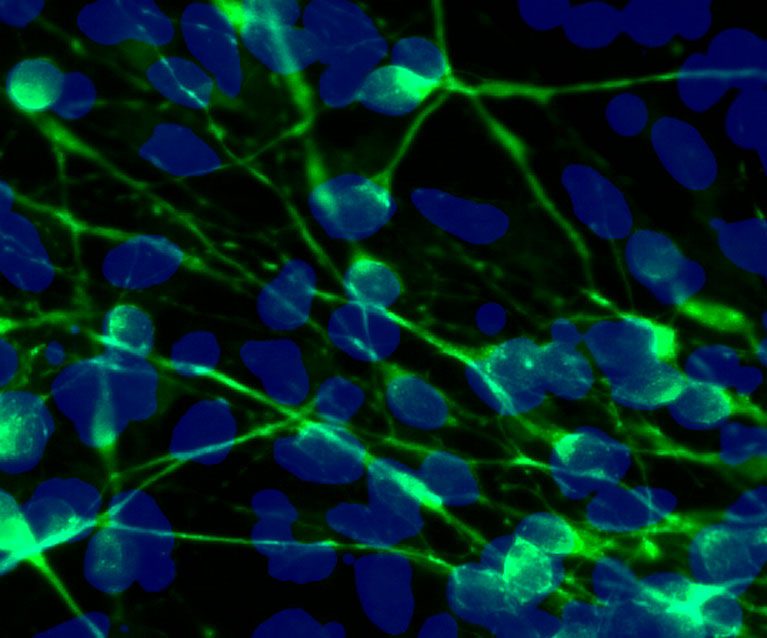
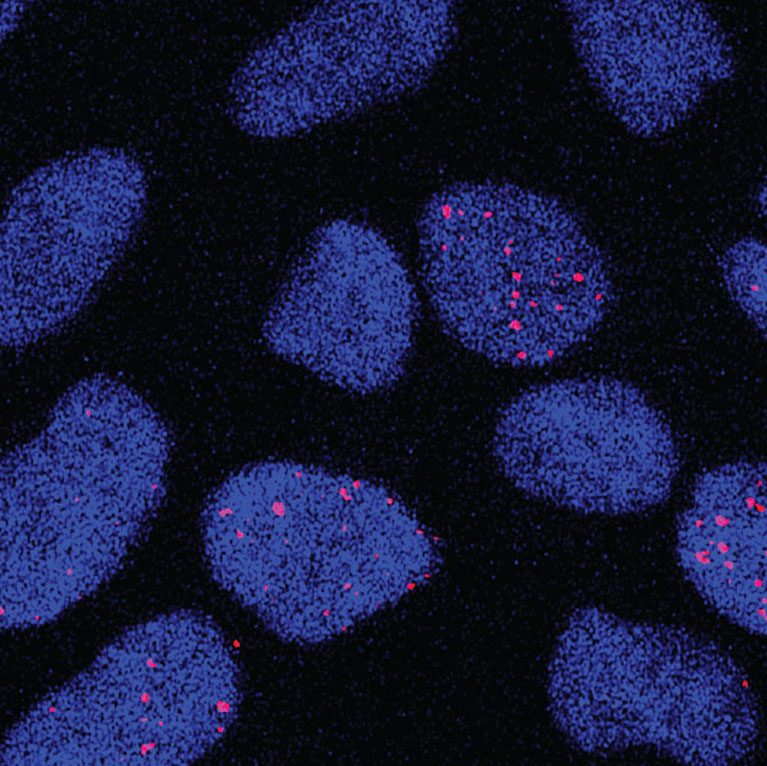
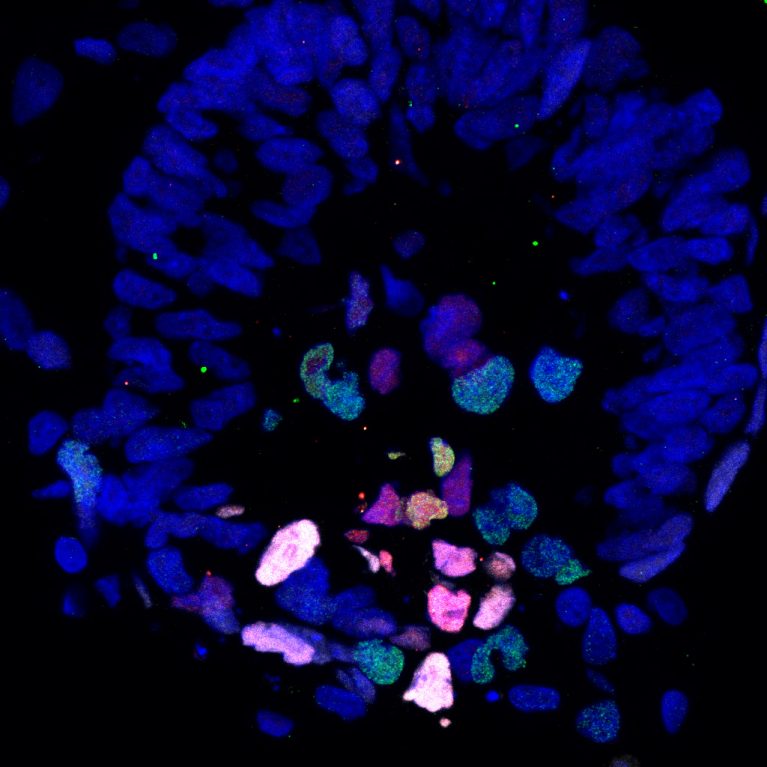
LA JOLLA—Researchers at the Salk Institute have discovered a unique pattern of DNA damage that arises in brain cells derived from individuals with a macrocephalic form of autism spectrum disorder (ASD). The observation, published in the journal Cell Stem Cell, helps explain what might go awry in the brain during cell division and development to cause the disorder.
LA JOLLA—Due to the modern tendency to postpone childbirth until later in life, a growing number of women are experiencing issues with infertility. Infertility likely stems from age-related decline of the ovaries, but the molecular mechanisms that lead to this decline have been unclear. Now, scientists from the U.S. and China have discovered, in unprecedented detail, how ovaries age in non-human primates. The findings, published in 细胞 on January 30, 2020, reveal several genes that could be used as biomarkers and point to therapeutic targets for diagnosing and treating female infertility and age-associated ovarian diseases, such as ovarian cancer, in humans.
拉霍亚—索尔克研究所董事会欢迎新成员拉里·詹宁斯(Larry Jennings, Jr.)和蒂莫西·肖恩(Timothy Schoen)。在丹尼尔·刘易斯(Daniel Lewis)的主持下,索尔克董事会有助于推动由脊髓灰质炎疫苗先驱乔纳斯·索尔克(Jonas Salk)于1960年创立的世界著名生物研究机构的发展方向。.
LA JOLLA—People with osteoarthritis, or “wear and tear” arthritis, have limited treatment options: pain relievers or joint replacement surgery. Now, Salk researchers have discovered that a powerful combination of two experimental drugs reverses the cellular and molecular signs of osteoarthritis in rats as well as in isolated human cartilage cells. Their results were published in the journal Protein & Cell on January 16, 2020.
LA JOLLA—Mitochondria, tiny structures present in most cells, are known for their energy-generating machinery. Now, Salk researchers have discovered a new function of mitochondria: they set off molecular alarms when cells are exposed to stress or chemicals that can damage DNA, such as chemotherapy. The results, published online in Nature Metabolism on December 9, 2019, could lead to new cancer treatments that prevent tumors from becoming resistant to chemotherapy.
拉霍亚——在阿尔茨海默病的小鼠模型中,被称为 CMS121 和 J147 的在研候选药物可以改善记忆力并减缓脑细胞的退化。现在,索尔克研究所的研究人员已经证明了这些化合物如何也能减缓健康老年小鼠的衰老,阻止大脑在衰老过程中发生的细胞损伤,并将特定分子的水平恢复到年轻大脑的水平。.
LA JOLLA—While scientists know of about 25,000 genes that code for biologically important proteins, additional, smaller genes hiding in our DNA may be just as important. But these tiny lines of genetic code have proven tough to track down.
LA JOLLA—Bright light at night interrupts the body’s normal day-night cycles, called circadian rhythms, and can trigger insomnia. In fact, circadian rhythms play a major role in health. Disrupted day-night cycles have even been linked to increased incidence of diseases like cancer, heart disease, obesity, depressive disorders and type 2 diabetes in people who work night shifts. Therefore, understanding how human eyes sense light could lead to “smart” lights that can prevent depression, foster sleep at night, and maintain healthy circadian rhythms.
LA JOLLA—Metabolic syndrome affects nearly 30 percent of the U.S. population, and increases the risk for type 2 diabetes, heart disease and stroke. But lifestyle interventions such as adopting a healthy diet and increasing physical exercise are difficult to maintain and, even when combined with medication, are often insufficient to fully manage the disease.
LA JOLLA—Metformin is the most commonly prescribed type 2 diabetes drug, yet scientists still do not fully know how it works to control blood sugar levels. In a collaborative effort, researchers from the Salk Institute, The Scripps Research Institute and Weill Cornell Medical College have used a novel technology to investigate why it functions so well. The findings, which identified a surprising number of biochemical “switches” for various cellular processes, could also explain why metformin has been shown to extend health span and life span in recent studies. The work was published in 细胞报告 on December 3, 2019.
LA JOLLA—Salk Professors 乔安·乔里, 约瑟夫·埃克尔, 罗纳德·埃文斯, 鲁斯蒂·盖奇, 胡安·卡洛斯·伊兹皮苏亚·贝尔蒙特, 特伦斯·塞津诺维奇, 鲁本-肖 和 凯泰 have been named to the Highly Cited Researchers list by Clarivate Analytics. The list selects researchers for demonstrating “significant and broad influence” reflected by the production of multiple highly cited papers that rank in the top 1 percent by citations for field and year.
LA JOLLA—Although alcohol use is ubiquitous in modern society, only a portion of individuals develop alcohol use disorders or addiction. Yet, scientists have not understood why some individuals are prone to develop drinking problems, while others are not. Now, Salk Institute researchers have discovered a brain circuit that controls alcohol drinking behavior in mice, and can be used as a biomarker for predicting the development of compulsive drinking later on. The findings were published in 科学 on November 21, 2019, and could potentially have implications for understanding human binge drinking and addiction in the future.
LA JOLLA—Salk Professor Emeritus Jean Rivier, who pioneered studies on the characterization of the hypothalamic peptides that control the stress response, and developed drugs that target this response, passed away peacefully in San Diego, California, on November 13, 2019.
LA JOLLA—For the ninth consecutive time, the Salk Institute has earned the highest ranking—4 out of 4 stars—from Charity Navigator, America’s largest independent charity and nonprofit evaluator. Only three percent of the roughly 10,000 nonprofits evaluated have achieved this recognition nine consecutive times. The coveted ranking indicates the Salk Institute outperforms most other charities in America in regard to executing best fiscal practices and carrying out its mission in a financially efficient way.
LA JOLLA—The Salk Institute announced today that it received more than $89 million from 1,204 individual donors and private grant makers in fiscal year 2019 (ending in June) to support the Institute’s world-renowned science. The amount is the most raised from private donors in the past decade and accounts for 49 percent of Salk’s FY19 revenue.