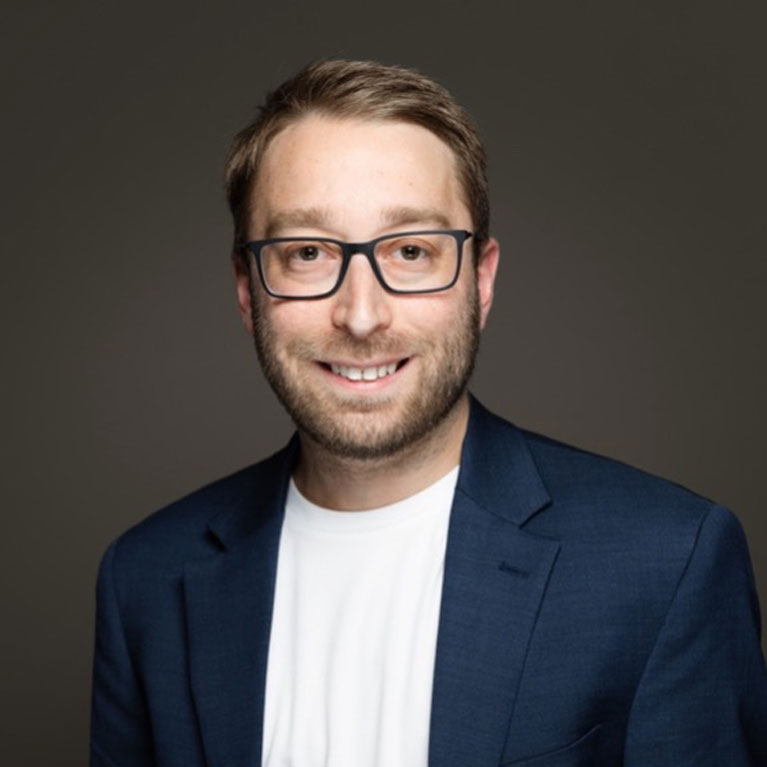
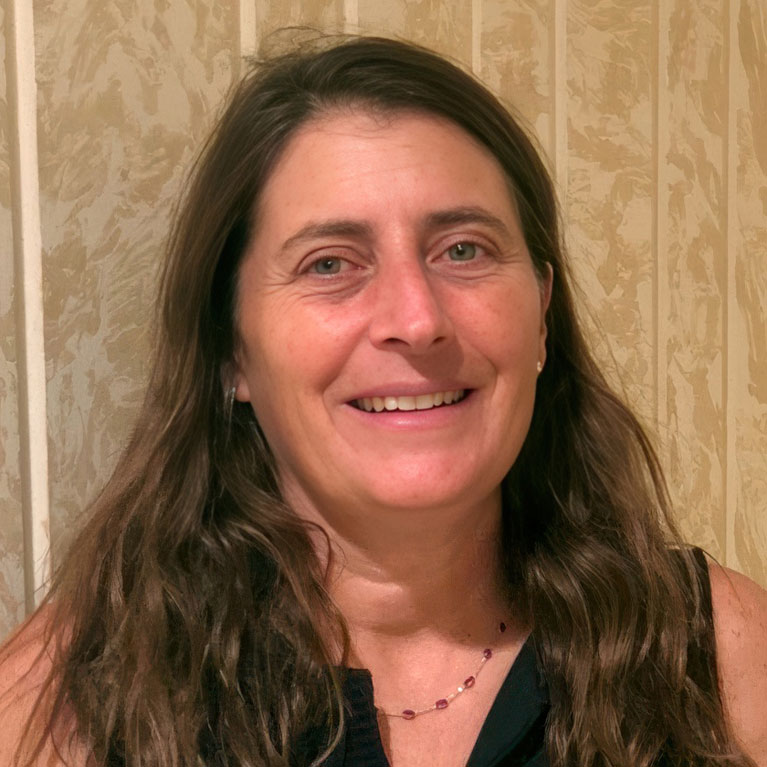
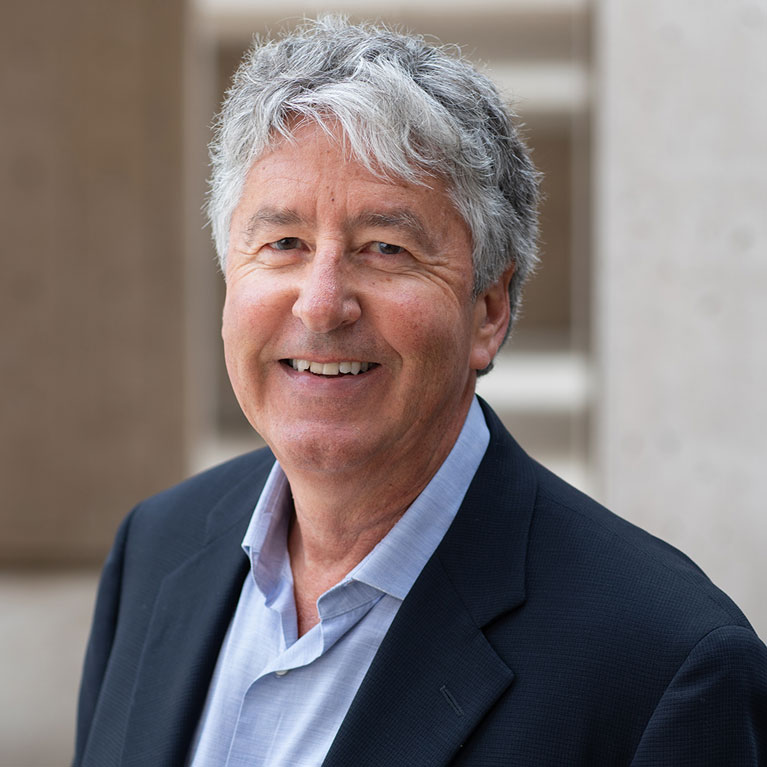
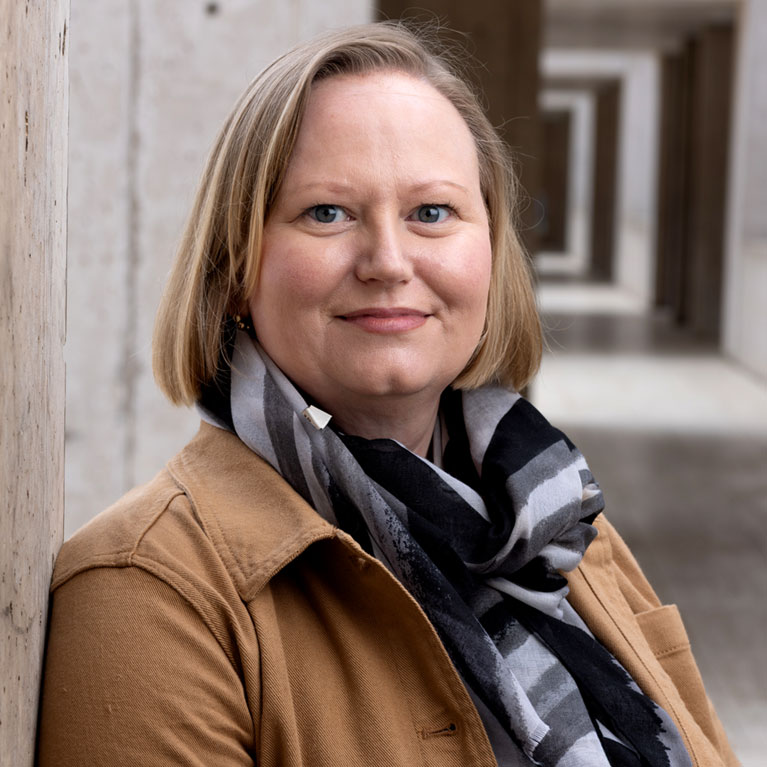
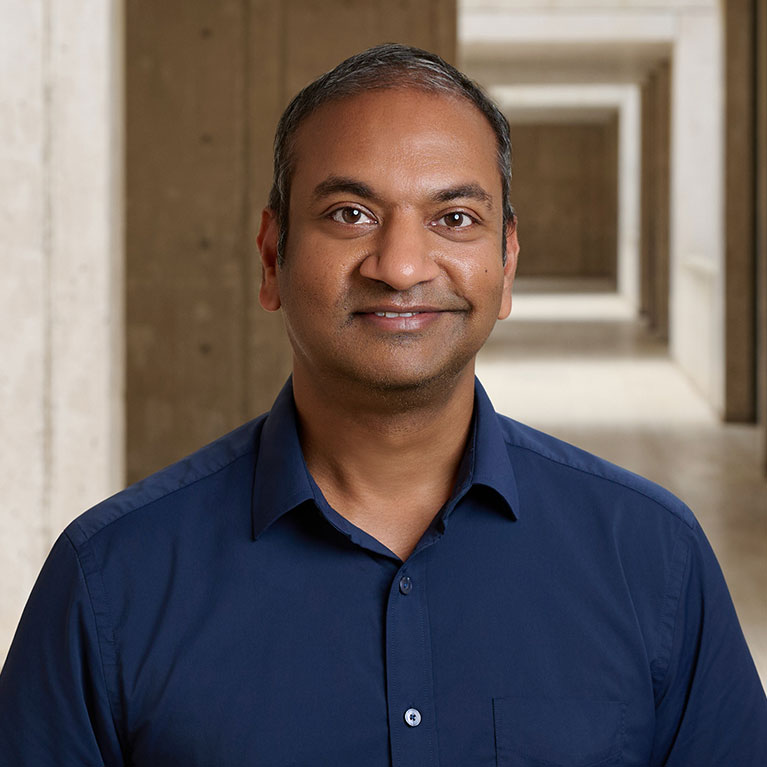
LA JOLLA—Three Salk faculty members, Sung Han 博士, 丹尼尔·霍勒恩,博士, ,和 格雷厄姆-麦克维克博士, have been chosen as Keck Scholars, alongside corresponding graduate students as Keck Fellows, in a special W. M. Keck Foundation Bridge Funding Initiative. The Initiative comes as the Keck Foundation seeks to support early-career scientists amid federal funding uncertainty.
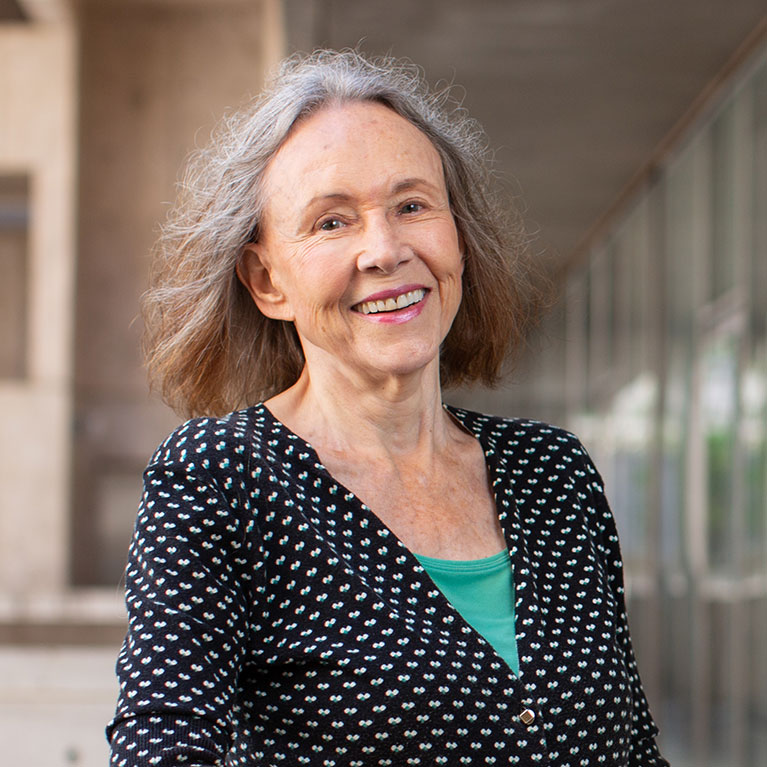
圣地亚哥—萨尔克生物研究所已晋升 朱莉·劳,博士, from associate professor to full professor, and Salk Fellow Talmo Pereira, PhD, has now joined Salk’s faculty as assistant professor. The recognition reflects both scientists’ excellence and innovation in their respective research areas.
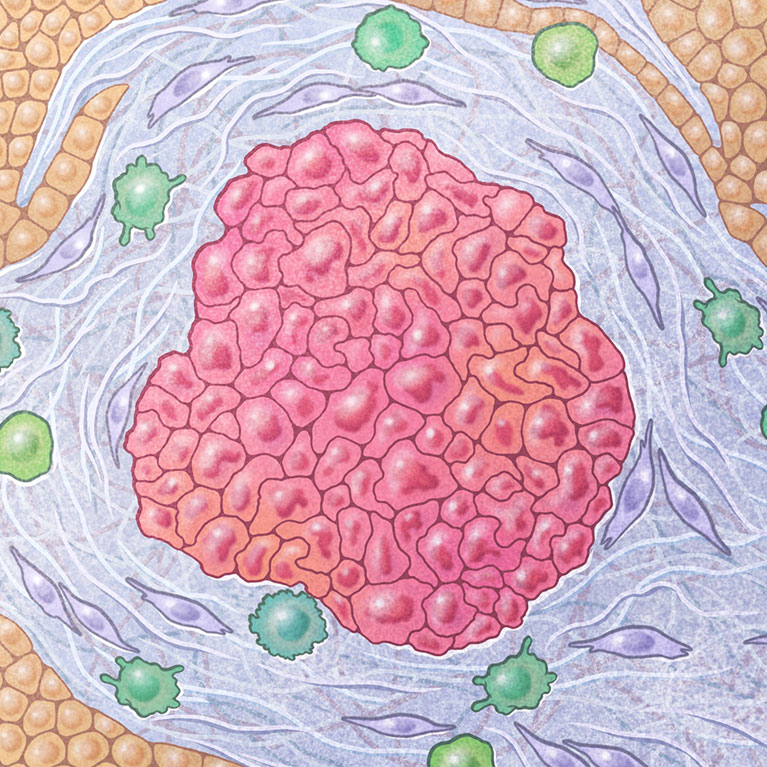
LA JOLLA—A small clinical trial led by Dana-Farber Cancer Institute researchers put a Salk Institute idea to the test in patients: that activating the vitamin D receptor can help reshape the protective environment surrounding pancreatic tumors in ways that could make the notoriously difficult-to-treat cancer more vulnerable to therapeutic treatments.
LA JOLLA—Suzanne Bourgeois, PhD, Salk professor emerita, founding member of the Salk Institute, and pioneer in gene regulation research, died at her home in Del Mar, California, on March 14, 2026. She was 94 years old.
LA JOLLA—The Salk Institute has recruited Ian Guldner, PhD, as a new assistant professor with foundational research expertise in brain aging and Alzheimer’s disease. Guldner’s goal is to identify cellular communication mechanisms that regulate brain aging and disease, and target those interactions to preserve brain health. He will launch his new lab at Salk in late 2026.
LA JOLLA—Sarah Wolf Hallac has been appointed to the Salk Institute’s 理事会. She brings broad experience spanning technology, finance, and philanthropy and will help guide the Institute as it advances foundational science that fuels future breakthroughs.
LA JOLLA—Salk Institute President Gerald Joyce, MD, PhD, has been elected to the American Philosophical Society. Founded in 1743 by Benjamin Franklin, the American Philosophical Society is the oldest learned society in the United States. Through elected membership and a wide range of scholarly and public programs, the Society advances useful knowledge and the free exchange of ideas across disciplines.
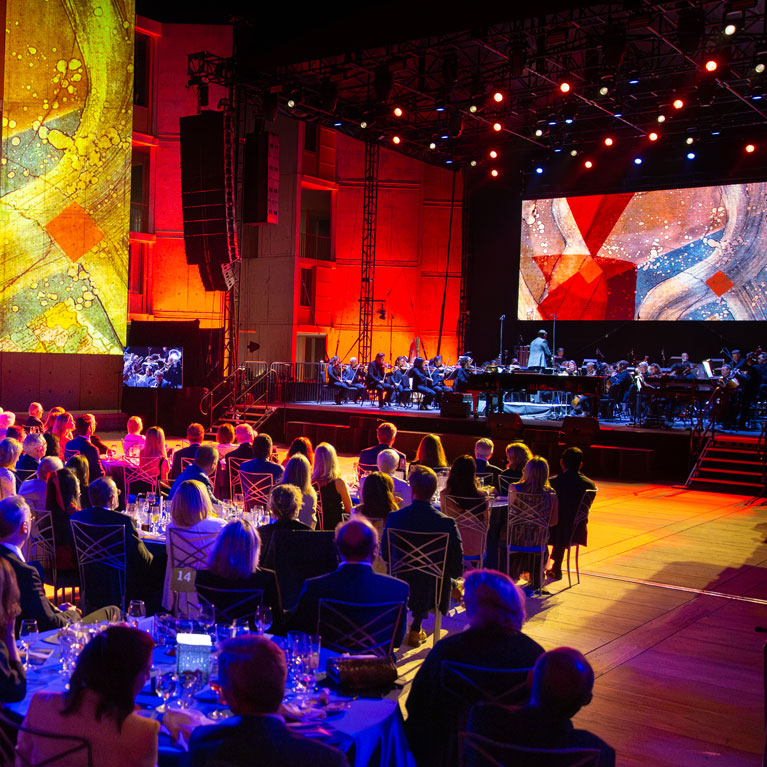
LA JOLLA— Tickets are now on sale for the 30th annual Symphony at Salk, the Salk Institute’s premier fundraiser, taking place Saturday, August 15, 2026, in the Institute’s iconic oceanfront courtyard in La Jolla. This milestone year marks three decades of unforgettable music in support of discovery. Proceeds from the evening will support Salk’s mission to advance foundational science—the bold, curiosity-driven research that makes future breakthroughs possible.
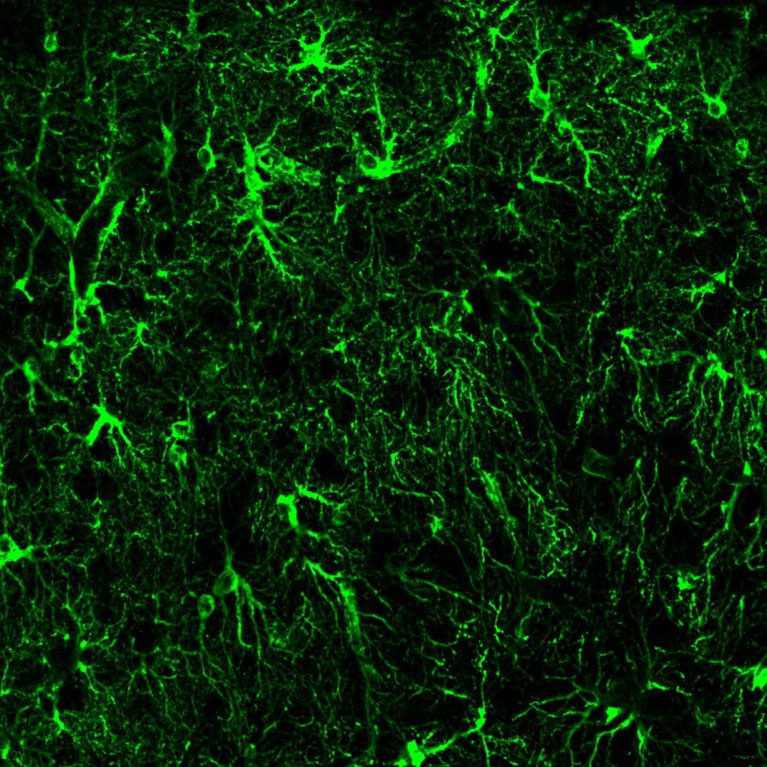
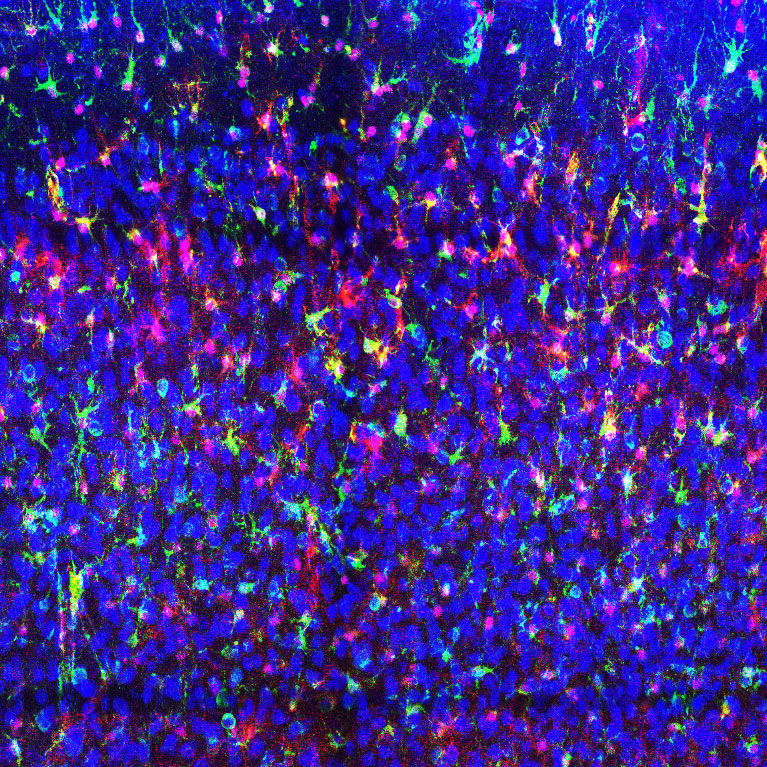
LA JOLLA—Fragile X syndrome (FXS) is an inherited genetic developmental condition that strongly impacts brain development. Despite the syndrome stemming from altered genetic code for the single protein fragile X messenger ribonucleoprotein (FMRP), its symptoms are broad and variable; people with FXS can have a range of behavioral and physical symptoms, and around 40 percent of people with FXS also have autism spectrum disorder. There is currently no cure for FXS; treatments are limited to medications and therapies to help manage symptoms.
LA JOLLA—Fluorescent proteins have revolutionized science, enabling researchers to tag and visualize individual molecules in living cells, tissues, and animals. Using these tools, researchers have watched viruses infect cells in real time, observed cellular trash collection, and tracked the signaling that spurs tumor growth.
LA JOLLA—Salk Institute scientist Terrence Sejnowski, PhD, and Nobel Laureate Geoffrey Hinton, PhD, have received the Scientific Breakthrough Award from the World Digital Technology Academy (WDTA)’s inaugural World Digital and Frontier Technologies (WDFT) Awards. Sejnowski and Hinton are recognized for their pioneering research bridging biological intelligence and computational models, punctuated by their foundational development of Boltzmann machines. Their work provided “the architectural bedrock for deep learning, generative AI, and the large-scale systems now driving digital civilization.”
LA JOLLA—Every day, the liver packages fat and releases it into the bloodstream to fuel the body, supplying energy to the heart, muscles, and other organs during the active hours of the day. The liver does not release fat into the bloodstream at random. Like much of human physiology, this daily export of fat follows a precise rhythm, timed to the body’s internal clock. But what molecular signal tells the liver when to act?
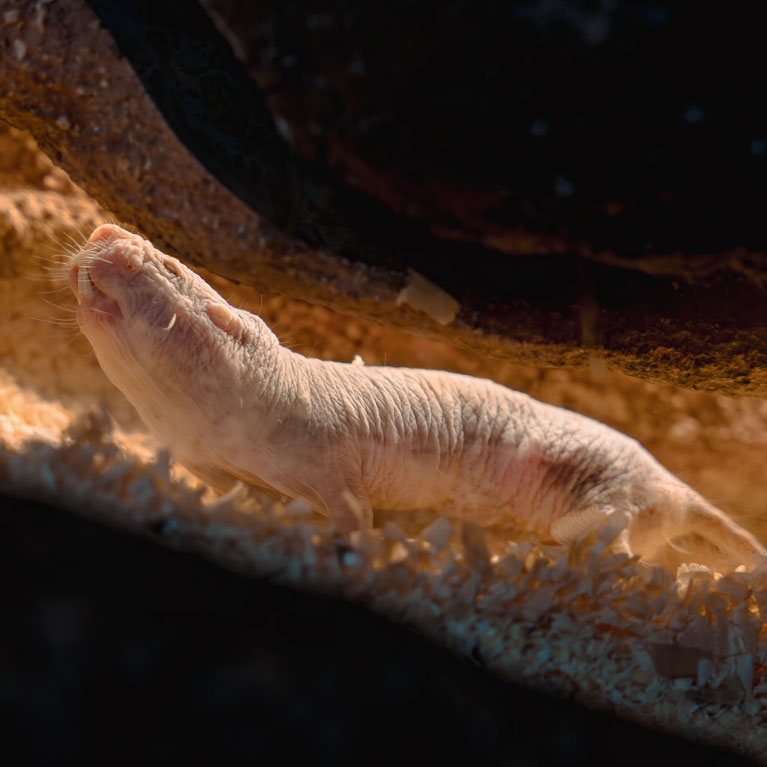
LA JOLLA—Naked mole rats keep kingdoms underground. One queen bears all the children, while others maintain complex subterranean tunnels, forage for food, take care of newborns, and perform other necessary upkeep. This society hinges on the central pillar of a singular queen. What happens when her fertility declines or is impaired?
LA JOLLA—Plants can’t move to escape the heat like humans can—they are forced to adapt. As temperatures fluctuate, one key survival strategy is the ability of roots to keep growing, allowing plants to access water and nutrients further away in the soil. But how do plants sense temperature and translate it into growth?
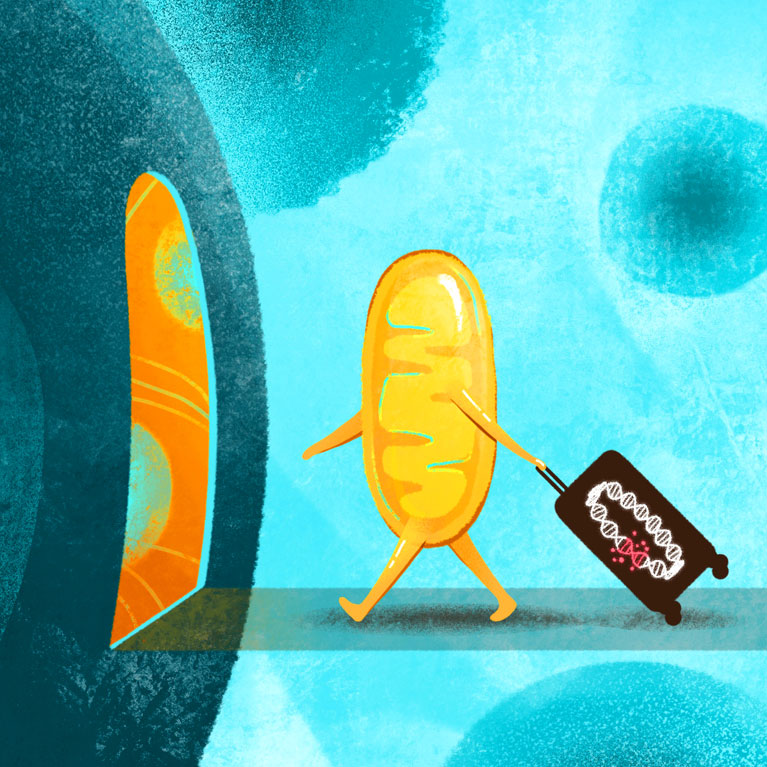
LA JOLLA—Some of your most important life partners are the mitochondria that power all your cells. You and these little cellular powerhouses are in a 1.5-billion-year-old evolutionary relationship—but mitochondria brought some baggage. Mitochondria brought their own DNA with them when they joined with the bigger, more complex cells so long ago, and today that mitochondrial DNA influences human health.
LA JOLLA—Salk Institute scientist Sreekanth Chalasani 博士, has received an award of up to $41.3 million from the Advanced Research Projects Agency for Health (ARPA-H), an agency within the United States Department of Health and Human Services. The funding will allow Chalasani and his team to transform his lab’s sonogenetics discovery—using ultrasound to precisely control mammalian cells—into a potential new therapy for a number of human conditions, such as peripheral neuropathies.
洛杉矶-索尔克研究所聘请全球知名癌症科学家泰勒斯-帕帕吉安纳克普洛斯(Thales “PapaG” Papagiannakopoulos)博士自2026年9月起担任该研究所教授。Papagiannakopoulos 自 2015 年以来一直在纽约大学格罗斯曼医学院任教,目前是纽约大学格罗斯曼医学院病理学系和 Perlmutter 癌症中心的终身副教授。他将为索尔克带来癌症代谢、癌症免疫学和肿瘤-宿主沟通方面的更多专业知识,为索尔克国家癌症研究所(NCI)指定癌症中心内部以及整个研究所的合作开辟新的机遇。.
拉霍亚—索尔克分子生物学家 杰拉尔德-沙德尔博士, 神经科学家 塔季扬娜-沙佩(Tatyana Sharpee),博士、, 已被选为美国科学促进会(AAAS)2025年度会士。这项荣誉旨在表彰在科学和社会方面取得杰出成就的科学家,AAAS会士将终身担任国家和全球科学的代言人。.
加拉霍亚—自本世纪初以来,美国和墨西哥一直处于历史性的特大干旱之中。二十多年来,美国西南部一直面临着这场特大干旱造成的严峻社会和经济后果——仅在 2021 年,加利福尼亚就遭受了 $11 亿美元的农业损失。在这些条件下持续存在的情况下,我们如何才能帮助作物在尽量减少产量损失的同时抵御干旱?
洛杉矶-神经退行性疾病影响着全球 5700 多万人。从阿尔茨海默氏症到帕金森氏症,再到渐冻症等,这些疾病的发病率预计将达到 双 每20年。尽管科学家们知道衰老是神经退行性疾病的主要风险因素,但衰老影响的确切机制仍不清楚。.